Stainless steel, a prominent material, has been utilized for a long time due to its great durability, versatility, and aesthetics. However, the 301 grade steel was the one among all steels that got most rums and became the first choice in many areas of manufacturing. What is so special about this steel exactly? This blog post is intended to disseminate knowledge regarding the exclusive traits, benefits, and reasons for its rising popularity in the designers’ toolboxes. Be it project designs, consult how-tos, or just immersing oneself into the materialistic world’s finer aspects, this will thoroughly enlighten what to expect in increasingly available literature.
Introduction to 301 Stainless Steel Strip
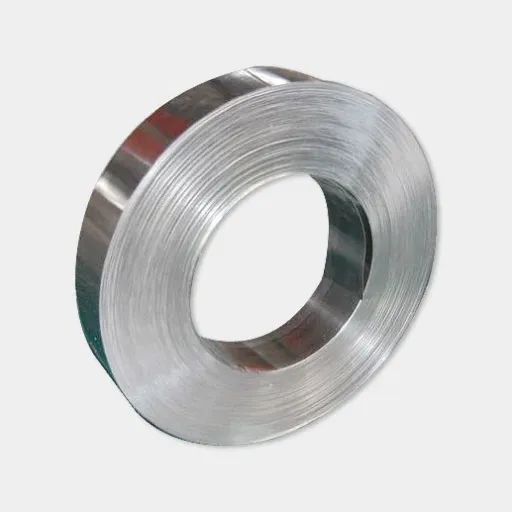
What is 301 Stainless Steel?
The 301 stainless steel is a type of austenitic stainless steel that has an impressive galvanic life, ductility, and resistance to rusting. The main components are 16-18% chromium and 6-8% nickel mixed with iron, which are the main elements responsible for the very good corrosion resistance. Stainless steel is still soft enough to be cold worked, thus offering a high range from low hardness to tensile strength nearing its hard-to-handle limits, which makes it suitable for a wide variety of applications, from light structures to heavy industrial uses.
One of the main characteristics of 301 stainless steel that makes it a premium material is the extremely high strength-to-weight ratio while still keeping the properties of formability and weldability, which is why it is very popular in the automotive and aerospace applications, including building construction. In addition, its ability to keep its structural properties up to a certain level of temperature is another reason why 301 performs very well in difficult environments.
Importance of Yield and Temper in 301 Stainless Steel
The yield stress and tempers of 301 Stainless Steel are of utmost importance because they mainly determine the performance and usage of the steel. Yield stress indicates the extent of stress that the material can bear without any deformation while tempers refer to the specific heat treatment or work-hardening process that the material undergoes to obtain the desired mechanical properties.
Sandvik 301 steel grades possess very good properties for cold working, which enables the steel to compress over a wide range of tempering conditions from soft anneal to hard temper. The young modulus of an annealed 301 stainless steel is about 30,000 psi and at the full hard stage, it might be more than 140,000 psi. Accordingly, it is possible to fully control different applications depending on the allowable deformation and stress.
Important Note: The temper influences directly the ductility, toughness, and tensile strength of the material, thus making the choice of the right temper a major factor in achieving the desired performance. For example, quarter-hard and half-hard tempers are commonly used in various forming processes on parts that require medium strength and flexibility. On the other hand, full-hard 301 stainless steel provides the best quality strength, which is applied in situations where a high degree of rigity and low elongation are needed – like in heavy-duty springs and fasteners.
Properties and Benefits of 301 Stainless Steel Strip
Mechanical Properties of 301 Stainless Steel
| Property | Specification |
|---|---|
| Tensile Strength | The tensile strength of 301 stainless steel is between 100 ksi (690 MPa) in the annealed condition and 235 ksi (1620 MPa) in the full-hard temper. The high strength which characterizes 301 stainless steel, makes it a good candidate for the construction and support of heavy loads. |
| Yield Strength | The yield strength of the material may be 45 ksi (310 MPa) in the annealed condition or more than 140 ksi (965 MPa) in the full-hard condition depending on the extent of cold working and specific temper. |
| Elongation | The elongation percentage is inversely proportional to temper levels; that is, the higher the temper levels the lower the elongation percentage. For example, in its annealed state, the material may show an elongation of over 50%, while in the full-hard condition, this can go down to as little as 9%. |
| Hardness | The Rockwell hardness of 301 stainless steel is mainly in the range of B75 in the annealed state and C48 in the full-hard condition, which indicates a comprehensive assortment of formability and strength. |
| Modulus of Elasticity | The modulus of elasticity is constant at about 28 x 10^6 psi (193 GPa), thereby providing consistent stiffness and resistance to deformation. |
Fatigue Resistance and Tensile Strength
The fatigue resistance of 301 stainless steel is remarkable and therefore, it is intended for use in applications that are continuously loaded for a long time. Thus, this feature is essential to the life span of the material after going through repeated stress such as spring, fastener, and clamps. Stainless steel 301 has a fatigue strength that varies typically from 30% to 50% of its tensile strength. This variation is influenced by factors like surface finish and environmental conditions.
Tensile strength of 301 stainless steel is very large and it varies according to its temper or degree of work hardening. Annealed 301 stainless steel has a low tensile strength of about 75 ksi (kilopounds per square inch), whereas cold-rolled, high-hardness conditions of 185 ksi or even more can produce steel of such high tensile strength. This range provides the producers with the chance to adjust the material according to the specified performance and to find a proper ratio between strength and formability for various industrial applications.
Common Applications of 301 Stainless Steel Strip
Use in Automotive and Aerospace Industries
Automotive Industry
301 stainless steel is widely applied in the automotive industry, especially in the production of vehicle structural parts, exhaust systems, and springs. Its outstanding tensile strength is one of the reasons why it is a favored material for making resilient and lightweight parts, thus reducing the overall vehicle weight while still preserving the strength. Recently published information reveals that the use of 301 stainless steel and other similar materials can result in an 8% improvement in fuel economy for every 10% weight reduction in the vehicle. Furthermore, its ability to resist corrosion provides a considerable advantage in prolonging the life of such parts that are constantly undergoing the attack of moisture, road salts, and other elements that cause degradation.
Aerospace Industry
The aerospace sector uses 301 stainless steel for various critical part applications, including fasteners, brackets, and other structural supports. The alloy’s remarkable fatigue resistance, for its part, guarantees the part’s reliability even in extreme stresses and under varying temperature conditions, something that is very common in the aerospace industry. It is also the best material for those systems where thermal efficiency and mechanical stability are the most important since it can perform exceptionally well over a temperature range of -423°F to 1400°F. As per the industry reports, the adoption of long-lasting and light materials like 301 stainless steel in aviation results not only in the reduction of operational costs but also in an improvement in the fuel efficiency of aircraft through better weight-to-performance ratios.
Applications in Household Items and Kitchenware
It is a fact that industrial sectors have made 301 stainless steel their primary material but at the same time the alloy’s remarkable properties also accounts for its extensive use in household and kitchen items. 301 stainless steel is the material that stands for daily use products beside all others owing to a combination of its high tensile strength, resistance to corrosion and high-temperature inside the household. The sinks in kitchens, cutlery and chef’s pots are the instances where the alloy’s longtime coexistence of durability and maintenance-free life has been evidenced without causing much wear there.
Newly granted access has been bringing to notice that 301 stainless steel is the best metal for the making of colored utensils like knives and spoons, due to its superior edge retention and non-scratching properties. The non-reactive surface for metals and non-metals, that is, 301 has an important role in cooking and food storing as it prevents contamination and keeps food safe.
Industry Data: Figures show that around 70% of the world’s total cookware is made of stainless steel, with 301 stainless steel being one of the most preferred grades due to its affordability and performance balance, among other stainless steel grades.
Specifications of 301 Stainless Steel Strip
Understanding UNS S30100 and Other Designations
UNS S30100 represents the unified numbering system allocation for Type 301 stainless steel, a highly popular austenitic stainless steel, which is remarkable for its strength and adaptability. Being one of the 300-series stainless steels, its main raw materials are iron, chromium (16-18%), nickel (6-8%), and manganese (up to 2%). The chemical make-up of the steel gives it superb resistance to corrosion, in addition to the high tensile strength, so that it would be suitable for applications in industries like automotive, aerospace, and manufacturing.
Alternative Designations
- AISI 301 – American Iron and Steel Institute standard
- EN 1.4310 – European standard
- SUS 301 – Japanese standard
In addition to the UNS classification, Type 301 is often designated according to other standards like AISI 301, EN 1.4310, and SUS 301 (Japanese standard). The material’s high work hardening rate is one of the most significant benefits, as it can be treated to such a state by rolling or bending, thus getting its mechanical properties modified.
UNS S30100 applications are typically in such areas where properties like good weldability and forming without ‘undoing’ the material property are required. Yield strength for instance can be as high as 1400 MPa for the cold worked and as low as 241 MPa for the annealed states. The range of applications for 301 springs, fasteners, and structural elements in areas where durability and wear resistance are of major concern is very wide due to these mechanical properties. Furthermore, the alloy’s capability of withstanding both oxidation and different kinds of chemicals has made it a preferred material in food processing and storage sectors.
A666 Specification and Its Importance
The ASTM A666 specification is indispensable in the establishment of the standards for the annealed and cold-worked austenitic stainless steel sheet, strip, plate, and flat bar. The specification is still the most important one for the industries that demand materials with an extraordinary combination of strength, formability, and corrosion resistance. A666 encompasses grades like 301, 304, and 316 and determines their mechanical properties, namely tensile strength, yield strength, and elongation, according to different conditions.
| Condition | Yield Strength Range |
|---|---|
| Annealed States | 30 ksi (207 MPa) |
| Extremely Cold-Worked Conditions | More than 100 ksi (690 MPa) |
In the case of austenitic stainless steels under this specification, they can have yield strengths of 30 ksi (207 MPa) for the most annealed states to more than 100 ksi (690 MPa) in extremely cold-worked conditions. This feature of the material makes it suitable for the hardest applications, for instance, in automotive brackets, springs, and architectural components. Besides, the fulfillment of A666 requirements not only gives the materials their uniformity and reliability but also makes these traits very important in high-performance environments.
Recent Innovations and Trends in 301 Stainless Steel Strip
Advancements in Manufacturing Techniques
The quality and adaptability of 301 stainless steel strips have been greatly improved by the recent developments in manufacturing techniques. The modern approaches, like precision cold rolling and high-performance annealing, result in tighter tolerances, better surface finishes, and more reliable control over mechanical properties. Cold rolling helps the manufacturers to give the material excellent strength and at the same time keep its ductility, thus making it suitable for applications that demand both resistance and formability.
Technological Breakthrough: Moreover, the application of automated systems and digital technologies has completely changed the stainless steel production process. The AI and machine learning-based automated quality control systems now spot defects at a microscopic level, thus cutting down on waste and general improving production consistency.
The latest data from the industry shows that the use of advanced automation in processes has led to an increase in production efficiency by as much as 20%, which has in turn translated into lower costs and shorter lead-times for industries such as automotive and aerospace, among others.
Emerging Applications in New Industries
The multipurpose and long-lasting nature of 301 stainless steel strips has led to their usage in not only the traditional but also the emerging industries that prefer high-performance materials. One such sector is the wind and solar energy where 301 stainless steel strips are gaining popularity for their great corrosion resistance and strength-to-weight ratio in the manufacture of wind turbines and solar panel mounting systems. The recent statistics of the industry indicate that the use of stainless steel parts in solar energy systems will rise by 6% every year, which is a clear indication of the material’s indispensable contribution to the green energy movement.
Medical Sector Applications
In addition, the medical sector has turned to 301 stainless steel to make surgical tools and implants, medical devices, and even due to its biocompatibility and sterilization convenience. The global market for stainless steel in medical applications was around $3.4 billion in 2022, and 301 stainless steel took a major part in it because of its outstanding mechanical properties.
Reference Sources
-
Effects of Combined Rolling Process on Microstructure and Wear Resistance of 301 Stainless Steel Strips
- Published by: ScienceDirect
- Key Findings: This study explores the use of a combined rolling process (CRP) with pre-textured and flat rolls to enhance the wear resistance of 301 stainless steel thin strips. The findings demonstrate significant improvements in microstructure and wear resistance.
- Methodology: Experimental analysis using CRP to evaluate changes in microstructure and wear properties.
- Read more
-
Microstructure Evolution and Mechanical Properties of Bimodal Grain Sized 301 Stainless Steel Strip Induced by Reverse Phase Transformation
- Published by: ScienceDirect
- Key Findings: This paper investigates the sub-micron bimodal grain structure of 301 austenitic stainless steel strips achieved through a phase reversion process. It highlights the relationship between grain size distribution and mechanical properties.
- Methodology: Phase reversion process and microstructural analysis to study mechanical property enhancements.
- Read more
-
The High Cycle Fatigue Strength of Commercial Stainless Steel Strip
- Published by: ScienceDirect
- Key Findings: This study examines the high cycle fatigue strength of various stainless steel types, including 301. It provides insights into the fatigue performance of 301 stainless steel in comparison to other alloys.
- Methodology: Fatigue testing and comparative analysis of different stainless steel types.
- Read more
Frequently Asked Questions (FAQs)
What is 301 stainless steel strip, and what are the common product types?
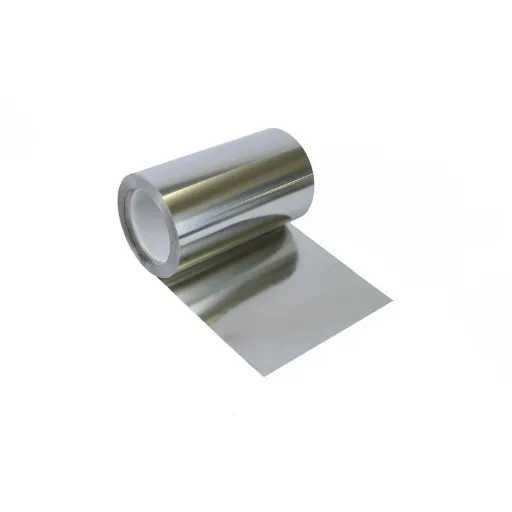
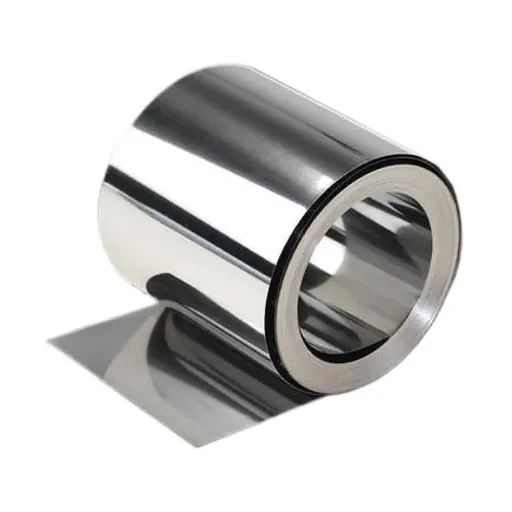
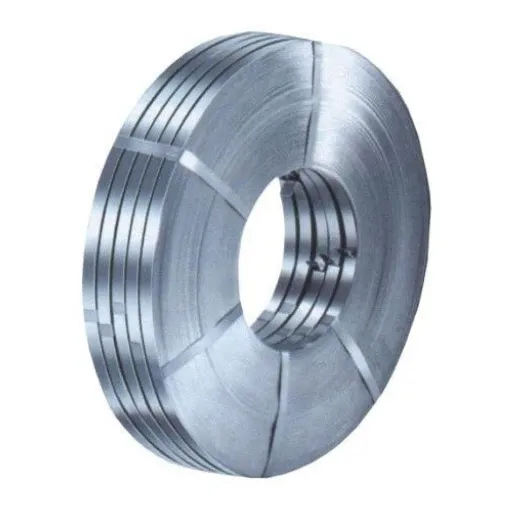
301 stainless steel strip is a premium quality metallurgical material composed of an austenitic chromium-nickel alloy, which is available in diverse forms such as coils, slit coils, or precision shim stocks. The main product forms consist of full-packs of coiled stocks, strips ripped at designated lengths, and precision-slit types with widths of the different applications. It is widely used for making springs, constant-force springs, and other components due to its property mix of strength and corrosion resistance along with good formability.
What about the properties and chemical composition of 301 stainless steel strip?
301 stainless steel (uns 30100 and uns 30116) is a chromium-nickel stainless steel with chemical and physical properties typical of 300-series alloys – relatively high chromium and nickel content and very low carbon when compared to that of carbon steel. Among its material characteristics are resistant to rust, high tensile strength if cold worked, and a range of hardnesses. Chemical composition and detailed property limits are set per standards such as ASTM A-666 and other specifications for special applications where very high performance is required.
What are the different thicknesses and gauges of 301 high yield strip?
301 high yield strip is available in a wide range of thicknesses and sold in gauges to fulfill different requirements, from thin shim stock to thicker strip for structural parts. Typical thicknesses are dependent on temper and application; manufacturers provide a selection of tempers and control over the thickness precision. For applications that require very high strength and hardness, the manufacturer applies heavier cold working or supplies specific tempers to reach the desired tensile or yield values.
Conclusion
301 stainless steel strip continues to be a versatile and high-performance material across diverse industries. Its exceptional combination of strength, formability, and corrosion resistance makes it an ideal choice for demanding applications in automotive, aerospace, medical, and renewable energy sectors.