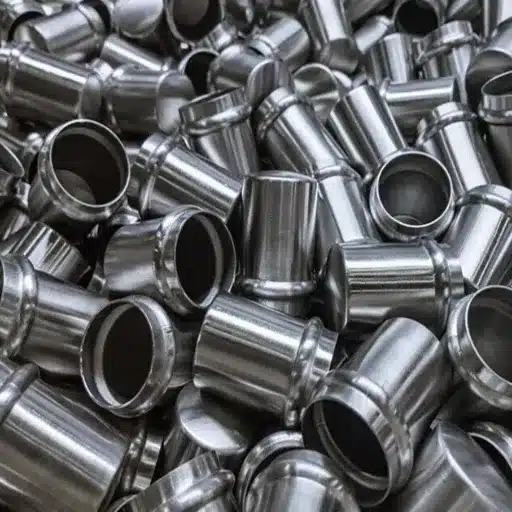
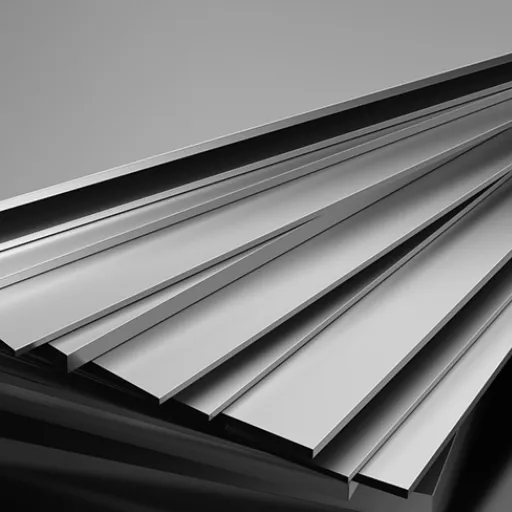
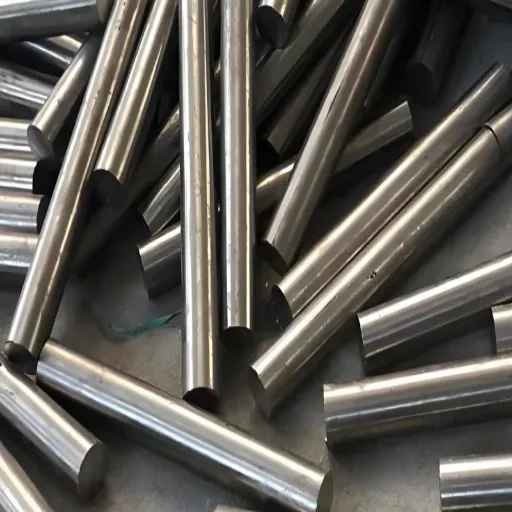
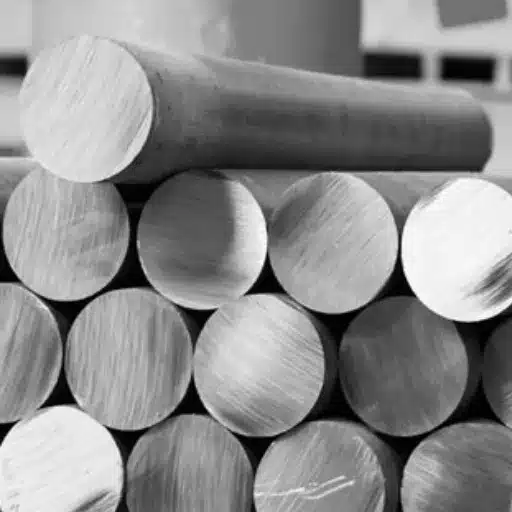
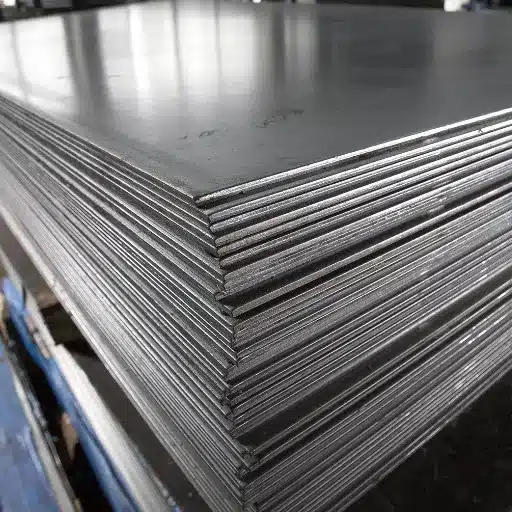
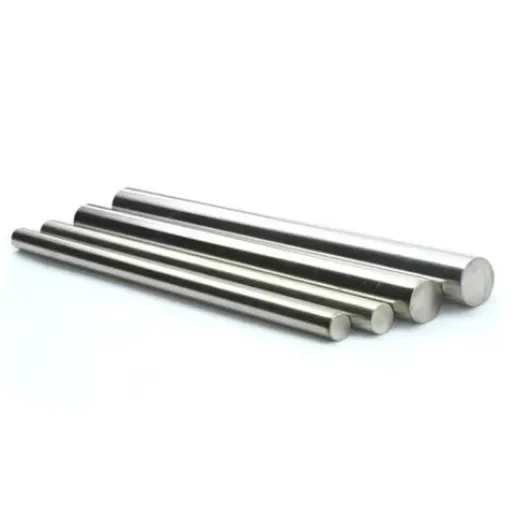
With regard to sourcing the most dependable materials, few materials for construction, manufacturing, or even engineering rival the 304 stainless steel plate. They possess such characteristics that make them almost invulnerable to rust, hence very strong, and most, if not all, industries will opt to use them. This particular paper seeks to tell more about the 304 stainless steel plates in terms of their benefits, their other uses, and how to maintain them against tearing and wear. This particular document, even if the reader might have operated within stainless steel circles for quite a while, will provide enough content and illustrations as to why 304 stainless plates are the most popular type of stainless steel plates most professionals use.
Introduction to 304 Stainless Steel Plate
What is 304 Stainless Steel?
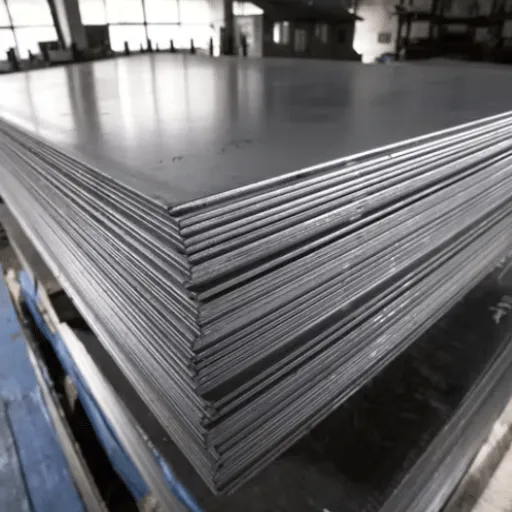
304 stainless steel plate is a grade widely relied upon by wholesalers, producers and supplies and other users due to its outstanding qualities and great usage. Within the stainless steel group, it is often classed as an austenitic stainless steel, because it is composed of iron and a small amount of nickel (8-10.5) along with chromium (18-20). Some amount of carbon, silicon, manganese, and other elements are also present. Such a combination makes 304 stainless steel corrosion-resistant to a degree that it is applicable in many industries.
Furthermore, 304 stainless steel can be described as an excellent type of material because when exposed to heat, it does not become magnetic, and it also has great strength and is easily fabricated. The melting temperature of the material is 2550°F (1399°C), and its density equals 8 g/cm³. Its corrosion-resistant characteristics are indicated in sections where it is in the position of encountering the air or only very mild acids; this also includes the means of use of agents that are oxidizing in nature.
Stainless steel is ubiquitous in usage, especially in the various business spheres, starting from the food and beverage industry to the chemical and construction industries, because of the important and inescapable factors such as hygiene, durability, and justice. Some of the common applications include, but are not limited to, kitchen wares, pipe assemblies, automotive components, and building facades. In addition, 304 grade steel is able to perform infinitely at the temperature of 870°C, thus expanding the advantages in applications where a high temperature is involved.
There are minor drawbacks to the material of the 304 stainless steel plate, which make it useful to know about. Even though this steel grade withstands complex chemical as well as weathering conditions, it is not ideal for conditions that involve the risk of chloride intrusion, as it can undergo pitting as well as crevice corrosion. Despite this, readily accessible and all-embracing materials are scarcely available in the market –304 is one of those, and thus, its application should be encouraged at maximum.
Overview of ASTM A240 Specifications
ASTM A240 specification provides chromium and chromium-nickel stainless steel plates, sheets, and strips suitable for generic or vessel services. These attributes promote the use of stainless steel products in a number of sectors such as building construction, chemical engineering, food processing, etc.
A Brief Overview of ASTM A240 Standards:
- Materials:
- Particularly, three of them are austenitic, ferritic, and martensitic stainless steels.
- The most common grades are 304, 304L, 316, 316L, 410, 430, and some duplex grades as well.
- Mechanical properties:
- Minimum tensile strength varies with the grade, and for 304 stainless steel plate, this value is generally taken to be 75,000 psi.
- As regards the yield strength, it varies between the different grades and is usually between 30-40MPa for 304 and other such grades.
- Elongation greater than 40% in most or almost all austenite-containing grades is also observed in these cases.
- Thickness and Sizing:
- The permissible level of tolerance of the plates, sheets, and strips has been provided. Given the thickness between 0.25 mm and 12.5 mm, wear plates and even thin sheets could be used for this purpose.
- And many thick plates, which are more than 100 mm, are usually without an additional layer of metal, so they are constructed for pressure retaining vessels.
- Corrosion Resistance:
- HumanIt has extreme corrosion resistance, except for the most oxidizing acids and the weakest reducing acids, several reducing acids that destroy copper alloys under acidic conditions.
- The pitting resistance of chromium steel grades 316 and 316L is enhanced by dicing molybdenum into the chlorinated atmosphere.
- Heat and Stability:
- For non-courses temperature higher than 870°C (1600°F), cutting using uncoated stainless steel without stone is allowed.
- Standards for Evaluation:
- As required by ASTM A240, this includes a variety of metals and their values of tensile strengths, the yield strength, elongation of the whole material, very rare cases, intergranular corrosion tests.
- Clearance Levels:
- 304 stainless steel plate ents 1/2 – 3/4, 1/2 – 1 and 3/4 – 1-1/4.
- The use of plates or sheets must guarantee standard quality during their usage and especially in performance, as it is ensured that the particular fitted items satisfy a close tolerable limit of their dimensions.
It is the modern way of business that this practice addresses; it enhances the level of industrial output and production that is required in these key areas.
With regards to 304 stainless steel plate and sheet, this standard specifies dimensional tolerance for all 304 stainless steel plate and sheet.
Importance of High-Quality Stainless Steel
Stainless steel generally refers to any of the low-carbon steels, many of which, although not all, are ‘stainless’ and hence very reluctant to rust. And the reason for the limited application of these stainless steels is that they are not intended and designed for applications that require any type of surface finish. The reader will understand the relevance of the study of metals more practically in almost every among these industries: construction, automotive, aerospace, food processing, and medicine. Consider the fact that major architectural structures like bridges and tall buildings have some stainless steel incorporated into their designs so as to enhance the endurance of such structures without increasing the lifetime cost of operation.
The necessity for premium stainless steel is essential, and this is for one reason, which is that the issue of stainless steel corrosion cannot be overcome by any other means. For example, any industry or activity associated with the use of stainless steel has very high specifications, as for instance ISSF International Stainless Steel Forum (ISSF) has stated that global production of this material was over 56 million metric tons for the year 2021. With corrosion resistance comes a provision caused by the element chromium, which is present in virtually all stainless steels at levels of over 10.5%, and which forms a thin oxide film on the surface, preventing corrosion of the base material even in such aggressive conditions.
Stainless steel is lighter but equally as strong as most materials, thus few materials can be brought out as stainless steel in terms of weight and strength. For instance, the tensile strength of duplex stainless steel is greater than most of the traditional grades of conventional stainless steel without any loss in stretchability and weldability. These qualities are necessary to construct lightweight, high-strength steels, especially for structural and aircraft parts.
Studies have shown that eco steel aids even strength balance and shaping, especially in this issue. It can be recycled up to 100%, and even further research shows that almost 85% of the steel used is recovered for renewal. This is crucial in mitigating wastage and reducing energy consumption in the production of the material, of which the world is striving to realize the vision of zero carbon emissions.
By practicing spirit bolting of edges before heating, the fabrication of a 304 stainless steel plate is possible for additional polymer impact toughness without buckling.
The use of stainless steel is ubiquitous in many industrial contexts, where the reliance on steel is either inevitable or a prudent choice due to its proven efficacy, which, when integrated into the desired products, contributes to increased longevity and durability, as well as environmentally friendly solutions. Stainless steel applications and their innovations are manifold and constantly expanding; who knows what space stainless steel will fit in the future with respect to the needs of industries or green environmental policies.
Some of the machinery involved in tining include the 304 stainless steel plate, such as those used in the processes for fluorite tinning, TINEN 3814 tapes, and electron-applying all circuits except the fabricating materials; a freezing process strictly followed for the completion of nylon films, with pictures in the process of tinning of a blade is mandatory.
Key Features and Benefits of 304 Stainless Steel Plates
Mechanical Properties of 304 Stainless Steel
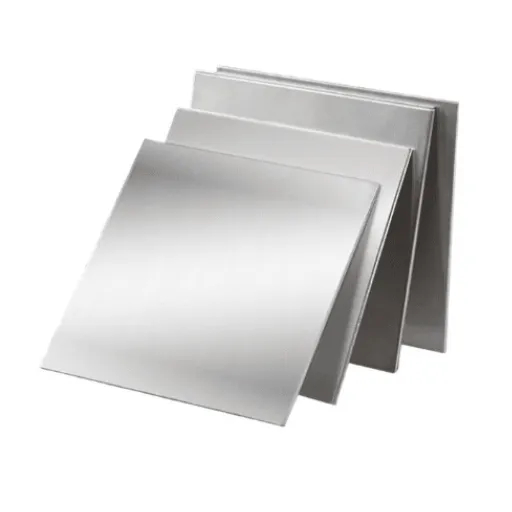
304 stainless steel grade is a common and easily accessible metallic material widely applied because of its load-carrying capability, long-lasting nature, and also its inability to rust and degrade easily. This type of steel belongs to the group of austenitic stainless steels, which is mainly composed of iron with some levels of chromium and nickel. Such characteristics render it useful for many structures in construction, food, chemical, and other industries. Below are the mechanical properties of the steel:
- Tensile strength:
For 304 stainless steel, its tensile strength varies greatly from 515 MPa (megapascal) to about 720 MPa, depending on its condition and processing. Such high tensile strength can be used for structural purposes, for instance, pressure vessels. - Yield strength:
The yield strength in annealed 304 is approximately 205 MPa, making it capable of sustaining high-optimum stress without problems. - Elongation:
When it ruptures, about 40 per cent, and in some processed cases, 60 per cent, is the percentage of elongation for 304 stainless steel plate. As such, due to this quality, fabrication of this material is not difficult, and more so, it can be cut, welded, and machined comfortably. - Hardness Index:
The BHN (Brinell Hardness Number) of the 304 stainless steel is approximately 123, while, as per the HRB (Rockwell B) scale, its value is around 70 to 90. This signifies the capability of the material in tough and machineable applications. - Melting Temperature:
In most cases, 304 stainless steel melts at a range of 2550°F (1399°C) to 2650°F (1454°C), which makes the material ideal to work under high temperatures. - Specific Gravity:
It has a fairly high density of nearly 8.0, due to which the material remains robust and secure in its structural context. - Endurance Limit:
Within certain atmospheric conditions, the fatigue limit is about 240 MPa. As a result, it has high coefficients of elasticity, hence stress can be reapplied to it many times before failure. - Chemical Corrosion Resistance:
This alloy is resistant to corrosion in a multitude of environments, ranging from mildly oxidizing to moderately acidic and chloride-containing environments owing to a high percentage of chromium (18%) and Nickel (8 10.5%).
304 stainless steel plate shows that its mechanical properties are stable even at low temperatures and at high temperatures, and it shows a great deal of flexibility and strength in extreme conditions.
Versatile Applications of 304 Stainless Steel Plates
There is a common knowledge that durability, good anticorrosion properties, and good mechanical properties of 304 stainless steel plate make it one of the most sought-after plates in various industries. In the following, comprehensive employment and industry clarifications:
- Food and Beverage Industry
The 304 stainless steel acquires a share in the food sector as components of food processing machines, storage vessels and cooking equipment. Their anticorrosion properties give them the credence to fit in as per the hygienic standards. For example, the US Food Code illustrates the acceptance of stainless steel 304 in the preparation surfaces due to its inert nature. Recent market research predicts that the global food-grade stainless steel market will grow at a rate of 6.2% between 2023 and 2030 due to booming consumption in developing nations. - Construction and Architecture
304 stainless steel plate is appealing for its structural integrity, making it a common choice for cladding, railings, and other structural sections that require both strength and elegant looks. It also aids in the wear and tear of building components under fatigue stress. For instance, incorporate the design in tall buildings to fend off the effects of dust and moisture, common environmental conditions. - Medical and Pharmaceutical Equipment
Due to its safe use, 304 stainless steel is preferable in the manufacture of surgical tools, hospital implants as well as accessories. Maintenance periods are shorter because the material used is durable and does not pose health risks to the patient. New developments show that the utilization of stainless steel in medical equipment, such as surgical robots and diagnostic equipment, is increasing. - Automotive and Transportation Industry
The 304 stainless steel plate is commonly used in many applications such as engine manufacturing, vehicle manufacturing, and container industries because it provides heat resistance and withstands aggressive environments. Because of the growing share of electric vehicles, high-performance materials such as stainless steel have also been in demand for battery and charging systems. - Chemicals and the Marine Industry
Chemicals and Marine industries make use of 304 Stainless Steel for tanks, pipelines, and other parts located onboard ships where corrosion and chloride contents in water are high. It is this property that makes such steel fair for use in a seawater environment. As per the estimates esteem in this starw, the demand for stainless steel in maritime dynamics is an exponential growth curve at around 5% per year over the next five years. - Energy Generation
304 stainless steel is used heavily in power plants and structures in renewable energy systems that require proper structural support under high pressures and temperatures. Consider its use in wind turbines or solar concentrators, for instance; it can be clearly identified in these non-conventional energy systems.
Innovations in various sectors across the globe have not stopped while extending the applicability of a 304 stainless steel plate, thanks to, among other things, their recyclability.
Advantages Over Other Stainless Steel Grades
In the field of stainless steel plates, 304 stainless steel plate offers a greater advantage compared to other stainless steels, primarily due to the high flexibility of the material, low cost, and great performance. Unlike 316 stainless steel, which provides enhanced corrosion resistance, the cost of 304 is low because the material does not contain molybdenum, which is another expensive alloy, but provides for prolonged performance in many corrosive environments. For most applications, 304 stainless steel is satisfactory, and the more advanced grades that are designed for special purposes are unnecessary. This is because 304 grades are suitable for many purposes, such as the food industry, building, and construction use, among others.
As well, I can see no reason for overlooking another valuable characteristic that 304 stainless steel exhibits: the high formability and weldability. While presenting in steels with no nickel, these characteristics for a softer composition can be achieved by adding more nickel and chromium, making the steel a comparison of grade 430, which is a stiff steel with no nickel. These properties enable 304 stainless steel to be suitable for intricate designs and many parts needed to be reduced or altered in size, features which are to be found in a very wide range of applications, for example, the construction industry or the automotive industry.
About present-day perceptions, 304 steel is seen to offer up no hindrance to recycling and is over an 85% in this regard, doing much better than many of the materials. The alloy’s usage in the industry has been enhanced with the altering concept of green economy, where conventional energy sources are sparingly used, if not eliminated by the manufacturer, where possible. These properties have resulted in widespread application of almost any, in addition to structural elements which are light in weight, cheap, and long-lasting, such as 304 stainless steel plate.
Common Applications in Various Industries
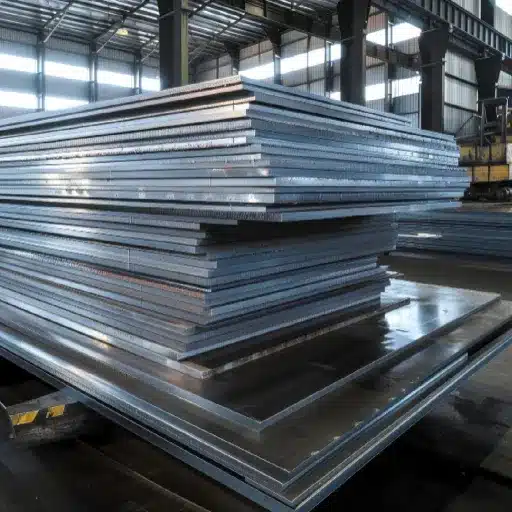
304 Stainless Steel Plate in Construction
In the construction industry, 304 stainless steel plate is widely used for its high tensile strength, resistance to weather fluctuations, and low maintenance requirements. It is applicable in various areas, especially in building structural installations and building design, including cladding.
One major use of the 304 stainless steel plates in a construction site involves curtain walls and facade panels. Such materials resist aggressive environmental conditions such as moisture, heat, and even cause pollution, ensuring that the surface finish of the building does not get damaged. Moreover, steel is commonly completed either with a shine or brushed, including for this reason and that of modern buildings, which once again boast use, including through the use of such shiny steel, outperforming mere buildings.
It is even feasible to build constructions that grow upon 304 stainless steel plate for the reason that the tensile strength of this material is quite high. Normal concrete has a tensile strength of roughly 515MPa (74, 700 PSI pronounced), while 205 MPa is very strong as yield stress and 29,710 psi rather as allowable stress values, making concrete very usable as a building material for heavy structural components/classes and yet light. And can be used even in Zones that are exposed to extreme heat conditions or made of such materials as fire protective fabrics.
Within recent years, there has been a surge in the application of stainless steel for building and construction purposes. As a matter of fact, the global stainless steel market is projected to grow at a CAGR of almost 5.5 % till 2030, thanks to the growth in urbanization and the advancement of green buildings, which the market has taken note of. This indicates that even such on-hand, aka very cheap material as 304 stainless steel will still serve its purpose for the industrial application described, even after a long time Krueva developed.
The low-cost durability of 304 stainless steel in Structures is a key factor for its popularity. In contrast to other materials that undergo deterioration over a period of time, 304 stainless steel does not require frequent application of protective coatings, and it brings about high cost savings towards debt service. This, in turn, enhances environmental protection construction, which maximizes effectiveness and minimizes adverse effects on the environment.
As developments in the building sector continue to occur, the use of the 304 stainless steel plate continues to grow as well due to the fact that its miraculous properties continue to meet the highest possible requirements of the current trends and the next decades.
Use in Food Processing Equipment
It is impossible to overestimate the significance of the 304 stainless steel plate when it comes to making food processing equipment. This material is resistant to weak acids and alkalis as well as abrasion, and these are elements that cannot be ignored in the production of materials or utensils comprising the contact surface. Residues of both vegetable and mineral origin are retained on its polished, uniform surface. Therefore, there is an introduction of a food supply preservative. Thus, there is a food supply preservative, and the same is provided below.
A review indicates that 304 stainless steel finds widespread application that entails many uses, such as counter tops in industrial kitchens, mixer tanks, belts, and containers for storage, and so on. The working range of this steel allows a maximum temperature of 815 degrees Celsius and does not allow deformation or damage to the material, even if it is exposed in high temperatures. In addition, there is literature showing that the service parameters of 304 stainless steel facilitate less time of downtime over the period of time, assisting in saving 20-30 percent of food processing plants’ expenses.
Even more, recent technical advancements have brought into practice modifications in the application surfaces in current electropolishing, and other technologies have improved the anti-bacterial properties of 304 stainless steel plate. Consequently, it finds widespread utilization within food processing and beverage industries, including pharmaceutical, brewing, and dairy sectors that require enhanced food production safety standards.
Applications in Chemical Industries
The majority of the use of 304 stainless steel is in the chemical industry, where its corrosion resistance capabilities and toughness make it the material of choice. This is because it will withstand all common chemical compounds, including acids, bases, bleaches, and any other chemicals, and it is used for chemical tanks, pipes, and vessels.
Other characteristics found on 304 stainless steel plate include the tendency of the steel to remain unaffected by rust from the exposed steel, even in cases where such processes occur at high temperatures of 870 degrees Celsius for some time as required by some processes. In today’s world, it can also be said that nearly fifty percent of the chemical firms employ the said material, suggesting how affordable maintenance costs and energy-efficient nature favor its use. Additionally, to be taken into consideration in this aspect is the fact that none of the chemicals compromises any of the products due to the exhaustion of the chemicals.
There has been a great evolution in the carriers/machine tools, and the fabrication methods; for instance, various procedures permitting the manufacture of chemical troughs and heat welds of those metals have been eliminated. There is more, though. The physical limitations of this design have been corrected, in a compression that is achieved by using duplexing; these are 304 stainless steel plate which is weld to other materials to withstand the imposed force. It is still also being currently used in many chemical requirements of many industries, where 304 stainless steel is even more useful due to the search for more efficient as well as eco-friendly ways of supplying such services.
Comparison with Other Stainless Steel Grades
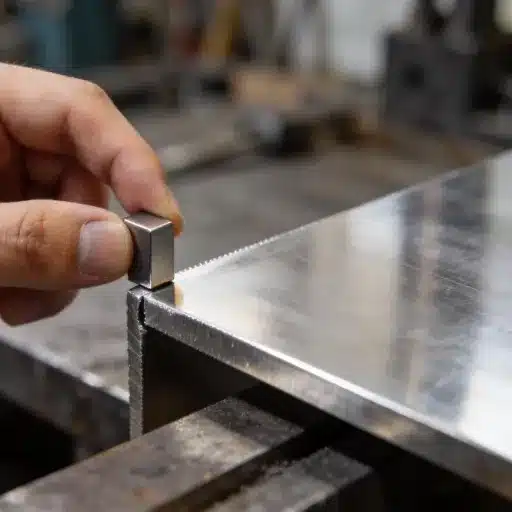
Differences Between 304 and 304L Stainless Steel
304 and 304L stainless steel plates are among the “untiring employees” of the sphere. These materials, apart from having gained high corrosion resistance, have very good toughness and are fairly easy to handle. For example, in every alloy utilized, there are differences and similarities that come in such elements and their effect on the performance of either of the materials.
There are two components as regards content – the changes in carbon content are first, and the layout of this paper requires. A normal 304 stainless steel plate is manufactured containing 0.08% carbon, while this is further reduced for 304L ( not surprisingly, as “L” means low in this case), with an upper limit of carbon content being 0.03%. The carbon content of 304L has been reduced to decrease the probability of carbon precipitate formation during welding. Intergranular corrosion of the welded area can break through the welded joints in cases of carbides, leaving out the areas of weld deposits, and if not suppressed, the carbides will form, and hence this interference needs the exercise of complete control. For such a purpose, it becomes clear that the 304L type is the preferable option, being used in situations where the welding percentage is quite high and the corrosion risk does not occur in the ceiling of such structures.
In terms of material strength, 304 plate has less tensile strength and ductility than 304L plate because it has a lower carbon content. For example, while the assumed UTS for 304 stainless steel plate is usually taken to be in the region of 515 MPa, for 304L it only stands at around 485 MPa. Similarly, people working with 304 tend to report that its yield is better than that of 304L. Thus, it becomes more effective, and rigidity and toughness are the main factors. Still, in many scenarios, such strength constraints are not substantial.
The advantage of 304L stainless steel, unlike many stainless steels, is that it has an increased generation of protection against rising temperature caused by work hardening. This means that many more heating cycles and temperatures as high as that can be faced by this 304L without fear of corrosion attacks. Examples would include specific types of tanks, pipelines, and heat exchangers.
Briefly, even though there is not much difference in composition and performance between the two grades of stainless steel, which are 304 and 304 L, the application shall determine which one between 304 and 304 L stainless steels shall be used. Mostly, the 304 stainless steel plate is usually preferred for general purposes, with some exceptions where higher strength is required. 304L stainless steel mostly finds itself in such applications when there is a need for construction, and where some levels of heating beyond the desired threshold may be reached. It is critical to note that exigency, in this case, requires an elaborate understanding of the desired steel and which particular one will meet the stipulated demands.
304 vs 316 Stainless Steel: A Comparative Analysis
To differentiate 304 from 316 grades, the steel composition and its rationale should be primarily noted. Iron, chromium, and nickel are mainly used in the production of these two grades of steel. There are minute differences in the proportions of these components, but they help to achieve functional objectives to a very great extent.
Element Composition
- 304 Stainless Steel Ary differs 304 from 316 Stainless Steel due to the composition of 304 Stainless Steel. It contains 18% to 20% of Chromium, 8% to 10.5% of Nickel, and the Carbon content is less than 0.08%. This attribute aids in the resistance to oxidation and tolerable corrosion.
- 316 SS is, however, constituted by 16%-18% of chromium, 10%-14% nickel, and additional components such as 2% to 3% molybdenum. Molybdenum enhances pitting corrosion resistance and crevice corrosion resistance in chloride-containing environments such as seawater, swamps, and places near the ocean.
Corrosion Resistance
- Under these circumstances, when the 304 stainless steel plate corrosion also becomes impossible in rust-free surfaces, however, even though the plating is in high saline or extreme acid environments, still, after some time, the existing conditions shall lead to the red-greenish corrosion.
- Inevitably, 304 steel fares worse against acids and chlorides than 316 steel, since its mineral content, such as Molybdenum, is less.
Temperatures
- The ultimate tensile strength for the 304 stainless steel plate is about 515 MPa, whereas the yield strength is about 205 MPa.
- The ultimate tensile strength of the stainless steel 316 has been speculated to be about 515MPa, and so it remains for weeks, and all wear out. However, the ultimate yield strength is higher and quite often about 240MPa.
- Material in use has high ductility and is similar in properties for significantly easier fabrication without spoiling its tough characteristics at both low and high temperatures.
Applications
- We may also refer to t304 Stainless Steel and highlight its several subcategories, such as cookware, building outsourcing, food machinery, and many more, because its strength and cost are quite convenient for the user.
- 314 stainless steel also withstands severe environments more favourably than 302, such as marine conditions, chemical and pharmaceutical manufacturing, where the rise in the aggressive action of corrosion is reduced.
Cost Consideration
- The cost of production for 316 Stainless steel is more than that of 304 due to the presence of molybdenum and its high cost of production. Being stainless steel of such calibre mirrors its premium price, especially in hostile conditions.
- It will become clear after examining these factors why a choice between stainless steel 304 and 316 on the basis of any application is made, subject to its demands, which help in ensuring that the use will not be compromised, nor the budget will be exceeded.
304 stainless steel plate is hard to get in the markets because of its scarcity, high price, and the high technology used for making it.
Choosing the Right Stainless Steel Plate for Your Needs
To select the most suitable stainless steel plate for your uses, a good understanding of the demands of the process is required. The following are some of the important aspects and data to take note of:
- Corrosion Resistance
316 stainless steel is known for its improved resistance to corrosion due to the presence of molybdenum, about two to three percent, which extends the protection beyond chloride corrosion and contact with seawater. 304 stainless steel plate in contrast, provides robust resistance but also tends to show signs of pitting and crevice corrosion when exposed to environments with salty or very acidic content. Or rather, for example, where the content of chloride in the atmosphere exceeds even 150 ppm, a long-lasting 316 stainless steel might be preferred. - Temperature and Heat Resistance
When it comes to temperatures, compounds of 304 and 316 are stable enough. Yet the thermal fatigue resistance of 316 stainless steel is better than 304, where high temperatures are allowed in usage is up to 800 °C. In cases where exposure to very high temperatures is included, the selection might, however, take into consideration the thermal characteristics of the particular process. - Cost Assessment
The market assessment indicates that the cost of 316 stainless steel surpasses that of 304 by about 20-30% as a result of its increased constituents. As an illustration, the accrued average cost in the year 2023 for a pound of 316 stainless steel is about three dollars, while for 304 stainless steel it costs two dollars and twenty cents. Despite the cost directly associated with 316 being higher, there may be durability savings in the long run due to fewer replacements and repairs in aggressive environments. - Strength Characteristics
In terms of tensile strength, both 304 and 316 stainless steels are sturdy. On the other hand, Nichrome is weaker in application and has a tensile strength of 515 MPa and 485 MPa, respectively, for 304 and 316. It can be seen from these numbers that these stainless steel grades are not weak in any way, especially when stress is one of the major factors. However, in cases where there is direct contact with active chemicals, the tensile strength of 316 stainless steel is not too low, as provided by the higher chemical resistance of the material. - Application Suitability
- Food and Beverage Industry: The 304 stainless steel plate is most desirable when applied or served where it will not react with the contents, but is better replaced with 316 in conditions that require constant contact with salt or harsh detergents.
- Marine or Coastal Applications: Since it can withstand salt water better, 316 is preferred.
- Medical and Pharmaceutical Uses: In applications involving surgical equipment or bioprocessing systems, where the corrosion attack is very severe, 316 is used.
Such variables, together with detailed knowledge about applicable industry standards like ASTM A240, will enable a balanced performance against the cost proposal. No matter what, always ensure the selected option fits the application needs correctly while providing maximum work efficacy and longevity.
Maintenance and Care Tips for 304 Stainless Steel Plates

Cleaning and Maintaining Stainless Steel Plates
Any 304 stainless steel plate needs to be properly maintained for it to serve for prolonged periods. In light of this, the steps to clean stainless steel plates and preserve them, as well as the necessary practice that has been derived, are discussed in detail below.
- Regularly Wipe the Surface with Soft Products
For cleaning the surface during regular cleaning, make warm water, a soft sponge, or a piece of cloth, and stroke the surface to remove dust, fingerprints, and light soiling on the surfaces of stains. Do not use abrasive sponges or brushes, as this damages the surface and the oxide protective layer is depleted. However, as is claimed by the stainless steel makers’ association, in almost every case, the issue is solved with a mild soap solution or low concentration detergent. - Cleaning of Stubborn Stains and Grease
In the event of stubborn stains and greases, utilize the traditional method of a baking soda paste or use stainless steel cleaner. Ensure the device in use has been filled in accordance with the manufacturer’s instructions. The Nickel Institute has conducted studies that suggest that fundamental cleaning agents are best suited for cleaning in a manner that neither compromises the material nor leaves greasy residues. Nonetheless, make sure that the cleaning is followed by enough rinsing to ensure that no deposits are formed. - Corrosion of Rusting Marked Areas on Metallic Surfaces
The 304 stainless steel plate is pretty close to being stainless; still, some areas may become rusted due to negligence. Prepare a paste by mixing water with dry cleansers containing no bleach, such as Bar Keepers Friend, and scrub the stains present in the immediate vicinity. Experts recommend applying commercial stainless steel corrosion remover over large surface areas. The surface is then properly rinsed and dried. - Preventing Water Spots and Smudges on Surfaces
Even though the People’s Republic of China, Russia, and some other countries, where the material in question can resist the attack of local corrosion, ‘potatoes’ have little resistance instead, rendering such constructions prone to corrosion if unhygienic factors prevail. It is as far as cleaning, except water and a non-bleach abrasive cleaner, which could be a Bar Keepers Friend, involved in scrubbing in some small parts of the surface, applying some paste. In some cases, Practitioners recommend purchasing an off-the-shelf rust remover for larger parts, and it should be specifically made for stainless steel. Thereafter, rinse the surface and then dry it to ensure it is clean. - Preventing Water Spots and Strains
After all of the cleaning is completed, mops should be wrapped with a dry soft microfiber cloth in order to prevent stained water lines and spots over the 304 stainless steel plate. This method prevents the proprietary coat of the surface while eradicating hard water spots or etching. Ordinarily, with the presence of hard water, resort to using distilled water when doing the final rinse. - Make a Program of Routine Maintenance Evaluations
Constant monitoring is the need of the hour to keep the equipment in a proper working condition, as it can reveal matters like chipped surfaces, buildup residue, and occasionally even rust, which might be a permanent concern. (Illustrative statistics of NACE-International point out that this includes durable materials under high humidity, wet, and saline conditions; it is advised to perform PM every 3- 6 months or every quarter. - Safeguarding from Dangerous Compounds
Allows users to avoid safetards like clearants that scratch and cause pitting or cracking stress contamination, any chlorides, and severe acids. Ensure you keep the steel on the steel wool and avoid chloride products as these will both rub beautifully against as well as cause the layer of plates to be removed, contributing to better corrosion protection.
These and more cutting-edge techniques and research make it possible for one to maintain the quality and sheen of a 304 stainless steel plate’s surface. This results in optimal function and reduces the overall cost of being replaced in the long run.
Importance of Pickling and Annealing
In the manufacture of the 304 stainless steel plate, the processes of pickling and annealing play a vital role in ensuring that the materials are of the desired quality and function. Pickling is essentially a means of cleaning metal surfaces; the removal of impurities is referred to as pickling. As an example, in the course of such operations, heat scales and other oxides on the surface are not avoided and can promote further corrosion of the material if left uncleaned. On the other hand, annealing is a reverse treatment, carried out at ambient temperature, and serves the purposes of increasing distortion, which may be termed as elongation of the metals, reducing or alleviating internal residual stresses, and or those formed during service that can be detrimental during operation.
The majority of everyday procedures involve the use of acids, including nitric acid and hydrofluoric acid in lower concentrations for pickling, as well as other acids used for digesting specimens, leaving the parent metal structure in stainless steel intact. Corrosion resistance based on passive potential enhancement shows improvements in treated stainless steel tableware up to 30% after severe exposure to weather conditions or very aggressive fluids such as seawater or industrial fluids.
This helps to separate the heat-affected areas of the material being formed and thus treated in order to support further deformation. It has been noted that re-heating the 304 stainless steel plate to temperatures of at least ~1,870°F – 2,200°F (1,020°C – 1,204°C) increases the ductility of the material and its ease of formation without cracking or distorting shape in the proceeding stages.
There are several ways through which a stainless steel plate may be produced; one of these methods is the annealing process, thus allowing for high durability as well as the beauty of the structure therein. For instance, pickling and annealing are traditions that have been MOFO prevails some of the most significant materials manufactured from stainless steel components, namely wear-resistant, prolonging the life and performance of that application, including other used materials.
Long-term Care for High-Quality Stainless Steel
A strong foundation of maintenance goes a long way in increasing durability, functionality, and most of all beauty of stainless steel. It has to be mentioned that items should be cleaned completely, preferably at defined intervals, to get rid of all the dirt, dust, and any other detrimental agents that may have accumulated over time. British Stainless Steel Association (BSSA) Stainless steel maintenance work does not do duty with soap alone; rather, it involves a mild detergent or soap agents and a large quantity of warm water for washing in order that no spotting or any such has ever been done. Vinegar/ ammonia solution can help to tackle more persistent matters, such as diseased or useless tissues or organisms. However, care is needed since aggressive agents can break surface passivation in all stainless steels, including other than 304 stainless steel plate.
Furthermore, any polished steel surface stands a high chance of being stained with fingerprints that often make it appear dirty, especially in places that are frequented and have thick contents of cookware and laboratory equipment or apparatus. Also, in case one is not interested in having shiny scratches, there are some wipes and particular steel waxes that one may use. Such checks should also be included in the case of industrial activities to avoid stripping and corrosion, among other damages in advance.
In line with some reports that are derived from those within the industry, one would note a higher risk and steelworks when chlorides are present, such as at coastlines and swimming pool areas. Another discovery was made in matters of corrosion and high alloying steels research in 2020, which determined that it was necessary to employ a more alloyed type of steel, 316 GT, with molybdenum additive in such environments. Contrary to other steel types, such as the 304 stainless steel plate, other steel types resist pitting and offer ample corrosion resistance.
Summarizing the very helpful and useful strategy of removing any contaminant and rust stains by avoiding any contact of stainless steel with iron and carbon machinery in general. Considerations: If used appropriately, 304 stainless steel plate, as well as different stainless steels, can remain effective in serving their purpose and well-polished even in a very unfriendly environment.
Reference Sources
-
Perforation Behavior of 304 Stainless Steel Plates at Various Temperatures
- Source: Journal of Dynamic Behavior of Materials
- Details: This study explores the mechanical behavior of 304 stainless steel plates under varying temperatures and velocities, providing insights into their energy absorption and failure modes.
- Access: Springer Link
-
Numerical and Experimental Investigation of Laser Beam Welding of AISI 304 Stainless Steel Sheet
- Source: Advances in Production Engineering & Management Journal
- Details: This paper focuses on optimizing laser welding parameters for 304 stainless steel sheets, using finite element modeling and experimental validation to ensure precision in welding processes.
- Access: APEM Journal
Frequently Asked Questions (FAQs)
What Are the Particularities of 304 Stainless Steel Plate?
The benefits of this potential metal, 304 stainless steel plate, to its end users and those using such compounds are priceless since these metals do not corrode, they are very strong, and they have the ability to bend quite easily without breaking. This type of steel has 18% chromium and 8% of nickel, making it heat proof and non – corrosive iron even in thin acids or other conditions, do not destroy it in terms of color. No single worries, this type of steel is nonmagnetic and can therefore be welded more easily, and can be generated or recovered to a great extent in such places and temperatures.
What are the Uses for 304 Stainless Steel Plate?
304 stainless steel plate is applied in numerous ways, given its resistance to corrosive effects and endurance. In most cases, one will encounter the material in handling systems in the food and drink sectors, some containers in the chemical industry, a variety of surgical tools, and various external walls in buildings. These tools and a lot of tubing use cases in industries have been intentionally made to meet practice and sanitary requirements, as they can work even in boiling environments.
Is There a Way to Stop the 304 Stainless Steel Plate from Getting Dirty and Rusting?
In this respect, and in order to avoid all undesirable effects and change most notably the 304 stainless steel plate getting scratched to avoid any scratches washing should only be done using warm temperature saturated water and soap foam without anti-slip soap and any extra scrubbing. It is worth noting that scouring pads and other such implements should be avoided unless necessary, since they will cause unsightly scratches all over the finished plate, leading to faster rusting. It is ideal to utilize such materials under dry conditions, and hence, it should not be placed on top of metal or iron instruments where it is in contact, for that may aid contamination. These measures enhance the lifespan of the materials.
How hot does a 304 stainless steel plate melt?
Because 304 SS thermal grades have gone through the required heat treatment, one can fully comprehend the high operational temperatures. It is particularly important for heat exchangers and commercial ovens, where support brackets and some oven types are manufactured. Now let’s consider a stainless steel of all types, which melts in the range of 1400°F (760 °C) – 1450°F (790 °C). Moreover, some are able to do without incurring any damage at a temperature way over the melting point of the steel.
What Differentiates Stainless Steel Grades 304 and 316?
Firstly, chromium-nickel steel varieties 304 and 316 are widespread; however, each stainless steel is far different when it comes to where and to what purpose it is used. For instance, stainless steel 304 doesn’t contain molybdenum, and this is why stainless steel grade 316 is effective for long-term corrosion resistance against certain conditions, including pitting, which is even more aggressive than that caused by exposure to seawater, thanks to its high chloride concentration. However, in practical situations and for this kind of use, it can rather safely be reckoned that a 304 stainless steel plate costs less than most, if not all, alternatives available.
Can a 304 Stainless Steel Plate be Used Outdoors?
Of course. Because of its excellent performance in harsh environments, especially resistance to corrosion, most outdoor designs have already adopted the use of 304 steel plates. Additionally, there are other complicating factors in the environmental setup with excessive aggressiveness. For instance, in a fish pond, the surfaces of the plates get corroded when they are put to use, as the saline solution is highly aggressive, or if the place is laden with industrial discharge. In such situations, if the weather causes the structure to wear down a lot, immersion in water for a long time with such corrosion may not be avoided, thanks to the use of a 316 stainless steel plate or a coating.