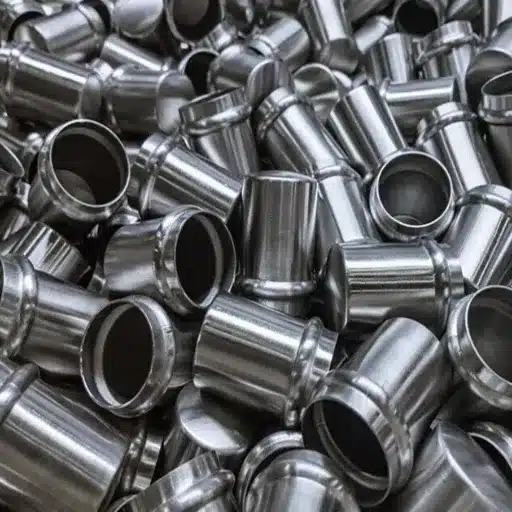
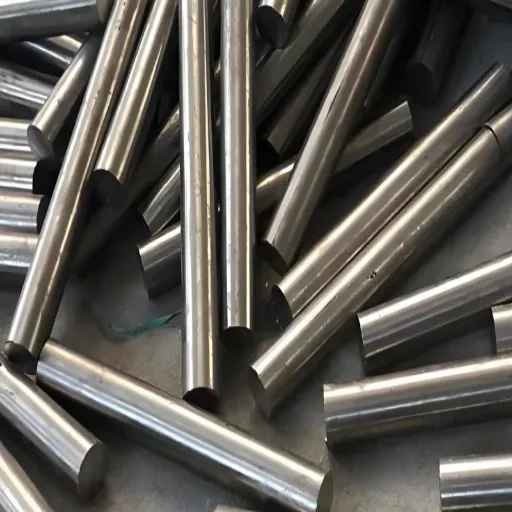
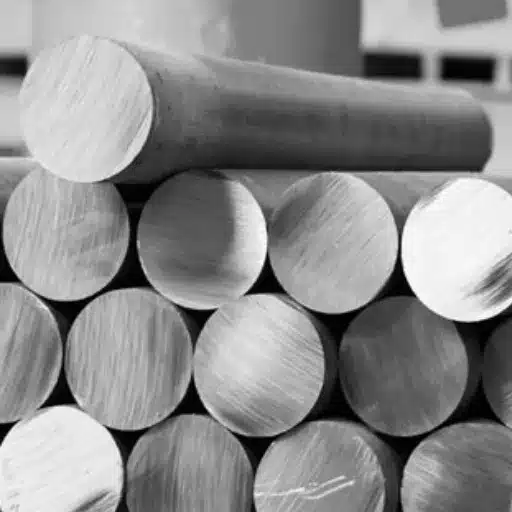
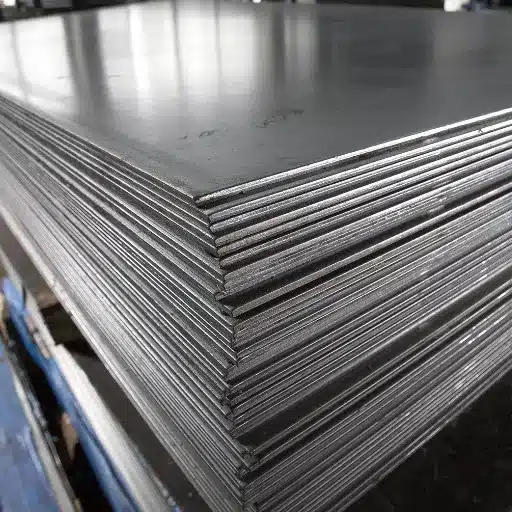
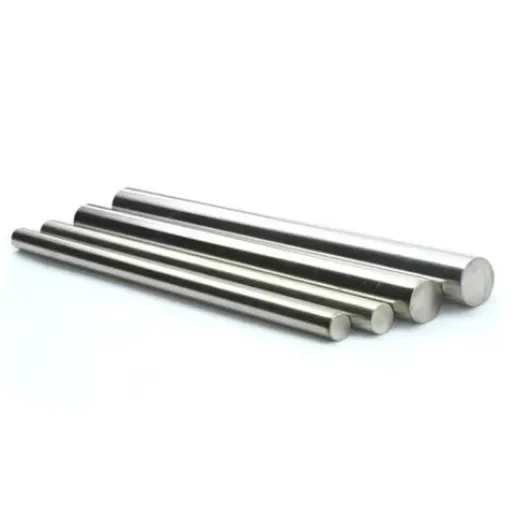
In the field of manufacturing and engineering, the selection of the right material takes precedence for achieving performance, durability, and cost-effectiveness. 4140 and 4142 among the most commonly used alloy steels have different properties but the same strength as well as the broad application range. Without a clear knowledge of their properties and applications, the decision between the two grades may be difficult. This article presents a complete comparison of 4140 steel and 4142 steel by discussing their individual traits, chemical compositions, and perfect case scenarios. It does not matter if you are a design engineer, a machinist, or just someone who is interested in alloy steels, this guide will provide you with the necessary insights to make an informed decision.
Introduction to 4140 and 4142 Steel

Importance of Alloy Steel in Industry
The role of alloy steels like 4140 and 4142 in modern industries is very important due to their characteristics of being versatile, strong, and adaptable. These steels are most preferred in applications where their durability, fatigue resistance, and toughness are very important. The process of adding different elements such as chromium, molybdenum, manganese, and carbon to iron results in alloy steels getting the mechanical properties that are higher than those of standard carbon steel.
In the case of automobiles, for instance, the gears, crankshafts, and axles made from alloy steels are able to bear heavy loads and keep their performance up even with repeated cyclic loads. Likewise, in the construction and oil industries, the materials are used in high-pressure parts, building frameworks, and pipelines where both strength and corrosion resistance are needed.
Key Differences and Relevance
Chemical Composition and Properties
The carbon content is the main difference between 4140 and 4142 steel. 4142 steel is usually in the carbon range of (0.40%–0.45%) while 4140 (0.38%–0.43%) is lower. This makes 4142 harder and thus more resistant to wear. Both steels still have chromium, molybdenum, and manganese, which are the main contributors to their strength, toughness, and also their resistance to wear and corrosion. Nonetheless, 4142’s higher carbon content acts as a provision for its application in situations like demanding surface hardness, whereas, 4140 is handy in giving that blend of toughness and machinability required.
Applications Across Industries
4140 steel is popular across various industries, including oil and gas, automotive, and aerospace, because it is so versatile. It is the material of choice for making shafts, gears, and drill collars, among others. 4142 steel, on the other hand, with its high resistance to wear, is preferred for applications in tooling such as cutting tools, dies, and where wearing of the surface is a concern. The slightly increased hardenability of 4142 gives it the advantage to endure rougher service conditions, particularly high-stress situations where long life is a requirement.
Performance Metrics and Data
As per the industry statistics, Annealed 4140 steel typically is tensile strengths of about 95,000 to 160,000 psi that depend on the tempering process while 4142 steel can reach the upper end of this scale with the same treatments and frequently go beyond 160,000 psi. Thus, 4142 is a perfect choice for cases where maximum strength is required. Moreover, wear tests and hardness measurements show that under the same conditions, 4142 displays Rockwell hardness values that are slightly higher than those of 4140.
Future Relevance
The continuous progress in metallurgy like vacuum arc remelting and advanced quenching techniques boosts the performance of both 4140 and 4142 steels. Such developments are of utmost importance as the industries are in search of the best materials in terms of mechanical properties, corrosion resistance, and thus the lowest impact on nature. The flexibility and durability of these steels make them constantly needed in modern engineering difficulties, thereby making them unavoidable materials for the future of design and manufacturing.**
Chemical Composition of 4140 and 4142 Steel
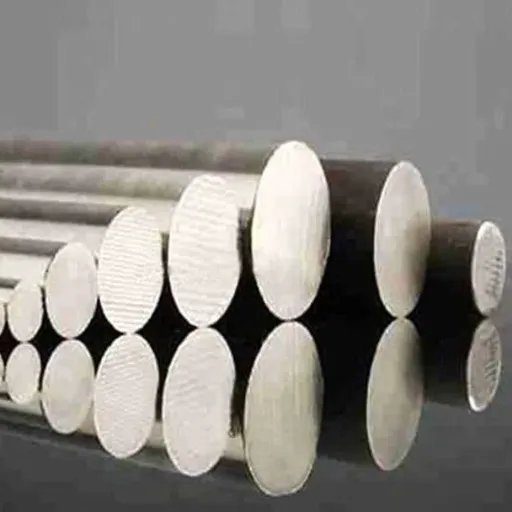
Elemental Composition of AISI 4140 Steel
AISI 4140 steel, an alloy of chromium and molybdenum, is a remarkable steel due to its properties, especially not being among the major ones, its toughness, high fatigue strength, and fairly good corrosion resistance. The quality of the material is composed of its specific chemical constituents, making it still a widely used material in various industrial applications. Here is a detailed elemental composition to give you an idea of the alloy:
Carbon (C): 0.38% – 0.43%
Carbon is the main alloying element in steel, giving it strength and hardness but still keeping it ductile.
Chromium (Cr): 0.80% – 1.10%
Chromium improves wear resistance, toughness and, at the same time, helps fight corrosion.
Molybdenum (Mo): 0.15% – 0.25%
Molybdenum not only raises the steel’s strength, especially at high temperatures, but also makes it hard and wear-resistant.
Manganese (Mn): 0.75% – 1.00%
Manganese is a cleaner of oxides in the steel and it enhances hardening, toughness, and strength.
Phosphorus (P): Max 0.035%
The P content is limited to very low levels to the steel’s toughness and crack-resistance.
Sulfur (S): Max 0.040%
Sulfur is a lubricant in machining but is kept at so low a level as to still make the steel ductile and tough.
Silicon (Si): 0.15% – 0.35%
Silicon is a beneficial element to strength, hardness, and corrosion resistance.
Elemental Composition of AISI 4142 Steel
AISI 4142 steel is similar to AISI 4140 in many aspects, but its composition is slightly modified, which results in different mechanical properties. Its elemental composition is analyzed as follows:
Carbon (C): 0.38–0.43%
Carbon is the primary factor affecting the hardness and tensile strength of steel, as well as its ductility.
Manganese (Mn): 0.75–1.00%
Manganese aids in the development of a stronger and harder steel besides increasing the latter’s heat treatability.
Chromium (Cr): 0.80–1.10%
Chromium is primarily responsible for the steel’s resistance to corrosion and its wear-resisting nature, thus it is considered a main component in the alloy.
Molybdenum (Mo): 0.15–0.25%
Molybdenum coordinates with chromium to give extra strength, reduce brittleness, and improve high-temperature wear resistance.
Sulfur (S): ≤ 0.040%
The sulfur content is restricted to a small percentage to allow improvements in machinability without toughness being adversely affected.
Phosphorus (P): ≤ 0.035%
Phosphorus contributes to the steel’s strength to a small degree, but, when in excess, can cause the material to become brittle.
Mechanical Properties of 4140 vs 4142 Steel
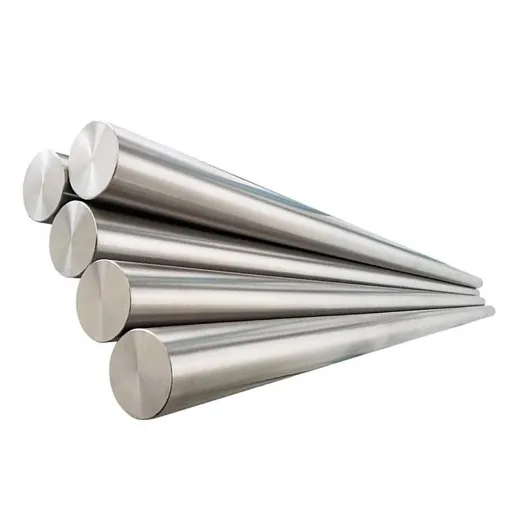
Hardness and Wear Resistance:
Both AISI 4140 and AISI 4142 steels have been given the title of ‘beautiful’ by their hardness and wear resistance which have been their key factors for the wide usage in heavy industrial sectors like automotive, aerospace, and machinery. The hardness of the steels varies with the heat treatment method applied to them. Generally, the hardness of AISI 4140 steel will be in the scale of 197-341 HB (Brinell Hardness) for its annealed to tempered state, while AISI 4142, which contains slightly more carbon than AISI 4140, will possibly give out even greater hardness of 269-444 HB for the same condition.
The hardness is the primary reason why the steels can resist wear to some extent. AISI 4142 has being harder due to its higher carbon content, so AISI 4140 wear resistance is lower than that of AISI 4142. For instance, after quenching and tempering exams, AISI 4142 might have a Rockwell hardness of HRC 55-60 approximately, while AISI 4140 usually has HRC 50-55 in these situations. Such high hardness levels can be considered as the reason why AISI 4142 made gears, shafts, and tools can last for long wear even in high-stress environments.
Impact of Heat Treatment on Properties
Heat treatment is one of the main ways to change the mechanical properties and performance of steels such as AISI 4140 and AISI 4142. Metal heat treatment means a series of controlled heating and cooling operations aimed at changing the material’s microstructure and consequently Walsh to improve hardness, toughness, tensile strength depending on the application needs.
To both 4140 and 4142, the heat treatments quenching and tempering are commonly applied to get an optimal mix of strenght and toughness. Studies show that tempering temperatures of 500°F to 1,200°F (260°C to 650°C) are often used, with lower temperatures producing higher hardness and higher temperatures improving toughness. The quenching operation is usually performed in oil or water to avoid distortion or cracking which is particularly vital when the application calls for dimensional stability.
Applications of 4140 and 4142 Steel
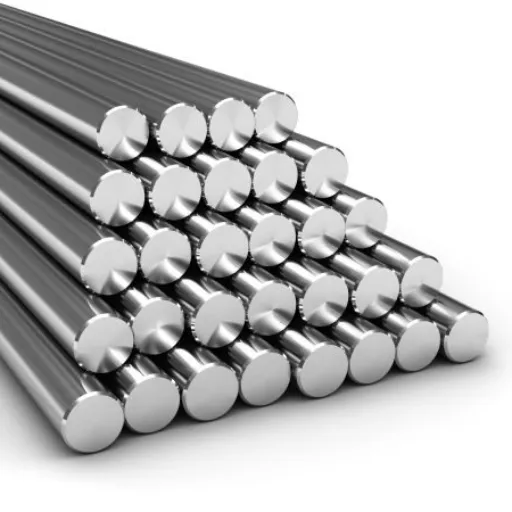
Specific Applications for Shaft and Gear Manufacturing
4140 and 4142 steels exhibit remarkable properties after heat treatment, thus they are considered best for shafts and gears. Their extreme strength, hardness, and wear resistance make them indispensable in the automotive, aerospace, and power generation industries where reliable operation is the main concern.
4140 steel is most of the time selected for shaft production due to its outstanding resistance in torsion and also its excellent resistance to fatigue. For instance, a vehicle’s drive shaft is a part that really takes advantage of the power of 4140 because it is the one that has to bear the rotation and the different forces while being power efficient at the same time. The tensile strength of properly heat-treated 4140 steel is more than 1000 MPa, and this is why it can be used in applications where the material is heavily loaded.
In the same way, 4140 and 4142 are the materials of choice not only for the production of gears but also for their excellent machinability and ability to handle very high mechanical stress. The application of these steels assures the hardness (up to 60 HRC through quick cooling and tempering) of such gears when it comes to spur, helical, and bevel gears in heavy industrial machines. Moreover, the drawback of wear and maintenance costs gives operational efficiency a boost. Research in the industry underscores that gears made from these alloys are not only durable but they can actually last much longer even in hardest operating environments like mining or oil drilling rigs.
Comparative Analysis of Suitability
When it comes to the comparison of advanced alloy steels against standard carbon steels, a number of factors come into play mainly in applications that seek outstanding durability and performance under extreme conditions. Advanced alloy steels are purposely manufactured to withstand much higher stress, abrasion, and even corrosive environments due to their improved composition, which often contains elements such as chromium, molybdenum, and nickel. The presence of these elements leads to increased hardness, tensile strength, and improved resistance to wear and fatigue.
Recent statistics show that components created with advanced alloy steels have a 25-35% higher wear resistance and a 40% lower failure rate in industries like heavy machinery and energy production. In the oil and gas sector, for example, the equipment made from these steels has been operating effectively for up to 50% longer than that made from traditional carbon steels, especially under high-pressure circumstances. Likewise, the tools in mining operations made of high-strength alloys have reported a considerable reduction in the frequency of replacement, which means less downtime and cost savings.
Advantages and Disadvantages of Each Alloy
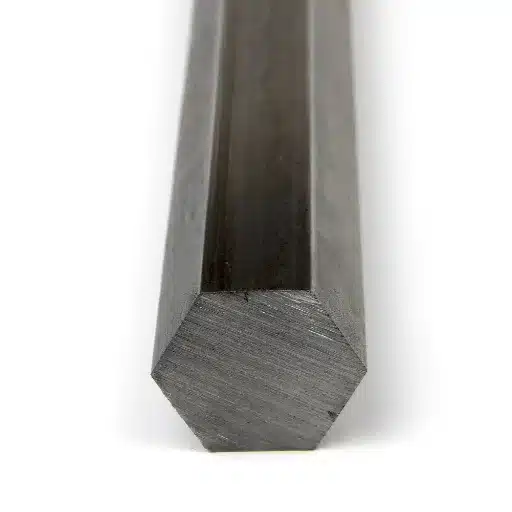
Benefits of Using AISI 4140 Steel
AISI 4140 steel occupies a crucial place in the list of modern alloys because of its great versatility, apart from that, it is also a popular alloy known for the attributes of its strengths, toughness, and not readily wearing out or becoming fatigued. Its unique mixture of three components, i.e., chromium, molybdenum, and manganese, has been responsible for the enhancement of its mechanical properties to such a degree that it is often the very choice for those applications where high stress and, thus, durability are the requirements.
AISI 4140 is a steel of very high tensile strength, among its most important properties, and this property varies from 950 MPa to 1200 MPa after heat treatment according to the specific end use. The steels in this group are the ones where the greatest amount of tensile strength is needed, thus making them suitable for the production of heavy-duty automotive and industrial machinery components like, for instance, gears, shafts, and crankshafts. Moreover, AISI 4140 also works as an excellent hardener and this quality of the steel allows it to be very high at the same time and in different places thermally.
Benefits of Using AISI 4142 Steel
Superior Mechanical Properties
AISI 4142 steel has the best tensile strength up to a range of 850 MPa to 1000 MPa depending upon heat treatment. Thus, it is a tough material that can take very hard operational conditions without being deformed or failing. Moreover, the material has a strength at yield point more than 700 MPa which further proves its application durability in load-bearing sectors.
Improved Hardness
Rockwell hardness rating of 55 HRC can be created while the AISI 4142 steel still ensures a very good level of resistance to wearing out. Hence, it becomes, for instance, the most appropriate material for making tools, dies, or other machinery parts that are likely to come into contact with abrasives or be subjected to such environments.
Enhanced Machinability
AISI 4142 is a little less machinable than lower-alloy steels but still a lot more than higher carbon-alloy steels; it also has good performance in machining processes. Its machinability rating is about 65% relative to AISI 1212 steel, meaning that it will still let the manufacturer make very complex parts while not having to deal with too much tool wear.
Resistance to Wear and Fatigue
The combination of chromium and molybdenum present in the AISI 4142 alloy contributes significantly to its resistance to surface wear, impact fatigue, and corrosion. These characteristics also make it very suitable for dynamic systems, like rotating machinery and moving parts, where these properties become particularly important.
Reference Sources
-
Effect of Additives on the Machinability and Properties of Alloy-Steel Bars
- Key Findings: This study investigates the machinability and properties of various alloy steels, including 4140 and 4142. It highlights the impact of additives on their performance and suitability for industrial applications.
- Methodology: Alloy-steel bars were obtained from open-hearth heats, and their machinability and mechanical properties were analyzed under controlled conditions.
-
Comparative Study on Fracture Toughness of Steel After Different Thermal Treatments
- Key Findings: Focuses on the fracture toughness of AISI 4140 steel after various thermal treatments, providing insights into its mechanical properties and performance under stress.
- Methodology: Experimental analysis of AISI 4140 steel subjected to different thermal treatments, with a focus on mechanical properties and fracture toughness.
-
Fatigue Life of Double Notch Alloy Steel Breakaway Couplings
- Key Findings: Examines the fatigue life of alloy steels, including SAE 4140 and potentially SAE 4142, emphasizing their carbon content and mechanical performance in breakaway couplings.
- Methodology: Fatigue testing of double-notch alloy steel components, with a focus on material composition and performance under cyclic loading.
Frequently Asked Questions (FAQs)
What is the comparison between aisi 4140 and 4142 in terms of their mechanical properties and composition?
The steel composition illustrates that both 4140 and 4142 are alloy steels that have chromium and molybdenum additions, with 4142 being the one with higher carbon content, which affects hardness and strength, i.e., generally 4142 steel gives a higher yield strength and improved hardening capacity compared to 4140. This reason of composition difference and mechanical properties makes 4142 more often the number one choice for parts needing high tensile strength and fatigue resistance, whereas 4140 is preferred for the opposite combination of toughness, machinability, and cost.
When you want the best, use annealed 4140 versus hardened 4140 products or choose hardened 4142?
Annealed 4140 assures full toughness and good machinability after the process and is often used for components that will be further thermal treated; annealed 4140 is easy to machine compared to 4142 ht. 4142 ht (4142 heat-treated) or hardened 4140 should be the choice when a higher hardness and strength are needed. On the other hand, for applications where high strength plus wear resistance or high strength under fatigue is the main requirement, 4142 would be a better choice as it has better hardenability, although 4140 still remains a versatile, cost-effective option for a variety of steel products.
What are the physical properties and the difference in hardness and strength between the two steels?
A physical property like density is almost the same for both steels, but they differ in hardness and strength: 4142 has slightly higher tensile and yield strength and strength in many heat-treated conditions due to its carbon content. 4140 still has fair toughness and good hardness after hardening, this is why it sometimes gets used where even hardness and strength with machinability and toughness are needed. However, the specific properties to be obtained depend on the heat treatments (anneal, quench, temper) and the desired mechanical properties.
Can either of the steels be considered tool steels for parts where high strength and wear resistance are required?
Both 4140 and 4142 are suitable for demanding applications, but neither is a high-speed tool steel; they are alloy steels mostly regarded as structural or tooling steels where high tensile strength and fatigue resistance are important rather than cutting-tool performance. The most common reasons for using 4142 are higher strength and wear resistance due to its moderately higher carbon and hardenability, further making it more suitable for stressed parts, yet 4140 alloy steel is still in application for shafts, gears, and fixtures because of its proper blending of machinability and toughness.