Nickel-based alloys are still very much the best and longest lasting materials used in the different industries today amongst the best and the hottest substitutes. Nickel alloys are praised for their remarkable strength, resistance to corrosion, and ability to function excellently under extreme conditions, thus they have been the main player in the area such as aerospace, marine engineering, and chemical processing. However, the question still remains what exactly nickel alloys feature that makes them the best choice and why they are so widespread in use? This guide will help us dive deep into the different properties of nickel alloys, revealing their important characteristics and looking at how they offer unparalleled reliability in the most critical places.
Overview of Nickel-Based Alloys
Definition and Composition of Nickel-Based Alloys
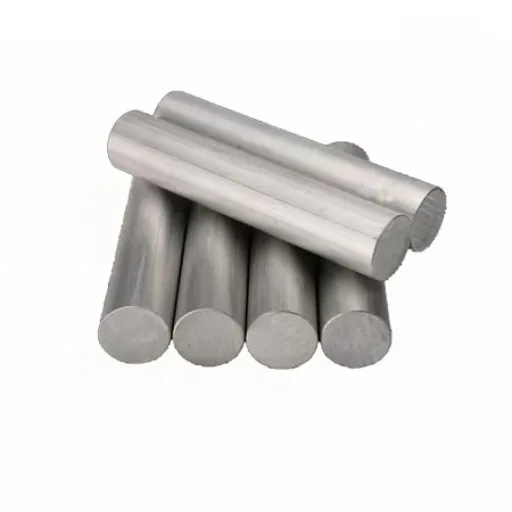
Nickel-based alloys are the premier class of materials in that they are made of nickel primarily and in most cases, the other elements are chromium, molybdenum, cobalt, iron and aluminum in varied proportions. These alloys are produced to not only withstand high temperatures but also chemical and mechanical stress. The nickel, the main constituent, plays a significant role in the material’s ability to resist oxidation and corrosion, which is the case with the other elements that control the alloy’s mechanical and chemical properties.
Example: Inconel 625, which is a nickel-based alloy that has a large share in the market, is composed of around 58% nickel, 20-23% chromium, 8-10% molybdenum and a maximum of 5% iron being the only impurity. As a result, the very composition of this alloy virtually assures it of being able to resist both best saltwater corrosion and high-temperature strength at the same time. The aerospace and marine industries are the primary users of this material due to such properties. Likewise, Hastelloy C-276, another alloy of widespread use, 57% nickel and 16% molybdenum and 15% chromium is the unmatched corrosion resistance needed for chemical processing plants.
The History and Development of Nickel-Coppers Alloys
Nickel-based alloy’s birth was in the 20th century with the high demand of materials that are resistant to extreme environments. An early on the way to technological development was the nickel-copper alloy Monel that was introduced in the 1900s and became very popular because of its exceptional strength and corrosion resistance. Monel was in huge demand in the marine and chemical industries because of its ability to stop the influences of the acidic environments and seawater.
The 1940s and 1950s saw the further development of these alloys with the aerospace and energy sectors going all out in innovations giving birth to superalloys like INCONEL, and Hastelloy among others. These very alloys, composed predominantly of nickel, still possess the elements of cobalt, chromium, and molybdenum that are aimed at giving the performance under high temperatures and stress. Superalloys became a “must-have” for jet engines generators and rocket engines, thus offering safety and productivity for high-performance applications.
Key Properties and Characteristics
Corrosion Resistance in Various Environments
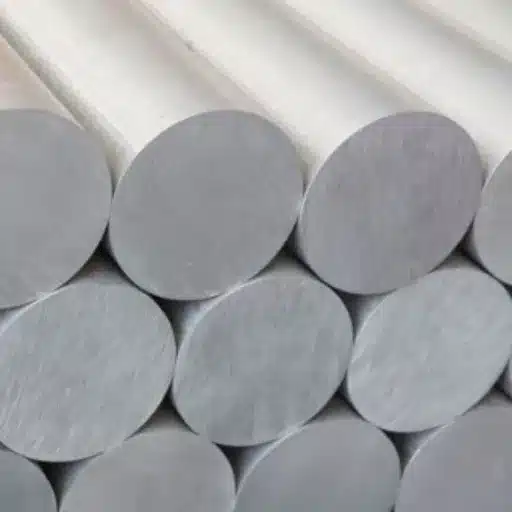
Corrosion resistance is an outstanding feature of nickel-based alloys, which is why these materials are often deployed even in the most extreme conditions. It is the surface oxide layer that forms during the manufacturing process that makes these materials tough enough to withstand the harshest environments and the most aggressive chemicals. The marine, high-temperature, and chemical processing industries are all বড় sectors where these alloys enjoy the benefit of their durability.
One of the examples is Monel – a nickel-copper alloy that, owing to its very high, in fact, totally extreme, resistance to corrosion from the action of seawater, is the only one that is suitable for marine engineering and shipbuilding. Manufacturing reports mention that Monel alloys can fight against pitting and crevice corrosion in saltwater for years, much longer than stainless steel and other standard materials.
High Thermal Stability and Performance
The high melting point of nickel-based alloys is another factor that contributes to their extreme resistance to corrosion, thus they are the best choice among materials for continuous use in high-temperature areas. Heating alloys of this kind to 1,000 °C and more is possible without any noticeable deterioration of their mechanical properties; therefore, they can be employed in the aerospace, energy production, and chemical industries. A case in point is the turbine blades of jet engines that are made from nickel-based superalloys because of their ability to withstand exceptionally high temperatures while also maintaining good performance.
Recent Research Insights: Recent research indicates that the new nickel alloys, for example, the ones used in gas turbines, will not only help the engine to be 25% more efficient but also the combustion temperature will be higher due to this. Not only that, but this quality will also result in lesser consumption of fuel and greenhouse gases emission being cut down, thus it matches the sustainability goals set worldwide. Besides, nickel alloys are under development regarding the additive manufacturing process because they possess excellent heat resistance and weldability, which in turn assures the production of top-quality components without the quality of durability being compromised.
Common Applications in Industry
Aerospace and Defense
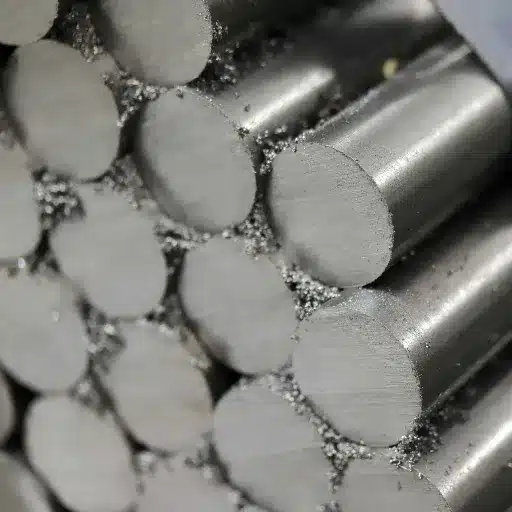
Nickel alloys are indispensable in the aerospace and defense sectors primarily because of their superb mechanical characteristics and the fact that they could survive extreme conditions. The most significant application of nickel alloys is in jet engines, where their parts must endure temperatures of over 1,300°F (700°C) and still retain their original characteristics. Alloys like Inconel 718 and 625 are the ones commonly preferred thanks to being able to deliver outstanding tensile strength along with excellent oxidation and corrosion resistance. For instance, NASA has relied on nickel-based superalloys for the essential parts of the spacecraft, which are anticipated to function for a long time in the tough conditions of space.
Market Insight: A recent market research report states that the aerospace and defense nickel alloy market will have a CAGR of 5.3% during the period 2023-2028 due mainly to the growing passenger numbers and spending on modern defense systems. Besides, the strong nickel-based alloys are also present in missile parts, cryogenic fuel tanks, and landing gear because they are lightweight and resistant to abrasion.
Oil and Gas Sector
Nickel alloys are the foremost materials in the oil and gas sector because they possess the capability to resist harsh conditions like very high and low temperatures, corrosion, and pressure. Their resistance to these factors makes them the perfect selection for extreme environments such as deep-sea drilling, high-pressure pipelines, and gas processing plants. Nickel-based alloy components like heat exchangers, valves, and downhole tools are frequently used for their strength and reliability even in highly corrosive atmosphere.
The oil and gas industry does not fail to cite the reasons for its dependence on nickel alloys, the most notable being the alloys’ capability of withstanding hydrogen sulfide (H₂S) environments and their ability to resist sulfide stress cracking—both of which are commonplace in the industry. A market report published in 2023 points out that nickel alloys’ global demand in the oil and gas sector will have a CAGR of 4.7% during the period of 2023-2030 due continuous exploration and production in tough offshore and onshore areas.
Recent Innovations and Developments

Advancements in Nickel-Copper Alloys
Nickel-copper alloys, also referred to as Monel alloys, have undergone astonishing transformations in the recent past, which rendered them more and more essential in the sectors where toughness and the capability to withstand extreme conditions are the two most important factors. The main part of the change is associated with the modification of the chemicals through which the alloys are fabricated to their full extent, thereby improving the performance characteristics. Recent studies have indicated that the nickel-copper alloys that are still in the making contain, amongst others, the ones with the highest power and, at the same time, the most resistance to stress-corrosion cracking even in highly acidic or salty environments which will, thus, be one of the best-selling products.
Recent studies have also demonstrated that these alloys possess excellent thermal and electrical conductivity which gives them an edge over other materials in high-performance applications such as heat exchangers, condensers, and electrical connectors. Specifically, numerous studies assert that present-day nickel-copper alloys can maintain up to 80-90% of their Gf in corrosive environments which is a significant leap from the earlier versions.
Nickel-Chromium Alloys
Nickel-chromium alloys are a category of metals that among many others are still very much in use owing to their exceptional resistance to corrosion, oxidation, and high temperatures. Nickel and chromium are the main elements in such alloys coming from Nature, with others like iron, cobalt and molybdenum being added for beneficial properties. They serve as the very foundation of those industries, like chemical, power generation and aerospace, which require materials capable of enduring the most severe conditions.
Nichrome is a classic example of these alloys that are most commonly used and produced in large quantities as heating elements, owing to their ability to withstand high temperatures (even over 1200°F (650°C)) while preserving their mechanical strength and stability. The trend for nickel-chromium alloys market has been predicted to be steady for the next years, showing a compound annual growth rate (CAGR) of around 5% for the coming decade. The primary factor driving the growth of this segment is the application of these materials in gas turbines, exhaust systems, and industrial heating processes.
Comparison with Other Alloy Types
Nickel Alloys vs. Stainless Steels
| Comparison Aspect | Nickel Alloys | Stainless Steels |
|---|---|---|
| Composition | Made up of more than 50% nickel | Contains nickel in small percentages (less than 10%) plus chromium |
| Corrosion Resistance | Excellent in extreme corrosive conditions (acidic, high-temperature); resists pitting and crevice corrosion | Works well in mildly corrosive environments |
| Temperature Performance | Maintains strength and resists oxidation above 1,000°F (540°C); can handle up to 2,000°F | Maximum service temperatures vary from 400°F to 1,400°F depending on grade |
| Strength and Durability | Superior strength, high tensile strength and ductility; excellent for extreme mechanical stress | Good strength but limited in very demanding applications |
Composition and Corrosion Resistance
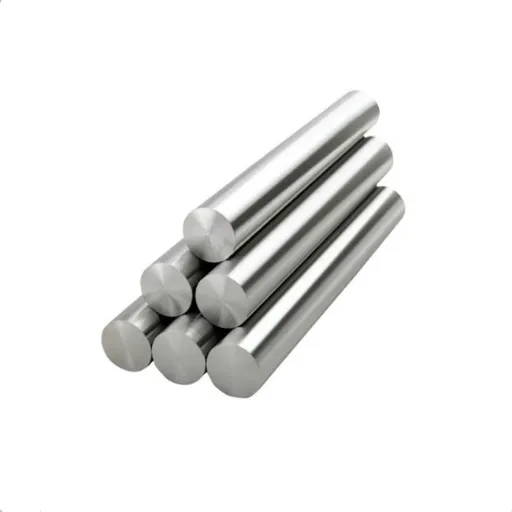
Nickel alloys, which are made up of more than 50% nickel, stainless steels, on the other hand, still contain nickel but merely in small percentages (less than 10%) and in addition, chromium is used to enhance the overall corrosion resistance of the steel. The chromium incorporation in the case of stainless steels works very well in mildly corrosive environments; however, the nickel alloys will not only exist under such conditions but also be joined with those that produce the worst corrosive mists such as acidic or very hot ones, definitely resisting to pitting as well as crevice corrosion.
Temperature Performance
Nickel alloys surpass all the others in performance at the very high temperatures that need a cooling process such as gas turbines, jet engines, and power plants. For example, above 1,000°F (540°C) nickel-based superalloys not only can hold strength but also resist oxidation. Meanwhile, the maximum steel grades are different; they have more limitations regarding the temperature, with the maximum service temperatures varying from 400°F to 1,400°F depending on the grade.
Strength and Durability
Nickel-based alloys are the strongest and the most durable metals that can often be replaced with stainless steels in very demanding applications. Mechanical stress and pressure are at the extremes, and nickel-based alloys perform up to or even sometimes above the level of stainless steels in such conditions. The high tensile strength and ductility of nickel alloy material make them perfect for aerospace and marine applications where reliability under arduous conditions is of utmost importance.
Advantages of Nickel-Based Alloys Over Other Metals
🛡️ Exceptional Corrosion Resistance
Nickel-based alloys are the only metals that can withstand the performance of other types in extreme conditions, especially in the aforementioned fields of chemical processing, marine applications, and high salinity. The nickel alloys like Hastelloy and Monel are the ones that are prone to be pitting, crevice corrosion, and cracking due to chloride which is why they get as high as 9.5/10 for corrosion resistance in seawater where the rating for stainless steel is only 6/10.
🔥 High-Temperature Strength
Nickel alloys are the only metals that maintain their mechanical properties at all elevated temperatures of metals. The superalloys like IN718 can handle the heat and last at 2,000°F without the material losing strength to a considerable extent, which is already far beyond the limit of 1,400°F for high-grade stainless steel. The above characteristics make them suitable for the aforementioned applications such as gas turbines, jet engines, and industrial furnaces.
🌡️ Excellent Thermal Stability
The thermal behavior of nickel-based alloys does not change under varying environmental conditions and so do their confidence in being utilized in thermal cycling applications. These alloys have a low thermal expansion coefficient which consequently prevents dimensional changes thereby increasing reliability in precision applications such as aerospace parts.
💪 Superior Mechanical Properties
Nickel-based alloys are a category of materials that are characterized by their exceptional tensile strength, fatigue resistance, and toughness enabling them to tolerate heavy loads and cyclic stresses. The latest research shows that the IN718 alloys have reached a yield strength of up to 135 ksi (kilopounds per square inch), which is significantly higher than that of most structural steels.