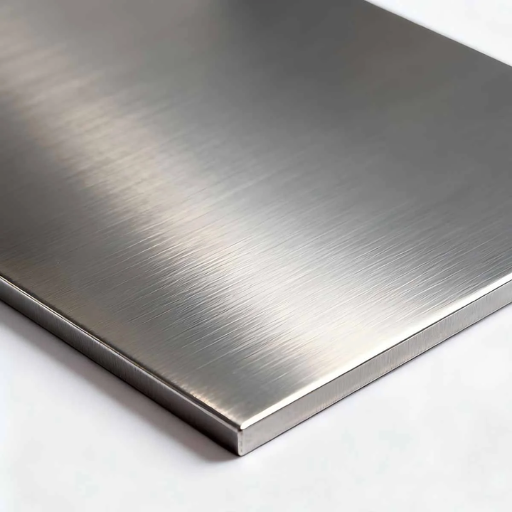
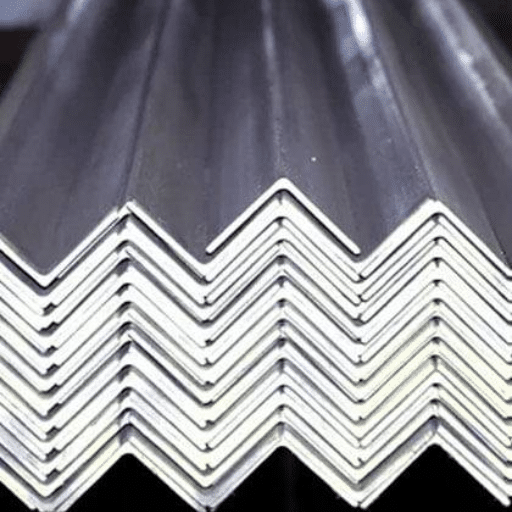
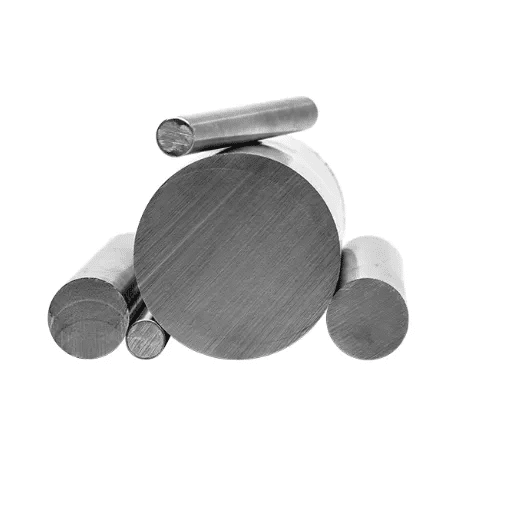
In the matter of sourcing premium 316L stainless steel strips, the country of China emerges as a prominent player in the worldwide market. Numerous manufacturers provide a wide range of options which, in turn, makes it quite challenging to pick the right supplier. The intention of this blog post to make the selection process easier by the beacons of six top manufacturers in China being the basis who are well recognized for their dominating skill, trustworthiness, and superlative quality of the products. No matter if your industry is construction, automotive, or medical, being aware of these suppliers will allow you to take educated steps in choosing the right materials for your projects. Continue reading to reveal the leading companies in the field and their distinguishing features.
Introduction to 316L Stainless Steel Strip
What is 316L Stainless Steel?
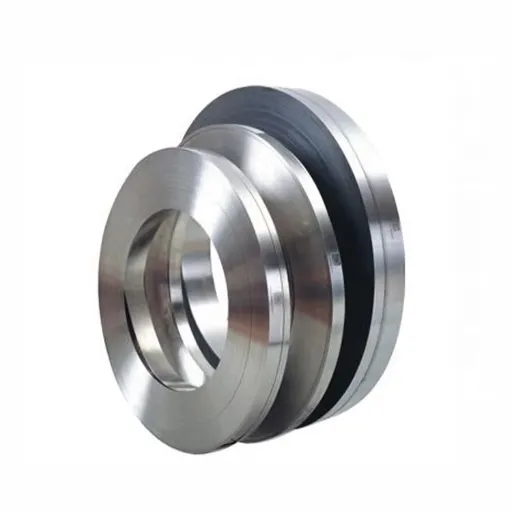
316L stainless steel is a part of the austenitic stainless-steel family but has lower carbon content, so it is occasionally referred to as “low carbon 316.” It has been recognized for its durability and corrosion resistance, exceptional mechanical qualities, and longevity. The main factor for the “L” in 316L being for “low carbon” is the alloy’s ability to prevent sensitization during welding, this is also the reason why the alloy performs mejor in harsh environmental conditions. The main alloying elements are chromium (16-18%), nickel (10-14%), and molybdenum (2-3%). Besides these metals, there are other elements present in the alloy in very tiny amounts, like manganese, silicon, and iron, which help in giving the alloy not only good resistance but also making it totally free from pitting and crevice corrosion.
The most prominent characteristic of 316L stainless steel is the balanced distribution of mechanical properties that takes place across a wide range of temperatures, hence the material can handle even the most demanding applications. Its non-hygienic and chemical-resistance properties have made the industries of medical devices, marine applications, and food processing to use the steel as their preferred supply. Moreover, the 316L stainless steel has ultimate tensile strength of around 485 MPa (70,000 psi) and yield strength of 170 MPa (25,000 psi), which means it is strong enough but can still be handled easily during the manufacturing process. These features are also seen in surgical instruments, heat exchangers, and high-performance parts that can endure rough outdoor conditions.
The main use of 316L Stainless Steel Strip
- Medical and Pharmaceutical Equipment:
316L stainless steel that has the highest degree of biocompatibility and the ultimate resistance to pitting/crevice corrosion is in fact a common material for manufacturing surgical instruments, implantable medical devices, and pharmaceutical equipment. For instance, it plays the essential role in the manufacturing of hypodermic needles, dental tools, and orthopedic implants that are subject to very strict safety and hygiene standards.
- Marine Industry:
The marine industry adopted 316L stainless steel strip as the main material because of the alloy’s remarkable resistance not only to seawater but also to environments with chlorine. The same goes for fittings of boats, pressure vessels, and desalination plants where constant saltwater exposure is a fact and the materials are not supposed to degrade.
- Chemical Processing:
Corrosive substances such as acids, alkalies, and chlorides cannot damage 316L stainless steel which accounts for the huge use of this metal in the chemical processing industry. Its application consists of the construction of heat exchangers, chemical storage tanks, and pipelines, all of them guaranteeing longevity and security during operations.
- Aerospace and Automotive Applications:
The aerospace and automotive industries make extensive use of 316L stainless steel strip. Its easy-to-fabricate process coupled with being both light and durable makes it suited for parts like exhaust systems, structural components, and precision springs. The strength and flexibility of the steel enhance performance and the life of these systems which are subjected to varying environmental conditions.
- Energy and Power Generation:
The energy sector, including nuclear power plants and renewable energy systems, among others, is benefiting from 316L stainless steel since it is able to tolerate very high temperatures, radiation, and corrosive fluids. The application ranges from turbine blades, imaging, and flash recovery systems all the way to steam generators.
Top 6 Manufacturers of 316L Stainless Steel Strip in China
1. Jiangsu Zhonggongte Metallurgical Technology Co., Ltd.
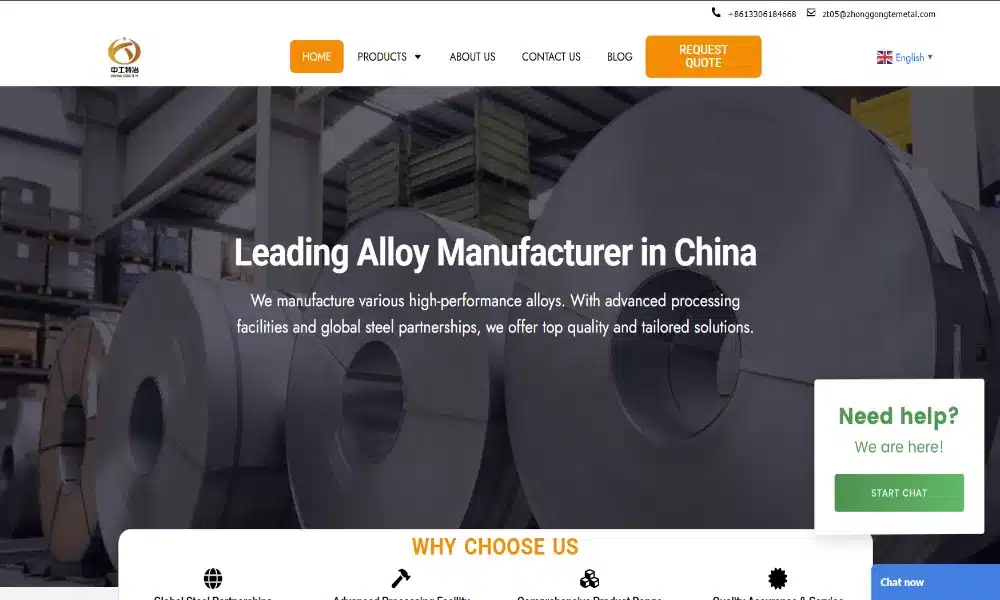
Jiangsu Zhonggongte Metallurgical Technology Co., Ltd. has quickly positioned itself as one of the top manufacturers and suppliers of special alloys as well as stainless steel products in the market. Despite being just a few years old, the company has a reputation based on quality, technological advancement, and customer service. The company, which is located in Jiangsu province, a significant industrial area, makes use of cutting-edge production technologies coupled with a rigorous quality control process to provide the materials that perform the best.
It has dedicated its resources to the production of specialty metals, such as nickel-based alloys and various grades of stainless steel, which consequently allows the company to cater to such demanding fields as aerospace, marine engineering, chemical processing, and medical equipment manufacturing. Research and development is top priority for the company and they are constantly working on improving the characteristics of their materials, as well as finding new solutions that will adhere to the changing industry standards, thus, enhancing their products’ performance.
2. TISCO (Taiyuan Iron and Steel Group)
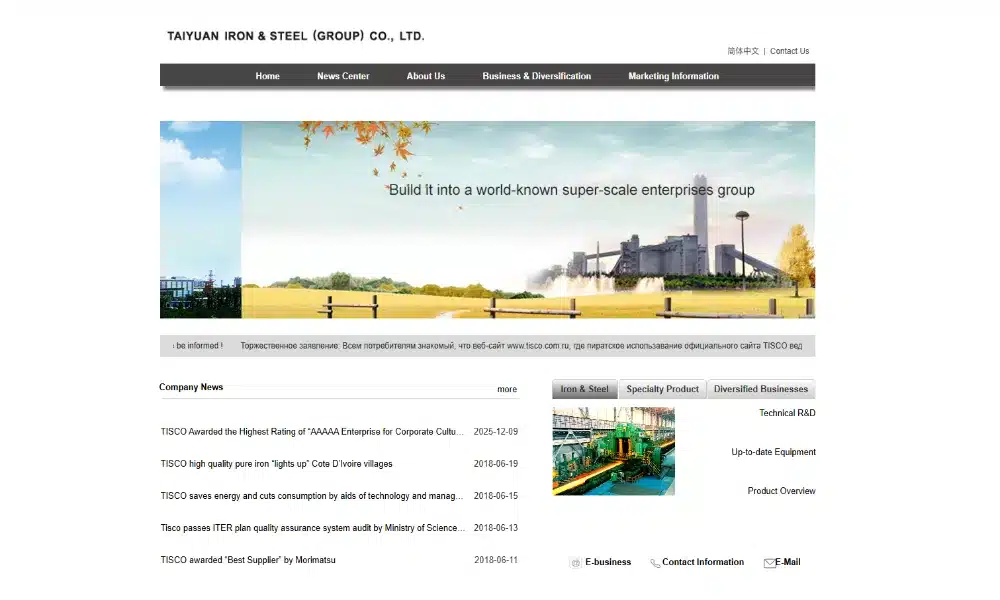
Taiyuan Iron and Steel Group, or TISCO for short, is the largest and one of the oldest stainless steel producers in China. TISCO, a company with almost one hundred years of experience, has been a major player in the Chinese steel industry. TISCO has a very large production capacity and a completely integrated production process, which includes everything from raw materials to finished goods. The company enjoys global recognition for its comprehensive range of steel products, among which stainless steel is the most important one. Their 316L strips are of such high quality and are in such wide use that they are sometimes thought of as the global standard.
3. Baosteel (China Baowu Steel Group)
Baosteel, a leading player in the global steel industry and part of China Baowu Steel Group, is the largest steel producer in the world by volume. The merger of Baosteel and Wuhan Iron and Steel gave rise to this company which is already acclaimed for its sapient technology, research and development, and premium products. Baosteel has a number of certifications, such as ISO9001 and IATF16949, that denote its strong emphasis on compliance with the rigorous standards of industries like automotive and high-end manufacturing. Their 316L stainless steel output is dependable and efficient, thus it is widely accepted in the market.
4. YONGJIN
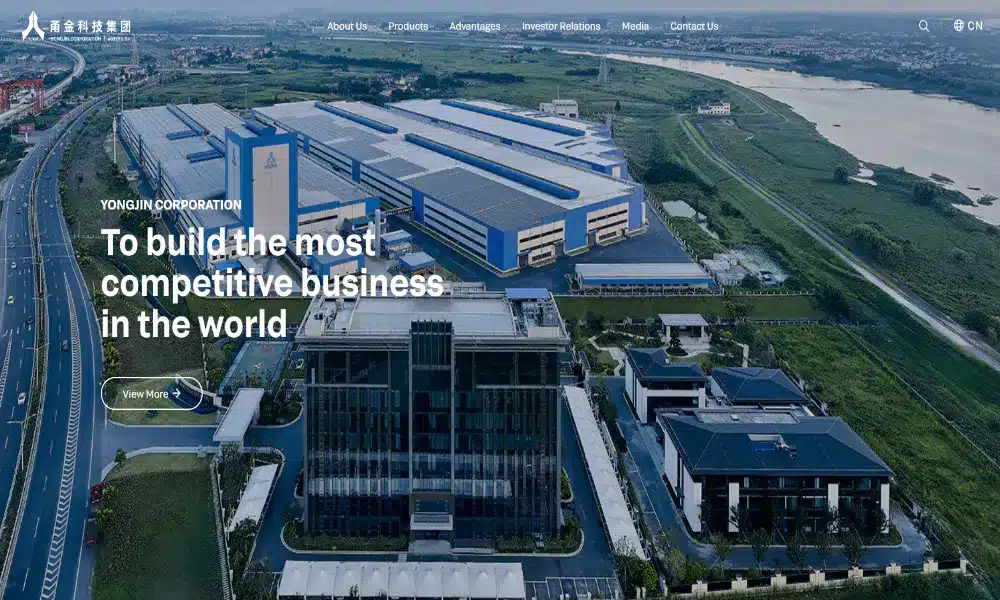
Zhejiang Yongjin Metal Technology Co., Ltd. is engaged in the research, development, and production of cold-rolled stainless steel strips. The company emphasizes accuracy and high-end products, which is why it has 300 patents. YONGJIN is already one of the top manufacturing companies in China and is especially recognized for producing very thin stainless steels, including 316L, that serve the electronics, automotive, and medical industries. Their consistent flow of new ideas has taken them to the top of the precision strip market.
5. POSCO (Zhangjiagang) Stainless Steel Co., Ltd. (PZSS)
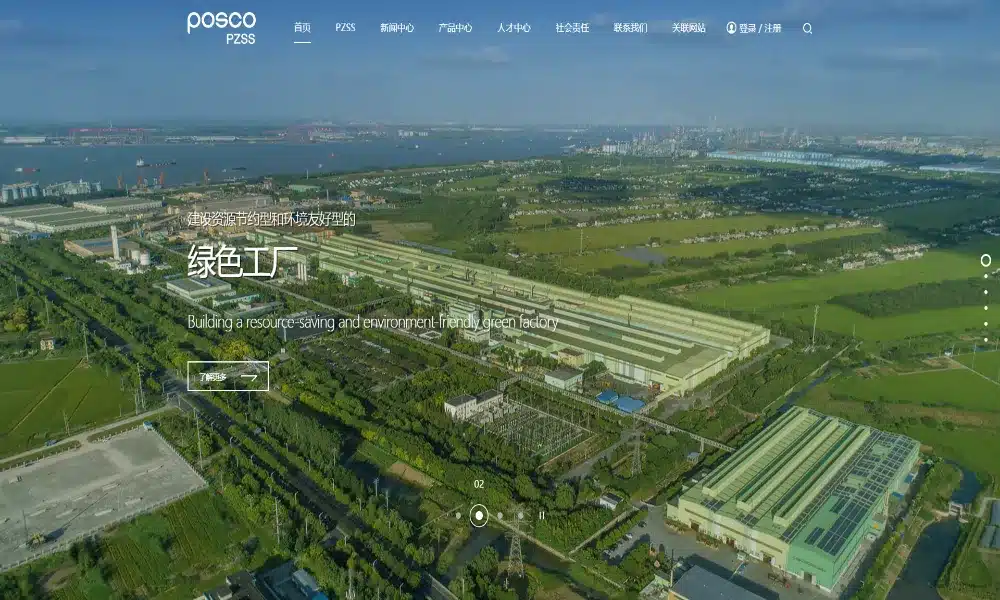
PZSS is an important joint venture in the Chinese stainless steel sector that is founded by the South Korean steel major POSCO. The company is based in Zhangjiagang, a port city not far from Shanghai, and it takes advantage of the advanced technology and management know-how of POSCO. PZSS is mainly engaged in the production of cold-rolled stainless steel sheets and coils of the highest quality. The company offers products, among which is the 316L grade steel, that are praised for having a great surface finish and uniform mechanical properties, and these products are marketed both locally and overseas.
6. JISCO (Jiuquan Iron & Steel Group)
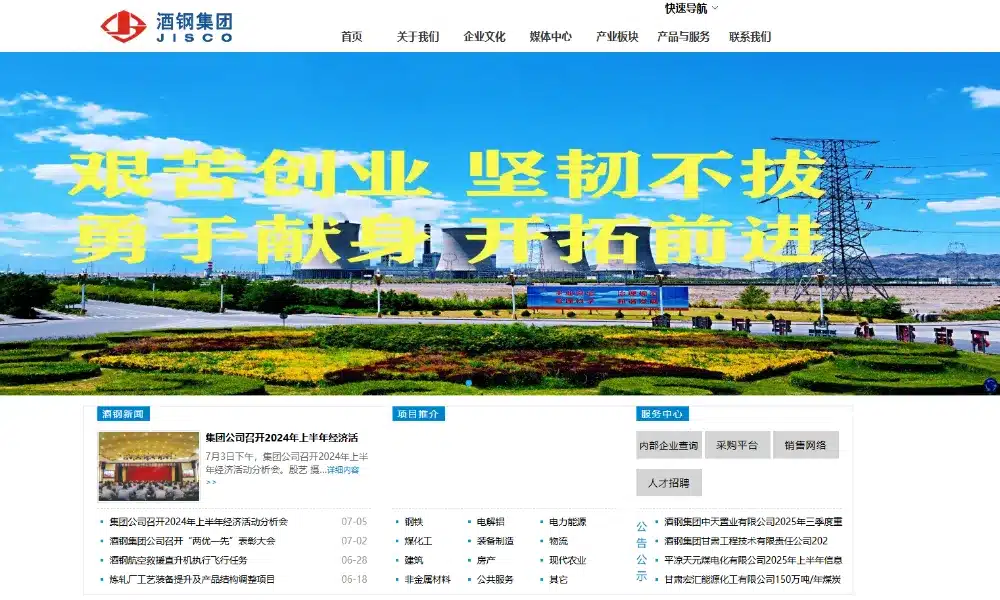
Jiuquan Iron & Steel Group (JISCO) is a very significant and varied enterprise group that is located in northwestern China. Being originally set up as one of the most important projects in China’s industrial strategy, JISCO has gradually transformed from a producer of carbon steel to a manufacturer of stainless steel, aluminum, and electricity generation. For a long time, the company has been on the list of China’s Top 500 Enterprises. One of the products of the stainless steel division of the company is 316L strips, which are used in many industrial applications.
Key Qualities and Standards of Top Manufacturers
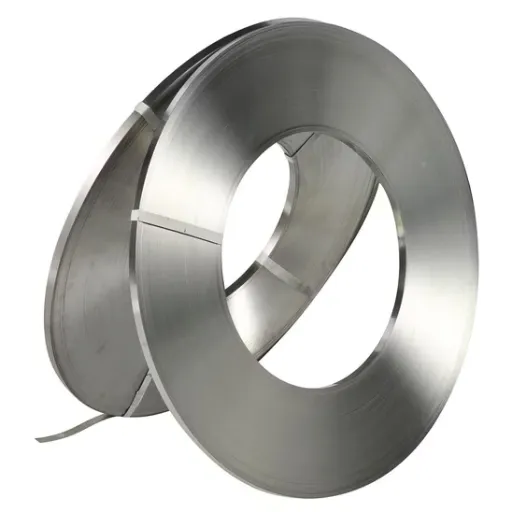
Mechanical Properties of 316L Stainless Steel
Yield Strength: 316L stainless steel has a yield strength of generally 170 MPa (25 ksi) which is a characteristic that emphasizes the high stress level it can endure without permanently deforming.
Tensile Strength: 316L stainless steel has an ultimate tensile strength of between 485 MPa and 620 MPa (70 ksi to 90 ksi). This indicates the material’s excellent quality of high resistance to breaking force under tension.
Elongation at Break: 316L stainless steel has a very high ductility of 40% to 50% elongation, which indicates that it can be deformed extensively before fracturing.
Hardness: The material has a maximum Brinell hardness of 217 HB and Rockwell hardness of 95 HRB, which sets a good compromise between strength and ductility.
Modulus of Elasticity: The modulus of elasticity is approximately 193 GPa (28 x 10³ ksi), reflecting its rigidity and the necessity of a strong force to change its shape during stress.
Quality Assurance Processes
Chemical Composition Analysis: The methodology for verifying the alloy content is via the high-tech spectrometer and chemical analysis equipment, thus ensuring the best corrosion resistance and mechanical properties.
Non-Destructive Testing (NDT): Various methods like ultrasonic, magnetic particle and X-ray examination are used to expose the flaws or surface irregularities whether they are internally or externally located and at the same time, the material’s integrity will not be compromised.
Mechanical Testing: The mechanical properties evaluation consists to great extent of tensile strength, hardness and impact resistance, which is applied to the materials and confirms their durability and their performance in various operating conditions.
Corrosion Resistance Testing: The salt spray tests and harsh environmental exposure are the methods by which the real-world conditions of the material being tested for pitting, crevice corrosion, and intergranular attack resistance are simulated.
Microstructural Inspection: Cutting-edge microscopy techniques are being employed to evaluate the alloy’s microstructure and ensure that it is not only homogeneous but also devoid of such imperfections as porosity or inclusions.
Recent Advancements in 316L Stainless Steel Production

Technological Innovations in Manufacturing
The latest technological developments are the main factor responsible for the remarkable advancement in the production of 316L stainless steel. The advancements in technology have made it possible not only to manufacture 316L steel with higher quality and greater efficiency but also with greater control of the environmental impact. One can mention among these advancements, additive manufacturing (3D printing) and laser-based processing that have completely transformed the entire steel industry. For instance, 3D printing can produce intricate shapes that were, before now, unfeasible with the traditional manufacturing techniques, directly and accurately. This is an enormous advantage particularly for the medical and aerospace sectors that are in constant need of custom and high-quality parts.
In addition, new types of heat treatment processes have undoubtedly improved the mechanical properties of the stainless steel, with toughness being one of the attributes, while the others such as accessibility and resistance to corrosion, which were easy, were still main factors. The new modern-day induction heating processes that are empowered by AI and ML solutions give the ultimate control over the heating during the annealing process and therefore achieve the desired uniform distribution of grain size. A recent study shows that the implementation of AI algorithms in these methods has led to a 25% increase in production efficiency and at the same time a drastic reduction in energy and raw material wastes.
Cold Rolled and Hot Rolled Stainless Steel Trends
The stainless steel market is undergoing a transformation that is still following distinct trends that favor the gradual development and usage of cold rolled and hot rolled products. The bright and sleek surface of rolled stainless steel, closer tolerances, and better than traditional mechanical properties turned cold rolled into a darling in the metal market, particularly for those industries like fuel, electronics, and medical equipment manufacturing where quality is a must. The latest market has a prediction of cold rolled stainless steel consumption with a CAGR of 4.8% through 2025. The main source of demand will be from sophisticated industries that require precision parts and finishing in aesthetics that is not too complicated.
On the opposite side, the hot rolled stainless steel, which is admired for its strength and affordability, is still the major one in construction, chemical processing, and marine industries. The global market for hot rolled stainless steel has been continuously increasing which could be described as somewhat gradual, but the regions that are subject to major infrastructure developments and industrial activities such as Asia-Pacific have been the most favored ones in terms of hot rolled products. It is foreseen that hot rolled flat products will account for more than 60% of total stainless steel consumption owing to their versatility and the fact they do not require high production costs.
Tips for Selecting the Best Supplier
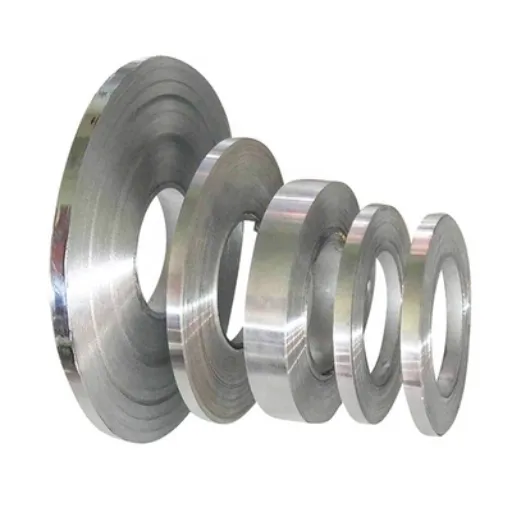
Assessing Quality and Certifications
When it comes to selecting a vendor for 316L stainless steel strips, the quality and certifications evaluation would be the foremost action to back up the material’s trustworthy performance and compliance with the industry standards. The topmost 316L strips in the world will be produced following the highest standards such as ASTM A240 or EN 10088-2, stating the material, mechanical, and dimensional parameters along with the tolerances. Furthermore, the suppliers should also have the quality management systems like ISO 9001 which are universally accepted, and prove the supplier’s commitment to quality and customer satisfaction.
The existence of particular corrosion resistance tests like ASTMG48 for pitting or salt spray tests is another vital element to verify the material’s longevity in difficult conditions. The certification of mill test reports (MTR) is even more important as it has detailed information about the chemical analysis and mechanical properties of the stainless steel strip lot. The manufacturers who have their products inspected and approved by third-party auditors or organizations like TÜV or Lloyd’s Register add another level of trust regarding the quality of their products.
Appraisal of Customer Service and Support
Customer service and support are the major factors that should always be considered when selecting suppliers in the steel industry. A fast and responsive customer support service can greatly enhance the entire buying experience and facilitate the prompt handling of issues. A survey conducted by HubSpot in 2023 revealed that 93% of customers were only willing to make repeat purchases from companies with excellent customer service, which underlines the significance of good customer service even in the current competitive market.
There are various measures through which the supplier’s customer service can be assessed, including response time, issue resolution rate, and availability of different channels of communication like email, phone, and live chat. A supplier with 24/7 support or a dedicated account manager would be regarded as even more reliable. Additionally, customer ratings and reviews on Google and Trustpilot can provide helpful insights into customer satisfaction and reflect the buyer’s perspective.
Reference Sources
-
Surface White Spot and Pitting Corrosion of 316L Stainless Steel
This research investigates the effects of surface imperfections, such as white spots, on the corrosion resistance of 316L stainless steel.
Read more here -
New High Flexible Stainless Steel Process Line with Advanced Process Control at Baosteel Shanghai
This paper discusses advancements in stainless steel processing at Baosteel, a leading manufacturer in China, focusing on quality improvements in stainless steel sheets and strips.
Read more here
Frequently Asked Questions (FAQs)
What exactly is a coil of stainless steel and how does a supplier from china of stainless steel strips provide it?
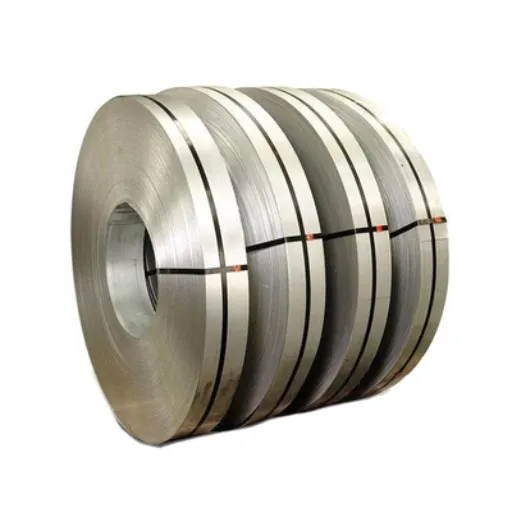
A coil of stainless steel is a sheet or strip of stainless steel that has been continuously rolled and wound into a roll which can then be easily transported and processed. The manufacturers and suppliers in china of stainless steel strips generally produce coils in grades such as 304, 316/316L, 201 and 321, with finishing like 2B or cold rolled stainless steel, which are the most common. Besides, reputable stainless steel strip factories are capable of customizing coil dimensions, flat strip widths, and strip coil packaging to deliver good quality stainless steel strip and meet requirements for downstream steel coil strip processing.
What is the difference in corrosion resistance of 316L to 304 stainless steel strip when compared to 316 and 316L stainless steel strips?
Strips of 316 and 316L stainless steel are by far the most corrosion-resistant among those in comparison, still, they do have some weaknesses in certain types of environments, particularly chloride and marine, which are very common. They may not even lose any of their corrosion resistance due to the presence of molybdenum in the alloy mix. The lower carbon content in 316L has no negative impact on its sensitization resistance while it does increase the corrosion resistance during the grain boundaries which is why 316L is preferred in places where the welding happens often. Generally, China 316L stainless steel strip manufacturers will provide precision stainless steel and rolled stainless steel strip for a wide range of applications such as petrochemical, pulp and paper, and other corrosive-service industries.
Are there any customization options for the stainless steel strip roll and ss strip besides the standard ones?
It’s true that a large number of stainless steel strip factories and manufacturers and suppliers of steel strips provide customize options that include all the different ones, e.g. thickness, width, edge type, surface finish (2B, BA, or brushed), and coil or flat strip form. The suppliers of stainless steel strips from China usually offer custom slitting, recoiling, and packaging according to specific project needs and can also provide certificates like DIN or mill test reports to guarantee compliance of stainless steel strip quality.
What quality characteristics of stainless steel strip should I look for from a steel strip supplier?
Expect to see uniform chemical composition, stringent thickness tolerances, lustrous surface finish (2B for cold-rolled sheets, for example), precise slit widths, correct coil rolling tension, and quality documentation that can be traced (such as mill test certificates and DIN standards). A reliable china stainless steel strip supplier will provide you with samples and testing reports and, more importantly, will be able to prove their capability of consistently producing good quality stainless steel strip and stainless steel plate or sheet to your specifications.