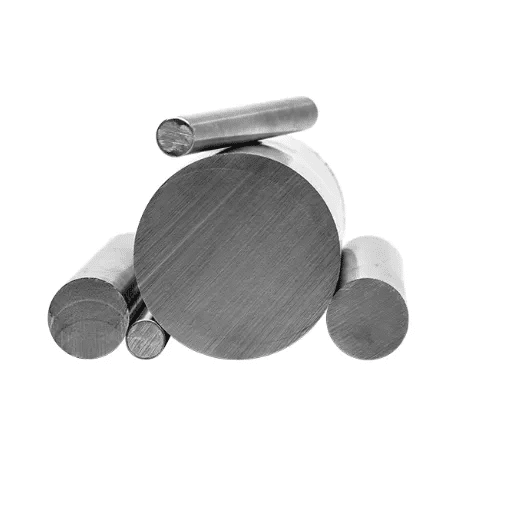
Nickel-based alloys, together with Hastelloy, serve as crucial industrial materials because their outstanding ability to resist corrosion enables them to endure rigorous industrial conditions. But how do they compare, and how can you determine which is the right choice for your specific needs? The article provides a comprehensive study of the different properties and advantages of both materials, which industrial companies use to help you choose the material that best fits your needs for high-level environmental defense. The guide delivers essential knowledge that enables you to make a safe choice regarding your chemical processing operations and marine work, and high-temperature operational challenges.
Introduction to Nickel-Based Alloys
What are Nickel-Based Alloys?
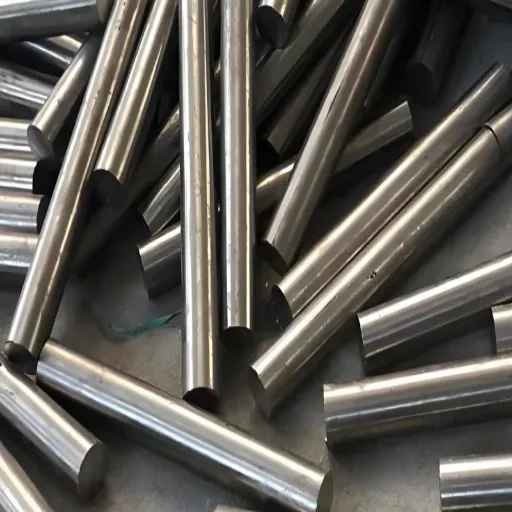
Nickel-based alloys serve as engineered metallic materials that engineers develop by combining nickel with chromium, molybdenum, cobalt, and iron. The alloy designers created these materials to deliver exceptional mechanical durability together with protection against corrosion and high-temperature operational performance. The products find widespread application across various sectors, which include aerospace and chemical processing, marine engineering, and power generation.
The primary property of nickel-based alloys enables them to endure oxidation, together with thermal creep deformation, which begins above 1,800°F (982°C). The commercial alloy families INCONEL® and Hastelloy® operate under extremely severe conditions because they can withstand exposure to acids, salts and other substances that cause corrosion.
Nickel alloys serve as the primary metal choice for aerospace applications because they represent 25% of total metal weight, as their turbine engine performance proves according to statistical data. The tensile strength of nickel-based superalloys exceeds 100 ksi (kilopounds per square inch), which makes them essential materials for highly demanding operational applications according to scientific research.
Chemical processing facilities have confirmed that Monel® functions as a stress-corrosion cracking solution for nickel-based alloys because the material performs well in acidic and alkaline environments. Nickel-based alloys display this dual capacity to resist harsh conditions because they maintain complete material strength under both extreme temperature and high-pressure operational demands, which makes them essential for industries that require such performance.
Properties of Nickel-Based Alloys
Nickel-based alloys deliver a unique set of industrial applications that make them valuable across different industry sectors. The alloys maintain exceptional corrosion resistance because they endure extreme environmental conditions which include high temperatures, both acidic and alkaline conditions, and high humidity. The aerospace engines and chemical reactors, which depend on their ability to endure extreme pressure, require these materials because of their superior mechanical strength.
Nickel-based alloys display their distinctive property through their exceptional thermal stability. The alloys display temperature resistance that exceeds 1,000°C (1,832°F), which enables their application in jet engine turbine blades that require extreme heat protection. The alloys demonstrate thermal stability through their ability to maintain dimensional accuracy during sudden temperature changes because they exhibit low thermal expansion characteristics.
Nickel-based alloys function as effective heat and electrical conductors, which makes them ideal for electronic systems and systems that require high-efficiency power delivery. The chemical industry widely uses Hastelloy® because its materials prevent oxidation and reduction damage, while Inconel® handles stress rupture and creep at high temperatures.
The combination of data with innovation enables further improvements in these alloys through developed refinement processes. The advanced nickel-based superalloys of today contain chromium, molybdenum, and cobalt elements, which improve their corrosion resistance and mechanical strength according to the official reports from various industries. Monel K-500 demonstrates superior strength through its aluminum and titanium strengthening, which enables it to achieve 2-3 times the tensile strength of standard nickel-based alloys while providing excellent seawater and acidic environment resistance.
Nickel-based alloys serve as reliable materials for systems that are used in aerospace and marine engineering and medical devices and energy generation because advanced material science technologies combine with their beneficial properties.
Applications in Various Industries
Nickel-based alloys play a crucial role because they possess outstanding properties that benefit many industries. Aerospace engineers select these materials as their primary option because they demonstrate both high-temperature and corrosion resistance according to current research findings. The aerospace industry uses these alloys in turbine blades, jet engines, and spacecraft components because the materials show the capacity to handle both extreme thermal and mechanical pressure. Modern jet engines use nickel alloys, including INCONEL®, which can withstand operating temperatures above 2000°F (1093°C).
The energy sector uses nickel-based alloys as essential materials for both electricity generation and oil and gas extraction. Deep-sea oil wells need materials that can prevent damage from both intense pressure and hydrogen sulfide and chloride corrosion. The use of these alloys results in a 25% longer operational life for components when compared to standard materials, which leads to lower maintenance expenses according to data research.
Nickel alloys provide essential medical support because they serve as the main material for surgical tools and implants, and orthopedic devices. The biocompatibility and durability of Nitinol, which combines nickel and titanium, enable its use in stents and joint replacements. The alloy demonstrates a unique combination of shape-memory effect and superelasticity, which allows for less invasive surgical techniques and better patient treatment results, according to research.
The demand for nickel-based alloys keeps growing because these industries need materials that can handle their challenging requirements in advanced applications.
Understanding Hastelloy
Overview of Hastelloy®
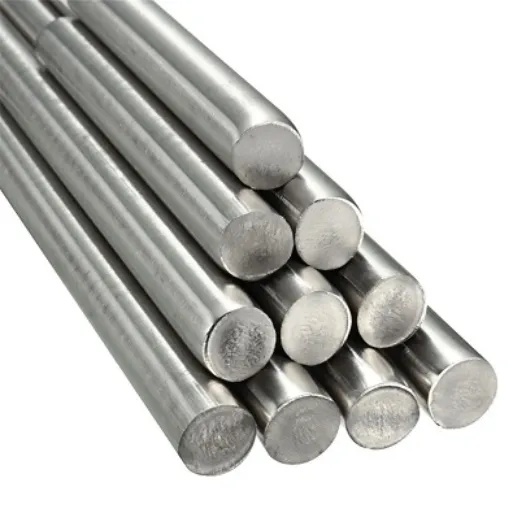
Hastelloy® serves as a registered trademark that encompasses a collection of metal alloys that include nickel-based materials, which provide resistance to corrosion through their various compositions of molybdenum, iron, cobalt, and chromium. The chemical processing, aerospace industries, and marine engineering use Hastelloy® alloys because these materials show exceptional performance when exposed to highly corrosive chemical environments. The materials enable essential operations because they can resist oxidation, pitting, stress corrosion cracking, and high-temperature challenges.
Hastelloy® C276 stands out as the preferred material for industries that handle aggressive chemicals because it demonstrates excellent resistance to strong oxidizers and reducing agents. The chemical processing industry uses Hastelloy® C22 because it provides outstanding flexibility to handle both oxidizing and reducing substances, which are common in environments with substantial chemical composition changes.
Recent data shows that projects using Hastelloy® alloys can achieve lower maintenance expenses because these materials extend the useful life of equipment. The studies estimate that Hastelloy® components will perform 30% better than standard stainless steel when used in environments with strong corrosive conditions. The sustainable and cost-efficient attributes of Hastalloy® alloys make them an ideal selection for manufacturing purposes.
The industries use Hastelloy® to build reactor vessels, heat exchangers, piping systems and gas scrubbers, which need dependable performance during extreme operational conditions. The continuous development of metallurgical technology enables Hastelloy® alloys to become leading-edge solutions for modern industrial needs.
Unique Properties of Hastelloy®
Hastelloy® alloys exhibit unmatched protection against oxidation and corrosion, which makes them suitable for chemical processing environments that have strong acidic and oxidizing conditions. The alloys maintain their mechanical performance when exposed to temperatures that frequently reach 1,100°F (593°C) and above, which makes them ideal for tough industry requirements.
Hastelloy® C-276, a popular industrial variant, demonstrates exceptional performance in environments containing strong oxidizers like ferric ions and hot contaminated media. The test results demonstrate that C-276 achieves strong protection against corrosion in hydrochloric acid up to 20% concentration at 100°F (38°C) temperature. The wet-process phosphoric acid industry considers Hastelloy® G-35 to be superior to standard stainless steels because it offers outstanding protection against pitting and stress corrosion cracking.
Hastelloy® provides essential benefits to both power generation and aerospace industries. The latest case studies demonstrate how Hastelloy® components outperform standard materials, which results in reduced downtime and generates annual maintenance cost savings of up to 30%. The combination of these performance features and ongoing research in metallurgical science establishes Hastelloy® as a material essential for many vital operations.
Common Applications of Hastelloy®
Hastelloy® alloys find extensive application in different industrial sectors because these materials provide outstanding corrosion resistance combined with their capacity to sustain high strength during high-temperature conditions and their ability to maintain material properties over time. The following section presents primary industrial uses together with recent data that demonstrates their operational efficiency.
1. Chemical Processing
Hastelloy® serves as the primary material for chemical processing because it maintains outstanding performance under extreme conditions, which include powerful oxidizers and all types of acids and chlorine compounds. The use of Hastelloy® in chemical reactors and heat exchangers leads to a 40% longer equipment lifespan when compared to traditional stainless steel materials, according to recent studies, which show that this results in lower replacement and repair expenses.
2. Aerospace and Defense
The alloy demonstrates excellent performance because it can handle both high temperatures and corrosive conditions, which enables its use in aerospace and defense applications. The industry uses Hastelloy® for turbine engines and exhaust ducts, and fuel nozzles because the material can withstand high-stress operational conditions. The use of Hastelloy® in jet engines has resulted in a 25% efficiency increase, together with a 25% reduction in failure rates when compared to earlier aviation materials, which show this development.
3. Power Generation
Hastelloy® serves as an essential material in power generation because it protects nuclear and geothermal power plants against dangerous corrosive fluids and extreme environmental conditions. The research data shows that using Hastelloy® instead of traditional materials results in a 30% operational efficiency gain for geothermal plants, which also achieves significant maintenance cost reductions over five years.
4. Marine Applications
Hastelloy® functions as the main material for seawater desalination systems and ships and offshore oil platforms because it can withstand both seawater and marine atmospheric conditions. The marine engineering field reports that adding Hastelloy® to vital parts such as pumps and valves has boosted system durability, with some setups lasting more than double the time of other materials.
5. Pharmaceutical and Food Industries
Pharmaceutical and food production facilities require clean and uncontaminated environments, which drives their usage of Hastelloy® materials. The non-reactive surface of the material prevents contamination during the processing of acid and high-salt solutions. The throughput efficiency of pharmaceutical equipment, such as mixers and reactors, experiences a 20% increase when operators use Hastelloy® because this also results in fewer material degradation incidents.
The current research and actual case studies demonstrate that industrial sectors prefer Hastelloy® as their primary material for challenging industrial work. Organizations use Hastelloy® material properties to gain operational efficiency while decreasing costs and increasing reliability during extended operations in important industries around the globe.
Comparative Analysis: Nickel-Based Alloys vs. Hastelloy
Corrosion Resistance
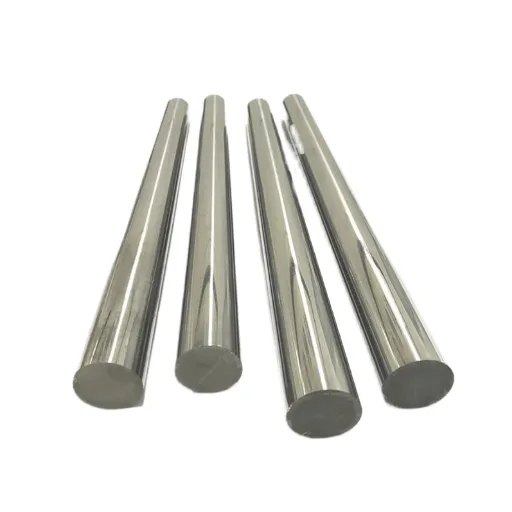
Nickel-based alloys show strong resistance to corrosion in both reducing and oxidizing environments, while Hastelloy® provides better protection in extreme environmental conditions because of its distinct chemical structure. The latest research results demonstrate that Hastelloy® delivers exceptional defense against pitting and crevice corrosion and stress corrosion cracking, which common industrial processes encounter during chemical processing and marine engineering, and power plant operations.
Hastelloy® C-276 belongs to a group of grades that includes this grade, which works better than typical nickel alloys because it handles oxidizing agents that include ferric and cupric chlorides. The research findings demonstrate that Hastelloy® achieves an average corrosion rate below 0.1 mm/year, which occurs during its contact with highly acidic hydrochloric, sulfuric, and nitric acid solutions at extreme temperature conditions. Nickel-based alloys experience material degradation at rates that almost reach five times the speed of typical degradation rates under identical conditions.
Hastelloy® alloys show better protection against localized attacks in comparison to materials that contain Inconel® and Monel®. This property makes Hastelloy® the preferred material for essential equipment used in chemical processing operations, which involve heat exchangers, reactors, and evaporators. The performance metrics demonstrate how the use of Hastelloy® leads to cost savings through decreased maintenance costs and reduced equipment downtime throughout its operational lifetime.
High-Temperature Performance
Hastelloy® alloys maintain their strength and stability at high temperatures, which makes them ideal for use in demanding industrial applications. Their design enables them to withstand temperatures above 1200°F (649°C), which maintains their mechanical functionality in gas turbines and industrial furnaces, and chemical reactors. Engineers developed specific grades such as Hastelloy® X to function in thermal environments while still maintaining their oxidation resistance during temporary heating periods.
Recent research shows that Hastelloy® alloys maintain about 90% of their tensile strength at temperatures reaching 1500°F (815°C). Standard stainless steels begin to experience structural damage after reaching temperatures above 1000°F (537°C). Research has also shown that Hastelloy® resists creep and thermal fatigue, which serve as critical factors that prevent material failure during extended heat exposure. This material possesses industrial-grade properties that make it suitable for use in aerospace power generation and petrochemical industries, which require high-temperature equipment operation.
Durability and Longevity
Hastelloy® alloys are designed to endure the most extreme operational conditions, which results in their ability to provide superior durability and extended operational life in adverse environments. The latest research findings show that Hastelloy® demonstrates high performance against pitting and stress corrosion cracking, and oxidation resistance to all types of corrosive substances, which include seawater, sulfuric acid, and hydrochloric acid. The most common grade of Hastelloy® C-276 allows users to process both oxidizing and reducing materials without risking material failure.
The material can maintain its structural integrity when subjected to multiple cycles of thermal stress according to industry research. This property becomes essential for use in chemical reactors, piping systems, and high-temperature gas turbines. The manufacturing process for Hastelloy® improved through precise alloying techniques and advanced surface treatment methods, which extend the operational lifespan of the material, making it more suitable for modern industrial purposes.
Manufacturing Processes of Nickel-Based Alloys
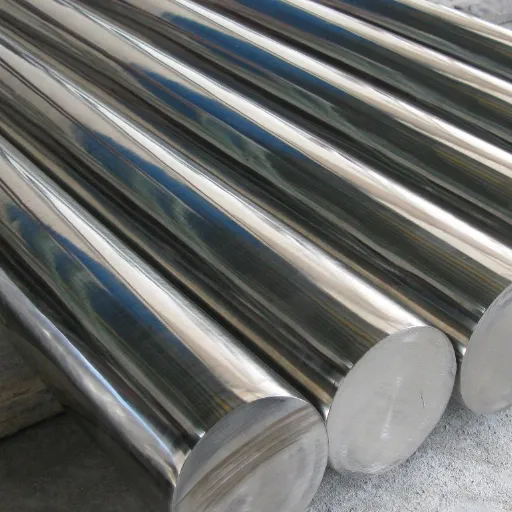
Alloy Formulation and Design
The development of nickel-based alloys through scientific methods produces the nickel-based alloy Hastelloy®, which achieves its required properties through its advanced alloying method. The process begins with the selection of raw materials, which include nickel and various proportions of molybdenum and chromium, iron, cobalt, and other components. Research shows that Hastelloy® contains roughly 16% molybdenum which significantly boosts its ability to resist corrosion, especially in reducing environments and against pitting attacks.
Modern alloy design now uses advanced computational tools that create simulations of how different compositions will perform under specific application conditions. The alloy maintains its ductility because chromium is added in amounts between 14% and 20% to enhance oxidation resistance. The data shows that maintaining impurity levels of sulfur at below 0.01% becomes essential because these impurities will weaken the bonds between grain boundaries and lead to structural failure.
The vacuum induction melting process uses VIM to create an alloy mixture that maintains consistent material characteristics through its ability to eliminate both trapped gases and undesired particles. The current VIM techniques enable alloy oxygen reduction to 0.001%, which protects against hot cracking during forging and rolling operations in post-manufacturing processes.
The surface treatments of electropolishing and passivation improve both Hastelloy® and nickel-based alloys through their effects on surface properties. The treatments enhance oxide film stability, which improves corrosion protection in industrial settings that experience harsh conditions found in chemical processing plants and offshore oil drilling platforms. Nickel-based alloys become essential materials for meeting modern industrial requirements because new technologies continue to prove their operational effectiveness.
Advanced Production Techniques
The modern industrial sector now requires more sophisticated production methods, which have evolved to create nickel-based alloys. 3D printing, which enables additive manufacturing through its ability to create three-dimensional objects, represents the most important technological advancement. The method enables precise management of alloy structures, which leads to 3D printed products that create complex designs while using minimal resources. The global market for additive manufacturing of nickel-based alloys has grown at a compound annual growth rate (CAGR) above 15% during the last five years, according to recent data, which shows that multiple sectors, including aerospace, automotive, and energy, have adopted this technology.
The innovative approach of powder metallurgy enables the production of durable components through the process of compacting and sintering powdered nickel alloys. The method provides dual advantages because it enhances mechanical toughness while it preserves consistent material distribution, which makes it appropriate for use in extremely demanding conditions. Powder metallurgy processes produce components that demonstrate a 20-30% increase in fatigue strength compared to components that undergo conventional casting processes.
The performance of nickel-based alloys has been enhanced through new advancements in heat treatment techniques, which include solution annealing and precipitation hardening. The methods enable materials to resist thermal fatigue and creep damage when they encounter temperatures above 1000°C which occur in gas turbines and nuclear reactors.
Manufacturers can create high-quality, reliable materials that meet industrial and technological and environmental standards through the use of advanced production methods.
Finishing Processes
Finishing processes play a vital role in improving both the surface characteristics and performance capabilities of nickel-based alloys. The surface enhancements of nickel-based alloys use precision machining combined with chemical polishing and advanced coating techniques to achieve superior durability, lower surface roughness, and improved corrosion protection. The combination of electroplating with thermal spray coatings creates protective layers that defend against wear and oxidation in high-temperature environments.
The finishing processes used by nickel-based alloy manufacturing industries have produced significant performance enhancements, according to recent data, which shows their benefits in aerospace and power generation. Gas turbine efficiency increases by 3-5% when companies optimize their finishing processes, which results in lower fuel consumption and reduced greenhouse gas emissions. Alloys receive better surface treatment in the nuclear sectorbecause precise surface treatment enables them to tolerate extreme thermal and radiation conditions, which extends component lifespans by 25% or more.
The modern finishing techniques receive crucial support from advancements in both laser processing and nanotechnology. Laser texturing enables the production of microscopic patterns, which result in better coating adhesion and enhanced thermal management capabilities. The high-performance industries require continuous process improvements because new finishing methods have become essential.
Reference Sources
-
ScienceDirect Article: This research discusses how the types and proportions of alloying elements influence the corrosion resistance of nickel-based alloys, offering a scientific perspective on their performance. Read more here.
-
MDPI Review: This review highlights the superior corrosion resistance of nickel-based alloys compared to other materials, providing a detailed analysis of their behavior in extreme conditions. Read more here.
Frequently Asked Questions (FAQs)
What are the key differences between nickel-based alloys and Hastelloy?
Hastelloy and nickel-based alloys share multiple common characteristics because Hastelloy functions as a patented nickel-molybdenum alloy. The two materials differ mainly in their distinct compositions and their respective usage fields. The standard content of Hastelloy includes increased molybdenum levels together with other elements that boost its ability to resist corrosion in environments that contain strong oxidizers, acids, and chlorides. The composition of nickel-based alloys varies between different alloys, which are developed for applications that need both durable performance and oxidation protection, and stable operation at elevated temperatures.
When should you select Hastelloy over other nickel-based alloys?
Hastelloy is essential for use in chemical processing facilities and marine environments, and is highly acidic. The material is selected for use because it delivers outstanding results when dealing with hydrochloric acid and all oxidizing agents found in extremely harsh conditions. The material serves as an ideal selection for heat exchangers, reactors, and tanks that operate under extreme working conditions.
How does the cost of nickel-based alloys compare to that of Hastelloy?
The cost of alloys depends on their composition, market availability, and application-specific requirements. The specialized makeup of Hastelloy, which includes increased levels of molybdenum and chromium, makes it more expensive than standard nickel-based alloys. The elements in the material create exceptional protection against corrosion yet they increase the costs required to manufacture the product. The selection process for selecting the most affordable solution depends on the requirements for performance during operations and the needs for future performance.
Are nickel-based alloys suitable for high-temperature applications?
Nickel-based alloys have excellent performance capabilities for use in high-temperature environments. The design of nickel-based alloys which include Hastelloy, enables them to maintain their structural strength while protecting against oxidation at extremely high temperatures. The materials possess properties that make them suitable for use in gas turbines, heat exchangers and power generation equipment. The specific temperature range, together with environmental factors, should determine which nickel-based alloy to use.
Can laser processing enhance the surfaces of nickel-based alloys or Hastelloy?
The development of laser processing technology has brought about major improvements to the surface characteristics of nickel-based alloys and Hastelloy materials. The process of laser texturing creates surface patterns that strengthen the bond between coatings and improve thermal management capabilities essential for applications with high-performance requirements. The use of laser processing to create microscopic patterns enables the production of materials that possess enhanced durability while being protected against wear in industrial applications.
What role does nanotechnology play in improving nickel-based alloys and Hastelloy?
The application of nanotechnology enables researchers to improve nickel-based alloys and Hastelloy through its ability to create new material enhancement methods. The process of nanoscale material manipulation enables scientists to enhance various properties, including corrosion resistance, strength and thermal stability. The use of nanostructured coatings establishes an extra defense against chemical attacks while nanocomposites enhance industrial performance through reduced surface wear and improved total operational capacity. The latest technology developments guarantee that these alloys fulfill the requirements of contemporary engineering needs.