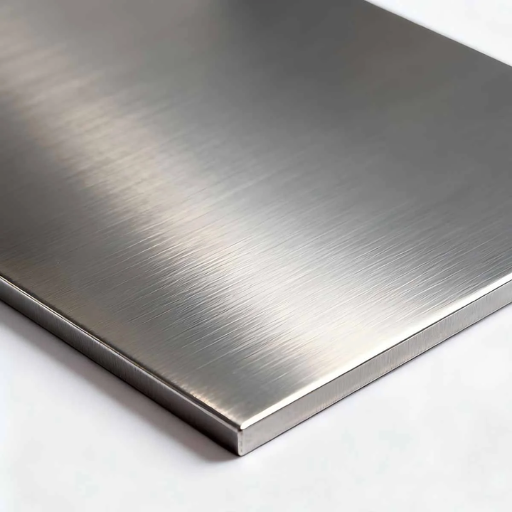
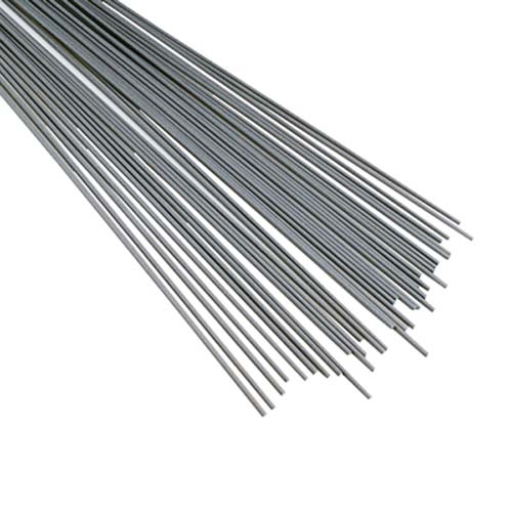
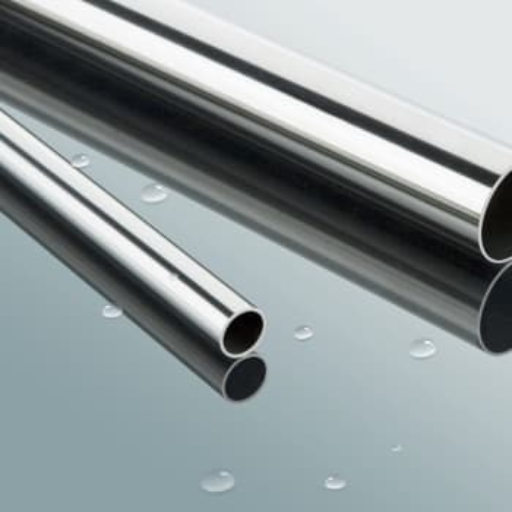
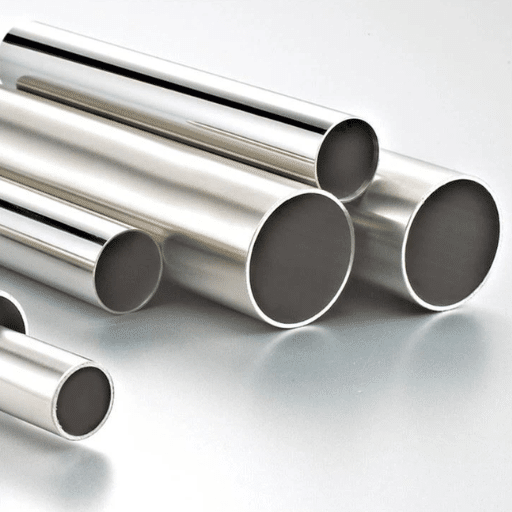
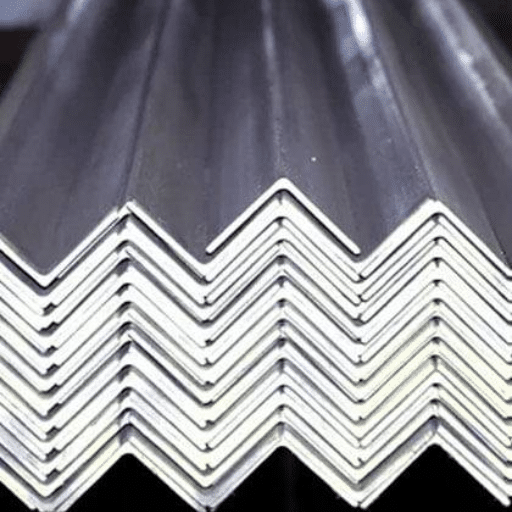
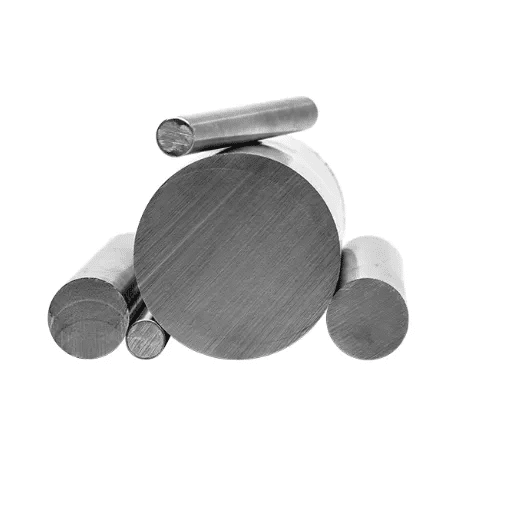
The nickel alloy pipes function as essential components for industrial operations that require materials to perform under extreme conditions. The pipes deliver vital strength together with corrosion resistance and extended service life, which makes them essential for demanding applications across different industrial sectors. The article investigates the special characteristics that differentiate nickel alloy pipes from other materials and shows how these pipes function in various applications while demonstrating their status as essential materials for vital tasks. The guide provides industry professionals and material enthusiasts with essential knowledge about nickel alloy pipes, which they can use to explore this advanced material field.
Introduction to Nickel Alloy Pipe
What is Nickel Alloy Pipe?
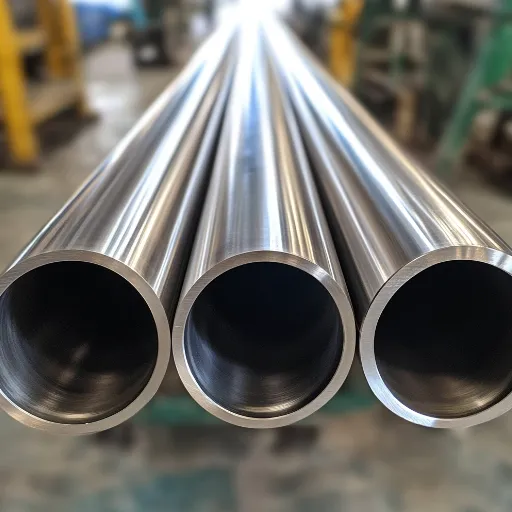
Nickel alloy pipes are metallic piping that contains nickel as its main element because of their high-performance characteristics, which are used in commercial applications. The material alloys have been developed to deliver outstanding performance through their strong materials, which protect against oxidation and extreme temperature and pressure operational situations. The special properties of these materials make them essential for use in critical applications, which include chemical processing, aerospace operations, power generation, and marine power systems.
Nickel alloy pipes provide a major benefit through their exceptional ability to resist corrosion, which occurs in extreme environments that include locations with acidic or saline conditions. Nickel alloys like Hastelloy and Monel have become standard materials in industries that use saltwater and chemical solutions because these alloys resist corrosion, which affects ordinary steel and other materials. The mechanical properties of certain nickel alloys remained intact at temperatures above 1,800°F 982°C which makes these alloys suitable for usage in applications that require extremely high temperatures.
The global nickel alloy market is expected to grow at a compound annual growth rate CAGR of approximately 3.6 from 2023 to 2030 because the energy and automotive sectors have increased their demand for these materials. The hydrogen-based energy systems require nickel alloy pipes for their electrolysis applications because these pipes deliver superior performance when handling reactive gases. The extended lifespan of their products, combined with their strong durability, leads to decreased maintenance needs, which results in gradual financial benefits throughout the years.
Nickel alloy pipes serve as the primary option for critical systems because they provide both flexible solutions and dependable performance, which enables sustained operation during tough operational environments.
Key Characteristics of Nickel Alloys
Nickel alloys have become essential materials for various industrial applications because of their outstanding material properties. The following essential attributes, together with their corresponding information, demonstrate the important role they play:
- Corrosion Resistance: Nickel alloys protect against all corrosive substances, including acids, alkalis, and seawater, with their exceptional protective capabilities. The International Nickel Study Group (INSG) reported that industries, including chemical processing and marine engineering, have shown increasing demand for corrosion-resistant nickel alloys.
- Temperature Tolerance: The alloys maintain their mechanical functions at temperatures above 1000°F (538°C) because their high-temperature mechanical properties stay intact. The system supports aerospace operations and power generator activities with its efficient operational capabilities. The implementation of nickel superalloys in jet engine systems ensures operational efficiency together with long-lasting performance under extreme thermal conditions.
- Strength and Durability: Nickel alloy pipes maintain their structural integrity when exposed to high-pressure conditions, which makes them suitable for oil and gas pipeline operations. The nickel alloy market is expected to exceed $15 billion by 2028 because industries increasingly prefer nickel alloys, which provide durable and adaptable material solutions, according to market projections.
- High Resistance to Oxidation: Nickel alloys create an oxide barrier that protects the material from oxidation damage when the material contacts air or environments with high oxygen levels. The property establishes its trustworthy performance in both heat exchangers and turbines.
- Versatility in Composition: Nickel alloys allow the combination of chromium with iron and molybdenum to produce metal mixtures that enhance thermal expansion control and wear resistance properties. The nickel-molybdenum alloy Hastelloy is recognized for its strong oxide protective capabilities.
The essential features of nickel alloys drive their extensive usage throughout vital industrial sectors. Ongoing research developments in alloy compositions will create new applications for alloy technologies, which continue to be essential for solving present-day engineering issues.
Importance of Nickel Alloy Pipes in Industry
The exceptional characteristics of nickel alloy pipes, which include their ability to resist corrosion, their capacity to maintain thermal stability, and their strong mechanical properties, make these pipes essential for multiple industrial applications. The required properties, which include chemical resistance and oil and gas resistance, power generation capability, and marine engineering ability, make these materials essential for their respective fields.
Recent market research shows that the global nickel alloy market size reached approximately $12 billion in 2022 and will experience a compound annual growth rate (CAGR) exceeding 4% from 2023 to 2030. The industrial sectors that require durable materials for extreme conditions are experiencing growth because these sectors need to transport aggressive chemicals and perform high-temperature operations.
Nickel alloy pipes find extensive usage in subsea operations and high-pressure conditions within the oil and gas sector because these pipes deliver effective protection against stress corrosion cracking. Nickel alloys function as essential materials in power generation systems because they enable heat exchangers and boiler systems to achieve effective thermal conductivity and maintain operational durability during high-temperature conditions.
Alloy C-276 and Alloy 625 development marks a significant advancement in alloy composition research because these new alloys provide enhanced protection against pitting, crevice corrosion, and oxidation. The new developments enable nickel alloy pipes to operate in advanced technologies, which include hydrogen storage systems and seawater desalination plants.
The use of nickel alloys, which provide flexibility and trustworthiness, enables essential industries to maintain their operations during difficult times while achieving better efficiency and environmental sustainability.
Types of Nickel Alloy Pipes
Seamless Nickel Alloy Pipes
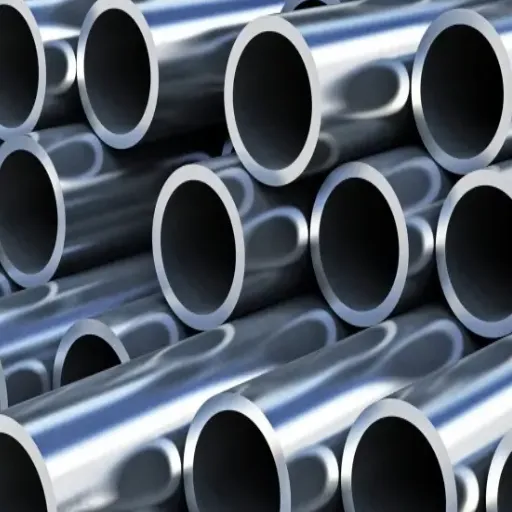
Seamless nickel alloy pipes function as essential materials that enable applications to achieve requirements for high strength and corrosion resistance in extreme environmental conditions. The manufacturing process of these pipes creates pipes without welding, which leads to the development of consistent structural properties according to the manufacturing standards. Their higher performance capabilities make them suitable for industrial use in chemical processing facilities, aerospace engineering projects, power plants, and marine operations. The global market for seamless nickel alloy pipes is expected to experience a compound annual growth rate (CAGR) of approximately 5.2% between 2023 and 2030, according to recent industry data. The growth of this market occurs because oil and gas companies require products that withstand high-pressure situations and corrosive fluid environments. Pipe manufacturers now achieve higher production accuracy and operational efficiency through the implementation of advanced manufacturing techniques, which include cold pilgering and plug rolling.
Special material grades, which include Alloy 625 and Alloy 718, and Alloy C-276, serve industrial needs by providing products that deliver outstanding oxidation resistance and high-temperature mechanical performance. The alloys perform best in two environments, which include undersea pipelines and high-temperature chemical refineries. Industries are expected to increase their use of seamless nickel alloy pipes because sustainable technologies require products that need to maintain performance throughout their useful life.
Welded Nickel Alloy Pipes
Welded nickel alloy pipes serve as essential components that various industries need to achieve their requirements for high strength and protection against corrosion, and their ability to withstand thermal changes. The production of welded pipes requires manufacturers to use rolling and welding methods with plates and sheets, which results in lower costs for welded pipes that have larger diameters when compared to seamless pipes. The chemical processing industry and aerospace industry, and the power generation industry commonly use these pipes in their operations.
The global nickel alloy pipe market will grow at a compound annual growth rate (CAGR) of 5.6% from 2023 to 2030, according to the latest market data. The demand for advanced materials in energy and manufacturing applications drives this increase. Industries use welded nickel alloy pipes to move dangerous chemicals through refineries and power plants because traditional materials would fail in those situations. The high nickel content in these pipes protects against localized corrosion, which includes pitting and crevice corrosion, thus extending their operating period.
The structural integrity of welded nickel alloy pipes reached new heights through the introduction of laser and electron beam welding methods, which allow these pipes to match the performance capabilities of seamless pipes under demanding conditions. The deployment of nickel alloy pipes has increased because renewable energy infrastructure projects include geothermal and solar plants, which require pipes that can operate in extreme conditions.
Welded nickel alloy pipes maintain essential functions because they provide multiple benefits that meet the requirements of various critical industries.
Comparison between Seamless and Welded Pipes
Seamless pipes and welded pipes have different features that determine their ideal use in specific situations. The manufacturing process of seamless pipes creates pipes that lack a weld joint, thus providing pipes with enhanced strength through the absence of seams. Oil and gas exploration operations require high-pressure environments because these operations demand equipment that delivers dependable performance. The production of welded pipes requires manufacturers to use welding methods that connect different metal parts, although this method produces pipes that their users consider a budget-friendly solution. Advanced welding technologies have significantly improved their quality, which enables them to compete with seamless pipes in many demanding scenarios.
The welding industry has evolved due to recent developments in manufacturing processes, which have resulted in more welded pipes being used than seamless pipes. According to industry reports the global steel pipe market size was valued at $142.4 billion in 2021 and is projected to reach $190.5 billion by 2030, which will produce a CAGR of 3.9% growth. The production expansion and supply of welded pipes drive this growth because these pipes offer lower production costs and can meet specific customer design requirements.
Welded pipes provide shorter production times, which leads to higher product availability, while seamless pipes require longer lead times because of their more complicated manufacturing process. The efficiency factor serves as a critical element that the construction and renewable energy industries need to complete their projects on time. The decision to choose between seamless and welded pipes depends on the specific requirements of the application, the cost factors and the anticipated lifespan of the pipes.
Applications of Nickel Alloy Pipes

Use in Chemical Processing
The chemical processing industry highly values nickel alloy pipes because these pipes provide exceptional protection against all types of corrosive chemicals and everything from normal temperatures to extreme heat. The pipes demonstrate their essential value for operations that use potent chemicals because they can resist both sulfuric and hydrochloric acids and alkaline chemical substances. The latest industry research shows that from 2023 to 2030, the nickel alloy pipe market will expand at a compound annual growth rate (CAGR) of 3.5% because of increased capital expenditures for chemical manufacturing plants and petrochemical facilities.
Nickel alloy pipes find their main use in heat exchangers because of their thermal conductivity and their ability to resist corrosion. The materials used in chlorine-based chemical applications choose Nickel Alloy C276 because it provides both safe operation and operational efficiency. Nickel alloys maintain their exceptional mechanical strength because they can operate in high-temperature environments that exceed 1,000°F (538°C) and thus find application in reactors and evaporators, and chemical processing piping systems. The chemical industry relies on nickel alloy pipes for their capability to provide dependable operations, which decreases maintenance requirements.
Applications in the Oil and Gas Industry
The oil and gas industry depends on nickel alloy pipes because they can operate under conditions of extreme pressure, high temperatures, and exposure to corrosive materials. The pipes find extensive use in downhole tubing and flowlines and heat exchangers because they can resist stress corrosion cracking and handle elevated heat and pressure conditions.
The global corrosion-resistant alloys market, which includes nickel alloys, will experience a compound annual growth rate (CAGR) of 6.3% from 2023 to 2030, according to recent data. The demand for material solutions that offer high efficiency has increased because more companies require efficient materials for their offshore drilling operations and their high-temperature refining processes. Nickel alloy grades, including Alloy 625 and Alloy 825, deliver superior performance in sour gas fields because they provide protection against hydrogen sulfide cracking.
Nickel alloy pipes undergo continuous improvement through material science advancements, which enhance their durability and operational efficiency for deeper exploration and sustainable operations. The current energy production challenges require these innovations to help solve problems while maintaining reliable infrastructure for oil and gas operations in extreme environments.
Role in Marine and Aerospace Industries
Nickel alloy pipes serve a critical function in the marine and aerospace industries because their distinctive properties fulfill the strict demands of these two fields. The marine environment considers nickel alloys to be highly valuable because they provide effective corrosion protection for saltwater applications. The seawater systems face common corrosion problems, which Monel 400 and Hastelloy C alloys can effectively handle through their exceptional durability against both pitting and crevice corrosion. Studies show that marine environments allow nickel-containing alloys to operate for more than 20 years without major degradation, which proves their ability to function over extended periods.
The aerospace industry depends on nickel alloy pipes to build both advanced engines and high-heat-resistant components. In turbine engines, the material Inconel 718 is used because it can handle the extreme heat of 1300°F (704°C) while maintaining its structural strength. The global demand for nickel-based alloys in aerospace will grow at a compound annual growth rate (CAGR) of 4% between 2023 and 2030, according to recent industry data. The aerospace industry needs this demand because new aircraft designs require lightweight materials with high heat resistance, which help improve fuel efficiency and performance.
The latest applications of nickel alloys demonstrate their crucial role in driving forward technological advancement. Nickel alloy pipes occupy an essential role in various industries because they combine durability with their ability to withstand extreme conditions and their outstanding performance in extreme weather situations.
Benefits of Using Nickel Alloy Pipes
Corrosion Resistance
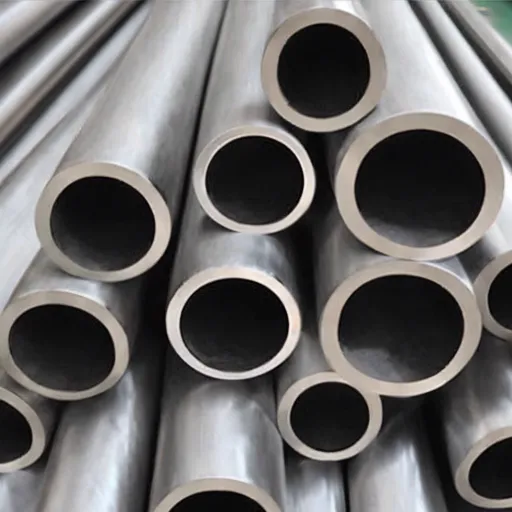
The exceptional capability of nickel alloy pipes to resist corrosion enables their use in environments that experience extreme corrosion. The alloys show resistance against oxidation and pitting, which occurs during both extreme temperature conditions and when they encounter aggressive chemical substances that include acids, alkalis, and salts. The chemical processing industry and the marine engineering field use nickel alloys because their materials provide superior protection against corrosive substances that will exist for long periods. The data shows that their service lifespan in corrosive environments far outlasts traditional materials like stainless steel, which leads to decreased maintenance costs and reduced downtime.
Nickel alloy formulations have developed through time to provide better protection against localized corrosion, which includes crevice and stress corrosion cracking. The material serves as an ideal option for desalination plants because it maintains its integrity in environments with constant saline exposure.
High-Temperature Performance
All heat-intensive industrial operations require nickel alloys because these materials demonstrate essential high-temperature performance capacities. The alloys maintain strength and structural integrity through their defined temperature limit, which all their specific formulations need to maintain. The aerospace industry selects Inconel 718 and Hastelloy X as materials because these alloys stay operational under high temperature conditions for extended periods without experiencing major deterioration.
Aerospace turbine engines operate at temperatures above 2,000°F (1,093°C), which explains why studies and reports from the industry show nickel-based superalloys as common materials in these engines. The materials science research data shows that superalloy components maintain both thermal fatigue resistance and oxidation stability, which enables their reliable operation in extreme thermal conditions. Nickel alloys achieve exceptional creep resistance, which enables them to sustain high mechanical stress levels through extended time periods.
Nickel alloys provide essential high-temperature durability, which supports operations in power generation and chemical processing industries beyond their primary use in aerospace. Advanced nickel alloys enhance operational efficiency in modern gas turbines by enabling higher combustion temperatures, which increase energy output while decreasing carbon emissions. Nickel alloys provide essential thermal stability together with performance efficiency, which establishes their critical importance for all high-temperature industrial operations.
Durability and Longevity
Nickel alloys display exceptional durability together with extended lifespan because they can withstand extreme environmental conditions without damage. The metal exhibits superior protection against oxidation, corrosion, and wear because it maintains its integrity through high-pressure and high-temperature conditions. The current production methods for nickel alloys have developed into more advanced production processes, which improve their overall performance. INCONEL® alloys (which belong to the nickel-chromium-based superalloy category) show excellent oxidation protection and scaling protection at temperatures that reach 1,982°F (1,080°C).
The data shows that industrial applications of nickel alloys lead to a major increase in component lifespan compared to common materials. The aerospace industry and turbine sector use nickel alloys because these materials provide operational lifespans that are two to three times longer than standard steel or aluminum alloy components. The corrosion protection of nickel alloys leads to maintenance cost savings of 40% in marine engineering and oil refinery operations, which deal with constant seawater and corrosive chemical exposure.
The attributes of nickel alloys make these materials an affordable, sustainable option for industries that require their equipment to last multiple decades while maintaining performance standards.
Reference Sources
-
Nickel Institute: A detailed PDF on nickel-containing alloy piping for offshore oil and gas production. It discusses corrosion resistance and the feasibility of reducing pipe size. Source
-
Nickel Alloy Pipe Unlocking Growth Potential: This market report provides an in-depth analysis of the global nickel alloy pipe market, including its growth potential and feasibility.Source
-
Nickel and Its Alloys: A comprehensive monograph that covers the properties and applications of nickel and its alloys, including pipes.Source
Frequently Asked Questions (FAQs)
What are the key properties of nickel alloy pipe?
Nickel alloy pipes demonstrate outstanding mechanical strength, together with their ability to resist corrosion and withstand extreme temperatures. The materials provide excellent ductility together with their capability to resist stress, which makes them ideal for use in demanding industrial settings. Nickel alloy pipes maintain their structural integrity in corrosive environments, which include seawater exposure and harsh chemical contact, and extreme pressure changes.
How do nickel alloy pipes compare to other material options in terms of durability?
Nickel alloy pipes show better durability than most conventional materials, which include stainless steel and aluminum alloy. The material can maintain operational reliability through extended periods of use because its superior strength and wear resistance. Industries that require extreme service conditions for long-lasting yet affordable solutions choose nickel alloys because of these characteristics.
Where are nickel alloy pipes commonly used?
Nickel alloy pipes find industrial use in marine engineering and oil and gas refineries, power generation facilities, and aerospace operations. The pipes provide essential value for industrial applications that require protection against corrosive chemicals and seawater, and high-temperature steam exposure. The pipes serve multiple industrial purposes, which extend beyond heavy industries to chemical processing facilities and modern manufacturing centers.
How does the corrosion resistance of nickel alloy pipes benefit industrial operations?
Nickel alloy pipes provide excellent corrosion resistance, which safeguards industrial facilities from permanent structural damage and operational interruptions that result from rust and chemical deterioration. The property leads to decreased maintenance costs, together with better equipment performance and extended equipment lifespan. Marine and offshore industries depend on nickel alloy pipes because these pipes offer protection against continuous exposure to seawater and various corrosive substances.
Are nickel alloy pipes a sustainable choice for industrial applications?
The extended operational life of nickel alloy pipes results in fewer replacement needs, which makes these pipes an environmentally friendly solution. The product’s durability creates less waste while it decreases the environmental effects that come from both production processes and upkeep activities. The ability to recycle numerous nickel alloys establishes a solid foundation for sustainability initiatives that multiple industrial sectors can implement.
What factors should be considered when selecting a specific nickel alloy for a given application?
Nickel alloys should be chosen after assessing three main factors, which include operating temperature requirements, operating pressure conditions, corrosive environmental effects, and all necessary mechanical properties. Nickel-chromium alloys work best for high-temperature situations, but nickel-copper alloys perform better in marine and chemical environments. The selected alloy will meet operational requirements when material specialists are consulted to choose the appropriate alloy.