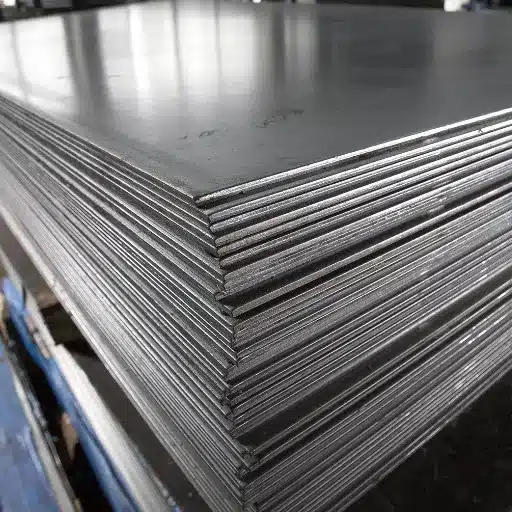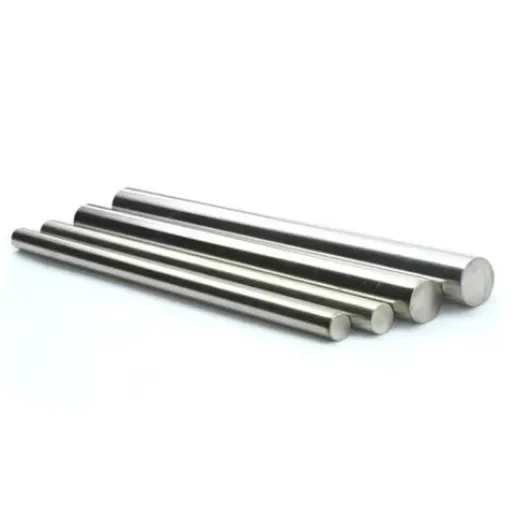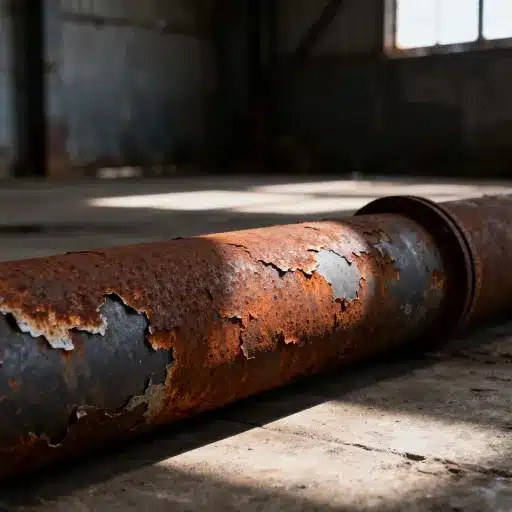
A proper characterization of steel for a project needs extensive knowledge of carbon and stainless steel’s difference. One of the major parameters influencing steel selection is the air and moisture interaction of these metals and thus their rusting tendency. Both types of steels are widely used in different sectors, yet each one has certain features that suit it better for certain applications. The present paper will strike a comparison between the two types of steel from the most critical perspectives: the resistance to rust, the lifetime, and the use. You will be able to decide which type of steel is the most appropriate for your use case after going through the essay. More materials! Come and join us to reveal the science and applications of these bases!
Introduction to Carbon Steel
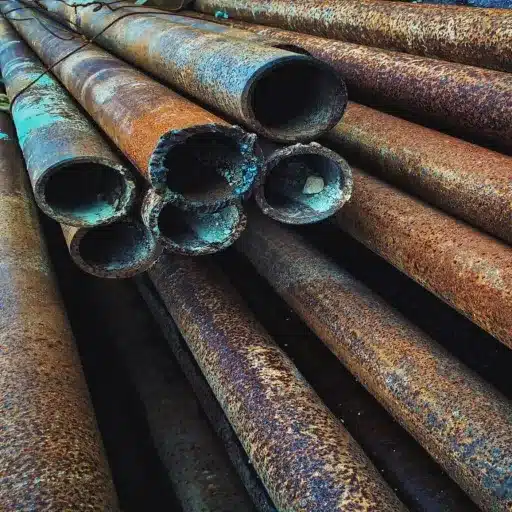
Definition and Characteristics of Carbon Steel
Carbon steel is a versatile alloy that chiefly consists of iron and carbon, along with trace amounts of manganese, silicon, and copper. Generally, the carbon percentage in steel ranges from 0.05% to 2.0%, and this variation is responsible for the transformation of the properties of the steel associated with it, such as hardness, strength, and ductility. The more the carbon content, the more the material can be classified as hard, strong, and at the same time, its brittleness may also increase.
Based on the carbon percentage, carbon steel is commonly classified into three primary types:
Low Carbon Steel (Mild Steel): Comprises 0.05% to 0.25% of carbon. It is characterized by being highly ductile, easy to weld, and is mainly used in car bodies, structural sections, and pipes.
Medium Carbon Steel: It consists of 0.25% to 0.60% carbon. This type strikes a balance between strength and ductility; hence, it is utilized in the manufacture of railways, gears, and automobiles.
High Carbon Steel: Contains 0.60% to 2.0% of carbon. It possesses extreme hardness and strength but is also less ductile and more susceptible to cracking. Thus, the steel is used in the production of cutting tools, springs, and high-strength wires.
Uses of Carbon Steel in Different Industries
Apart from its strength, low price, and versatility, carbon steel is still widely used in different fields. One of its major uses is in the building sector where it serves as an essential part of the structural frameworks, beams, and the re-bars which give the buildings and infrastructures extra strength against their weight. Those properties combined with excellent tensile strength and durability make it a very good material for the support of heavy loads and getting through the elements. A big study revealed that carbon steel had more than 35% of the total consumption in the global construction sector in 2022 which will be the case in the future due to the ongoing urbanization trend worldwide.
Another major use for carbon steel is in the manufacture of car parts. Engine, body, and bolt are some areas where carbon steel can be found since it can stand up to the strain and the changes in temperature well. The trend of car manufacturers towards being green has led to the production of lightweight carbon steel materials that result in lower emissions while not compromising safety and performance standards.
On top of that, the energy sector relies heavily on carbon steel for oil and gas moving through pipelines and storage tanks. The fact that carbon steel can take extremely high pressures plus it does not give in to the forces it is subjected to makes it perfect for such applications. An international energy consultancy has recently reported that carbon steel pipelines alone have over 60% of the market share, mainly due to their cost-effectiveness and superb mechanical properties.
The Chemistry of Rust
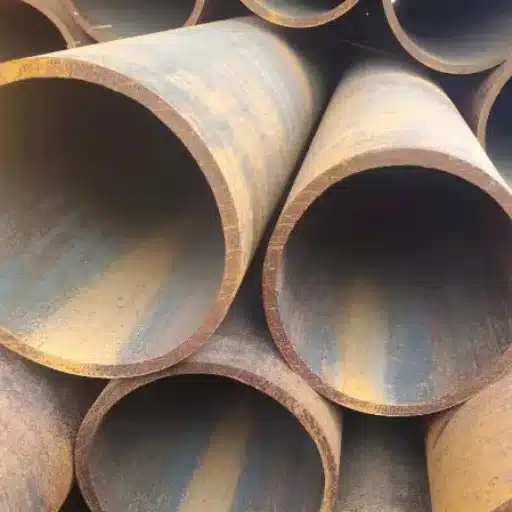
Oxidation Processes Leading to Rust Formation
The oxidation of iron or its alloys, which includes carbon steel among others, results in the formation of rust or the phenomenon known as rust. This is a process where moisture and oxygen must be present for a very long time. The overall rust formation is because of hydrated iron(III) oxide (Fe₂O₃·nH₂O) and it is mostly a product of electrochemical reactions happening one after the other. The very first reaction will occur between the iron and the water which results in the production of two ions: iron(II) ions (Fe²⁺) and free electrons. The free electrons then will react with the oxygen molecules from the surroundings which are usually dissolved in water and that will lead to the creation of hydroxide ions (OH⁻).
In recent times, the field of materials science has reported that rusting is very much affected by the certain environmental conditions such as the presence of salts, acidic conditions, and high humidity. For example, it has been discovered that the corrosion rate in coastlines is up to six times faster compared to the inland areas, attributed to the combination of high moisture content in the atmosphere and salt. The World Corrosion Organization provides data that the total annual cost of rust and corrosion in terms of economic losses is over $2.5 trillion worldwide, which is equal to about 3-4% of the GDP of the most industrialized countries. This situation greatly highlights the need and urgency for the implementation of rust preventive methods such as coatings, galvanization and innovative materials in order to reduce the negative impacts of rust and corrosion on both the economy and infrastructure.
Moisture and Oxygen
The weather factors that lead to the corrosion are moisture and oxygen, and iron or steel is the material that undergoes this process. When these two factors are present at the same time along with the conditions of moisture on the surface of the metal, an electrochemical reaction takes place which ultimately ends in the formation of rust (iron oxide). The reaction usually starts with water acting as an electrolyte, which then permits the flow of electrons between anodic and cathodic areas on the metal’s surface. Metal ions are removed by the processes of dissolution and oxidation, while water continuously supplies oxygen.
High humidity conditions greatly contribute to chemical corrosion through rusting. Several scientists’ studies have concluded that 60% and above relative humidity is the threshold for corrosion of iron and steel. If we look at or equate such areas with tropical or coastal ones—their rates of metal deterioration is determined by the presence of chloride ions that exacerbate corrosion, thus, they have even higher rates of metal deterioration due to the million factors like moisture and salt that are available.
Factors Influencing Rust in Carbon Steel
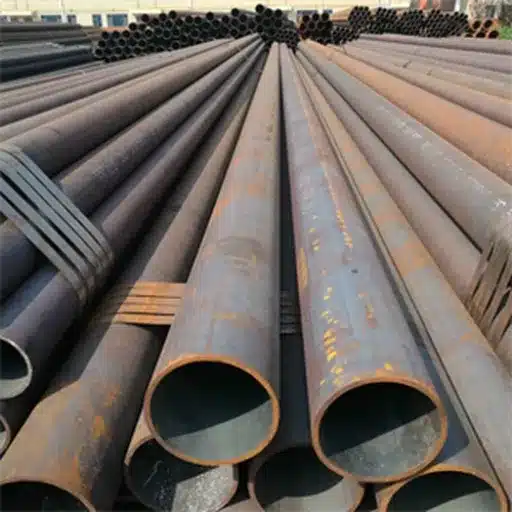
Environmental Conditions Affecting Corrosion
Humidity and Moisture
The corrosion process’s speed is significantly increased by high humidities and warm temperatures. Scientists in their studies have found that over 60% relative humidity causes a very rapid increase in the steel rusting rate as water forms on the surfaces and thus gives the electrolyte necessary for the electrochemical reactions to occur.
Temperature Fluctuations
Changing temperatures can either impede the corrosion process or expedite it. One case of the latter is the combination of heat and tropical climates which frequently create very aggressive conditions for rusting. However, extremely cold places can diminish the reaction rates; nevertheless, they still cause structural weaknesses such as cracking.
Atmospheric Pollutants
Corrosion gets much worse with the presence of atmospheric pollutants such as sulfur dioxide (SO2), nitrogen oxides (NOx), and chlorides. The areas near industries have been found to possess corrosion rates that are three to four times higher because these impurities dissolve in the moisture and form acid solutions that hasten the decay of materials.
Seawater and Saline Solutions
Metals suffer the most in coastal and marine surrounding. Seawater’s chloride ions accelerate the development of pitting and crevice corrosion in stainless steel and other alloys. The rise in corrosion rate in marine environments is from 0.1 mm to exceeding 0.1 mm/year, depending on the alloy compositions and environmental factors.
Alloy Composition and Its Impact on Rust Resistance
The right alloy choice will largely prevent metal from rusting and corroding and this is a factor that plays a crucial role in all aspects of corrosion. Alloys are mixtures of metals and hygroscopic elements made not only to acquire the desired chemical and physical properties but also to increase the resistance against rust and corrosion. Take stainless steel for instance, which consists of at least 10.5% chromium, the passive chromium oxide layer developed at its surface ensures it remains free of rust for an extended period by constantly protecting it from corroding.
Nickel is the one among the very vital and unavoidable elements, who is quite often the frequent component and gets attached to the alloy when the aim is to sharpen the resistance in hard environments. Nickel-series stainless steels have superb performance in marine conditions giving rust resistance even at the maximum chloride levels. Besides, molybdenum is sometimes added with the intention of increasing this resistance for stainless steel grades like 316 which are envisioned for usage in the salt or sulphur compounds rich coastal or industrial areas.
New materials research has lately shown that increasing the chromium content of the alloy up to 15% results in a huge increase in the corrosion resistance during the salt spray test, which is considered the standard method for evaluating material durability. On the other hand, mild steel rusting rates can be up to 50 times higher than those of well alloyed stainless steel under the same or similar conditions.
Preventing Rust on Carbon Steel
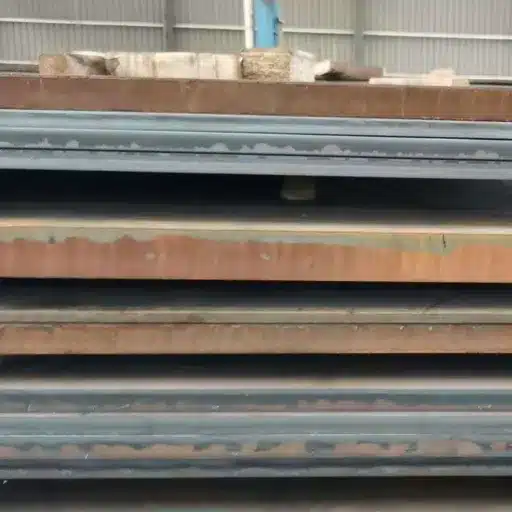
Practical Tips for Coating Carbon Steel
Surface Preparation is Key
First of all, the surface should be very well-cleaned before the coating is applied. The surface can be cleaned by abrasive blasting or by chemicals removal of rust, grease, and other contaminants. The researchers have found out that the adhesion of a coating can be increased even by 30% if the surface is properly prepared, which will guarantee the protection to last longer.
Apply a Primer
The application of a high-quality primer as the first layer not only exempts the carbon steel from corrosion but also improves its resistance greatly. Zinc-rich primers, for example, combine the creation of a protective barrier and cathodic protection thus bringing about the reduction of rust by ups to 50% in comparison with unprimed coatings.
Choose the Right Coating Type
Epoxy coatings are extremely durable and water-resistant, thus being great for industrial use. By contrast, polyurethane coatings possess outstanding UV resistance, thus being very suitable for outdoor application. The industry has the information that the simultaneous use of epoxy and polyurethane coatings can give rise to 15 years of corrosion protection.
Apply Coatings Uniformly
The coating application should be with the same thickness throughout. For the most difficult environments a minimum of 300 microns dry film thickness is recommended which would assure full coverage and moisture infiltration resistance through proper protection.
Strategies for Maintenance to Get Rid of Rust
Mechanical Removal Techniques
Mechanical methods are the primary techniques used for rust removal and they involve different operations such as sanding, grinding, and abrasive blasting. Among these methods, abrasive blasting is the most effective as it can reach any spot, including the corners and crevices. A study carried out recently cites the efficiency of abrasive blasting in rust removal at 90% when compared to the traditional method of manual sanding thereby being the most apt for large-scale application.
Chemical Rust Removers
Chemical treatments usually come as rust converters that include acidic solutions like phosphoric or oxalic acid. These acids will either dissolve or neutralize rust that will turn into a protective layer. The application of phosphoric acid-based products can lead to surface corrosion rate reduction by 40%-60% indicating a reliable option for intricate parts if the correctly applied data is followed.
Electrochemical Treatments
The method of electrolysis is one of the more rust-removal processes that are getting more acceptance all the time. The technique is based on the use of electric current that breaks down the rust very efficiently without damaging the base material. A modern system will allow excellent control of electrolysis with laboratory experiments showing a rust removal rate of 99% under optimal conditions.
Laser Cleaning Technology
Laser cleaning is a green and highly sophisticated method that rust removal has been successful in the precision industry. The lasers vaporize the corrosion layer and they do so without the use of harsh chemicals. According to industrial reports, laser cleaning has an efficiency rate of up to 95% and it can also be applied to fragile parts that require only a little abrasiveness.
Comparing Carbon Steel with Stainless Steel
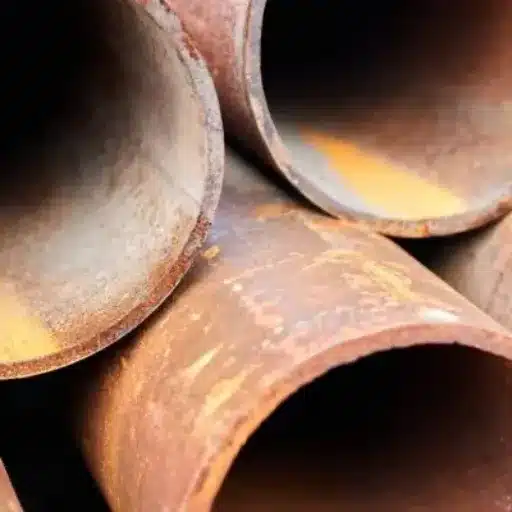
Corrosion Resistance: Carbon Steel vs. Stainless Steel
A noteworthy difference between carbon steel and stainless steel is their respective capacities to resist corrosion; carbon steel offers no protection against corrosion whereas stainless steel is completely immunized against it. Some still consider carbon steel as a strong and durable material, but it is still unprotected against the elements and the susceptibility to corrosion and rust is when it is hot and humid or in very severe conditions. The main reason for its vulnerability to rust is its low chromium content which does not allow the formation of a protective oxide layer on the surface.
On the other hand, stainless steel contains at least 10.5% chromium which guarantees that the chromium will combine with the oxygen present in the air to form a protective and non-reactive layer of chromium oxide. The oxide layer keeps the material underneath from being oxidized, and that is why stainless steel is a very popular material. It is still a stainless steel that is completely immune to corrosion even in very harsh environments like the marine or the chemical process industries.
The data provides a graphic way to support this comparison. The research has indicated that grades 316 and 304 stainless steel can be the most durable materials outdoors, being almost impervious to corrosion, for over 50 years; meanwhile, unprotected carbon steel would probably become rusty and unusable in weeks. Also, stainless steel is highly resistant to corrosion in places like pits and crevices, which include areas that are exposed to chlorides, thus enhancing its longevity.
Differences in Properties and Applications
The disparity in properties between stainless steel and carbon steel is quite large and it is indeed their very characteristics that impact the applications in different industries. Among other things, the stainless steel is known for its excellent resistance to corrosion due to its high chromium content (generally 10.5% or more). This means that it can be used in environments that are wet, chemical, and saline. Besides that, the material can take both high and low temperatures and, thus, its life span is greatly increased. For instance, 304 and 316 grades of stainless steel are very often used in marine or chemical processing applications due to their being resistant to both rust and pitting.
In contrast, carbon steel’s high carbon content and lack of chromium together the latter to a lesser extent than the former. This means that carbon steel is rust-sensitive if no treatment is done. The good side, however, is that carbon steel is harder than even steel, thus it is stronger and it gets to be used in the construction, tools, and heavy machinery industries. For example, high-carbon steels are typically used for making industrial cutting tools and automotive components because of their remarkable hardness and resistance to wear.
Reference Sources
-
“Corrosion inhibition of low carbon steel in HCl medium using a thiadiazole derivative: weight loss, DFT studies and antibacterial studies”
- Key Findings: This study investigates the use of a thiadiazole derivative as a corrosion inhibitor for low carbon steel in acidic environments. The research highlights the effectiveness of the inhibitor in reducing rust formation and its potential antibacterial properties.
- Methodology: The study employs weight loss measurements, density functional theory (DFT) calculations, and antibacterial tests to evaluate the inhibitor’s performance.
- Read more
-
“Electrical conductive polyaniline in various nanostructures for corrosion inhibition of carbon steel”
- Key Findings: This research explores the use of polyaniline nanostructures as a protective coating for carbon steel. It demonstrates that certain nanostructures provide better corrosion resistance by minimizing rusting defects and delamination.
- Methodology: The study uses electrochemical tests and surface analysis to compare the performance of different polyaniline nanostructures.
- Read more
-
“Flame Braze between Aluminum Alloy 5A06 and Low Carbon Steel Q235”
- Key Findings: This paper examines the brazing process between low carbon steel and rust-proof aluminum alloy. It highlights how the process enhances the corrosion resistance and welding properties of carbon steel.
- Methodology: The study uses experimental brazing techniques and evaluates the wettability and corrosion resistance of the resulting materials.
- Read more
Frequently Asked Questions (FAQs)
Is carbon steel rust resistant and if yes, what are the main causes?
Certainly, carbon steel rusts and the reason for this is iron contained in the steel which reacts with oxygen and moisture to form iron oxide (rust). If we consider the situation where carbon steel is being stored in wet or salty environments, the metal’s corrosion would be much quicker as oxygen and water would have been the major factors in oxidizing the carbon steel’s surface making it inevitable for rust to form unless carbon steel is protected.
Speaking of this scenario, what about high carbon steel comparison – does high carbon steel still rust but more so?
High carbon as well as other grades of carbon steel are basically composed of iron with varying percentages of carbon; the higher the carbon content, the tougher the steel but it will still rust eventually. The application of the protective layer to high-carbon steel becomes very important as this will prevent the formation of rust due to the reaction of carbon along with oxygen and moisture producing iron oxide. Indeed, high carbon’s cutting tools or knives will eventually demand more care and maintenance to prevent rust as a consequence of carbon steel.
What reactions lead to carbon steel’s oxidative degradation and iron oxide formation?
Rusting of carbon steel occurs when the iron component reacts with oxygen and water resulting in a reddish-brown oxide layer, typically in cases when carbon steel’s surface is in contact with moist air, salt water or simply humid atmosphere. Build-up of a protective oxide layer is not stable on bare carbon steel thus; it keeps losing the battle against corrosion unless a protective coating or film is applied to its surface.
How can the carbon steel rusting process be controlled effectively?
The best measure to prevent carbon steel from rusting is to cover the exposed surface of carbon steel with a coating of paint, oil, wax, or a layer of zinc (as in the case of galvanized steel). Besides, other methods include drying the steel parts to prevent corrosion and treating the carbon steel with rust-resisting alloys. In case of extensive rusting or prolonged protection, one should consider either plated coatings or collaborating with a trustworthy steel supplier for the supply of treated carbon steel products.
Does the use of galvanized steel make a difference against the use of plain carbon steel in regards to both rust and corrosion?
Galvanized steel is provided with a zinc coating that acts as a sacrificial coating, thereby, killing the oxidation process that would have taken place in the underlying carbon and iron. The rust resistance of galvanized steel is significantly faster compared to that of plain carbon steel and is frequently employed in regions where moisture is a concern. However, if the zinc layer is broken, the underlying carbon steel will still be further corroded and will need the treatment of the coating again.