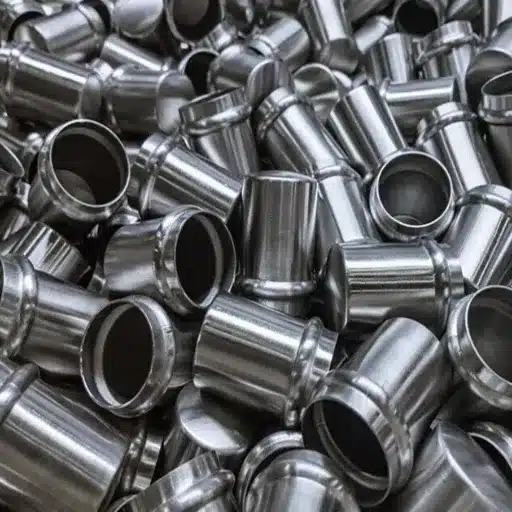
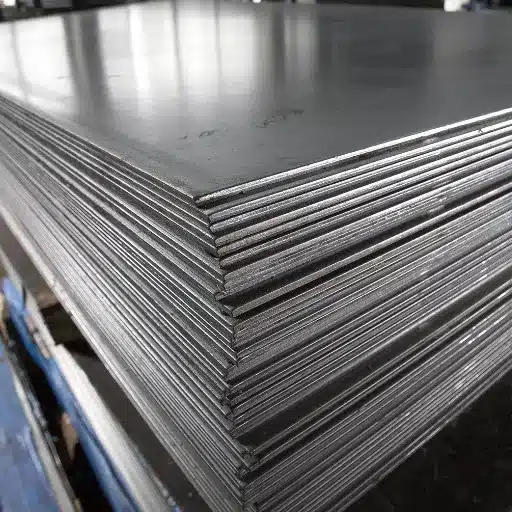
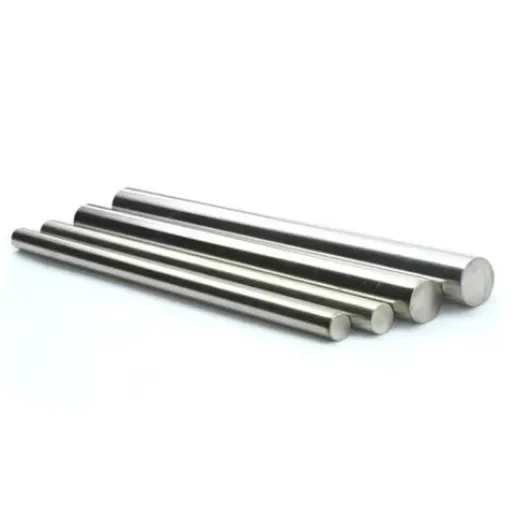
Industries that need both performance and durability consider it very important to understand the properties and applications of specialized metals. The alloy of 430FR stainless steel of solenoid quality has been the material that has earned a lot of attention because of its wonderful combination of strength, corrosion resistance, and magnetic properties. In this blog post, we will take a closer look at 430FR stainless steel and will reveal its metal grade characteristics along with the wide variety of applications it can support. If you are an engineer, a manufacturer, or just someone who loves materials science, then this article will surely enlighten you on the reasons why 430FR is a perfect fit and how it can perform in the most demanding environments. Keep reading as we reveal the secrets behind this alloy being trusted by today’s industries.
Introduction to Grade 430FR Stainless Steel
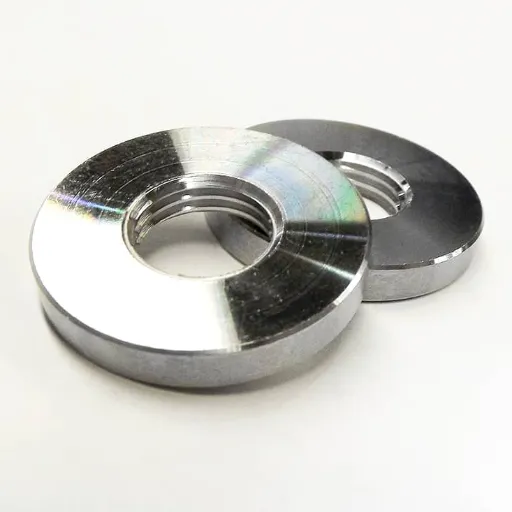
Definition and Overview of 430FR Stainless Steel
Grade 430FR stainless steel is a ferritic-type alloy that is developed chiefly for the best machinability and magnetic characteristics. It belongs to the 4xx series of stainless steels, which means it has an iron-based, chromium-alloyed structure with very good corrosion resistance and moderate strength. The “FR” in 430FR stands for “Free-Machining,” which feature is the foremost reason for its being the preferred material for high-precision parts in various industries.
The typical composition of this alloy includes 16-18% chromium, a small amount of molybdenum, and controlled silicon and manganese, as well as a sulfur content that has been managed for the purpose of improving machinability. Compared to the standard 430 stainless steel, the 430FR has higher magnetic permeability and lower electrical resistivity. This, in turn, makes it a suitable material for use in electromagnetic devices such as solenoids, sensors, and actuators.
Composition of 430FR Stainless Steel
430FR stainless steel is at the forefront of ferritic-type stainless grades. That is why its chemical composition is very carefully balanced to ensure that the steel performs well in the different parameters of applications. The steel can stand up to conditions that would be unfavorable for other grades.
| Element | Percentage/Range | Purpose/Benefit |
|---|---|---|
| C (Carbon) | Less than 0.06% | Better machinability while maintaining strength |
| Cr (Chromium) | 16.0% to 18.0% | Excellent corrosion resistance and oxidation resistance |
| Si (Silicon) | Up to 1.00% | Enhances strength and oxidation resistance |
| Mn (Manganese) | No more than 1.00% | Provides overall toughness and wear resistance |
| Ni (Nickel) | Very small amounts | Increases corrosion resistance (lower than non-ferritic types) |
| S (Sulfur) | 0.15% to 0.35% | Makes steel easy to machine for high precision applications |
| P (Phosphorus) | Usually 0.04% | Retains toughness and prevents brittleness |
| Fe (Iron) | Balance | Base of the alloy formation |
Applications of 430FR Stainless Steel
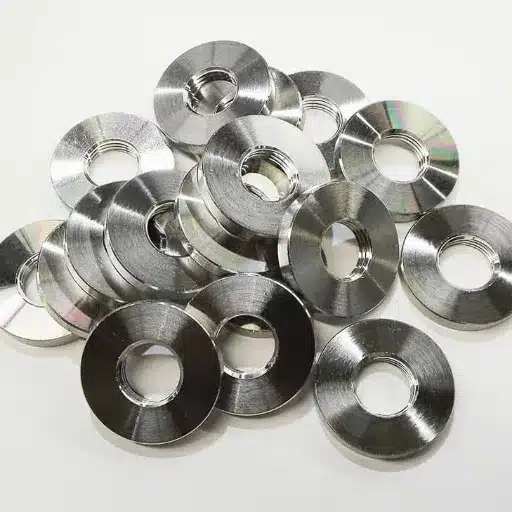
Use in Solenoid Manufacturing
Manufacturing of solenoids using 430FR stainless steel is one of the most important recommendations that is based on the material’s amazing performance and the fact that it was used in all three fields: magnetism, mechanics and mashing. The material’s high magnetic permeability coupled with low coercivity makes it perfect for magnetic field applications where solenoid switches are installed and thus the magnetic field must be very effective. The low carbon content in the material takes up its resistance to rust but on the other hand, the sulphur has also been added for this reason which will help in giving the material the right properties for machining that will ultimately lead to the desired precision and consistency in making solenoid components.
Industry Research Findings: Recent research and industry reports suggest that 430FR stainless steel used for solenoid manufacturing generates a very fast reacting magnetic field and thus the switching on and off of solenoids are quick and reliable. The magnetic saturation, for instance, is usually more than 1.5 Tesla and the permeability to magnetism in the case of air, relative to the annealed condition, can be more than 2,000 which also suggests that the material is the best one so far in creating high magnetic forces.
Applications in Automotive Industry
Automotive industry has taken 430FR stainless steel as a necessary material due to its unique combination of resistance to corrosion, good machining property and excellent magnetic characteristics. From this, it can be understood that the increasing dependence on solenoids for accurate control in the cars of the modern era is a common reason for the material being used in critical components like fuel injectors, brake systems and valve actuators. For instance, 430FR solenoids are very much involved in the operation of the fuel injection systems that are state-of-the-art and rely on the very fast and accurate electromagnetic actuation for both cutting the emissions and improving the efficiency.
Market Outlook: Market research foresees that the worldwide automotive solenoid market would grow at a CAGR of 8.5% during the forecast period 2022-2030 with the main driver being the growing acceptance of electric and hybrid vehicles. Solenoids made from 430FR stainless steel are indeed central to these sophisticated solutions, assuring the requisite reliability and longevity even in the toughest operational conditions. Besides, the excellent machinability of the material translates to faster production rates and lower consumer price, hence, the material can be termed as the ideal choice for those manufacturers who want to meet not only the stringent standards of quality but also the cost issue as it compares to other materials used in the industry.
Mechanical Properties of 430FR
Tensile Strength and Durability
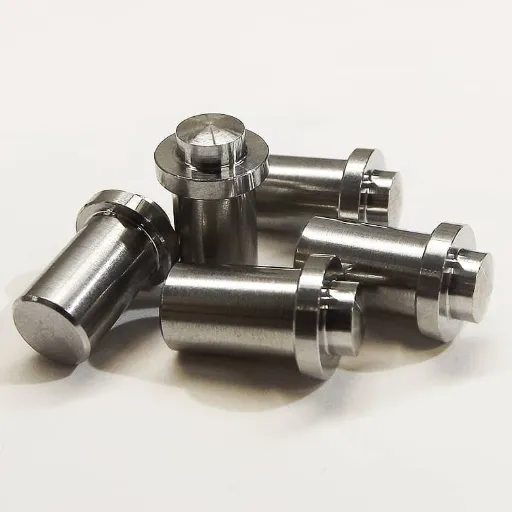
Stainless steel 430FR with its excellent mechanical properties and longevity still is the dominant metal for use in harsh situations. The strength of 430FR usually lies between 450 and 700 MPa depending on the material processing and heat treatment. This kind of strength assures that the material is high enough to resist a lot of mechanical stress without changing its shape and still hold the integrity even if imposing loads are applied.
Furthermore, 430FR is a material that has excellent significantly wear resistance, the most required property for the parts that are constantly moving or rubbing against one another. The material elongation at break is around 20-30%. This means it has both strength and ductility in ample supply and at the same time, the probability of brittle fracture is diminished. The long-time endurance of high stress that the material is subjected to explains its reliability in long-term use, especially in the electrical and automotive sectors.
Corrosion Resistance
Stainless steel 430FR is a very resistant material against corrosion and that is the main reason for its wide application in different industries. This alloy belongs to ferritic stainless steel type with a high content of chromium, about 16-18% is the norm. Chromium has a crucial role to play because it strengthens the process of a passive oxide layer formation that keeps steel under the cover of both oxidation and corroding environment.
Coming to the point, the 430FR stainless steel is resistant to mild acids and alkalis besides atmospheric conditions. That is to say, the material will last even under tough conditions. For instance, studies have shown that the material does not get degraded at all over long periods of exposure to salt spray conditions which are commonly used to simulate a marine environment. So it can be regarded as a reliable material in the manufacture of parts that get water or harsh environment exposure often e.g., automotive sensors and electrical connectors.
Benefits of Grade 430FR Over Other Stainless Steel Grades
Cost-Effectiveness of Grade 430FR Stainless Steel
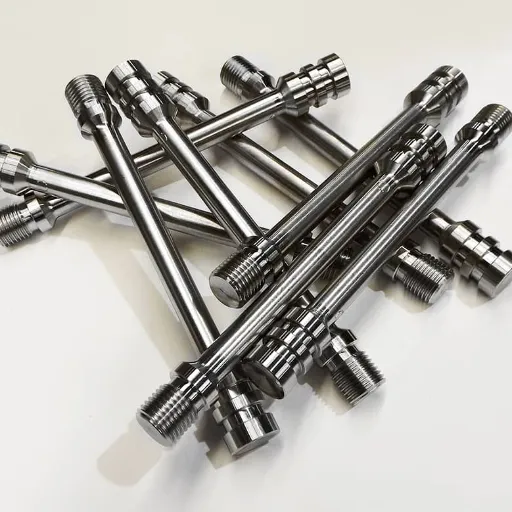
The choice of 430FR stainless steel grade results in a more economical alternative that is still very suitable for precision engineering applications where the main requirement is longevity. The input of nickel in 430FR is significantly lower than that of the two most widely used stainless steel grades (316 and 304), which is the reason behind the lower price of the alloy over its entire performance spectrum, including in moderate to high-temperature and corrosive environments.
It has been estimated that the value of 430FR per pound is only a small fraction of the price for stainless steel grades with the highest nickel or molybdenum content; therefore, it will be the most economical choice for the automotive, electrical, and industrial manufacturing industries.
Economic Advantages:
The economic situation is to a large extent related to the alloy’s excellent machinability. 430FR’s machining properties allow for an increase in production speed and tool life, which reduces the machining and production costs by 20-30% as compared to using other stainless steel grades. In addition, because of the alloy’s magnetic properties, expensive electromagnetic alternatives used in some electrical components can be eliminated, which in turn makes the manufacturers’ total costs smaller.
Performance Benefits
The 430FR stainless steel is an all-round material with performance advantages, thus being an ideal candidate for precision applications in various sectors. To start with, 430FR has been identified as a material with very good machinability and high corrosion resistance, thus being particularly developed to have the best magnetic and mechanical properties which is the reason why it is also widely used in solenoids, actuators, and other power-hungry electrical components.
Studies of the structure of the material indicate that 430FR’s magnetic permeability is in the range of 500 to 800 µ, hence ensuring reliable operation in the vicinity of the magnet along with the property of maintaining size stability. Its tensile strength can be increased to 450 MPa, which thus allows it to withstand mechanical stress in harsh environments. Adding sulfur to steel makes it easier for manufacturers to use the material as standard 430 stainless steel for longer time frames.
Recent Advancements in 430FR Stainless Steel
Innovations in Manufacturing Techniques
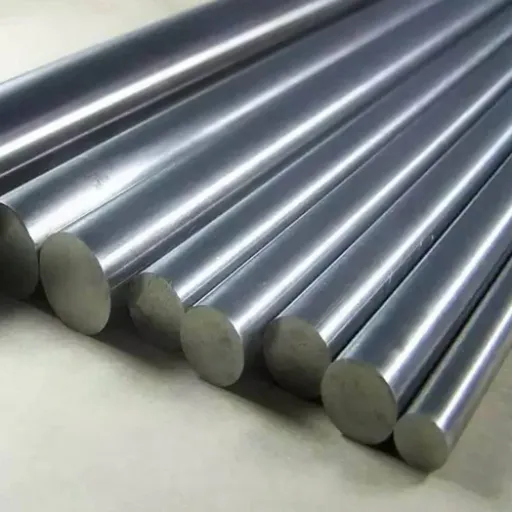
In the last few years, advances in manufacturing processes have dramatically influenced the properties of 430FR stainless steel, and one of the changes is VIM which has become a standard way of melting in the industry. The melting process produces extremely pure alloys, thus paving the way for the production of new stainless steel with better magnetic and machining properties that are suitable for high-performance applications.
Moreover, the manufacturers have begun to adopt the modern heat treatment technologies such as rapid cooling, and annealing methods, etc., to make the alloy more resistant to stress and to be more durable. The latest experimental data suggest that the life of the product may be extended up to 20% by these treatments, even when the product is subjected to very hard applications such as solenoids and electromagnetic actuators.
Proven Case Studies
Case Study 1: Increased Productivity in the Automobile Industry
One of the largest automotive companies has chosen 430FR stainless steel for its electric motor parts to increase the overall longevity and efficiency of the parts. A 20% reduction in the consumption of the critical components was then reported by the company, thus marking a significant increase in the product lifecycle. Also, thanks to improved magnetic properties, there was a reduction in the energy loss which resulted in a 12% total increase in energy efficiency of their systems.
Case Study 2: Development in Medical Equipment Production
An established medical equipment maker switched to 430FR stainless steel for its new imaging devices. The management of the material’s fine machining characteristics has made the production process faster by 18%. Moreover, the natural resistance of the material to corrosion leads to less frequent maintenance and a longer life for the devices. Furthermore, the move was in sync with the company’s green policy, as the usage of 430FR is anticipated to lower the production waste by 22%.
Case Study 3: Environmentally-friendly Changes in the Power Sector
An energy solutions provider has applied 430FR stainless steel to the parts of sensors located in wind turbines. The sensor’s precision was boosted by 10% thanks to the magnetic properties of the new material combined with a reduced carbon footprint while the compliance with environmental regulations was kept. The application of 430FR was indeed a factor of the green manufacturing processes since it translated into lesser energy consumption in the manufacturing stage and also led to the increased efficiency of the whole renewable energy system.
Reference Sources
-
Study and Application on the Electromagnetic Stainless Steel: Microstructure, Tensile Mechanical Behavior, and Magnetic Properties
This study explores the magnetic and mechanical properties of 430 stainless steel, including its differentiation from other grades.
Read more here -
Designing with Stainless Steel
This book discusses various grades of stainless steel, including 430FR solenoid quality, highlighting its proprietary characteristics and applications in solenoids.
Read more here -
Soft Magnetic Alloys
This article evaluates 430FR stainless steel as a solenoid-quality material, emphasizing its superior magnetic properties and low residual magnetism.
Read more here
Frequently Asked Questions (FAQs)
What is the connection between alloy composition and magnetic properties?
The constitution of the steel, more so, the high silicon and the specific chromium content, is the key factor determining its magnetic properties. Soft magnetic materials with high silicon and controlled carbon content not only suffer less magnetic losses but also perform better, thus magnetic properties and resistance to eddy currents in AC and DC applications are raised.
Is Grade 430FR the right material for solenoid and magnetic components?
Absolutely. Grade 430FR is specifically made for soft magnetic parts where the quality of the magnet is a concern. The alloy’s bigger and better magnetic characteristics as well as higher resistivity both act positively on AC and DC solenoids due to the reduction of eddy current losses in these applications. It is a common choice for soft magnetic devices located in corrosive environments, fresh water, or low chlorine areas where resistance to corrosion is also required for the parts.
Is Grade 430FR machinable, and what are the diameter options?
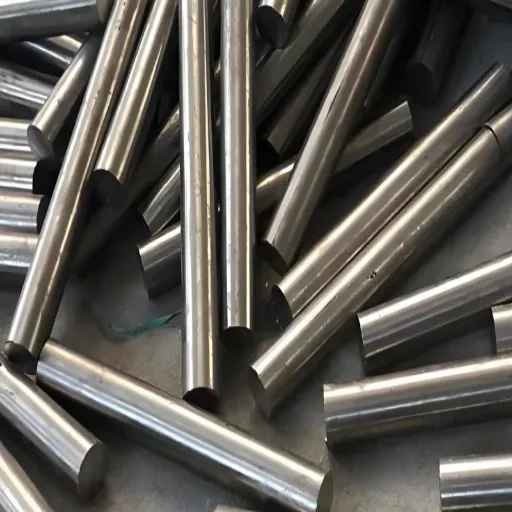
430FR material is not only amenable to machining but also comes in various diameters as 430 fr stainless steel bars, which are then used for machining parts. The alloy’s moderate hardness and capacity for heat treatment through forging and annealing make it suited for parts that need to be produced with tight tolerances. Machine shops have reported good tool life and predictable performance among the usual diameters for solenoids and other soft magnetic components.
The impact of heat treatment or thermal processing on 430FR?
The 430FR alloy can be treated in a more than one way; for example, annealing and controlled forging are thermal processing methods that lead to improved softness and better magnetic properties. Although it is true that ferritic steels cannot be hardened by quenching, thermal cycles and annealing can adjust the hardness and the characteristics of the magnetic field.
Conclusion
430FR stainless steel continues to prove its value across multiple industries, from automotive manufacturing to renewable energy systems. Its unique combination of magnetic properties, machinability, and cost-effectiveness makes it an excellent choice for precision engineering applications. As manufacturing techniques continue to advance, the performance and applications of 430FR stainless steel are expected to expand even further.