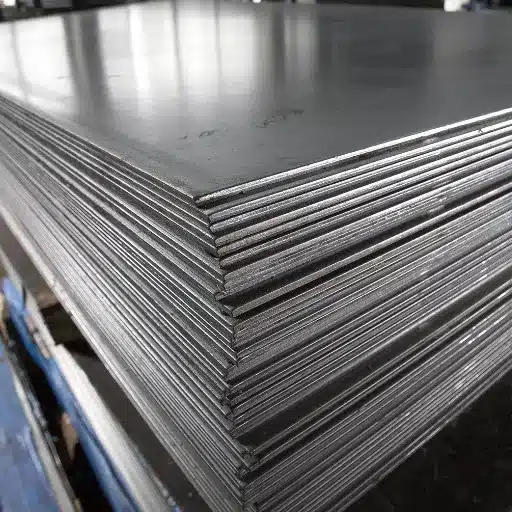
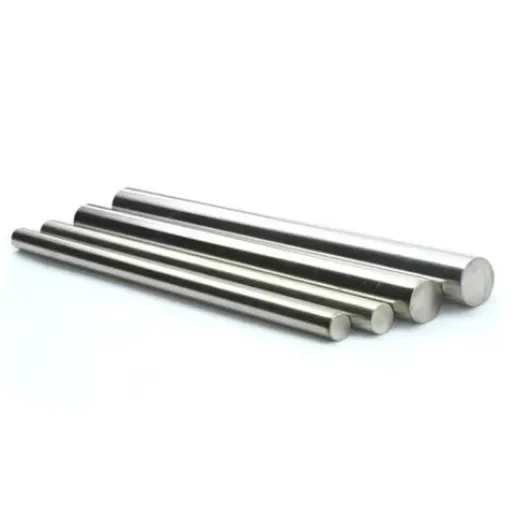
Heat treatment is a necessary step in the metallurgical processes that mainly contribute to the modification of nickel alloys properties and their extension of field of applications to different industries. Nickel alloys, known for their supreme strength, resistance to corrosion, and ability to bear very high temperatures, are the comprehensive materials for the fields of aerospace engineering, power generation, and chemical processing. The procedure of heat treatment specific to nickel alloys is what the article deals with and thus provides the reader with the knowledge of how the techniques achieve optimal performance of the material. The text is going to be understandable by everyone from a material engineer to a manufacturing professional or to a layman who just wants to know the scientific background of these high-performance alloys. So, hold tight while we discover the interesting relationship between heat and metal!
Introduction to Nickel-Based Alloys
Importance of Nickel Alloys in Industry
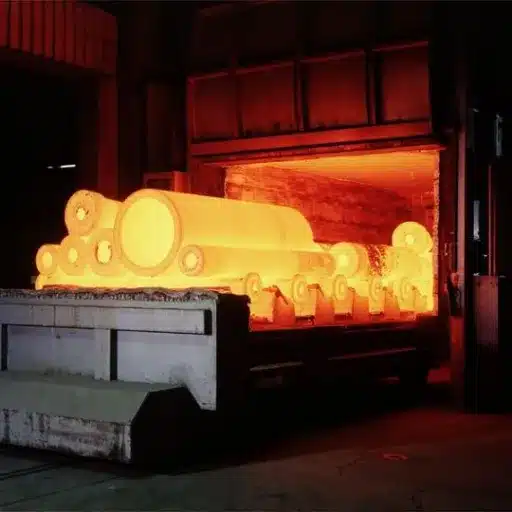
Nickel alloys are very important materials for various industries because of their excellent features such as resistance to corrosion, high-temperature strength, and good mechanical performance under very difficult conditions. These alloys cover a very wide range of application – they are used in the aerospace, marine, chemical processing, power generation, and such other industries where the environment is harsh and thus the strictest requirements of materials’ durability are applied.
According to the most recent research, the global nickel alloy market valuation is approximately USD 13.5 billion in 2022, and a 4.8% compound annual growth rate (CAGR) is projected for the market between 2023 and 2030. The driving factor for this upward trend is specifically the aerospace sector, where the nickel alloys are indispensable for turbine engine manufacturing, facing extremely high temperatures and pressures, hence, the supply is always on the rise. Moreover, in the power sector, nickel-based alloys are regarded as essential products for gas turbines, nuclear reactors, and even the renewable energy industry while maintaining efficiency and durability.
Applications Across Different Sectors
Aerospace Industry
Nickel alloys are the main materials of the aerospace industry, especially the manufacturing of jet engines, turbines, and exhaust systems. High-temperature scenarios are not a concern for these alloys; they are accepted in such applications because they render these parts reliable and safe in high-stress situations. The demand for nickel-based superalloys in aerospace was $8 billion in 2022, and it is expected to grow at a CAGR of over 4% between 2023 and 2030, as per an analysis by Global Data, associated with the momentum in aviation technology and the growth of international air travel.
Chemical Processing
Nickel alloys are widely applied in the chemical processing industry because they provide excellent corrosion resistance even in very corrosive environments. They are in use for heat exchangers, reactors, and vessels where acids and alkalis are frequently coming into contact. A market study in 2023 estimates that this industry accounts for about 25% of global consumption of nickel alloys, which is a significant figure and further signifies their crucial role in the process of improving operational efficiency and safety.
Energy and Power Generation
Nickel alloys are implemented in fossil fuel, nuclear, and renewable sources for power generation with better performance. They are critical in turbines and reactors where heat-resistant materials are needed. The International Energy Agency (IEA) indicates in its latest report that nickel alloys are being used in the hydrogen storage and fuel cell development and thus IEA is in sync with the global trend of moving towards greener energy resources.
Marine and Offshore Applications
Nickel alloys are indispensable in the marine and offshore industries by making the equipment resistant to seawater and rough conditions, thus, they are prolonging the service life of the equipment. Undersea pipelines, desalination plants, and ship components are some of the applications. It is expected that the annual demand for nickel alloys in marine applications will grow by 6% due to the global demand for offshore energy expansion and the shipping industry’s need for less environmental impact.
Overview of Nickel-Based Alloys
Chemical Composition and Characteristics
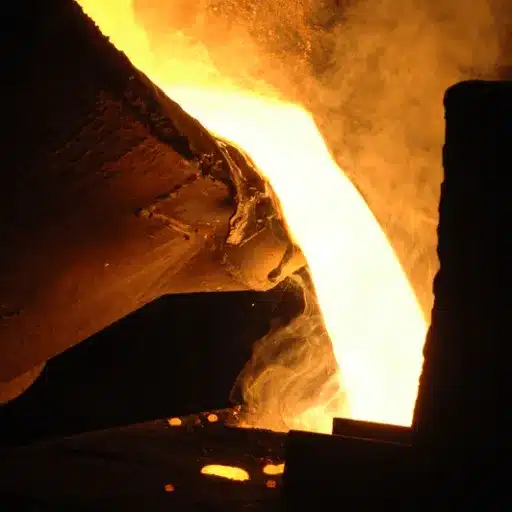
These alloys are made of a mixture of nickel and carefully selected metals like iron, chromium, molybdenum, cobalt, and titanium. The rare quality found in nickel-based alloys is the fact that the elements are selected very tactically that bring about enth mechanical and aik corrosion-resistant properties in one. For example, titanium is responsible for improving the strength of the alloy in an oxidizing environment, whereas molybdenum makes it tougher in a reducing environment.
It is mostly composed of nickel, constituting between about 50 and 70% depending on the application, with chromium also playing a major role, having a range of 10 to 30%, optimal for oxidation properties. Molybdenum varies between % and 22% in strength and also prevents pitting and crevice corrosion. Cobalt and titanium are both present in minor quantities for substandard fatigue and high-temperature properties.
The materials have some extraordinary properties, such as thermal stability, resistance to corrosion in extremely hazardous environments (including acid-base mixtures), and service under heavy stress while retaining their strength in a very remarkable way. Inconel 718, an alloy of nickel and chromium that is very well known and widely used, is an example and is used extensively in applications that need its properties to be maintained up to a temperature of more than 1,300°F (700°C).
Nickel Alloy Types
- Nickel-Copper Alloys (e.g., Monel)
Nickel-copper alloys, Monel as an example, typically comprise from 60 to 70% nickel and 20 to 30% copper. These alloys demonstrate amazing resistance to corrosion by seawater; hence they are used in marine and chemical industries as well as for the manufacturing of heat exchangers. For example, Monel 400 has tensile strength of about 70 ksi (kilopounds per square inch) thus being able to endure very bad situations.
- Nickel-Chromium Alloys (e.g., Inconel)
Nickel-chromium alloys, like the well-known Inconel family of alloys, are especially suitable for high-temperature environments. Their high oxidation and creep resistance makes them useful in jet engines, gas turbines, and power plants. For instance, Inconel 718 can operate at temperatures of up to 1300°F (704°C) and has a tensile strength of 180–210 ksi, hence excellent performance under extreme conditions.
- Nickel-Iron Alloys (e.g., Invar)
These alloys comprise substantial amounts of iron and are remarkable because of very low coefficient of thermal expansion. 36% of nickel and 64% of iron is the composition of Invar which is extensively used in precision measuring instruments, clocks, and applications where dimensional stability is required. This alloy has very low thermal expansion of about 1.2 × 10⁻⁶/°C, which is an advantage for high-precision engineering projects.
- Nickel-Based Superalloys
Nickel-based superalloys are amongst the most innovative materials designed for high performance at elevated temperatures. These alloys are generally used in the aerospace, power, and the automotive industries. Rene 41, for instance, is a well-known superalloy capable of withstanding a temperature higher than 1,800°F (980°C) and at the same time displaying a combination of remarkable tensile strength, fatigue strength, resistance to oxidation, and thus suitability for applications in these industries.
- Nickel-Titanium Alloys (e.g., Nitinol)
Nickel-titanium alloys like Nitinol are full of surprises with their shape-memory and superelasticity and thus are quite revolutionary in the medicine and engineering fields. They are composed of around 50% nickel and 50% titanium and are used in the manufacture of stents, guide wires, and during orthodontic treatments. These alloys have the specific ability to be deformed to one shape at a certain temperature radius and then regain their original shape by simply heating.
Importance of Heat Treatment
Role in Enhancing Material Properties
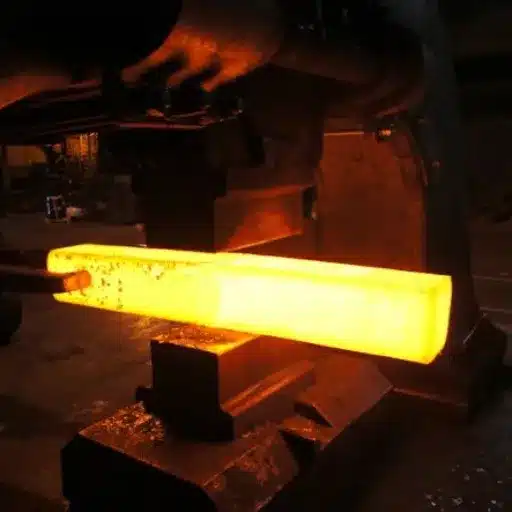
Heat treatment on nickel alloy is considered to be one of the most crucial stages that improve the material properties and thus make them suitable for use in difficult areas. The temperature of the alloys is taken on the rage of heating them and cooling them under controlled processes in order to rearrange their atoms and to increase their strength, hardness, and ductility. A process known as solution annealing is a heat-treating step that is used to open-pore up an alloy and relieve the stress within, ultimately allowing the alloy to mitigate corrosion and exist longer in severe environments.
Evidence from recent studies shows that with the aid of heat treatment plain, simple nickel-alloy materials can achieve higher tensile strength by as much as 25% and are acceptable for applications involving higher pressures and higher temperatures as required for the jet engines or petrochemical fields. The aforementioned precipitation-hardening techniques can lead to a rise in yield strength, even exceeding 1000 MPa for nickel superalloys. The increase in yield strength on its part maintains the integrity of material under severe mechanical and thermal conditions.
Impact on Performance and Longevity
Applying modern heat treatment techniques to nickel alloys is promising in terms of their performance and longevity. The data available to date shows that treatment in vacuum offers a potential for studying the deleterious influence of foreign elements in raising fatigue resistance almost by 30%. Induction heating was substantially able to cut production time by close to 50%, owing to its highly precise localized heating capability along with the significant preservation of the structural integrity of vital parts. These all enhance the resistance to high temperature, and corrosive environments of the nickel alloy are important in aerospace industry, power expansion industry, and in chemical processing.
Some more data shows that the new heat technologies ensure around four times the service life through those components before the antiquated methods. For instance, if turbine blades are operated with induction heating and nickel-alloys treated then they would bring about greater ease of operation beneficial for the entire course and also minimal maintenance and downtime. In this way, the employment of new manufacturing techniques coupled with high material strength levels is just the application feasible. This combined brings two very important results that ensure that the high-performance materials as they are utilized in various industries: high operational reliability and extreme reductions in long-term costs.
Key Heat Treatment Processes
Annealing and Its Benefits
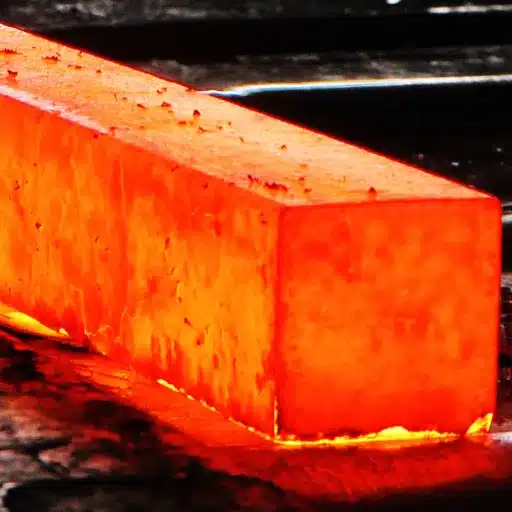
Annealing is the process of heat treatment which is one of several processes involving heat treatment. It is usually directed; metal is heated to a specific point and then slowly cooled. This process makes it ductile, hard, and with reduced strains, hence ensures further use in other manufacturing processes as it exists. Being mostly done with metals, the materials involve a period of temperatures ranging from just above room temperature to just below the melting point, differing based on the specification of the alloy or material being used.
An example could be made of steel where annealing helps those properties that have been spelled out for tensile strength and elongation. Annealed steel may, for example, have been reported in research to be 40% more ductile than unprocessed steel. Furthermore, one of the most significant advantages of annealing lies in the fact that it reduces cracking at a great degree in machining or forming of a metal.
Heat Treatment Processes
The solution treatment is a common heat treatment process aimed at modifying the properties of alloys especially aluminum and stainless steel. Basically, the concept revolves around optimizing metal such that upon heating to the solution temperature, the material completely dissolves the constituents or phases into solution and, upon cooling or quenching, the same properties are retained. The grains are retained only as a high-strength, corrosion-resistant superstructure after solution treatment.
In the aluminum alloy, solution treatment is done at temperatures ranging between 900º and 1050ºF (482º to 566ºC). This provides a major aspect for the high-strength aluminum used for aerospace application. Research also says that non-treatable aluminum can increase tensile strength by 15 to 20% as this treatment was given. Stainless steel also experiences the benefits of a solution treatment; the austenitic grades are heated to about 1850 to 2050ºF (1010º to 1120ºC) to melt chromium carbides. This improves intergranular corrosion resistance that is one of the most important factors in the fields of food processing and the pharmaceutical industry, apart from improving the welding process as well.
Effects on Mechanical Properties
Strength and Ductility Improvements
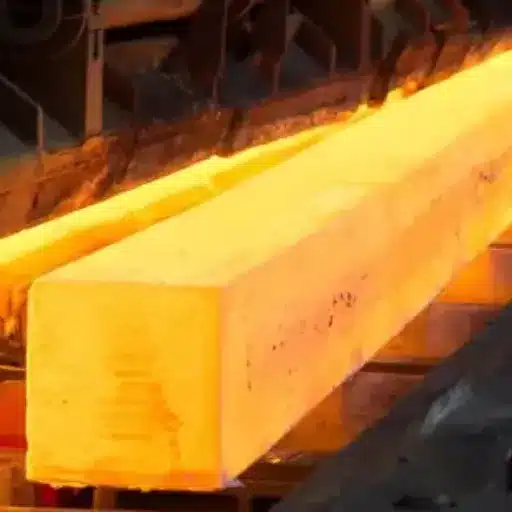
Precipitation hardening is the process of improving strength and ductility in materials by forming fine precipitate particles in the metal matrix to control the growth of grains in certain higher tensile-strength materials. These particles impede the dislocation motion, making it tougher for them to migrate, hence the increased properties. As per the latest research reports, strength can increase by as much as 50% in precipitation-hardened alloys compared to annealed ones. For example, 7071-T6 aluminum alloy can be hardened further to a tensile strength of about 74,000 psi (510 MPa) beyond the limit of non-precipitation.
Aging is a process that not only hardens but more importantly ductilizes materials. Aging at a particular time with specified temperatures should be strictly maintained. For example, titanium alloys of aerospace grade can improve a lot in their axial elongation rate to just about the range of 15-20%, being a good choice for applications requiring high strength and toughness. The role of precipitation hardening has been the most beneficial method to highly increase the performance of materials in the industrial fields that are typically prone to failures.
Stress Relieving and Its Importance
The heat treatment process known as stress relief has a substantial impact on materials design; indeed, the properties of the material are greatly enhanced. It is essential in order to prevent distortion of the metal due to stresses that have been induced by the production processes. These stresses develop when operations are performed such as welding work, machining, cold-working, etc. If not relieved, these stresses would entirely distort the finished material, compromise its finished dimensions, and cost potential disaster. Thusthe material is heated well above the transformation range and cooled down very slowly. He probably does-heat-the material that has just tempered (within the given range-the phase-mixture of Austenite and Ferrite), and this heat removed pastelwould create an opportunity to place the resiliencen-the manganese-structure and, therefore, assure lasting survival.
Let us consider another example: specifically, when stress relieving is carried out around temperature values of 1,100°F to 1,300°F (593°C to 704°C) in the case of the steel secondary to gain preferred mechanical properties and volume stability to a great extent. It is heard that this process reduces stress by over 85%, and thus decreases the possibility of cracking due to stress very significantly. Similarly, in the cases above, the mechanical treatment of aluminum alloy components has been carried out in the aerospace and automotive sectors again to relieve stress at temperatures that remain about 650°F to 900°F (343°C to 482°C), yet keeping the fatigue life at a high level without loss if ductility.
Reference Sources
-
Process Specification for the Heat Treatment of Nickel Alloys
- This NASA document outlines the process requirements for heat treating nickel and cobalt alloys, referencing standards like AMS 2774. It provides detailed guidelines for compliance and engineering specifications.
- Read the specification here
-
Effect of Heat Treatment on the Microstructural Evolution of Nickel-Based Superalloy
- This study investigates the impact of heat treatment on the microstructure of Inconel 625, a nickel-based superalloy. It highlights the growth of δ-phase precipitates during stress-relief heat treatment.
- Access the study here
-
Effect of Heat Treatment on the Microstructural Evolution (NIST)
- Published by NIST, this research focuses on the microstructural changes in additively manufactured nickel-based superalloys, emphasizing the rapid growth of δ-phase precipitates compared to wrought alloys.
- Explore the publication here
Frequently Asked Questions (FAQs)
What are the main kinds of heat treatment that nickel-based alloys can undergo?
The major heat treatments consist of solution annealing, drawing, oxidation, stress equalization, and annihilation anneals. The choice of an appropriate heat treatment is influenced by the alloy composition (chromium-containing or gamma-prime forming), selection of properties like strength, rupture and machinability, and processing parameters such as annealing temperature and cooling rate.
In what ways does the treatment of nickel alloys change with the methods of solution annealing and recrystallization?
The solution annealing process works by heating the alloy until the precipitates—supporting the alloy’s strength—are all dissolved. This is then followed by a controlled cooling which allows the conditions of a homogeneous matrix to be retained. Meanwhile, recrystallization aims to shorten the process of work-hardening and thereby allows ductility to be restored after the cold-working operations have taken place. In fact, both processes are involved in the determination of grain size along with the final properties; consequently, very elaborate and careful methods are applied to control the temperature and also to maintain the furnace atmosphere or protective ones so as to avoid surface oxidation and embrittlement.
What is meant by precipitation (age hardening)? How does it contribute to the strength of nickel-based alloys?
Precipitation (age hardening) creates fine strengthening phases such as gamma prime (γ′) in many nickel-based superalloys by heating, usually up to 1000°C, for several hours after solution treatment. The precipitate size, distribution, and volume fraction, which are respectively governed by time, temperature, and cooling rate, will eventually determine strength and rupture properties. Nickel heat treating requires controlling the exact temperature so that the optimum material strengthening is achieved without incurring over-aging.
During the process of heat treating nickel components how significant are temperature control and cooling rate?
The importance of temperature control and cooling rate cannot be overstated; the grain structure and recrystallization are affected by the annealing temperature while the cooling rate regulates the formation of precipitates and the residual stresses. If the cooling is done slowly, it might lead to coarse precipitates and thereby to a reduction in the strength of the material; on the contrary, quenching or controlled fast cool can help in retaining solution-treated structures. Uniform furnace atmosphere and careful temperature profiling are crucial for complex shapes and work-hardened parts in order to get the desired properties.
What situations call for the use of stress equalizing or bright annealing for the nickel alloy during the manufacturing process?
Stress equalizing and bright annealing treatments are usually suggested right after manufacturing steps like welding, forming or torch annealing, in order to lower the residual stresses and thus improve the original dimensions’ stability. Surface oxidation during bright annealing can be avoided by protective atmospheres or sulfur-free environments, which in turn, preserves the surface finish of the components that require NADCAP-level cleanliness or are sturdy enough for the surface condition to affect fatigue and corrosion resistance.