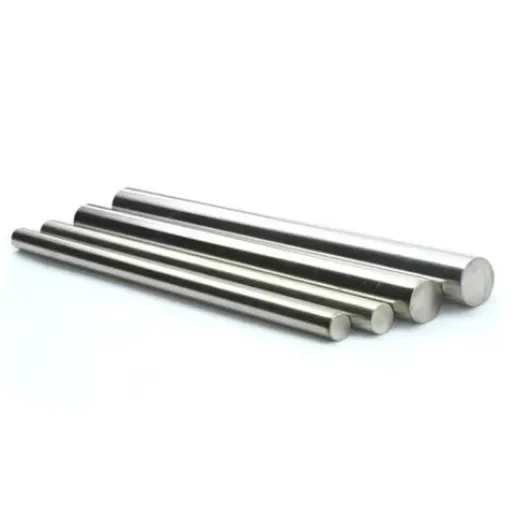
High-temperature nickel-based alloys and superalloys are among the unsung heroes backing some of the most extreme applications in modern engineering. These materials have been lauded for their extraordinary capability to bear extreme conditions such as highs in temperature and immense mechanical stress, which makes them unavoidable in industries that range from aerospace to energy and automotive. But what causes the alloys to exhibit such dramatic performances in the first place, and just how vital are they to the recent progressions in technology? Through this article, we will get into the science, applications, and future for high-temperature nickel alloys and superalloys. This guide is meant to give an inquisitive learner, industry practitioner, or mere material enthusiast, who is at all curious about the high-performance tech backbone, an eye-over-the-fence view into the might and the potential of the extraordinary materials.
Introduction to High-Temperature Nickel Alloys
Significance in Aerospace, Automotive, and Energy Industries
Aerospace Industry
There is a common history in the automotive and aerospace industries, where nickel superalloys became a common choice in the aerospace industry for the first time. These materials are known to withstand temperatures of well over 1,000°C and hold structures while retaining high strength and high resistance to oxidation. Some recent studies suggest that some 50-60% of an engine’s total weight is contained in parts made of superalloys-presented in the form of turbines, discs, or combustion chambers-to boost the system’s efficiency. The fact itself of this high resistant and high-performance behavior drawing more benefits is that the enhanced working properties of engines can ensure that it will be in the field longer to discharge extra duties and thereby extend service life appreciably, coupled with poor emissions benefits in the field of air transport.
Automotive Industry
A further significant application of nickel colonization involves automotives, where almost every turbochager, top-notch exhaust valve, and highly-advanced type of expenditional catalyst (such as a nickel-alloy) is fabricated by the endproducts. Coming to enhancement, nickel is highly regarded for the aforementoined automotive applications. Electro-mobility has become the most significant target visualization of nickel in the high-energy density lithium-ion battery. Cheaper NMC (Nickel-Manganese-Cobalt) composition-rich cathodes would help reduce battery cost significantly, thus further enhancing the energy in EVs and increasing operational range. This is expected to up the range at levels of costs. Nickel-containing materils for EV batteries expect to rise and exploit massive opportunities-almost 0.4 million tons of nickel should be requested by 2030 to cater for these requirements.
Energy Industry
The energy industry, including electricity generation and renewable energies, considers nickel superalloys quite useful in countering extreme environments. Gas turbines, used in power plants, have to be mainly dependent on these alloys to maintain operational quality and resistance against thermal intensity. Similarly, nuclear reactors use nickel alloys, such as Hastalloy, for their resistance against corrosion under the conditions of radiation and high temperature. In the same sense, nickel superalloys assure corrosion and temperature resistance in the application of the renewable energy sector, e.g., geothermal energy plants. The global consumption of nickel, designed for the energy sector, thus leads to demand into the sector of sustainable power solutions, with the production and storage of energy witnessed through hydrogen emerging as a case study for the innovative application of nickel.
An Abstract of Nickel Alloys Superalloys
Nickel-based superalloys are deemed advanced engineering alloys for ultra resistance in extreme environments: very high temperatures, oxidative atmospheres, and in mechanical distress. Although it is at best a proprietary term of nickel, yet it is alloyed with chromium, cobalt, molybdenum, aluminum, and titanium, thus raising the properties of respective elements to a higher level. The complexity of these materials with respect to their properties is relevant to their use in aerospace, energy, and industrial sectors for extreme conditions involving such values as durability and reliable functioning.
Nickel-based superalloys are widely coveted for their very high-temperature resistance, which can withstand temperatures over 1,000°F (538°C), with minimal deformation remaining. This high temperature capability results from the superpositioning of relatively high melting points and true-strengthening mechanisms, typically through precipitation hardening by coherent γ-prime (γ’) or γ-double-prime (γ”). Moreover, they have a greater resistance to oxidation and corrosion, which contributes to a longer life and perfect operation within oxidizing environments such as those inside jet engines and gas turbines or in other locations like chemical plants.
Manufacturing industries have access to newer formulations, of which 3D additive manufacturing, with the most advanced technology to manufacture single-crystal turbine blades for substantial increase in energy-conversion efficiency and thermal performance, is one. Out of these the cast single-crystal nickel-based superalloy turbine blades are capable of operating at 85-90 % of their respective melting temperatures, making temperatures and thermal efficiencies much above 40 % in gas turbines, whilst few of them are the most thermal capability. This development also increases energy output and, thus, decreases emissions resulting from the plant operation.
Unique Properties of High-Temperature Nickel Alloys
Thermal Stability and Performance
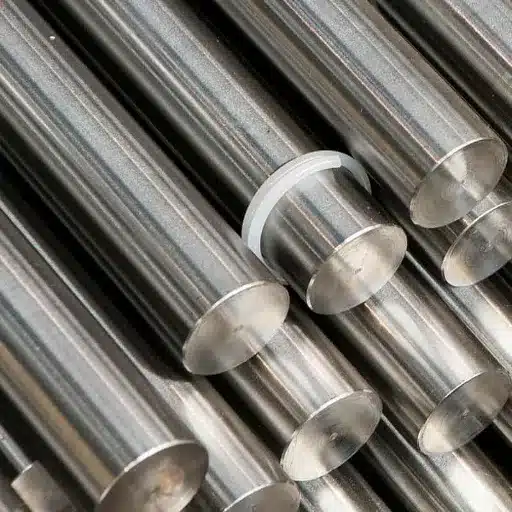
Superalloys are important-based materials, distinct by their powerfully amazing thermal stability and very good performance under hostile conditions and so are mostly used in high-temperature applications. They hold their mechanical strength in a permanent manner without sinking at temperatures of around 1,200°C (2,192°F) due to their special and unique microstructure and constituting elements. The addition of elements such as chromium, cobalt, molybdenum, and aluminum acts as essential steps to bring in the enhancement of the oxidation resistance and strengthening of these alloys, either through one of the solid solution hardening mechanisms or precipitation hardening.
Key Research Findings:
Investigations have demonstrated that using certain grades of nickel-based superalloys, such as the Inconel 718 and Rene 88DT, ensures that creep resistance is maintained over long-term exposure to temperatures above 650 degrees. Inconel 718 has shown excellent stability for turbine blades in jet engines that go through several cycles of operation without matters of distinguishing occurring. More importantly, the Inconel 718 series, prior to the most oxidizing environments presented to it for extended periods, does not exhibit a significant oxidation rate greater than 2.5 micrometers per year.
Corrosion resistance in aggressive environments
Nickel-based superalloys are widely renowned for their robust corrosion resistance even under conditions that would stretch their targeted use to the far limits. The resistance is mainly due to the natural protective oxide layer that forms upon their surface, preventing further degredation. The oxide layer so formed gives them resistance to high temperature oxidation, sulfidation, and hot corrosion in the vicinity of high temperatures of jet engine exhausts, power station sources, and chemical processing environments.
In coming up with changes to effect even better corrosion-resistant provisions, the incorporation of certain added constituents has ensured that these two alloys will demonstrate increased reliability in the future. Alloys formed by connecting metals such as chromium, molybdenum, and aluminum, above all, fill in the last gaps of their resistance against combinations from solution corrodents and temperatures much above the normal best-working range already mentioned. The most important factor in the case of Maritime Specialities is THAT shows why the Bronze Age was encouraged to introduce the very recent experiments, for instance. INCONEL® 625 is one of those alloys that could stand very aggressive areas like those of seawater and acidic solutions in line with data from the industry, so this alloy is now becoming very important in marine and industrial applications.
Advancements in Nickel Alloy Technology
Recent Innovations in Alloy Composition
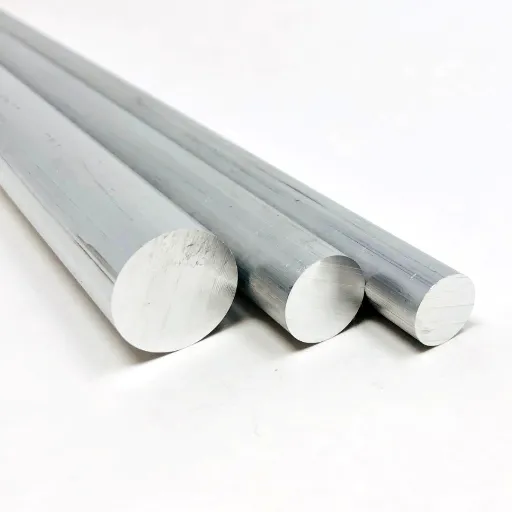
Many new material-design opportunities have been made to experiment with alloy composition for the marketable, effective, and efficient trade-off between sustainability [development] and material performance. A very good tried-and-true example is High-Entropy Alloys (HEAs), which have been springing from the viewpoint of the exploitation of a conceptually novel alloy based solely on a principal single-element metal. HEAs have put a lot of weight into their strength, corrosion resistance, and thermal stability properties, thus being highly valued for a continued maturity in some service in aerospace systems associated with its counterparts all within the energy and chemical industry. One 2023 paper has described HEAs as having 25% more wear resistance than their conventional counterparts, thus ruling itself out in extreme service conditions.
An equally important point is regarding the raw material mined to smelt titanium-aluminums. Such said unusual set of titanium-aluminum-based alloys is gaining firm ground in many light metal and high-strength performance applications. Aluminum is extremely important in environments of extremely high heat, such as turbine engines and automotive components, wherein using aluminum containing 6% yields an increase of 15% of in weight reductiveness with tensile strength not less than certain grades of steel.
Additive Manufacturing
Additive manufacturing involves creating components from 3D models, and it has grown in popular culture as one of the leading technologies in engineering. It is widely felt that additive manufacturing has surged in significance partly due to its selling point: increased accuracy – yet accompanied with humankind’s consumption of smaller quantities of building material. A wealth of studies and reports support additive manufacturing as well, the most recent being a figure suggesting, for example, that a prototyping part saves up to 30% (a very common figure) in material waste as compared to subtractive implementation manufacturing, revealing how additive manufacturing has a positive impact on the environment and reduces costs.
Advanced machining techniques, most notably laser-based technologies, are realized today on an additional medium, metallic powder, fabricating sophisticated components that make minimal usage of machine work. Material reduction has been pushed to an unbelievable 97%, offering economies in material conservation. And then, techniques such as vacuum impregnation or laser-based surface modification are slowly gaining application for the purpose of application of the latest things. These will allow the formation of an advanced coating film like creepy oak tree outside to escalate the life of a component so much, and protect from unwanted wear and breakups”.
Challenges in Production and Application
Cost and Resource Limitations
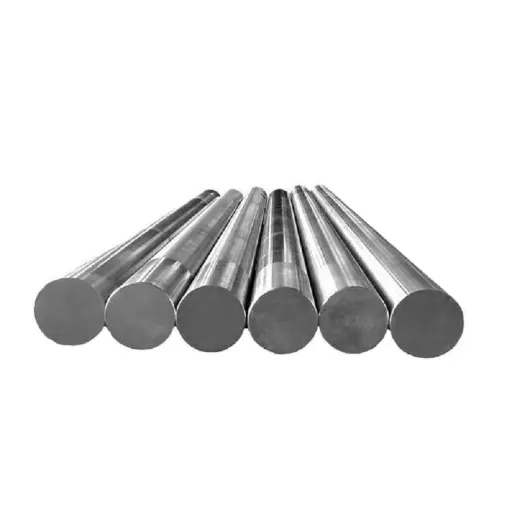
Abundant elements that require advanced materials like Alloy 718 and Alloy 625 with severe production constraints include cost and raw materials. There is a hinderance to the development of these materials triggered by outrageously high nickel and chromium costs-the very ingredients used for creating superalloys. The nickel markets have seen an increase of about 34% in the past two years owing to supply disruptions and high demand from aerospace and energy sectors.
Production Cost Challenge: Energy becomes yet another financial challenge, aside from raw material cost, during the production process. Huge amounts of power are used in the melting and shaping of high-performance alloys. For example, the power cost incurred during the vacuum-induction melting of superalloy is around 15-20% of the total production cost.
Quality Controls and Testing Standards
Quality control and testing equipment represent a huge market size given the $8.5 billion market opportunity worldwide through 2005. Such a large reason flags the attention of manufacturers, suppliers, and other interested persons. Protecting it becomes a highly complex and dynamic duty of daily management in the global supply chains. Focus on the threats on business in levels of testing, auditing, and report interference-and conversely, therefore, aspects that will ensure protective measures and controls should be put in place to manage social, environment risk, and the development.
Metal forming and machine manufacturing sectors have benefited to a large extent through the adoption process of advanced testing processes such as ultrasonic testing, destined to meet high quality standards and customer satisfaction. An international standard, such as ISO 9001, could be one example where our statistics are at extreme ends because it is either much too low or much too high. Regarding some merchandise part falling under such an example, a violation could easily be reported in the whole chain eventually ending with the customer.
Future Trends in High-Temperature Nickel Alloys
Emerging Applications and Market Opportunities
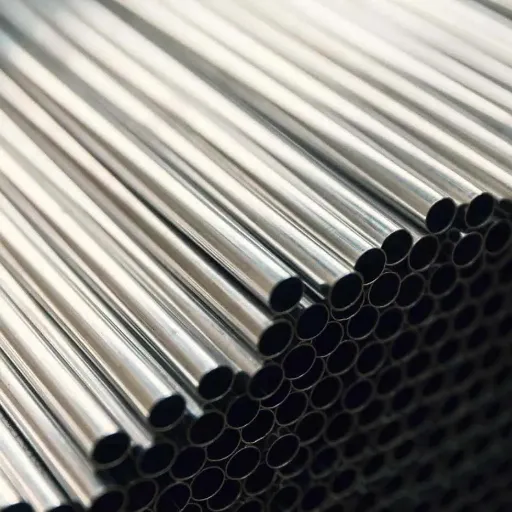
With their unique combination of incomparable strength and ability to resist heat and corrosion, high-performance Ni alloys have won an impressive place across a wide range of industries. The airline industry is one of the biggest markets for these materials, primarily because nickel alloys are crucially needed in the making of jet engines, turbine blades, and exhaust systems. As determined by recent market forecasts, the demand for such alloys in the airline industry has remained healthy and at a steady pace, with a strong impetus from continuous growth in world air travel and in the development of highly-more-fuel-efficient planes.
The energy industry is an additional sector of growth, and especially in power generation technologies like gas turbines and nuclear facilities, high-energy nickel alloys play a significant role due to their ability to resist-theoperating-ranges when subjected to intense thermal and mechanical stresses. As the globe moves towards clean and energy-efficient resources, the applications of nickel alloys in alternative systems for concentrating solar power (CSP) and advanced hydrogen energy show promising potentials that establish uniquely novel grounds for materials development.
The Prospect of An Upgraded Alloy: Inconel or Incoloy
At present, materials such as nickel-based alloys of Inconel and Incoloy are in huge demand for not only their excellent high-temperature, corrosion, and mechanical stress resistance but as well their severe value in critical situations across a number of industries. Some of them are – power generation, marine infrastructure, chemical processing over an extensive range, aerospace, etc. Just-in-time, recent metallurgical advancements have also focused on enhancing the environmental adaptability of all these materials.
Market Growth Projection: Recent market research has indicated a substantive diversion in demand for superalloys across the spectrum. Like, global superalloy production, including a range of Inconel products, is continuously anticipated to appreciate at a vigorous CAGR of 7.5 percent for the next ten years from 2020. Growth is mainly driven by forward thinking materials being sourced by the aerospace and defense sectors for use in components needing a rigidity that is at a high strength-to-weight ratio, resistance to fatigue, and resistance to oxidation.
Reference Sources
-
Nickel Institute Publication on High-Temperature High-Strength Nickel-Base Alloys
This comprehensive document discusses the properties, applications, and advancements in nickel-base alloys for high-temperature environments.
Read the publication -
A Practical Guide to the Use of Nickel-Containing Alloys
This guide offers practical insights into the use and performance of nickel-containing alloys, focusing on their high-temperature strength and durability.
Explore the guide on Knovel -
Trends in High-Temperature Alloys by Carpenter Technology
This whitepaper highlights the latest trends, including the strength and hardness of nickel-base alloys in high-temperature applications.
Read the whitepaper
Frequently Asked Questions (FAQ)
❓ Why does Alloy 718 make a good high temperature alloy for gas turbine engine components?
Alloy 718 is a nickel-based superalloy engineered for high heat and used in gas turbine engine parts mainly because of an excellent blend of strength, creep resistance up to the range of the typical operating temperatures up to 1300°F (700°C), and acceptable strength and creep rupture strength for high-temperature service. This particular alloy combines high-strength alloy behavior with good resistivity to oxidation and high-temperature creep properties.
❓ How does Alloy 625 perform in corrosive environments and petrochemical or marine applications?
Inconel alloy 625 is a nickel-based corrosion-resistant alloy with excellent forming and welding qualities that is extensively used in corrosive environments such as petrochemical and marine environments, acid production units and pollution control equipment. With relatively high strength, and resistance to both oxidizing and reducing atmospheres, it provides excellent resistance to stress corrosion cracking and chloride-induced corrosion. The nickel-based alloys are thus of great advantage, being used in hot-temperature pressurized environments which require resistance to a corrosive atmosphere.
❓ How does the oxidation resistance and high-temperature service behavior of such high-temperature alloys compare with those of stainless steels?
Alloy 625 and its counterpart 718, known for their nickel base, usually outperform high temperature stainless steel in terms of strength at elevated temperatures. The oxidation resistance may be far superior, with some break points settled around as high as 2200°F, and the creep rupture strength of these nickel alloys far surpasses that of everyday stainless steel. For higher pressures and high temperature high-service conditions, nickel alloys present the better alternative in terms of strength and corrosion resistance over a point when stainless steel weakens in strength, deteriorates more rapidly due to oxidation processing, or undergoes premature rupture at high temperatures on a sustained basis.
Conclusion
High-temperature nickel alloys and superalloys continue to play a pivotal role in advancing modern engineering across aerospace, automotive, and energy sectors. Their exceptional properties and ongoing technological innovations ensure they remain at the forefront of materials science, driving progress in efficiency, sustainability, and performance.