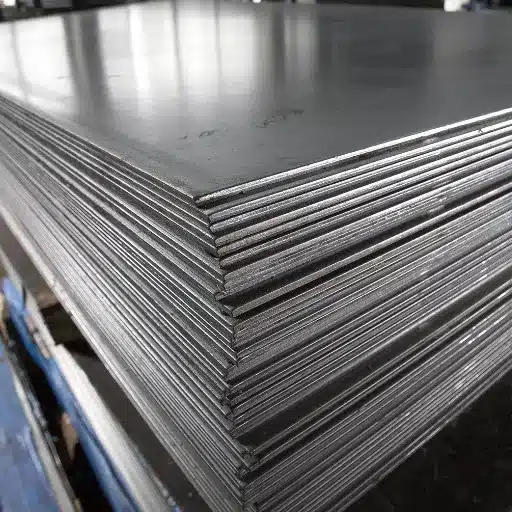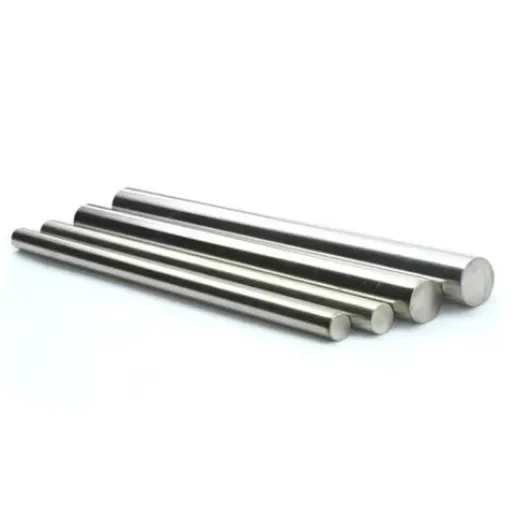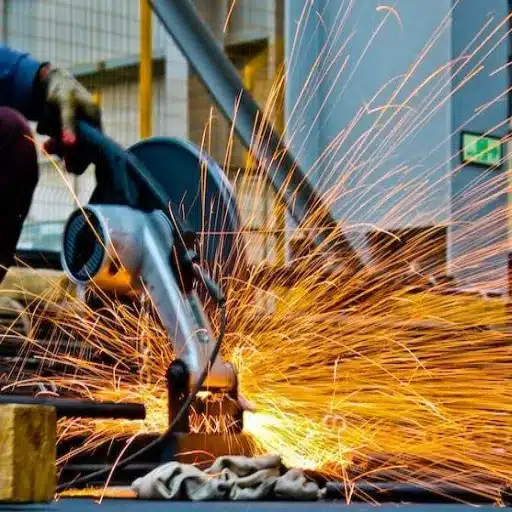
A Houston-based machine shop learned it the hard way. They had given out estimates to cut 50 sheets of 316 stainless steel to a surfacing plant. They had planned to do all this by using their standard plasma cutter with the same settings they were accustomed to using for carbon steel. The result? Burnt edges, unreasonably distended sheet metal, and $12,000 worth of scrapped material. It was not because the stainless steel reacted differently, but because of its behavior, just like any other metal.
If you’ve ever cut stainless steel, or perhaps you are about to do it, you’ll know right away that stainless steel does not forgive. Work hardening happens in seconds. Heat comes much faster. A bad blade or speed may turn a perfect slice into an edge in need of costly repair.
This article will further dissect various ways to cut stainless steel sheets for applications ranging from garage projects to industrial production. What you will learn is the technique that fits best with your thickness, grade, and quality needs, and also why each technique works. This way, the right call is made even before the first cut.
Why Cutting Stainless Steel Is Different
Stainless steel isn’t just steel with extra chromium. Its metallurgical properties create unique challenges that can derail even experienced fabricators.
Understanding Work Hardening
The harder stainless steel becomes as it is cut. Work-hardening is the occurrence of rapid hardening of the surface when subjected to mechanical stress and heat during cutting. Proper cutting speed guarantees that cutting moves do not slow down much and prevents long dwell time at one exact spot, leading to the hardening of the material surface, which will be harder than the base metal. This is when the upcoming pass hits the hardened layer. The effect on accelerated tool wear is seen in rough and unpredictable cuts as soon as the tool makes contact.
For austenitic grades 304 and 316, work hardening is critical, a wonder material. Work-hardening the material involves raising at least 50 percent higher hardness levels in seconds in unintended cutting of these sorts of brittle steels. But duplex stainless steels provide even more drastic effects with regular work hardening that, ultimately, hinges on stricter geometric and cutting strategies.
Thermal Conductivity Challenges
Compared to carbon steel, stainless steel has only a small ability in heat conductivity. This property makes it insufficient for use in heat exchangers and cooking. However, the chief source of the problem in cutting is heat pools locally inside rather than dispersing through the material away from the cut.
Blue heat marks and warping to a minor extent, and the potential for microstructural changes within a very narrow band near an exposed or cut edge, reducing corrosion resistance, are the results. In 316 stainless, excessive heat can even cause chromium carbide precipitation in the heat-affected zone, creating areas vulnerable to intergranular corrosion.
Grade-Specific Behavior
Different types of stainless steel actually respond to cutting in different ways:
- 304 (Austenitic): Hard cutting, relatively easy to predict strain hardening work effects, which can be machined by standard carbide tooling if properly parametrized
- 316 (Austenitic): Much more demanding than type 304, mainly because of higher molybdenum content; needs to be cut at 20 percent slower speeds than type 304; considerable generation of heat
- 430 (Ferritic): Easier to mow compared to terrible grades, not much work hardening, but likely to crack its edges when cutting extremely cold
- Duplex (2205, 2507): Aggressive strain hardening and needs top-quality tooling along with the right parameters for good cut, but even then leaves cleaner than 316 executions
Cutting Methods by Material Thickness
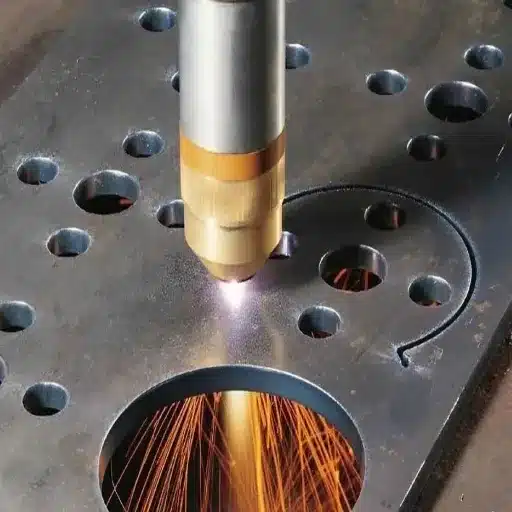
The right cutting method depends primarily on thickness. Using the wrong approach for your gauge wastes time, money, and material.
Thin Sheets Under 1.2mm (22 Gauge)
For light-gauge stainless, manual and portable power tools work well. These methods excel for prototypes, small batches, and field work.
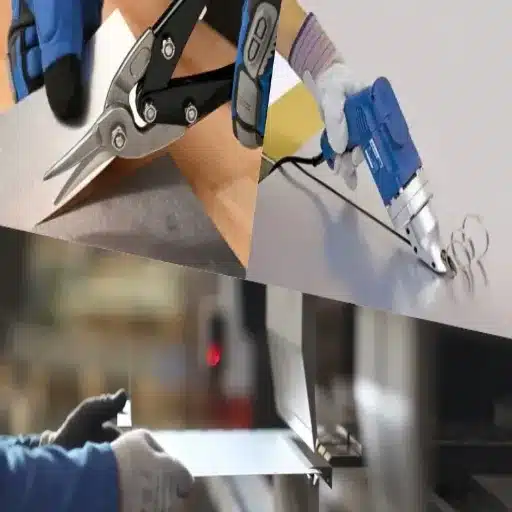
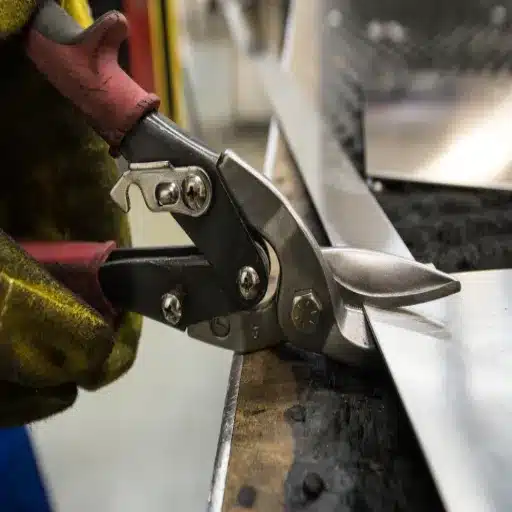
Tin Snips and Aviation Snips
Manual snips still surpass thin stainless steel sheets. It is enough to pick the right type, as they do not require power, produce no heat, and can function anywhere. It is often doing well quality-wise:
- Straight snips: Those for line cuts under 300mm
- Left-cutting snips: Curves cut to the left (when viewed from above)
- Right-cutting snips: Curves cut to the right
- Aviation snips: Compound leverage makes this device just as effective on thicker materials and proves less exhausting to use by hand
Technique matters: The blade should be positioned shallowly, around 15-20 degrees, with respect to the sheet’s face. You could demonstrate that cutting in more than one pass, rather than having to cut the entire thickness in one pass, can reduce distortion at the edge as well as the overall blade life.
Good quality snips for aviation make clean edges on 304 stainless under 0.8 mm with minimal cleanup. A good result comes under 0.6mm in 316 or duplex grades.
Manual Shears
Improved leverage is what an accumulator machine or a snip fails to offer when compared to oval and hand shears. Guillotine-type bench shears give quite clean, straight cuts, up to 1.2mm thick and ending in a very neat, square edge. For any continuous cutting, the nibbler cut crescent-shaped bits at typical curves and nicks with high accuracy.
A good example is where continuous ply-cutting, with nibbler cutting, obviates disjointed cuts in the edge. Manual nibblers are excellent at cutting complex profiles in thin stainless steel, with precise blade control and minimal edge blowout.
Jigsaw with Bi-Metal Blades
The jigsaw with the proper blade is great for intricate cuts in thin sheets. For stainless steel under 1.5mm, use bi-metal blades with 18-24 TPI (teeth per inch). Though carbide-tipped blades last longer, they are pricier.
Critical Set-Up:
- Speed: Low (1,000-1,500 SPM)
- Orbital action: Off or minimal
- Blade: a bi-metal 18-24 TPI blade, designed for metal
- Lubrication: cutting fluid or wax on the blade
Clamp the sheet very tightly on each side of the cut line. The cutter is very prone to chatter, which ruins cut quality, due to the fact that stainless steel vibrates very easily. Support off-cut so that it does not come free and cause the piece to bend from its final cut end.
Medium Sheets 1.2mm–3mm
This thickness range covers most industrial applications—equipment panels, tank wrappers, architectural trim. Power tools become essential.
Angle Grinder with INOX Discs
The angle grinder is the most versatile tool for medium-thickness stainless steel. Success depends entirely on disc selection and technique.
Disc requirements:
- Thin cutting discs: 1.0-1.6mm thickness for faster, cooler cuts
- INOX-rated: Specifically designed for stainless steel to prevent contamination
- Aluminum oxide or zirconia abrasive: Standard discs, cost-effective for occasional use
- Ceramic alumina: Premium option, faster cutting, longer life for production work
RPM and technique: Run at 6,000-11,000 RPM depending on disc rating. Let the tool’s weight do the work—don’t force it. Excessive pressure generates heat, causing blue discoloration and work hardening. Move steadily through the cut, pausing briefly if you see color change (blue or gold) forming at the cut edge.
When Marcus launched his stainless fabrication business in 2019, he used standard grinding discs for everything—including stainless. Six months in, he noticed rust forming at cut edges within weeks of installation. The problem? Standard discs embed iron particles in the stainless surface. Switching to INOX-rated discs solved the issue immediately. That $2 difference per disc saved him thousands in warranty claims.
Circular Saw with Carbide Blades
For sheet cuts on up to 3mm of sheet metal, a more effective tool for handling straighter cuts has been a circular saw with the proper blade as opposed to angle grinders. Continuous cutting action gives a straighter edge with less heat buildup.
Specifications require:
- Carbide-tipped teeth rather than steel
- 60-80-tooth count for thin material
- Triple-chip grind tooth geometry
- Low RPM saw (1,500-2,500 RPM) or one that offers variable speed
Run a straightedge clamp guide on the sheet. Stainless steel work-hardens instantly if the blade binds or slows, so cut at a steady rate of feed. Cut slowly—doing about 1/2 the speed you’d use for aluminum. Let the blade nearly reach full speed before slipping through the material.
Reciprocating Saws
Stainless steel up to 3mm-thickness is handy with reciprocating saws in demolition work or rough cutting vs. quality edges. In this case, preferably, use bimetal blades with 10-14 TPI and abundantly applied cutting fluid. Expect major burrs and heat marks that demand a great deal of post-cut cleaning.
Thick Sheets 3mm–12mm
As thickness increases, thermal and mechanical cutting methods become necessary. Manual tools struggle, and cut quality degrades rapidly.
Band Saw with Coolant
A horizontal band saw with a proper coolant system handles a stainless steel plate effectively. The continuous cutting action distributes heat, and flood coolant prevents work hardening and extends blade life dramatically.
Blade selection:
- Bi-metal blades with variable tooth pitch (10-14 TPI range)
- Positive rake angle tooth geometry
- Width appropriate for your saw’s capacity
Cutting parameters:
- Speed: 60-80 surface feet per minute (SFPM) for 304; 50-70 SFPM for 316
- Feed: Steady, consistent pressure—never stop mid-cut
- Coolant: Flood coolant essential; water-soluble oil mix at 8-12% concentration
The most common mistake? Running the blade too fast. Stainless steel requires patience. A properly set-up band saw produces edges requiring only light deburring, with no heat-affected zone issues.
Plasma Cutting
Plasma cutting is fine for cutting thick stainless steel quickly. An arc is produced between the plasma and a workpiece, where the intense heat melts the metal, which is blown away at high speed by gas.
Capabilities: CNC plasma systems cut stainless steel up to 160mm thick, but the sweet spot is 0.5-12mm. Handheld plasma cuts may go up to 25mm.
Quality considerations: The plasma leaves a heat-affected zone and oxidation on the edges of the cut. Generally, 304/ 316 materials exhibit a 1-3 mm structure from the nearest cut face in heat-affected grains. Materials, which demand the highest corrosion resistance in the grain near the cut edges, generally need post-cut annealing or passivation.
Gas selection: On stainless metals, nitrogen or nitrogen-hydrogen mixtures are best employed. While oxygen-based plasmas cut remarkably well, excessive oxidation occurs and requires considerable cleanup effort.
Industrial Plate 12mm+
For heavy plate and production environments, three methods dominate: CNC plasma, laser cutting, and waterjet.
Laser Cutting
High-power fiber laser cutting has brought about a revolution in the processing of stainless steel. Fiber optic laser powers ranging from 1 kW up to 12 kW make modern fiber lasers to cut steel with exceptionally high precision and speed.
Capacities:
- Thickness: 0.5-25mm, pretty standard; up to 40mm in high power installations
- Accuracy: ±0.1 mm or better
- Edge quality: Smooth, almost dross-free in thinner materials
- Speed: 10-100 mm/sec based on thickness and power
Assist gas: In the stainless steel laser cutting class, to produce clean, oxide-free edges without the need for post-processing, we will require some nitrogen. Oxygen assist gas will provide faster cutting speed; however, the use of oxygen will result in the production of oxide layers that will need to be eliminated should the application be particularly sensitive to corrosion.
Laser applications: In the case of very precise features, designed intricate patterns, tighter tolerances, or parts that need very little post-processing, laser cutting is ideal. Smaller kerf (0.1-0.3mm) results in less material waste as opposed to plasma cutting.
Waterjet Cutting
Water jet cutting uses abrasive garnet dissolved in high-pressure water to cut at around 60,000 PSI. It works best of all possible methods when cutting stainless steel for particular applications.
Key advantage: There is no heat-affected area. Yet this technology stands alone from that of other methodologies, as waterjet is a cold cutting process that will not cause any distortion due to its absence in thermalization; furthermore, no heat treatment associated with further microstructure changes may occur. This makes it ideal for:
- Food and medical equipment where surface integrity is of high importance,
- 316L stainless demanding the highest possible corrosion resistance,
- The most stringent precision components requiring consideration where heat distortion would ruin tolerances,
- Materials having sensitive heat treatments.
Capabilities: Cut a material of any thickness, up to 200 mm thick, with the quality pertaining to waterjet cutting. Superior-graded systems may reach ±0.0025 mm in precision.
Limitations: Compared to thermal methods, waterjet is slower, about 150-400 mm/min for stainless steel. Due to the additional water pump maintenance and abrasive consumption involved, it could have higher running costs.
CNC Plasma (High-Definition)
For a thick stainless plate where a laser may not be practical, CNC plasma machines for high definition provide the best speed-to-quality ratio.
The high-definition plasma employs oxygen or special gas mixtures, which produce a singularly clean, square-edge finish often comparable to that of a laser on materials up to 25mm in thickness. Beyond that, traditional plasma sources are well-suited to cutting thickness up to 160 mm for structural applications of acceptable quality.
Cost advantage: Plasma cutting is 30-50% cheaper than laser cutting for thick material. It makes good sense in terms of economy when the tolerance allows.
Grade-Specific Cutting Recommendations
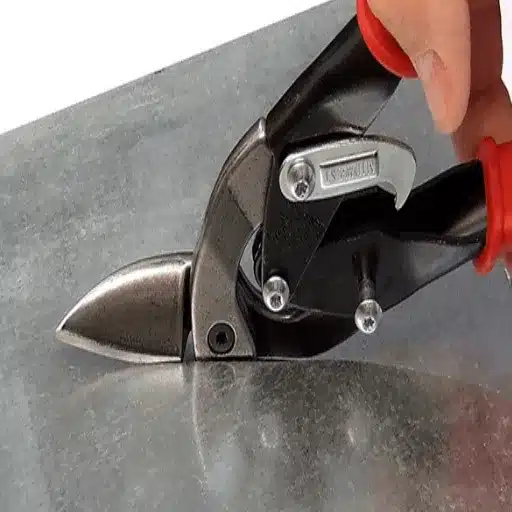
Different stainless grades demand different approaches. Here’s what changes when you switch from 304 to 316—or to duplex.
304 Stainless Steel Cutting Parameters
304 is the most common austenitic grade and the baseline for stainless cutting. Its moderate nickel content (8-10.5%) and lack of molybdenum make it more forgiving than 316.
Recommended cutting speeds:
| Method | Speed | Notes |
|---|---|---|
| Band saw | 60-80 SFPM | Use flood coolant |
| Laser (fiber) | 100% reference speed | Baseline for comparison |
| Plasma | Standard settings | Nitrogen assist gas |
| Waterjet | 200-400 mm/min | No heat concerns |
Tool life: With the carbide or high-speed steel with a bi-metal material, reasonable tool lives can be expected. Punishing a cutter with 304 in the way that it does to those with higher grades, not so much.
Post-cut considerations: Light passivation is probably recommended for excellent corrosion resistance, specifically if heat-cutting processes were employed.
316 Stainless Steel Cutting Parameters
Add 2-3% molybdenum to improve corrosion resistance, and the cutting difficulty increases significantly. 316 work-hardens faster, generates more heat, and requires more aggressive chip management.
Critical differences from 304:
- Reduce cutting speeds by 15-20%
- Increase coolant flow by 20% minimum
- Use premium tooling—standard carbide wears 30-50% faster
- Maintain positive chip loads—never let the tool rub
The problem with “dust passes”: In 316, taking light finishing passes is worse than no pass at all. The tool rubs against the work-hardened surface, generating heat without cutting efficiently. Always maintain a chip thickness of at least 0.05mm.
Real-world scenario: A marine equipment manufacturer switched from 304 to 316 for saltwater exposure. They kept the same cutting speeds and saw tool life drop by 40%. After adjusting speeds down 20% and switching to cermet tooling, they achieved better edge quality than their original 304 process with comparable tool life.
Duplex Stainless Steel (2205, 2507)
Duplex grades combine austenitic and ferritic structures, offering strength roughly double that of 316 with superior corrosion resistance. But that strength makes them challenging to cut.
Cutting characteristics:
- Aggressive work hardening—worse than 316
- Higher cutting forces required
- Premium tooling essential (cermet or advanced carbide)
- Rigid machine setup mandatory
Recommended approach: Take aggressive cuts to stay ahead of work hardening. Use climb milling only. Keep tools razor-sharp—duplex stainless punishes dull edges severely.
Success story: A chemical processor needed a 2205 duplex plate cut for pressure vessels. Initial attempts with standard plasma produced rough edges and excessive heat input. Switching to waterjet cutting eliminated heat-affected zones, producing edges that passed ultrasonic testing without post-cut machining.
Common Problems and Solutions
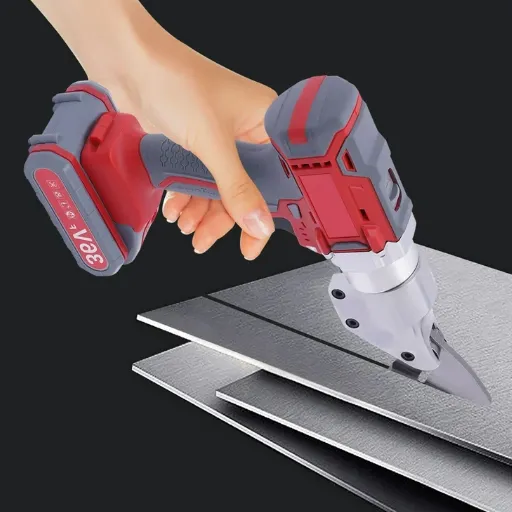
Even experienced fabricators encounter issues. Here’s how to solve the most common stainless steel cutting problems.
Preventing Heat Discoloration (Blue and Gold Marks)
These multicolored bands that appear near your cut line are not just for display purposes; they are signs of a heat-affected zone where material properties have been altered.
Causes: The cutting speed may be excessively high; the cutting tool could be touching and, without proper coolant, there may be too much pressure; that is, repeated rubbing.
Possible Remedies:
- Reduce cutting speed by 20-30%
- Increase coolant flow or switch to higher-performance cutting fluid
- Use sharp tools—dull edges generate heat through friction
- Let the tool cut; don’t force it
- For angle grinders, use thinner discs that cut faster with less heat
Do the following in case you observe any browning:
Polish lightly using sandblasting abrasive specifically designed for stainless and focused on oxide removal. Serious cases may be passivated to regain their corrosion resistance.
Avoiding Work Hardening
If the cutter suddenly hits rock bottom and advances very slowly, you’ve come across hardening work.
Prevention:
- Maintain consistent feed rates: Never slow down or stop mid-cut.
- Use adequate chip loads: The tool must bite, not rub.
- Enough coolant: Keep the cutting zone cool.
- Keep tools sharp: Dull edges work-harden the material even before cutting.
Recovery: When work hardening occurs, one cannot cut through the hardened layer with the same tool. They will either have to switch to a harder cutting material, cermet instead of carbide, or grind away the hardened zone and start over with cutting.
Preventing Warping
Stainless steel’s low thermal conductivity means heat concentrates locally, creating expansion differentials that warp the sheet.
Prevention techniques:
- Clamp strategically: Secure the sheet on both sides of the cut line, close to the cut
- Skip-sequence cutting: For multiple cuts, alternate locations to distribute heat
- Waterjet or shear: Choose cold cutting methods when flatness is critical
- Allow for expansion: Leave tabs on small off-cuts until final trim
- Post-cut stress relief: For precision parts, heat treat to relieve residual stresses
Fixing warped sheet: Sometimes unavoidable. For a thin sheet, press brake correction works. For a thick plate, heat straightening by skilled technicians can recover flatness.
Managing Burrs and Edge Quality
It is really tough to burr using the said material than other standard deburring tools.
Methods of Deburring:
- Mechanical Deburring: It proves to be very effective in rotary deburring using carbide cutting tools on accessible edges.
- Flap discs: Use aluminum oxide flap discs at 60-80 grits on angle grinders to get quick removal of burrs from big edges
- Electrochemical deburring: Electrolytically de-burrs small interior edges with very high precision without mechanical distortion.
- Tumbling: All mass finishing is done with ceramic media for obtaining uniform, rounded edges, and hence, small part finishing is possible.
Radius Edge: Many applications call for a 0.5 to 1 mm edge radius for safety reasons and good adhesion of paint. These require edge rounding and machining, or guaranteed equipment for edge rounding if production numbers are significant.
Safety Essentials
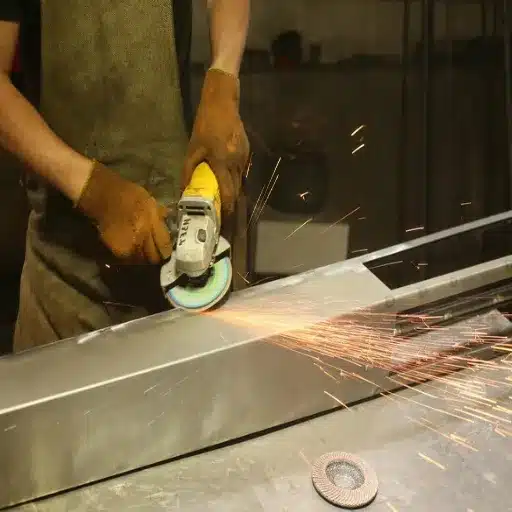
Stainless steel cutting creates specific hazards beyond standard metalworking risks.
Personal Protective Equipment
Minimum requirements:
- Safety glasses with side shields (face shield recommended for grinding)
- Heavy leather or cut-resistant gloves
- Long sleeves (welding sleeves for thermal cutting)
- Steel-toed boots
- Hearing protection (85+ dB from most cutting operations)
Respiratory protection: Stainless steel dust and fume contain chromium compounds. For high-volume cutting or confined spaces, use N95 minimum, P100 preferred. Some hexavalent chromium exposure is possible with high-heat processes.
Fire Prevention
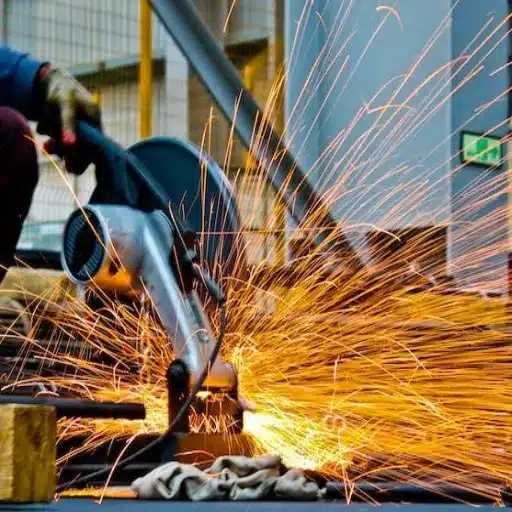
Stainless steel cutting produces sparks capable of igniting flammables up to 10 meters away.
Requirements:
- Clear a 15-meter radius of combustibles when possible
- Keep fire extinguisher (Class D for metal fires) within reach
- Watch for smoldering in adjacent materials after cutting
- Never cut near flammable liquids or gases
Ventilation
Fume extraction is essential for thermal cutting processes. Stainless steel fume contains chromium and nickel compounds that pose health risks with chronic exposure.
Ventilation requirements:
- Local exhaust ventilation at the source for stationary equipment
- Downdraft tables for plasma and laser cutting
- Minimum 6 air changes per hour in cutting areas
- Position the exhaust to capture rising fume (hot air rises)
Handling Sharp Edges
Fresh-cut stainless steel edges are razor-sharp and can cause severe lacerations.
Best practices:
- Handle cut pieces with cut-resistant gloves
- Stack pieces with cut edges facing inward
- Deburr immediately when the process allows
- Mark sharp edges with tape or paint during processing
Post-Cutting Finishing
Raw cut edges rarely meet final application requirements. Proper finishing ensures performance and appearance.
Deburring Best Practices
The process requires operators to remove burrs right after cutting because they need to prevent further work hardening.
Manual deburring: Use dedicated deburring tools with replaceable carbide blades. The tool needs to be drawn along the edge in a single direction because back-and-forth motion will create work-hardened material on the burr.
Power deburring: Flap wheels, wire brushes, and specialized deburring machines manage production volumes. The matching of abrasive strength needs to begin with 60 grit for heavy burrs and progress to 120+ for creating smooth edges.
Edge Polishing
For architectural or food-grade applications, polished edges are mandatory.
Polishing sequence:
- Remove all burrs and heavy scratches
- 80-grit sanding to unify the surface
- 120-grit to remove 80-grit scratches
- 240 grit preparation
- 400 grit final polish
- Buffing compound for mirror finish (if required)
Use stainless-specific abrasives throughout. Contamination from carbon steel abrasives embeds iron particles that will rust later.
Passivation After Cutting
The process of thermal cutting destroys the protective layer that provides stainless steel with its ability to resist corrosion. The passivation process establishes this protective layer again.
Process: The process starts with cleaning parts, which then get submerged in a nitric or citric acid solution at a concentration between 20 and 50 percent for a duration of 20 to 30 minutes. This process eliminates free iron from the surface while simultaneously restoring the chromium oxide protective layer.
When required: Passivate all thermally cut edges for marine, chemical, or food-grade applications. Mechanical cutting (shear, waterjet) typically doesn’t require passivation if the tools are clean.
When to Outsource vs. Cut In-House
Sometimes doing it yourself costs more than sending it out.
In-House Cutting Makes Sense When:
- Volume justifies equipment: You cut stainless regularly enough to keep skills and equipment current
- Tight timelines matter: External shops have queue times; in-house is immediate
- Simple geometries: Straight cuts and simple shapes don’t need CNC programming
- Quality requirements are moderate: Standard industrial finish acceptable
Outsourcing Makes Sense When:
- Precision required: Tolerances under ±0.25mm demand CNC laser or waterjet
- Complex shapes: Intricate profiles require programming and fixturing expertise
- One-off or low volume: Setup costs dominate for small quantities
- Specialized equipment needed: You need a waterjet or a high-power laser occasionally, not daily
- Quality certification required: ISO-certified shops provide documentation you can’t generate in-house
Cost structure: When taking into account the equipment, training, maintenance, and costs associated with scrap generated, costs associated with outsourcing would typically run at between 30-50% less when compared to doing it in-house. Breakeven time usually lies between annual cutting times of one hundred and two hundred hours.
Looking for precision-cut stainless steel with full material certification? Contact our engineering team for custom cutting services →
Conclusion
The road to successful stainless sheet cutting is through matching the method to the material, thickness, and quality requirements. It is necessary to pick correctly, as it would lead to wastage of material and time. On the contrary, the right choice needs minimal post-processing of very straight edges.
Key takeaways:
- Match cutting method to thickness: manual tools under 3mm, power tools 3-12mm, industrial processes beyond
- Respect grade differences: 316 cuts 20% slower than 304; duplex demands premium tooling
- Control heat to prevent blue marks and warping
- Never let tools rub—maintain positive chip loads to avoid work hardening
- Post-process edges for safety and corrosion resistance
- Know when to outsource—precision and complex shapes often justify external expertise
Whether you fix one piece of the object or you have to prepare several thousand parts, the following basics won’t change: Know the material. Choose your weapons. Make an incision with intent.
Ready to source precision-cut stainless steel for your next project? We deliver certified materials cut to your exact specifications—304, 316, duplex, and specialty grades with full documentation and tight tolerances. Request your quote today →