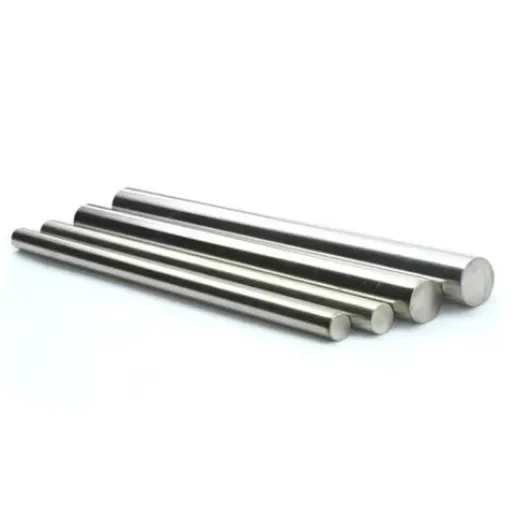
Nickel alloys and superalloys are the silent champions of modern engineering, being extremely important in the industries of aerospace, power generation, and others. Their incredible resistance to high heat, corrosion, and abrasion makes them unavoidably used in the most rigorous places. But what exactly is the source of these superalloys’ extreme properties and how are they designed to cope with the demands of modern cutting-edge applications? This article will take you to the interesting realm of high nickel alloys and superalloys revealing their specific composition, the physics behind their toughness, and why they are not only a force in technological and industrial growth but also a factor of great change.
Introduction to Nickel-Based Alloys
Overview of Nickel Alloys
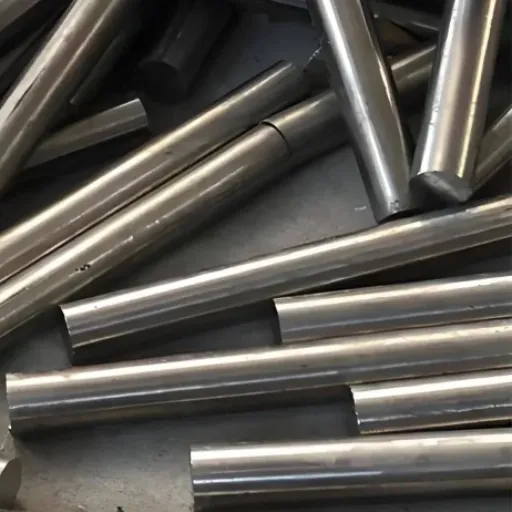
Nickel alloys possess exceptional mechanical properties and resistance to harsh conditions thus becoming the mainstay of various industries. The composition of these materials generally consists of a large proportion of nickel plus other metals such as chromium, iron, molybdenum, and cobalt, the utilization of which is also major application areas where high temperatures, corrosive environments, and mechanical stresses take place.
One of the major advantages of nickel alloys is their corrosion resistance. Reports show that Monel and Hastelloy are some of the alloys that can last very long in extreme acidic or marine environments which at the same time make them perfect for the chemical processing and marine engineering sectors. Monel 400 is one of the examples of nickel alloy that is predominantly composed of 63% nickel and is thus highly resistant to seawater corrosion and is therefore used in desalination and shipbuilding.
Significance in Various Industries
1
Aerospace Industry
Nickel alloys are extensively used in the aerospace sector, mainly jet engines, turbine blades, and other high-temperature parts. Nickel-based superalloys are heat and stress-bearing materials and are thus the backbone of the aircraft performance and safety. According to a report by MarketsandMarkets, the aerospace materials market including nickel alloys is projected to grow from $18.5 billion in 2020 to $24.5 billion by 2025 and mentions fuel-efficient engines and new aircraft technologies as the market drivers.
2
Energy and Power Generation
Nickel alloys have been the mainstay of the energy sector when it comes to the design and operation of power plants (nuclear as well as fossil-fuel plants) with the greatest efficiency. Their excellent resistance to thermal fatigue, oxidation, and corrosion make them suitable for use in boiler tubes, heat exchangers, and steam turbines. In addition, there are examples of increased use of nickel-based alloys in renewable energy technologies such as wind turbines and geothermal systems, which, in turn, highlight their role in the transition to cleaner energy.
3
Automotive Industry
The advent of electric vehicles (EVs) has brought nickel back into the limelight because of its critical role in recharging lithium-ion batteries. High-nickel cathodes not only proffer extended battery life but also possess the ability to store more energy, hence, their contribution to the performance of EVs is undeniable. A projection by BloombergNEF says that the demand for nickel in EV batteries could rise to more than ten times its current level by 2030 as a result of the manufacturers’ focus on efficient and sustainable battery technologies.
4
Oil and Gas Sector
Nickel alloys have found widespread applications in pipes, valves, and offshore drilling equipment in the oil and gas industry due to their capability of working in extremely difficult conditions, such as coming into contact with corrosive fluids and being under high pressures. As a result, this has made it possible to explore and produce in deeper and more challenging areas and at the same time has ensured the dependability of the critical infrastructure.
Typical Elements in Nickel-Based Alloys
Nickel and Its Role
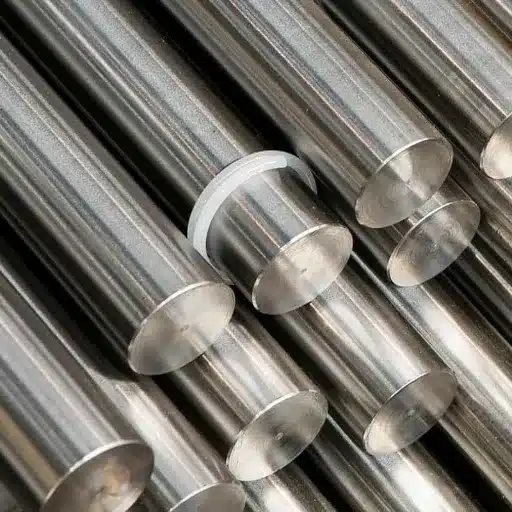
Nickel is one of the metals that possess a set of unique properties, so it is used extensively in many industries, mainly due to its good resistance to corrosion, high-temperature strength, and the fact that it can be alloyed with other metals. The biggest part which is approximately 68% of the total nickel produced in the world goes to stainless steel production, which is the most durable and highly resistant to oxidation metal. Among nickel-based superalloys like Inconel and Monel, the highest performance and toughest work conditions are the aerospace, energy, and chemical sectors where such materials are actively used.
Key Statistics
- 📊 Global nickel output in 2022: approximately 3 million metric tons
- 🌏 Indonesia is the largest supplier: 1.6 million metric tons
- 🔋 Projected additional demand from EV battery market by 2030: up to 500,000 metric tons per year
Nickel production statistics for the year 2022 have indicated that the global output of nickel amounted to about 3 million metric tons, with Indonesia being the largest supplier boasting 1.6 million metric tons of the total. Therefore, the demand for nickel is increasing not only in traditional sectors but also in new ones. One such new market is electric vehicle (EV) batteries, which require using nickel as one of the main elements in lithium-ion batteries; thus, it will remain in demand for quite a long time. Some sources predict that the additional demand for nickel from the electric vehicle battery market may reach up to an additional 500,000 metric tons per year by 2030.
Chromium: Uplifting Corrosion Resistance
Surprisingly, chromium is, and it is in that order, a very important element in every industry giving the very reason to its production. While it still is its best consumer, it must be mentioned that the metal that is present in very tiny proportions, less than 10% mainly, as alloying element in the stainless steel, adds to the life of the material by making it stronger and more durable, and at the same time, the steel gets protection against the elements. Thus, stainless steel that usually consists of 10.5% to 30% chromium is said to be a luster and corrosion-free due to this requisite metal.
Construction, automobiles, and aerospace are the main sectors driving the global chromium market. Recent reports indicate that the stainless steel market will experience a compound annual growth rate (CAGR) of approximately 5.2% from 2023 to 2030, which will consequently greatly increase the demand for chromium. Moreover, along with chemicals, chromium compounds are also used in surface coatings where protection against rust and chemicals lasting for a long time is required, which is the case in harsh industrial environments.
Types of Nickel-Based Alloys

High Nickel Alloys and Their Applications
High nickel alloys belong to a unique group of materials that can conduct effectively under the most difficult situations. Usually associated with chromium, molybdenum, and iron, the nickel-rich composition of these materials not only results in significantly improved mechanical properties but also imparts anti-corrosive characteristics. The unique properties of high nickel alloys have made it possible for their application in a broad range of industries, e.g., beyond the usual aerospace, chemical processing, marine, and power generation industries.
As an example, Inconel 625, a superconductor alloy that is widely known, contains nearly 58% nickel and has been rated very high in terms of its resistance to oxidation and corrosion, thus making it suitable for jet engines, seawater pumps, and chemical reactors. Besides, another available alloy, Hastelloy C276 wand nickel content of over 57% is strongest in the chemical environments and even in the acids of hydrochloric and sulfuric acid.
Nickel-Copper Alloys
Nickel-copper alloys or cupronickel are unrivaled in terms of corrosion resistance and are considered the best for marine applications. The basic composition of these alloys includes nickel and copper in addition to a small percentage of the elements iron and manganese, that is, a little bit of iron and manganese may be added to improve their performance. The most common alloy is cupronickel, which consists of 70% copper and 30% nickel, but there are other similar alloys that are different because of the specific application.
Being the best in terms of corrosion resistance and thermal conductivity, nickel-copper alloys are now being used in the industries like shipbuilding, desalination plants, and chemical processing, etc. The situation is such that nickel-copper alloys have become the top choice for seawater piping systems, condenser tubes, and heat exchangers where both corrosion resistance and thermal conductivity are critical. According to the newest report, the 90-10 cupronickel (90% copper, 10% nickel) is among the best-performing cupronickel grades and lasts more than 20 years in an extremely marine environment which makes it a cost-efficient choice as compared to conventional metals.
Benefits and Applications of Nickel Alloys
Aerospace Applications of Nickel Alloys
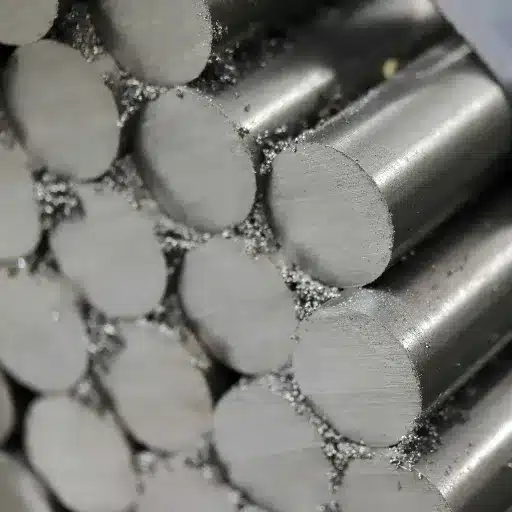
Nickel alloys are the most significant materials used in the aerospace industry since they possess remarkable mechanical and thermal properties. All these materials being indirectly and directly used in jet engine construction, turbine blades, exhaust, etc., have one thing in common high-cost. For instance, superalloys based on nickel, such as Inconel and Hastelloy, are those that never lose their strength and structural integrity even at 1,000°F (538°C), which is the operating temperature for high-performance aerospace.
⚠️ Important Fact: Studies published in recent times have given a figure that almost half the weight of state-of-the-art jet engines is made up of nickel-based alloys.
Studies published in recent times have given a figure that almost half the weight of state-of-the-art jet engines is made up of nickel-based alloys. Their role is not limited to that of fuel efficiency only, as they also contribute to emission reduction by enabling the development of jet engines that can operate at higher and more pressurized conditions. One notable example would be the production of single-crystal turbine blades that use nickel superalloys because of their excellent resistance to creep under very high thermal loads and therefore, very long life.
Chemical Processing Industries
Nickel alloys are the mainstay of the chemical processing industry as a whole, thanks to their amazing properties of anti-corrosion against acids and high temperatures, in addition to being able to withstand chemicals. The industry is continuously utilizing these materials to prevent damage to its equipment thus maintaining the smooth and efficient running of the operations. An example of this is where nickel-based alloys like Hastelloy and Inconel are involved in the cooling water system, not only the reactor but also the pipes that connect reactors.
Estimated figures predict that the market for a variety of corrosion-resistant alloys, especially nickel alloys, will expand at a rate of 4.3% (CAGR) until 2028 over the next decade. The main driver for this growth is the trend towards industrialization coupled with the growing demand for high-performance materials in such applications as the petrochemical, pharmaceutical and specialty chemical industries among others. Furthermore, the use of these materials in processes requiring high pressure and high temperature is on the rise due to the new technologies being developed in chemical processing.
Recent Advancements in Nickel Alloy Compositions

Innovations in Alloy Development
The latest improvement of nickel alloys has led to a huge rise in their performance and that has been a significant advantage for many industries. Moreover, the application of different cutting-edge manufacturing methods like powder metallurgy and additive manufacturing is allowing the sector to come up with the very specific alloys with the microstructural traits that are being monitored very carefully. A case in point is the use of alloying elements such as molybdenum, chromium, and so on which have rendered corrosion resistance even the most demanding environments to be no problem at all.
🔬 Research Highlight
The research gives acid-resistant loudspeaker materials report about the lowest corrosion of 0.05 mm/year for high-performance nickel-based alloys like Hastelloy C-22 and others. This is an excellent replacement for the normal stainless steels.
The research gives acid-resistant loudspeaker materials report about the lowest corrosion of 0.05 mm/year for high-performance nickel-based alloys like Hastelloy C-22 and others. This is an excellent replacement for the normal stainless steels. Besides, the investigation on nanostructured nickel alloys has been promising concerning their mechanical properties, particularly tensile strength and fatigue resistance. These kinds of alloys are said to tolerate even 50% more stress than the traditional ones thus making them perfect for the critical areas of aerospace and nuclear where their traits would be in demand the most.
Trends in Alloy Compositions
The developments in alloy compositions that have taken place over the past couple of years have resulted in trends that were previously solely based on changing industrial needs and sustainability goals. The most prominent trend that has arisen is the increased demand for super-alloys of best quality especially those containing nickel, cobalt, and titanium for use in aerospace and power generation. For instance, the market for superalloys is expected to be valued at $12.5 billion by 2030, with an annual growth rate of 8.2% from 2023 to 2030. The major reason behind this growth is the heat and corrosion resistance of these materials which are critical for extreme environments.
Give the booming trend, it seems that there will gradually be a transition to the use of aluminum and magnesium alloys which will be light in weight and fit for the automotive and transportation sectors so as to accomplish an overall reduction in vehicle weight and improved fuel efficiency. The global transition to electric vehicles (EVs) is the most important reason for this as their manufacturers are constantly looking for new alloy materials to be able to attain the best battery performance and range.
Reference Sources
-
ScienceDirect: This source provides an overview of nickel alloys, including specific compositions like Permalloy, which contains 80% nickel, 15% iron, and 5% molybdenum. It discusses various applications and material properties. Source link
-
MDPI (Metals Journal): This article reviews the progress in composition optimization for nickel-based single crystal superalloy design, focusing on recent advancements in alloying elements and their effects. Source link
Frequently Asked Questions (FAQs)
❓ Superalloys: What are they, and how does nickel-based composition define them?
Superalloys are a group of metal and alloy types that include cobalt and nickel based metals and alloys with the highest performance. They were made for super-resistance to oxidation and mechanical strengths at very high temperatures, which means they can be used in the aerospace industry, gas turbines, and power generation. The chemical formulation of a nickel-based superalloy usually has nickel as the major component along with chromium, iron, cobalt, aluminum, and other components in small amounts.
❓ How the metal – selection impacts resistance to corrosion and oxidation in nickel-chromium-iron alloys?
The quantity of nickel and chromium in nickel-chromium-iron alloys (e.g. alloy 600 and alloy 800) considerably influences the extent to which corrosion and oxidation resistance are obtained. Nickel adds ductility and toughness, while the protecting oxide layer created by chromium prevents pitting and crevice corrosion in many alloys used in the chemical and process industries. Alloy 59 and alloy 400 are widely known nickel alloys selected for certain corrosion and oxidation resistance where composition consists of nickel and varying amounts of iron and chromium.
❓ Why is pure nickel or wrought nickel like nickel 200 specified for some applications?
Pure nickel (e.g., nickel 200) and wrought nickel are great conductors of electricity and heat, have excellent corrosion resistance in many environments, and are fairly ductile. Wrought nickel is the material of choice when fabrication, forming, and deformation are involved as the physical properties and grain boundaries ensure reliable mechanical behavior. In certain forms, pure nickel is not magnetic at room temperature and its low thermal expansion and chemical composition make it suitable for installation where dimensional stability and high resistance to corrosion are required.
❓ What are the different types of nickel alloys available and how do the alloy families differ?
Nickel alloys comprise nickel-chromium alloys, nickel-iron alloys (nickel-iron), nickel-copper (e.g., alloy 400), cast alloys, and wrought nickel products. While some alloys are austenitic with high ductility others are superalloys that have been engineered for strength at high temperatures. Then there are the cast alloys for places where complex shapes are needed, while wrought alloys will be used for forgings and sheets.