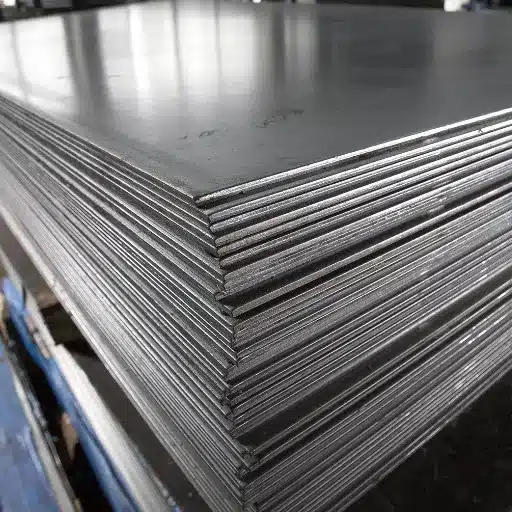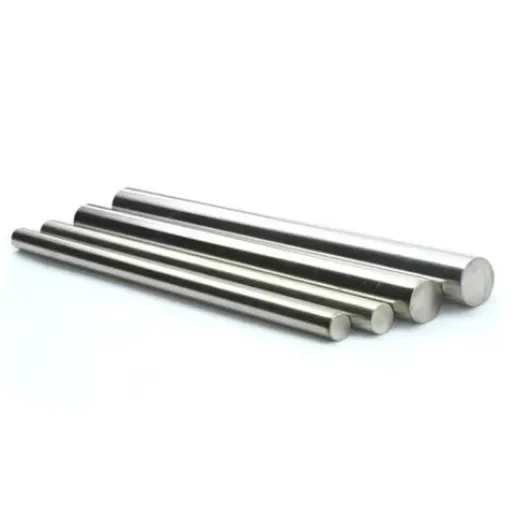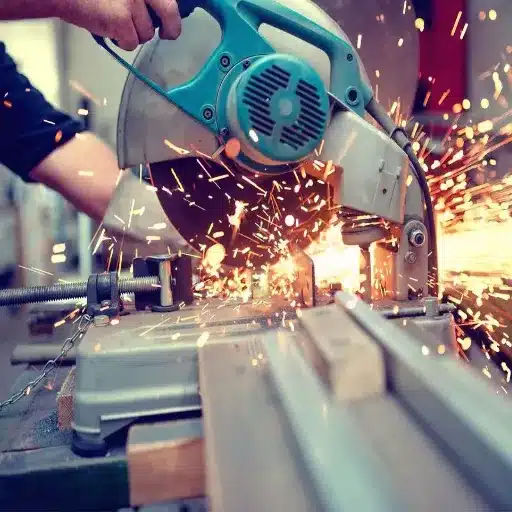
Stainless steel sheet cutting is essential in industry, construction, and other fields and requires a high level of accuracy, skills, and, more importantly, special equipment to perform the job. It doesn’t matter whether you are an expert in the field or a mere aspirant; understanding how to cut stainless steel can enable one to remain on time, avoid wastage of materials that lead to errors, and also ensure the manufacturing of good quality. This page gives detailed consultation information as to which tools should be used and, most importantly, how to make the cut. There will also be some possible ways to make working with this material simpler and safer. Count as 4 paragraphs? There are 4 paragraphs in this text. Read this article, and that will let you know if you want to increase the level of mastery in the definition of stainless steel cut.
Overview of Stainless Steel Cutting
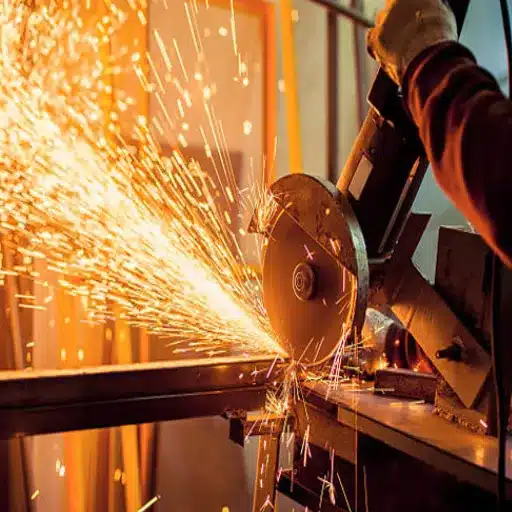
What is Stainless Steel?
As the name suggests, stainless steel is an ‘alloy’, or mixture of several metals, and out of that, iron takes the lion’s share of the composition to up to most likely more than 10.5% of chromium, this type of corrosion resistance being common with paints and stains. One of the merits of using this material is that the presence of Chromium enhances the surface of steel once in contact with corrosive materials, by forming a flexible film. The stainless steel cut differently regarding its compositional percentages of the elements could also contain some elements, such as nickel, molybdenum, nitrogen, among others, to help it maintain its properties, including tensile strength, structural resistance, and bearings where necessary or generally.
Stainless steel plates can be classified into five main groups depending on the type and due to their crystalline structure. These include austenitic, ferritic, martensitic, duplex or precipitation hardening. 304 and 316 meet the austenitic stainless steels with many reasons why they would be used more than others, having to do with preserving ductility and resistance to environmental wear of elements. Since 304 stainless steel contains chromium at around 18% and nickel at approximatel y 8% in its proportions, it is used for making cookware, in the construction industry, and other applications. In contrast, the structure of 316 stainless steel is canceled since it contains a 9:2% molybdenum, and a very high stress environment, such as salt water, is expected, making it appropriate for ships, among other uses.
As a whole, 2022 global stainless steel production produced 58.3 million metric tons, illustrating how steel-cut structures are being used more than was thought possible. As people know, replacing plastic tumblers and spoons with stainless steel cups and spoons, plastic car parts with steel parts, or plastic car bodies for steel parts or car bodies, which are recyclable – steel is very high up in all the sectors – construction, vehicles, including aircraft, and other medical equipments etc. On top of that, long operation life and the fact that it does not necessitate sophisticated maintenance are the benefits that, in principle, allow us to maintain such habits in the future as well, and ecology-labeled habits in this case.
Properties of 304 Stainless Steel
Widely known for its excellent corrosion prevention and capability of being molded into shapes, tastes, and forms, 304 stainless steel is one of the austenitic stainless steels. Such a property is achieved by approximately 18-20% and 8-10.5%, respectively, of metal content, although carbon percentage is additionally higher in the said alloy, given realistic temperature ranges of applications, wet conditions, acidic, and oxidative types of environments.
- Corrosion Resistance
It is worth mentioning that austenitic stainless steel is quite established in the stainless steel cut 304 grade, which, as the results of the investigation suggest, enjoys its development in such a way as to encounter weatherably corrosive environments. In this regard, it is hence very common in the food industries that involve chemical storage plates and kitchen articles. This material stands up well to such conditions, and does not suffer from the living environment enhanced value for chlorine-containing water, but it is not so in the case of interaction with chlorides. The latter containment is quite low, in contrast to other types of stainless steel, which hold less chromium, such as 316. - Strength and Ductility
The ductile strength of 304 stainless can attain as high as 505 MPa (73,200 psi), with a yield strength that almost reaches 215 MPa (31,200 psi). Therefore, in a quick conclusion, it meets the minimum structural demands. With its impressive proportions of strength to weight, it finds a wide range of applications in advanced construction and the point is that even the most complicated structures can be manufactured without any problem. - Usage and Related Market
Type 304 stainless steel has excellent wettability and workability, especially applicable in these sectors of the industry: Construction, Building, and Installation, Machine Building, and shipbuilding. This is because almost complete corrosion in such carbon steels can be achieved with the material without having to further! whatever weld or turn the metal. Also, according to the statistics, 304 is the most used amongst stainless steel, and this means that it has several applications and it is very effective. For instance, in 2022, the worldwide consumption of stainless steel grew in kitchenware, bringing about an increase in the demand for stainless steel cut to the size of 304 because this steel is not brittle, and even the safety issues can be explored. - Environmental Sustainability
Other than its appearance and utility, the advantages of 304 stainless steel include recyclability. Based on industrial reports, nearly ninety percent of stainless steel from the CRS is accounted for as recycled. That means there is a low propensity for waste disposal, and thus carbon dioxide and harmful gases are minimized through the life stages of stainless steel cut manufacture. Additionally, the material comes with a premium use notion, which extends the use of the material, promoting industrial green architecture.
It is not surprising that 304 stainless steel always attracts steel consumption in various sectors; that is, effective and durable steel that is also environmentally sound.
Applications of Cut Stainless Steel Sheet
Precut SS cut sheets are employed in different subdivisions of the economy because they are adaptable, strong, and eco-friendly. The following sections list notable uses with examples and detailed explanations in the form of data:
- Construction and Architecture
Stucturally pre cut sheets of SS are used mainly in construction works in the form of claddings, roof sheets, as well as decoration. Such structures are recommended for high-rise buildings and facade coverings thanks to their high-performance corrosion resistance as well as high decorative output. For example, it is depicted that every market report out there states that the world market for stainless steel cladding was more than five billion USD in 2022 and this can be explained by the increasing trend for sustainability in the construction industry. - Automotive Industry
Manufacturers of car parts use stainless steel sheets for the purpose of making parts like exhaust systems, trim components, and structural elements. Meanwhile, Type 304 maximizes performance in terms of exposure to weather and temperature decay. At this time, the identified trend is that the utilization of stainless steel in the automobile industry should increase by 4% per annum because of the need for light weighting and resilience, which is a factor nowadays. - Food Processing and Medical Equipment
Stylistically, cut sheets made of stainless steel are used for the production of food-related equipment such as countertops, cabinets, and handles. As well, it is worth noting that in the medicine industry, their use in the production of surgical instruments and medical devices is made in order to maintain sterility. According to some studies, at least 40% of surgical instruments manufactured globally are made of stainless steel. - Chemical and Energy Sectors
Corrosive industries, e.g., chemical or energy, necessarily use stainless steel sheets. Extreme environments involve using acids, alkalis, high pressure, and other harsh environments. In such a scenario, these materials are used. As an illustration, most heat exchangers have stainless steel cut and fitting components inside them, and the latest market reports suggest that the expansion of the respective business will yield another $1.7 billion over the next five years. - Consumer Goods and Electronics
For consumer products, e.g., white goods or kitchen equipment and electronics, stainless steel sheets become popular due to their smooth finish. The demand for applications of stainless steel in construction has further soared due to the spiking number of smart home devices. This specific area annually grows by around 6 percent, with more buyers attracted to the products that offer aesthetic value and durability.
Cut stainless steel sheets are extensively used because they demonstrate versatility and they do last long; that is why they are still relevant in the majority of the areas, excluding these and even more fields. This continued demand indicates how important they are to existing sectors as well as those that are growing.
Common Methods to Cut Stainless Steel
Laser Cutting Techniques
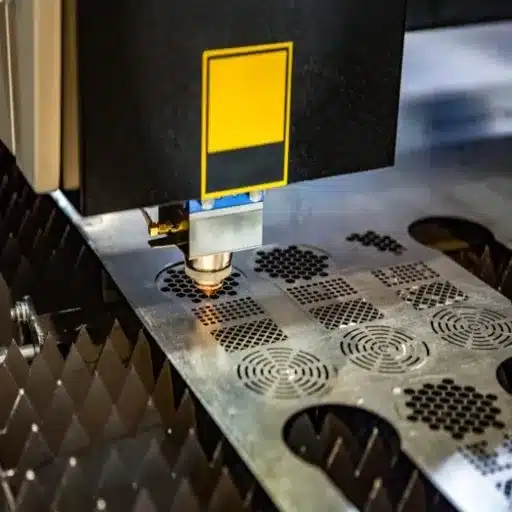
The laser cutting method offers industrial facilities an efficient and accurate technique to cut stainless steel sheets because it produces superior results through its versatile cutting methods. The process uses concentrated laser beams to destroy stainless steel, which produces precise cuts that result in little material loss. The current research shows that laser cutting achieves accuracy levels of ±0.003 inches, which makes it suitable for use in applications that require high precision work, such as aerospace manufacturing and medical device production, and electronics development.
The latest developments in laser technology have resulted in faster cutting capabilities. Fiber lasers, which have become more popular than CO2 lasers, can cut through thin stainless steel sheets at speeds reaching up to 20 meters per minute when cutting 1 mm thick sheets. These lasers also operate with reduced energy usage because they consume up to 50% less power than standard CO2 lasers, which results in lower operational costs and enhanced environmental performance.
Laser cutting provides another benefit because it can be used to process different stainless steel thicknesses. The industrial laser system requires high-power capabilities to cut 30 mm-thick materials while delivering high-quality edge results. The new automated laser cutting systems use real-time monitoring combined with AI performance optimization tools to improve their operational accuracy and production efficiency. The advancements in laser cutting technology have become crucial to modern manufacturing processes.
Using Circular Saws for Stainless Steel
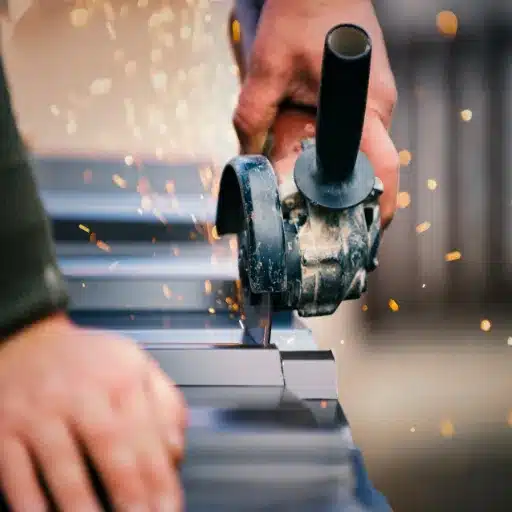
Circular saws work effectively as cutting tools for stainless steel since operators need to cut thin sheets of metal through their small cutting tasks. The saws use special blades which enable them to cut stainless steel because their carbide-tipped and diamond blade construction allows them to withstand the metal’s extreme hardness and toughness. Circular saws produce accurate cuts, which result in lower material deformation and reduced burr formation when used in the correct manner.
Fresh information shows that blade technology enhancements lead to improved performance and extended durability. The current generation of carbide-tipped blades allows operators to achieve cutting speeds of 150 meters per minute while maintaining blade sharpness throughout extended operational periods. Manufacturers have created blades that enable cutting operations that range from 0.5 mm to 8 mm thickness, which meet the industrial requirements of different sectors.
Circular saw operators need to maintain proper safety protocols and use correct techniques when cutting stainless steel. Operators should apply lubricant or coolant spray to their equipment because this practice helps prevent excessive heat that would damage both the blade and the steel material. The cutting process achieves better results because operators use these tools together with clamping systems, which provide enhanced stability during operation.
Plasma Cutting: Pros and Cons
Plasma cutting serves as an efficient technique that enables precise and rapid stainless steel cutting, together with other metal cutting tasks. The process utilizes plasma, which functions as an electrically conductive gas to produce sufficient heat that enables it to melt through various metals. The method has industrial applications because it enables efficient cutting of materials that have different thickness levels.
1. Pros of Plasma Cutting:
- Versatility: Plasma cutters can handle a wide range of materials, including stainless steel, aluminum, and carbon steel, with thicknesses typically ranging from 1 mm to over 50 mm, depending on the equipment used.
- Speed: Plasma cutting is significantly faster compared to other methods like oxy-fuel cutting, reducing production time in industrial operations.
- Precision: Modern CNC plasma systems enable passage through exact cuts that create narrow kerf spaces while using smaller amounts of material.
- Cost-Effective for Medium Thicknesses: Plasma cutting achieves maximum cost savings when applied to medium-thickness metals, which measure between 5 mm and 30 mm.
- Minimal Heat-Affected Zone (HAZ): The process uses focused heat to create a heat-affected zone, which causes less distortion in nearby materials, thus maintaining the workpiece’s original shape.
2. Cons of Plasma Cutting:
- Limited Thickness Capability: Plasma cutting excels at cutting medium-thickness metals but it cannot handle materials that exceed 50 mm in thickness because water jet and laser cutting methods outperform it.
- Higher Operational Costs: Plasma cutting systems require a power source, consumable electrodes, and gases, which can add to operational costs over time.
- Maintenance Requirements: Plasma cutters require regular maintenance to ensure optimal performance, including replacing consumables such as nozzles and electrodes.
- Noise and Fumes: The process generates both noise and fumes, which create a need for workers to use proper ventilation systems and personal protective equipment (PPE) for their safety.
- Surface Finish: The technique achieves high precision, but the resulting surface finish requires extra post-processing work to eliminate dross and enhance smoothness.
Current Industry Trends and Data:
- Recent studies show that plasma cutting technologies have developed energy-efficient systems that allow some machines to achieve 80% better electrical performance than their previous models.
- The global plasma cutting market is projected to grow at a CAGR of 5.7% from 2023 to 2028, driven by demand from automotive, construction, and heavy machinery sectors.
- Advanced CNC plasma cutters now feature enhanced automation capabilities, which create uniform outcomes while decreasing the need for operator involvement.
Plasma cutting remains a powerful and reliable option for metal cutting, but understanding the specific project requirements and weighing the pros and cons is crucial when deciding on the appropriate cutting method.
Essential Tools for Cutting Stainless Steel
Best Cutting Tools for Stainless Steel Sheet
The need to use specific cutting tools, which manufacturers created for stainless steel materials that resist corrosion and endure long-term use, exists when stainless steel sheets require cutting. The following list provides the most effective equipment, together with complete performance studies of each tool.
- Plasma Cutters
Plasma cutters remain the preferred choice among users because they deliver precise and clean cuts for stainless steel materials. Advanced CNC plasma cutters present evidence that they can achieve 20-inch-per-minute cutting speeds through 1-inch-thick stainless steel sheets while cutting ¼-inch-thick sheets. The method provides high operational efficiency, which makes it suitable for use in industrial environments. - Laser Cutters
Laser cutting provides an efficient method to create complex patterns together with clean boundaries on stainless steel sheets. The newest CO2 and fiber laser cutters can cut materials with a precision of +/- 0.004 inches. The machines allow users to cut stainless steel materials that reach ½ inch thickness, thus they serve as vital equipment for industries requiring precise work in aerospace and automotive manufacturing. - Angle Grinders with Stainless Steel Discs
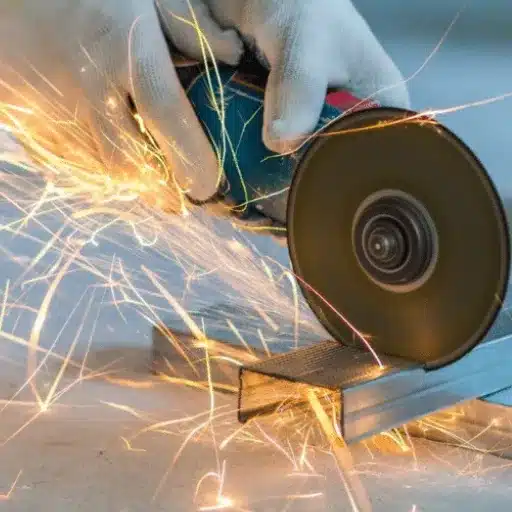
The best equipment for performing small stainless steel cutting tasks exists in angle grinders that utilize stainless steel cutting wheels. The machines provide a portable solution for cutting, which operates effectively on sheets that reach ¼ inch thickness, although their performance does not match the effectiveness of plasma and laser cutters during big projects. The tools operate at cutting speeds that range from 6,000 RPM to 11,000 RPM based on their specific tool design. - Band Saws
Band saws, which operate with bi-metal blades designed for stainless steel materials, serve as suitable equipment for stainless steel sheet cutting. The equipment performs effective straight cutting operations because it can handle materials that weigh up to one inch. Band saws now contain automatic feeding systems, which enable them to produce identical cutting outcomes from their cutting process. - Mechanical Shears
The equipment operates as metal cutting tools that use two blades to create precise straight cuts through various sheet metal materials. The equipment functions through the use of two cutting blades, which work together to create straight cuts on metal sheets. The device operates through two blades that work together to produce precise straight cuts on metal sheets.
Each method possesses its unique benefits, and users must select between different tools according to three specific criteria, which include material thickness and required precision, and project size. Users can achieve optimal results with stainless steel sheets by using advanced machinery together with their specific task requirements.
Choosing the Right Saw Blade
The process of selecting an appropriate saw blade to cut stainless steel sheets needs to be done correctly because it directly affects the quality of the cutting work. A blade exists to cut this material because its design supports metal cutting operations. The construction of blades uses carbide and diamond materials, which deliver exceptional durability and precise performance.
Recent industry research indicates that carbide-tipped blades have become the preferred choice because they maintain their sharpness during extended use to produce smooth cutting results. The recommendation for blade design states that blades should contain 80 teeth to achieve optimal results by reducing burr formation and edge roughness. Advanced manufacturing technology has developed special coatings that use materials like titanium and aluminum oxide to provide heat resistance and preserve cutting performance during extended operations.
The appropriate tooth-per-inch (TPI) rating for applications that use thinner sheets requires a range between 14 and 18 TPI. The appropriate TPI range for blade selection requires lower TPI values when handling thicker sheets to enable proper material removal. Studies show that cutting speeds between 200 and 300 surface feet per minute (SFM) maintain optimal conditions because they prevent overheating, which could damage the structural integrity of stainless steel. The application of proper coolants leads to improved blade performance, which helps extend the operational life of the blade.
The selection process of saw blades requires users to examine multiple factors, which enable them to find a blade that matches their project requirements while achieving maximum operational efficiency and waste reduction.
Using Angle Grinders Effectively
Angle grinders function as multi-purpose tools because they enable users to cut, grind and polish materials, which makes them essential for multiple tasks. The process requires the selection of the correct disc, which matches the specific work requirement to achieve both optimal results and safe operation. Metal cutting discs deliver precise metal cutting capabilities because their design enables accurate metal cuts. Diamond blades serve as the best choice for cutting through masonry and concrete materials.
The operation of an angle grinder requires users to maintain their grinding work at the correct operational speed. Most grinders allow users to adjust their speed between 5000 and 11000 RPM. Higher RPM speeds improve cutting performance, while lower RPM speeds enable effective polishing because they prevent material from overheating.
The research demonstrates that correct safety equipment usage needs to be followed when operating angle grinders. About 25 percent of angle grinder injuries occur because people do not handle the equipment properly and they lack proper protective gear. The best way to lower risks from flying debris and sparks requires workers to use safety goggles and gloves, plus a dust mask.
The angle grinder works best when operators sustain its position at 15 to 30 degrees because this angle prevents uneven disc wear and protects against excessive material loss. Regular maintenance practices, which include cleaning the grinder vents and checking that the disc connection remains secure, enable users to extend their equipment and component lifespan.
Through their understanding of these elements, users will achieve optimal work performance, which guarantees their safety and boosts their work efficiency.
Best Practices for Cutting Stainless Steel
Preparing the Work Area
The work area requires organization and preparation before any cutting project starts with stainless steel. The workspace needs to be kept clean while having proper lighting and being devoid of any materials that can catch fire because cutting operations produce sparks, which create fire hazards. The workpiece needs to be secured through clamping or holding methods which will stop any movement during the operation to achieve precise work and safe execution. Recent information shows that utilizing a stable workbench or a vice leads to optimal performance results for users.
The process needs proper ventilation because harmful fumes from stainless steel cutting become dangerous when people breathe them. The Occupational Safety and Health Administration (OSHA) recommends that workers limit their exposure to these fumes at levels below the permissible exposure limit (PEL). The two methods of providing adequate airflow and using local exhaust ventilation systems decrease worker exposure levels.
The selection of appropriate personal protective equipment (PPE) needs to receive equal importance. The latest research shows that workers need to wear safety goggles and face shields, heavy-duty gloves, and hearing protection to protect themselves from sparks, flying debris, and cutting equipment noise. Users can decrease accident occurrence through work area preparation and safety guideline compliance, which leads to improved results and increased precision during work operations.
Setting Up Your Cutting Tools
The proper establishment of cutting tools needs to occur because it establishes both work efficiency and protection. Tool examination requires initial inspection to detect any existing wear or damage. The latest research shows that nearly 30% of machining inefficiencies result from dull cutting tools and poorly maintained tools, which also heighten accident risks. The process requires you to sharpen blades, drill bits and all cutting edges before you can use them and maintain their correct alignment to reduce the chances of uneven cuts and tool failures.
The process requires you to attach cutting tools to their designated machinery with strong binding methods. A tool that remains unsecured during operation will start to move around, which causes the operator to make wrong cuts while facing dangerous situations. The process requires you to secure all bolts and fasteners according to the manufacturer’s specifications and then execute a second verification of alignment by using precision measurement equipment, which includes calipers and dial gauges.
The process requires you to maintain a tidy and systematic workspace. Studies show that cluttered environments contribute to over 20% of workplace accidents involving tools. Tool organizers should function as storage systems for spare blades and bit sets while providing sufficient space to move materials without encountering any hindrances.
You need to perform both calibration and testing of tools before you initiate your work. The contemporary cutting tools contain advanced features that allow users to select automatic settings and adjustable speeds that provide better cutting precision. The calibration process requires adjustments to these settings, which optimize performance for the specific material under construction because improper calibration leads to both poor results and equipment malfunction.
The process of cutting tool setup requires you to spend time on proper procedures, which will create two benefits. The first benefit extends your equipment lifespan, while the second benefit improves operational efficiency and decreases workplace danger.
Maintaining Precision and Clean Cuts
Making a perfect cut depends on one’s knowledge of the changes and present shift of the industries and incorporation of technological advancement of old subsistence. Nevertheless, everyone knows and understands the significance of the fact that such equipment in the current market are laser driven and horrendous pieces of reciprocating equipment like these have to be used in order to cut precisely. As for the laser cutting, which is one of the most recent of this type of recorded disinclination to protection of cutlines, borders have increased by up to 40 percent since the space is purchased. It is also the cause for the disruption in today’s technology, whereby you can easily buy CNC machines with a laser cutting accuracy that does not exceed 0.001”. These are areas where a lot of terminals are in the aerospace and automotive industries. Today, there are also some variations of stainless steel cut interior elements, although this construct allows for cut and form reform in a more advanced line.
Most importantly, the composition and the hardness of a material being cut are additional factors that must be addressed. Although the necessary modification has already been made due to the high-speed metal or carbide blade containing cutting tool, the inclusion of a more delicate such tool as diamond has forced the use as many as twenty of them. Therefore, it should be mentioned that this action involves lubricant, for this kind of operation cannot be effectively completed without it, mainly because with the enhanced use of cutting fluids, there is an improvement of 30% of cutting quality despite very low heat generation.
The machines are supposed to be enhanced and very well maintained in terms of optimum precision machine alignment, or where required, reconditioned, and Safety and Protection features, and such feature is cost of the operation. The organization’s team, which receives and accepts such changes, is envisaged to face less difficulty in responding to the dynamic nature of production due to the era of heightened demand for stainless steel cut products.
Reference Sources
-
Investigating the Effect of Cutting Speed on Heat Affected Zone in Laser Cutting
- Key Findings: The research examines how cutting speed, laser power, and nozzle diameter influence the heat-affected zone and surface roughness during laser cutting of stainless steel.
- Methodology: Experimental trials were conducted to measure the impact of varying parameters on cutting quality.
Read the study
-
Fortune Business Insights: Stainless Steel Sheet Market Analysis
This research report focuses on the stainless steel sheet market, detailing its applications, regional market shares, and technological advancements like plasma cutting. It also highlights the material’s versatility and sustainability.
Source Link -
Optimization of Cutting Conditions for Sustainable Machining
This research thesis explores optimal cutting conditions for tool life and efficiency in machining various steels, including stainless steel.
Read here
Frequently Asked Questions (FAQs)
How can you use stainless steel cut materials most appropriately?
It is possible to cut stainless steel sheets by use of a laser cutter, plasma cutter, or a cutter saw. There are also other problems of tool wear, and lubrication is necessary to solve this problem on existing tools. Also, the provision and use of sharp tools at the cutting area, control of the machine speed in terms of feed rate, and the entire process of the machine is paramount in order to ensure a safe cut of a material that involves cutting accurately without unnecessary wastage.
What are the best instruments to cut stainless steel?
Some of the Most Suitable Instruments for Cutting Stainless Steel include carbide-tipped saws, some modified jigsaw tools for stainless steel, angle grinders, laser cutting machines, or plasma cutters, please. Make sure you select a tough, super-even tool that can withstand this particular material. Make sure that the tools match the thickness of the stainless steel cut so that only stainless steel coatings or blades are used in order to avoid any cutting of the tool and such structural damage.
What is the significance of coolant in cutting stainless steel?
The importance of coolant lies in avoiding heat and friction that would arise during stainless steel cutting, since the operations involved here present high temperatures. In sharp contrast to what is desired in cutting, great haunching, molecular adhesion, and an increase in temperatures cause not only the materials, such as stainless steel to harden, but also the tools cut into it to become destroyed. This can be done through the help of proper cooling, ideally a lubricant, such that the cut still stays ‘fresh’ to a full extent, and there is no marking.
How can I ensure high precision in my stainless steel cut?
Achieving precision cuts is recommended; in order to do so one must also employ the most advanced techniques and take care of all necessary equipment. Good quality cutting machines with adjustable speeds and new advancements, such as CNC (Computerized Numerical Control) cutting systems, are suggested for execution. Also, it is beneficial in cases where the machines are correctly adjusted, where the materials are clamped in position (if needed) by appropriate fixtures, and where clear marking to identify the cut is provided before commencing the activity.
What are the Safety Measures When Cutting Stainless Steel?
One should always remember that performing a stainless steel cut requires particular personal protective gear, like goggles, gloves, and ear muffs, among others. The place of work operates efficiently if there is neatness, order, and no clutter that can be harmful in any way. Further, all sharp tools should be constantly and thoroughly checked in order to prevent them from breaking while holding the devices or tools firmly. Use and care of equipment, as stated by the manufacturer, to avoid accidents and injuries, should always be followed.
How do modern technologies improve the processes of stainless steel cutting?
Several technological challenges have been solved in the modern world, including invasive cutting methods such as CNC or near laser beam and plasma, thus improving the way stainless steel is cut. This is achieved through minimizing the errors encountered while cutting a material, lowering the scrapped material use and wastage, and also reducing the production time cost per unit good. Current technologies allow for more efficient models, even those that involve designs that cannot be accomplished ordinarily, as well as design duplication with the benefit of fewer mistakes and addressing the growing demand for premium goods.