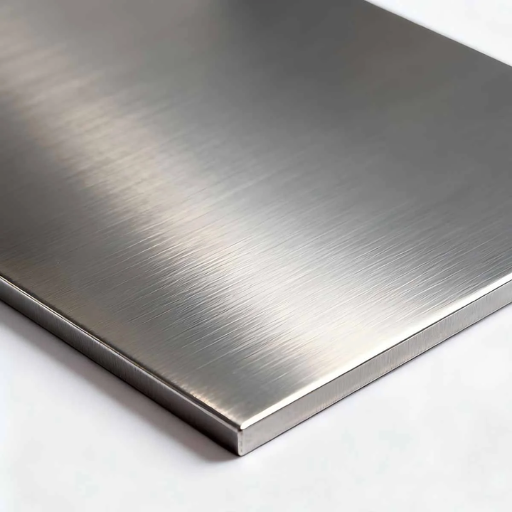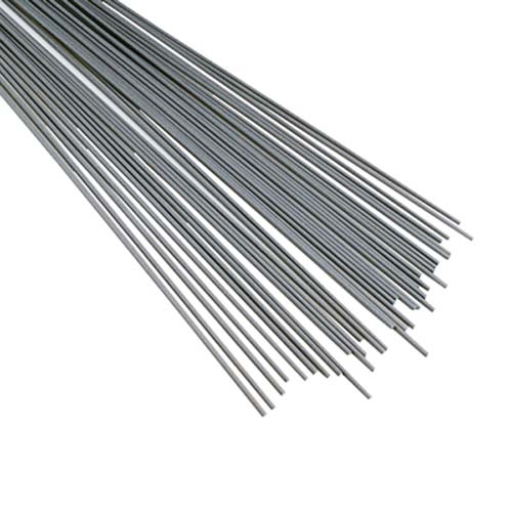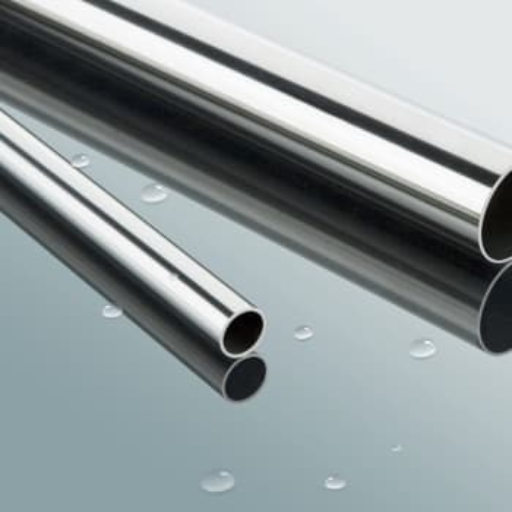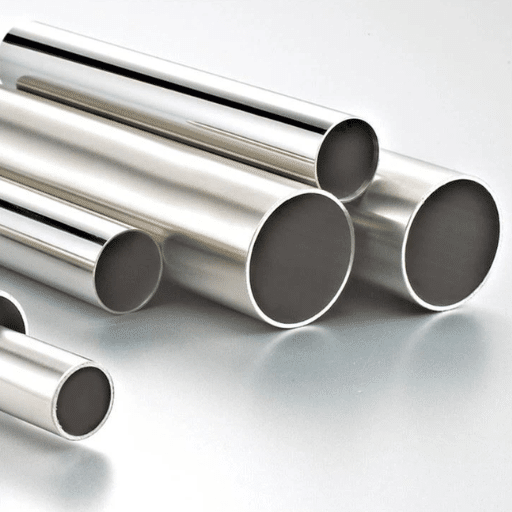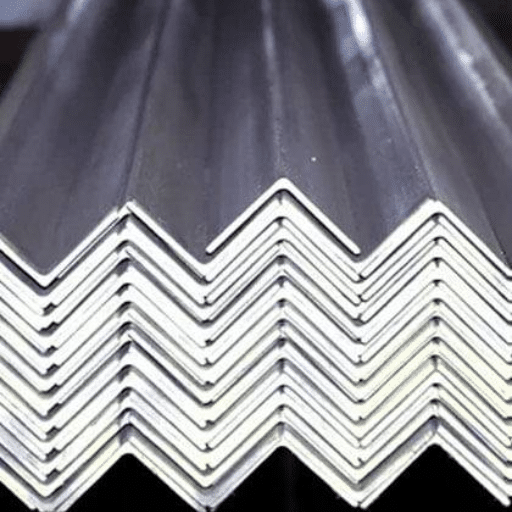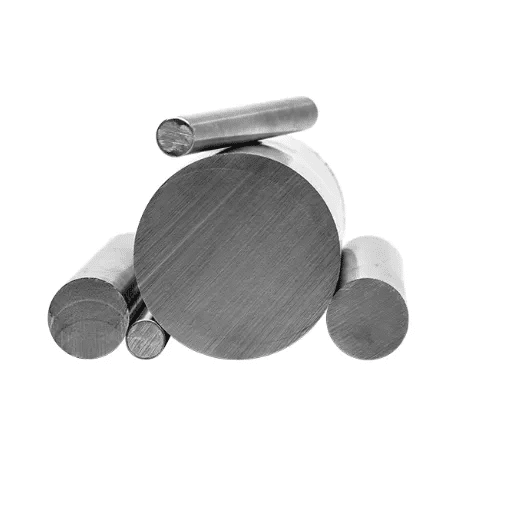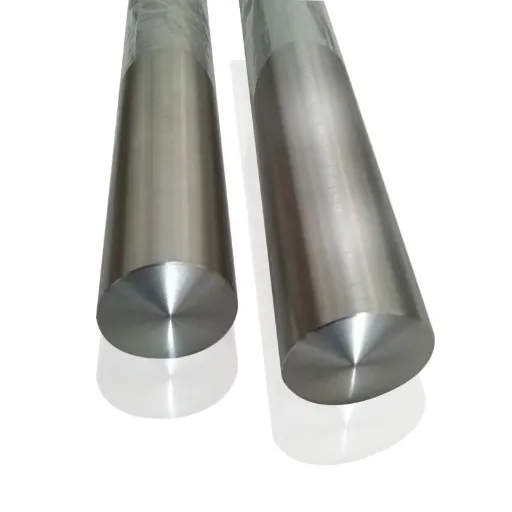
The maraging 250 steel alloy is a super high-performance material whose use has become indispensable in industries where very high strength, toughness, and reliability are required. This is a unique material with unmatched qualities, like strong resistance to mechanical wear and machinability. A wide range of high-stress applications from aerospace engineering to high-stress tooling is the main environment of trust for this material. The wider presentation of this article is supposed to make it easy to acknowledge some topics concerning maraging steel with Maraging 250 and AMS 6512 specification as a focal point.
What is Maraging 250?

Definition and Overview
Maraging 250 is a modified martensitic iron-nickel alloy known for its extraordinary toughness and supreme strength. The name maraging is a combination of the words “martensitic” and “aging,” which delineates the heat treatment process leading to an improvement in its mechanical properties. Maraging 250- unlike the traditional steels- derives its strength not from the hardening of carbon, but from precipitation strengthening with strongly intermetallic compounds, like nickel, cobalt, molybdenum, and titanium.
The AMS 6512 alloy offers generally four percent molybdenum, 0.2, and 0.5 percent titanium, 8 to 9 percent cobalt, with a nominal nickel content of about 18 percent. It consists of an exceptionally low carbon content, probably less than 0.03 percent compared to most very high-strength alloys. As a result, its mechanical properties near 250 ksi tensile strength provide it with an outstanding fracture toughness, even under the most severe conditions.
History and Development
In the history of advanced alloys, the principal reason for development was the ever-increasing demand across various industries for materials capable of enduring extreme conditions. The origin of high-performing alloys can be traced back to the early 20th century, when researchers initiated experiments to artificially combine different metallic components in order to amplify properties like strength, corrosion resistance, and heat resistance. By mid-century, advances in material science and metallurgy spawned specialized alloys for aerospace and defense applications, utilizing titanium, nickel, and chromium to form materials which could withstand pressure and wild thermal conditions.
The evolution of aerospace materials stands out in the development of engineering materials for the positive contributions of superalloys. It was the development of new novel alloys that put together to work under the demanding conditions experienced in aviation that caused engineers to break ground, master new materials, and establish a new industry that would rely upon the highest potential alloys known. Nickel-based superalloys started the revolution of aerospace applications during WWII, paving the way for the new industry of superalloys. According to a report by Allied Market Research, the global market for high-performance alloys is set to increase considerably to $13.1 billion in 2030.
Key Properties and Benefits

Mechanical Properties of Maraging 250
Maraging 250 is a high-strength, low-alloy iron-nickel selection with excellent mechanical properties, and it is widely used in the aerospace and engineering industries. Its phase hardening is thus instrumental in offering an intrinsically high fatigue strength with great impact and great notch strength.
The properties particularly cornerned in Maraging 250 are:
– UTS (ultimate tensile strength): At about 255 ksi (1758 MPa) for situations of full age, Maraging 250 possesses exceptional anti-stress resistance.
– Yield strength: Approximately 240 ksi (1655 MPa), providing a high capacity upon undergoing deformation.
– Hardness: After the age-hardening process, it comes up with a hardness of around 53-55 HRc, providing for a good resistance to wear.
– Elongation: The 5-10% achieved by its elongation shows good fabrication under tensile strength for high-strength applications.
– Fracture Toughness: It is the best due to its extreme resistance to cracking, and this is the reason it is preferred in demanding operational environments.
Thermal Properties and Heat Treatment
Maraging 250 exemplifies fantastic thermal properties, without which it would be possible to fulfill in production allistal requirements. This alloy has an insignificant coefficient of thermal expansion (approximately 10.8 μm/m-°C over temperature range of 20°C to 200°C), which means negligible dimensional changes at different thermal circumstances. In addition, this fact shows appreciable thermal stability, thus providing the benefits for applications with high thermal cycling.
The heat treatment process is highly important to unlock the full potential of Maraging 250 materials’ mechanical and thermal properties. This procedure involves pre-heat treatment or solution annealing, generally at 820°C (1508°F), to dissolve all the phases into the single-phase structure. Then such annealed materials are cooled in the air. Then the alloy is given an aging treatment that is carried out in the temperature range of 480-500°C (896-932°F) for 3-6 hours. This aging treatment helps in the formation of nanosized intermetallic precipitates such as Ni₃(Mo,Ti), which greatly improve the alloy’s hardness and tensile strength.
Common Applications in Industry

Aerospace Applications
When it comes to complex and demanding circumstances, Maraging 250 steel is retained to have a significant function in the aerospace division. It offers rare and extraordinary traits that make it an ideal choice for items needed for complicated uses and under extreme stress. For example, it is used mostly in the manufacture of rocket case propulsion, landing gear, and various critical spacecraft structure items.
Moreover, the superior capabilites in resisting stress rupture promote the ingeniousness of these materials for developing new, fatigue-resistant aerospace applications. Maraging 250 displays induced tensile strengths on the order of about 250 ksi (1725 MPa) after the aging treatment, yet it retains high fracture toughness values. That implies that it can handle the two most hostile conditions of temperature and pressure that are found in space travel.
Tool and Die Development
Within tooling and die manufacturing, one of the materials, Maraging 250, stands central due to superior strength, toughness, and almost stress-free machinability in the annealed state. Also, this material is especially resistant to wear and does almost not under deformation when used in the presence of massive stresses, which helps considerably in the production of injection molds, extrusion dies, and superior tooling components.
Profound technical superiority with Maraging 250, which in the area of tooling and die manufacturing, lies within its ability to preserve very tight tolerances and dimension stability even after long cycles of operations. For example, in injection molding processes, Maraging 250 tools do not lose tolerance but keep the mold togmstances mostly continuously over the millions of manufacturing cycles. Another research study demonstrates excellent hardness capability resulting in a hardness of more than 50 HRC (Rockwell Hardness) on the surface after undergoing heat treatment, which is very important since it can help the parts cope with mechanical and thermal stress during use.
Latest Innovations and Developments

Advancements in Heat Treatment Techniques
Recent advances in heat treatment techniques have significantly altered the properties of Maraging 250 material, mainly in demanding precision-type industries. The heat treatment, which is an important process to change the microstructure of materials, has now been enriched with innovative processes, such as vacuum heat treatment and induction hardening, to facilitate better control over material properties and utilization of improved qualities like strength, toughness, and wear resistance.
Vacuum heat treatment that virtually precludes oxidation and decarburization during heating has increasingly gained popularity because it yields a cleaner and more uniform finish. There is evidence proving that vacuum heat treatment can improve fatigue strength by as much as 20 %, making materials more suited to high-stress applications. Induction hardening similarly produces efficacy in wear resistance up to some degree while retaining proper core ductility.
New enterprises for current technologies
Advancements in heat treatment techniques, including applications such as cryogenic treatments, are gradually finding usage in emerging technologies. A significant topic is the use of high-performance alloys like Maraging 250 in the aerospace industry, crucial in manufacturing lightweight yet robust parts. For example, studies have shown that cryogenic treatment of those materials may help maintain material stabilization for parts like turbine blades, i.e., retained when subjected to prevailing conditions.
Also, in the electric vehicle (EV) industry, cryogenic and heat-treated materials are playing a significant role in increasing the longevity of battery caskets while considerably boosting motor efficiency. The EV market has been almost doubling every year. The number of electric cars sold worldwide was greater than 10 million in 2023. The trend is projected to continue until 2030. Therefore, a ratchet effect in wear and material strength on EV component life will be expected to cater to a whole new set of foreseen consumer needs deeply focused on creating a sustainable environment.
Conclusion

Summary of Maraging 250 Significance
Maraging 250 is an iron-nickel material characterized by excellent fatigue properties and high-strength low alloy steel. With nickel, cobalt, molybdenum, and titanium as its primary materials, it combines advanced strength; toughness, superior wear, and crack resistance. Thus, this greatly favored property makes this material essential for aerospace applications, tooling, and high-performance machinery.
Recent data indicate an increasing need for this Maraging 250, particularly in the aerospace and defense sectors. Market insight suggests that the adoption of new materials, such as the material in question, would grow at a constant CAGR around 6% through 2030 due to weight-saving, impact-resistant material requirements. It has also been having an increasing application in the field of additive manufacturing, involving 3D printing, so it could make intricate details with high precision.
The Future in Manufacturing and Technology
The future of manufacturing and technology relies heavily on advanced materials such as Maraging 250, allowing an undaunted change in high technologies. As per recent speculations, the global advanced materials industry is expected to rise at a CAGR of approximately 6.5 percent from 2023 to 2030, fueled by rising demands for aerospace, automotive, and healthy living. Surprisingly enough, one of the areas seeing the greatest potential in the growth of advanced materials is in additive manufacturing, mainly in metal 3D printing. This technology allows for the creation of complex, high-strength components with less waste and much swifter production times.
Reference Sources
-
Metal Zenith:
- Title: “Maraging 250 Steel: Properties and Key Applications”
- URL: metalzenith.com
- Highlights: This source provides a comprehensive overview of Maraging 250 steel’s properties, advantages, limitations, and typical applications in industries like aerospace, tooling, and defense.
-
Michlin Metals:
- Title: “Maraging 250 Steel”
- URL: michlinmetals.com
- Highlights: Offers insights into the material’s specifications, applications, and features, including its machinability, heat treatment, and use in critical aerospace and defense components.
-
Smiths Advanced Metals:
- Title: “Maraging 250 Steel Bar”
- URL: smithsadvanced.com
- Highlights: Focuses on the alloy’s ultra-high strength, improved fracture toughness, and suitability for critical applications like engine components and aircraft landing gear.
Frequently Asked Questions (FAQs)
In what manner is maraging steel 250 produced (VIM, VAR)?
Maraging 250 is produced through the process of vacuum induction melting followed by a subsequent vacuum arc remelting to guarantee a clean melt devoid of impurities. Vacuum-induction-melting and vacuum-arc-remelting processes provide better material properties and a stable chemical composition and control of trace elements.
What effect do aging cycles and annealing processes have on maraging 250 steel?
Thus, an acceptable procedure implies an annealed-exposed aging treatment that resulted in the creation of a soft, martensitic structure that can be easily machined, followed by precipitation time which even more significantly increases its strength. The aging temperatures and the holding times are adjusted for 250 to develop the precipitation hardening potential as needed.
Can Maraging 250 be machined and welded easily?
Yes, indeed, Maraging 250 has the quality to be machined easily at the annealed stage-for it is pretty soft at this stage, so it is viable for tooling and mechanical components that can be difficult to machine with complexity. Electrochemical (arc) welding is possible as well; however, the required welding and post-welding treatment must be very careful, as welding alters the local structure; hence, some degree of annealing and aging may also be required.