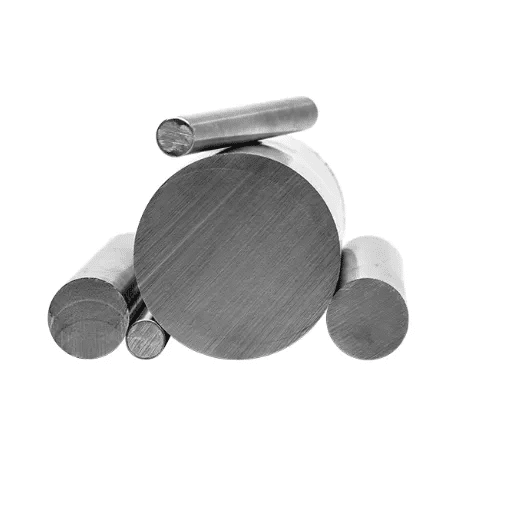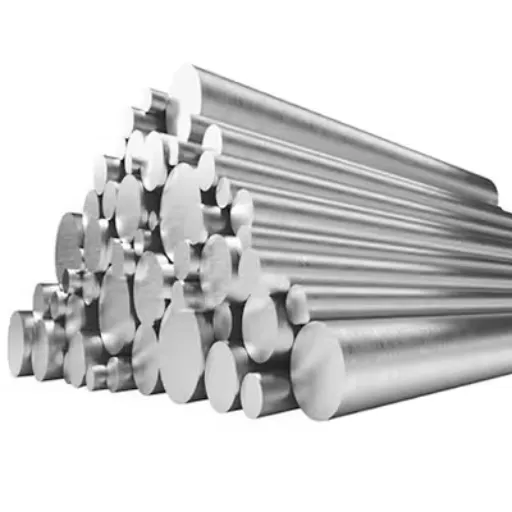
Cobalt alloy bars are the go-to material in harsh conditions due to their superior durability, heat resistance, and corrosion resistance properties. Among them, the Cobalt Alloy 6B bar has the potential to be the most trustworthy choice for applications where excellent wear resistance and uninterrupted performance in extreme environments are required. This post elaborates on the properties of Cobalt Alloy 6B bars, their manufacturing standards, and their role in the sectors of aerospace, energy, and medical that make them impossible to do without. Every reader, no matter if he/she is an engineer, procurement specialist, or just someone who is curious about advanced materials, will get insightful information from this article, which will help in making the right projects-related decisions about Cobalt Alloy 6B bars and their benefits and applications.
Introduction to Cobalt Alloy Bars
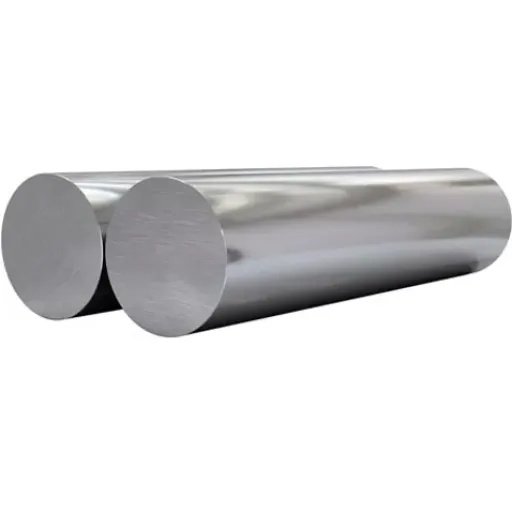
What is Cobalt Alloy 6B?
Cobalt Alloy 6B is a cobalt-chromium alloy. It is commonly known as Stellite 6B and possesses remarkable properties of wear and corrosion resistance as well as high temperatures. Cobalt is the main element in the alloy, with chromium being the second most valuable factor (around 28-32%), and tungsten being the third most important (3-4%). Nickel, iron, manganese, and carbon are present only in trace amounts. Its peculiar chemical makeup allows it to keep its strength and hardness even under adverse conditions, thus being the most sought-after material in industrial applications that require robustness.
The alloy is very hard, as it usually measures between 33 and 43 HRC, and it is able to resist the wearing away of the surface even at high temperatures, which are about 1500°F (815°C). Moreover, the friction of Cobalt Alloy 6B is very low and that is why it is the best option when two metals come in contact and the risk of galling and wearing is high. The alloy has excellent properties of corrosion resistance and this is particularly important when dealing with harsh environments that include, for instance, the presence of oxidizing and reducing substances. Hence, it has a wide range of applications in the aerospace, energy, and medical industries.
The Role of Cobalt in Alloys
Cobalt is a key element that is regarded as a necessary component in the making of high-quality alloys due to its properties that are favorable for strength, resistance to corrosion, and thermal stability. It is certain that superalloys have the most significant role in the demand for cobalt. In making superalloys, cobalt greatly improves the capability of the materials to resist heat and mechanical stress, thus, their use in the aerospace, energy, and military industries is unavoidable. Recent industry reports state that around 20% of the entire cobalt supply in the world is directed for superalloys production, which are vital for jet engines and gas turbines.
On the other side, cobalt is a major component in hard and wear resistant alloys such as Cobalt Alloy 6B that enables the alloy to achieve and retain high hardness and surface roughness resistance. For instance, alloys containing cobalt are able to maintain their mechanical properties even at the temperature exceeding 600°C (1112°F) which is very important in high temperature regions. Besides, the magnetic qualities of cobalt are advantageous in the manufacture of soft magnetic alloys that are utilized in the electronic and power generation industries.
Key Properties and Benefits of Cobalt Alloy Bars
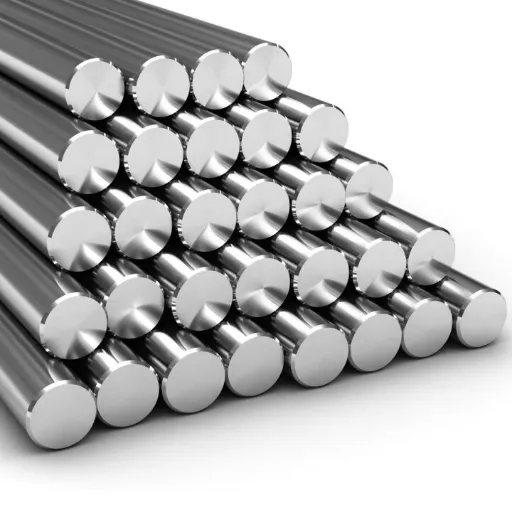
Mechanical Properties of Cobalt Alloy 6B
Cobalt Alloy 6B is widely recognized for its remarkable mechanical properties and is, therefore, one of the best materials in a greater variety of different industrial applications. Its wear resistance is at the top among materials, and even when subjected to very harsh environments, the material remains the same due to its proper chemical composition and microstructure.
High hardness is one of the main mechanical benefits of Alloy 6B, which is usually characterized by a Rockwell hardness of 33-43 HRC. Still, the alloy keeps its hardness and does not allow significant deformation even under high-temperature conditions for an extended period. Furthermore, the extent of the tensile strength of Cobalt Alloy 6B is between 655-870 MPa depending on the processing and the heat treatment that is applied. These features make it a preferred material for cutting tools, turbine blades, and valve components, among others.
Another property that makes this material stand out is its high resistance to galling and seizing, which in turn makes the material very suitable for use in environments that involve frequent or sliding surface contact. On top of that, the material has good corrosion and oxidation resistance, which in turn allows it to perform in extremely harsh chemical or saline conditions.
Corrosion Resistance and Durability
Cobalt Alloy 6B is widely known for its great resistance to corrosion, yet also in some of the most difficult industrial environments it is extremely rare. The high-temperature metal thus prevents for the most part its chemical processing equipment, marine environments, and energy production systems among others from wearing down due to oxidation pitting or crevice corrosion. The metal’s ability to resist degradation is mainly due to its high chromium content, which allows for the stable and hence protective oxide layer to be established on the surface of the alloy.
Cobalt Alloy 6B retains its mechanical properties and resistance to corrosion even when exposed to aggressive agents… etc., according to the latest industry studies. Data show that this alloy outperforms many others in the high-performance category and exhibits the least mass loss in long-term exposure. The alloy has a proven record in both test environments and real-world applications, and it can maintain a steady performance in a temperature range of ATAM conditions up to 1100°F (593°C).
Common Applications in Industry
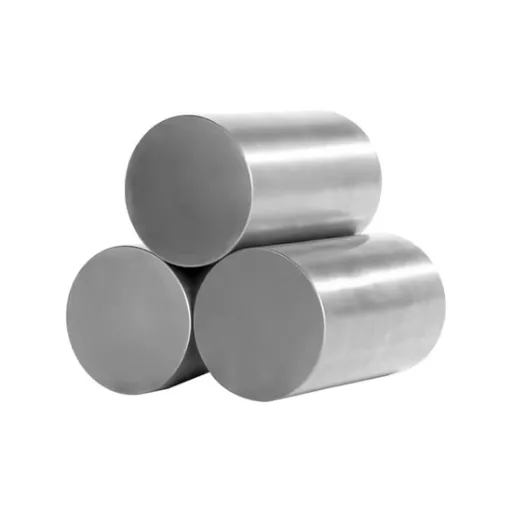
Use in Aerospace and Defense
Cobalt Alloy 6B is incredibly important to the aerospace and defense industries thanks to its amazing properties of wear resistance, high-temperature strength, and corrosion resistance. Being such a wonderful material, it is used for producing parts that are exposed to the harshest of environments such as jet engine blades, turbine vanes and combustion chamber liners. The ability to keep mechanical integrity in high-stress and high-temperature environments also increases component life and operational reliability.
Industry Insight: Moreover, the recent developments show the alloy’s role in the reduction of maintenance costs and downtime during critical missions. For example, Cobalt Alloy 6B components are tested and found to be very durable with wear rates being up to 50% lower than those of traditional alloys in similar high-temperature conditions. This is an especially great benefit for military aircraft and space vehicles which require maximum performance even in the harshest conditions.
Cobalt Alloy 6B Medical Devices Applications
The medical field cannot do without Cobalt Alloy 6B, particularly in the production of devices and implants that need outstanding strength, biocompatibility, and wear resistance. Thanks to its superior durability and corrosion resistance, the alloy is highly preferred in orthopedic implants, for instance, total hip and knee replacements. These implants experience a lot of stress and friction over a long period, and the alloy’s wear resistance assures performance that lasts through the life cycle of the implant, thus lowering the chances of revisions or replacements.
Another reason for its biocompatibility being regarded as a significant quality is that it prevents the human body from reacting negatively to the implant material. Cobalt-chromium alloys have been found by research to have very good compatibility with biological tissues and therefore can be made use of in different cardiovascular applications. For instance, cobalt-based stents are often used in angioplasty procedures due to their strength and tendency to keep the rate of restenosis low.
Comparing Cobalt Alloy Bars with Other Materials
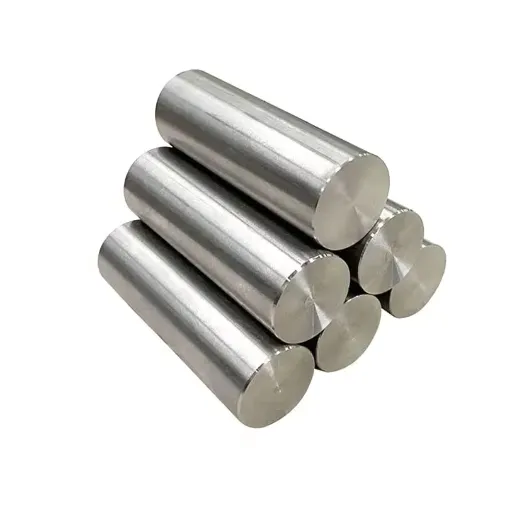
Cobalt Alloy vs. Titanium: A Comparison
1. Strength and Hardness
Cobalt Alloy is highly appreciated for its excellent wear resistance and hardness. Alloy 6B, for instance, is usually at the apex of the hardness scale with about 40 HRC hardness, thus making it a very profitable option for high wear resistance application like that of cutting tools or turbine blades. Titanium, in the meanwhile, retains some of its strength albeit being softer at about 30-36 HRC range, depending on the alloy grade. This tentatively points towards the fact that titanium can still be considered for applications under aerospace component criteria where the factors of lightweight and strength at a moderate level are the primary concerns.
2. Corrosion Resistance
Both alloys present very good resistance to corrosion, but they do the best in different settings. Cobalt Alloy’s great resistance to wear and corrosion in rough and hot environments is something that oil and gas, where it deals with hard and abrasive substances, can benefit a lot from. In contrast to Cobalt, Titanium is the one highly resistant to corrosion in saline and seawater under marine and offshore settings, which makes it even more popular.
3. Density and Weight
Titanium wins the battle of weight hands down because of its low density. It has a density of about 4.5 g/cm³, which is approximately half of that of Cobalt Alloy’s (around 8.4 g/cm³), thus imparting it the property of being lightweight. This property of titanium is very much sought after in the aerospace industry among others that are focused on achieving more fuel efficiency and performance as a result of lower weight. But, the heavier density of Cobalt Alloy does make it the ideal one for those areas where stability and wear resistance under heavy loads are the basic requirements.
Cobalt Alloy 6B vs. Nickel Alloys
The wear resistance, toughness, and heat resistance among others, make the use of Cobalt Alloy 6B a long-term investment. The low value of friction confirms that the usage of this alloy in applications with sliding contact, such as, but not limited to, valve components, cutting tools, and industrial wear plates is also very effective. Moreover, it shows resistance to corrosion not only in nonoxidizing and acidic environments but also in some harsh operating conditions that would normally be unfavorable to other materials. The usual operating temperature range for Cobalt Alloy 6B is about 1500°F (815°C), while its tensile strength is reported to be over 130 ksi, which is one of the attributes of its increasing importance in critical industrial applications.
Nickel Alloys are, nevertheless, very adaptable and high in demand due to their outstanding resistance against corrosion in very harsh environments. However, such a resistance still holds for very strong acids, alkalies, and even seawater. The Nickel Alloy types like Hastelloy (C-276) and Inconel (625 and 718) are almost the only ones that offer thermal stability and mechanical properties retention at temperatures as high as 2000°F (1093°C). The range of application of these alloys is very wide comprising such areas as chemical processing, aerospace, and power generation among others. In fact, the tensile strength of Nickel Alloy 718 is about 180 ksi, and its fatigue resistance properties are excellent which makes this alloy a go-to for the most demanding aerospace parts.
How to Choose the Right Cobalt Alloy Bar for Your Needs
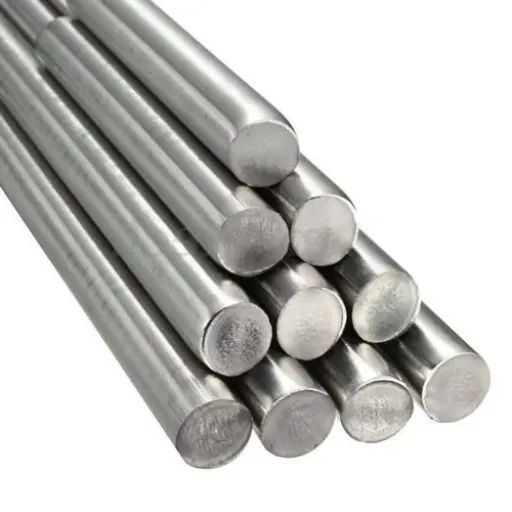
Factors to Consider When Selecting Size and Range
Application Requirements
The size and variety of cobalt alloy bar depend heavily on the intended use. Temperature, pressure, and corrosive or abrasive environments to which it will be exposed are operating conditions that must be taken into account. For instance, aerospace and medical implants industry require precision-engineered bars of smaller sizes, while energy and industrial machinery may need larger diameters to cope with mechanical stress.
Dimensions and Tolerances
Cobalt alloy bars are made available in the market in different lengths and diameters and are customized according to customer needs. One of the most common sizes is the one with diameters of 1/4 inch (6.35 mm) to 6 inches (152.4 mm) or even more with lengths tailored to customer specific requirements. With the help of precision machining, it is possible to achieve extremely tight tolerances in the range of ±0.01 inches (0.25 mm) which are usually the acceptable limit in case the application is critical.
Mechanical Strength and Hardness
The mechanical strength of the alloy, its tensile strength, yield stress, and hardness depend on its size. A small diameter rod may show more elasticity than a big one, which would be strong and tough for mechanical stresses. For example, Cobalt Alloy 6B has a tensile strength of about 1000 MPa and a hardness of up to 43 HRC.
Supply Chain and Availability
The availability of sizes and varieties is subject to the supplier and the demand of the region. It would be wise to research the reputable suppliers and their stocks so as to guarantee timely delivery. Standard sizes are often available in a short time, while custom dimensions may require longer lead times and will be more expensive.
Consulting with a Cobalt Alloy Supplier
Working with a trustworthy cobalt alloy supplier is a must to ensure the successful selection and application of MP35N and other cobalt-based superalloys. Suppliers are essential components in delivering technical data sheets, which contain the in-depth information about mechanical properties, corrosion resistance, and heat treatment. When sourcing supplies of MP35N, the focus should be on the suppliers that comply with the recognized industry certification such as ISO 9001 and AS9100, this will be an assurance of reliability and quality control.
Recent data show that MP35N is the right choice for high-performance applications with its tensile strength varying from 260 to 300 ksi and its excellent corrosion resistance in harsh environments including marine and chemical industries. The leading suppliers usually give very detailed assistance on material customization that may help to improve properties like ‘fatigue resistance’ or ‘spring performance’ based on the uniqueness of your project’s requirements. Some suppliers even go as far as offering non-destructive testing services, such as ultrasonic examination and surface analysis, to certify the material quality.
Reference Sources
-
Growth Market Reports: This research highlights the global cobalt-based alloy Stellite 21 bar market, valued at $782 million in 2024, with robust growth projections. Source
-
Market Research Future: This report discusses the cobalt alloy powder market, which is closely related to cobalt alloy bars, expected to grow from $2.37 billion in 2024 to $4.37 billion by 2035 at a CAGR of 5.71%. Source
-
NASA Technical Reports: This evaluation focuses on a cobalt-base alloy, HS-31, made by argon gas atomization and extruded into bar stock, providing technical insights into its properties and applications. Source
Frequently Asked Questions (FAQs)
What exactly is a cobalt chrome round bar metal and what makes it different from normal steel?
A cobalt chrome round bar metal is a round product made from a high-performance alloy, mainly consisting of cobalt and chromium, meant for high strength and resistance to wear. With the standard steel, the cobalt chrome round bar metal offers various advantages like improved corrosion resistance, high-temperature stability, and better retention of hardness which make it a perfect choice for the most exacting applications where steel might get in the way.
What types and sizes of cobalt chrome round bar metal are there stocked as bar?
Cobalt chrome round bar metal is available in many types and sizes as bar stock, including metric and imperial diameters, cut-to-length, centerless ground and polished finishes, etc. The usually chosen ones comprise forged bars, hot-rolled bars, and precision-ground alloy round bars, thus allowing the manufacturers to opt for the one suitable for machining or final product assembly.
Are cobalt bar or cobalt 6B alloy round good for high-strength heat applications?
Absolutely, cobalt bar alloys such as cobalt 6B are designed for high strength and hot applications. More particularly, Cobalt 6B not only preserves mechanical properties at high temperatures but also offers superb wear resistance, thus being the perfect material for aerospace, turbine, and tooling components that work under hot and demanding conditions.
Does cobalt chrome round bar metal comply with AMS 5894 or other regulations?
Numerous cobalt chrome round bars are made based on the specifications laid down by the industry like AMS 5894 which deals with the chemical composition and mechanical property requirements for certain cobalt alloys. When ordering bar stock be sure to verify supplier documentation and certifications so that you can be sure the product meets the AMS 5894 or other standards relevant to your application.
Is a cobalt chrome round bar ferromagnetic and what are the implications for its usage?
Cobalt alloys can show ferromagnetic properties depending upon their composition and heat treatment process. It is possible that some of the cobalt chrome round bar metal would be ferromagnetic and this could affect the application particularly if it deals with magnetic fields or sensors. If non-magnetic behavior is a requirement for your product or assembly, then check with the material data sheets to confirm the magnetic properties.