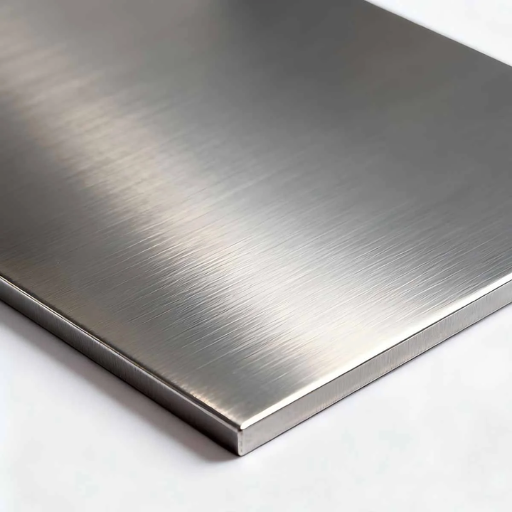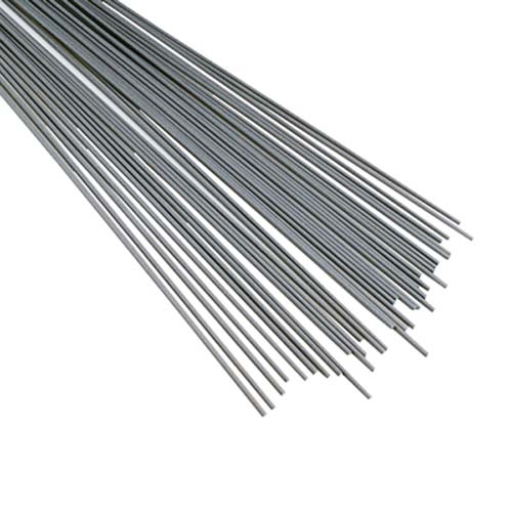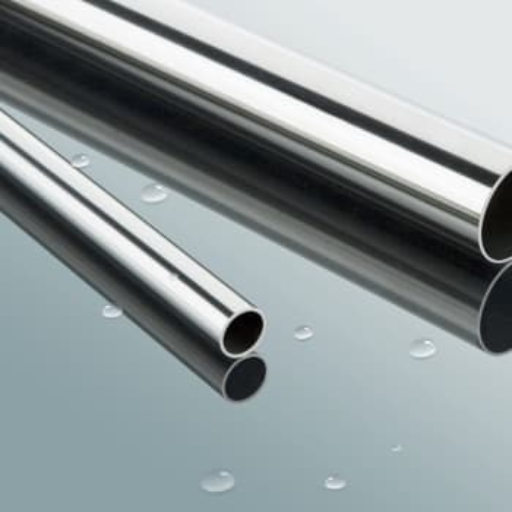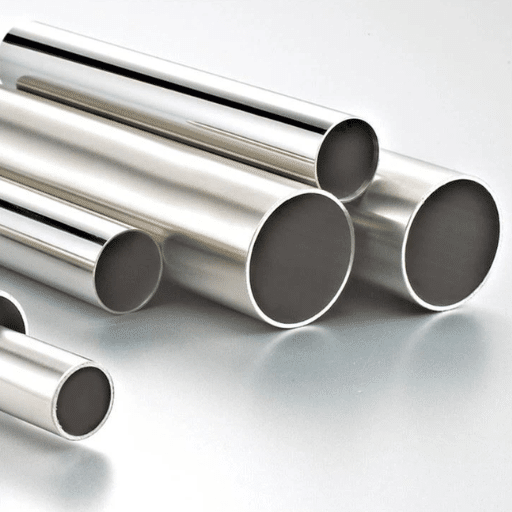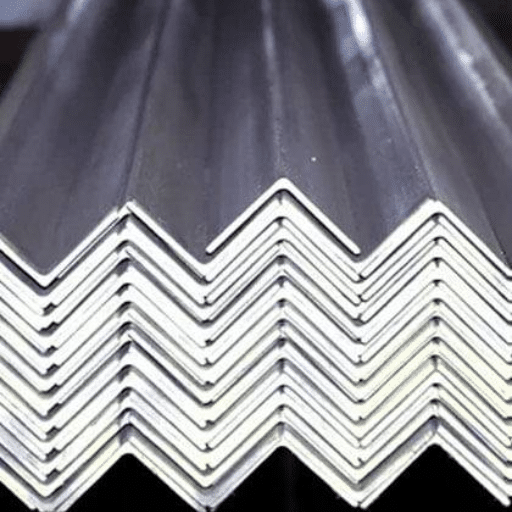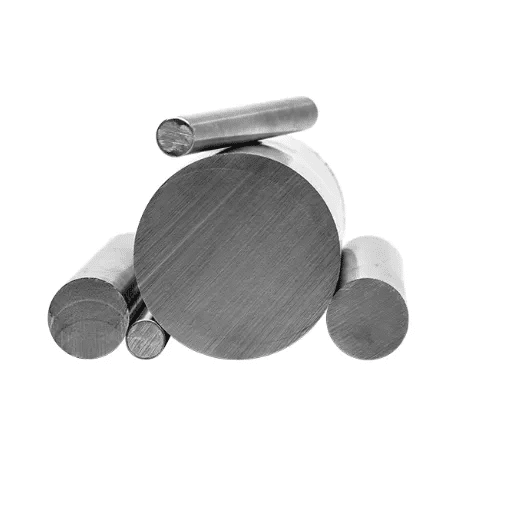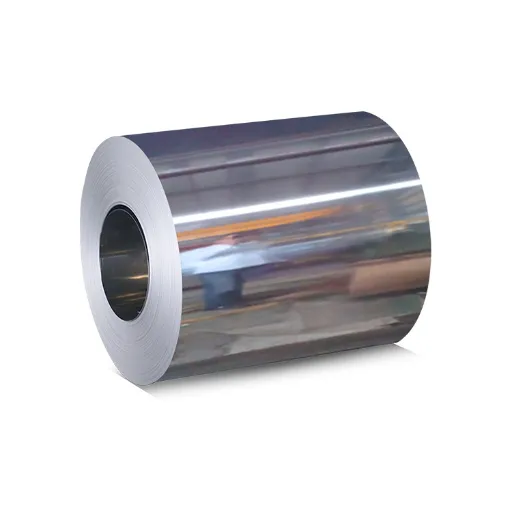
Stainless steel has turned into a fundamental material for many different industries because of its unmatched durability, corrosion resistance, and nice appearance. 304 and 304L stainless steel coil and sheet metal are two of the most versatile and high-performance materials among the many choices available for various applications. But what makes these grades different, and what are the reasons for their popularity? The article will present the major properties, advantages, and practical uses of 304 and 304L stainless steel, giving you the chance to get a better perspective of the industry favorites. It doesn’t matter if you are an engineer, a manufacturer, or just interested in stainless steel; this guide is going to offer you enlightening information that will support you in making the right choices for your next project.
Overview of 304L Stainless Steel Coil
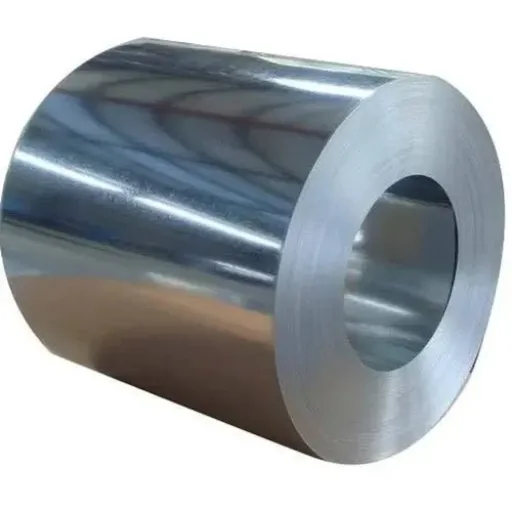
Definition and Composition
304L stainless steel is a low-carbon type of 304 steel grade, and the “L” in this name means “low carbon”. This property makes it the best choice to be used where welding is essential. The decrease of carbon content greatly reduces the chance of carbide formation at the welding joint which can cause corrosion in those areas that are already sensitive. The same as 304, 304L stainless steel is an austenitic stainless steel, thus it is non-magnetic and shows great ductility even at the temperature of liquid nitrogen.
The standard makeup of 304L stainless steel is as given below:
| Element | Percentage |
|---|---|
| Chromium (Cr) | 18.0% – 20.0% |
| Nickel (Ni) | 8.0% – 12.0% |
| Carbon (C) | max 0.03% |
| Manganese (Mn) | max 2.0% |
| Silicon (Si) | max 0.75% |
| Phosphorus (P) | max 0.045% |
| Sulfur (S) | max 0.03% |
| Iron (Fe) | remainder |
Key Properties and Benefits of 304L Stainless Steel
1. Corrosion Resistance
The 304L grade stainless steel is quite resistant to corrosion and in fact, it can be used safely in environments with very high humidity or in places where corrosive agents such as acids and salts are present.
2. High Weldability
The welding of 304L stainless steel is very easy and it is possible to use almost any welding method without needing to carry out post-weld annealing. Besides, the low carbon content keeps the material’s integrity unaltered, which is why it is often chosen for fabrications where strong, long-lasting, and invisible joints are needed.
3. Outstanding Toughness
304L stainless steel, even at very low temperatures, still maintains toughness and impact resistance. This cryogenic toughness guarantees that the material can be used in critical applications like LNG (liquefied natural gas) storage tanks and cold storage equipment.
4. Non-Magnetic in Annealed State
304L stainless steel can be considered as a non-magnetic material in its annealed state, thus it can be used in applications where magnetism can cause problems, as in sensitive electronic and scientific equipment.
5. Ease of Fabrication
This material has excellent properties for machining and forming and thus can be easily processed by different ways e.g. cutting, stamping, and bending. This enables a custom design for commercial and industrial projects.
Common Applications of 304L Stainless Steel Coil
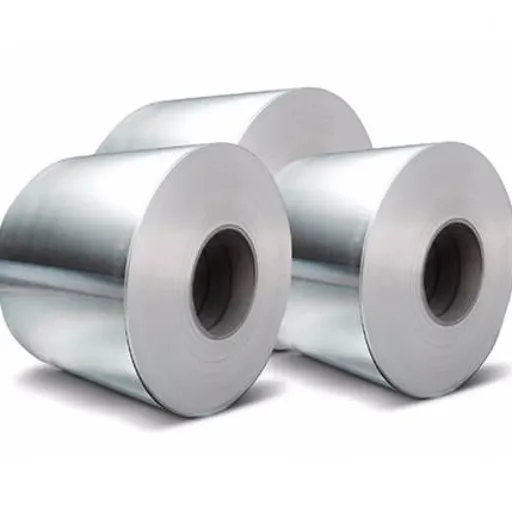
Industries that Utilize 304L Stainless Steel Coils
Food and Beverage Industry
The hygiene factors along with the ease of cleaning of 304L stainless steel have set it as the standard material for food-grade applications. It is most often used in making kitchen devices, storage tanks, and pipes that carry food and liquids. The statistics of the market show that the worldwide usage of stainless steel in the food processing sector will increase by 5% per year, and a considerable portion of it will be taken by Type 304L for its low carbon content and cutting down of contamination.
Chemical Processing Industry
304L stainless steel with its outstanding resistance to a wide array of chemicals and acids is one of the leading materials for pressure vessels, heat exchangers, and piping systems in chemical plants. The reports suggest that the chemical processing industry takes about 18% of the total world market sale of stainless steel, which shows how important the material is for granting longevity and safety in aggressive locations.
Healthcare and Pharmaceutical Industry
Sterility and rust resistance are musts in the medical and pharmaceutical fields and this makes 304L stainless steel a favorite for surgical tools, medical implants, and pharmaceutical plants. Market research indicates that steel accounts for around 25% of all materials in the manufacture of healthcare equipment, with 304L stainless steel being one of the most popular ones.
Construction and Architecture
For its good looks, toughness, and resistance to extreme weather conditions, 304L stainless steel is the first choice for architectural creativity, facades, roofing, and load-bearing parts. Nowadays, an increase of 6% in global stainless steel of construction is anticipated, mainly due to the growing demand for eco-friendly and rust-proof materials.
Specific Uses in Food Processing and Chemical Industries
Food Processing Industry
The oxidation resistance of 304L stainless steel along with its non-reactivity with food substances make it suitable for food-grade applications. Its non-porous quality is a guarantee against the growth of bacteria and thus it is used for the production of food prep equipment, storage tanks, and pipes where high hygiene standards apply. Projections for the future indicate a rise in the global food-grade stainless steel market with a CAGR of 5.2% till 2030, where 304L will be one of the frequently used grades. Moreover, it can also go through sterilization processes like high-temperature and chemical cleaning without losing its operational life in the food production industry.
Chemical Industry
The chemical industry taps on 304L stainless steel for its remarkable resistance to acidic and alkaline conditions and the resultant ceasing of chemicals does not affect the integrity of the structure. It plays a major role in the manufacturing of reactors, heat exchangers, and storage tanks. The steel’s low carbon content alleviates the possibility of carbide precipitation during welding, thereby ensuring durability for high-pressure and high-temperature applications. In the past couple of years, the chemical sector’s stainless steel usage has been growing at a rate of 6% per annum, which began in 2020, due to the demand for materials that can stand up to the challenges of modern chemical processing.
Advantages Over Other Materials
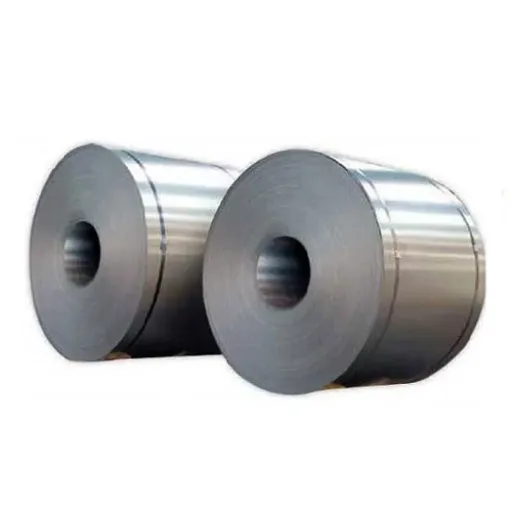
Comparison with Other Stainless Steel Grades
Amongst stainless steel grades, 304L stainless steel shines with its extraordinary properties and versatility. 304L, a low-carbon version of the widely used 304 grade, is mainly chosen because of its excellent weldability and resistance to intergranular corrosion. This feature not only makes 304L stainless steel a better option than standard 304 for use in cases where a lot of welding is done or where corrosive media are present but also gives it the edge in-often cooler places where the regular process is not so aggressive.
Being on one side of the 316 stainless steel dilemma, 304L does not have the high molybdenum content that endows 316 with a better high chloride corrosion resistance, thus standing as a cost-effective choice in the less aggressive milieu. Recent industry data indicated that 304L stainless steel price can be about 20% lower than that of 316, which makes it the very nice selection for applications with minimal salt and harsh chemicals exposure.
Strength and Efficacy in Different Environments
304L stainless steel has a reputation for being extremely durable, especially in superbly difficult environments where resistance to corrosion and heat is really important. The low carbon content of 304L steel prevents carbide precipitation, which in turn, improves the fact that welded structures will be more durable, along with the applications of marine, chemical, and food production.
Recent research shows that 304L stainless steel possesses exceptional corrosion resistance in a variety of environmental conditions, such as acidic, humid, and saline atmospheres. A clear and striking example is its performance in chloride-rich areas like coastal regions where it really outshines other steel grades. It has been reported that 304L stainless steel will be able to withstand temperatures up to 870°C (1600°F) in case of intermittent use and up to 925°C (1700°F) in the case of continual use, which is a fair indication of its thermal strength.
Market Trends and Developments
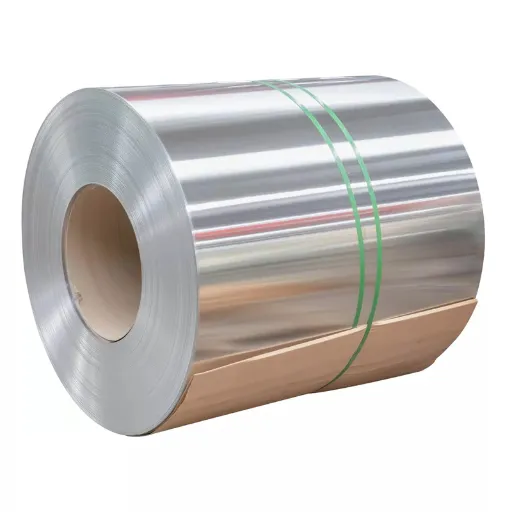
Recent Advancements in Stainless Steel Coil Technology
Stainless steel is one of the most widely used metals on earth and the coil manufacturing technology of the industry has reached new heights in this very area. It is mainly the demand for coil production that has resulted in innovations like reduction of energy consumption, increasing the quality, and enhancing the environmental impact.
One of the greatest breakthroughs has been that the new rolling methods have been developed which allow the rolling of thin sheets of metal that meet the strictest tolerances. The end product is more uniform than ever and is thus likely to be accepted in the sectors of automotive, construction, and medical devices that highly demand quality. Moreover, the new heat treatment routes are already there and the stainless steel coils are getting a complete makeover in terms of mechanical and resistance to corrosion properties. The coils are now invulnerable in the places like the sea or the chemical industry and so on.
Current Demand in Global Markets
It is the technological advancements made in the different industries which have kept the demand for stainless steel coils to a great extent in the global market. There are market reports that say the value of the stainless steel industry was around $104 billion in 2022 and it is expected to more than $145 billion by the year 2030. One of the main reasons driving this trend is the greater emphasis on sustainability plus the industrial activity in emerging markets that is on the rise.
The most important and influential sectors that are driving demand are mentioned as construction, automotive, and energy sectors. As mentioned already, the construction industry has the most significant demand share since the stainless-steel coils are the first choice for the applications like roofing, cladding, and structural supports owing to their durability and corrosion resistance. On the other hand, the automobile industry is set to benefit from the changing trend towards electric vehicles (EVs) where the use of stainless steel coils is most prevalent in battery enclosures and lightweighting components.
Purchasing Considerations for 304L Stainless Steel Coil
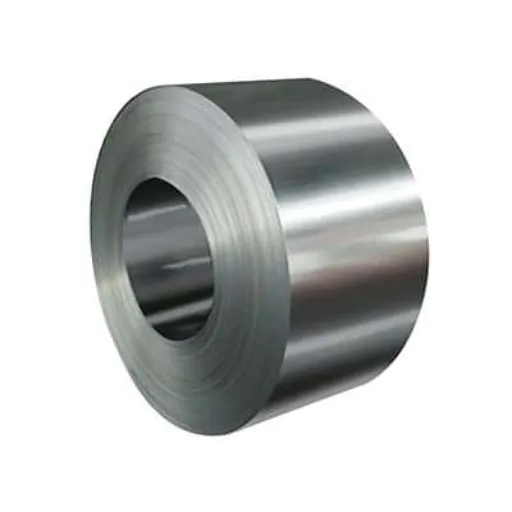
Tips for Selecting Quality Suppliers
- Supplier Certifications Assessment
The first step in finding the right suppliers is to check what certifications they hold, choose those certified by ISO 9001 for quality management and ISO 14001 for environmental management as the most important ones in the first place. Such certifications stand as the proof that the supplier meets the industry benchmarks and employs the right quality steps. - Material Testing Standards Evaluation
The suppliers whose reputation is worth a lot should not just limit themselves to material tests in general but the numbers of tests should include tensile strength, corrosion resistance, and chemical composition analysis. Furthermore, by asking for the material test certificates (MTC), you would be directly confirming the quality and compliance of the stainless steel coils. - Production Capacity and Lead Times Review
In the case of large-scale or continuous projects, it is of utmost importance that the supplier has enough production capacity to assure you of your demands being met on time. It is will do you good to assess their lead times and on-time delivery records for the purpose of avoiding delays. - Check Industry Reputation and Client Feedback
To know the supplier’s standing in the market, read customers’ reviews and case studies. Suppliers that are well-known and have received good feedback are more likely to meet your needs. - Pricing and Value-added Services Comparison
You can find the best price-quality ratio by asking for quotes from different suppliers and comparing them. The high-quality suppliers usually supply premium services as well, for instance, custom coil finishes, cutting, or technical support, which can save money and time by reducing the total inventory cost and increasing the project efficiency.
Certification and Tolerance Standards Understanding
When it comes to choosing a supplier for stainless steel, there is no question that they have to comply with industry certifications and tolerance standards if they want to remain competitive. The ISO 9001 for quality management and ISO 14001 for environmental management certifications are the main points in such a case as they are strict indicators of a supplier’s dedication to maintaining quality along with eco-friendly practices. Additionally, to be compliant with ASTM International standards means that the stainless steel in question is already high-quality with respect to the three major aspects: chemical composition, mechanical properties, and performance in various applications.
On the other hand, the significance of tolerance standards is paramount in the aerospace and medical industries, which are demanding precision most. For example, ASTM A480 addresses dimensional tolerance standards for flat-rolled stainless and heat-resisting steel. It sets limits on thickness, width, and length variations so that the material can still perform as expected even when subjected to tough conditions. The suppliers with such great tolerances not only meet the standards but also provide the manufacturers, who are designing with high precision, a lesser amount of quality waste since the material is being used more efficiently.
Reference Sources
-
Mechanical Study on the Japanese Test Coil for the Large Coil Task
- Key Findings: Mechanical tests on 304L stainless steel coils demonstrated their ability to meet and exceed design criteria under worst-case conditions.
- Methodology: Mechanical verification tests were conducted to evaluate the performance and reliability of 304L stainless steel in coil applications.
-
Impact Properties and Microstructure Evolution of 304L Stainless Steel
- Key Findings: This study analyzed the impact properties and microstructural changes in 304L stainless steel, highlighting its industrial applications and material behavior under stress.
- Methodology: Experimental analysis of annealed 304L stainless steel, focusing on its flow behavior and microstructural evolution.
-
Oxidation of 304L Stainless Steel by Steam and by Air
- Key Findings: Investigates the oxidation behavior of 304L stainless steel in steam and air environments, providing insights into its performance in reactor cores and high-temperature applications.
- Methodology: Oxidation tests were conducted at temperatures ranging from 1100°C to assess material behavior in different environments.
Frequently Asked Questions (FAQs)
What are the key mechanical properties and work hardening behavior of the UNS S30400/UNS S30403 alloy?
UNS S30400 (type 304) and related designations such as S30403 (commonly used for low-carbon 304L) exhibit mechanical properties in terms of good tensile strength and ductility. They are essentially non-magnetic in the annealed condition which is a crucial factor for manufacturing and processing operations since they have excellent formability as well as the capability for deep drawing.
What are common uses or applications for 304L coils in industry and chemical equipment?
The 304L coil is widely used in various industries such as food processing, chemical equipment, architectural panels, HVAC, and pressure vessels. Its excellent corrosion resistance and weldability make it suitable for chemical equipment and applications that require sanitary surfaces. The coil form provides the manufacturer with the flexibility to produce various components like tubing, wire, strips, and deep-drawn parts.
Is 304L stainless steel coil magnetic or non-magnetic in the annealed condition?
In the annealed condition 304L is essentially non-magnetic and is often described as non-magnetic in the annealed condition. However, after cold working such as bending, deep drawing, or extensive rolling the stainless steel can become slightly magnetic due to strain-induced martensite. For applications where magnetic behavior is critical, testing or specifying material certification is recommended.
How do cold working, drawing, and deep drawing affect the formability and capability of 304L coil?
304L has excellent formability and is well suited to cold working processes such as drawing, deep drawing, and stamping. As the alloy work hardens, process planning must incorporate intermediate anneals for severe forming to restore ductility. Data sheet values for yield strength and elongation will be modified after cold working, thus engineers must take into account work hardening and potential slight magnetic response in the final part.