Knowing the melting points of metals is very important for a great number of industries, such as manufacturing, building, jewelry making and even aircraft design. One metal that is top of the list in terms of melting point is steel; but how knowledgeable are you about its melting point and the reasons behind it? In this entry, we will explore the fascinating depth of the melting points of metals, specifically focusing on steel and other widely used metals. Whether you’re just a curious person, a professional employee, or merely someone who wants to know more about it, this guide will give you the power to understand the impact of temperature on metals’ properties and possible uses.
Introduction to Metal Melting Points
What Are Melting Points of Metals?
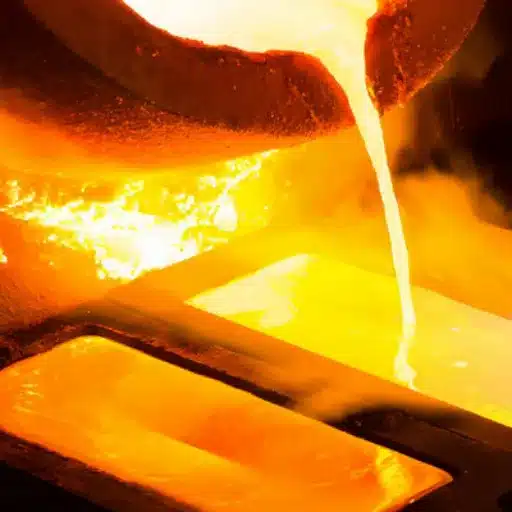
The melting point of the metal is the temperature that at that it is able to change from solid to liquid state. It may seem quite a basic property, yet it differs greatly among metals and is a result of the atomic structure, bonding, and material composition. Melting point and material nature are two important aspects to reckon, as they will give hints on how materials can be processed, what areas of manufacturing they will be suitable for, and which industries will need them.
It is worth noting, steel is the most used alloy and the melting point of such an alloy is non-existent since it is formed by iron and other elements like carbon mixed together. However, carbon steel in general melts in the very broad temperature range between 2,500°F to 2,800°F (1,370°C to 1,540°C). On the flip side, pure metal examples like aluminum indicate a definite melting point of about 1,221 °F (660 °C) and copper 1,984 °F (1,085 °C). While tungsten, besides being famous for its extremely heat-resistant quality, overtakes all the other metals by having the highest melting point of 6,192 °F (3,422 °C), this is nothing less than extraordinary.
The Importance of Understanding Melting Temperatures
In-depth knowledge of the melting point of substances is crucial for the industries dealing with materials such as manufacturing, construction, and electronics. One area where this application can be seen is in the fabrication of metals, where melting point precision guarantees that the correct temperatures are used in welding, casting, or forging processes. For example, with a melting point of 1,221°F (660.3°C), aluminum is very promising as a material in applications that require the characteristics of lightweight and corrosion-resistant materials. In contrast, tungsten, with its high melting point (6,192°F or 3,422°C), finds continuous usage in processing areas such as mining and even aerospace.
This knowledge not only makes the operations safer but also contributes to making them more efficient. For example, in the electronics sector, soldering usually involves using alloyed metals with specified melting points. If exact melting points are not known, it is highly likely that the connections will fail which means the device’s operation may be at risk. Moreover, external factors like pressure or contaminants can have only a minute effect on melting behavior, therefore very accurate and situation-sensitive measurements are essential.
The Melting Point of Steel
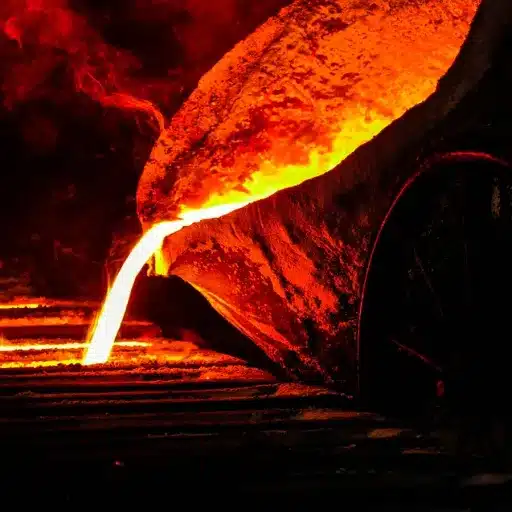
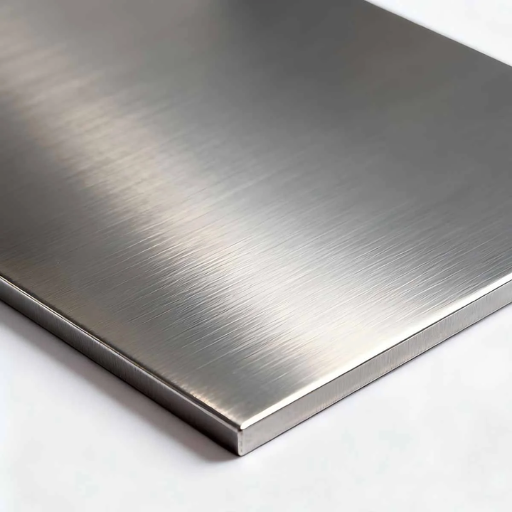
Steel’s melting point is not a constant value, but rather, it depends on its composition as the primary ingredient in steel, which is an alloy, is iron and carbon, and usually other metals are mixed up as well. However, on the average, the melting point of steel ranges from 2,500°F (1,370°C) to 2,800°F (1,540°C). The melting point that is precisely known will be based on the type and quantity of the added metals.
Among the alloying elements, carbon is a major one, and it has a direct relationship with the melting point. Low-carbon steels are preferable in manufacture and construction for melting purposes as they contain less than 0.3% of carbon while high-carbon steels will not less have the same melting temperature due to the presence of increased carbon. Besides, the melting point may be assigned differently due to the addition of elements like chromium, manganese, or nickel which are commonly found in the safe steel grades. For example, in the case of AISI 304 stainless steel, the melting point is usually between 2,550°F (1,399°C) and 2,650°F (1,454°C).
Factors Affecting the Melting Point of Steel
Carbon Content
The melting temperature of steel is typically inversely related to the amount of carbon in it. Low-carbon steels which are used mainly for structural applications have melting temperatures of about 2,600°F (1,426°C), while high-carbon steels have slightly higher melting points due to the change in their crystal structure.
Alloying Elements
Alloying elements like chromium and nickel, which are found in stainless steels, can either increase or decrease the melting point based on their concentration. For example, nickel’s role in the austenite stabilization of high-nickel steels may result in melting ranges nearing 2,500°F (1,370°C).
Impurities and Additives
The element sulfur or phosphorus is usually found in steel as an impurity and their presence contributes to lowering the melting point of steel. In contrast, the use of silicon or aluminum as beneficial additives may increase the melting point range by making the steel more resistant to oxidation.
Heat Treatment and Microstructure
The process of heat treatment and the microstructure resulting from treatment are also among the factors that contribute to melting point variation in steel. For instance, during the annealing process, steels may witness slight alterations melting due to atomic-level changes that happen during treatment.
Types of Steel and Their Melting Temperatures
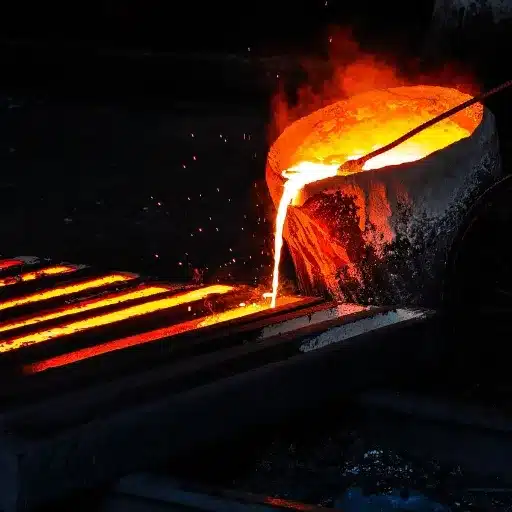
Melt Characteristics of Carbon Steel
Low-Carbon Steel (up to 0.25% carbon): This kind of steel is also referred to as mild steel and it generally melts at the highest temperature in the range, around 2,700°F (1,480°C). A low carbon content like this not only results in a high melting point for the steel but also ensures the steel has good ductility which is one of the reasons it is widely applied in construction as well as other areas that employ steel in general.
Medium-Carbon Steel (0.25% to 0.60% carbon): Melting point of this kind of steel is still hot but lower compared to low-carbon steel melting point. The melting point of medium-carbon steel is in the range of 2,600°F to 2,700°F (1,426°C to 1,480°C). In addition, carbon content plays a role in the hardness and strength of the product. The melting properties of this type of steel bring about its use in the making of gears, shafts, and bolts.
High-Carbon Steel (0.60% to 1.5% carbon): The melting temperature of high-carbon steel lies between 2,426°F and 2,600°F (1,330°C and 1,426°C) on account of the content of carbon in the steel. This kind of steel is the hardest among all and its mainly used in cutting tools such as knives and saws due to the fact that it is extremely brittle; hence, it can be disadvantageous in the subsequent processing as it gets fabricated and one of the reasons it is not so popular.
Steel Alloys: Variations in Melting Points
In the case of steel alloys, melting points can vary a lot depending on the elements that are present in them. The melting point of pure iron, the base metal of steel, is approximately 1,538°C (2,800°F). At the same time, there are the alloying elements like carbon, chromium, nickel, or manganese which can cause the melting point of steel to shift considerably. These substances not only impact the quality of the steel but also its thermal characteristics.
For instance, carbon steel is one of the primary types of steel melting point characterized by carbon content as its main characteristic to be in the range of 1,426°C-1,493°C (2,599°F-2,719°F) just like the example given. At the same time, stainless steel which is rich in chromium and sometimes nickel has a melting point of 1,375°C-1,530°C (2,507°F-2,786°F), the latter being slightly lower than the former. Tool steels on the other hand that are produced for strength and wear resistance have melting points from 1,300°C to 1,500°C (2,372°F to 2,732°F) varying according to individual alloys.
Applications of Understanding Steel Melting Points
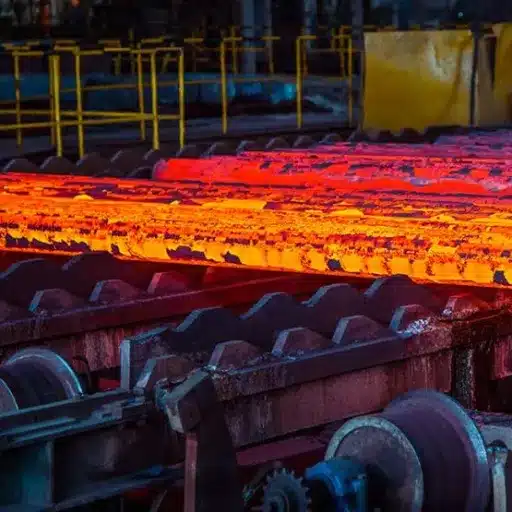
Implications in Construction and Manufacturing
The knowledge of melting points among stainless steel and other alloys however, is a major factor that decides the fate of the construction and manufacturing industries. Among other factors, one of the major reasons of the popularity of stainless steel is its melting point that ranges from 2,500°F (1,370°C) to 2,800°F (1,540°C) thus, it is used in the applications that require great heat resistance and durability. Safe or not, the case and grade of stainless steel are closely related as the selection of the melting characteristics of the grades gives a guarantee to the structural soundness in the case of extreme hight temperatures.
This in turn, leads to very precise defects that can be caused by the use of welding, forging, and casting methods being controlled less severely. In some cases, the problems that might occur because of the melting process of the materials during the application of the techniques can be even completely eliminated by warping, cracking, or even the entire structure failing. One of the most commonly used alloys, 304 stainless steel, has a melting point of about 2,550°F (1,400°C) thus it is utilized in non-heating areas in the process of the installation of making the parts which work with less heat.
Welding and Melting of Metals
- TIG Welding (Tungsten Inert Gas Welding):
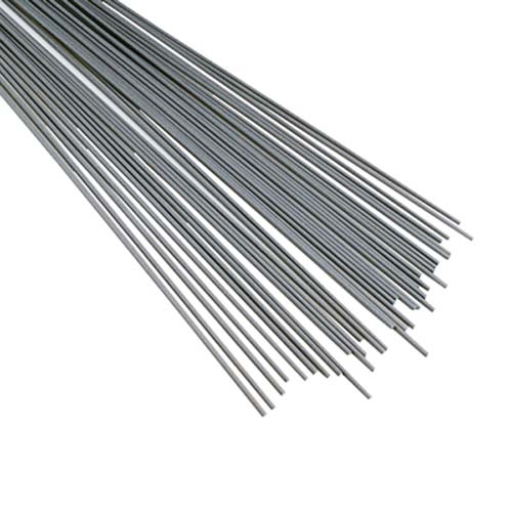
TIG welding, which is better known as arc welding, is very accurate and it also employs a tungsten rod as a non-consumable electrode and inert gas for the purpose of preventing the contamination of the weld area. It is also the most widely used method for welding materials of small thickness like that of stainless steel, aluminum, and titanium. According to the studies, the welds produced using the TIG welding method are indeed very good in mechanical properties and have high tensile strengths that often go above 400 MPa depending on the material. - MIG Welding (Metal Inert Gas Welding):
MIG welding, the procedure that is a semi-automatic process, is the easiest and fastest way to do metal joining in industries such as automotive and shipbuilding with thick metal. Modern improvements like pulse welding, which is being done to increase the efficiency and to reduce spatter, are making the weld quality better. - Plasma Arc Welding (PAW):
Plasma welding gives complete control and is both thin and thick materials friendly. The plasma arc produces a high temperature stream that allows precision welding and thus this process becomes a great choice for aerospace applications. Research has shown that PAW can melt through 0.25 inches (6 mm) deep in a single-pass weld on nickel-based alloys. - Laser Beam Welding (LBW):
Laser welding is when a powerful laser beam is used to unite metals. The process is generally employed in the case of joint quality and precision critical application areas, and since heat distortion is minimal it is a favorite method in high-tech industries. Also to note, industrial-grade lasers can reach temperatures as high as 20,000°F (11,000°C), thus almost instantaneously welding even the hardest metals tungsten and molybdenum.
Conclusion
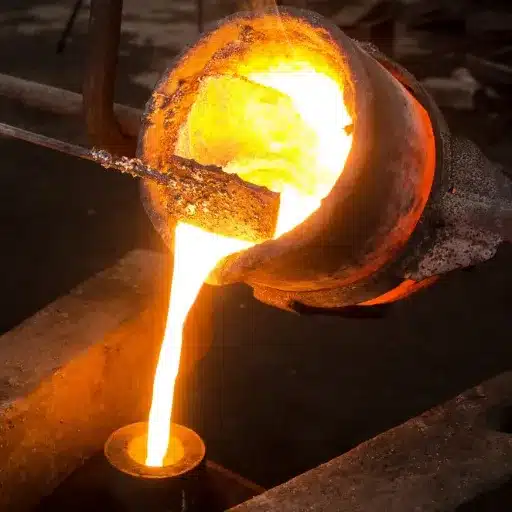
The Importance of Knowledge in Metal Properties
A complete understanding of the properties of metals is the main requirement for the most effective industrial process and good decision-making. Steel, aluminum, and copper, being among the metals, have very different groups of properties like mechanical, thermal, and chemical ones that influence their potential for specific applications. For example, steel, which is exceptionally strong and its melting point is about 2,500 °F (1,370 °C), is the right metal for constructing and manufacturing heavy machinery.
The evolution of material science is one of the main factors making properties like ductility, malleability, and thermal conductivity more and more important. For instance, among the different compositions of stainless steel, which is chromium alloyed steel, the one with a very high percentage of chromium can have its corrosion resistance doubled (200%). The data on thermal conductivity of metals indicate that copper is the best conductor with the highest value of 401 W/mK, and that is more than two times of aluminum, therefore making copper indispensable to electrical wiring and cooling applications.
Future Considerations in Metal Applications
Technology has been so advanced and the need for environmentally friendly materials is so high that a completely new area of metal application has been created. The great thing about this trend is that it is the light-weight metals such as titanium and magnesium that are going to be used widely in the aerospace and automotive industries, thus consuming less fuel and polluting less. Not only does titanium possess excellent strength-to-weight ratio and is corrosion resistant, but it is also being increasingly employed in aircraft and prostheses; while magnesium alloys are very light and can be very well machined, thus, they are perfect for making components that are not heavy.
One more trend is the development of high-entropy alloys (HEA). HEA is a class of metals that consists of several elements as their main ones. HEAs have very remarkable mechanical properties, namely, high strength and good thermal stability, and these features make them candidates for extremely harsh environments like space. For example, a research article published in the journal Science has stated that the “new” HEAs can hold up to temperatures above 1,000°C without losing their properties.
Reference Sources
-
“Heat treatment effect on maraging steel manufactured by laser powder bed fusion technology: Microstructure and mechanical properties”
- Key Findings: This study explores the use of laser powder-bed fusion (L-PBF) technology to melt metal powders, including steel, for industrial applications. It highlights the impact of heat treatment on the microstructure and mechanical properties of maraging steel.
- Methodology: The research employed L-PBF technology as an energy source to melt metal powders, followed by heat treatment to analyze changes in microstructure and mechanical properties.
- Read the paper
-
“Corrosion tests for refractory materials intended for the steel industry—A review”
- Key Findings: This review discusses the behavior of molten steel at high temperatures and the role of slag in the process. It also examines the challenges of slag saturation and its interaction with molten steel.
- Methodology: The study reviews existing literature and experimental data on the interaction between molten steel and refractory materials, focusing on corrosion tests.
- Read the paper
-
“Effect of Single Oxide Fluxes on Morphology and Mechanical Properties of ATIG on 316 L Austenitic Stainless Steel Welds”
- Key Findings: This research investigates the melting point and mechanical properties of 316L austenitic stainless steel welds. It highlights the role of temperature gradients in controlling molten metal movement during welding.
- Methodology: The study used single oxide fluxes in ATIG welding to analyze their effects on the morphology and mechanical properties of steel welds.
- Read the paper
Frequently Asked Questions (FAQs)
❓ What is stainless steel’s melting point and how does composition affect it?
The melting point of stainless steel differs with different grades, as the chemical composition of steel can raise or lower the melting point of pure iron-based systems that have a fixed melting point of 1535°C. Most austenitic stainless steels have melting ranges around 1375–1530°c (approximately 2507–2786°f). The melting point of stainless steel is constantly affected by the presence of chromium, nickel and other alloying elements which causes melting points to shift and broaden into a melting temperature range (solidus to liquidus) and so on.
❓ How does steel compare to other common metals in melting points?
Steel and its alloys generally have higher melting points than aluminum (low melting point) but lower than the refractory metals. For instance, the melting point of aluminum is about 660°c while that of cast iron and many steels varies from 1200–1535°c depending on the composition, whereas nickel and tungsten can melt at even higher temperatures (nickel melts around 1453°c and tungsten around 3422°c). One reason for the different melting points of metals is their bonding, crystal structure and alloying.
❓ At what temperature does steel melt in celsius, fahrenheit and kelvin?
°Steels do not have a single melting temperature because the melting temperature depends on the alloy. Generally, mild carbon steels start melting around 1425–1535°c (2597–2795°f) or are equated with about 1698–1808 K. Pig iron and cast iron, on the other hand, have different liquidus/solidus temperatures; thus the melting and casting process must take into consideration the solidus (the moment the solid phase begins to melt) and liquidus (the moment the metal is fully liquid) points.
❓ Why do melting points of various metals and alloys vary?
Melting temperatures may differ because metals and alloys have different crystal structures, bonding strengths and impurity or alloying levels. The chemical composition dictates the single point melting behavior for pure metals and a temperature range for alloys, where solid and liquid phases coexist in equilibrium. Phase diagrams delineate solidus and liquidus lines and clarify why melting point may not be a single point for industrial metal alloys.
❓ Which metals used in industry have the highest melting points and how do they compare to steel?
Tungsten (approximately 3422°c), tantalum and rhenium are among the highest melting point metals that are used in industry; they are far above the typical range of steel. Nickel and tungsten alloys can melt at extremely high temperatures (e.g., nickel melts around 1453°c, much higher with tungsten additions), hence for extreme temperatures and high heat applications engineers choose these refractory metals over ordinary steel instead.