Rust has been the opponent of metal, an invisible yet ceaselessly active agent that gradually degrades both the metal’s strength and appearance. That said, knowing how rust develops and being aware of the prevention methods are necessary no matter if you are working with the strong versatility of carbon steel or the non-corrosive stainless steel. This article will take you through the main differences in rusting between carbon steel and stainless steel and also provide you with effective methods to keep your steel assets safe. Through the corrosion science and maintenance tips, this guide will be your ticket to lengthening steel’s life and improving its performance. Follow along to discover knowledge that can spare you time, money, and effort in the battle against rust on your steel.
Understanding Carbon Steel
What is Carbon Steel?
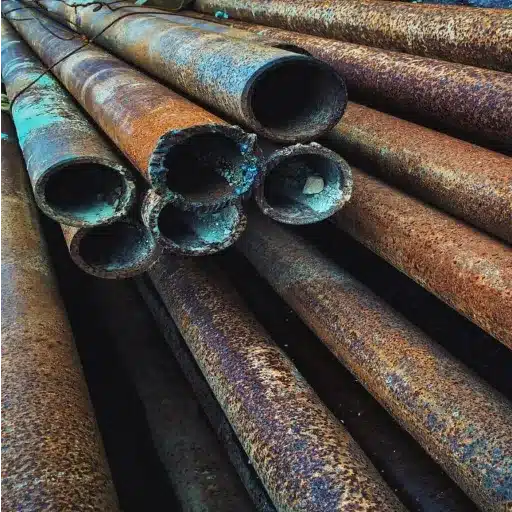
Carbon steel is one of the most used metals that mainly consist of iron and carbon, with other elements present only in tiny amounts. Its classification is based on the amount of carbon in the alloy, which, in turn, affects the strength and usage area of the product. In general, the upper limit for the carbon content in steel is around 2.1%. Carbon steel has many grades progressing from low to high carbon content like low-carbon steel or mild steel with carbon percentage not more than 0.3%, then medium-carbon steel having 0.3-0.6% carbon, and finally high-carbon steel containing 0.6-2.1% carbon.
The whole alloy is very powerful and its quality permits it to have different uses in construction, the automobile sector, and industry. For instance, low-carbon steel is frequently used for constructing buildings as it is very soft and quite inexpensive. On the other side, medium-carbon steel’s strength and flexibility have made it a perfect choice for the production of machines while high-carbon steel, being literally the hardest and most brittle, is used in the manufacturing of tools and making of wires having high strength. The carbon steel also has a tensile strength of around 400 MPa to 2000 MPa depending on the type of carbon steel as per the industry.
Types of Carbon Steel
- Low Carbon Steel (Mild Steel)
Low-carbon steel contains approximately 0.05% to 0.25% carbon. It is the most popularly used of all the carbon steel grades, mainly due to its low price, ductility, and versatility. It proves to be very easy to weld, hence its applications include structural steel, pipelines, and car body parts. Recent statistics show that low carbon steel accounts for about 70% of the entire carbon steel output, therefore it serves as a significant part of the industry.
- Medium Carbon Steel
This type of steel generally contains around 0.25% to 0.6% carbon, thus it possesses greater strength and hardness than low carbon steel. Medium carbon steel finds its usage in the manufacturing of railway tracks, gears, axles, and machinery parts. Even though the alloy exhibits enhanced mechanical properties, it is still less ductile and tough, which is why it needs heat treatment for improved life.
- High Carbon Steel
High carbon steel is made of steel that has a carbon content of 0.6% to 1.4%, thus making it the hardest and strongest among the three groups. However, the resulting hardness is obtained at the expense of ductility. This category of steel is mainly used for making tools, knives, springs, and wires of high tensile strength. If compared with the economic utility of lower-grade steel, its relatively lesser demand caps high carbon steel’s share in total carbon steel production.
The Science of Rusting
Chemical Processes Involved in Rust Formation
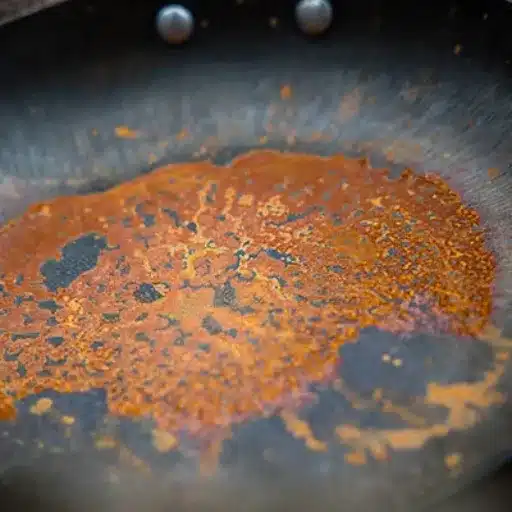
Rusting, which is the oxidation of iron, is a complicated and lengthy process consisting of various electrochemical reactions. It occurs on the surfaces of ferrous metals where moisture and oxygen are present, the latter being the main surrounding agent. The ensuing combination of iron (Fe), water (H₂O), and oxygen (O₂) produces hydratediron(III) oxide (Fe₂O₃·nH₂O), more often referred to as rust. The process has been summarized in a few steps below.
Oxidation Reaction
Iron in the first reaction loses electrons and gets oxidized when coming into contact with water. So the iron ions (Fe²⁺) are created:
Fe → Fe²⁺ + 2e⁻
Reduction Reaction
Meanwhile, the water-saturated oxygen molecules are reduced by the two electrons that have been taken from iron thus producing OH⁻ ions:
O₂ + 4e⁻ + 2H₂O → 4OH⁻
Formation of Rust
The Fe²⁺ ions, in the next step, mix with the hydroxide ions producing the iron(II) hydroxide (Fe(OH)₂). This compound eventually, under the presence of oxygen and the removal of moisture, changes to rust (Fe₂O₃·nH₂O) which is the final product of the whole process.
Environmental Factors Influencing Rust on Carbon Steel
Carbon steel is prone to rusting greatly depending on the environmental conditions, where humidity, temperature, and the presence of corrosive substances have a decisive role. To a great extent, moisture is responsible for the chemical reaction and consequently its rapid ridding process in that region of high humidity where humidity is considered to be the electrolyte. Recent studies show that carbon steel surfaces treated below 70% relative humidity humbling experience accelerated rusting. This is especially disquieting in the coastal areas where seaside salt air carries along particles that are already submerged in the corrosion process.
Moreover, temperature has a big say in the matter of rust. Heat present can no doubt quicken the pace of oxidation and other such chemical reactions, but at the same time, extreme and sudden changes in temperature can result in condensation occurring on the steel thus aggravating the problem of rusting. One such study, for instance, indicated that temperature variations in industrial zones, where the air is saturated with sulfur dioxide and nitrogen oxides, cause metals to rust faster.
Carbon Steel vs. Stainless Steel
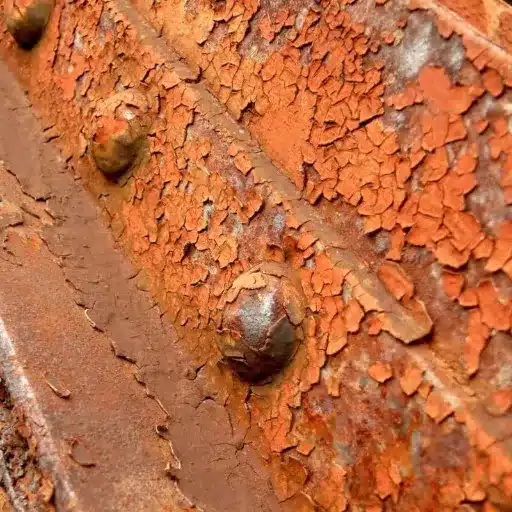
Corrosion Resistance: A Comparative Analysis
Corrosion resistance is the main property that heavily affects the choice of carbon steel or stainless steel. Both materials offer various types of resistances but carbon steel is the least resistant to corrosion and the most susceptible to oxidation. Therefore, not only is its use in harsh environments limited, but it is also avoided in places, such as coastal or industrial ones, where rusting is worsened by salt and other contaminants. Research states that in a highly humid or marine atmosphere, carbon steel if raw might display the first signs of rust within just one or two days.
On the other hand, one of the best things about stainless steel is that it can be so because of the unique combination of its elemental composition. The composition of stainless steel includes chromium, which is one of the elements to prevent the formation of oxidation. This is the very reason why stainless steel lasts long, even in the severest of conditions. The presence of chromium in stainless steel actually builds a protective layer between the steel and the surroundings that helps resist the corrosive agents according to the grade of the alloy steel. The grade 304 steel is often considered to be the best choice for the different types of applications because it has a very good resistance to the environment.
Applications of Carbon Steel and Stainless Steel
Applications of Carbon Steel
Carbon steel is usually the first option when it comes to the construction of buildings and the making of tools such as drill bits, chisels, and hammers thanks to its great hardness and wear resistance. In tool making, however, the high-carbon type is employed as it merges these properties with low cost, which is a crucial factor too. The strength, low price, and versatility of carbon steel are appreciated, hence an important thing to note is that about 90% of the world’s total steel output is constituted by carbon steel which indicates the metamorphosing role of carbon steel in the development of infrastructure.
Applications of Stainless Steel
On the contrary, stainless steel is basically present in those works where its resistance to corrosion, cleanliness, and good-looking feature are the priorities. For example, in the medical field, stainless steel is an indispensable biocompatible material for the manufacture of instruments and implants because of its innate resistance to sterile conditions. The food and beverage industry has also invested heavily in stainless steel for tanks and equipment as it makes the process of food safety by preventing contamination through its resistance. Furthermore, the building and designing industries consider stainless steel most appropriate because of its contemporary look and its durability which is even tougher than the hardest stones.
Preventative Measures Against Rust
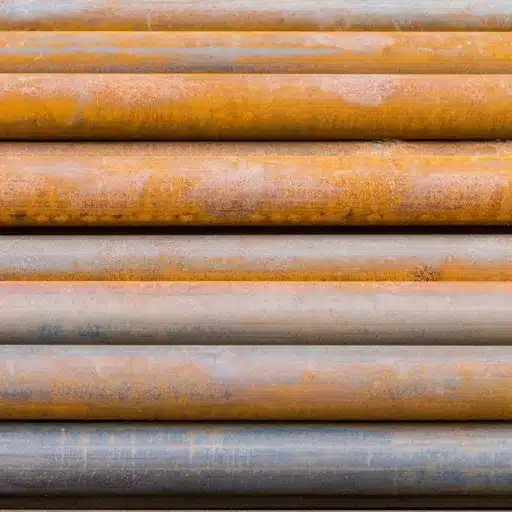
Protective Coatings for Carbon Steel
The usage of protective coatings is one of the most important aspects of carbon steel production as it stops corrosion and environmental deterioration keeping the carbon steel live for longer. The carbon steel with the slightest contact with water and air gets rust quickly, thus, coating technologies have the biggest support. Among others epoxy, polyurethane, and zinc-based galvanization are the most experienced methods of protection. Being one of the epoxies, their qualities such as chemical resistance and durability make them widely accepted in different industries where they are used in pipelines and marine constructions, to give examples.
New data reveal that the global market for anti-corrosive coatings has recently experienced a dramatic rise in demand. The market mainly global sales of corrosion protection coatings would be around $12.79 billion in 2021 and further increase in compound annual growth rate (CAGR) would be at 4.3% for 2022-2030. The maximum yield is still zinc galvanization and it is said that galvanization can be an anti-corrosion measure for steel for 50 years or more even if it is pollution-free to a certain extent.
Proper Maintenance Practices
If the protective coating is applied, then good maintenance methods would still be indispensable to ensure the performance and longevity of the carbon steel. One of the main methods of identifying the failure of the coating and the signs of surface deterioration is by regular inspection. The industry standard dictates that critical infrastructure such as pipelines and bridges should be inspected at least once a year. Depending on the circumstances, these inspections may include visual evaluation, ultrasonic testing or advanced corrosion detection technologies.
Moreover, the cleaning procedure is very significant in removing contaminants such as dust, salts, or chemical residues that could cause corrosion to happen at a faster rate. For instance, research shows that the presence of chloride salts can increase the corrosion rate of carbon steel by as much as 50%. Pressure washing and abrasive cleaning are the methods that can completely remove the layers of contaminants from the steel surface as well as from its protective coatings.
Conclusion and Practical Advice
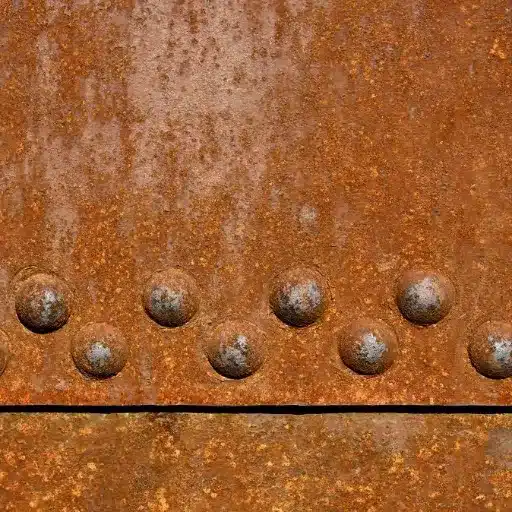
Recommendations for Industries Using Carbon Steel
Monitoring and Maintenance Protocols Regularly Enforced
The routine inspections are the ones to tell if there is any early chilling or the damage. In an absolute sense, industry research of current day states that crucial facilities can last up to 25% longer under regular care. Besides, the periodic technologies reported recently allow the installation of IoT-based corrosion monitoring systems in industries that can have real-time control of the environment, preventive measures up to the point of the major damage and loss of production.
Select Protective Coatings Correctly
Coating with epoxy or zinc is among the strongest barrier against moisture and hazardous chemicals. The continual application of the highest quality coatings has resulted in the corrosion rates dropping down by 50% in areas with the most susceptibility. The metallized coating, or advanced polymer-based solutions, will especially be beneficial for the companies engaged in the marine and chemical processing sectors.
Appropriate Material Selection Based on Use
The steel grade used in the fabrication of the working pieces should always conform to the conditions of the operation. For example, if less budget is available for this attribute in material, then milder steel is the best option, whereas high carbon steel possesses the least attribute but stronger wear and tear resistance. Analysis for the year 2023 indicates that the practice of material tailoring for specific applications has brought down the maintenance cost by 15% for the companies.
Innovative Methods of Corrosion Prevention
The cathodic protection system is one of the many innovations that, when properly implemented, will resist the environmental corrosion of the oil and gas industries, for example, for a long time. The 30% increase in the effectiveness of the protection has been reported when nano-coatings accompany the cathodic system.
Corrosion Prevention in Steel Trends of the Future
A bold step into the future of steel rust prevention is directly linked to the improvement of technology, the demand for sustainability, and the discovery of new materials. The nano-sized corrosion inhibitors are considered one of the most impressive ways. These inhibitors utilize the property of nano-sized particles which can form an extremely thin but still effective barrier on steel surfaces, and the astonishingly enlarge the anti-corrosive property. According to the latest research, the life of steel structures could be extended by 30-50% with nanocoatings, hence they are regarded as a viable option for industrial use.
The widespread installation of the technology will invariably result in the implementation of self-healing coatings which will be the next major trend in the market. These advanced materials can already mend tiny cracks on their own without having to wait for manual intervention, thereby keeping the protective layers undisturbed. Early trials of self-healing coatings have revealed that maintenance costs are reduced by approximately 25% for infrastructures utilizing such coatings since they are not subjected to wear or are not protective, as the case may be.
Reference Sources
-
“Flame Braze between Aluminum Alloy 5A06 and Low Carbon Steel Q235”
- Key Findings: This study explores the brazing process between low carbon steel and rust-proof aluminum. It highlights how surface wettability improvements can enhance the mechanical properties of brazed joints.
- Methodology: The research used flame brazing techniques to join aluminum and carbon steel, analyzing the mechanical and surface properties of the resulting joints.
- Read the paper
-
“Corrosion inhibition of low carbon steel in HCl medium using a thiadiazole derivative: weight loss, DFT studies and antibacterial studies”
- Key Findings: This paper investigates the use of thiadiazole derivatives as corrosion inhibitors for low carbon steel in acidic environments. It emphasizes the economic impact of rust removal and the eco-friendly nature of the inhibitors.
- Methodology: The study employed weight loss measurements, density functional theory (DFT), and antibacterial tests to evaluate the effectiveness of the inhibitors.
- Read the paper
-
“ASTM A36 in Swamp Water from the Village of Rambutan, South Sumatra Province, Indonesia”
- Key Findings: This research examines the corrosion behavior of medium carbon steel in swamp water, identifying electrochemical processes that lead to rust formation.
- Methodology: The study involved heating the steel to 850°C and immersing it in swamp water to observe rust formation and electrochemical reactions.
- Read the paper
Frequently Asked Questions (FAQs)
What is the comparison of rusting process of carbon steel and others alloy metals?
Carbon steel undergoes rusting due to iron’s reaction with oxygen and moisture forming iron oxide, and this process is faster in areas with high humidity and salt water because electrolysis quicken the corrosion. Among others, alloy steels with chromium, nickel, or other metals are more corrosion resistant. In many situations, an alloy with more chromium or nickel will provide similar toughness and resistance to corrosion as carbon steel-free treatment.
Does seasoning or patina make a carbon steel pan resistant to rust?
Indeed, well-seasoned carbon steel pans create an oil layer that is both polymerized and patinaed, which prevents rust by establishing a barrier between the surface and water. The carbon steel is not resistant to corrosion as stainless steel, but in case of a well-maintained patina and drying after use, it will be very helpful to reduce rust and staining of steel parts used for cooking.
Is it possible for carbon steel to rust when submerged in salt water or acid?
Carbon steels are very susceptible to fast rust when in contact with salt water or acid. This is due to the fact that salt acts as an electrolyte which increases the dissolution rate of iron and consequently the formation of iron oxide, which often leads to pitting. If unprotected, the immersion of carbon steel in seawater results in rapid corrosion and structural damage except when corrosion-resistant coatings or sacrificial anodes are used.
What role do alloying elements like chromium and nickel have on the corrosion of carbon steel?
Chromium, nickel, and other alloying elements can significantly change the microstructure (ferrite, martensite, austenite) and thus the resistance to corrosion and the toughness of the material can be dramatically improved. The typical chromium content of about 10-12% or more allows the forming of a stable, protective oxide film around the steel making it corrosion resistant; on the contrary, nickel improves toughness and possibly the resistance to certain corrosive environments.
Do cast iron and carbon steel possess the same rusting characteristics?
Cast iron and carbon steel are iron alloys and will rust (iron oxide formation) if the same conditions are present; however, cast iron, due to its higher carbon and silicon content, is more prone to corrosion, and the patina formation is also harder. Seasoning can be beneficial in preventing water-induced corrosion for cast iron and keeping it dry is the only way to prevent reddish-brown rust and pitting, just like in the case of carbon steel.