Among the materials that are durable, versatile, and economical, 301 stainless steel strip has positioned itself as the best option for industries all over the world. This high-performance alloy features outstanding tensile strength, top-notch resistance to oxidation and rust, and flexibility that is quite astonishing. However, how to pick the right supplier for your specific needs? The writing goes deep into the fundamentals of 301 stainless steel strips and suggests the best manufacturers in China that are well-known for the quality of their products and the low prices they offer. If you want to be informed about the material’s applications, advantages, or the leading manufacturers, this guide is for you. It covers everything and gives you the insights required to make wise choices.
Introduction to 301 Stainless Steel Strips

The Importance of 301 Stainless Steel in Today’s Market
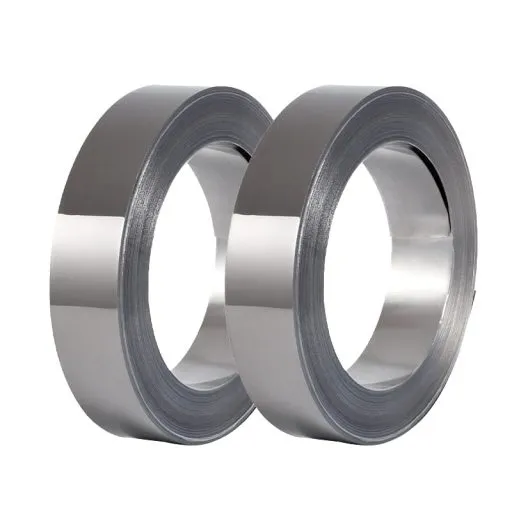
The stainless steel strips type 301 are used in various applications and their properties of strength, flexibility, and ability to resist corrosion make them the most appealing materials. The composition of this type of austenitic stainless steel comprises mainly of chromium (16-18%) and nickel (6-8%) which enables it to suitability for very demanding and precise applications. It is also known for its production of high strength by cold working which is why it has gained popularity in the basic industries like automotive, aerospace, electronics, and construction.
Market research reveals that there is an upward trend in the 301 stainless steel strips demand which is substantially powered by manufacturing improvements and the adoption of light but sturdy materials. According to the market analysts, by the year 2030, the worldwide stainless steel market will be around $174 billion and the use of 301-grade material is one of the key factors in this growth. This trend indicates the material’s adaptability and its being used in the toughest applications like fasteners, springs, washers, and flexible industrial machinery.
Lets take a closer look at 301 stainless steel strips applications and industries
Automotive Industry
The automotive sector consumes the largest amount of stainless steel 301 strips among which the various applications are electrical connectors, springs, clamps, and structural improvements. Since the material has very high tensile strength and good ductility, it allows the parts made of such materials to survive severe conditions and have a long life. The most recent data indicates that approximately 20% of the total global demand for stainless steel strips comes from the automotive sector.
Electronics and Electrical Applications
As the electronic devices become more advanced so does the need for additional materials that are not only reliable and conductive like 301 stainless steel. These strips can be found at connectors, shielding applications, and precision instruments. They help boost the performance and provide longer life specifically in applications that need electromagnetic protection and are thus very delicate.
Construction and Architecture
The building industry is another domain that uses 301 stainless steel strips to manufacture different types of structural components like brackets, roofing, facades, etc. The combination of corrosion resistance and not losing aesthetics even in harsh weather makes them ideal materials for contemporary architecture. Furthermore, reports on the consumption of construction materials suggest that the trend of increasing the use of stainless steel in construction will continue, mainly due to the green practices adopted by the building industry.
Food Processing and Medical Equipment
In the food industry and medical field, hygiene and service life are very essential factors. 301 stainless steel strips are largely found in the surgical and dental tools, kitchen equipment, and processing machines due to their easy-to-clean surface as well as the least bacteria accumulation. This material thus facilitates compliance with even the most stringent health and safety regulations worldwide.
Aerospace and Defense
301 stainless steel strips are being utilized in the manufacture of aircraft, fasteners, and high-tech systems in the aerospace and defense industries. Their light weight coupled with the ability to withstand extreme temperature changes helps to improve the efficiency and safety of operations in such demanding sectors.
Understanding 301 Stainless Steel
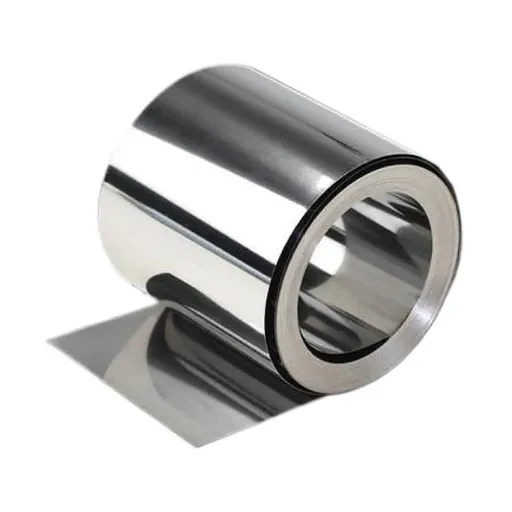
Chemical Composition of 301 Stainless Steel
The chemical makeup of 301 stainless steel is one of the most important factors in determining its mechanical properties and corrosion resistance. Although iron is the main constituent, the addition of chromium and nickel as the principal alloying elements affords the material exceptional durability and performance for a broad spectrum of industrial applications. Following is presented the typical chemical composition of 301 stainless steel:
Chromium (Cr): 16.0% – 18.0%
Chromium gives 301 stainless steel its superb ability to resist corrosion, because it forms a passive layer that blocks oxidation and rust from occurring.
Nickel (Ni): 6.0% – 8.0%
Nickel makes the alloy more ductile and tough, which is one of the reasons why it is used in applications that require a combination of flexibility and high strength.
Carbon (C): Max 0.15%
Carbon contributes to the hardness and strength of the steel, through the possibility of heat treatment. However, the steel loses its corrosion resistance if carbon content goes beyond a certain level.
Manganese (Mn): Max 2.00%
Manganese is a factor in the wear-resistance of steel and it also increases its overall strength.
Silicon (Si): Max 1.00%
Silicon is one of the elements that makes the stainless steel more resistant to scaling at elevated temperatures.
Phosphorus (P): Max 0.045%
Sulfur (S): Max 0.030%
Alloying elements phosphorus and sulfur are kept to a minimum to ensure that the metal retains its ductility and that brittleness does not occur.
Properties of 301 Stainless Steel Strips
Corrosion Resistance: The alloy demonstrates a good resistance to oxidation and various corrosive environments, but the corrosion resistance level gets poorer as the alloy undergoes the processes of cold work with the increasing amounts of cold work. It is still effective in mild environments but may not be so good in highly corrosive or sea water areas when compared to other types of stainless steels such as 304 or 316.
Mechanical Strength: The 301 stainless steel displays very high strength, especially when working cold. The cold rolling process increases its tensile strength, which will be in the range of 930 MPa to more than 1500 MPa, dependent on the extent of work hardening. This gets it the benefit of being used in such applications as springs, fasteners, and structural components where there is a lot of stress on the part.
Ductility and Formability: High Strength 301 stainless steel has excellent ductility, retaining its properties. It can be subjected to a lot of forming and drawing process without losing its performance, which allows the making of complex shapes.
Hardness: The hardness of 301 stainless steel increases with the cold work done on it. For instance, the material in the annealed condition has a Rockwell B hardness of around 95. Nevertheless, depending on the application, cold working may move the hardness up to over Rockwell C 40.
Scaling Resistance: At elevated temperatures, this material exhibits good resistance to scaling, thus, it can be used effectively in environments having a temperature of 1700°F (927°C) for a short period of time. In such cases, the metal will be slightly softened and its strength lowered due to tempering.
Manufacturing and Quality Standards in China
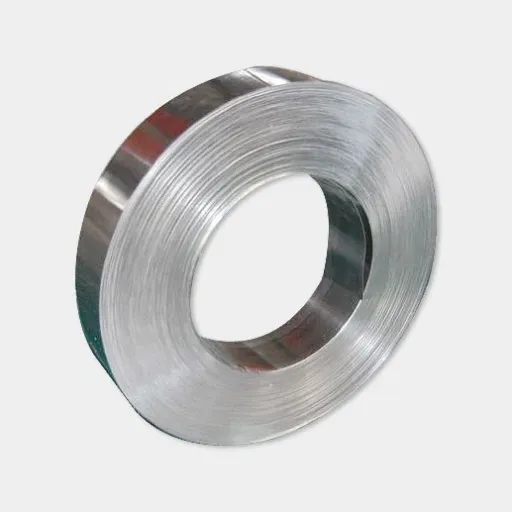
Production Process of 301 Stainless Steel Strips
The manufacture of 301 stainless steel strips requires precise and accurate processing steps which are aimed at achieving the best mechanical properties and the best quality. The method starts with the melting and casting of first-class raw materials in electric arc furnaces and then with refining employing methods like the AOD (Argon Oxygen Decarburization) to get the required chemical composition. This step guarantees the highest level of corrosion resistance and the greatest ability to be worked further.
The casting of steel into slabs is followed by hot rolling at high temperatures, around 2100°F (1150°C), which reduces the thickness but at the same time keeps the steel ductile. After the hot rolling operation, the material goes through annealing and then pickling where it is treated with acid to remove scale and improve surface quality. The process also regains the material’s ductility which makes it ready for the next operations.
Then, the material is subject to cold rolling in order to achieve a predetermined thickness and to further strengthen the material and increase its hardness. This can be done by reducing the thickness to as little as 0.01 inches (0.25 mm) or even less. During the cold rolling process, different temper variations can be produced depending on the end use, with the full hard temper yielding a tensile strength of nearly 200,000 psi (1380 MPa).
Factory Direct Price vs. Market Price
When comparing factory direct prices to market prices of 301 stainless steel strips, there are many important factors to consider. The process of factory direct pricing in particular, minimizes the cost of middlemen allowing the manufacturers to present very nice prices to the buyers. An up-to-date analysis shows that the total cost of factory direct transactions can be about 10 to 20 percent less than that of the market prices which are dominated by dealers or middlemen. The main reason for this cost benefit is the cutting down on overhead expenses, for instance, retail markups and distribution.
For instance, if one would normally buy a ton of “301” stainless steel strip through the usual routes, it would cost around $2,500 as the market price, while at the same time factory direct prices will probably be $2,000 to $2,200 per ton. Moreover, through direct purchasing, the buyer is generally able to get more open communication regarding the customization options and the timelines for production, thus making it more beneficial in terms of value for industrial and commercial buyers. The factory direct case is not only a win for the companies in terms of cost but also a great opportunity to establish a strong partnership with the manufacturers which, in turn, would make the logistics easier and create a reliable supply chain.
Market Trends and Demand Analysis
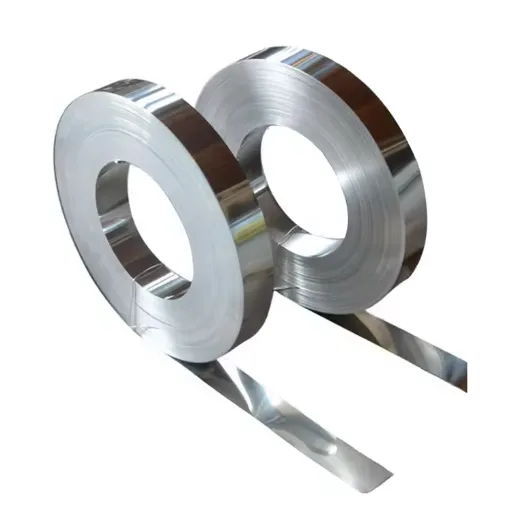
Current Industry Trends Affecting 301 Stainless Steel Strips
The market for 301 stainless steel strips has been influenced by global and industry-specific factors. One of the major causes has been a step that forward in the usage of materials that are both high-strength and resistant to corrosion in the automotive, aerospace, and construction industries. The versatility and toughness of 301 stainless steel render it the most suitable material for areas where such traits are required.
Moreover, the sustainability issue and the use of recyclable materials have propagated the market. The 301 grade among others, stainless steel is acknowledged as a recyclable material, with about 70-80% of new stainless steel originating from recycled material. This goes along with the world’s reduction of carbon footprint by primarily targeting steel-making factories.
Price fluctuations of raw materials, particularly nickel and chromium, are other factors that play a major trap in the pricing of stainless steel strips. Along these lines, nickel prices have been going up and down as a result of the prevailing geopolitical tensions and snags in the supply chain which, according to the latest market data, has been one of the factors behind the price adjustments of stainless steel products.
Demand Analysis and Supply Chain Challenges
The truth is that the demand for 301 stainless steel strips is expected to skyrocket due to their versatility and large-scale application in numerous industries. Automaking, construction, and aircraft manufacturing are the major ones demanding less heavy and more corrosion-resistant materials; they are the main market drivers. The global market for 301 stainless steel strips was about $2.8 billion in 2023, and a growth rate over the next five years will be 5.1% compound annual growth rate (CAGR) foreseen. The reason is mainly the durability of the material thus the demand created by manufacturing and infrastructure projects.
On the other hand, the path of 301 stainless steel strips through the supply chain is not smooth. The ups and downs of prices for raw materials like nickel and chromium have created a lot of uncertainties about manufacturers’ costs. Also, the international supply chain has been affected by wars and lockdowns; hence, there are more delays and inventory imbalances.
Conclusion
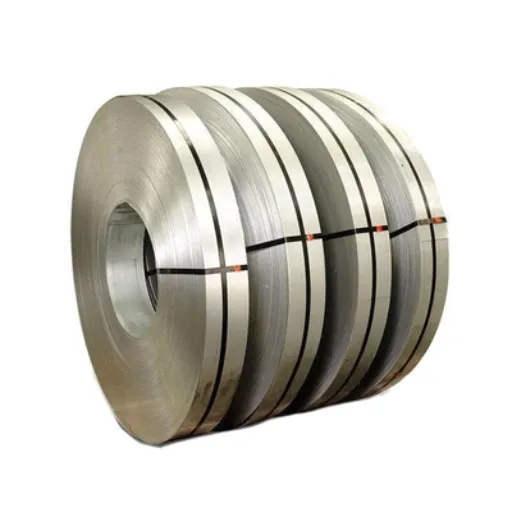
Summary of Key Points on 301 Stainless Steel Strips
301 stainless steel strips are a very adaptable and commonly utilized material recognized for their exceptional mechanical properties and resistance to corrosion. The main constituents of the strips are chromium (16–18%) and nickel (6–8%), accompanied by other minor constituents, which eventually lead to their persistence in different industry usages. Among the prominent properties of 301 stainless steel strips are high tensile strength, excellent formability, and capability of operating at extreme conditions. Their widespread usage in automotive parts, springs, fasteners, and architectural works is a direct result of their capacity to undergo rigorous shaping without significant cracking.
A remarkable quality attribute of 301 stainless steel is that it can be quickly and easily processed to harden during machining and this is an advantageous feature for metals. Another thing is that the current trend in the market is for less. Besides, the growing demand for 301 stainless steel strips for construction and automotive manufacturing is mainly due to the material’s lightness and energy efficiency.
Future Outlook for the 301 Stainless Steel Strip Market
The market for the 301 stainless steel strip is bright and set to grow, as there are many key trends and demands from different industries. According to market insights, the increase in the use of this multifunctional material will be slow but steady, with a compound annual growth rate (CAGR) of around 4-5% between 2023 and 2030 forecasted. This rise in demand will be driven by the fast development of the automotive, aerospace, and construction sectors, where 301 stainless steel is liked for its extreme strength, ductility, and resistance to corrosion.
One main reason that is going to influence the future is the increasing use of electric cars (EVs), which are depending on light but strong materials for efficiency improvement. The 301 stainless steel strip is going to be a significant part of the EV battery components because of its remarkable ability to perform under tough conditions. On the other hand, the growing need for precision-engineered parts in electronic devices is an additional factor that will positively affect the market.
Reference Sources
-
Effect of Low-Temperature Sensitization on Hydrogen Embrittlement
- Source: Semantic Scholar
- Key Findings: This study investigates the impact of metastable austenite on hydrogen embrittlement (HE) in cold-rolled 301 stainless steel. It highlights how a 30% reduction in thickness during cold rolling affects the material’s susceptibility to HE.
- Methodology: The research involved cold-rolling processes and subsequent testing for hydrogen embrittlement under controlled conditions. Read more
-
Gradient Microstructure Design in Stainless Steel
- Source: Semantic Scholar
- Key Findings: This paper introduces a novel gradient structure in 301 stainless steel sheets, achieving a unique combination of high strength and ductility. The gradient microstructure design enhances the material’s mechanical properties.
- Methodology: The study employed advanced microstructural engineering techniques to create and analyze gradient structures in stainless steel sheets. Read more
-
Cold Roll Forming Process Design for Complex Stainless-Steel Strips
- Source: Semantic Scholar
- Key Findings: This research focuses on the numerical simulation and parameter design of the cold rolling process for 301L stainless steel strips using a 20-roll mill. It provides insights into optimizing the rolling process for better material performance.
- Methodology: The study utilized numerical simulations and experimental validations to design and optimize the cold rolling process parameters. Read more
Frequently Asked Questions (FAQs)
Reliability of 301 stainless steel strip manufacturer or supplier, where can I find one in China?
Different trade mediums, such as business directories, trade platforms, direct contacts with manufacturers, and suppliers for the specific product characteristics, can help you find the most reliable suppliers and manufacturers of 301 stainless steel strips. Look for the Chinese suppliers who import and export processing and supply of stainless steel in various forms including steel coils, slit coils, sheets, and plates as well as quality 301 stainless steel strips who have the ability to certify (material grade AISI 301) and the ability to modify dimensions, surface quality, and provide precision stainless steel strips.
What is the difference between the cold rolled and hot rolled processes from a stainless steel strip producer?
The cold-rolled stainless steel strips have been at room temperature during the entire process, which is the reason why they have higher tolerances, smoother strength, and better surface finish when compared to hot-rolled stainless steel which has to go through at a high temperature and is usually applied for larger volumes of plates and coils. Cold-rolled stainless steel strips usually give as smooth as possible the precision of the stainless steel and they are of narrower width (stainless steel narrow) while hot-rolled stainless steel is cheaper for thickest sheets and coils.
What are the mechanical properties of China’s 301 stainless steel coils and 301 stainless steel strips?
Grade 301 stainless steel can be characterized as having a typical combination of properties that includes good ductility, high strength (especially if in the cold worked state like extra full hard), and good corrosion resistance for almost all environments. The variation of mechanical properties corresponds to the temper: annealed 301 is more ductile, cold rolled or extra full hard 301 increases tensile strength. Manufacturers and suppliers usually provide tensile strength, yield strength, and elongation values for the specific temper.
Is 301 stainless steel classified as non-magnetic, and how does processing impact the magnetic permeability?
Stainless steel 301 is generally recognized as non-magnetic in the annealed condition, but its magnetic permeability may increase when cold worked or rolled. Hence, 301 stainless steel strips or coils that have been heavily cold rolled for high strength might demonstrate some magnetic response. If the non-magnetic character is of paramount importance, request for annealed material, and corroborate with the stainless steel strip manufacturer and supplier.