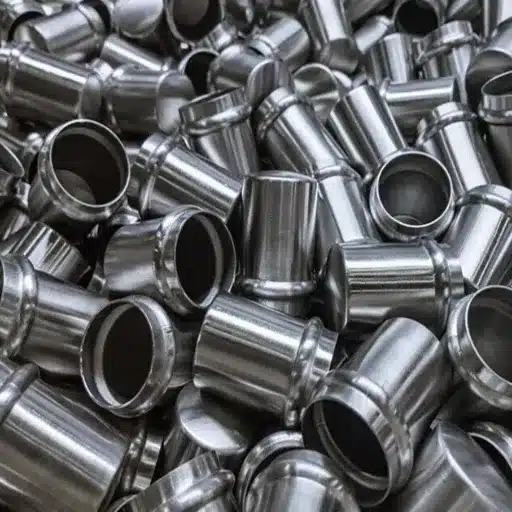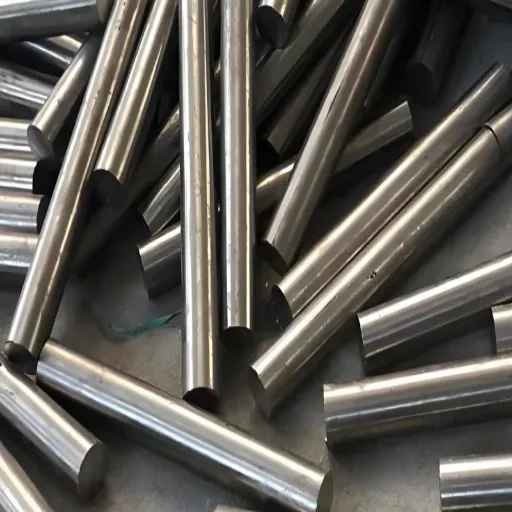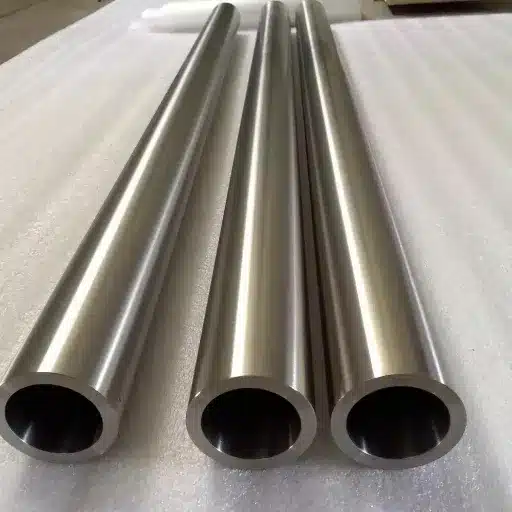
In the case of the industries that require the highest quality, welded cobalt alloy tubes are a top choice among the other materials because of their great strength, wear resistance, and high-temperature performance. These materials, which are sometimes made even better with tungsten, are capable of withstanding the most difficult conditions in the aerospace, energy, and medical industries. This paper takes an in-depth look at the major benefits, uses, and material properties that render welded cobalt alloy tubes necessary for crucial processes. If you are looking for materials for extreme environments or just want to increase the lifespan of your projects, then you will surely benefit from the insights given in this guide and be able to make the right decisions.
Introduction to Cobalt Alloy Tubes
What Are Cobalt Alloy Tubes?
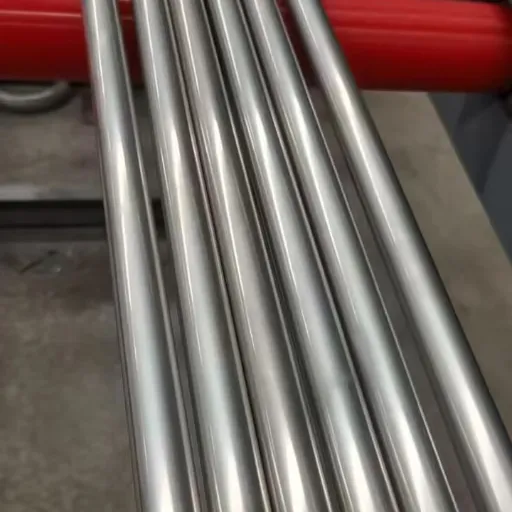
Cobalt alloy tubes are among the best performing metal products that are made from cobalt-based materials and provide outstanding strength, durability, and resistance to corrosion. They are engineered for heavy-duty use in extreme conditions- high-temp, corrosive, and long-lasting. Cobalt alloy materials are obtained by mixing cobalt with other elements that include chromium, molybdenum, tungsten, and nickel, which together improve the material’s resistanc.
Cobalt tubes alloys are none other than the materials which have the strength to hold the mechanical characteristics of the alloy specified in the range of over 600°F (315°C) up to 1,200°F (650°C) in some cases. Therefore, they are widely accepted in sectors such as aerospace, where they are applied in jet engine parts; power generation, for turbine blades; and medical, including biocompatible stents and surgical tools. Furthermore, their greasiness resistance and fire prevention properties make them even more valuable in the operations of critical industrial processes.
Cobalt Alloy Tubes’ Importance in Different Industries
Medical Industry
Cobalt-based alloys have found a broad application in the medical field, mainly in orthopedic and dental implants. The materials being compatible with living tissues and conducting no or very slow bodily corrosion give the implants a long life. For instance, the expensiveness of cobalt-chromium alloys in implant replacing instances has been backed by studies revealing a survival rate of well over 90% for replacements lasting 15-20 years.
Aerospace Industry
Cobalt alloy tubes are the materials used in aerospace for jet engine parts, turbine blades, and exhaust systems because they can stand up to the most difficult conditions of temperature and pressure. The metals allow the installation of motor systems operating at 1000° Celsius with safety and increased output. The industry’s estimates indicate the worldwide market for heat-resistant alloys, including cobalt-based ones, will increase by 5.3% a year by 2030.
Energy Sector
Cobalt alloy tubes find major usage in power generation such as in nuclear and gas turbines, where heat resistance and corrosion resistance have to be at the top, among others. For example, they are used for steam generator tubing and other nuclear reactor parts. The reliability of alloys in these critical infrastructures translates into uninterrupted power generation over considerable periods.
Key Properties of Cobalt Alloy Tubes
Mechanical Properties of Cobalt Alloy Tubes
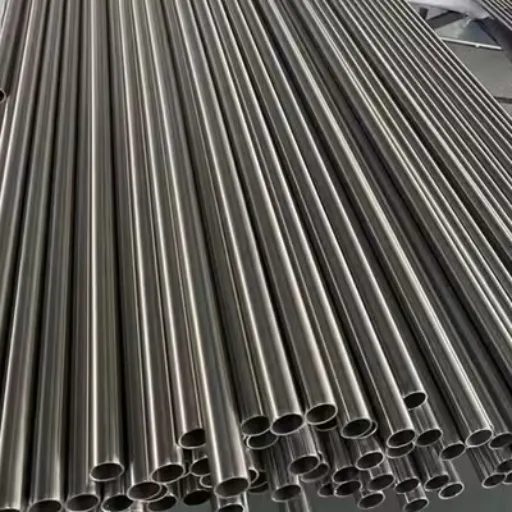
Cobalt alloy tubes are a noteworthy material for challenging applications in use, being very easy to work with. Apart from the fact that they are even high strength, good toughness, and wear resistance, these alloys cannot be affected by the extreme conditions of high-temperature and corrosive environments. One of the most important features is the fact that they are very resistant to both fatigue and thermal creep, which guarantees that the applications will be subjected to cycling loads or high-temperature exposure for a long time.
Cobalt alloys generally possess a tensile strength in the range of 800 MPa to over 1500 MPa. The exact figure depends on the alloy’s composition and the treatment applied. The hardness of these alloys varies from 180 to 500 HB (Brinell hardness), so they can resist wearing by abrasion in such industries as aerospace and energy. Additionally, cobalt alloys display remarkable elongation percentages of an estimated 10%–40% which is indicative of their excellent ductility and the fact that they can undergo mechanical deformation without cracking.
Chemical Composition of Cobalt and Chromium
Cobalt-chromium alloys are mainly composed of cobalt (Co) and chromium (Cr) in addition to molybdenum, nickel, iron, carbon, and sometimes tungsten among others which are added to improve the mechanical and chemical properties of the alloys. One of the critical influencing factors that give the alloys their corrosion resistance is the high chromium content which is typically between 26% and 30% and it helps in forming a protective oxide layer. Cobalt, on the other hand, which usually constitutes around 60% to 70% of the alloy, provides strength, durability, and heat resistance.
Molybdenum which is usually found in the amount between 5% and 7% plays an important role in enhancing the corrosion corresponding to the pitting and crevice type that the alloy is able to resist. The levels of carbon which may be between 0.2% and 0.6% are controlled to manage the hardness and wear resistance of the material particularly in the case of applications that demand durability. The presence of nickel and iron in trace amounts that usually do not exceed 3% for each element serves to harmonize the alloy’s properties and facilitate its production.
Benefits of Using Cobalt Alloy Tubes
Corrosion Resistance and Durability
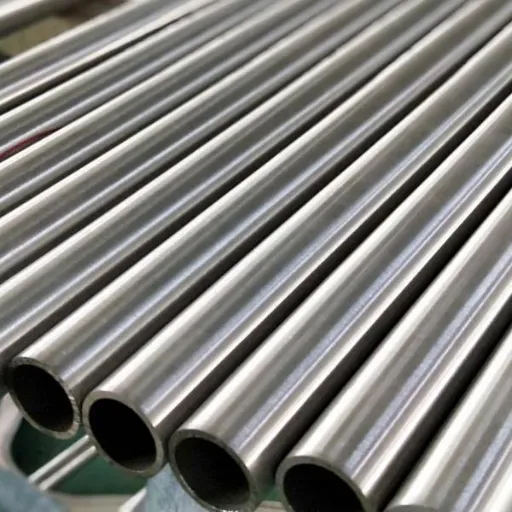
Cobalt alloy tubes, with their remarkable properties, have become the number one choice for very difficult and demanding applications. Not only are they made out of cobalt such as chromium and molybdenum alloys, but also they develop a layer of oxide on their surface that gives them even better resistance against chemical as well as oxidation degradation up to a certain level in a very aggressive environment. Thus, these properties are not only applicable but are also necessary in industries where corrosive substances are used, for example, chemical processing, petrochemical refineries, and marine engineering.
An example of this is cobalt-chromium which is found to be superior to stainless steel in high chloride exposed environments where pitting corrosion occurs. Data shows that cobalt alloys continue to exist and work well in such environments with temperatures reaching 600°C (1112°F) and with acidic or alkaline solutions, like sulphuric and hydrochloric acid, respectively. Moreover, ASTM standards like ASTM F1537 have certified their wear and corrosion resistance, thus, making them the right material for medical implants and heat exchangers.
Thermal Stability and Performance
Cobalt alloy tubes are among the most thermally stable materials available, thus, their mechanical properties and structural integrity are not affected even at high temperatures. They are also very valued in the aerospace, power generation and chemical processing industries where reliable performance under thermal stress is a requirement due to the high melting points and oxidation resistance.
Recent advancements and data highlight that cobalt alloys can withstand temperatures exceeding 1000°C (1832°F), making them ideal for applications in high-temperature environments. For instance, in turbine engines—where components face extreme heat and mechanical loads—cobalt alloys effectively minimize deformation and ensure operational efficiency. Furthermore, these materials exhibit minimal thermal expansion, reducing the risk of warping or failure during temperature fluctuations.
Besides, their excellent thermal conductivity permits these tubes to dissipate heat very efficiently, thus, facilitating their use in heat exchangers and thermal management systems. For example, studies indicate that cobalt-based alloys have a thermal conductivity range of approximately 10–40 W/m·K depending on the specific composition, thereby, assuring reliable heat transfer even under tough operational conditions.
Applications of Cobalt Alloy Tubes
Medical Applications: Cobalt Tubes in Healthcare
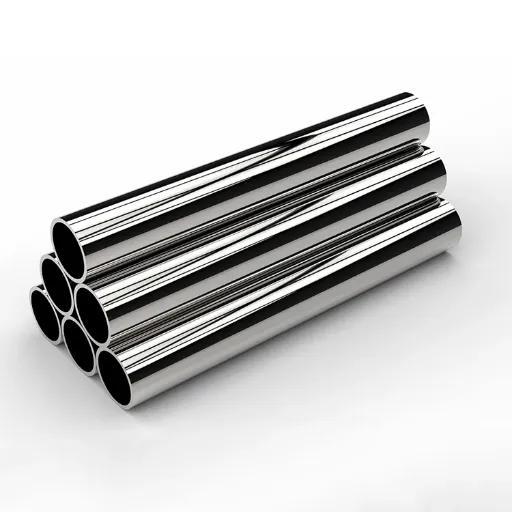
Cobalt alloy tubes have become indispensable in the healthcare industry due to their remarkably high strength, anti-corrosion properties, and compatibility with the human body. All of these characteristics make them perfect for implantable devices and surgical instruments. For example, cobalt-chromium alloys are applied extensively in the production of orthopedic implants such as those for hips and knees. Recent studies show that cobalt-chromium related prosthetics have a life span of about 15-20 years, thus decreasing the number of surgeries and improving the overall experience of the patients.
Moreover, the cobalt-alloy tubes are used to produce vascular stents that keep blood flow in the arteries and veins uninterrupted in patients with heart problems. The property of very high fatigue resistance combined with the bio-functionality employed in cobalt stents allows these stents the comfort of the human body while being already effective, thus ensuring effective long-term treatments. Studies show that cobalt-chromium stents have a lesser chance of causing restenosis (narrowing of the blood vessels) than the older stainless steel ones, which makes them the leading choice in the medical field.
Aerospace and Automotive Uses of Alloy Tubes
Cobalt alloy tubes not only have healthcare applications but also are critical in the aerospace and automotive industries, where strict performance and safety regulations are met by utilizing their unique properties. In the case of the aerospace industry, these tubes are in high demand in the jet engines, mainly due to their wonderful quality of heat and corrosion resistance which makes them very reliable even in cases of extreme operating conditions. One example is cobalt-based superalloys which can endure temperatures of up to 1,100°C (2,012°F), thus are perfect for turbine blades and other parts that experience high-stress.
In a similar manner, cobalt tubes in the automotive industry have played a great role in producing cars that are lighter, more robust, and less fuel-consuming. The ability of these tubes to withstand heavy pressures without increasing their volume is what attracts the car manufacturers to use them in the production of their vehicles. Cutting the mass of a vehicle by only ten percent can, as per the recent findings, enhance the economy of its fuel consumption by six to eight percent. In addition, the corrosion-resisting properties of cobalt alloys have made them the perfect material for exhausts and other components that come into contact with the harsh conditions which frequently exist in the vicinity of the engine.
Recent Innovations in Cobalt Alloy Tube Manufacturing
Advancements in Welding Techniques
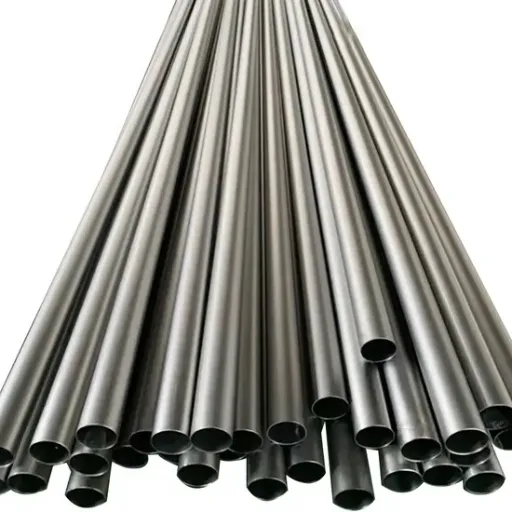
The process of manufacturing and using cobalt alloy tubes has greatly benefited from the recent developments in welding techniques. One of the major advances is the use of laser welding, which offers high precision, clear quality and small heat-affected areas. This method not only guarantees the strength of the joints but also lowers the chances of defects that can harm the quality of cobalt alloy tubes, particularly in critical applications such as aerospace and automotive sectors where the parts are subjected to a high level of stress and strain.
Furthermore, the application of automated welding systems in combination with AI is another important trend in the welding sector. Robots equipped with AI technology can monitor welding quality instantly and change the parameters if necessary to maintain the desired standard and speed. An industry report published recently mentions that automated welding has added a whopping 25% to the speed of production and at the same time reduced the amount of raw materials wasted by 30%, thus proving their cost-effectiveness and making them suitable for large-scale production.
New Alloys and Material Compositions
The never-ending progression in metallurgy has led to the birth of high-tech alloys and the creation of new materials with the properties that are required by today’s applications. One such technology is the development of high-entropy alloys (HEAs) which can be considered as the most revolutionary materials due to their outstanding mechanical properties and heat-resistance. HEAs are not like the conventional ones which are made of one base metal but these are comprised of many principal metals, five or even more, mixed in almost equal ratios. This special formulation provides HEAs with enhanced properties of resisting wear, corrosion, and oxidation so that they can work in high-temperature areas and heavy-duty applications like the aerospace and energy sectors.
A recent research has indicated that adding elements like chromium, manganese, or titanium to alloy systems has a substantial impact on the enhancement of the material properties. Cobalt-based superalloys with titanium as an addition are one of the best examples as they have increased strength and high-temperature deformation resistance, which is very crucial for turbine blades and jet engine parts. Also, nickel-titanium alloys (also known as Nitinol) are among the most sought after due to their remarkable shape memory and superelastic properties and their applications are now extending widely in the medical field through devices like stents and orthodontic wires.
Reference Sources
-
Sliding Wear of Cobalt-Based Alloys Used in Rolling Seamless Tubes
This study examines the use of cobalt alloys in industrial applications, particularly in the production of seamless tubes, highlighting their wear resistance and mechanical properties.
Read more here -
Weldability Characteristics of a New Corrosion and Wear-Resistant Cobalt Alloy
This research focuses on the weldability and performance of cobalt-based alloys, such as Alloy 25, in applications requiring corrosion and wear resistance, including tubing.
Read more here -
Cobalt-Base Alloys for Biomedical Applications
This book discusses the use of cobalt alloys in various biomedical applications, including their design and properties, which can be extended to tubing for medical devices.
Read more here
Frequently Asked Questions (FAQs)
What is the impact of cobalt metal base on performance in industrial applications?
The visually appealing cobalt metal base is characterized by its outstanding capacity to resist oxidation, its high-temperature strength and its attitude of being wear-resistant, which eventually make it the preferred choice for the power plants, valves, pump sleeves, and other applications where the resistance to wear and galling is of utmost importance. The metal does not lose its mechanical properties in harsh temperatures and corrosive conditions of similar nature as that of wet chlorine and nitric acid. It is possible to obtain the desired hardness, creep resistance and overall life in demanding industrial applications by incorporating carbide precipitates or rare earth elements.
Where can I locate the SDS and what details does it consist of regarding cobalt alloy tubes?
The cobalt alloy tubes SDS (safety data sheet) is given by the manufacturer and among other things, it contains hazard classification, recommendations for handling and storage, exposure controls, it also discloses the personal protective equipment required, the chemical makeup, and first aid treatments. In addition to those, the physical properties, stability and reactivity, and disposal considerations are also mentioned. Always make it a point to first ask for the SDS or the safety data sheet from your supplier before cutting, welding, or doing surface treatments to be in compliance with the safety rules for laboratories and workplaces.
What are the major determinants that govern the pricing of cobalt alloy tubes?
The pricing of cobalt alloy tubes is highly influenced by the market price of raw cobalt metal, the cost of other alloying elements (such as tungsten, nickel, rare earths, and carbides), the type of tube (seamless or welded), required dimensions, custom machining, heat treatment, and the overall supply-demand imbalance. Additional processing like precision grinding for thermocouple sleeves, liners, or wear-resistant coatings, and certification or testing (material test reports, nondestructive testing) will cause an increase in price. Generally, suppliers provide bulk supply agreements that lower the unit price compared to small, custom orders.
What are the main safety measures concerning cobalt alloy tube machining from the safety data sheet?
The safety data sheet indicates that machining cobalt alloy tubes produces a significant amount of harmful dust and fumes; hence, the local exhaust ventilation alongside respiratory protection is to be used. The wearing of gloves, eye protection, and protective clothing is to be done in order to avoid contact with the skin. In the case of swarf and coolant contaminated with cobalt-containing particles, follow storage, fire hazards, and waste disposal as per the SDS; especially for swarf and coolant contaminated with cobalt-containing particles. Compliance with the exposure monitoring and substitution implemented by the employer in the laboratory and industrial applications is an essential measure to safeguard the workers.
Are cobalt alloy tubes compatible with ceramics or ceramic-lined systems?
It is quite common for cobalt alloy tubes to be used with ceramics or they may be in the form of sleeves and liners where the ceramic parts are providing frictionless or insulating properties. The good oxidation resistance and high-temperature strength of the alloy are beneficial when dealing with ceramic injection or bonded components in wear-resistant assemblies. In cases where blending with ceramic materials is done, the differences in thermal expansion and the possibility of galvanic interactions should be considered; pipes and components that are ceramic-lined should be designed in such a way that they do not suffer from premature wear or cracking.