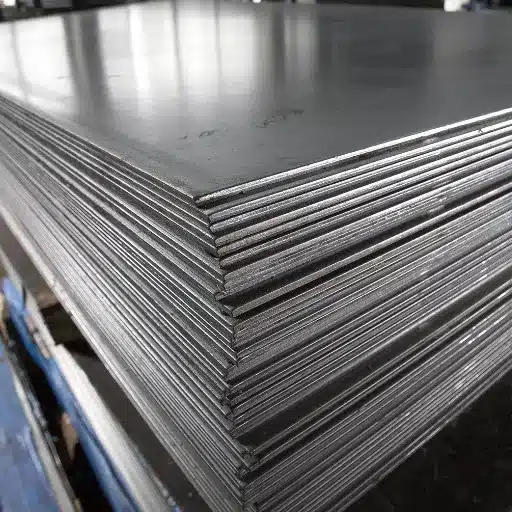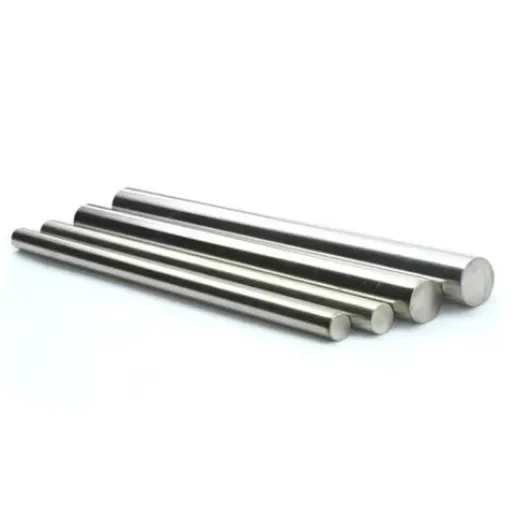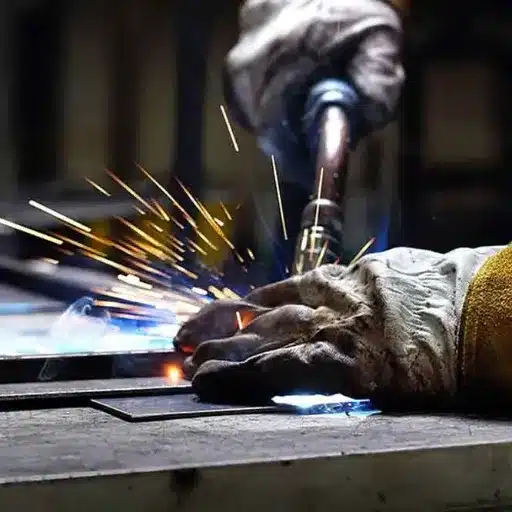
Turning stainless steel sheets into partiers is seen as a very difficult task, with them being very tough and resistant. Whether you are just a DIY enthusiast working on some minor at-your-homes projects or if you are a professional dealing mainly in industrial materials, in this phase here, you will know what fits them and how. This article is to give you the most pertinent and useful mediums toward cutting stainless steel sheets catering to various needs and skill levels. Ranging from common tools to advanced methods, we will get you acquainted with those tips that will ensure some clean, sharp cuts with less damage to the integrity of your raw materials. Get you your confidence up, ready to gleefully tackle your stainless steel cutting project!
Overview of Stainless Steel Sheet Metal
Definition and Composition of Stainless Steel Sheet Metal
Stainless steel is a versatile and durable material used across various fields, including in architecture and construction, which is known for its outstanding resistance to corrosion, mechanical strength, and aesthetics. An alloy of iron primarily, It comprises a minimum of 10.5 percent chromium, as well as other elements like nickel, manganese, and molybdenum in some cases. This thin surface oxide layer has chromium that provides the mentioned protection of the material from rust and corrosion.
Stainless steel grades have been produced and diversified for several distinct applications. For example, the widely used 304 stainless steel contains, in the familiar 18% chromium ratio with 8% nickel, a favorable mix of price, durability against corrosion, and ease of fabrication. On the other hand, 316 stainless steel amongst its other advantages owns an elevated resistance against harsh environments, as it adds molybdenum, making it suitable for marine or chemical applications.
Some of the Various Common Applications of Stainless Steel Sheets
1. Architecture and Construction:
Stainless steel sheets are widely used in structures for cladding, roofing, and structural components. For instance, the strength of type 304 and 316 stainless steel is why they are used due to their excellent corrosion resistance. According to the findings of the industry, the construction sector contributes approximately 30% of global demand for stainless steel. But, thanks to structures like the Chrysler Building in New York, a view can be formed about how much stainless steel in architecture could be put to the use both aesthetically and functionally too.
2. Automotive Industry:
The automotive sector, on the other hand, relies on stainless steel sheets for exhausts, decorative trim, and increasingly marque for electric vehicles (now common). Its anti-corrosive properties allow longevity in these hostile environments. According to the World Stainless Association study, stainless steel use in e-mobility further grew by 5% each year.
3. Food and Beverage Processing:
The necessary properties for stainless steel sheets are found in food processing equipment, storage tanks, and kitchen appliances. The pop-ularity of Type 304 stainless steel stems mainly from its resistance to many acids and organic chemicals. The objective to maintain clean and careful manufacturing environments is posing a increasing demand for the stainless steel market in food-grade applications.
Techniques for Cutting Stainless Steel
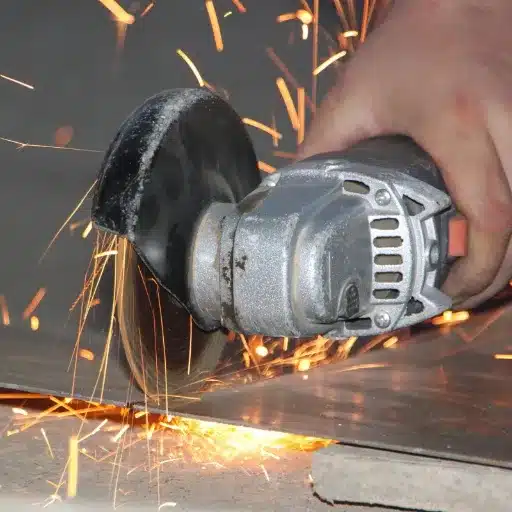
Laser Cutting: Precision and Efficiency
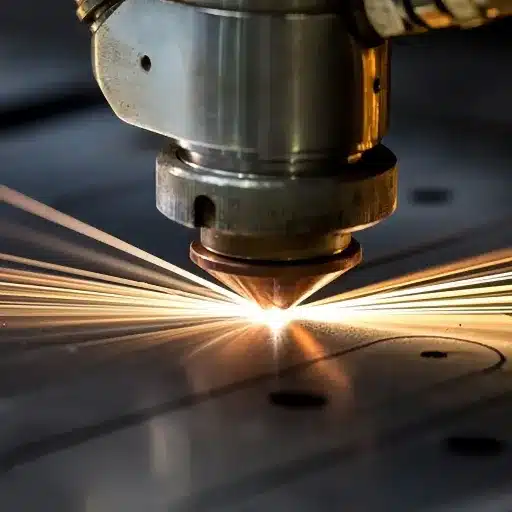
Called stainless steel laser cutting process is assumed to be highly sophisticated because it is precise, efficient, and versatile. With focused-duty light exposure, this system has high quality shapes on materials, forming only a few wasted pieces. This is why applications in industries like aerospace, automotive, and construction have selected this process.
With its ultra-fast speed and supreme precision, the laser beam blows plasma out of the water. Modern fiber lasers can reach stainless steel at the great speed of action. The figures tell us that a 6 kW fiber laser can cut a 1-mm thick piece of stainless steel at speeds over 50 meters/min. The advantage of such machines is that they can cut very smooth edges, devoid of any burs and negating the need for any kind of further operations.
Plasma Cutting: Fast And Versatile
In cutting types of steel that are conductive, one stands out as most versatile and thus efficient: plasma cutting. Operating at high air temperatures, use of this kind of technology allows cutting with amazing efficiency of metal completely ranges of thickness, from usually 1 millimeter to 50 millimeters or more. There are many who say the high speed of plasma-cutting is what makes it worth investing in, as such efficiency increases are conspicuously high, particularly in regards to thicker materials being cut. Certain advanced plasma cutters reach cutting speeds up to 20 meters per minute in doing some ultra-thin metals, thus greatly enhancing productivity in industrial operations.
Further advancements of plasma cutting precision have risen with the progressions in CNC-controlled plasma systems, making the technology even finer when it comes to detailing. In the realm of custom fabrication, the relative mere affordability of plasma systems as compared to laser systems makes plasma a cost-driven option. All new developments—whether they pertain to the added life of the consumables, or alter-nozzle designs—continue working hand in hand with plasma techniques to increase efficiency and hence reduce costs. All these advantages, joined with the ability to assist a range of materials and thicknesses, must make plasma cutting the most important of all techniques in manufacturing and metalworking operations.
Latest Innovations in Cutting Techniques
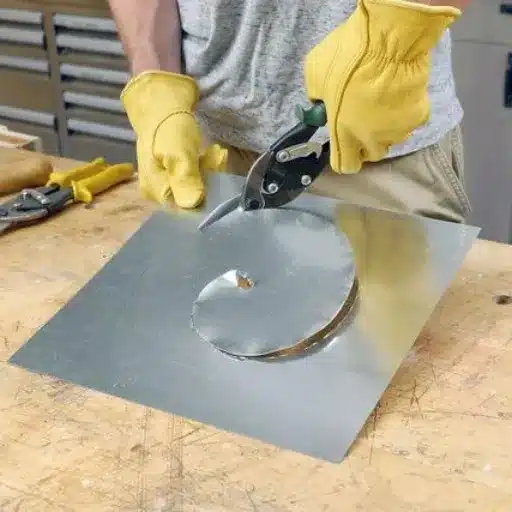
Technological Advancements in Steel Cutting
In the last three years or so, nowadays fiber laser cutting is one of the most significant players in the cutting technology field amongst others-thus immensely gaining mileage in the industry owing to its tremendous accuracy and capacity for cutting different thicknesses. Industry numbers suggest speeds of up to three times or so relative to CO2 lasers specifically for thin steel plates, thus saving on time and labor cost for the businesses at large. Upgradation in terms of automation in fiber cutting systems has perhaps further enabled a smoother operation: exhibiting better uniformity and considerably least possible human error.
With the evolution of the technology plasma cutting also evolved and changing into high-yielding systems of high-definition plasma that could be able to uphold the finer cutting edge almost as well as that of a laser; thus making it an ideal candidate for intricate steel designs. The current HD plasma cutters have the possibility to give an edge squareness to an accuracy of ± 0.5° having broader material applications, reaching a 15% increase in overall financial viability.
Water jet cutting becomes another key player, on the other hand, for thicker or heat resistant steel. Incorporation of abrasives such as garnet enhanced the efficiency of cutting beyond any reasonable means of doubt, and gradual software development now allows for cutting surface tolerance to operate up to ±0.001 inches, depending on the tried-and tested level. Water jet technology is exceptional for applications requiring thermal integrity, such as aerospace and surgical applications.
Novel Instruments to Enhance Accuracy
The latest in sheet metal cutting applies first-rate tools to ensure the highest level of efficiency and precision. One of these tools is the fiber laser cutter, an instrument growing in popularity among cutting applications. Fiber laser cutters offer a comparatively higher efficiency of up to 70%; this is much superior to carbon dioxide-laser cutters, which stand somewhere in the neighborhood of 20%. In addition to speed, fiber lasers also enhance the quality in processing of cell and thin metals, just aiding their manufacturers even more.
Another application has used plasma cutting systems with advanced CNC (Computer Numerical Control) technology. Owing to its strict tolerances for ±0.004 inches, plasma cutting has found major use in precision manufacturing industries such as the solid rocket motor and aerospace industries. The automation of these systems enhances cutting-grade accuracy by eradicating any human error and guarantees incessant precision.
Safety Tips When Cutting Stainless Steel
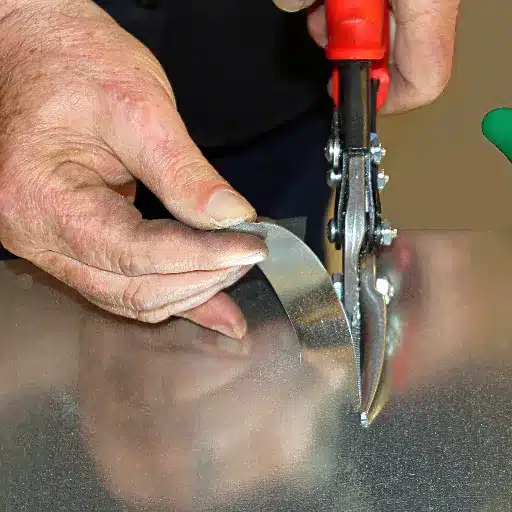
Safe Handling Practices
Employee Training: To keep the workforce informed about safe handling procedures, proper use of equipment, and emergency response procedures, a comprehensive training program is recommended. For instance, the Occupational Safety and Health Administration (OSHA) has found that work environments benefit to a 22% decrease in injury rates through the practice of persistent training.
Regular Equipment Maintenance: Ensuring that tools and machines were regularly inspected and maintained could help prevent failures and accidents. Any defect or worn-out parts should be promptly replaced.
Adherence to PPE Guidelines: Workers should always wear the correct Personal Protective Equipment (PPE), such as gloves, helmets, safety glasses, or goggles, based on the duty. According to OSHA, safe PPE usage can eliminate 60% of workplace injuries due to contact with harmful substances or equipment.
Risk Management during Cutting Operations
Risk management, in view of workers’ perils during the cutting operation, ensures safety of working personnel, equipment, and conformity with set industry regulations. A large amount of debris, laceration edges, noisy environments, and breakdowns in tools; these are some of the many situations present during cutting operation, whether these operations involved saws, lasers, or similar precision tools. Indeed, according to OSHA, a majority of workplace injuries have been ascribed to cutting operations, with lacerations and amputation being most common.
Much in the way of precautions is necessary curtailing these risks. Personal protective equipment (PPE) like safety goggles, gloves, hearing aids or helmets, and steel-toe shoes should be afforded workers as a good measure. Also, machines should have well-labeled emergency stops for quick interruption in emergency cases that prevent further accidents. According to tests, regular servicing and inspection could cut equipment-related incidents by up to 35%.
Common Challenges and Solutions
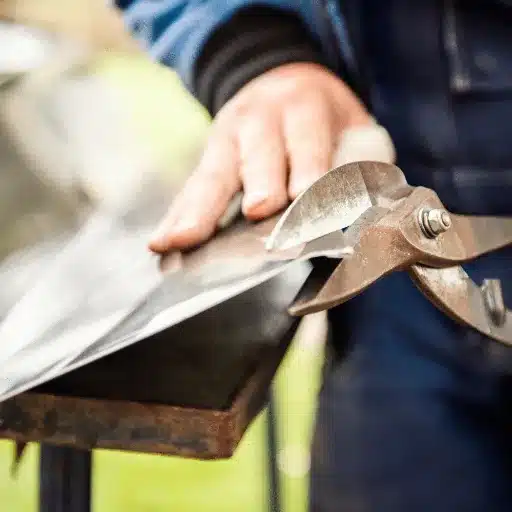
Dealing with Material Warping
The warping is a big disruption when you cut materials as is the fact that it reappears easily in heat-sensitive materials like metals and plastics. Warping is caused by uneven thermal expansion, and sometimes it is caused by the excited release of stress in the part heated or acted upon when the material is cut. This geometric deformation leads to an inaccuracy of the dimensions, loss of structural strength, and raised production costs for the characteristic material of the candidate causing the bending.
Controlling heat generation during cutting is one of the highly effective techniques to fight warping. For instance, some studies find the application of high-speed tools with appropriate cooling systems can help in reducing the heat build-up to almost 30% which minimizes the extent of risk due to thermal expansion. Further, selecting the correct cutting parameter feed rate, cutting speed, tools’ geometry could show significant control on heat distribution and stress reduction on the workpiece.
Tool Wear Prevention
Tool wear and tear is a critical factor influencing efficiency, product quality, and operational cost during manufacturing. The challenge becomes how to increase the life of tools while maintaining high performance. Among the strategies outlined in literature include proper maintenance, proper choice of tool material, and optimization of operating parameters.
Equipped with adequate information about the workpiece material, discovering the necessary cutting tool and machining conditions can pave the way to achieving this objective. For instance, carbide tools would have a life span 5-10% longer than High-Speed Steel Tools at similar cutting conditions. Further, a fairly small improvement in hardness could translate into an even greater enhancement in wear resistance, up to around 30%, due to coatings such as TiN.
Reference Sources
-
Laser Cutting Stainless Steel: A Feasibility Study
A research-based analysis of laser cutting technology and its application in stainless steel sheet metal fabrication.
Source -
Factorial Analysis of Fiber Laser Fusion Cutting of AISI 304 Stainless Steel
A research study analyzing the efficiency and precision of fiber laser cutting for stainless steel sheets.
Source
Frequently Asked Questions (FAQs)
Is it possible to cut through stainless steel rods in a reliable manner with a handheld tool?
Yes, a thin cutting disc on an angle grinder or a cutoff wheel on a portable saw will allow for the removal of a stainless steel rod. Use a grinder with a thin abrasive disc or a diamond-metal cutting disc, clamp the rod in a vice, wear goggles and gloves, and make short cuts to avoid overheating. For clean ends, use a band saw or chop saw designed for metal to reduce distortion.
Can a jigsaw be used to cut stainless steel sheets, and which blade should be used for this purpose?
A front-down jig saw can cut thin stainless steel sheets if a correct blade is put in use: a high-speed steel (HSS) or bi-metal blade with fine teeth designed to cut metal. Hold the stainless steel sheet down with clamps, maintaining weight on the piece. Keep the revolution of the machine very low up to medium speed to prevent work hardening and use cutting fluid for cooling or cool the work environment only to help keep the life of the blade as long as possible.
How good is an angle grinder with stainless for cutting steel versus a circular saw?
The fast cut of an angle grinder with a cutting grinder is preferable for quick cuts, shape cutting, or cutting rods or small sections, but it may not be quite as straight and the finish might be rough. See: the metal cutting type circular saw with a blade to cut stainless steel will give straighter cuts, which make it good for repetition work. Now, the choice over the two concerns the nature of the cut you need to make, the material thickness and the need for a precise cut.
What is meant by cutting stainless steel for intricate or fine patterns?
For fine, intricate cuts and shapes, consider a bandsaw with a fine tooth blade, a rotary drill (Dremel) with a cutting wheel, or a jigsaw with a fine metal blade. A laser cutter or waterjet cutter is ideal for super high precision. Keep the work cool, clamp the metal sheet, and use the correct blade designed for metal to avoid any tearing or rough edges.