Working with stainless steel can be quite challenging, especially for beginners or those with no proper equipment and techniques. Whether you are a DIY aficionado, a fabricator, or someone just working on some small home improvements; whatever it is, knowing the best ways to do their job is necessary. This guide was created to shed light on the knife-edge so that, with a precise description and an ample mass of useful tips, desired results can come forth. From selecting the right tools to becoming gently liberated towards those skills that could simplify the whole process—or help to cut stainless better—this blog post is aimed towards providing you with that knowledge so that you can boldly approach your job with safety.
Understanding Stainless Steel Properties
What Makes Stainless Steel Unique?
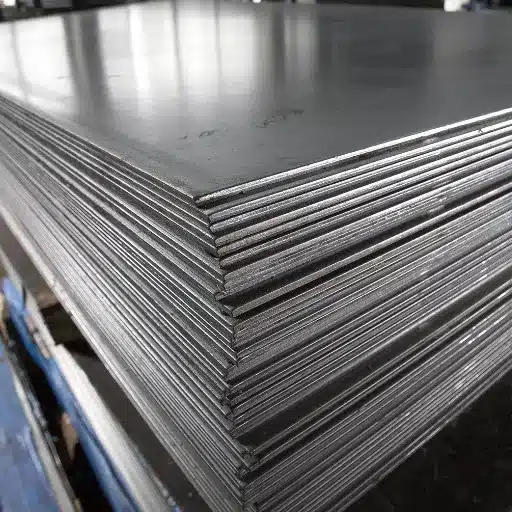
The first aspect of stainless steel that draws attention is its extraordinary blend of mechanical force, weight adversity, and resistance to corrosion. These properties are due to the formation of a layer of chromium oxide on the surface (a passive layer) due to the presence of more or less 10.5% chromium. This sheer layer of oxide tops the metallic material, thereby shielding it from rust and stains or even sustaining its bright and elegant appearance.
Recyclability seems to be an important advantage for stainless steel, presently, around 88% of the total material is recycled. Plus, it has a high tensile strength, rendering it suitable for different kinds of infrastructure and building projects. For instance, some grades of stainless steel may withstand temperatures as high as 650°C or 1200°F without running down other mechanical capabilities.
Common Uses of Stainless Steel
1. Construction and Architecture
Stainless steel is a vital material in construction today and is used in cladding, roofing, and structural work. Corrosion resistance makes it an ideal material for buildings in marine and humid environments. Iconic infrastructural works such as the New York Chrysler Building are prominently featured in stainless steel. Based on urbane developments and architectural designs, the world’s construction market for stainless steel is poised to hit a CAGR of 5.9% from 2023 up to 2030.
2. Automotive and Transportation
Stainless steel is a critical material in the automotive industry, where it is used for exhaust systems, fuel tanks, and structural frames. The high strength and lightness of the metal contribute to the safety and fuel economy of the vehicle. It is also used in trains, airships, and ships because it provides very high resistance to extremes of circumstances. Some 12 percent of global stainless steel consumption takes place in transportation.
3. Medical and Health Equipment
The impeccable hygienic attributes and ease of sterilization ensured that stainless steel found a way into medical devices, surgical instruments, and hospital fittings. It is also employed for dental implants and prosthetics because of its biocompatibility. Current market analysis reveals a sum total of $5 billion for the usage of stainless steel in medical appliance manufacturing in 2022, and the figure will surely ascend because of the advent of biomedical technologies.
Essential Tools for Cutting Stainless Steel
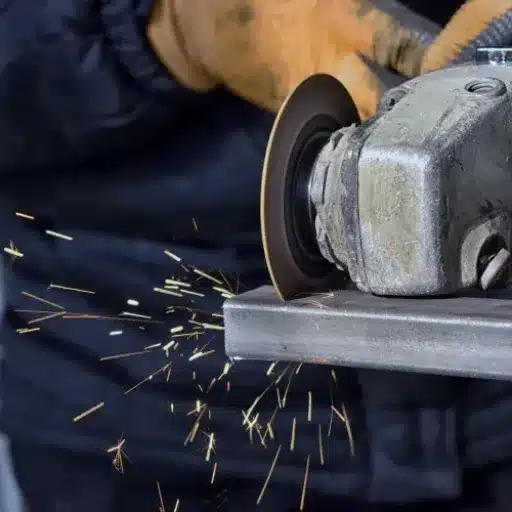
Overview of Cutting Tools for Stainless Steel
Angle Grinders
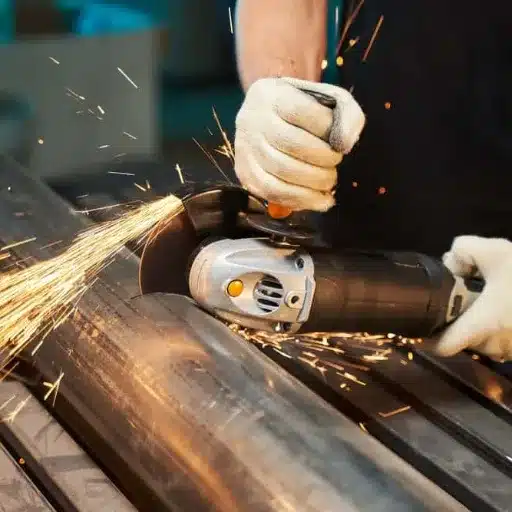
These powerful tools, when mounted with metal specific cutting wheels, are perfect for slashing through stainless steel stocks or pipes. For long service life, diamond or carbide corundum discs are strongly suggested. Studies establish that diamond wheels can last about 30% longer compared to traditional options, thereby providing economy and accuracy.
Plasma Cutters
Plasma cutting uses a fast-moving jet of hot plasma to cut thick stainless steel. The process is equally fast and accurate, making it great for industrial purposes. According to lately recorded observations, modern plasma cutters can handle a thickness of 1.5 inches of stainless steel with very little distortion.
Band Saws
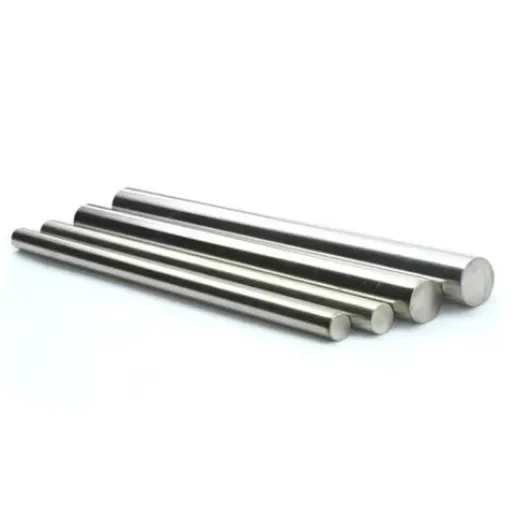
Now, band saws, fitted with bi-metal or carbide-tipped blades, are used for precision cuts in stainless steel rods or tubing. This suggests that bi-metal blades yield up to a five-fold increase in life compared to regular blades, therefore increasing efficiency over prolonged periods of cutting.
Selecting the Right Blade for the Job
Bi-Metal Blades
Bi-metal blades are engineered to be suitable for all-around long-lasting usage, such as cutting ferrous and non-ferrous metals, wood with embedded nails, and, in some cases, designed to pipe other materials. High speed steel teeth are welded to the reciprocating firehardened steel of these palletized blades, thereby affording them superior performance with increased resistance to heat and wear. Investigations have found that bi-metal blades will last up to 10 times longer than standard carbon steel blades, which helps to cut down on financial expenditure and the necessity for recurring replacements.
Carbide-Tipped Blades
Carbide-tipped blades are ideal for designs that require a requisite of perfection and long life. This type of blade finds great application when dense materials like hardwoods, laminates, nonferrous metals, etc., need to be worked upon. Investigations found that tungsten carbide-tipped blades were twenty times more wear-resistant than their normal steel-death counterparts, rendering them as the most expensive choice for heavy-duty applications.
Diamond Blades
In order to cut tough materials such as concrete, ceramic tiles, and asphalt, a diamond blade is set with the cutting face of industrial diamonds which offer great cutting performance and a longer life of the blades resulting from the diamond cutting itself. Modern improvements in blade coating technology allow the diamond blade to cut at high speeds with minimal heat generation. For example, diamond blades often find use in many construction projects reaching a maximum of 6,000 rotations per minute for super-efficient workmanship.
Step-by-Step Guide: The Easiest Methods
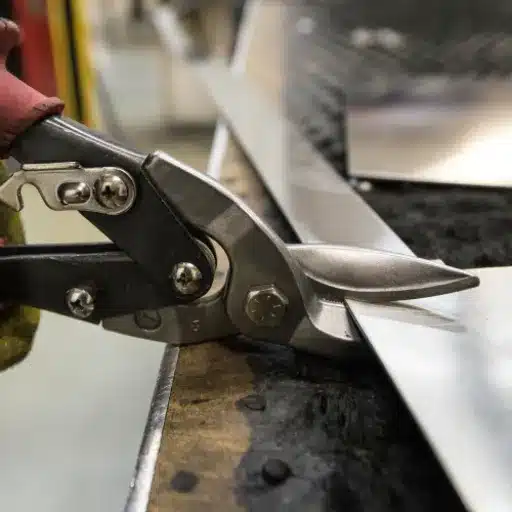
Using an Angle Grinder: Techniques and Tips
- Select the Right Wheel
Picking the right wheel type for the job at hand is critical. If the work calls for cutting stainless steel, use a thin cutting wheel with the aluminum oxide as its material of construction, alternatively, if finishing is required, go for a flap disc having it with fine grit. Any inappropriate usage of the wheels will lead to poor output or defective material. - Secure Your Workpiece
It is important to secure your workpiece so that it does not move during cutting, as it may lead to nonsymmetrical cuts, reduced precision or even an accident. - Keep the right angle
On the pricipal of 15-30 degree angle of surface grinding and 90 degrees for edge cutting is always helpful because it gives you an extra edge for performing accurate cut yet keep minimum loads on the disc required.
How to Cut Stainless Steel Sheet with a Circular Saw
- Select the Right Blade
Each blade in the market cannot be used to cut stainless steel. Use a circular saw fitted with a carbide-tipped or diamond-edged blade designed for cutting metal. These blades reduce heat and wear on the tool and yield clear cuts as a result. Fine teeth are mandatory if you want to use a blade to cut stainless steel so as to achieve precision. - Fix the Sheet
Clamp the stainless steel sheet into way on your workbench or other surface used for cutting. This prevents it from moving during the process and in turn gives accurate and reliable results. Setting up firmly reduces vibration, which in turn can affect the safe and accurate cutting of the material. - Mark the Mark for Cutting
Mark a clean line, using a pencil or scratch awl and straightedge, on the material. Use masking tape also as a safeguard against dings caused by the edge of the circular saw blade. With accurate measuring, hardly will there be occasions for waste, and any job will come out with less mistakes.
Safety and Efficiency Tips
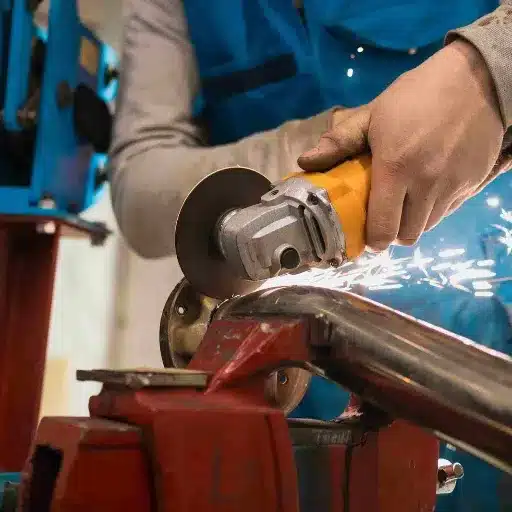
Personal Protective Equipment (PPE) Recommendations
Eye Protection
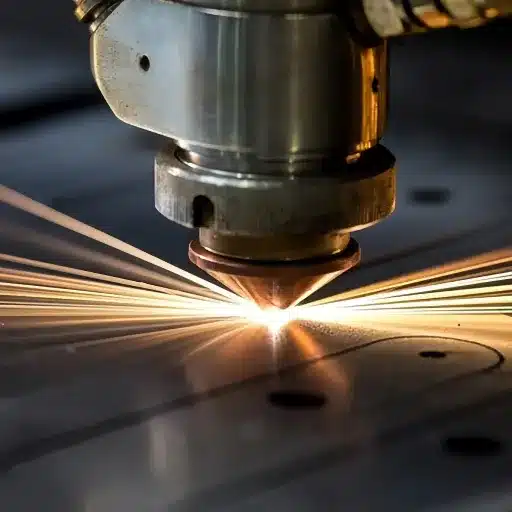
Always wear high-quality safety goggles or face shields specifically meant for laser or plasma cutting applications. For safe use in laser cutting, it’s important to wear goggles that correspond to the optical density (OD) ratings matching the laser’s wavelength to avoid any severe eye injuries. For plasma cutting, a welding helmet or goggles with the shade number varying between #8 and #12 (it depends on the amperage being used) would be the appropriate indispensable eye protectors for shielding your irreplaceable eyes.
Respiratory Protection
Cutting activities often release fumes and small particles that could harm the lungs. Use N95 respirator, welding respirator, or another type of respirator suitable for the job. It should be able to save you from unwanted metal fumes, toxins, and ozone. In a severely polluted work environment, powered air-purifying respirators (PAPRs), which is more efficient, are necessary for extending protection.
Hand and Body Protection
Heat-resistant gloves made of fabrics such as leather shield the hand from bursting debris and burns. It is important that this glove balances between dexterity and ability to insulate. While working, always put on flame-resistant clothing (FRC) to shield sparks, intense heat, from molten splash. Workers should ensure the materials they wear conform to these standards. I would go for those materials that comply with NFPA 2113.
Maintaining Efficiency When Cutting
- Proper Preparation of Material
Material should be kept clean and free from any kind of contaminants before cutting. Any rough or dirty surfaces will interfere with a precise cut, but will also increase wear and tear on equipment. Using top-quality materials will minimize imperfections and improve overall efficiency in the cutting process.
- Optimal Cuts and Such
How a cutting machine actually cuts through material requires the settings to also adapt: appropriate power, speed, and gas pressure for a given material thickness must be selected. In this respect, in cutting thick materials along with slow speed, high power input helps ensure neat and sharp edging. Mistakes in setting up the cutting settings will lower quality and land into material waste, thereby potentially raising production costs by 15 percent.
- Maintenance
Keeping setup up on one’s cutting machine might be a little problematic but it is actually a pretty essential part on cutting operations. All maintenance such as lens cleaning, replacement of the nozzle, and alignment is required. A survey done in 2023 indicates that organizations which take preventative maintenance seriously improved operational uptime and efficiency by over 20%.
Reference Sources
-
TopsBest Precision Blog
- Title: How To Cut Stainless Steel: 12 Best Ways
- This source outlines 12 effective methods for cutting stainless steel, ranging from basic tools like hacksaws to advanced techniques like laser and waterjet cutting. It also discusses the pros and cons of each method, making it a comprehensive guide for readers.
-
PARTMFG Blog
- Title: How to Cut Stainless Steel: 15 Methods & Techniques
- This blog provides a detailed breakdown of 15 cutting methods, including traditional and modern techniques. It also includes tips for tool selection, safety precautions, and achieving precise results, making it a practical resource for both beginners and professionals.
-
Industrial Metal Service Blog
- Title: Precision in Action: How to Cut Stainless Steel the Right Way
- This guide focuses on the tools and techniques required for precise and efficient stainless steel cutting. It emphasizes the importance of preparation, workspace setup, and tool selection, catering to both DIY enthusiasts and industrial users.
Frequently Asked Questions (FAQs)
Which cutter should I use to cut sheet metal and stainless plates?
In the case of sheet metal and stainless steel plate cutting, the best choice is a shear or nibbler for thin sheet metal if you desire a cut sheet with minimal deformation; however, for thick stainless steel plates, a power tool with a metal cutting blade—like a band saw using a bi-metal blade, a metal circular cutting saw, or waterjet cutting for high precision—would be the one to go with.
What abrasive disc or saw blade is best for stainless steel cutting?
Acquire an abrasive cutting blade or saw blade that is expressly rated for stainless steel — make sure to get thin cutting wheels formulated for stainless as well as a saw blade with carbide or Cermet teeth for steel cutting. A cutting wheel (abrasive disc) for a grinder or a cut-off wheel labeled for stainless will cut easily and reduce work-hardening. For metal fabrication projects requiring a precise cut, a metal cutting blade in a circular saw or bandsaw blade designed for stainless will yield straighter, cleaner cuts.
Can I use a grinder with a cutting wheel to cut stainless steel rods and thick plates?
Yes, a grinder with a cutting wheel or cut-off wheel can be used to cut stainless steel rods and some thick materials, but for thicker plates or large diameter rods this method can be quite slow and produce heat that hardens the cut edge. When dealing with thicker stainless, consider a cutoff saw with a suitable abrasive disc, a bandsaw, or waterjet cutting. If using a grinder, always select a cutting wheel made for stainless steel, and apply light, consistent cutting pressure to prevent overheating.