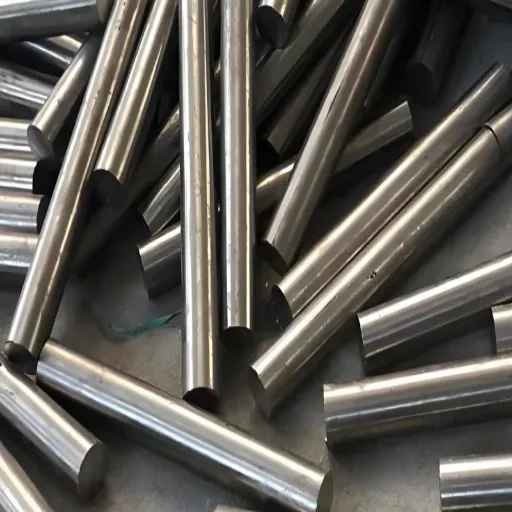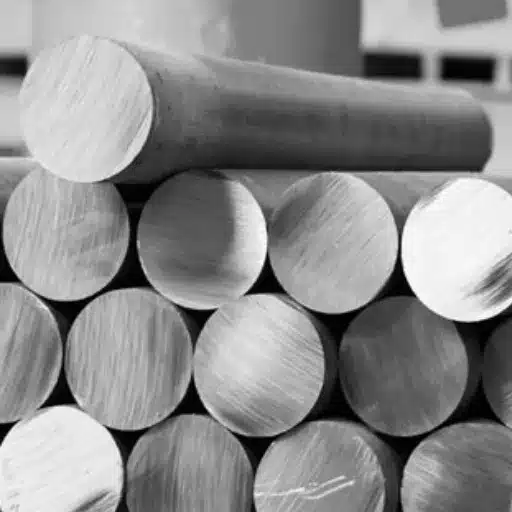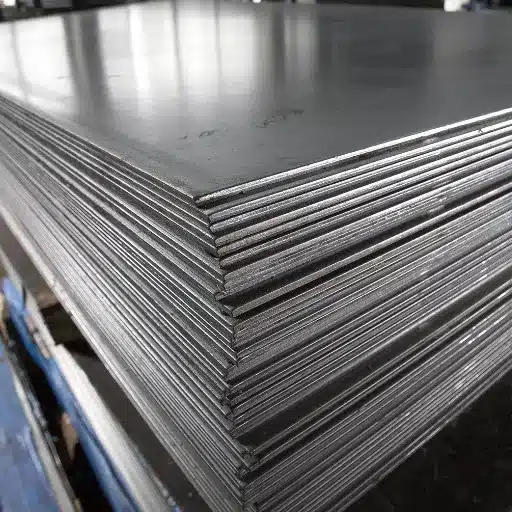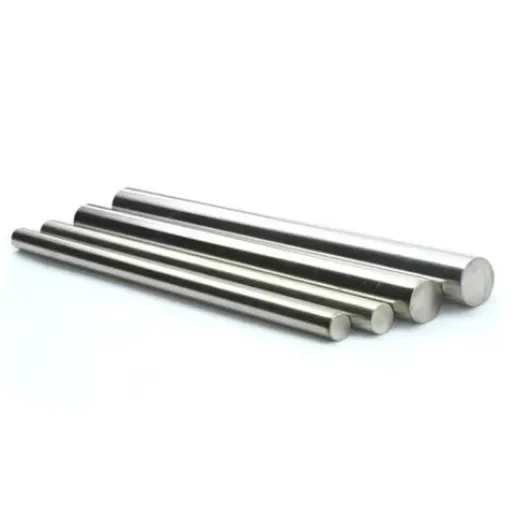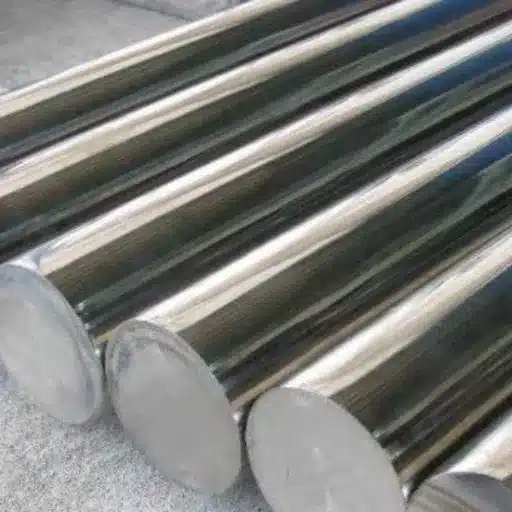
Hastelloy C276 Round Bar is one of the metal alternatives that necessitate handling of aggressive and corrosive chemicals, but it has emerged as a trustworthy solution. The exceptional performance of the alloy in extremely hostile chemical environments has not only made it a primary choice for such applications but also opened the door for other areas like chemical processing, marine, and pollution control. In this article, we will delve into the peculiarities, and standards and particularly the ASTM B574 specification compliance of Alloy C-276. Regardless of whether you are an engineer, procurement expert, or merely an inquisitive individual wanting to understand the reasons for this alloy’s necessity, we will equip you with the insights needed for right decision-making. Continue reading to learn the reasons why Hastelloy C276 is the most popular alloy for challenging environments.
What is Hastelloy C276?
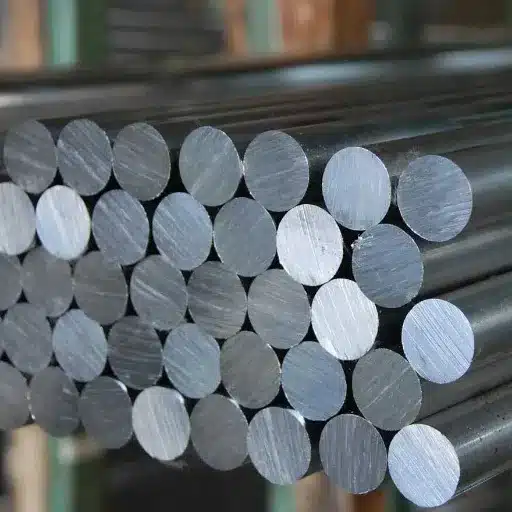
Overview of Hastelloy C276
Hastelloy C276 is the nickel-molybdenum-chromium alloy having the best combination of versatility and resistance to severe industrial environments. The main elements in its composition are nickel (around 57%), molybdenum (16%), chromium (16%), and small amounts of iron, cobalt, and tungsten. All of these together account for the high resistance of Hastealloy C276 applied in even the most hostile chemical environments to pitting and stress corrosion cracking as well as, moreover, to crevice corrosion to a certain extent.
Hastelloy C276 is one of the few that can claim great performance in both the oxidizing and reducing conditions and it already knows just a few metals that can do the same. It indeed has a tremendous power to neutralize attacking oxygen through for instance ferric and cupric salts as well as reducing acids like hydrochloric acid. Besides, it has been investigated and found impervious to all forms of anhydrous chlorine gas, hypochlorite, and chlorine dioxide, thus it is a no-brainer that C276 will perfectly fit in chemical and bleaching operations.
This ASTM B574 alloy is the one where the industrial requirements are very high. The mechanical properties of Hastelloy C276 include a tensile strength of about 115 ksi (793 MPa) and a yield strength of 52 ksi (359 MPa) under annealed conditions. Its high ductility and weldability guarantee that the material can be shaped and fabricated while keeping its integrity even at high temperatures.
Composition of Hastelloy C276
Hastelloy C276 is an alloy based on nickel which is particularly resistant to corrosion and excellent in performance in extreme environments. It possesses a special composition that guarantees protection from stress corrosion cracking, pitting, and crevice corrosion. The chemical composition of Hastelloy C276 can be roughly given as follows:
| Element | Composition |
|---|---|
| Nickel (Ni) | Balance (approx. 57%) |
| Molybdenum (Mo) | 15.0% to 17.0% |
| Chromium (Cr) | 14.5% to 16.5% |
| Iron (Fe) | 4.0% to 7.0% |
| Cobalt (Co) | 2.5% max |
| Tungsten (W) | 3.0% to 4.5% |
| Manganese (Mn) | 1.0% max |
| Silicon (Si) | 0.08% max |
| Carbon (C) | 0.01% max |
| Phosphorus (P) | 0.04% max |
| Sulfur (S) | 0.03% max |
| Vanadium (V) | 0.35% max |
Key Properties and Advantages
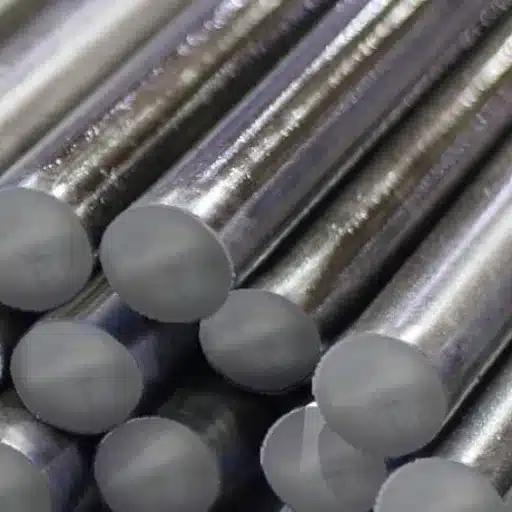
Corrosion Resistance of Hastelloy C276
Hastelloy C276 has the crown of the most corrosion-resistant material in various demanding environments. The alloy consisting mainly of nickel, molybdenum, and chromium, along with tungsten and iron, has shown to be very durable not only against oxidizing but also against reducing agents thus making it a candidate for the most aggressive chemical industries.
Hastelloy C276 can withstand even the most potent and aggressive oxidizers like ferric and cupric chlorides, chlorine gas, very hot and dirty media, and so on. Moreover, the alloy has proven to be non-susceptible to cracking as well as corrosion through the formation of pits and crevices, even when there is a great deal of chlorine in the atmosphere. A part of the metal’s versatility is also its ability to adapt to the whole pH range, from strongly acidic to barely alkaline, a feature that gives it an edge over most of the other materials that are being or have been used as alternatives.
Based on the above factors, Hastelloy C276 has become the alloy of choice in the industries of high-temperature processing of up to 1900°F (1038°C). Low carbon content plays a significant role in shielding the carbide formation that usually occurs during welding. Thus, the boundaries of the grains are not exposed and the property of resistance to intergranular corrosion is retained.
Mechanical Properties of Hastelloy C-276
Hastelloy C-276 possesses tremendous mechanical properties, which is the reason it turns out to be a material suitable for various applications with different degrees of difficulty. Below are the mechanical characteristics of the alloy which make up a very large data set:
- Tensile Strength: The alloy manifests a tensile strength of around 690 MPa (100 ksi), giving it the ability to withstand very high mechanical stress without change.
- Yield Strength: The yield strength lies in the range of 283 MPa (41 ksi), this guarantees that under moderate load the material will not change its shape.
- Elongation: It is always the case with Hastelloy C-276 that high ductility comes along with it, which is about 40-50% elongation at fracture, thus it is able to take huge deformation before break.
- Hardness: The material has a Rockwell hardness of B87, thus it can be said that the material has good toughness and wear resistance properties.
Common Applications in Industry
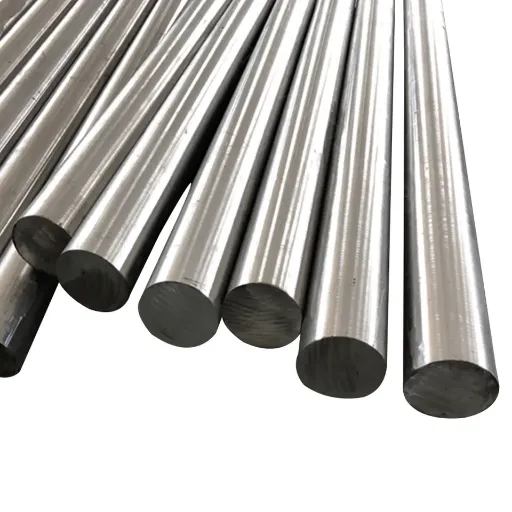
Oil and Gas Industry Applications
Nickel alloys are a metals family that the oil and gas industry cannot do without because their usage is so wide-ranging that they can accommodate even the most extreme conditions of pressure, temperature, and corrosive atmosphere in the upstream, midstream, and downstream processes. An example of this application is the use of nickel-based alloys for the manufacturing of components such as heat exchangers, tubing, valves, and compressors that are crucial for the extraction and refining of hydrocarbons.
The alloys not only exhibit an impressive combination of properties but also have high resistance to corrosion, which is the foremost reason they are used in the subsea areas. The research has shown that the use of UNS N06625 (also known as Alloy 625) is advantageous in underwater or marine operations since it has the capability to resist all kinds of corrosion.
Aerospace and Marine Uses
Nickel alloys have earned the reputation of being indispensable for aerospace and marine industries because of their great strength, durability, and resistance to corrosive high-temperature environments. One of the fields where the impact of nickel alloys is most prominent is aerospace engineering as they are the active metal for the production of jet engines, turbine blades, and exhaust systems. In actuality, the present-day jet engines, which are the most advanced, cannot be run without nickel-based superalloys to combine being functional and efficacious at about 1,000 degrees Celsius.
On the other hand, the nickel alloys are majorly utilized in the marine industry as they are the only materials that can endure rigorous conditions such as those found in subsea drilling and shipbuilding. However, the continuous flow of funds towards offshore energy projects and military fleets will significantly increase the demand for nickel alloys and other advanced materials in marine applications. For example, due to their excellent performance in saline water conditions, they have not only led to a considerable reduction in the number of maintenance operations but also improved the overall efficiency of the plants because of the long life they provide.
How to Choose Quality Hastelloy C276 Round Bars
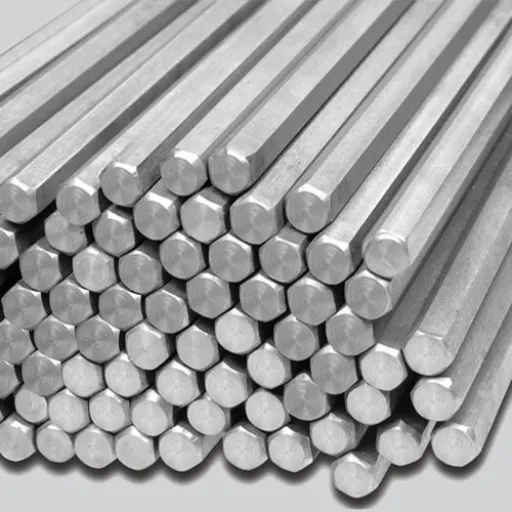
Factors to Consider When Purchasing Hastelloy C276 Round Bars
Corrosion Resistance
Hastelloy C276, which is among the materials used in a round bar, has been a wonderful material due to its remarkable corrosion resistance to a sizable range of harsh chemicals that include both oxidizing and reducing agents. In case round bars are going to be used in chemical processing, marine, or pollution control equipment, then always choose those with unquestionable corrosion resistance certified by the industry standards.
Mechanical Properties
The strength and toughness of Hastelloy C276 round bars are prevailing for the applications that are most demanding. Always ask for the products that specify their tensile strength, yield strength, and elongation. These aspects are important for the material to survive high-stress conditions without being changed or failing.
Dimensional Accuracy
The precision of the dimensions will determine how well the existing components and the system can be interfaced. For your project confirm that the diameter, length, and tolerance of the round bars are correct. Manufacturers usually comply with the ISO certifications which are the source of their accuracy and consistency.
Fabrication Compatibility
Welding, machining, and forming processes compatibility of Hastelloy C276 round bars must be considered in your decision making. This alloy is said to be good in both fields but you will have to work-out the machining process as it has hardening by work tendencies.
Understanding Bar Price per Pound
The price of Hastelloy C-276 round bars per pound can differ depending on a number of factors such as market demand, costs of raw materials, the pricing strategies of the suppliers, and the regional availability. Recent market data shows that the average price for Hastelloy C-276 round bars mostly ranges between $25 and $40 per pound. The difference is due to specifications such as diameter, length, and any extra processing or certifications needed.
Pricing should always take into consideration the following:
- Market Conditions: Prices can change owing to, for example, supply chain interruptions or fluctuations in nickel and molybdenum, which are the main components in Hastelloy C-276, demand.
- Supplier Comparisons: Different suppliers may charge widely different prices, especially if bulk buying discounts or cutting or machining as a part of the service are offered.
- Global Trends: Price may be lower in a region that has high competition among suppliers, on the other hand, an area with few suppliers may have higher prices due to the exclusivity of that supplier.
- Shipping and Handling Costs: Don’t forget to consider these additional charges as they will, in the end, make the overall price per pound higher or lower.
Future Trends in the Nickel Alloy Market
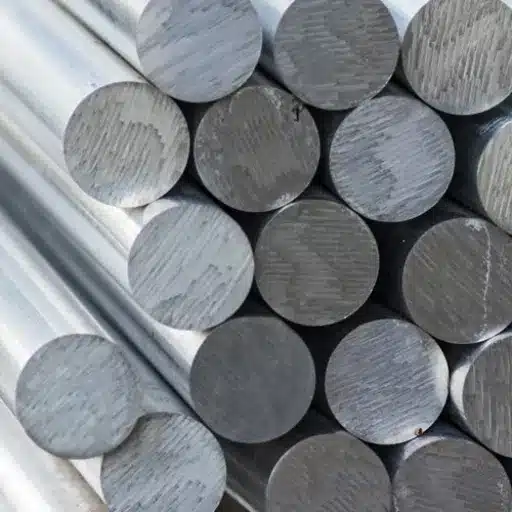
Innovations in Corrosion Resistant Alloys
Hastelloy C276, an extraordinary corrosion-resistant alloy, continues to be the most sought-after material in the market because of its superior chemical and environmental resistance. This alloy is used in all critical applications for the chemical processing, marine engineering, power generation, and pollution control industries under extreme conditions.
The continuous growth of the demand for Hastelloy C276 is majorly influenced by the fast-paced development of plant projects in chemical processing and the rising efforts to fight corrosion-related losses in infrastructure. According to Morrdor Intelligence, the global market for corrosion-resistant alloys is projected to have a CAGR of over 6% from 2023 to 2028. Hastelloy C276 will be one of the major contributors to the expansion of this segment. The alloy’s remarkable resistance to both oxidizing and reducing agents makes it suitable for use in equipment such as reactors, distillation columns, heat exchangers, and scrubbers.
Reference Sources
-
- Key Findings: This study investigates the plastic properties of Hastelloy C-276 sheets and AISI 1012 steel round bars. It provides insights into their tensile behavior and material properties under stress.
- Methodology: Tensile specimens were prepared and analyzed using finite element analysis to determine the mechanical properties and deformation characteristics.
-
Experimental Investigation into Machining of Hastelloy C-276 During Different Cooling Environments
- Key Findings: The study explores the machinability of Hastelloy C-276 cylindrical bars under various cooling environments, including dry, cryogenic, and minimal lubrication. It highlights the challenges of machining this superalloy due to its hardness and thermal properties.
- Methodology: Experimental machining was performed on Hastelloy C-276 bars (56 mm diameter, 550 mm length), and performance metrics such as tool wear and surface finish were evaluated.
-
- Key Findings: This research focuses on sustainable machining practices for Hastelloy C-276, comparing dry, cryogenic, and minimal lubrication strategies. It emphasizes the environmental and performance benefits of alternative cooling methods.
- Methodology: Cylindrical rods of Hastelloy C-276 were machined under different cooling conditions, and the results were analyzed for efficiency and sustainability.
Frequently Asked Questions (FAQs)
What is alloy c-276 rod and how is it related to hastelloy c276 round bars?
Alloy C-276 rod is typically a cylindrical stock form of Hastelloy C-276 (UNS N10276), a nickel-molybdenum-chromium alloy with exceptional corrosion resistance. The terms Hastelloy C276 round bars and C-276 rod can be used interchangeably as they designate the same material considered suitable for bar stock or round bar forms used in machining, forging, or fabrication.
What is the role of chemical composition in alloy c-276’s property of non-corrosion?
Alloy C-276’s chemical composition consists of nickel as the primary element together with chromium and molybdenum; molybdenum inhibits corrosion in oxidizing atmospheres and other conditions while chromium plays a role in corrosion resistance mainly in reducing environments and crevice areas. Hence this composition resists oxidation, concentrated nitric acid and seawater corrosion thus making its corrosion resistance even more pronounced where the alloy is subjected to severe chemical environments.
What is the impact of the grain boundary precipitates formation on c276 rod performance?
Grain boundary precipitates formation may cause decrease in C276 alloy toughness and corrosion resistance, particularly after improper heat treatment or welding. In such instances, the proper solution heat treatment and post-weld procedures will really help to reduce the formation of precipitates. Thus, if conditions are not favorable for a good thermal cycle, the continuance of the precipitates may increase the susceptibility of the material in crevice areas, therefore, it is very vital to control the heat treatment and fabrication parameters so as to maintain the performance levels.
What are the usual dimensions and bar size options for alloy round and bar stock?
The diameters and lengths of Hastelloy C276 round bars and bar stock vary depending on the bar stockist and production technique used. Typical offerings range from small rod sizes for machining to large diameter 2.4819 round bars for heavy fabrication. The availability of bar sizes differs, therefore, it is advisable to check with the suppliers for the prices and stock levels of specific round bar for wrought or forged bars.
In what ways do forging or wrought processing affect the characteristics of rod and bar stock?
The forging and wrought processing of C-276 alloy results in the refinement of the grain structure and hence the mechanical properties and fabricability are improved. The wrought and forged bar stock tend to be tougher and more uniform compared to cast forms. The subsequent solution heat treatment and controlled cooling further help in optimizing the properties of the material and in avoiding such problems as forming of grain boundary precipitates, thereby increasing the alloy’s oxidation and corrosion resistance thereby prolonging its useful life in application.
Ready to Explore Hastelloy C276 Solutions?
Discover how Hastelloy C276 round bars can meet your demanding industrial requirements with exceptional corrosion resistance and mechanical properties.