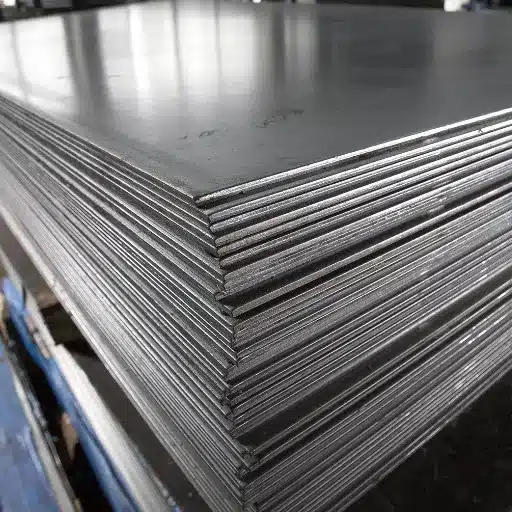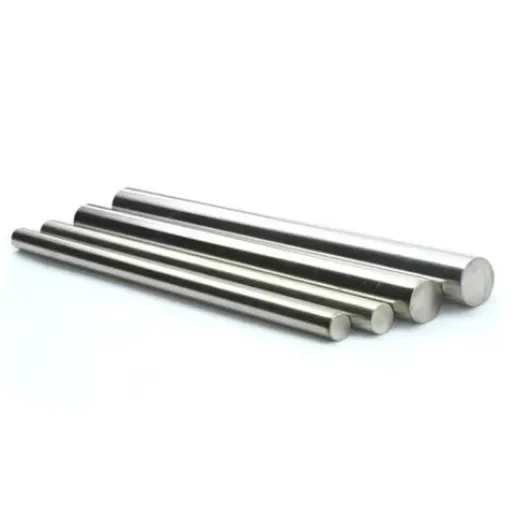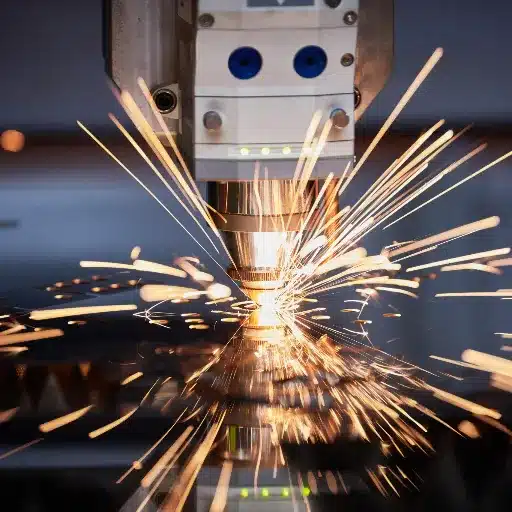
The cutting of stainless steel sheet metal gets considered a difficult task, but if one has the proper tools and techniques, it is a skill that anyone can learn. A DIY lover, a fabricator, or someone who is doing a home improvement project, one has to know the right way of cutting the stainless steel to get the benefits of precision, safety, and efficiency. The guide will have you covered with the key steps and methods in the process of cutting steel sheet metal, starting from selecting the proper tool and ending with preventing the frequent mistakes. You will spot yourself as a master and you will always get neat and accurate cuts after reading this article.
Introduction to Cutting Stainless Steel Sheets

Importance of Accurate Cuts
Cutting stainless steel sheets with precision is fundamental for a number of reasons. The accuracy of the cut affects the product indirectly through the quality, functionality, and even the life of the product. Stainless steel is generally utilized in the places where high performance is required, namely, hotels, automotive and medical. Cutting that is clean and precise keeps the weak points to a minimum, points that might have otherwise been a cause for failure in structure or even degradation of the material due to time over.
As per the latest reports from various industries, the cutting that is not up to mark can result in a waste of the material that is more than 20% of the total during the fabrication process, consequently, the cost of the project being considerably increased. Furthermore, the cuts not being precise may give rise to sharp edges, thus the workplace injury rate goes up. Such tools and techniques as laser cutters or high-speed angle grinders, among others, could be used to minimize the error and thereby enhance the accuracy of cutting.
Overview of Applications
Construction and Architecture
For its strength and resistance to environmental factors, stainless steel is one of the most important materials in construction. Its use can be found in various applications, such as, structural components, cladding, railings, and roofing. Grand View Research has made an estimation that the world market for stainless steel will amount to $183 billion by 2030, and construction is among the major driving forces in this regard.
Automotive Industry
The automotive sector uses stainless steel extensively for making exhaust systems, tanks for fuel, and structural parts. Stainless steel is ideally suited for the applications mentioned due to its property of being able to endure both high/low temperatures and being resistant to chemical attack. The production of electric vehicles has lately made a big impact on the steel market, which is mainly due to the fact that steel is required in the making of light and strong parts.
Medical and Healthcare
Stainless steel can offer cool hygiene and non-reactive properties that make it a necessity for hospitals and medicine. It is used to make surgical instruments, various kinds of implants, and hospital equipment. It is very difficult for the material to be affected by sterilization processes thus safety and reliability in the healthcare sector are ensured.
Food Processing and Packaging
Hygiene is the key element in the food and beverage industry and stainless steel is the main material used there. It is actively used in the manufacture of tanks, equipment for processing, and appliances for the kitchen. The fact that Allied Market Research has pointed out that the segment of stainless steel kitchenware will enjoy a compounded annual growth rate (CAGR) of 5.2% from 2021 to 2031 only emphasizes the material’s importance.
Essential Tools and Equipment for Cutting Stainless Steel
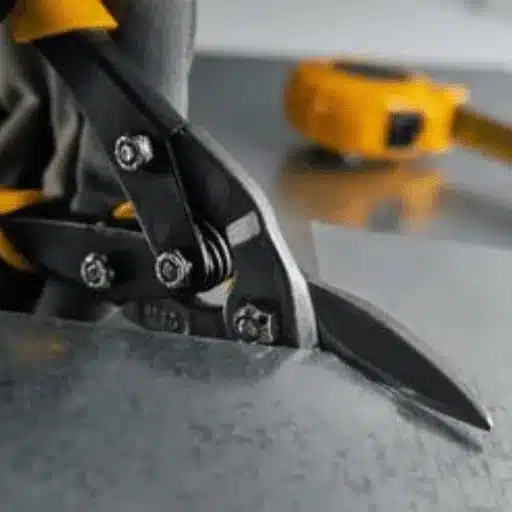
Types of Cutting Tools for Stainless Steel
- Circular Saws
Specialized stainless steel blades on circular saws enable very fast and accurate cutting, especially for the slicing of thin to moderate thicknesses of materials. It is advisable to use carbide-tipped blades as they enhance the cutting process both in terms of speed and life long run as they are made to resist the wearing away that the stainless steel has on tools.
- Angle Grinders
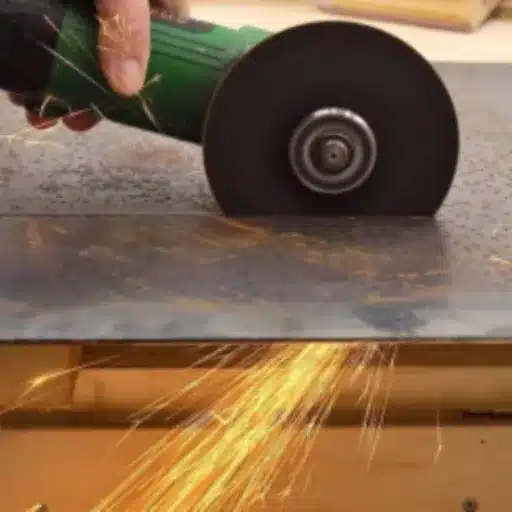
Angle grinders are clever and useful tools that can easily and quickly cut, grind, or polish stainless steel. When the grinder is fitted with a super-thin cut-off wheel, it is able to perform cutting smoothly and rapidly. No doubt, any operator must have the right safety gear because of the high speeds and flying sparks when using the tool.
- Band Saws
Band saws are the way to go when one wants perfectly measured and neat cuts even for stainless steel that is thick. A multi-pitch blade made of high-speed steel or bi-metal is the best choice as it causes less vibration and at the same time increases cutting efficiency. They prove to be of great assistance to industries where the cutting is done more than once and where the same quality of cutting is expected.
- Laser Cutters
Laser cutters are absolutely the best for demanding of utmost precision cutting of stainless steel. The machines are powered by lasers that are super powerful and thus can do very precise cutting even on intricate designs without the need for filing. There have been reports that new developments in fiber laser techniques have made it possible for cutting speeds to be as much as 40% more giving an edge over the traditional CO2 lasers in the case of thin stainless steel sheets.
Setting Up Your Workspace
Ergonomic Design: in the view of OSHA (Occupational Safety and Health Administration) ergonomic workstations can prevent musculoskeletal disorders almost 30% of the time. The staff can be provided with adjustable chairs, standing desks, and monitor risers that would support their body postures thus making them comfortable and at the same time free from health problems that may arise in the long run.
Adequate Lighting: Poor lighting is the major culprit for the problems of eyestrain, headaches, and reduced productivity. About 68% of employees cannot tolerate their lighting conditions, according to The American Society of Interior Designers. The positivity of natural light or the installation of LED task light will be a great help in improving the concentration and mood.
Clutter-Free Work Areas: A disorganized workspace translates into lost time and higher stress levels. The National Association of Professional Organizers has an interesting, yet shocking statistic, that points to the fact that the average office staff spends, no less than 4.3 hours a week looking for lost documents which reveals the value of having a clean and accessible storage and tool system.
Workstation Zoning: Divide the workspace into zones for specific tasks to make the process more efficient. For example, allocate one part for heavy machinery, another for assembly, and keep open paths in between to ensure there is no accidental injury.
Safety Precautions While Cutting Stainless Steel
Protective Gear Recommendations
Safety Goggles
Eye protection is essential because during cutting, tiny metal pieces can be thrown away. Safety goggles or industrial-standard full face shields (ANSI Z87.1) are the protective measures that give the most confidence in the prevention of injuries from flying materials.
Respiratory Protection
Inhaling fine particles and metal fumes often produced during stainless steel cuts is the main risk. The use of a respirator mask that is rated N95 or P100 is recommended to effectively block such particles. Besides that, if the area has extreme smoke, then installing ventilation systems or using a powered air-purifying respirator (PAPR) is wise.
Cut-Resistant Gloves
Cut-resistant and puncture-resistant gloves are advisable to prevent cuts and abrasions. The gloves that have cut resistance of the ANSI Level A5 or more are very durable and safe to use when dealing with sharp-edged materials.
Flame-Resistant Clothing
Cutting generates heat that can cause the flammable clothing to catch fire. Wearing flame-resistant clothing (according to NFPA 2112 standards) is a good way to get shielded from sparks and excessive heat. Make sure to cover sleeves and all of the exposed skin.
Workplace Safety Tips for Stainless Steel Cutting
The success of the safety measures during stainless steel cutting is contingent upon the implementation of multiple crucial steps. First and foremost, the training of personnel is a prerequisite. The training curriculum should incorporate the safe handling of cutting machines, recognizing the hazards that might arise, and the protocols to follow in case of emergency. The Occupational Safety and Health Administration (OSHA) advises that employees who have received proper training will be quick to spot hazards and also take the necessary actions to diminish them.
The next thing is that workers need to keep a clean and orderly workspace, which is the second point. Disorganized or messy workspaces lead to more accidents by way of tripping, spilling, etc. The National Safety Council informs us that slips, trips, and falls represent almost one-third of total workplace injuries in the U. S., a large part of which can be prevented just by maintaining a clean and clear environment.
Moreover, the maintenance of tools and equipment is another safety element that should be given priority. Flaws or machinery that has worn-out parts can be the reason for accidents. If companies make it a point to inspect their tools regularly and to carry out the maintenance that has been recommended by the manufacturer, they will find that the chances of incidents arising from the equipment will be greatly reduced.
Achieving Clean Cuts: Tips and Techniques
Preparing the Stainless Steel Sheet
- Cleaning the Surface
A surface of stainless steel that is dirty, greasy, or has residues on it can be a factor that helps the cutting process and, consequently, leads to inaccurate results. Treat the surface with a degreaser or a mild detergent solution, and then wipe and polish the sheet with a microfiber cloth. Industry insiders claim that a spotless surface delivers up to a 20% defect rate reduction in processing.
- Measuring and Marking
Correct apprehension is of the essence in material production and wastage reduction. Luxury dividing devices like calipers or laser measuring machines should be utilized. Non-permanent markers or adhesive tapes are the most recommended for marking because they cannot harm or stain the steel surface. An accurate layout can boost cutting precision by keeping tolerances within ±1 mm.
- Selecting the Right Tools
The cutting tools and equipment selection rely on the stainless steel sheet’s thickness and grade. Laser or plasma cutting is recommended for thin sheets of 0.5 mm to 2 mm, while the former is less than 3 mm for both processes, according to a recent market study which states that laser cutting is 20-30% faster for sheets below 3 mm.
- Securing the Sheet
Make sure the sheet will not vibrate or move when cutting, and it is firmly secured. Clamps and cutting tables with anti-slip surfaces can dramatically increase the stability. A setup that is stable prevents cuts from being irregular, and thus, safety is improved.
Choosing the Right Cutting Method
- Laser Cutting
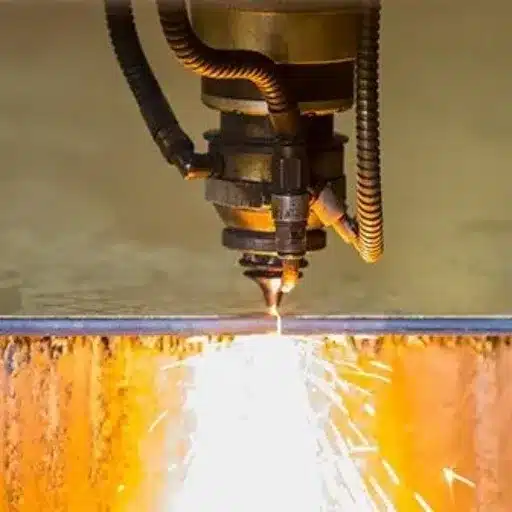
Clean and highly detailed cuts on stainless steel are achieved with the highly precise method of laser cutting, which employs a focused laser beam. It is suitable for thin to moderately thick sheets with a tolerance as tight as ±0.005 inches. Researchers have found that the efficiency of laser cutting goes up to 90% for projects that are very detailed. However, it has the downside of producing heat-affected zones, which might require secondary treatments to maintain the integrity of the material.
- Waterjet Cutting
Waterjet cutting is the exemplary choice among the other methods thermal distortion. Hightpressure water, which is often combined with abrasive materials, is used in this method to cut metals such as stainless steel without producing heat. Waterjet cutting can process thicker sheets, up to 8 inches or more, while still being accurate within ±0.005 inches. This method is suitable for high-quality edge applications since it is heatless thereby eliminating the risk of warping or discoloration caused by heat.
- Plasma Cutting
Plasma cutting is the method of choice for the thickest stainless steel sheets that are usually in the range of 0.5 inches to 2 inches in thickness. The process involves the use of ionized gas, or plasma, to melt and cut through the material. Overall, plasma cutting is faster than laser and waterjet, making it a cost-effective solution for large-scale projects. Nevertheless, it can lead to rougher edges requiring post-processing compared to cuts done by laser or waterjet.
Expert Advice and Common Challenges
Typical Issues When Cutting Stainless Steel
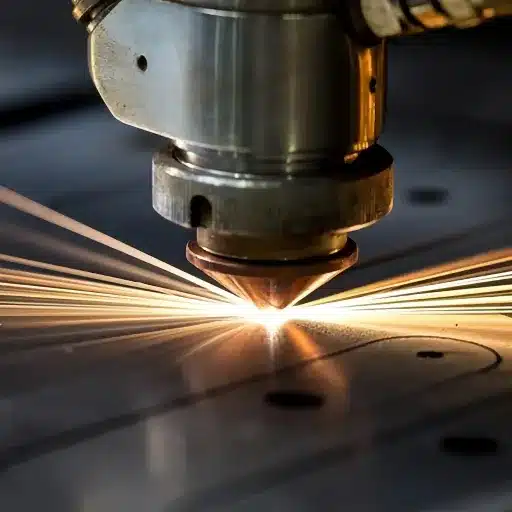
Heat Affected Zone (HAZ): The cutting process generates considerable heat, which has the potential to influence the mechanical properties of stainless steel and thus, as a consequence, the discoloration or even warping in the area affected by heat. The application of cooling techniques like water or air cooling, in conjunction with the use of water jet cutting, are among the ways that ensure that the material keeps its original properties and that the cutting process remains efficient.
Tool Wear and Tear: The cutting tools used for stainless steel will typically wear out significantly sooner than those used for softer metals due to the hardness of the stainless steel. To prolong the life of the cutting tools and maintain precision during the cutting process, high-performance blades and tools with tungsten carbide or diamond coatings applied are recommended.
Burr Formation: The cutting of stainless steel results in burrs, which are the small protruding parts of the material left on the edges, and this may cause the need for additional finishing processes. The use of up-to-date laser or plasma cutting technology may lead to the formation of fewer burrs. The burr-free cutting methods are time-saving and therefore, contribute to the overall improvement of efficiency.
Material Distortion: Cutting processes like plasma or laser cutting that use heat can result in the distortion of stainless steel, which is due to the material’s high thermal expansion properties. The distortion problem can be addressed when proper clamping systems and correct power settings are applied to the material so that it gets stabilized and the thermal deformation is restricted.
Precision Challenges: The accuracy level needed for intricate designs or tight tolerances is difficult to maintain. The CNC (computer numerical control) laser machines or water jet cutters are among the technologies that are good for making intricate cuts with very little deviation.
Solutions and Workarounds
Optimizing Laser Parameters
Quality of the cut during laser cutting can be greatly improved with the suitable adjustment of parameters like power, speed, and focus position, whereas the number of defects is reduced. Nowadays, modern laser systems furnished with high-end sensors and AI-based controls have been made available, which are capable of optimizing these parameters automatically. For instance, it is said that the use of adaptive optics in fiber laser systems can lessen the problem of thermal deformation in thinner materials and thus, increase efficiency by 25% which is corroborated by the latest industry studies.
Utilizing Abrasive Waterjet Technology
The adoption of abrasive waterjet systems can completely eliminate such issues as heat-affected zones. The recent advancements in nozzle designs have made it possible to have cutting precision with tolerances as close as ±0.05mm. Furthermore, recent research indicates that the use of recycled abrasives can lead to a 15% reduction in operating costs, thus, making waterjet cutting both environmentally friendly and economically viable for high-precision applications.
Implementing Hybrid Cutting Systems
The combination of fiber laser and waterjet capabilities in hybrid systems, which provides the advantages of both, offers the best solution. These systems can cut standard materials with the speed and efficiency of laser cutting while the heat-sensitive or thicker materials can be cut with precision without distortion. The current models in the marketplace have indicated a 40% rise in productivity.
Real-Time Monitoring and Predictive Maintenance
The use of IoT-enabled devices for real-time monitoring can assist in anticipating and thus, preventing issues such as nozzle clogging, inaccuracies in cutting, or wear of the system. Predictive maintenance systems have now been integrated with AI algorithms which analyze the operational data and offer timely recommendations that not only help in reducing downtime but also overall maintenance costs by up to 30%.
Reference Sources
-
Cutting of 1.2 mm Thick Austenitic Stainless Steel Sheet Using Pulsed and CW Nd: YAG Laser
- Published in: ScienceDirect
- Key Insights: This study investigates the use of pulsed and continuous wave Nd: YAG lasers for cutting stainless steel sheets, focusing on striation formation and cutting quality.
- Source
-
Laser Cutting of Steel Sheets
- Published in: SPIE Digital Library
- Key Insights: Explores the influence of laser cutting process parameters, as well as the composition and thickness of steel sheets, on cutting performance.
- Source
-
Machining of Austenitic Stainless Steels – A Review
- Published in: Inderscience Online
- Key Insights: Reviews various machining techniques for austenitic stainless steels, including dry cutting methods and their impact on material properties.
- Source
Frequently Asked Questions (FAQs)
what is the best way to cut stainless steel sheets?
The optimal method for cutting a stainless sheet is determined by the thickness and the required quality of the cut. For the cutting of thinner sheets (roughly 1mm to several mm) shears, a nibbler, or a high-tooth-count circular saw with an appropriate cutting blade give clean straight cuts without excess heat. For thicker stainless steel plates or if exact edges are required, laser cutting, waterjet, plasma cutter, or band saws are appropriate.
how do I get a straight cut on thin stainless sheet?
To achieve a straight cut on thin stainless sheet, it is advisable to mark a clear cut line, securely clamp the sheet, and utilize either a shear or a straight-edge guided circular saw with a metal cutting blade. A nibbler or fine-tooth saw blade leaves practically no deformation and produces good edge quality. Also, apply constant pressure, wear safety gear, and finish with a deburring tool to get rid of burrs and keep the cut edge preserving its corrosion resistance and having a neat appearance.
what tools are suitable for cutting thick stainless steel?
Dealing with thick stainless steel calls for the use of heavier tools: a plasma cutter or water jet would be good for large fast cuts; on the other hand, a band saw or abrasive cutoff saw with the right cutting disc or blade would be more suited for stable straight cuts. For thick stainless plates and pipes, consideration should be given to manufacturing technology options like laser cutting for precision or plasma for speed.
is laser cutting the ideal method for precision cuts in stainless steel?
Laser cutting is the ideal method for precision and intricate shapes as it gives the cut the best quality possible together with the least mechanical force. It is applicable on stainless steel for the likes of 304 among others, and is good for super thin to moderate thicknesses depending on the wattage of the laser. Meanwhile, laser cutting minimizes mechanical distortion but; it can heat up the material around the cut; if the need is for cutting absolutely without heat, then waterjet may be the preferred option.
can I cut stainless steel rods and pipes with the same tools as sheet metal?
You can use many of the same tools for cutting stainless steel rods and stainless steel pipes—bandsaws, abrasive cutoff saws, and a rotary tool with a cutting disc are the most common tools used. For round stock, ensure proper clamping and use a suitable cutting blade or disc; apply steady pressure and let the blade do the cutting. For larger diameters or thicker walls opt for a pipe band saw or a plasma cutter.