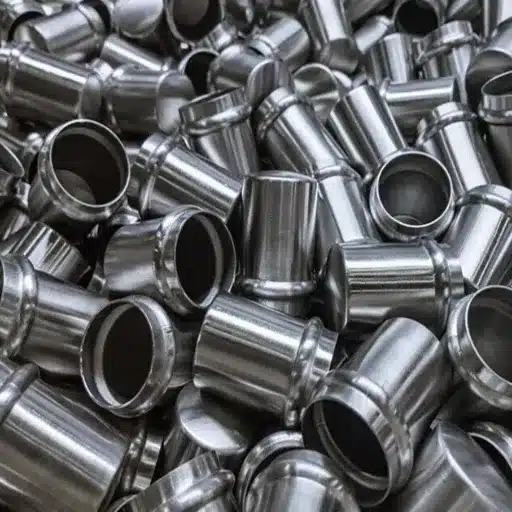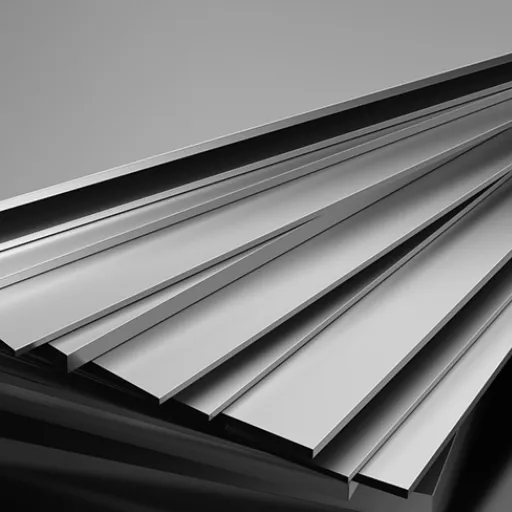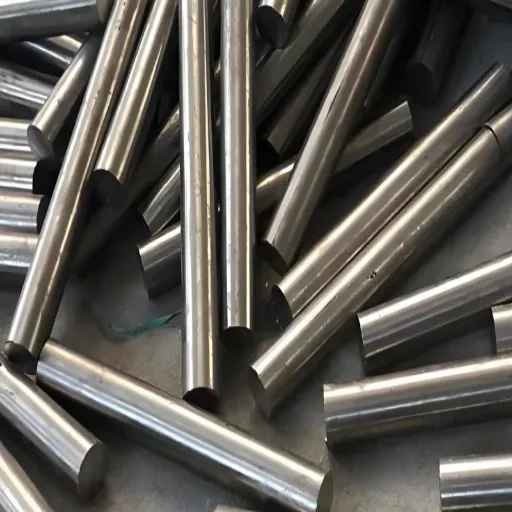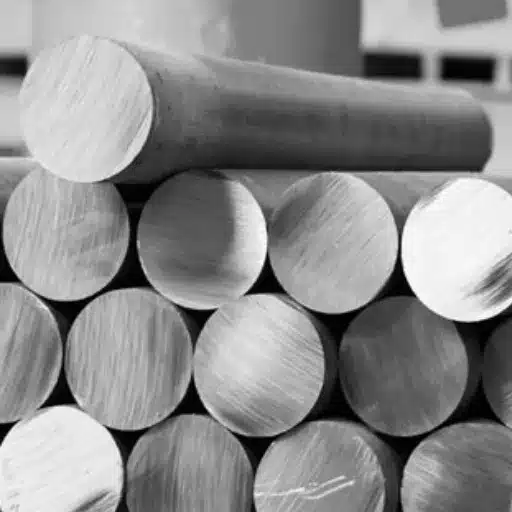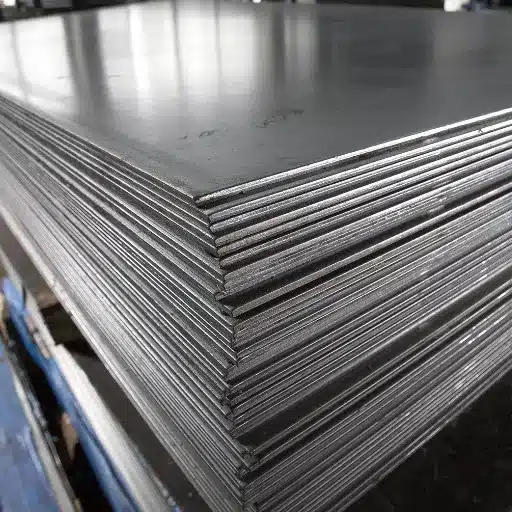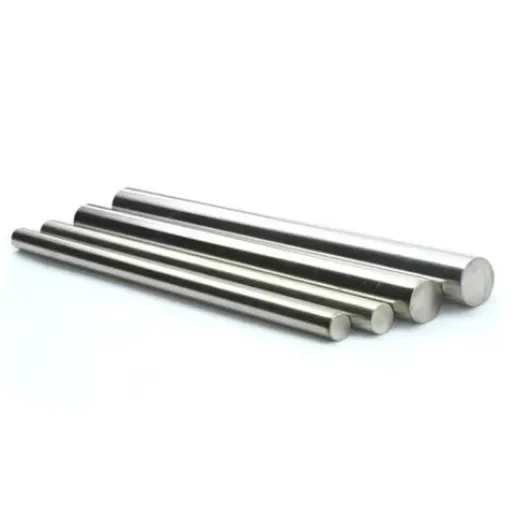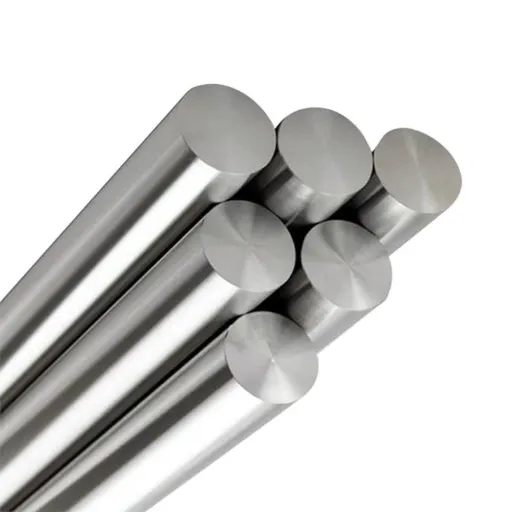
Maraging 300 steel alloy, which is also referred to as AMS Maraging Steel 300, is a freely high-performance material that has contributed to the success of industries demanding high strength and durability. This alloy, which is highly praised for its mechanical properties, features an extraordinary combination of ultra-high strength and ductility, thus positioning it as an optimal choice for aerospace, tooling, and high-stress environments where critical applications exist. But why is Maraging 300 steel different from other metals? In this article, we will take a closer look at the composition, advantages, and applications of this outstanding alloy and its reason for being the top choice for engineers and manufacturers across the globe.
Understanding Maraging 300

What is Maraging 300?
Maraging 300 is a soundless and low-carbon steel, which after having been treated properly, gets the best mechanical properties, and owing to that, it is a perfect material for advanced industrial applications. The term “maraging” is the result of the word “martensite” which is the stronger phase of steel and “aging”, meaning that “the steel has been strengthened through positronium”. Maraging 300 is a part of the “maraging steel” group which consists of the heaviest and strongest alloys made of iron, cobalt, nickel, molybdenum, and titanium.
The above-mentioned alloy is composed of around 18% nickel, 9% cobalt, 5% molybdenum, 0.3% titanium, and virtually no carbon (usually less than 0.03%). The low carbon content along with the latter allows the steel to gain superior properties such as strength and toughness. It is also different from the rest of the steels in this respect. It is subjected to heat treatment during which it passes through its hardening phase called aging where the pre-precipitates in the form of particles are formed in the metal, thus, giving the alloy to a drastic change in its mechanical properties.
Mechanical Properties and Advantages
Maraging 300 has been regularly characterized as having mechanical properties par excellence which determine its weight in gold for high-performance and demanding applications. Among these properties of the ultra-high tensile strength up to ~2,070 MPa (300 ksi) and excellent toughness come into the limelight along with remarkable resistance to fatigue. Hence, it is fit to be used in components that undergo extreme stress over a long period.
The very first of the many advantages that come with Maraging 300 is its very little distortion which occurs during heat treatment. This alloy, unlike regular steels, does not distort its original shape and size during heat treatment which is an important property for precision engineering applications such as in the production of aerospace components, injection molds, or high-precision gears.
In addition, Maraging 300’s gift of high fracture toughness and great machinability even in the annealed state is an important point. After the heat treatment it gains its highest strength but still is ductile which is very important for impact resilience and dynamic loads. It also operates perfectly in such environments due to its low thermal expansion coefficient so that temperature-sensitive applications can get the reliability they need.
Applications of Maraging 300

Industries Utilizing Maraging 300
1. Aerospace Industry
Maraging 300 is one of the most essential materials in the aerospace industry, primarily because of its super strength-to-weight ratio and the ability to withstand heavy loads and distortions. Among other things, it is used in airplane parts like landing gears, actuators, and even some layers of the structure that are important for the aircraft’s integrity. Maraging 300 will be always in demand due to the global aerospace market’s need for ultralight yet tough materials; this market was approximately $850 billion in size in 2022 and is expected to grow more.
2. Defense and Military
Besides the alloy’s strength and ductility that make it very suitable for military applications, the other factor is the high demand for it in the industry. Indeed, Maraging steels are commonly used in missile and rocket motor cases and in the production of advanced weapon systems. Defense-sector developments require materials that can take a lot of punishment, and the toughness of Maraging 300 is just what they are looking for.
3. Engineering Tooling and Mold Making
Maraging 300 has gained a reputation of a material of choice in the precision tooling and mold-making businesses because of its good machinability and low distortion during heat treatment. The material is used to make injection molds, die-casting molds, and high-strength tooling components. This in turn decreases the production downtime and increases the efficiency of the process. The total value of the global mold manufacturing market, which was $39 billion in 2023, signifies the importance of this application.
4. Motor Racing and Motorsport Engineering
Maraging 300 is a must in motor racing because of its combination of super strength and super lightness, which helps the production of high-performance components like gear shafts, suspension parts, and structural elements. The alloy allows the parts to withstand very high stresses without losing safety. The Formula 1 industry alone is responsible for over $2 billion in revenue per year, thus it necessitates materials like Maraging 300.
Benefits During Application
Maraging Steel is an alloy that has unique characteristics and is capable of being used in different industries, thus giving it unparalleled advantages during application. The most important property of the maraging steel is its remarkable strength-to-weight ratio, which is one of the reasons for its extensive use in the aerospace industry. For example, maraging steel has a tensile strength of up to 2,700 MPa, which is a significantly greater performance when compared to many standard steels. In addition, to the strength, the amount of material needed for the structure is less, thus resulting in lower costs and better performance.
Moreover, the resistance to wear and deformation is another important aspect of the material that facilitates its use in tools, such as dies for casting and injection molds. Research indicates that maraging steel has a mold life of about 30 – 50% more than that of conventional steels, which in turn results in less production downtime and a reduction in maintenance costs.
Selecting Reliable Suppliers
Evaluating Reputation and Reliability
It is paramount to look into the track record, certifications, customer reviews, and standing in the industry when judging the reputation and trustworthiness of Maraging 300 suppliers. Suppliers that have a constant history of complying with the quality regulations and delivering at the right time are the most preferred ones according to the latest studies and market analysis that have been collected from credible sources.
A case in point is the Special Steel Co., which has been certified with ISO 14001, has received accolades in industry evaluations, for its green practices and capability to meet up large scale orders quickly. They have over 500 metric tons of stock available at present which has helped them cement their position as a trustworthy partner especially for defense and aerospace projects.
Conversely, the suppliers that are following the AS 6514 and AS 9100 standards and those giving the typical grade prices in the range of $55–$70/kg, are the ones who have shown a great commitment to quality. The search trends also suggest that these suppliers are the ones that obtain high ratings for their customer service and technical skills, which in turn help the buyers have a pleasant buying experience.
Evaluating Quality Assurance Practices
Quality assurance is an important criterion for judging Maraging 300 suppliers because it guarantees the product to conform to the strict industry and application-specific standards. The suppliers with the highest reliability are the ones regularly using the quality assurance systems, like ISO 9001 quality management system certification, to deliver unchanging and trustworthy output. For example, suppliers with NADCAP (National Aerospace and Defense Contractors Accreditation Program) certification are showcasing their commitment to top quality, especially for aerospace and defense applications.
A recent survey has revealed the role of nondestructive testing (NDT) techniques in Maraging 300 production which includes ultrasonic and magnetic particle inspections. NDT methods not only compensate for the material’s structural integrity but also capture any defects before the goods are dispatched to the customers. As per the industry reports, the suppliers who include these inspections as part of their regular process have defect rates of up to 0.01%—significantly more product confidence thereby leading to a better relationship with the customers.
Case Study: Effective Use of Maraging 300
Example from Aerospace Industry
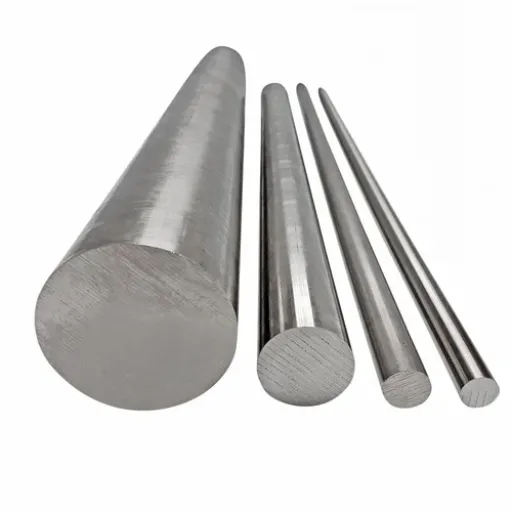
Maraging 300 steel in the aerospace industry has proved to be an indispensable material due to its remarkable strength, toughness, and weldability. One of the most significant applications is the production of critical aerospace components like rocket motor casings, actuator housings, and landing gear, which require extreme stress and high-impact resistant materials without the risk of safety or performance compromising.
To illustrate, Maraging 300 is often used in the manufacture of rocket motor casings because of its capacity to brave the enormous volumes of pressure and high heat created during the launch. Current information states that Maraging 300 has an ultimate tensile strength (UTS) of about 2,030 MPa (295 ksi) and a yield strength of more than 1,900 MPa (275 ksi), thus making it one of the strongest steels for aerospace applications. Besides, its low carbon content guarantees an extraordinary weld integrity, which is vital in light and complicated aerospace structures.
Success in Tooling Applications
Maraging 300 steel has been a transformative factor in high-performance tooling applications due to its remarkable strength, durability, and reliability. The tooling industry is the one that reaps the biggest benefits from the distinctive properties of Maraging 300 like ultra-high tensile strength of up to 300 ksi (2,000 MPa) and superior toughness combined with the ability to endure imposed and extreme loads without breaking or deforming. Its machinability allows for the production of highly intricate details, which is particularly advantageous for industries that need high-detail molds, such as automotive, aerospace, and consumer goods.
Recent developments show that it is used in injection molding, where it helps in the mass production of millions of components with incredible dimensional accuracy. For example, in the case of high-volume plastic manufacturing, tools made from Maraging 300 steel not only diminish the occurrence of deformation but also increased the throughput and reduced the downtime. Research has demonstrated that the lifetime of tools made from Maraging 300 can be up to 35% longer compared to that of made from conventional tooling materials, which means significantly reduced maintenance costs and production delays.
Trends and Innovations in Maraging Steel
Current Trends in Maraging Alloys
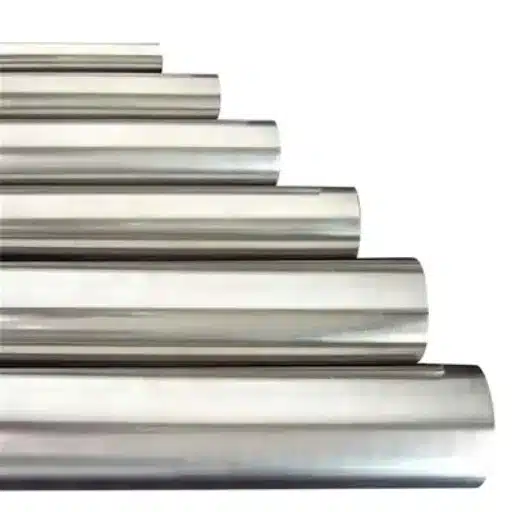
Maraging alloys are still the mainstay of the engineering industry, thanks to their remarkable properties of high strength, toughness and dimensional stability. Presently, these materials are trending upwards in sectors like aerospace, automotive, and tool and die manufacturing, where they are mainly made up of Alloy 250, 300, and 350 etc.
A very prominent trend in the metal market is that maraging steels are getting increasingly used in conjunction with additive manufacturing (AM). As per the findings of the latest research conducted on the subject, the acceptance of AM with maraging alloys has increased remarkably, since it provides the benefit of not just quicker prototyping but also the making of very complex shapes which would be difficult to realize otherwise in the conventional way. For instance, 3D printing using Maraging 300 offers an amazing level of detail while at the same time being very strong and durable thus suitable for very high-performance tooling and lightweight aerospace parts. Manufacturing reports indicate that around 30%-50% time reduction is possible in the case of additive manufacturing techniques as against traditional ones.
Technological Advancements Playing a Major Role in Manufacturing
The recent technological advancements in manufacturing have made the longstanding industrial practices extinct and introduced a new era of high-efficiency production with minimal waste. One of the most important innovations is the simultaneous use of automation and robotics in all types of production lines. As the latest journal articles point out, there are more than 3 million industrial robots working across the globe at present, simplifying the task of process owners from assembly to quality monitoring. There are numerous advantages of such extensive automation, including the assurance of maintenance of product quality at all times, as well as the gradual reduction of human involvement in the more dangerous areas of the plant due to safety issues.
Furthermore, the doling out of artificial intelligence (AI) in predictive maintenance and optimizing the supply chain has likewise been a remarkable breakthrough in the field. AI-based systems are trained to constantly monitor the working of all equipment, so as to be able to alert the maintenance crew when a failure is likely to occur, thus avoiding the loss of production time and saving the company lots of money over the year. For example, it has been claimed that preventive maintenance alone might cut down maintenance costs by up to 30%, in addition to breaking down maintenance intervals by 70%.
Reference Sources
-
Comparison of Mechanical and Microstructural Characteristics in Maraging 300 Steel Welded by Three Different Processes: LASER, PLASMA, and TIG
- Key Findings: This study compared the mechanical and microstructural properties of Maraging 300 steel welded using three different techniques. It highlighted the advantages and limitations of each process in terms of weld quality and material performance.
- Methodology: The research used Maraging 300 steel sheets provided by Böhler and analyzed the effects of LASER, PLASMA, and TIG welding on the material’s properties.
Source
-
A Review of Factors Affecting the Mechanical Properties of Maraging Steel 300 Fabricated via Laser Powder Bed Fusion
- Key Findings: This review identified key factors influencing the mechanical properties of Maraging 300 steel produced through laser powder bed fusion (LPBF). It emphasized the importance of process parameters and post-treatment in achieving optimal properties.
- Methodology: The study reviewed existing literature on LPBF fabrication of Maraging 300 steel, focusing on microstructural and mechanical outcomes.
Source
Frequently Asked Questions (FAQs)
What are the maraging 300 steel specifications and the chemical composition?
The maraging 300 steel specifications usually consist of low-carbon, nickel-rich martensitic alloy that has a virtually carbon-free matrix. The chemical composition is dominated by high nickel content (approximately 18% Ni) with the addition of cobalt, molybdenum, and titanium for precipitation hardening. Specifications like AMS 6514 or UNS K93120 may be provided by the sellers and contain element limits, melting methods (vacuum induction melt or double vacuum melted/VAR/VIM), and mechanical property requirements.
What is the impact of heat treatment and precipitation hardening on maraging 300 alloy steel?
Maraging 300 steel heat treatment involves not only a solution anneal in the annealed but also an aging (precipitation hardening) cycle at relatively low-temperature ranges which lead to intermetallic precipitates. In this way, the final heat treatment results in excellent mechanical properties such as hardness and strength approaching near 300 ksi tensile (or more depending on the condition) while good notch impact still remains. The treatment conducted produces very little distortion and the alloy continues to possess its strength after aging.
What leads to the classification of maraging c300 as martensitic and essentially carbon-free?
Maraging c300 is tagged as martensitic since its toughened structure is created by the martensitic transition during cooling from the solution anneal process, not by the carbon-oxygen process of hardening. The alloy is basically carbon-free, depending on the nickel, cobalt, molybdenum, and titanium precipitation during low-temperature aging for bringing about strength which reduces carbide problems and improves toughness.
What is the process of achieving machinability and finishing for maraging 300 (c300) and vascomax® 300?
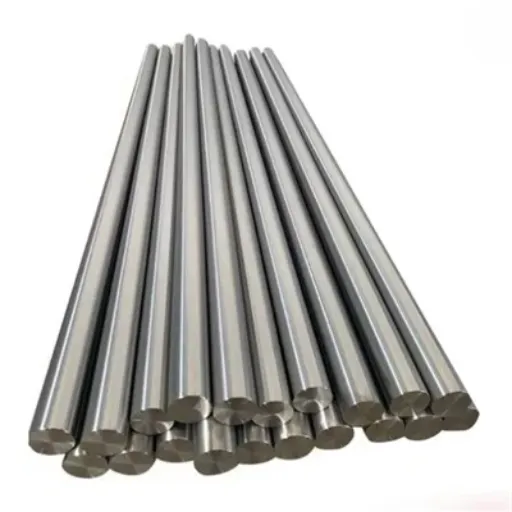
Maraging 300 and Vascomax® 300 in supplied annealed condition are soft and easily machined which means that parts can be finished to close dimensions or to finished dimensions because the low-temperature age causes very little distortion. To get the best results machine in the condition of annealing and then do the final heat treatment/precipitation hardening. Common product forms include round bar, billets, and forgings.
In what aspect does alloy maraging steel during application compare to other alloy steels?
The alloy’s unique combination of properties, i.e., very high strength, good toughness, excellent fatigue performance, and minimal distortion during low-temperature maraging treatment results, gives an edge. The alloy does not lose its strength through aging and also exhibits good notch impact and dimensional stability making it the first choice for aerospace service steel applications, toolings, and high-performance components.
Conclusion
Maraging 300 steel alloy stands as a testament to advanced materials engineering, offering unparalleled strength, toughness, and reliability across diverse industrial applications. From aerospace components to precision tooling, this remarkable alloy continues to drive innovation and performance in the most demanding environments.