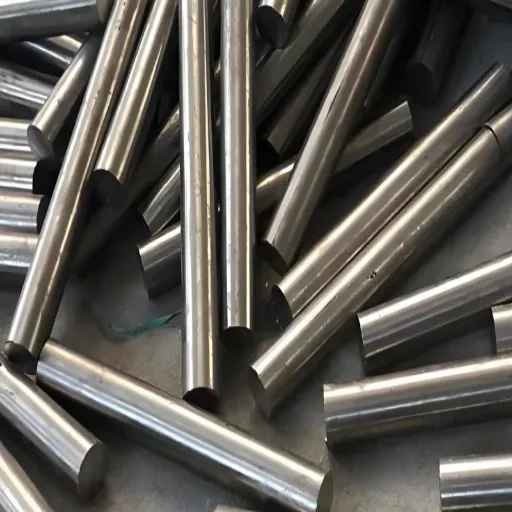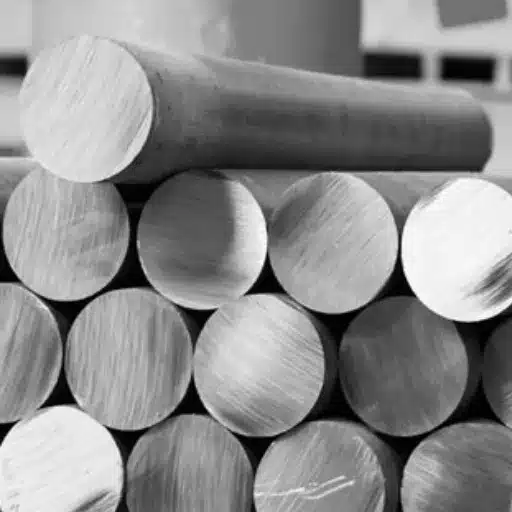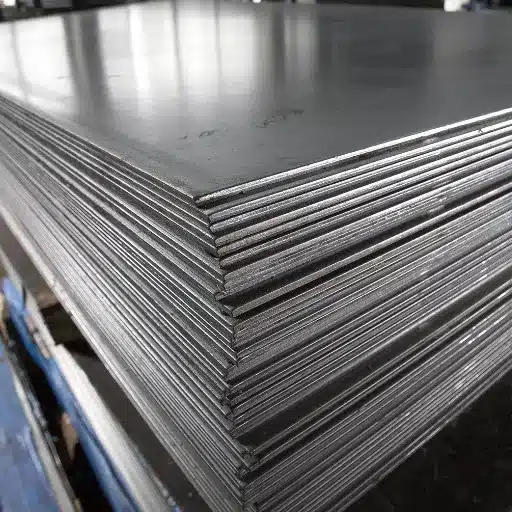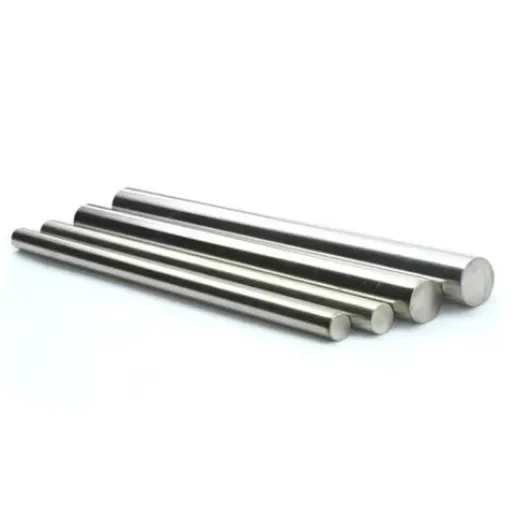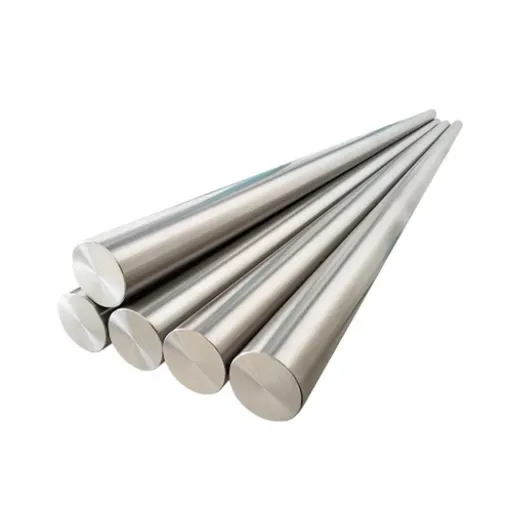
Nickel alloy round bars are, without a doubt, one of the most reliable alternatives when it comes to high-performance materials for the most demanding applications. Characterized by their outstanding strength, corrosion resistance, and thermal stability, the use of these multifaceted elements is a must in industries like aerospace, automotive, marine, and chemical processing. If you are looking for materials for heavy-duty machines or intricate engineering assignments, it is absolutely necessary to grasp the characteristics, advantages, and uses of nickel alloy round bars. This manual will guide you through the entire process of nickel bars and alloy round products, thus enabling you to make educated decisions regarding your future projects.
Introduction to Nickel Alloy Bars
What are Nickel Alloy Bars?
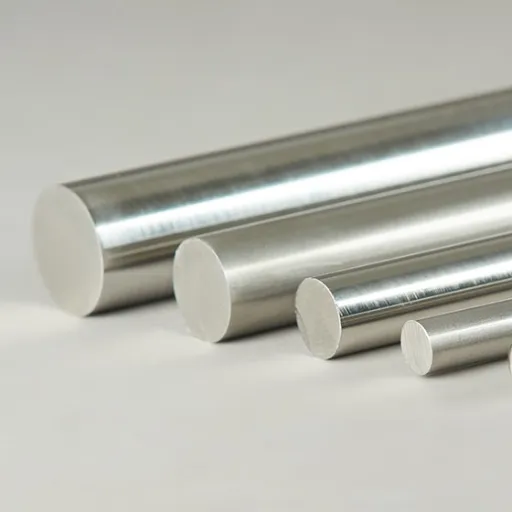
Nickel alloy bars are primarily nickel metal products, with the addition of such metals as chromium, iron, molybdenum, and copper to improve these bars’ characteristics. These bars are the most versatile and most desired materials in various industries and engineering, thanks to their superb strength, corrosion resistance, and ability to perform well at very high or very low temperatures. Nickel alloy bars are highly sought after in environments where it is highly humid, and seawater or chemically aggressive substances are present.
Recent global market data indicate that the nickel alloy market is expected to expand considerably, among others, and that the leading demand will come from the aerospace, automotive, and construction industries. Inconel, Monel, and Hastelloy are examples of nickel alloys that are mostly requested. To illustrate, Inconel alloys are often found in jet engine and gas turbine applications because of their excellent heat resistance, while Monel alloys are preferred in marine areas for their great durability against saltwater corrosion.
Nickel Alloy Varieties
Nickel 200
Of the two variations of nickel alloys available, Nickel 200 is the one that is most common on the market and then comes the mechanically pure wrought nickel alloy (99.6% nickel) that is widely valued for its corrosion resistance and excellent mechanical properties. This alloy displays remarkable durability against several caustic agents, particularly in alkaline conditions making it an ideal candidate for manufacturing and other applications involving alkaline and similar chemicals. Along with its good ductility and toughness, Nickel 200 can also be used in both cryogenic and high-temperature applications.
Nickel 718
Nickel 718 also referred to as Inconel 718 is a hardenable nickel-chromium alloy that comes with considerable amounts of molybdenum, niobium, and iron. The distinguishing feature of this alloy is its extraordinary strength and durability combined with a high resistance to corrosion especially when subjected to stress and high temperatures. Besides aerospace industry, power generation and oil and gas where extreme conditions require competent materials, this alloy finds extensive use in.
Benefits of Using Nickel Alloy Products
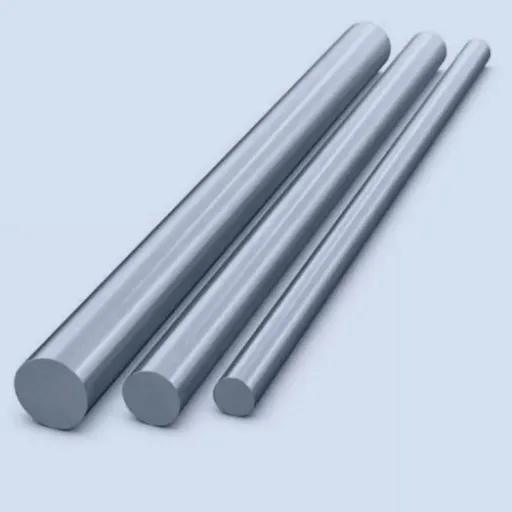
High Strength and Durability of Nickel Alloy Round Bars
Nickel alloy round bars are recognized widely for the remarkable combination of strength and durability that allows them to be used in major sectors like aerospace, marine, and chemical processing. The high tensile strength of these alloys grants them the ability to work dependably even under severe mechanical stress, a situation that is often beyond the limits of conventional materials like stainless steel. As an instance, Nickel 718 is capable of yielding tensile strengths that reach 1,250 MPa, and this is just what is needed for applications like aerospace turbines and high-pressure areas.
Temperature Performance: Nickel alloys do not lose their strength and character even when they are subjected to temperature extremes of both high and low. Such temperatures may be from -423°F (-253°C) to more than 1,200°F (649°C) depending on the type of the alloy in use. One such alloy, Nickel 625, has been praised for its capability to survive temperatures over 1,000°F, thus being used in heat exchangers and jet engine components among others. Besides, their resistance to thermal expansion along with their ability to avoid creep deformation during high-temperature applications further ensures their stability in the long run.
Corrosion Resistance and Longevity
Nickel alloy round bars are by nature, very much resistant to corrosion, the reason why they are considered to be an important participant in places where aggressive substances like chlorides, acids, and alkalis are used. The latest research statistics show that among the nickel alloys, Alloy 625 being the most corrosion-resistant; especially in saline situations, where its ability to bear up to 5% hydrochloric acid at certain temperatures is impressive. Alloy 718 also provides significant resistance and longevity in similar applications through its ability to stay unscathed in offshore oil rigs and chemical processing plants along with its performance in oxidizing and mildly reducing environments.
Longevity Benefits: Nickel alloy round bars are thus not only expected to last long but also will not require frequent replacement due to their being able to withstand thermal and mechanical stress. Studies have revealed that the wear and tear of such products made of these alloys are going to be up to three times less when compared to conventional materials. This indeed benefits the industries, besides being a hard-wearing solution, as it will no longer be necessary to incur the costs associated with maintenance and replacement of materials. By putting such characteristics to good use, nickel alloys are now serving as enablers for high-performance sectors, from aerospace to energy, where durability and resistance are critical factors for success.
Factors to Consider When Choosing a Nickel Alloy Supplier
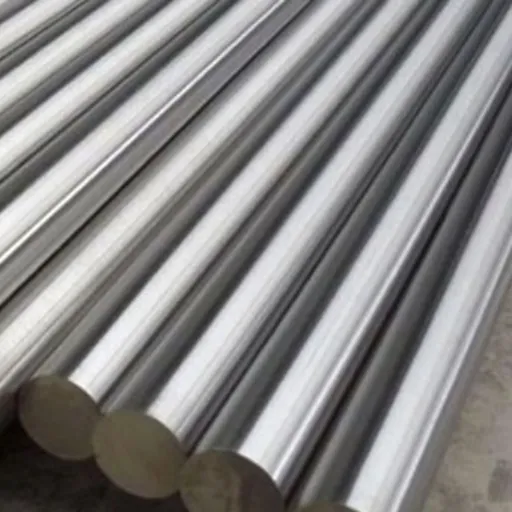
Quality Standards and Certifications
Pricing and Requesting a Quote
When you decide to acquire metal bars, the cost will depend on the type of metal, the size and the quality of the finishing of the bars. The different everyday metals that are used, like steel, aluminum, and brass, to a certain extent, dictate their price ranges, with steel bars costing around $0.80 to $1.50 per pound on average, aluminum at $2.50 to $3.50 per pound, and $4.00-$6.00 per pound for brass, as of the end of 2023. Moreover, custom finishings such as anodizing or polishing may also contribute to the overall cost.
Getting the Right Quote:
The buyers have to specify fully the material, size, finish, and application’s functionality to get the right quote. Now, many of the top metal suppliers provide immediate pricing estimates through online tools. For example, customers can enter the requirements for their project, work out the expenses, and avail of the discounts for bulk orders up to 20-30%. Furthermore, the use of modern platforms like MetalsDepot or OnlineMetals not only provides secure payment methods but also faster shipping, hence making the whole procurement process more efficient.
Recent Trends Impacting Nickel Alloy Supply Chains
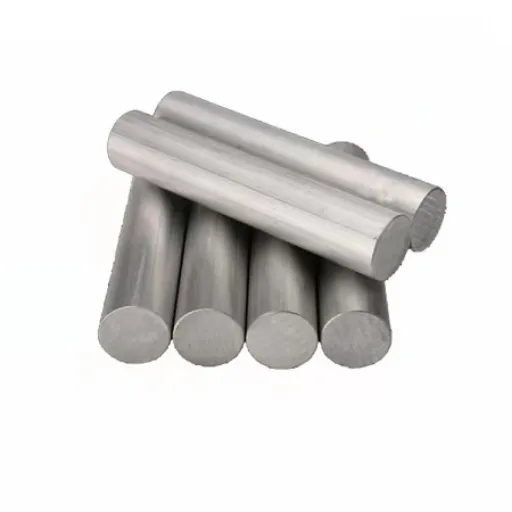
Effects of Global Supply Chain Disruptions
Global supply chain disruptions have resulted in a drastic change in the availability and prices of nickel alloys which makes it quite difficult for those industries that heavily rely on these materials. Furthermore, these negative effects were aggravated by geopolitical tensions that included trade disputes and export restrictions, especially in nickel-producing countries like Indonesia and the Philippines.
Market Volatility: Recent studies reveal that the global nickel market has been very volatile, with the prices on the London Metal Exchange (LME) going up to more than $20,000 per metric ton in 2023—a considerable rise compared to the pre-pandemic era. The main reasons for this are the increased demand in advanced tech manufacturing, like batteries for electric vehicles, and supply limitations caused by import-export disruptions.
Innovations in Nickel Alloy Manufacturing
The latest developments in nickel alloy manufacturing are showing the potential to a great extent in overcoming supply chain issues and at the same time fulfilling the demand for high-performance materials. Innovations in additive manufacturing (also known as 3D printing) have completely transformed the production process as they allow for the exact creation of complicated nickel alloy parts and at the same time with less material waste. The global additive manufacturing market, according to reports, was around $13 billion in 2022, which is a clear indication of its rising importance across various sectors like aerospace and automotive that heavily utilize nickel alloys.
Energy-Efficient Production: In addition to that, energy-saving alloy production processes have been widely accepted as another important area of innovation. For example, vacuum induction melting (VIM) and vacuum arc remelting (VAR) technologies implementation gives nickel alloy makers the ability to acquire higher purity levels while using less power. Industrial studies show that the use of these sophisticated techniques can lower energy consumption by as much as 20% when compared with traditional methods thus making the manufacturing process more environmentally friendly.
Conclusion
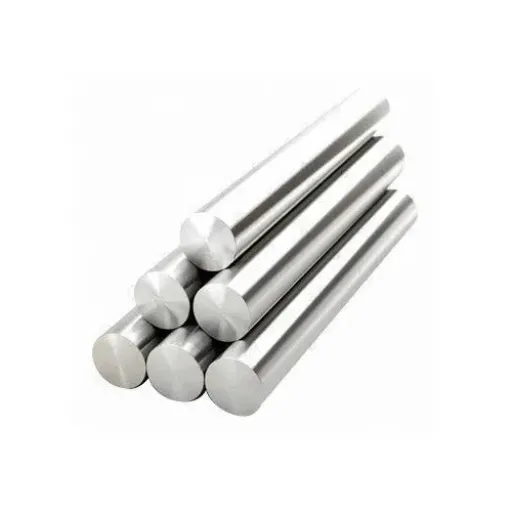
How to Select the Right Supplier for Your Needs
1. Evaluate the Supplier’s Reputation and Experience
You should consider only those suppliers whom you can trust and who also have the right to boast about their experience. The more the supplier has been in the trade the more surely you can associate this with the dependability and quality of the products. Just imagine that, the nickel alloy suppliers with over a decade in the business are technically very efficient and also have a fast process to get the product out of the factory. It would be hard to know the real state of their reputation without the feedback from customers, online reviews, and independent certifications.
2. Assess Quality Standards and Certifications
Check whether the supplier has the required industry-standard certifications in his possession and also ISO 9001 for quality management systems or the nickel alloy production-specific certifications. The compliance with such standards guarantees the quality and performance of the materials to be consistent, which is crucial in high-demand applications such as aerospace, energy, and construction that these materials are used.
3. Understand Their Sustainability Practices
Suppliers’ environmental responsibility comes into focus more and more, thus, choosing those who still put sustainability first. Two-thirds of companies around the world are considering the suppliers’ environmental practices while making supplier selection; this is the latest statistic. It is better to get partnering companies who are trying to cut down on their carbon emissions, use technology related to recycling, and so on.
4. Consider Financial Stability
A financially strong supplier is always a less risky partner in terms of materials supplied. Forbes claims that suppliers who are financially sound can meet their deliveries and deal with unexpected changes in orders 50% of the time more than the default option thus ensuring that operations are not disrupted even in unstable market conditions.
5. Check Delivery and Capacity Capabilities
The supplier’s cuts should not affect your lead time if they consider your volume requirements. Recent data shows that 74% of manufacturers look at reliability of delivery as the main supplier selection criterion. Talk about timelines and inventory management systems with them, so you will be certain that they can meet your requirements for quick and large orders.
Final Thoughts on Nickel Alloy Round Bars
Nickel alloy round bars are extremely important to various industries because of their outstanding mechanical properties as well as their ability to withstand extreme environments. This kind of bars are used in the aerospace, marine, chemical processing, and electric power generation industries, where the indispensable features of high-temperature and corrosive conditions are durability and performance.
The latest statistics indicate that the demand for nickel alloys is on the rise and that the global market is expected to grow to $17.8 billion by 2027. This is mainly due to the technological advancements and increased applications in various sectors, including the renewable energy sector. The considerable qualities of the nickel alloys like their superb resistance to oxidation, thermal conductivity, and tensile strength are the core factors that make them the indispensable materials for the high-performance applications.
Reference Sources
-
Nickel and its Alloys
This resource provides detailed information on various nickel alloys, their applications, and properties, including their use in bars and other forms.
Read more here -
Nickel and Nickel Alloys
This handbook chapter discusses the development and applications of nickel and its alloys, including their market dynamics and industrial uses.
Read more here -
Nickel and its Alloys (Google Books)
This book explores the properties and applications of nickel alloys, including their use in bars and other industrial products.
Read more here
Frequently Asked Questions (FAQs)
What kinds of nickel bar stocks and nickel round bars are the ones coming from a trustworthy supplier of bars?
A trustworthy supplier of nickel alloy bars usually offers a variety of stock bars including nickel round, nickel round bar, square and all kinds of bars in different shapes and sizes. Nickel (nickel 200/201), nickel-copper alloys, some nickel-iron-chromium alloy variations like alloy 20, alloy 600 (inconel 600), alloy 625 (inconel 625), alloy 718 (Inconel 718), alloy 800 and alloy 825, plus nickel alloy 400 are the main products that suppliers provide. Suppliers also sell bar stock in different diameters and lengths considered for machining, forging and high tech manufacturing industries.
What impact do the bar shapes and sizes and the supplier’s capabilities have on my machine and fabrication processes?
Choosing bar shapes and sizes impacts the rates of material removal, setup options and machining strategies. Supplier giving various sizes, including round bar stock, and square bar, and up to custom bar shapes – will not only make machining more efficient but also greatly reduce the amount of waste produced. For precision industry, premium nickel and specific alloys like alloy 600 or alloy 718 in bar form provide dimensional stability during tooling and that the equipment and downstream processes are compatible.
What is nickel 200 or pure nickel’s first choice among materials requiring such top-notch corrosion resistance?
Nickel 200 (bar 200) and pure nickel have the attribute of being able to resist corrosion thanks to their high nickel content that is over the limit for many reducing and non-alkaline environments. These two metals are the first and usually the only choices of corrosion resistance in the absence of chromium or other alloying elements additions. Therefore, these materials are available in bar stock form in chemical processing, marine and battery applications where nickel-based materials deliver reliable performance.
What are the benefits of using alloy 718 and other high-strength nickel-based bar alloy for forging?
Alloy 718 (Inconel 718) and another group of similar high-strength nickel-based alloys, besides being the first choice in making forged components due to their exceptional resistance to corrosion and good properties at elevated temperatures, the prime purposes of these materials are for forging and high-stress application sectors. These alloys being utterly resistant to corrosion as well as to oxidation while at the same time retaining their mechanical strength even at high temperatures, which is a must-have for aerospace, power generation, and other high-tech manufacturing sectors.