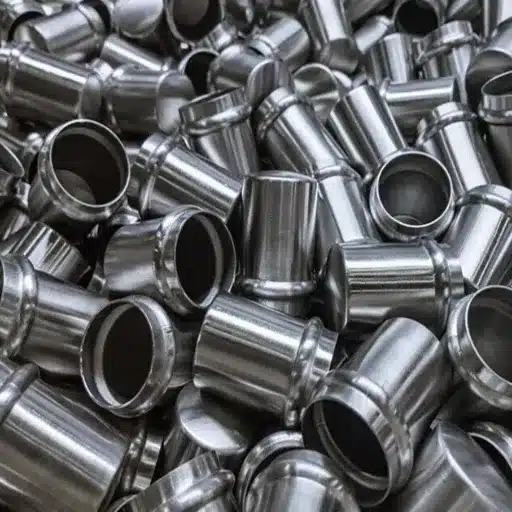
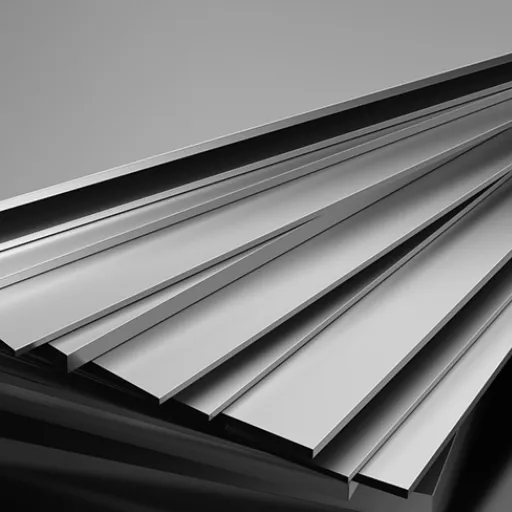
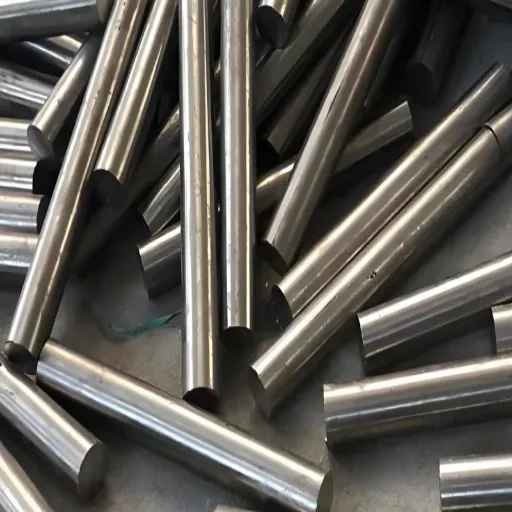
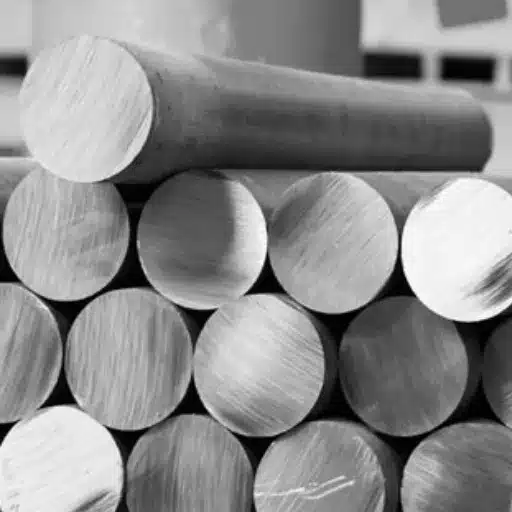
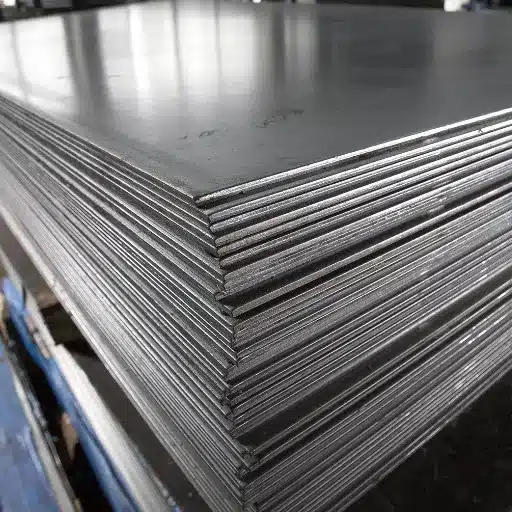
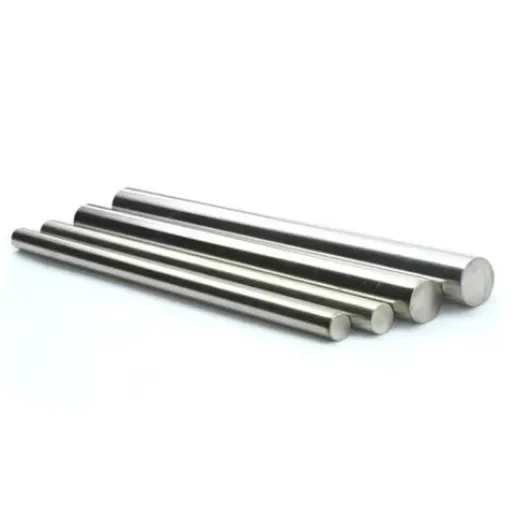
Various types of stainless steel bars are utilized in a number of fields, which makes use of construction, production, automotive transport, or other decorative elements. All these bars have very high bending strength and stiffness, and they will not corrode; therefore, they ensure that the final product turned out to be correct and stable, and there is no trouble in selling it. All these details do not have to be important because they are all these: stainless flat bar? Why do they have this and so many other uses? This paper shall examine the basic concept of stainless steel sheets, their applications and benefits, and more. Whether you’ve been in business or just want to purely learn and move from obscurity on this extremely handy material, you will find this article very helpful in explaining the significance of a stainless flat bar in today’s design and engineering processes. Read on to learn how such an expensive term has every possible equivalent.
Introduction to Stainless Flat Bars
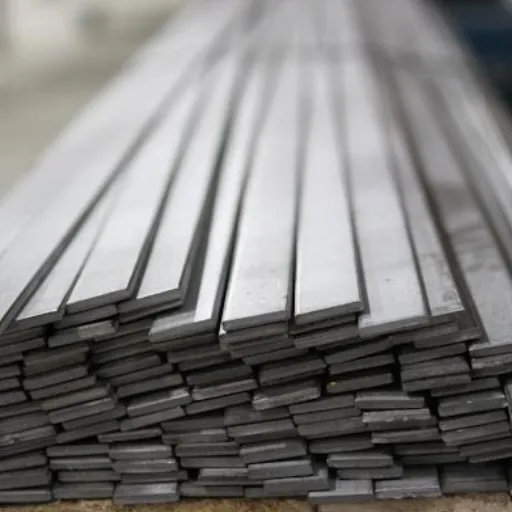
What is a Stainless Steel Flat Bar?
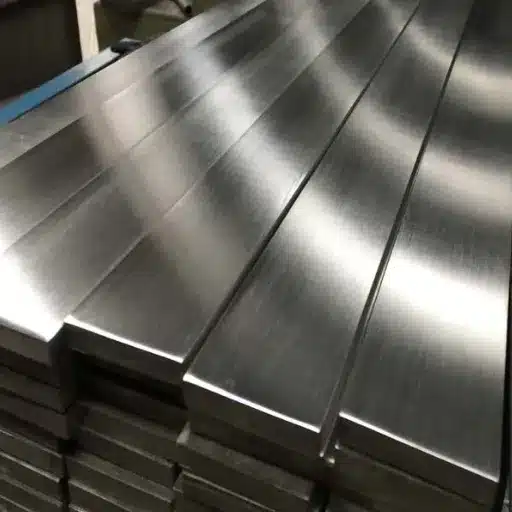
The stainless flat bar or flat metal bar fabricated from steel is used extensively due to the high durability of the metal and its capacity to withstand stress. Such exciting products can be produced using one of the two methods – hot rolling or drawing. The workpiece has material, length, and finish options depending on its use.
Stainless steel flat bar is mostly stainless steel, which is compliant with the reason for its non-use in corrosive environments due to corrosion. For instance, stainless steel grade 304 or 316 would be most appropriate for such surroundings due to their high resistance against corrosion and rusting. According to standards, this bar can be manufactured in any thickness starting from 1/8 inch, which can go several inches thick, and the width depends on the application.
In every engineering discipline, civil and construction engineering, manufacturing processes, transport vehicles and automotive technology as well as industrial engineering of a different type and form metal rods such as stainless flat bar are in common use of high quality products. These aspects can be intensified reasonably. The word is that, already in 2021, the market of bor stainless steels had achieved the level of $121.3 billion, but it was projected to grow at a 5.8% rate per year between 2022 and 2030. This growth is mainly attributed to the increased use of stainless steel in environmental mitigation, new buildings, sculpture, and the shipping of machinery.
Flat stainless steel bars are very often used in the field of decorative arts and subsequent application of alterations to the given product. In the scope of increased use of flat bar due to its user-friendly features in many instances, such as cutting, welding, or machining, with consideration to specific end uses, the sectors still remain. For this reason, they enjoy an important place in the industry, serving the mechanical and structural fields today. There is no alternative.
Types of Stainless Flat Bars: 304 vs 316
Flat bars made of stainless steel are typically graded into 304 or 316, with each one having its specific benefits and uses.
304 Stainless Steel Flat Bars:
The reason why the 304 grade of stainless steel is very popular among many people is that it does not cost much and generally has great characteristics. In its composition, it has about 18 to 20 percent chromium and 8 to 10.5 percent nickel, which enables it to resist rust and corrosion under ambient conditions. This makes this material suitable for use in various systems, including kitchen apparatus, vehicle trimmings, engineering components, and so on. It can be noted from recent studies that the stainless flat bar of grade 304 is used indoors because it performs better in terms of price than a higher-grade stainless steel bar.
316 Stainless Steel Flat Bars:
Grade 316 steel is different in that it contains molybdenum in addition to chromium and nickel (chromium–12% and nickel–8%) in the range of 2-3%. This makes the material highly corrosion-resistant to chloride, useful in single marine or chemical plant tanks. Interestingly, it has been found that flat bars of 316 grades perform better than those of 304 in the presence of salt, acids, temperatures, and the like. Even though these grades are only slightly lower in the cost of procurement, the superior strength and durability help extend their desired ranges to sectors such as offshore construction, pharmaceutical, and food.
Difference Between Stainless Steel 304 and Stainless Steel 316 Flat bar:
- Corrosion resistance: stainless flat bar 316 has better corrosion resistance than 304 in the areas where chloride contamination is expected.
- Price: Class 304 flat bar remains an economical and readily available option; hence, it is less cost-advantageous.
- Examples: From all the above, it is obvious that stainless steel 304 is the one for the second type of applications, and 316 is one for the first type due to its high design grade.
- Positives: Both steel grades have decent mechanical attributes; however, 316 is capable of taking extremely harsh conditions, thus making it ideal for more demanding applications.
The decision-making process here should involve taking into account several factors: application, exposure, cost, among others. This helps prevent excessive wear and tear of the stainless flat bar parts, leading to better durability.
Key Specifications: Width, Thickness, and Length
Understanding the dimensions of components is very important in engineering and manufacturing stainless steels like 304 or 316. Dimensions ensure that the component will perform as designed. The most important things about dimensions in this case include the measures for width, thickness, and length.
- Width: The common width range for stainless flat bar and sheet/plate is between 36″ (914 mm) and 72″ (1828 mm). This can vary depending on the manufacturer, but all-glass products are usually also available in these standard widths.
- Thickness: A thickness of 0.25 mm (0.01 inches) up to 12.7 mm (0.5 inches) is commonly available. 304 and 316 sheets and plates are sold in various thicknesses specified. For thicker sections of industrial quality materials, the limit is usually 25 mm (1 inch), but can be extended higher where application permits.
- Length: Such elements normally come in lengths of 96 inches (2440 mm) and 120 inches (3048 mm), although any length can be manufactured in accordance with a specified project.
Before proceeding to the supplier, it is essential to verify the measurements as they may depend on factors like the quality of the material, how it is produced, and where it is used. It is important to correctly match the width, thickness, and length for the project in order not only to improve the efficiency and accuracy, but also to reduce material usage.
Applications of Stainless Flat Bars in Various Industries

Common Uses in Construction and Architecture
Stainless steel round bar is commonly employed in construction and design works due to the high strength and toughness of this material. These bars are used in bridges and reinforced construction works to provide better construction more easily. It is necessary to note that stainless bars can be used for additional decoration of such elements as facades and balconies.
Statistics show that global stainless steel use diversification is still evident. According to recent press releases, the global stainless steel flat products market in 2022 was about $140 billion in size, with a predicted growth rate of 5.2 percent between 2023 and 2030. Pre-engineered building systems have been developed with this growth in mind and with the increase in supply of environmentally friendly and extended-purpose construction materials.
The development of manufacturing technologies gives great opportunities to produce stainless flat bar in advanced materials such as 304 and 316, and these are versatile and, at the same time, perfect because they can be subjected to very high temperatures and quite vigorous reactions with other media; thus, construction reliability and equipment durability can not be overemphasized.
Role in Manufacturing and Fabrication
Flat bars are considered a centerpiece of modern manufacturing and fabrication processes. This exposes their high adaptability and structural soundness. According to a report, it is expected that the global stainless flat bar market will maintain a stable CAGR of 5.6% from 2023 to 2030. The growth is primarily owing to the enhancement of manufacturing techniques and the rise in the consumption of these products across the automobile, construction, and machinery sectors.
To make customized flat bars, technology advanced to the current state, applying technologies like sophisticated laser cutting and Computer Numerical Control for processing. 304 and 316 stainless steel flat bar is an example that continues to trend due to its ion resistance and planar stress. Flat bars you glass E grade, for example, find more applications in salt omdures such as sea mythology since it does not warp in unfavourable environments. To add, information exists that the lifespan of stainless flat bar, which has such aggressive surfaces, is more than 20 years, which is in an effective manner or higher than the coating, minimizing the da repair work, etc.
The importance of flat bar applications, as in FIC, and all the strategies of lean and green production around the world are also evident from all these changes and figures above.
Applications in the Automotive Industry
This makes flat bars an ideal material for the automotive industry as they are lightweight and yet high in tensile strength. These are used for making several assembled components, such as frames and supports, where strength and precision are required. In the case of stainless flat bar, for example, vehicles that have parts which require corrosion-resistant materials are used as the bars are able to withstand extremes of weather and even temperature accompanied by salt. The global market size of the flat steel includes statistics that serve to explain the overall importance of flat bars, as the proportion in question accounted for is quite significant. Forecasts show that the market will be expanding at a compound average growth rate of about 4.8 percent from 2023 to 2030. This has been aided by the growth of the steel necessarily used in the car industry.
Vehicle weight is reduced by the integration of modern-day technologies on light materials, for instance, the special alloy flat bar that is aerodynamically fuel efficient and at the same time meets the tough emission standards. Specifically, research findings further substantiate that a 10 percent weight reduction in a car’s mass results in about 6% to 8% savings on energy, which argues in favor of the novel applications of flat bars in present-day vehicle engineering. All this indicates the necessity and, of course, the relevance of the stainless flat bar with reference to the Craft industry for the foreseeable future.
Benefits of Using Stainless Flat Bars Over Other Materials
Corrosion Resistance and Durability
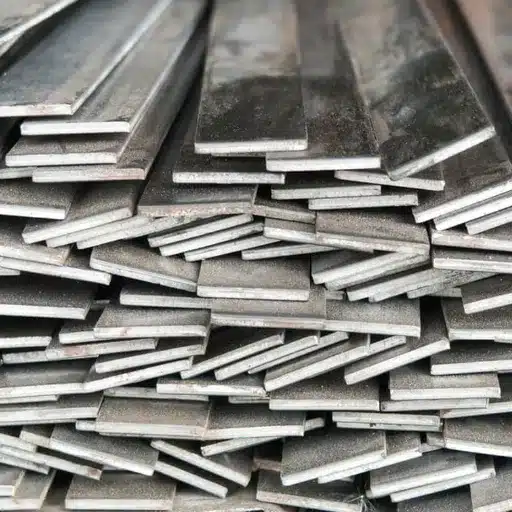
A stainless flat bar is nearly the best when it comes to withstanding corrosive agents, and this makes it a better option for use on substances that interact with water, chemicals, and/or adverse weather very often. Another word, this applies to the automobile, marine, and construction industries, whose products, in most cases, are sheltered in a way that they do not get destroyed. Stainless steels 304 and 316 have recently been studied in terms of their emergence as useful devices aimed at prolonging the survival of man and civilisation, particularly in aggressive and saline environments such as marine and industrial environments.
As well, stainless flat bar beats other materials’ durability limits, including aluminum and natural carbon steel. For instance, some reports show that stainless steel can increase the service life of the structures and elements by about 20-30 percent on average. This is advantageous because it lowers the cost of stainless flat bar on projects requiring a resilient, durable construction. Manufacture of these alloys stabilizes the increased temperature and pressure durability, expanding the range of their application.
Versatility in Design and Functionality
There is an art to the stainless flat bar section. However, it is very useful in most other fields too. Due to the ease with which this flat stainless bar can be drilled, cut, or bent and welded, it is often found in the production of a wide range of structures and elements. Frameworks, certain parts of automotive materials, and precision devices are examples of the use of stainless steels. Nowadays, more and more people in the world are using stainless steel, more than 5% a year, which is due to its evident application in modern ornamental architecture and design.
Moreover, in architectural designs as well as in decorations, stainless flat bar is considered attractive because it has a shiny and smooth surface that stays the same color over time. For example, the use of stainless flat bar in construction projects is more likely for engineers, as a recent research report indicates that it will cost 30 percent less in terms of maintenance throughout its lifespan. There’s an opening in the provision of these custom products since several materials can be consolidated for use in innovative designs.
Cost-Effectiveness and Lifecycle Value
The stainless flat bar has various attributes. One of the most well-known and appreciated qualities of stainless steel is its incredible reactivity and its long-lasting use, and such qualities can and have made it a cost-effective option. Several studies have also revealed that the cost of using steel throughout its life is less compared to most other materials due to the fact that corrosion is minimal, and hence, repairs needed are quite limited. One of the examples, in respect of the construction industry, has been pointed out that one may avail oneself of stainless steels instead of carbon steels and realize up to 50 percent saving on maintenance during the 50-years span. Also, it is noted that this type of waste is highly recyclable and hence can reduce pollution. ISSF(The International Stainless Steel Forum) reports that more than 8/10 of the entire percentage of the stainless steel produced is being recycled in every corner of the world. It is good as well as beneficial that such material does not become out of date.
Choosing the Right Stainless Flat Bar for Your Project

Understanding Grade Options: 304 and 316
While choosing a stainless flat bar, even for a single specific application, it is vital to understand the key variations between the two most common grades of flat bars, 304 and 316. The grades are austenitic types of stainless steel, which are designed to resist corrosion and other hostile environments; however, they do have distinct purposes.
Amongst the stainless steel grades, grade 304 is the most basic and comprises approximately 18 percent chromium and 8 percent nickel. This type of steel is particularly beneficial because it is resistant to oxidants and adverse environments. Stainless steel 304 is also economical in the sense that it is cheaper than most advanced and specialized grades, in grocery stores and shopping centers, as well as in restaurants, kitchens, buildings or in any engineering product.
Nevertheless, grade 316 contains molybdenum, which enhances corrosion resistance to about 2-3 percent. This particular type of steel is therefore preferred in chloride-containing environments such as the ocean, coastline, and some industries that use chemicals excessively. According to recent studies, the inclusion of molybdenum in 316 steel has a great function in controlling pitting and crevice corrosion, thus making it the preferred austenitic stainless flat bar steel for medical appliances; sea water equipment, as well as some of the industrial-based pipes.
Among the many common uses of stainless steel is in low-stress construction. It is a science which applies heavy metals, namely, steelworks, stainless flat and prestressed steel, glues (resins), and other materials, the-pute manufacture forces (use of ropes), etc. However, considering that a project will involve chemicals or any other harsh elements, it would be best to recommend 316stainless steel. As food would not spoil without controlled storage inside, one may add storage, actually some sharper focus at the planning stage to identify the requirements with regard to the environment and the work, and to choose suitable materials as per the considerations.
Factors to Consider: Finish and Shear Strength
The finish and shear strength are important technical criteria that come into play when designing a stainless steel component for any structure. In addition to its cosmetic function, the finish scope of stainless steel also controls its performance in specific use. In this case, brushed finishes are often employed since these scratches can easily be accommodated, making such surfaces applicable for building handrails; on the contrary, polished surfaces find heavy reliance on areas where cleanliness and corrosion protection are expected, categories like food and pharmaceutical industries.
Shear strength, on its part, entails the ability of a material to withstand those forces pulling it or attempting to slide or cut a part across a plane. Stainless steel grades 304 and 316, for example, have a small difference in structure. The new statistics regarding these metals are:
- 304 Stainless Steel: On average, the ultimate shear strength amounts to approximately 250 MPa (36,259 psi). Therefore, considering its physical strength, one can use it for normal purposes, but not for extreme pulling, cutting, or excessive pressure.
- 316 Stainless Steel: Has a very important role with an ultimate shear strength of about 290 MPa (42,061 psi). Molybdenum is added to this metal, which enhances its stress performance capabilities and its protective action against corrosion.
Enhancements pertaining to the stainless steel industry have made it possible for new finishing materials to be fitted on materials in order to maximize their strength, yet they do not undergo changes in appearance. Take, for instance, coated or pantone finishing enables resistance of products to give them the desirable outer look. When recommending a class of stainless flat bar and also its surface finishing, other factors such as the mechanical strength of the material and environmental aggression towards it should also be looked at to maximize the overall objective of its use.
Tips for Selecting the Flat Bar Supplier
For sourcing stainless flat bar from a good manufacturer, one must consider the safety of the products, service quality in delivery, and the utility value of the products. Below are guidelines and some reference values with which one can be able to assess the content in greater detail:
- Quality Expectations and Certifications
Uploaded the certificate of the supplier with concrete compliance to particular standards, which include ISO 9001 and ASTM, among others. Awards from these bodies tend to convince customers as they are standards regulator institutions, and selling only, for example, ASTM A276 can only be engaged by those who have passed such rigorous standards. Abdul, see to it that the suppliers provide mill test reports to establish compliance. - Material Range and Stock Availability
An efficient company possesses the following characteristics: different grades of cold-rolled steel bars, and each of them is to be made on offer in various measurements and gloss variations depending on the project they are going to be used for. For instance, the most highly regarded types of flat bars are 304, 316, and 410 grades, where the 316 grade is especially praised within sea level environments due to its high corrosion counteraction capability. Furthermore, it is important to check or maintain adequate stocks in order not to hamper or interrupt your operations. - Reasonable Price and Openness
Various grades of materials and changing demands affect the pricing. For instance, iron prices have been hovering in the range of £1,300 to £1,800 for the last couple of years. Ask them to provide a cost breakdown and make sure that the offered prices are affordable and justifiable as well. - Lead Time and Delivery Assistance
Examine the supplier’s turnaround time and discuss the possibility of making timely deliveries with the supplier. A good supplier will usually operate within quick time frames because it has a robust logistics network to enable goods to be shipped without business disruptions. - Ordering Detailed Specifications
Opt for a supplier who provides machining, cutting, or finishing services suited to one’s needs. Bars that are made to specified lengths aid in the investment of resources and time, as far as fabrication is concerned. Ascertain if the company works with close tolerances and post-processing. - Credibility and Buyers Ratings
Look for feedback from other buyers and the reviews they have written, as this will help in determining the credibility of the suppliers. Good suppliers tend to offer good customer service and have longstanding relationships within the industry. They find that firms that do better in managing supplier relationship increases by 20 – 30% their efficiency and productivity. - Green and Sustainable Measures
For businesses that value green practices, ensure that sources are suppliers that have a clear commitment to green practices, for example, they embrace recycling or are focused on minimizing waste from initial production. A stainless flat bar is always reusable, and supporting a green supplier is a way to promote the cause.
If you think thoroughly about the aforementioned points, it will become easy to establish cooperation with a partner that delivers stainless flat bar and meets the needs of your project and company goals. Considering a decision will also guarantee investment effectiveness and reliability.
Maintenance Best Practices for Stainless Flat Bars
Cleaning and Care Guidelines
The importance of sustaining the lifespan and functionality of the stainless flat bar cannot be overstated. They are most effective if regularly cleaned and maintained, as corrosion resistance and luster can be retained through regular cleanups. The most secure methods of cleaning utilize mild washing of the surface with warm water and some soap or detergent for difficult stains that do not easily come off. Any tough stain that may remain should be cleaned with a mild brush made out of nylon, unlike any other abrasive items that may cause damage to the polish.
As per the current recommendation for stainless steel maintenance from the industry, the outdoor surfaces made from stainless steel should be maintained twice a year or four times a year, depending on the exposure of the stainless steel to outdoor conditions. An example of this is a metal placed in a very polluted environment or to a spraying region. This is because certain coastal areas, for instance, or even chlorides-enriched areas such as industrial conditions are associated with quite a bit of chlroride which enhances pitting and requires that the cleaning maintenance be conducted more often. Even the basic Search of the websites on stainless steel cleaning shows that there is an agreement that prohibits using bleach or chlorinated detergents in the cleaning of stainless steel flat bar surfaces.
Moreover, it has been demonstrated that effective cleaning of a system can lead to up to 30% reduction in repair costs. If, for instance, a scratch or corrosion has started to form, it is advised to only watch the process as it may be controlled if the damage in question is addressed in time before it worsens. These actions help in increasing the time within which the provided stainless flat bar plates may serve the purpose, and their reliability, as well as that of the system and the users, may also improve as a result.
Preventing Corrosion and Damage
Even though stainless flat bars have excellent corrosion resistance, they are vulnerable to environmental or operational conditions, too. Recent research conducted has demonstrated that the presence of chlorides in coastal areas or in industrial environments allows for pitting and crevice corrosion. Such is the case with Type 316 stainless steel, preferred in the manufacturing of such corrosive applications; it has good resistance levels thanks to its molybdenum content, as it enhances the protective covering of the steel against corrosion.
Apart from the above, another very safe approach is the good management of the surfaces from any unacceptable conditions. Therefore, smoothly finishing the surfaces works very well to avoid the lodgement of contaminants and moisture, thereby preventing any form of attack. Mechanical treatments such as electropolishing procedures have proved effective by lowering surface roughness in certain cases up to 50%, thus reducing weaknesses.
Statistics emphasize the need for proactive approaches against any damage. Studies show that industries that employ such methods regularly may prolong the service life of stainless flat bars by 25% as compared to the industries that follow a preconceived notion of ad hoc maintenance activities. There are some other scientific innovations, such as the ceramic or epoxy coatings, which provide adequate protection because they significantly reduce the corrosion failures by 40%.
When these strategies are put to use in the appropriate materials, stainless flat bar performance can be enhanced even in adverse conditions.
When to Replace or Upgrade Your Flat Bars
Stainless rods are extremely effective as they are situational shields, effective drivers, and increase safety. These can be upgraded or replaced promptly. When a stainless flat bar is subjected to a rapid and hostile environment, it can suffer extensive wear and tear, and such allowance of restoration through replacement or repair should be limited to a maximum after all the cracks, large craters, and corrosion have become noticeable. Would it be possible to look at a more recent approach, for example, looking at the acid environment where flat bars will have to be revived every five to seven years or even shorter in an alterable manner, whilst changing the coating.
There is also the problem of using it. Excessive bending or twisting of the stainless flat bar means there is a permanent deformation on a level exceeding the usable limits of the material. It is observed that up to 50% of the served period is restored in the majority of parts by the substitution of materials with state-of-the-art coatings and alloys. For instance, changing from ordinary stainless steel to either a duplex or even a super duplex will allow the defects in service due to chloride and additional compounds to increase by approximately 30%.
In addition, the types of accepted methods for appraising usually include devices, such as laser inspection, which helps in assessing the situation of the flat bar more accurately. Often, there is no improvement without it because the result of the wild fishing nets quite often demonstrates some thinning of the material and alteration in its shape. Recessing the “Points” types of directions, as in the replacement direction, has grown increasingly in this society to the point that we have matte surface stainless steel bar and engineering boys know how to coat it with a layer to give it a smooth finish, and others that are applied in oil rehabilitation.
In conclusion, with the use of data, firms will be able to schedule cabling and replacements in advance, which will then reduce downtime and hence increase effectiveness. Depending on the industries and the strategies employed, it can be advisable to outsource services such as engineers or materials experts where necessary to ensure that the intent and precise moment are appropriate for the artful turn.
Are you in need of cold-drawn stainless steel round bars? What about stainless steel-coated coils? Maybe you are looking for stainless steel bars that are well rolled or even a stainless flat bar that is duplex. You have found the right place. You can order in small numbers, or perfectly cut stainless-steel sheet and plate shapes specifically for your needs and at low cost, delivered to your doorstep.
Reference Sources
-
Alternate Reinforcements for Enhanced Corrosion Resistance – Discusses corrosion resistance and specifications for bars, including ASTM standards.
-
Applications for Stainless Steel in the Water Industry – Focuses on the applications of stainless steel in the water industry, highlighting its environmental resistance.
Frequently Asked Questions (FAQs)
What are typical uses of stainless flat bars?
The stainless flat bars are highly versatile products that are found useful in several industries. Among the typical ones are building frames, car visible elements, architectural items, and machinery, among many others. In addition, stainless flat bars are equally used in the sea, food processing, and chemical sectors due to their ability to endure the hardest conditions in which hygiene is oftentimes considered and maintained.
What are the main advantages of the stainless flat bar?
The main positive aspects of a flat bar containing stainless steel are its high strength and corrosion resistance, along with ease of enjoyment, even with present-day aesthetics. They require very little maintenance, withstand high temperatures, and are hence suitable for use in demanding environments. The flat bar made of stainless steel can be reused, hence ensuring responsible construction and production methods.
Which Material Specification Is There To Check While Choosing A Flat Steel Bar?
When a stainless flat bar is being selected, grades and sizes with finishing should be looked into for possible consideration. To illustrate this better, one could state that most of the commonly used gilding imperfections are 304 and 316 since they are extremely resistant to attack by environmental factors. Moreover, the thickness and width of that bar must suit the stress it will face in operation, and surface finishes can be brushed or polished for various reasons, including aesthetics and functionality.
What is the distinction between stainless flat bar and other building materials?
Different from most other materials, such as aluminum, carbon steel, and stainless flat bar, the bars have an excellent anti-corrosion ability with increased service time. There is a price factor between the initial expenditure and the final saving motivation, stainless flat bar, and the other materials under threat. Besides that, they are very stable against the elements and do not require any ornamentation to be used in harsh conditions.
Can stainless steel flat bars be made to order?
Yes. In fact, many manufacturers make products that meet the specific requirements that the customers may have. They can make transitional flat bars out of stainless steel with sufficient lengths, widths, or thicknesses, where necessary. Suppliers such as this one also engage in offering advanced service; for instance, the product can be cut, drilled, or different surface treatments applied, and then ensure that the product is used as intended.
In Which Departments Is Stainless Steel Flat Bar Is The Most Advantageous?
Stainless slabs and flats are highly useful in some departments, including construction, automotive, aircraft, and catering, as well as chemical processing. Many applications involve these materials, especially in cases where structures are to be built for structural as well as functional extreme condition usage.