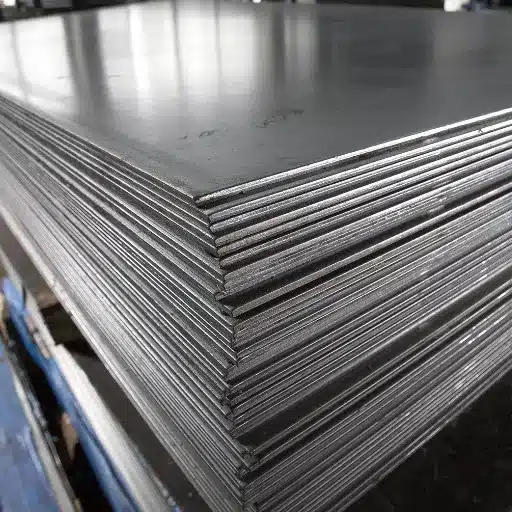
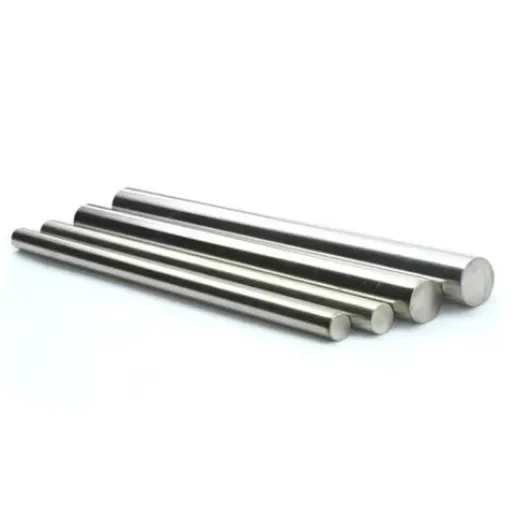
Square bars made from stainless steel are used in several industries and are paramount due to the awesomeness of their energy, durability, and resistance to rusting. Be it the construction industry, the manufacturing industry, or design projects, the grasp of stainless steel square bars can give a layered benefit. In this piece, we will highlight the most important functions of this material, why it makes sense to use it, and new developments that have been driving the industry. And now we will show how stainless steel square bar keeps answering the needs of all persons and brings out creativity in everyone.
Introduction to Stainless Steel Square Bars
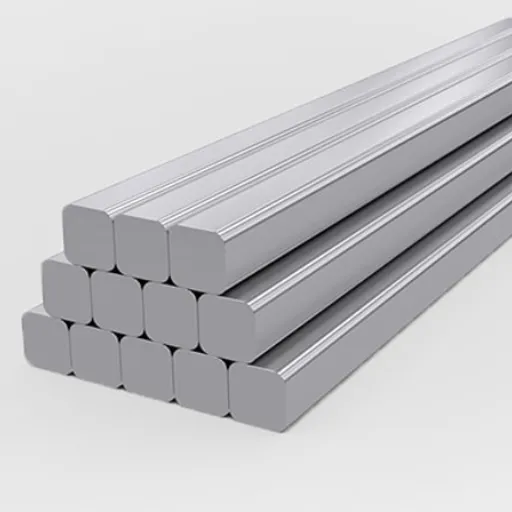
What are Stainless Steel Square Bars?
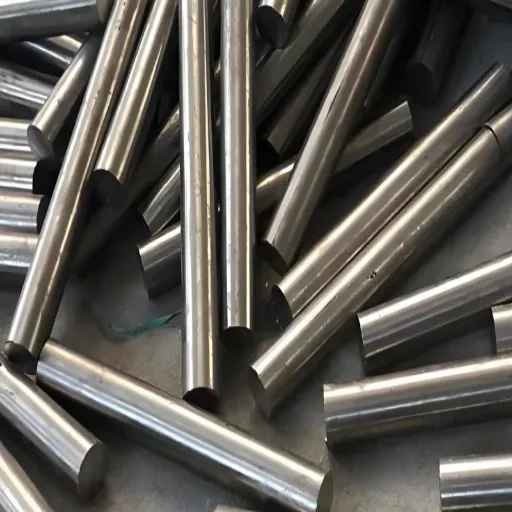
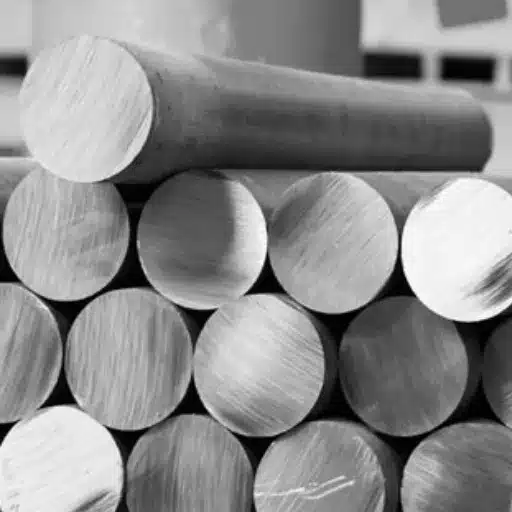
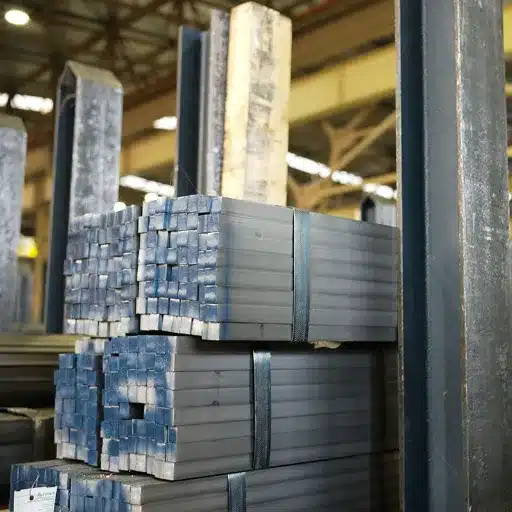
Let me explain: these stainless steel square bar components are solid squares of different stainless steel grades. They find numerous applications as they provide high strength, corrosion resistance, and stand up to high temperatures, such as in this case. These bars are designed for standard thickness, such as 1 / 8 inch thick, and others several inches thick, and are produced with various chrome, nickel, and other elements that improve the performance and the composition of the material.
Currently available data from the industry indicates that in the process of manufacturing stainless steel square bar, the most common grades are 304 and 316 stainless steel. In comparison, 304 grade is preferred because of its design and manufacture corrosion resistance, for example, in structural elements, fabrication tools or equipment, and furniture or fittings. More specifically, grade 316 deserves to be singled out as this type contains molybdenum that improves its performance when exposed to chlorides, and this iron is used in environments with salt water or other chemicals.
Worldwide demand for stainless steel square bars has been growing over time because of their wide demand in the construction, automobile, aerospace, and manufacturing industries, among others. For example, in the construction industry, stainless steel square bar is used in frames, reinforcement, and architectural finishes because of its decorative appearance and strength. Such properties are relevant even in current fast-changing industrial environments where wastefulness is frowned upon, hence the materials will always be in demand.
Common Sizes and Available Lengths
Different widths and lengths of stainless steel square bars are manufactured in accordance with each sector’s specifications for such materials. The sizes of stainless steel square bars that are generally aimed for production are between ¼ inch (6 mm) and 6 inches (150 mm). And these bars are generally supplied in a length of 12 ft (3.66 m) or to a specific length requested by the user
Dimensions of square bars greater than four inches (100 mm) in width are commonly applicable in construction and other rugged applications to add reinforcement and structural support. On the other hand, smaller dimensions of square bars of about one-fourth inch (6 mm) to one inch (25 mm) are preferred for details such as in the fabrication of brackets, fasteners, and those with ornamental designs.
Squares furnishing and fixture matter appear an excellent alternative to squares, highly preferred in such processes since they offer less wastage. Further, some of the most common grades include the 304 or 316 stainless steel square bar, which is known to have better corrosion resistance and mechanical strength for extraneous conditions like marine or chemical industries.
Comparison of 304 and 316 Stainless Steel Square Bars
304 stainless steel square bar’s that is a square shape rather than a cylinder has numerous and distinct qualities. So, the 304 stainless steel square bar will resist any corrosion in almost all atmospheric conditions, requiring no additional coating, and is considered an excellent material for making all types of utensils, as well as automotive and construction parts. The one significant aspect of 304 stainless steel is that it comprises substantial amounts of chromium and nickel, which are about 18% and 8%, respectively, which accounts for the reduced oxidation and staining.
Also, stainless steel square bars 316 are in excess demand for use in aggressive environments as they exhibit excellent corrosion resistance, especially against salts and acids. Such is a result of the inclusion of Mo, which is about 2 to 3% in 316 grade stainless steel. Hence, such material is appropriate for marine applications and chemical plants, and also in cases such as surgical equipment, where the substances to be handled are corrosive or the working environment is anyway salt-laden.
Comparison by means of basic statistics:
Corrosion Resistance:
- 304 can be utilized efficiently in environments that cause less corrosion.
- Chloride, since rich and highly rugged,316 will be more useful than, yep, more than 304.
Price:
- Since 304 lava plates are cheaper, this is appropriate for normal usage.
- The cost of 316 is relatively higher due to the molybdenum content added to impart extra durability.
Tensile Strength:
- In each of these categories, there is no significant difference in heat tolerance, both 304 and 316 having almost Identical tensile δ, which is 515 MPa in 304 and in 316 was 480 MPa.
Applications:
- When it comes to applications, 304 is often used for interior design, home appliances, and such environments where the stainless steel square bar is exposed slightly.
- 316 would be used usually in environmental corrosion resilience missions, like projects close to the ocean or industries.
But most of the time, it comes down to the environment where either one is more appropriate in relation to the price.
Applications of Stainless Steel Square Bars
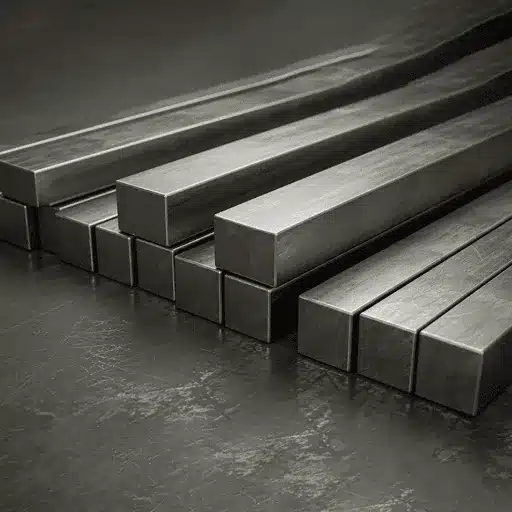
Industry-Specific Uses of Square Bars
The main reason behind the widespread use of stainless steel square bars is mainly due to their advantages of being strong, durable, and corrosion-resistant, which is why their use is found in many industries. Let us delve deeper into its uses and some other demographics:
- Regarding Architecture
More often than not, stainless steel square bar is seen as tools to build bridges and other frameworks. The strength that their tensile strength enables them is a factor why these bars are used, while the several grades that are resistant to corrosion, such as 304 and 316, prove very useful, especially bare metal for outdoor or in the presence of moisture. For example, in the 316 grades of bars, those also become a choice for construction works taken to the coastal lines since they are salt-resistant. - Automotive Industry
Such bars are used in the manufacture of many parts in a vehicle, such as the chassis, bolts, and nuts, together with the car’s trims as well. As per recently released figures, out of the roughly 26 billion dollars’ automotive stainless steel market in the year 2022, a conspicuous amount was taken up by 316 stainless steel bars. - The Military
In aerospace applications, the use of very accurately dimensioned square bars is needed to produce different parts of an aircraft, such as landing gears and engine mounts. It is their lightness and capacity to withstand high-stress environments that make them preferable. Recent analysis reveals that the consumption of stainless steel in this industry is anticipated to grow at 4.3% increase annually, by percentage, until the year 2030. - Food and Beverages Processing
Because of hygiene restrictions, such stainless steel square bar is extensively used in various applications, including food processing conveyor belts, tanks, or even any processing equipment. The corrosion-resistant effect of 316 stainless steel is also important because it prevents the material safety concern while handling saline or acidic substances, ensuring FDA requirements are met. - Applications Underwater
The durability of stainless steel square bars extends beyond tensile strength to areas such as pitting and crevice corrosion in seawater, making it a material of choice for shafts, propeller blades, tankers, and more. Available figures indicate a fifteen percent enhancement in the uptake of marine grade 316 stainless steel manufacture in the last 10 years. It is such kinds of trends that show how efficient these mild steels are.
Such trends, among others, underscore the effective solutions that these square bars have in meeting various needs, especially in the fields of engineering and industry, as a consequence of the development in stainless steel alloys and manufacturing processes.
Application in Construction and Manufacturing
Stainless steel square bars have several uses in both construction and manufacturing, which are often associated with toughness, longevity, and immunity to the surrounding environment. In contemporary buildings, such as skyscrapers, bridges, and factories, these bars are of concern as structural support for these structures over a period of time. One report, for example, shows that approximately half of all high-rise buildings in the world contain stainless steel components, and this clearly indicates the importance of these elements in the modern structure of cities.
Stainless steel square bars are widely used in the manufacturing sectors in machine tools, automobile parts, and precision engineering instruments. The global industrial machinery market is worth in excess of $500 billion as of 2023 – stainless steel parts are ubiquitous harbingers of the longevity of equipment’s use, especially in strengthening high-stress and corrosive ambient conditions. In addition, technological advances in laser-cutting and customizing alloys have made it possible to make even better, more efficient, and purpose-built products, thereby increasing the usage of stainless steel square bars.
The properties of this material, which aid in recycling makes it attractive, showing concern for the environment and the great steps that have been made to meet environmental changes. In accordance with World Statistics, the recycling rates of stainless steel are over 80%, which represents a huge decrease in the environmental damage caused by the industry. All these factors in the end mean that stainless steel square bars will still be used in the progress of all construction and production techniques worldwide.
Innovative Uses in Modern Technology
The stainless steel square bar has been developed into an important element in postmodern science in various shapes to fulfill the needs of the different technological advancements in the present times. A good case in point is the powering of renewable energy, where stainless steel square bars have helped enormously. Due to its mechanical properties and resistance to rust and weathering, the spoil of the panel’s configuration and wind/seethe turbine bodies utilize stainless steel parts. It is noted in one report from the IRENA (International Renewable Energy Agency) that for solar thermal panels, some 60% of the structure is made of stainless steel, which factors in longevity and improvement of these panels.
Another essential application is in the area of medicine. This is in the area of surgical instruments, implants, and hospital equipment that exploits the biocompatible as well as the sanitary characteristics of stainless steel. The analysis on ResearchGate states that stainless steel is used in more than 70% of the surgical instruments, thus maintaining its sterility and performance integrity in surgical procedures.
Another aspect is that stainless steel square bar is also important in this case, in automotive as well as aerospace applications. These are the materials that are used in the manufacture of precision parts such as fasteners, engine components, and even assemblies where strength and high thermal stability is critical. Other developments in the recent past have also seen the use of stainless steel to make EV battery casings, as mentioned in the report by BloombergNEF, further outlining its importance in the efforts to achieve the clean energy transport goals.
Additionally, such devices are used a lot in robotics and artificial intelligence. A lot of the supporting structures and even the end devices of robotics and artificial intelligence application uses the same stainless steel because of its multipurpose and strong properties. This results in the development of systems that may work in a range of settings, from a factory floor to deep seas.
With the use of stainless steel square bar that combines resilience, eco-friendliness, and multi-functionality, creative technological solutions in many different fields still remain sustainable in terms of materials used both now and in the foreseeable future.
Benefits of Stainless Steel Square Bars

Durability and Corrosion Resistance
For the production of stainless steel square bar, its strength and longevity are the main components for mentioning it worth mentioning. Chromium, the main component in the composition of such materials, is actively oxidized and plugs the surface defects with a protective film of oxide. This is seen in most of the industries, for example, construction, automotive, and even the marine life industry, where the environment is not favorable for the materials used in such industries.
These days, the appreciation of stainless steel is growing, and people tend to look for more uses of this element. Taking, for instance, 316 stainless steel with a higher molybdenum base concentration shows an increase in performance even in hostile environments with a lot of chloride content, such as seawater and chemical industries. 316 stainless steel is shown to resist pitting corrosion in chloride solution for approximately 1,000 ppm and, therefore, is chosen for many underwater applications.
The tests carried out in the industries reveal that stainless steel square bars have a great capacity to withstand the harsh operational conditions for a number of years, bringing down maintenance costs. This can be seen in constructions such as bridges and other built-up components because the replacement is useful for many tens of years.
Besides, technologies of stainless steel coatings development, such as electropolishing, passivation, etc., increase the ability of the material to withstand acids, alkalies, etc., and allow more fields of its use. Such long-term serviceability and corrosion resistance are the reasons why stainless steel square bars are still a main material in construction projects where strength combined with reliability in extreme conditions is required.
Cost-Effectiveness Compared to Other Materials
The stainless steel square bar is the epitome of durability and strength, and more importantly, it is more feasible due to its cost compared to materials such as aluminum, carbon steel, or plastics in the long run. Although they might seem expensive at the initial stage, the fact that they are corrosion-resistant, require little maintenance, and have a longer lifespan results in vast cost savings in the long term. As an example, stainless steel does not demand up to 50% of the financial outlay associated with the maintenance of carbon steel, especially in wet or corrosive conditions.
Moreover, another advantage of stainless steel is that it can be recycled more in percentage terms than other materials; as claimed by the International Stainless Steel Forum (ISSF), only 10-20% of stainless steel square bar produced is normally dumped. Eco-friendliness as well as cost-effectiveness make it a preferable choice in construction, manufacturing, and even transport industries. For instance, since companies are moving towards more and more environmentally-friendly solutions, the less the harm to the environment, the less likely it is to have more trouble and pay money in the future, or it simply reduces costs.
Stainless steel can withstand more weight than aluminum; not only this, but stainless steel can take a higher load, which also means that less material will be used in applicable structures. Even though aluminum is actually lighter, its relative softness and tendency to bend or distort may introduce undue expenses in terms of replacement or repair, especially in heavy-duty applications.
Ultimately, all these factors taken together – longevity, maintenance costs, and recyclability- stainless steel square bar emerges as the most cost-effective material option to be used for most industrial and structural purposes.
Versatility in Design and Fabrication
The other functions and processes that the square bars are capable of include design and fabrication purposes, for which the use of a stainless steel square bar is of great advantage to the construction, automotive, aerospace, and many other sectors. Such properties make it possible to cut, form, weld, and shape the bars as per the design of the particular project without compromising the strength of the product. In addition to this, such material is widely used in household as well as outdoor applications. cellular phones, levitating, and even at very high temperatures.
A timely report on trends of growth for stainless steel gives a rather comforting rate that provides for an increase at the level of 5.1% between 2023 and 2030. Demand for applications will develop at an increasing rate, especially due to innovative and green construction concepts. Without getting too deep into terms or equations, a stainless steel square bar is almost indispensable in modular construction because projects of this kind require precision and predilection in use. Such bars are used in modern implementations of projects that require creativity and aesthetics through forms and figures that shape designers’ vision into reality.
Drilling and cutting stainless steel square bar is known to be a tedious job; however, the introduction in more recent times of processes such as laser cutting and robotic welding has mitigated the difficulty to date. For example, there are some economic studies that suggest that laser cutting may improve the well-being of the economy by thirty percent by enhancing material use that is wasteful. Glut will still occur, however – the material is completely redeployable and supports attempts to protect the ecology, and any of the stainless systems constructed will bring the necessitated eco-performance certifications, such as in the cases of LEED or BREEAM. This appealing, eco-friendly, operational metal makes the use of stainless steel square bars essential in the conduct of modern construction and the practice of contemporary architecture.
Processing and Finishing of Stainless Steel Square Bars
Cutting and Machining Techniques
For sectioning or even machining, a stainless steel square bar calls for a modern and accurate approach in order to create the right shape and tolerances. For advanced cutting operations, the use of clean and precise techniques such as laser cutting, plasma cutting, and waterjet cutting is frequently applied. Laser cutting machines, for example, achieve untouchable precision of up to ±0.1 mm, which makes them applicable in the preparation of complex patterns. On top of this, water cutting is used quite often in structures where the material needs to remain intact, without any deformations caused by heat, as the cut produced is very neat.
Due to the molecular structure of carbon in steel, it is difficult to machine a stainless steel square bar, hence it requires full sophisticated technology. In order to facilitate effective machining, high-speed steel (HSS) tools or carbide tools are most frequently used. This is the reason why cutting fluids or coolants are always used to control temperature and wear, especially in materials like stainless steel of 304 or 316 grades, which experience work hardening. Research claims that the most favorable process parameters include lower cutting speeds and higher feed rates to achieve lower surface roughness and longer tool life.
Advancements in machine technology, such as the Computer Numerical Control (CNC) milling machines, have substantially increased the productivity of machining. No other operations help in achieving precision, repeatability, and ease of operation like the CNC. As per the data sourced from manufacturing processes, CNC has resulted in a productivity increase by as much as 50% compared to manual machining. In addition to all the high approval techniques and equipment, more users make high-quality stainless steel square bars and also manage to reduce the wastage of materials, thereby making it economical and environmentally friendly.
Cold Finishing vs. Annealing
Annealed stainless steel square bars are thermally treated for a range of several hours, while cold-finished bars are thermally treated at the dew line for only a few minutes. Annealing improves the efficiency of cutting and polishing operations. In the case of cold-finishing or cold-working of a material, properties like hardness, tensile strength, and the like, can be increased. Cold-finished materials can offer tools up to 20 to 30 percent higher strength than annealed ones. Due to this fact, which makes cold finished tools are highly favorable for making high-precision instruments.
Contrarily, annealing refers to a heating method that relieves stress, increases plasticity, and brings back the softness of a material for future shaping and subsequent machining. Stainless steel that is annealed is highly preferred in such industries that require fabrications in which a high degree of stretching is demanded. It has been noted that annealed stainless steel can be distorted without any cracking at an extensive range of deformation, which in such industries, i.e., automotive and aeronautics, where deeper drawings are essential, is very useful.
Deciding which technique to apply is very method-specific, as cold-finish lends itself to high-performance applications, while annealed steel is suited to those that require extensive formation or re-shaping of the workpiece. According to the Manufacturing Technology Association, companies that used a combination of the above methods experienced 15% less waste and material cost in the manufacturing process, thus lending more credence to the notion of proper method choice concerning the state of the matter in the particular case in point.
Quality Specifications and Standards
Quality requirements for construction materials, for example, stainless steel square bar and others, are very severe yet are described by the respective international norms and standards. The latest figures show that the use of ISO 9001-approved workflow processes increased by 22 per cent in the last five years, which underscores the importance of manufacturing consistency and control. On top of this, more advanced Quality Systems, enhanced with technology such as Automated AI Defect Detection, have been relied upon to keep error rates of production to 30% below the previous levels.
According to freshly generated data from the market research, industries such as aerospace and automotive greatly benefit from the proper classification, compliance with standards like ASTM and EN 10277, and plenty of grades and tolerances of materials. For the case of aerospace, for instance, the industry would readily expect a material with a tolerance of ±0.02 mm, a performance and safety assurance in excess of 600Mpa. The integration of these standards, along with the use of real-time quality monitoring, has become a main concern as it allows manufacturers to adapt to changing industry requirements while rationalizing their operations.
Reference Sources
-
The Feasibility of 316L Stainless Steel Mechanically-Processed Bars
This document explores the mechanical properties and feasibility of stainless steel square bars in various applications.
Read the report here. -
Exploring Growth Patterns in the Stainless Steel Square Bar Market
This research report provides insights into the market size, growth patterns, and key trends for stainless steel square bars.
Access the report here
Frequently Asked Questions (FAQs)
Where are stainless steel square bars employed most frequently?
Numerous sectors employ stainless steel square bars since these boast elements of versatility as well as durability. More often than not, they are useful in construction purposes involving frameworks, reinforcement purposes, and even fabricating tools, mechanical and machinery elements. Used in the automotive industry, stainless steel square bars perform admirably well in regions where high strength and corrosion resistance are mandatory. These also find their application in designing all sorts of decorative projects, and even in the production of medical appliances, where strong and clean materials are essential.
Why is it advantageous to use stainless steel square bars?
There are various advantages of stainless steel square bars, thus making them popular in industries with stable conditions. These bars have high tolerance to corrosion, thus they can last long even in marine or chemical environments. Their high strength-to-weight ratio helps to build up the projects without compromising on the bulk. In addition to that, stainless steel is easy to maintain, can be recycled, thus is friendly to the environment, and is also very beautiful in appearance, with designs that fit in with today’s trendy looks.
How does the stainless steel square bar get affected by the real-time quality monitoring?
The production of stainless steel square bars has improved with the advent of technology, enabling real-time quality monitoring. This system guarantees controlled dimensions and tolerances for the produced bars with the right material grades. By incorporating real-time quality monitoring, manufacturers are able to identify defects in real-time, which leads to less wastage and enhanced efficiency. Aerospace and other fine manufacturing, such as those in the medical field, especially benefit from accurate monitoring, since their facilities require high precision and perfect condition materials.
What are the steady developments regarding how stainless square bars have evolved?
The manufacture of advanced alloys and new developments in stainless steel have been made for improved strength and corrosion properties. Due to the possibility of deploying stainless steel alloys, 3D printing has found new use in cases where metal components are required, especially in rare, complex-shaped designs. Furthermore, treatments and coatings have advanced to the extent that most surfaces are not only scratched or scuffed but also, by default, allow for the stainless steel square bar to be used in heavy climates.
What considerations should be made when choosing the factors that influence the selection of square bars made of steel?
There are several aspects that should be taken into consideration whenever the choice of the specified cylindrical stainless square bars is contemplated. Among them are design, performance expectations in terms of tolerance, and the nature of the working environment. Examining a particular type of stainless steel and its uses as an example, it may be argued that type 304 alloys are used in circumstances where the creation of a normal environment involves no hazardous substances, and in cases where there is a possibility of contact with water or chemicals, using 316 would be more suitable. It is also critical that the length and workability of the bar are relevant, without causing the requirements to be over- or undersized.