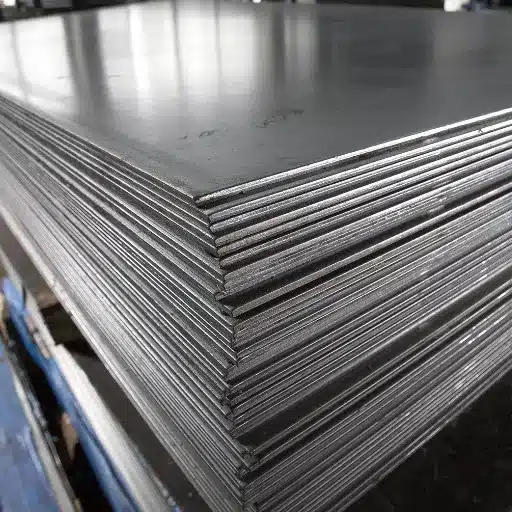
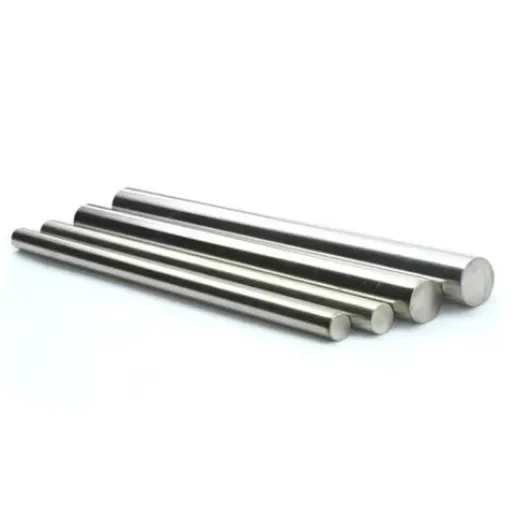
Two contenders—sterling silver and stainless steel—frequently put the customers into confusion. Even though each of the materials has its peculiar benefits, your choice will rely exclusively on your way of living, tastes, and the use of the jewelry piece. This article presents a thorough examination of the two metals, sterling silver and stainless steel, looking at their major distinctions, pros, and cons. Eventually, you will be equipped with all the necessary information to choose a decision that supports your fashion and requirements.
Introduction to Materials
Definition of Stainless Steel
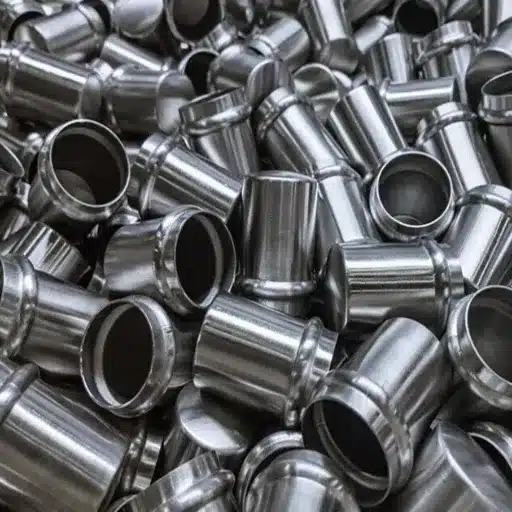
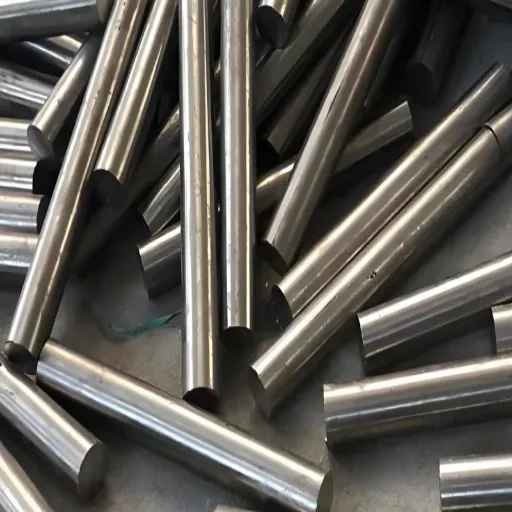
Stainless steel, an alloy mainly composed of iron, chromium, and sometimes nickel, manganese, or molybdenum, is one of the most durable and versatile materials available. The major attribute of this material is that it does not corrode; the addition of a minimum of 10.5% chromium is what makes this possible. The chromium forms a thin, invisible layer of oxide on the steel surface, which is called the “passive layer,” and this layer prevents rust and ensures the steel’s remarkable durability.
Stainless steel is further classified into different grades and forms, such as 304 and 316. The steel of type 304, popularly referred to as “surgical steel,” has a composition of 18% chromium and 8% nickel, and this is the reason for the material’s popularity in the jewelry industry—it is very strong and resistant to corrosion. Type 316, in contrast, is associated with a greater resistance to saltwater thanks to the addition of molybdenum, which renders the steel stronger in terms of exposure to harsh environments.
Definition of Sterling Silver
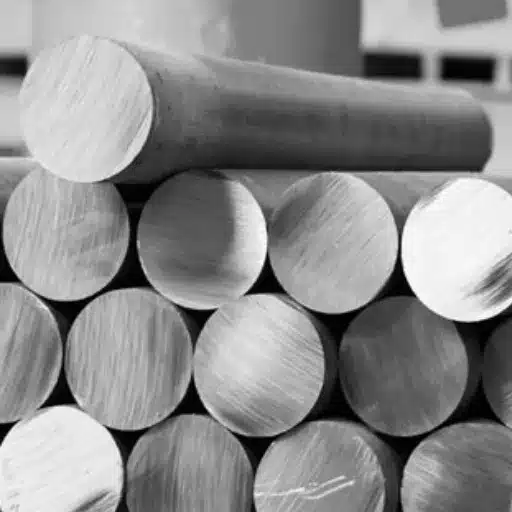
Sterling silver is an alloy of the highest quality and it is still a classic material due to its beauty and adaptability. The alloy consists of 92.5% pure silver and 7.5% of other metals, with the copper being the most common; this composition not only gives the alloy a nice-looking surface but also doubles its strength and durability. The strength of the copper present in the alloy has improved the durability of the jewelry-making process; it allows the makers to produce more intricate pieces of jewelry, flatware, and decorative items.
Sterling silver is still in the top tier of materials consumers choose because it is cheaper than gold and it has a classic appeal, as recent market data show. A report performed by the industry in 2023 stated that sterling silver jewelry has a growing annual demand rate of around 3-4%, which is derived from the minimalist fashion trend and consumer’’s environmental outlook. Besides, rhodium plating on sterling silver is a frequent practice that companies use to prevent tarnishing and maintain the metal’s shine, thus adding to its long-term consumer value. These attributes have positioned sterling silver as a must-have in the jewelry industry—both in terms of modern and traditional designs.
Durability and Maintenance
Longevity of Stainless Steel
Stainless steel is one of the most durable and non-corrosive materials that are used in various industries such as construction, jewelry, and others. The steel’s lifetime is primarily the result of the high content of chromium, the percentage of which in stainless steel is usually between 10.5% and 30% and the formation of a passive layer of chromium oxide over the steel. The oxide layer created by the chromium keeps the steel free of rust, discoloration, and other forms of damage even when subjected to very harsh environmental conditions.
According to recent studies, high-quality stainless steel has a lifespan of more than 50 years on an average basis when proper care is taken. It does not chip or bend easily and when it is deformed, it recovers its original shape, thus it can be considered perfect for making items that would be frequently used and thus kept . Besides, surgical instruments, kitchen appliances, and personal accessories such as rings and watches, are also made of stainless steels. Besides, stainless steel is completely recyclable, which further strengthens its standing as an eco-friendly material.
Longevity of Sterling Silver
Sterling silver is a classic metal that has allured millions because of its beauty, durability, and versatility. So it stands as the most chosen material for wedding rings, home décor, and dishes. Consisting of 92.5% pure silver and 7.5% other metals, usually copper, sterling silver presents an admirable blend of softness and strength. It is generally said that pure silver is too soft a metal for most functional uses but on the other hand, adding metals to the mix improves the durability of silver without compromising its lightness.
If kept well, sterling silver would last forever and, why not, be transferred from one generation to another. Silver is less likely to bend or break if compared to the pure metal, and it can retain its original luster with mere polishing. On the downside, sterling silver is prone to tarnishing when subjected to sulfur compounds occurring in the atmosphere or in the skin. Nonetheless, experts say that tarnish can be kept in check by proper storage in anti-tarnish cloths or airtight containers, followed by cleaning on a routine basis.
Aesthetic Appeal
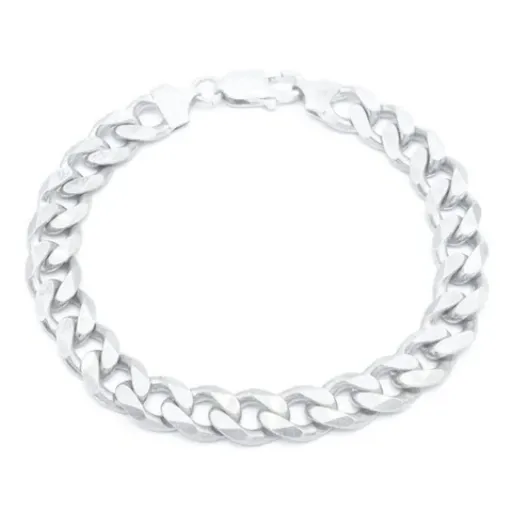
Visual Differences Between Materials
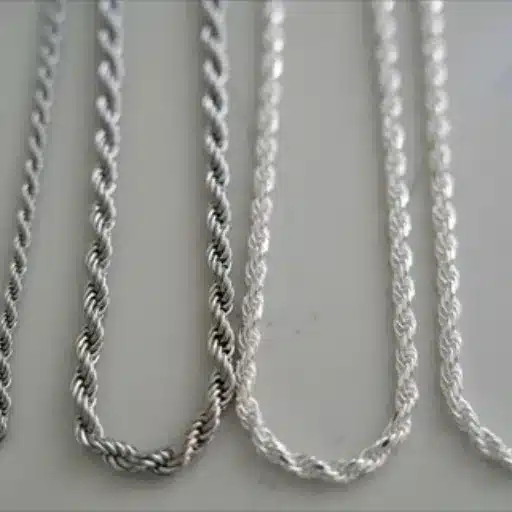
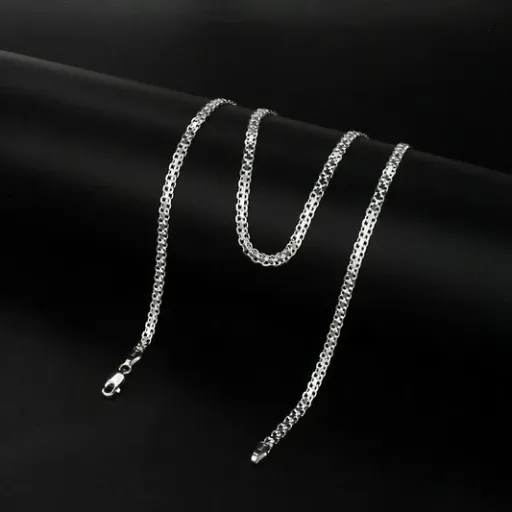
Whereas sterling silver is compared to other metals regarding their prices, but then the distinction is seen and the choice is based upon the different tastes and occasions. The bright and white shining of sterling silver with a very soft luster makes it possible to see that it can be easily worn both casually and formally. The reflected surface of sterling silver is less yellow than gold, which gives it more under-surface elegance that is appealing to a lot of different people.
Gold is, however, not only available in its natural color but in white, yellow, and rose shades as well, with yellow being the most traditional shade. The warm and rich tone of gold is very inviting and is often considered the most ideal color of gold for extravagant designs. The pink hue of rose gold, obtained by mixing gold and copper, has indeed become very popular with young people in recent years.
The platinum, in its own way, gets noticed by its shimmering white and bright finish, which is somehow comparable to that of sterling silver, available, however, in a brighter and more luxurious manner. The making of it for fine jewelry, especially for engagement and wedding rings, is characterized by its quality and refusal to tarnish.
Complementing Different Styles
Not only do jewelry trends reflect personal tastes, but they also indicate how well specific materials and designs complement different fashion styles. The latest Trends data for 2023 reveals the great success of “minimalist jewelry,” which impressed with a 40% increase in searches, thus highlighting the popularity and timelessness of clean, simple designs that perfectly fit in with modern and minimalist wardrobes. Conversely, the “vintage-inspired jewelry” searches experienced a growth of 28%, signaling the demand for classic pieces still to be seen in the form of bohemian or retro styles.
While the marriage of rose gold jewelry and yellow-orange colors, plus the neutral color palette, has become the common practice, it is sterling silver that is the all-time winner in the category of versatility since it can mix easily with both casual and formal dressing. When it comes to statement pieces of bolder nature, gold jewelry will always be the number one choice, as if its main purpose is to add glamour and modernity to the look. By analyzing the trends in searches and the behavior of consumers, it becomes very obvious that the style and materials in jewelry keep changing to match the ever-changing fashion demands, thus giving the wearer the opportunity to show his/her personality and at the same time keep up with the latest trends.**
Cost Analysis
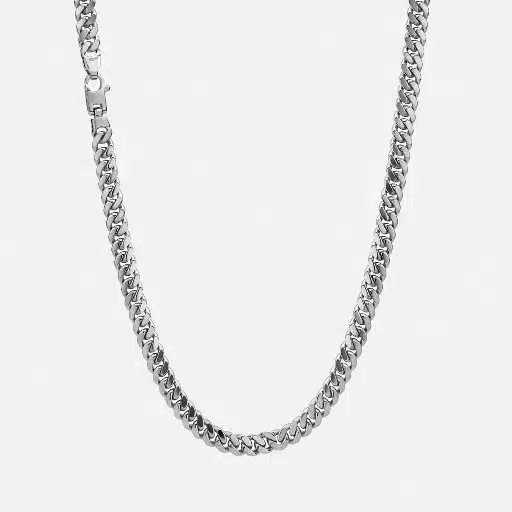
Price Points of Stainless Steel Jewelry
The demand for stainless steel jewelry has increased not only due to its durability but also because of its low price and stylish appearance, thus giving consumers more choices. The cost of the stainless steel jewelry usually depends on design complexity, ranging from as low as $10 for simple products like rings or small earrings to about $50-$100 for fancy items like statement necklaces or bracelets. Custom-made designs and those with extra decoration, for example, colored stones or plated finishes, will be at the higher end of this price range.
No doubt, stainless steel jewelry has a great affordability factor but it still maintains its quality. The consumers are really attracted to the advantages that stainless steel has, such as being non-tarnishable, hypoallergenic, and able to mix with different looks. In line with online consumer trends and discussions, value buyers put a lot of weight on the quality of the material they use as a factor but at the same time, they don’t want to spend a lot. This is exactly what has happened with the stainless steel jewelry; its aesthetic and practical features have been both developed and utilized to create an accessible luxury that daily consumers can reach.**
Price Points of Sterling Silver Jewelry
Sterling silver jewelry still holds the number one status in the market for its combination of elegant appearance and reasonable price. The price of silver jewelry is always a part of the customer interest in sterling silver as per the data obtained from search trends. Generally, sterling silver jewelry costs within the range of $20 to $150 stamped by its specifications like the details of the design, the quantity of the item, and the presence of any gemstones or embellishments.
Sterling silver rings or small pendants are considered as the most basic items in the category, and they usually start from $20 to $50, which is just right for the budget shoppers. Meanwhile, those being more selective will find themselves offered with elaborated designs or those with semi-precious stones ranging from $60 to $100. The super-luxury demand for the sterling silver category has been existing, especially for personalized pieces or those created by the finest artisans; hence, the price can be as much as $150 or even more.
Environmental Impact
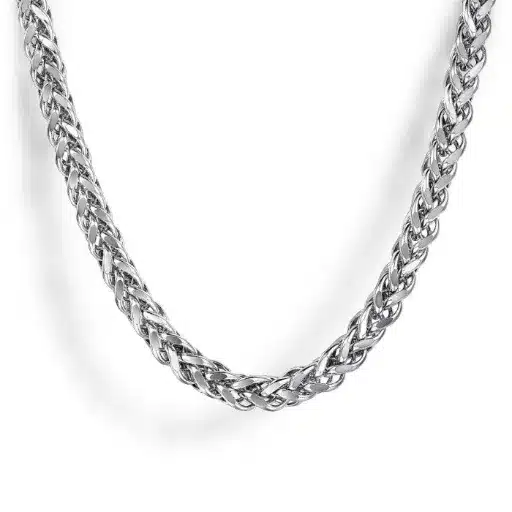
Sustainability of Stainless Steel Production
Out of all materials, stainless steel is probably the one that gets the most recognition when it comes to sustainability. This is mainly because of its excellent recyclability and long life cycle. The International Stainless Steel Forum (ISSF) states that around 90% of stainless steel is reprocessed at the end of its service, thus one of the greenest materials in manufacture. The recycling process, aside from helping the environment through less waste, also plays a major role in reducing the need for raw materials extraction, thereby lowering the overall environmental footprint.
Furthermore, the stainless steel manufacturing process has become significantly more energy efficient. The statistics say that the use of new technologies and the implementation of sustainability programs have cut down energy consumption of manufacturing by almost 50% in the last 30 years. The trend of searching for sustainable materials among consumers is also evidenced by an increase in the popularity of such terms as “eco-friendly stainless steel” and “recycled stainless steel cookware,” which are witnessing a steady rise in searches.
Sustainability of Sterling Silver Production
Sterling silver, a mixture mainly made up of 92.5% pure silver and 7.5% other metals (copper, for example), is gradually getting a green stamp of approval for its potential to impact positively the environment. One of the main points to support such a claim is the recycling of silver. The Silver Institute affirms that close to 80% of the silver used in industries is recycled and thus, the virgin material extraction is reduced a lot. The very fact that silver is highly recyclable allows making sterling silver products like jewelry and cutlery, reusing them, and thus saving the environment and reducing the waste.
Moreover, mining and silver refining technology have been getting more and more advanced and thus responsible practices are being adopted. For example, some mines now switch their energy sources to renewables and would have water management systems in place, extremely tight ones, to minimize their impact on the surroundings. What is more, both consumers and manufacturers are enforcing the ethical sourcing of silver and often turning to those suppliers who satisfy the application’s criteria for sustainably certified standards, thus guaranteeing environment and labor practices to be responsible.
Reference Sources
-
The Facts on Silver | Dartmouth Toxic Metals
This source provides insights into the properties and safety aspects of silver, which can complement the comparison.
Link to source -
Swelling Negation During Sintering of Sterling Silver
- Published in the Last 5 Years: Yes
- Key Findings: This study explores the experimental and theoretical approaches to mitigate swelling during the sintering process of sterling silver. It provides insights into the material’s behavior under specific thermal conditions, which is crucial for manufacturing applications.
- Methodology: The research combines experimental sintering trials with theoretical modeling to understand and control the swelling phenomenon.
Link to study
Frequently Asked Questions (FAQs)
The distinction between stainless steel and sterling silver?
Above and beyond the aforementioned, the differentiations of sterling silver and stainless steel comprise appearance, composition, and maintenance. Sterling silver is an alloy which is made up of 92.5% pure silver (this is the same as saying 925 or 92.5) and usually copper (~7.5%), which together makes it malleable and shiny, but at the same time, susceptible to tarnish. Stainless steel, on the other hand, is a type of alloy that consists of iron, chromium, and sometimes nickel, and is known for its resistance to corrosion and, scratch-resistance.
Which one is superior for regular wear use?
The daily wear decision of either stainless steel or sterling silver will hinge on one’s priorities. The first mentioned material guarantees the long-lasting ability of the second one; in addition, it is resistant to rust, it is scratch-resistant but only requires regular cleaning, and requires polishing at longer intervals. The second of the two is soft compared to the first and may turn black after some time (silver tarnishing), and thus needs to be silver-polished. So stainless steel is often the more practical choice for active daily wearing and the steel pieces, such as a steel ring or a stainless steel necklace, but for classic silver pieces, many people go for 925 sterling silver for its “look” still.
Is sterling silver a precious metal compared to stainless steel?
The term precious metal is reserved for sterling silver that is composed of pure silver alloy with a specific percentage of copper and is valued by the silver and the 7.5% copper alloy (925 sterling silver) that is the reason the metal is called “sterling”. Stainless steel, on the other hand, is not a precious metal. Hence, it is a durable, miticulously inexpensive alloy which is often the supplier of jewelry and decorative items for its longevity. If you want “it’s a precious metal” choose sterling silver; if you want the practicality of stainless steel and the fact that it’s corrosion-resistant, then go for steel.
Are stainless steel and sterling silver safe for sensitive skin?
Both these materials can hypoallergenic depending on their grade and any additional metals. In fact, many of the stainless steel grades that are marketed for jewelry have reduced nickel release and are thus considered hypoallergenic, making them suitable for sensitive skin. The 925 sterling silver is generally well-tolerated, but because sterling silver is an alloy (sterling silver is an alloy) with copper and sometimes other metals, some people with metal sensitivities may react. While making a choice between stainless steel or sterling silver, apart from looking at the specific stainless steel grade, check if gold plating has been done on the sterling piece to lessen the reactions.
What are the differences in maintenance and cleaning for silver and steel pieces?
Cleaners for regular maintenance are significantly different in that silver pieces tend to need silver polishing and periodic cleaning to remove the oxidation which is common with pieces containing 92.5% silver, while silver has already started to tarnish. Stainless steel, on the other hand, requires relatively less maintenance; to keep it glowing, wipe it and, occasionally, polish it to remove scratches. For jewelry with a combination of sterling silver and stainless steel, sustain each part in accordance to its requirement so as to retain its good appearance.