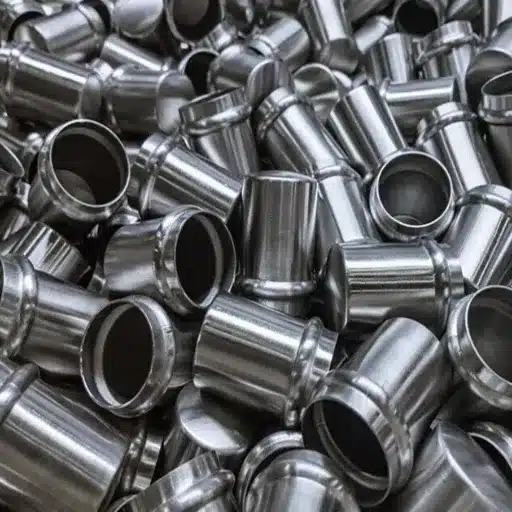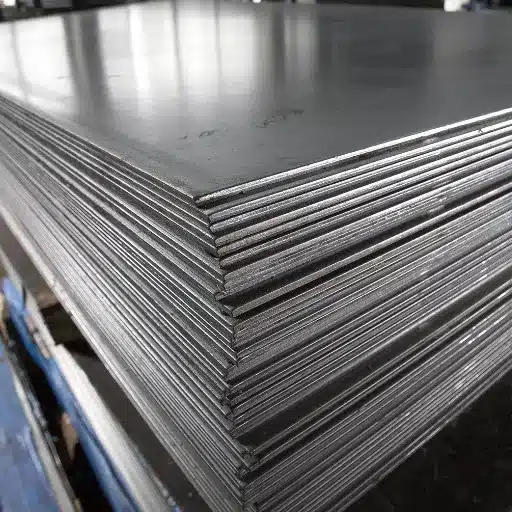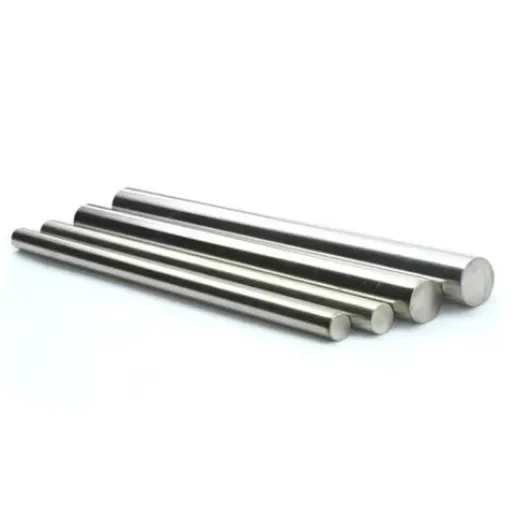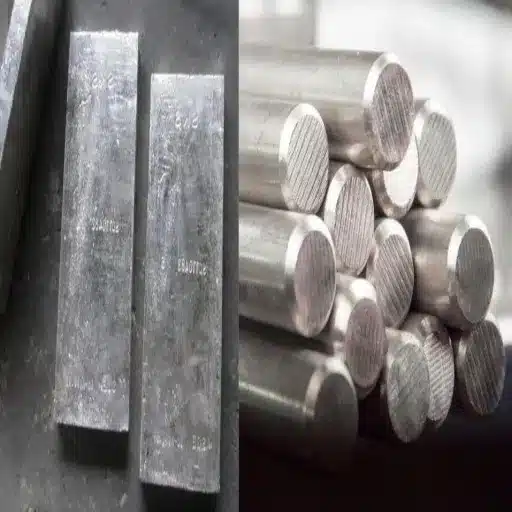
There was a procurement manager in a medical device organization who ordered 10,000 assemblies of electrical contacts. The specification said, “Please provide silver contacts.” Instead, the supplier delivered stainless steel, and they were then used in the devices. The first batch passed with a visual inspection. Nobody noticed the error until devices started failing in the field. The difference in conductivities was so marked that steel contacts turned hotspots, creating areas of resistance that degraded the performance in weeks.
The price tag of human error in material selection can be higher than that of the metal. Damage can be done not only to reputation but also to liability and positioning in the market.
Most articles that focus on silver materials compared to stainless steel are in terms of use in actual jewelry, particularly in terms of wearability, easy cleaning to prevent tarnishing, or maybe even purchasing price for gift-giving. But for engineers and procurement teams, this choice involves electrical conductivity, thermal properties, corrosion mechanisms, and manufacturing compatibility.
This article explains the pertinent technical differences that are significant in industrial applications. Material selection for use as electrical contacts, medical devices, or precision parts will be elucidated in order for one to make the “right” choice of alloy for its operational conditions.
Material Composition and Standards
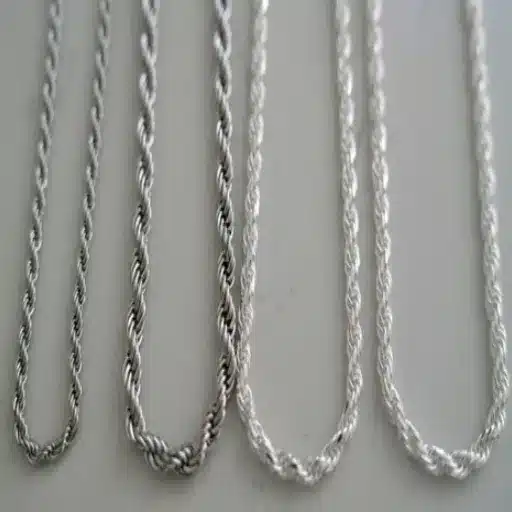
Understanding what each material actually is forms the foundation for proper selection.
Sterling Silver (925)
Sterling silver typically contains 92.5% silver and 7.5% copper; the remainder of trace elements is controlled to meet specific standards. This addition of copper is what gives it some structural solidity lacking in pure silver and raises its hardness to 60–80 HV as opposed to the roughly 25 HV it achieves in its pure form.
Key specifications include:
- ASTM B184: Standard specification for pressure-welded wire and strip for electrical contacts
- ASTM B617: Specification for coinage silver alloy
- ISO 9202: International standard for jewelry alloys
- Hallmarking: “925”, “S925” or “STERLING” stamp.
The overall conductivity is more significant for copper at 100% IACS, despite silver’s still higher number—104%-figure of merit as opposed to approximately 108% (International Annealed Copper Standard) of pure silver. Sterling silver typically hits it at 96 to 98% IACS, still outstanding—just lower by an easily measurable gap.
Stainless Steel 316L
The austenitic stainless steel type known as 316L is crafted with iron, chromium-16-18%, nickel-10-14%, molybdenum-2-3%, and up to 0.03% of carbon. In the context of the international UNS designation, the L stands for “low.” This means that the weldability is better and the risk of sensitization is reduced.
Applicable standards:
- ASTM A276: Standard specification for stainless steel bars and shapes.
- ASTM A479: Specification for stainless steel bars for pressure vessels.
- ASTM F138: Surgical implant materials standard (316LVM variant).
- Grade identification:“316L,” “S31603,” “1.4404” (EN designation)
The resistance of the metal to corrosion is due to the high chromium content that develops a self-healing passive oxide layer on the surface, which is about 1-3 nanometers thick. Molybdenum further gives it resistance to chloride attack, very important in marine or chemical applications.
The key takeaway was that sterling silver is a good conductor and malleable, unlike the 316L. Moreover, 316L ensures that its reputation for good corrosion resistance and mechanical strength is well maintained. It is the use of the metal that determines which of the properties of 316L and sterling silver matters more.
Mechanical Properties: Strength, Hardness, and Wear
When components must withstand physical stress, mechanical properties drive selection.
Hardness and Scratch Resistance
Sterling silver exhibits hardness. in the range of 2.5 to 3 on the hardness scale of Mohs. This provides it a levelly lesser hardness slightly lower than copper (3) but greater than pure silver (2.5). Sterling silver rapidly develops scuffs due to frequent rubbing. The metal, however, polishes well and is capable of being polished frequently without undue loss.
The hardness scale of 316L stainless steel, on the other hand, lies between 5 and 6 on the Mohs scale, which equates to two times the grade of hard silver. It doesn’t scratch since the finish conditions are obstructed through mechanical action. Its abrasion resistance clearly translates to longer life within abrasive surroundings.
Tensile Strength and Ductility
| Property | Sterling Silver | 316L Stainless Steel |
|---|---|---|
| Tensile Strength | ~300 MPa | ~485 MPa |
| Yield Strength | ~140 MPa | ~170 MPa |
| Elongation | ~40% | ~40% |
| Hardness (HV) | 60-80 | 150-200 |
The difference revealed by the data is that 316L stainless steel, having higher tensile strength, gives it the upper hand in structural components under load, while sterling silver has a lower yield strength but is very ductile. That is why it is the best for forming operations, meaning, bending, drawing, or stamping in parts having complex shapes.
Fatigue and Wear Behavior
316L performs rather well under cyclic loading without debilitation. It undergoes a pronounced work-hardening effect, enhancing its strength when stressed. For instance, because sterling silver is of a soft nature, it takes longer to deform by work hardening and can suffer from galling (adhesive wear) within the process of contact with similar metals.
Real-life Instance: When Chen Wei, an engineer working at a company in Shenzhen, a corporate manufacturer of precision instruments, specified sterling silver for the production of spring contacts in contact springs. High conductivity property silver was intended for accurate measurements, but after 50,000 insertions, the contacts showed major wear. To resolve the problem, Chen began using silver-plated beryllium copper, which provided longevity while keeping the conductivity constant, as he learned the cost of that: pure sterling will be good for static applications; for dynamic components where the wear is rather high, a few considerations might be in order.
Corrosion and Tarnish: Environmental Degradation
All metals react with their environment. Understanding these reactions prevents premature failure.
Sterling Silver: Tarnish Mechanism
Sterling silver does not rust; iron rusts, but silver tarnishes due to the reaction of sulfur-bearing compounds in the atmospheric air. This alone is leading to the conversion of silver into silver sulfide (Ag2S), which is dark in color and tarnishes the material.
The tarnishing formula: 2Ag + H₂S → Ag₂S + H₂
Factors that contribute to the acceleration of tarnish include:
- Moisture: Enables some electrochemical reactions
- Sulfur exposure: Industrial atmospheres, rubber bands, and some kinds of food
- Chlorine: Swimming pools, household cleaning agents
- Cosmetics and skin oils: Acids, and sulfur-bearing chemicals
Tarnish only affects appearance and be removed by polishing. The metal underneath is not affected. In some precision electrical applications, it increases contact resistance and leads to intermittent connections.
Preventive measures include:
- Anti-tarnish coatings (lacquer, nano-coatings)
- Storage in an SO2-free environment
- Cleaning at regular intervals using microfibre cloths
- Avoidance of chlorinated water
316L Stainless Steel: Passivation and Pitting
Corrosion will also passivate stainless steel. The colorization of this material by the interaction of chromium and the reaction of 3 Cr with 2 H20 to form Cr₂O₃, in combination with the oxygen, prevents the surface from further oxidation. In the presence of oxygen, it has the capacity for self-healing within seconds of being damaged.
The passivation equation: 2Cr + 3H₂O → Cr₂O₃ + 6H⁺ + 6e⁻
Molybdenum of 316L, particularly, enhances its resistance against chloride-induced pitting in an aqueous environment. Normally, pitting occurs where chloride ions breach the passive film, creating tiny anodic sites that quickly corrode. In reference to 304, 316L is dominant in marine environments or chemical processing.
Nevertheless, there are known exceptions in 316L:
- Strong acids: HCl, H2SO4, and H3PO4, in which the passive layer is reactive.
- High chloride concentrations: Over 1,000 ppm of chloride at elevated temperatures
- Crevice corrosion: Stagnant areas with restricted oxygen access
- Stress corrosion cracking: In tensile stress in chloride environments
Want to ensure your material choice matches your environment? Request a corrosion assessment from our engineering team to identify the optimal alloy for your specific conditions.
Electrical and Thermal Properties: The Conductivity Gap
This is where sterling silver and 316L diverge most dramatically. For electrical and thermal applications, these properties often dominate selection.
Electrical Conductivity Comparison
| Material | Electrical Conductivity | % IACS | Resistivity |
|---|---|---|---|
| Pure Silver | 63.0 × 10⁶ S/m | 108% | 15.9 nΩ·m |
| Sterling Silver | 63.0 × 10⁶ S/m | 96-98% | 16.0-16.5 nΩ·m |
| Copper (annealed) | 58.0 × 10⁶ S/m | 100% | 17.2 nΩ·m |
| 316L Stainless Steel | 1.37 × 10⁶ S/m | 1.37% | 750 nΩ·m |
Sterling silver conducts electricity approximately 48 times better than 316L stainless steel.
This difference is critical to an electrical utility. Though the conductivity of sterling silver approaches that of pure copper, it offers superior oxidation resistance. The low conductivity of 316L precludes its use in electrical applications, but it is usually suitable for electrical isolation and grounding applications, wherein good resistance to corrosive circumstances is referenced.
Thermal Conductivity
| Material | Thermal Conductivity |
|---|---|
| Sterling Silver | 429 W/(m·K) |
| Pure Silver | 430 W/(m·K) |
| Copper | 400 W/(m·K) |
| 316L Stainless Steel | 16.3 W/(m·K) |
One does possess a distinctive heat-conducting value when sterling silver could wrap its arms approximately 26 times better, but with 316L stainless steel than the heat.
It is for this thermal property that we can say that it falls under the following distinct use cases:
- Sterling Silver: Basically, as heat sinks, thermal interface materials, and heat spreaders, precision electronics
- 316L Stainless Steel: Thermal barriers, cryogenic applications, and heat retention components
Application Implications
The resistance becomes very critical between silver and 316L contacts carrying 10 amps:
- Sterling silver contact: ~0.02 milliohm resistance
- 316L stainless contact: ~0.95 milliohm resistance
At 10 amperes, the power loss to heat (I²R) is 50 times different in the silver contact; there is less power loss as heat by the silver contact than its stainless competitor. ; It operates at lower temperatures and forms permanent joints.
Real-world example: A telecommunications company moved from copper to silver-plated contacts to solid sterling silver contacts in its high-frequency RF connectors. It solved a major problem, a classic one, with intermodulation distortion that resulted from nonlinear resistance at the contact interface. The investment in silver material was paid off by reduced warranty claims within eight months.
Industrial Applications: Where Each Material Excels
Theory guides selection, but practical applications demonstrate where each material truly belongs.
Electrical and Electronic Applications
When brought to high frequencies, it dominates the material, compared to most of the other elements present in the contact materials. Hence, sterling silver is considered very good for contacts, offering very low resistance contact areas.
- Switch contacts: Circuit breakers, relays, limit switches
- RF connectors: Coaxial and microwave components
- Semiconductor packaging: Bond wires and lead frames
- Precision resistors: Low temperature coefficient applications
- Battery contacts: Hearing Aids, Medical implants
For extremes in performance between conductivity and hardness, sterling silver is one alloy that fits the bill for such circumstances as very low and stable contact-resistance elements.
316L Stainless Steel serves for those electrical applications requiring isolation:
- Enclosures and shielding: EMI/RFI protection
- Grounding hardware: Corrosion-resistant connection
- Busbars in corrosive environments: Chemical plants, marine installations
- Structural components: Racks, chassis, brackets. NaN.
The highest combination of electrical and mechanical conductivity meets ASTM B184 standards and consists of full traceability in our sterling silver materials.
Medical and Healthcare Applications
In fact, both materials carry essential functions for medical reasons, positive to their needs:
Sterling Silver is effective in delivering antimicrobial effects:
- Wound care: Silver sulphadimidine dressings for burn management
- Medical device coatings: Catheters, implants, surgical implements
- Antimicrobial surfaces: Door handles, railings in a health care environment
- Dental uses: Amalgams and prosthetics
The oligodynamic effect of silver, with its relatively low concentration that becomes toxic toward bacteria, has further implications for infectious disease control. Silver ions disrupt the bacterial cell membrane to interrupt DNA synthesis in bacteria.
316L Stainless Steel is biocompatible and strong:
- Surgical implants: Bone screws, plates, hip joint replacements
- Medical devices: Forceps, scalpels, retractors
- Hospital items: Tables, carts, and sterilization trays
- Dental instruments: Drills, mirrors, probes
And it is known as ASTM F138 for its implant-grade materials, which are very low in inclusions.
Joining and Brazing Applications
Filling the gap between dissimilar metals is of great importance to achieve brazing with any silver alloy. Here, the applications may be underlined with the following examples:
- HVAC systems: The importance of linking copper to iron in refrigeration
- Aerospace: Where titanium needs to be joined with superalloys
- Electronics: The joining of ferrous metals.
- Jewelry and silverware: Old-fashioned soldering of very intricate objects
Silver brazing alloys typically contain 15 to 70% silver, which is further alloyed with copper, zinc, and sometimes cadmium or nickel. The most sought-after joints are due to eutectic and near-eutectic compositions.
316L poses a different challenge. It is almost impossible to join as it has very high chromium; hence, weld procedures for this allow the maintenance of corrosion resistance. Usually, post-weld passivation is very common.
Thermal Management
Sterling silver excels where heat must move efficiently:
- Power semiconductor bases: IGBT modules, power transistors
- LED thermal management: High-power lighting applications
- Aerospace cooling: Satellite thermal control systems
- Scientific instruments: Cryogenic heat exchangers
316L Stainless Steel works where heat must be contained:
- Furnace components: High-temperature fixtures
- Cryogenic vessels: Dewars, storage tanks
- Heat shields: Automotive exhaust systems
- Thermal barriers: Engine components
Cost Analysis: Beyond the Price Per Kilogram
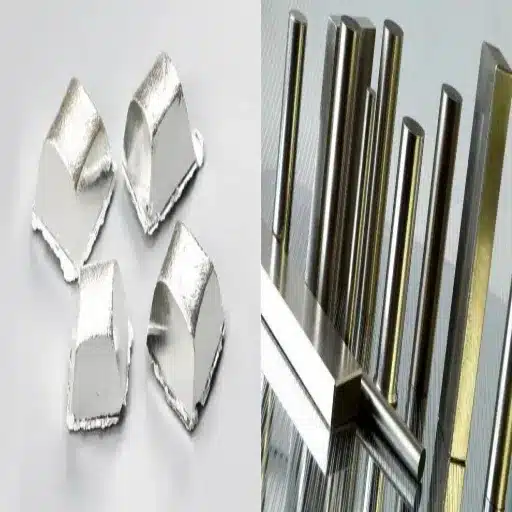
Material cost extends beyond the purchase price to include processing, maintenance, and lifecycle value.
Raw Material Costs
As of March 2026:
- Silver spot price: ~32USDpertroyounce( 32USDpertroyounce( 1,030/kg)
- Sterling silver material: ~$1,100-1,300/kg (including fabrication)
- 316L stainless steel: ~$4-8/kg for standard forms
Sterling silver costs approximately 150-300 times more than 316L stainless steel per kilogram.
Processing Cost Considerations
| Factor | Sterling Silver | 316L Stainless Steel |
|---|---|---|
| Machinability | Excellent | Moderate (work-hardens) |
| Forming | Excellent | Good (requires more force) |
| Welding | Good | Requires specialized procedures |
| Finishing | Easy to polish | Requires aggressive abrasives |
| Scrap value | High (recyclable) | Low (industrial commodity) |
Sterling silver’s workability can actually reduce manufacturing costs for complex components. Its softness allows stamping, drawing, and spinning operations that would require higher forces or annealing with 316L.
Lifecycle Value
For a critical electrical contact operating 24/7:
- Sterling silver: Higher initial cost, minimal maintenance, stable performance over decades
- 316L: Lower initial cost, but unsuitable for the application—would require frequent replacement or cause system failures
The “expensive” material often proves economical when total lifecycle cost matters.
Real case: A manufacturer of automotive sensors initially selected nickel-plated steel contacts for savings of 0.12 per unit on a 500,000 -unit annual production run. The latter had a total savings of 0.12 per unit on a 500,000 -unit annual production run. The total savings were $60,000 annually. This resulted in field failures caused by contact resistance problems, which were, in turn, recalled in 120,000 vehicles. The recall cost exceeded $2.4 million, which amounts to almost fortyfold the annual savings resulting in material costs. Today, the manufacturer now uses solid sterling silver contacts, knowing that material is only a fraction of the total risk picture.
Selection Guide: Making the Right Choice
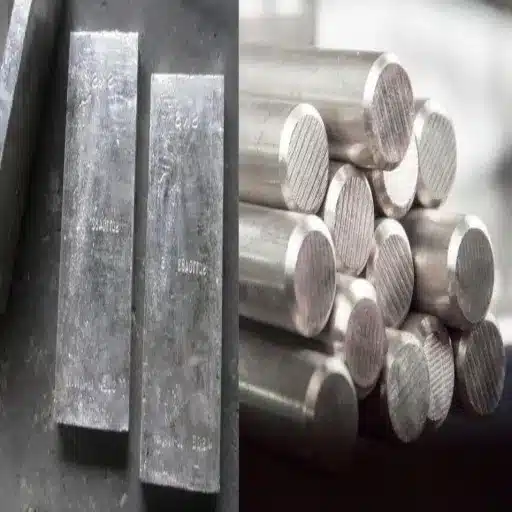
Use this framework to select the appropriate material for your application.
Choose Sterling Silver When:
- Electrical conductivity is critical
- High-current applications
- Low-voltage signal integrity
- RF and microwave frequencies
- Thermal conductivity matters
- Heat spreading and dissipation
- Thermal interface materials
- Temperature uniformity requirements
- Antimicrobial properties are desired
- Medical device surfaces
- Food processing equipment
- High-touch public surfaces
- Solderability and brazing are required
- Electrical assembly operations
- HVAC and refrigeration systems
- Precision joining applications
- Precious metal value adds legitimacy
- Luxury goods components
- Investment-grade items
- Heirloom-quality products
Choose 316L Stainless Steel When:
- Corrosion resistance is paramount
- Marine environments
- Chemical processing
- Food and pharmaceutical handling
- Mechanical strength under load
- Structural components
- Fasteners and hardware
- Pressure vessels
- High-temperature service
- Furnace components
- Exhaust systems
- Heat treatment fixtures
- Biocompatibility required
- Surgical implants
- Medical instruments
- Food contact surfaces
- Cost optimization for large quantities
- Mass-produced consumer goods
- Non-critical structural applications
- Replaceable wear components
Conclusion
Sterling silver and 316L stainless steel are not really competitors; they solve different problems fundamentally.
Sterling silver is known for its top-rated electrical and thermal conductivities and antimicrobial properties, needing this high-performance material interface in most of its applications, such as electrical contacts, thermal management, medical devices, and precision components.
All these applications show that 316L stainless steel balances corrosion resistance, mechanical strength, and biocompatibility at affordable costs. It is supposed to be for structural applications, in which there are many environments and “open locations” for tolerance to conductivity sacrifice.
Incorrectly applied, each metal carries penalties. Silver wasted in structural maritime application settings loses money and does not benefit, while steel in a high-performance electrical contact results in heat over resistance over time, leading to collapse.
Material selection indeed stands as the essence of engineering–near perfect fit of properties to the requirements, knowing and managing trade-offs with enriched judgments, and helping in making decisions that can reach an adequate balance between performance, cost, and (reduced) risk.
Ready to specify the right material for your next project? Contact our engineering team for material consultation, custom specifications, and certified alloy solutions tailored to your exact requirements.