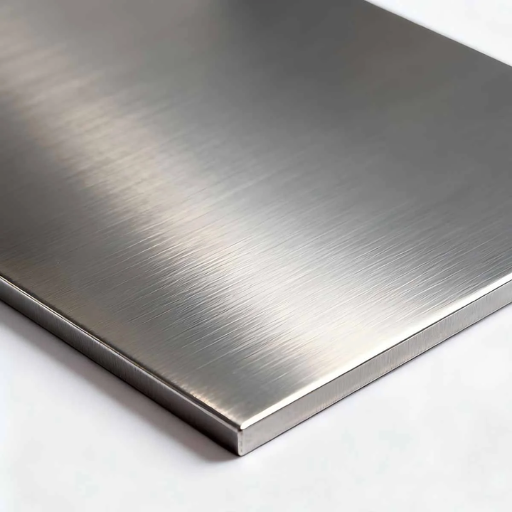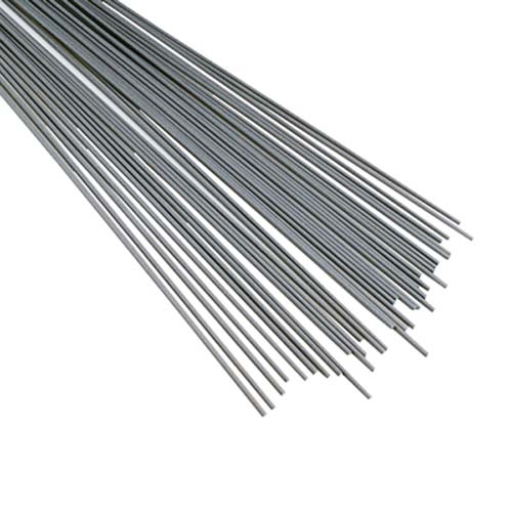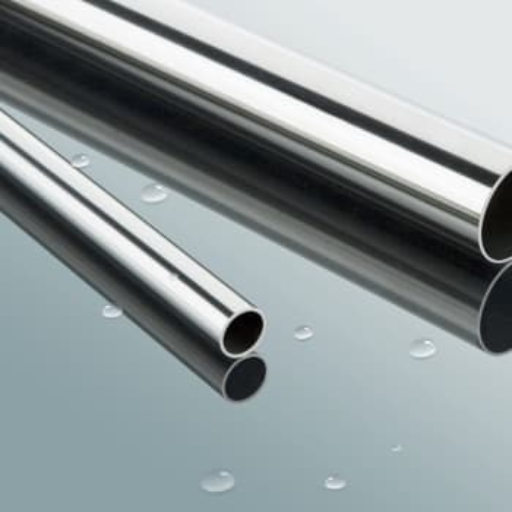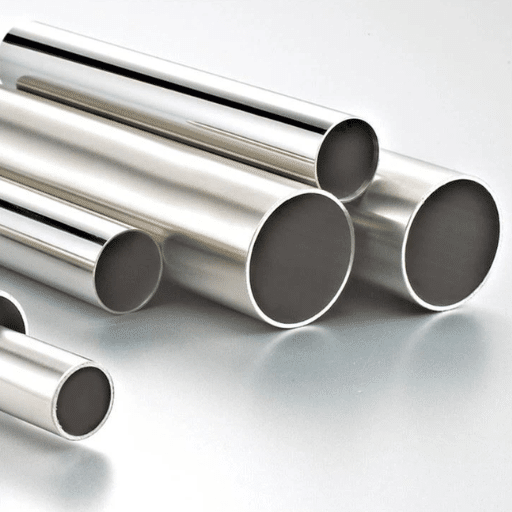
This material has enormous applications in various sectors due to its durability, functionality, and resistance to corrosion. However, have you ever wondered why stainless steel is one of the most suitable materials in extreme environments? This is due to one critical property – it is heat-resistant. In this case, heat resistance can be based on the melting point, which provides a frame of reference for the capabilities of stainless steel. The manufacturing processes of such a melting point of stainless steel pose a difficulty to the relevant engineers, metallurgists, artists, and every other party filled with dedication to the pursuit of many things. This relates to know how in the course of which what is claimed ranges between this achievable melting point of the stainless steel. Today, we shall explore the melting point of stainless steel and its significance in the application of this material in various spheres. If you have real experience in dealing with or are simply curious as to how this alloy reacts and handles, there are some very useful details about the most significant component in this alloy in the article.
Introduction to Melting Points
Definition of Melting Point
The degree of warmth permitting transformation of a solid into a liquid, at standard atmospheric pressure, is known as the melting point of the respective solid. It is a very useful property of any substance because it indicates the safe operating range of the material. However, in the case of pure substances, the isobaric melting point is mentioned as one value instead of temperature ranges, as in the case of alloys and other mixtures.
Notably, the melting point of stainless steel ranges between 2,500 °F (1,370 °C) and 2,800 °F (1,540 °C), depending on the elements of the alloy. The exact melting point of a particular grade of stainless steel will always depend upon the content of chromium, nickel or carbon in it. For example, the austenitic grades with low or no content of nickel melt at lower temperatures in contrast to the ferritic steels.
A key consideration when working with various industries is resistance to extremely high temperatures, such as in construction, aerospace, and manufacturing industries. The beneficial aspect in these and related industries is the melting point of stainless steel, since it is an exception. Let us remember that processes such as welding and forging, which require the solid to turn into liquid, can only be carried out when the inherent melting point of the material is known and factored into the process. In this regard, one should also take into account people’s ability to create advanced materials and improve performance qualities based on historical data on the melting points of some materials.
Importance of Melting Points in Metallurgy
The melting point is a critical concept that is concerned with the field of metallurgy, as it allows one to determine how stable and functional a certain metal or alloy is by assessing at what temperature they melt. As an illustration, tungsten, a pure metal, has a very high melting point of 6,192 °F (3,422 °C), which is why it is useful for high-temperature applications like engines and furnaces. On the contrary, some metals such as aluminum have a melting temperature of 1,221 °F (660.3 °C), which is very low or reduced but for appropriately lightweight and easily moulding applications like aerospace, that is the best condition.
In these extreme cases, it is not enough to look at the melting points of metals only, but also to include alloys in order to address certain needs. For instance, stainless steel, which is an alloy of iron, chromium, nickel, and other elements, has a melting point in the range of 2,500 °F (1,370 °C) depending on the grade of its composition. Such temperatures are widely applied where both strength and resistance to heat are required, such as in heat processing chemicals and cookware.
Moreover, the Eastern Amharas ‘ Roasting Theory was good on the melting point because at that time alloys had to be used at high temperatures, lower than their melting points. Applying it encourages researchers in material science to use better products, such as advanced materials called superalloys. A good example is the nickel superalloys’ extended application to the manufacture of turbines in aviation, which operate at temperatures approaching 2000 degrees Fahrenheit. This is achievable because these nickel-based superalloys are designed without compromising their melting point and microstructure.
The usage of melting points has long since been limited to the extraction of metals. With developments in world manufacturing technology, particularly additive and, to a lesser degree, processing, melting points also mean that alloys can be designed to achieve akinned conditions, cultivation temperatures and other parameters more accurately, thus improving the productivity and durability of key sectors. Thanks to combining advanced methods and know-how, the science and technology of metals is not yet exhausted.
Overview of Stainless Steel Alloys
It’s the variety of austenitic steels based on iron, in which numerous properties grant them real glory for their corrosion resistance, mechanical might, and adaptability. Composition mostly includes iron, chromium, and other components, like nickel, molybdenum, or manganese, allowing their properties to be further enhanced depending upon their specific application. This passive oxide is essential for the desired resistance to corrosion. This layer, a thin layer of chromium oxide, is developed on the surface, thus preventing all these environmental agents from reaching or spreading signs of rusting.
Five major families of stainless steel alloys are the austenitic, ferritic, martensitic, duplex, and precipitation-hardening alloys. Some of the best known are the austenitic stainless steels Types 304 and 316, which are distinguished from all the others by their extreme resistance and exceptional welding properties, thus becoming widely used for demands dealing with food, marine environments, or gold. Ferritic and martensitic groups are said to be characterized by a higher strength-to-cost ratio. Ideally, a combination of these two varieties gives both good and bad qualities of each one; it combines high overall corrosion resistance with improved mechanical strength. Precipitation-hardening grades tend to be mainly utilized in aerospace and chemical processing because the main consideration is against high-peak-stress resistance.
The widespread fabrication of such high-alloy austenitics is difficult to provide since they are tough to fabricate with conventional steels because of the great thermal and mechanical properties. Researchers agree that such a revolution has never happened before in the field of high-performance stainless steel alloys when they see similar or greater prices, such as gold’s astronomical prices per troy ounce (Pd) and Ge(CP) prices more than $1000/lb.
Melting Points of Common Stainless Steel Grades
304 Stainless Steel Melting Point
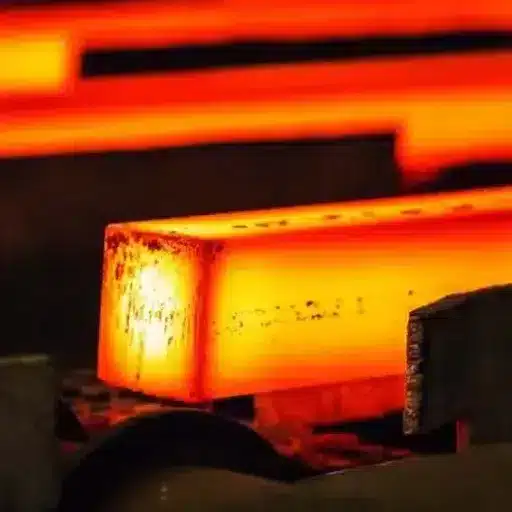
304 stainless steel’s exact melting point could range anywhere from 1,400°F (760°C) to around 1,550°F (843°C). This can vary slightly with the composition of the alloy, even though it is a balanced amount of 18-20% of chromium and 8-10.5% of nickel, as well as minor amounts of other elements. The ability to resist corrosion and heat up to high temperatures occurs due to the existence of these reasons; therefore, the material is widely used in different parts as enumerated earlier.
In most applications, the internal temperature supported by the 304 stainless steel is within moderate heat levels. This includes housewares like Sankey cookware, chemical containers, pipes, and their systems. However, the tolerance time for it is equal to a slight decrease in time to lose the ability to bear high temperature, and increases with it against its capability too.
316 Stainless Steel Melting Point
While 316 stainless steel is well-known for its significant improvements to be more corrosion resistant, especially against chlorides and other industrial chemicals, chemical processing, and pharmaceutical equipment, it has a melting point range of 2500-2550ºF (1370-1399ºC). This metal is used in the production of pharmaceutical machinery and is used in applications for marine environments. It is popular for its high durability and ability to withstand high-temperature environments.
High levels of molybdenum (usually of the order of 2-3%) increase the corrosive resistance of 316 stainless steel compared to 304 stainless steel in the pit and crevice environment. Applications include industrial piping at elevated temperatures, high-saline environments, and seawater systems.
Moreover, 316 stainless steel shows good performance against creep and tensile properties, which are used for prolonged exposures at moderate temperatures. Thus, it shows good applicability in modern applications at very high temperatures. But the durability of an object would decrease if it continues to operate at temperatures as close to the melting point as such. This occurs in all grades of stainless steel.
Other Common Stainless Steel Grades
304 Stainless Steel
304 stainless steel is one of the most widely used grades due to its exceptional corrosion resistance, easy fabricability, and good price. It has approximately 18% chromium and 8% nickel, due to which it is very resistant and stronger against oxidation. Many conditions are well suited for this steel, but the unsuitability of 304 stainless steel to high-salt or chloride conditions comes from possible pitting and crevice corrosion. An intermittent service temperature of about 870°C (1,598°F) and a constant service temperature of 925°C (1,697°F) qualify for use in hazardous conditions.
430 Stainless Steel
This stainless steel is known as a ferritic; it won’t chip because it is non-hardenable, which is a differentiator between it and others. It can be stacked against material handling by organic and nitric acids. Low in nickel, therefore a more affordable option as compared to both 304 and 316. Pure 430 stainless steel has a low temperature limit, and it is used extensively for domestic applications: be it kitchen appliances or trims. Appropriate for products that suffer entirely from the temperature exposure of around 815°C (1,500°F).
410 Stainless Steel
A 410 stainless steel is a type of martensitic steel known for its high strength, along with a modest resistance to corrosion. The material has around 12% chromium, yet less nickel than the austenitic type, which in turn offers less resistance to corrosion in harsh environments. In most cases, it will be used in applications that call for wear resistance; for example, in things like cutlery, bolts, and industrial machinery. Operating temperatures in the 410 range from 0 to about 700 °C (1,292 °F), which gives stability in moderate-temperature environments.
17-4 PH Stainless Steel
17-4 PH is a precipitation-hardened stainless steel that offers excellent strength, toughness, and corrosion resistance properties across various applications. A composition of around 17% chromium and 4% nickel, along with copper and niobium (or tantalum), makes this steel. As for performance criteria, the highest service temperature should be around 315 °C (599 °F), and it is mostly utilized in industries like aerospace, chemical processing, energy, and similar applications because of its superb mechanical properties.
Stainless steel grades prove effective for different tasks based on their constituent chemicals and degree of compatibility with the environment. These materials continually keep up with the current advanced technology and research efforts going on towards improving their physical properties so that they will always be able to fill the growing needs in construction, engineering, and industry fields worldwide.
Determining the Melting Point
Methods to Determine the Melting Point
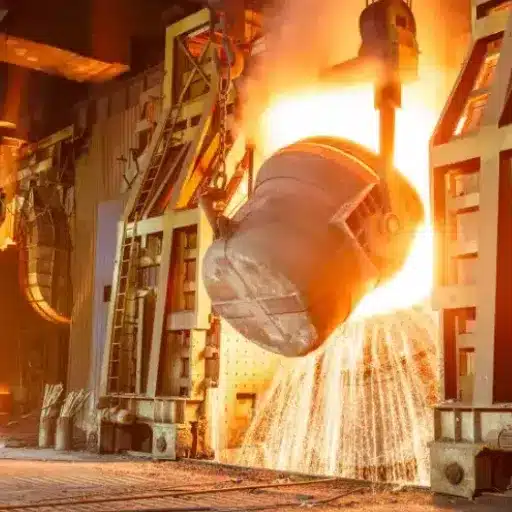
Determining the chemical composition of a substance through accurate and technical methods can help determine when the liquid turns solid. It is done with different methodologies, such as differential scanning calorimetry (DSC), in which the heat flow through the material when heated is registered. Pyrometry is a very common method that uses non-contact optical sensors that measure the amount of thermal radiation emitted by materials as they reach the point when they melt.
For highly advanced stainless steel alloys, the melting range usually varies from 2500°F to 2800°F, i.e., from 1370°C to 1540°C, depending on the grade and the alloying material being used. It is achieved only after careful, gradual heating in the laboratory environment for precision.
Some major developments, such as computational thermodynamics and real-time monitoring systems, have perfectly proven the accuracy of melting point analysis. It is critical for producing materials for many industries like aerospace, civil construction, and energy production. Modern understanding includes painstaking attention to melting point, and precision is possibly even safety and improved performance related to any number of extremely demanding applications.
Testing Standards and Procedures
A widely recognized guide is provided by the ASTM E794, which includes the following procedures for the automatic determination of the melting range using thermal analysis techniques. In the same way, the thermal transition temperature, the sublimation temperature on the DSC, could be estimated to get the final results in a repeatable and reliable way by following the rules of ISO 11357-2.
Most recent stories focused on scientific study resources would, however, like to point readers toward automated melting point devices, which have been said to noticeably cut down on potential human errors and provide reproducible and consistent test results. Automated equipment, recently introduced, also provides very high accuracy levels of about ±0.1°C compared to manual methods.
These innovations significantly add to those industries that require high durability in materials under different thermal conditions, such as energy production and medical device manufacture, made possible through improved automated computational thermodynamics and real-time monitoring, which further refines melt point analysis. Such applications may be dedicated to mapping the thermal behavior of advanced metallic blends used in the aerospace industry, ensuring operating conditions to a maximum temperature of -200°C to more than 1,500°C.
Variability in Melting Points Among Alloys
There are so many variables concerning alloy combinations as they all tend to melt at varying temperatures, therefore ensuring a lot of applications are possible across tons of markets. This class generally refers to the introduction of two or more metals and sometimes non-metals into a particular combination that would increase the resulting composite’s mechanical, chemical, and thermal characteristics. For example, most aluminum alloys have their melting points somewhere between 463° C and 671° C, depending on their other alloying elements such as copper, magnesium, and silicon. Super alloys in particular, such as those used in turbine engines, usually have much hotter melting points, ensuring the most robust kind of structural integrity around the 1,200°C mark. The materials must combine the linear elements, which are nickel, cobalt, and chromium.
Just within the minor elements added to a mixture could potentially revamp its behavior from start to end in how it melts. Even in small-scale industrial behavior, elements such as titanium or molybdenum, when present at 1-2% in steel alloy, lead to a significant increase in the melting point and create short-term deformation resistance in a heated state of such alloys. It becomes of very high importance for aerospace employees: here, exposed materials compete against the high temperature conditions with changes in flight regime. In addition, amorphous metallic alloys, referred to as metallic glasses due to the absence of a sharp melting point, lose a single melting point but gain more from the fact that they melt within a range.
One of the most significant discoveries identified is the melt temperature of a lot of the recently introduced lower-melting-point corrosion-resistant alloys that would find niche applications in the future. Examples include Bi-based, below 232°C melting point-rich alloys that are increasingly being used in protective devices. Yet other lead-free solders made of tin-silver-copper compositions melt at characteristic temperatures. They are with the most current manufacturing techniques used in electronics manufacturing. This research is not to prescribe certain compositions but instead to develop an understanding of dependency, and therefore sound management, in the melting points of alloys.
Discrepancy, regarding the previous paragraph point, is concerning the integration of materials based on their melting point dependency. Thus, realizing the almost perfect use of the material into an application specifically designed for it or for proper market-required utilization of the best of convenience design, suitability, and durability in a very high variation in the environment is possible in that way.
Applications of Stainless Steel Melting Points
Implications in Welding and Fabrication
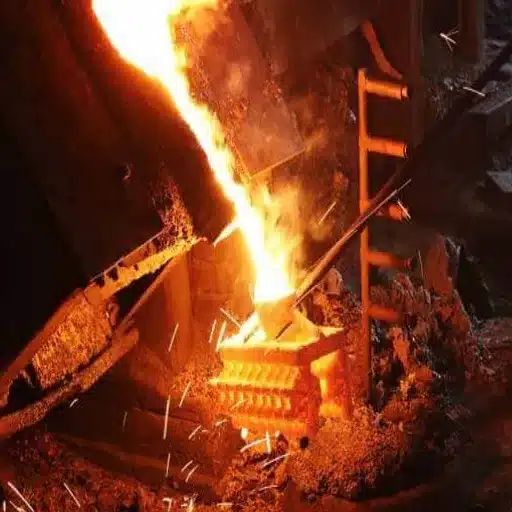
Stainless steel temperatures melt on a regular basis at about 2,500 degrees Fahrenheit or 1,370 degrees Celsius, and it is this measure that typically dictates its practicality in the context of welding and fabrication processes. The other determinant for welding stainless steel is its thermal characteristics, because welding temperatures have to be regulated to prevent distortion, excessive heating or corrosion at the weld zone. The temperature has to be adequately controlled through the heat input of the weld to glue it closely as high up as possible, in this case, indeed, where material retains or does not reduce structural integrity and aesthetic appearance.
Workers welding stainless steel with a tungsten inert gas (TIG) or metal inert gas (MIG) method frequently use the most advanced approaches in this context. They give better control of heat input so as to avoid the most common forms of defect. For example, TIG welding generally uses lower temperatures; this is particularly beneficial for welding thin stainless sheets. Using filler metals with similar melting points near stainless steel also maximizes the great bonding and elimination of cracking during cooling.
The necessity for monitoring interpass temperatures for inducing decreasing rates in the HAZ transformation process during welding with stainless steel at 572°F (300°C) is already recognized as a valid share within industrial circles and somewhat beyond. Advanced ways, though, such as laser welding, are already progressing to make a wide range of high-end applications in the automotive, aerospace, and construction industries faster and easier to fabricate.
The behavior of stainless steels at elevated temperatures may be improved by using advanced welding technologies, which can produce durable, polished, and corrosion-resistant products suitable for the most demanding in prime environments.
High-Temperature Manufacturing Processes
High temperatures usually denote difficult processes like transforming soft or hard materials, such as stainless steel, with extreme heat conditions to produce distinct physical and chemical traits for multitudes of uses. For example, highly-heated stainless steel is heated up to a real temperature of 1600°F (870°C) in annealing, forging, and welding operations, making it possible that the final product will be at least as flexible and robust as it can be, with its resistance both in wear and in corrosion improved under most strenuous conditions.
Tooling has now been more precise courtesy of the latest advances. Laser welding technology is now able to achieve better and finer heat-affected zones. It would have even better accuracy with fewer adverse effects, making it possible to design more precise tolerances with less material deformation. As a result, controlled-computer furnaces tend to have a great advantage, as the metals they handle can then be of very good quality because volumes can be very high and consistently done through repetition of their temperature cycles.
Word is that the high-temperature alloy market globally will reach $13.72 billion by 2027 due to the high demand from many disciplines such as aerospace, power generation, and chemical processing. This continuous escalation, therefore, forced the necessity of very high materials inasmuch as he is required in high environmental terms, such as those of jet engines or oil refineries from hot.
The availability of predictive analytics, which higher characterized technologies pave the way for high-quality illumination and vim services with advantages on time monitoring for system optimization, which are readily accessible to significantly bring down the considerable wastage and energy needs that are soon to be met by modern industries. This will deliver greater industrial heating with better service efficacy.
Considerations for Casting Stainless Steel
A major point that needs to be attended to when creating stainless steel castings is to understand quite completely a large number of variant elements that could be critical concerning their production. These are considerations that go beyond the composition of a particular stainless steel alloy. The amount of reduction of specific carbon, such as carbon, chromium, nickel, molybdenum, etc., and other elements in the alloy will affect the influence on the properties that follow. The amount of chromium and nickel adds to the oxidation resistance and the corrosion resistance, and each one positively affects the heat resistance as well as the mechanical strength.
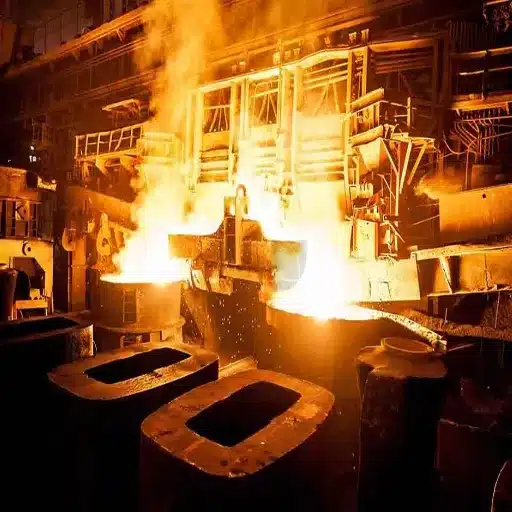
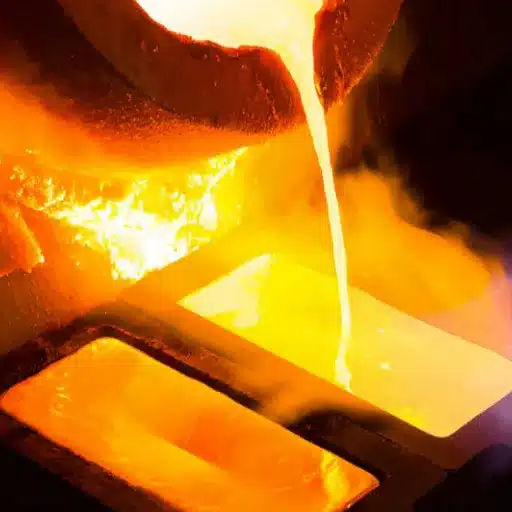
This has to be married with very fine control of temperature. Typical pour temperatures, on the other hand, vary from alloy to alloy, but these normally fall within 1399-1538°C [2550-2800°F]. If one keeps the temperature correctly during such a procedure, the chances of any defects, such as gas porosity and stress cracking, are minimized. Cooling properly as a whole will also bring uniform structure and ensure very few cracks.
In addition to the mold materials, the mold shape also affects a lot. In general, a conventional refractory material like zircon or silica alumina is used since it carries relatively very high heat resistance and makes the surface good. Taking most modern mold forming processes like investment casting, they offer the complexity of geometries and tight tolerances, thereby creating very high-quality components perfect for the likes of aerospace or medical applications.
There is further enrichment in the casting methods owing to interactive CAD simulations and predictive analysis. For example, leading R&D models featuring advanced computational fluid dynamics (CFD) modeling can now simulate flows and solidification events-something pertinent to downstream operations and tackling potential flags before the production process starts. These affect the waste reduction and enhancement in yield.
It signals the completion of the process of Stainless Steel Casting, but only after applying strict quality-control measures, as employed in the use of radiographic or ultrasonic non-destructive inspection of internal flaws. It has been found by the industry that employing the highest-quality QC systems can add around 20% reliability to the final product, which can lead to considerable reductions in equipment failures in high-performance end applications.
This has prompted almost any/all departments to adopt the latest technology and best practices for designing customers’ custom-built stainless steel casts optimized for harsh environment requirements.
Reference Sources
-
Surface Free Energy of Nickel and Stainless Steel at Temperatures Above the Melting Point
- URL: Springer Link
- Relevance: This study measures the surface free energy of stainless steel above its melting point, providing valuable thermophysical insights.
-
Measurements of Thermophysical Properties of Solid and Liquid NIST SRM 316L Stainless Steel
- URL: Springer Link
- Relevance: This article includes experimental data on the thermophysical properties of stainless steel, both in solid and liquid states.
Frequently Asked Questions (FAQs)
What is the general melting point of stainless steel?
There are many grades of steel, varying with the chemical composition, which changes the melting point of stainless steel. Usually, stainless steel grades melt within the temperature span of 743°C (1,370°F) to 1,538°C (2,800°F). For example, austenitic grade 316 stainless steel has a melting range of 1,370°C – 1,399°C or 2,500°F to 2,550°F. The reason is that different alloying elements, such as chromium, nickel, or molybdenum, are used here with the aim of increasing the service properties of the metal and providing protection against corrosion.
Why does the melting point of stainless steel vary among alloys?
The melting point of stainless steel is influenced by the substances’ properties. And even stainless steels are designed with different chemical compositions for different applications, for example, high mechanical properties, higher heat tolerance, and corrosion resistance, etc. The susceptibility of different stainless steels containing increased concentrations of nickel and molybdenum, such as in grade 316 and 310 alloys, is different from that of those that contain little nickel such as 304 grade, and that of ferritic machinery. For these reasons, the thermal properties of each alloy are different with reference to its melting point, depending on whether these insights are comprehensive.
How is the melting point of stainless steel determined?
A number of scientific techniques that measure the temperature at which the sample changes state are usually used to determine the melting point of stainless steel. For example, DTA or TGA are among such techniques. In all cases, the temperature is regulated during the heating of the sample, and the changes to its thermal potential are documented. In addition, such industries as the metallurgical one have high demands on the testing procedures and normally incorporate standards such as ASTM or ISO while measuring the melting temperature of the alloys. All these procedures are essential for providing meaningful information for high-temperature services.
What are the consequences of melting points in welding and fabrication?
It is very important for a person who is involved in welding and fabrication to have the knowledge of the melting point of stainless steel. For example, heat input must be controlled in order not to overheat, which will lead to changes in the microstructure of the material and in turn, reduce strength and corrosion resistance. Melting ranges assist in the choice of a proper filler metal and the right technique so that strong and lasting welds are possible without the risk of damaging or distorting the parent metal.
What role does the melting point play in high-temperature manufacturing processes?
Melting temperatures are significant for various high-temperature manufacturing processes, including but not limited to those that involve forging, hot rolling, or annealing. If stainless steels have high melting points, it is possible to operate them at a higher temperature for longer periods of time without worry of the material melting or deforming; this makes them suitable for furnace parts, chemical plants, or power stations. Knowing such thresholds implies that the design stays within an acceptable range of material performance and that no thermal destruction occurs.
Are there special considerations for casting stainless steel?
Yes, it is important to pay close attention to casting stainless steel, given its melting point, and because this type of metal gets hot over a long period, many specialized furnaces are used in casting operations. As for casting of stainless steels, it is also necessary to take into consideration the alloy composition to carry out the proper casting, solidifying in the worst case scenario with porosity or cracking as defects. And, there may be a need to apply special refractory materials to the walls of molds in order to best protect them from the high temperatures of the melted metal. This explains why the melting point of stainless steel is important for casting.