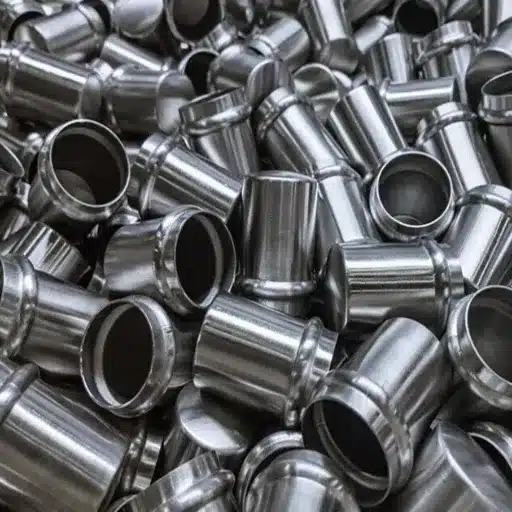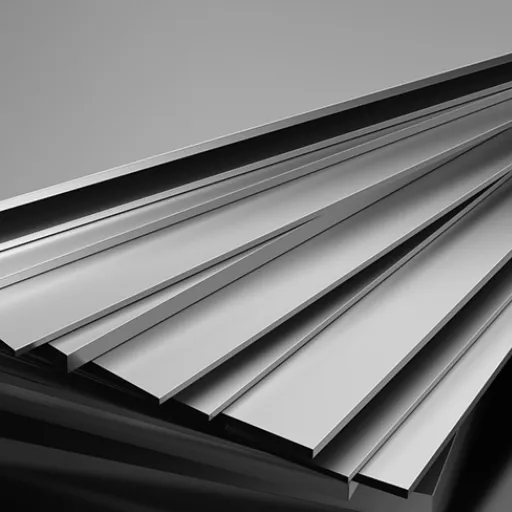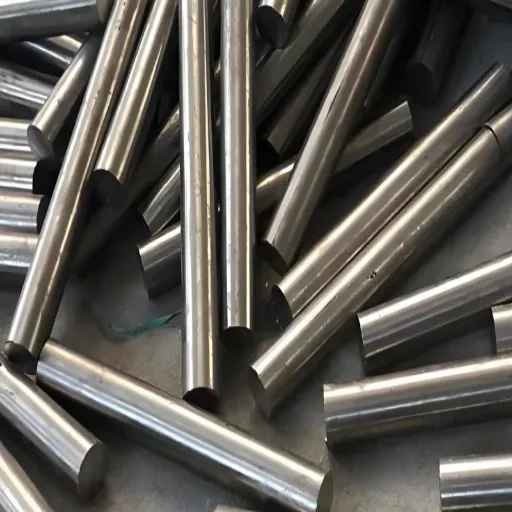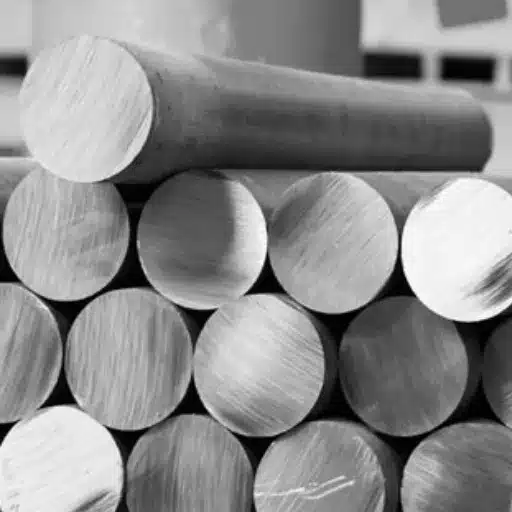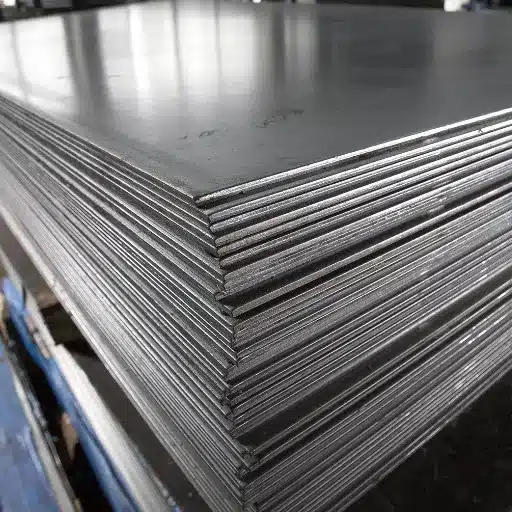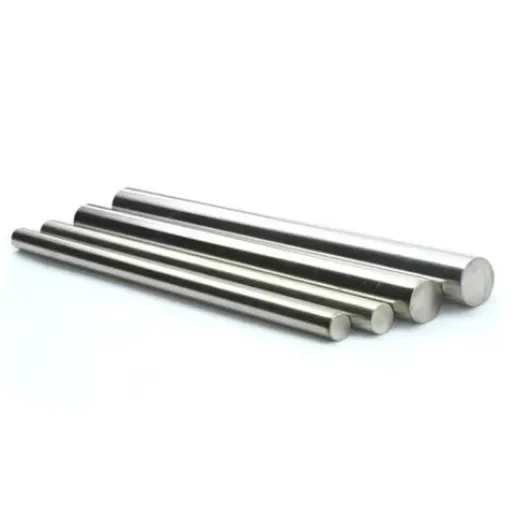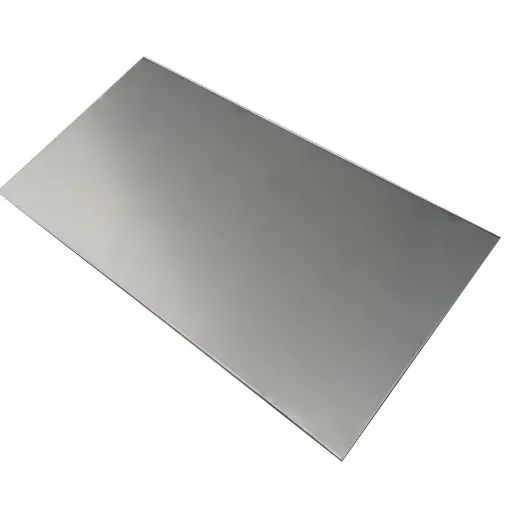
Titanium has totally changed the landscape of manufacturing and engineering in a modern way, and it has become a material that is preferred by different industries. The character of titanium is exceptional in every aspect because it is strong, light, and resistant to corrosion. Thus, alongside the automotive and medical industries, the aerospace industry has started to rely on titanium the most. The main focus of this blog post is the role of titanium suppliers and the important parts of that role, which include the products like plates, sheets, and metal plating. The post will cover the one-of-a-kind features of titanium, its usage in the industry, and the complicated procedures that are involved in making it into the forms that can be used in the world’s most advanced technologies.
Understanding Titanium and Its Alloys
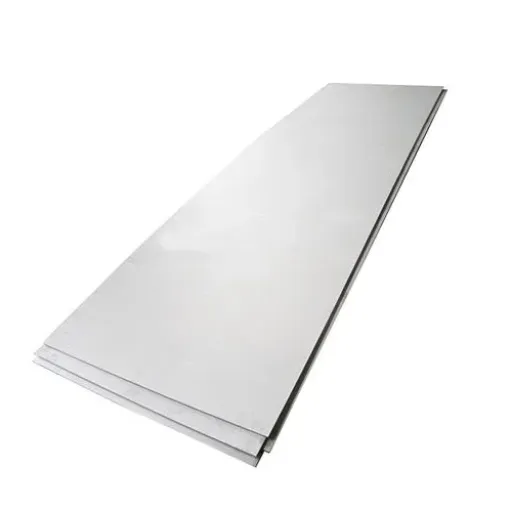
What is Titanium?
Titanium is a metal that is not only light but also very strong, thus it has been greatly appreciated for its great corrosion resistance and range of use. Titanium, which has the chemical symbol Ti and atomic number 22, is the 9th largest element in the Earth’s crust in terms of mass and is therefore one of the most plentiful elements. Over and above its excellent physical and chemical properties, it is still a material of choice in the various industries such as aerospace, medical, automotive, and construction.
Titanium has one of the highest strength-to-weight ratios among metals, which is the reason why it is so popular in the aerospace and electronics industries. Its pure form has a tensile strength of about 434 MPa (63,000 psi), and still, it weighs nearly 45% less than steel. Its mechanical properties are further enhanced when it is alloyed with elements like aluminum and vanadium, thereby producing materials such as Ti-6Al-4V, which is the most used for the manufacturing of high-quality implants and in the aerospace industry.
Titanium Alloys Types
Alpha Alloys
Alpha alloys are made of α-phase stabilizers like aluminum or oxygen. They’re known for being extremely resistant to corrosion and performing very well at very high temperatures. These alloys cannot be helped through heat treatment, but they are characterized by good welding and being able to endure the rigorous conditions of the aerospace and marine industries. For instance, Ti-5Al-2.5Sn is one of the most popular alpha alloys in use.
Beta Alloys
Beta alloys are made strong by the presence of β-phase stabilizers like vanadium, molybdenum, and chromium. They are the most heat-treatable, hence they possess the highest strength together with great ductility. Beta alloys are very much employed in the areas of biomedicine, implantology, and sports equipment where the highest toughness is required. Ti-10V-2Fe-3Al is one of the beta alloys that structural components frequently rely on due to its strength.
Alpha-Beta Alloys
Alpha-beta alloys are a combination of the two phases, alpha and beta, giving the material strength, resistance to corrosion, and ease of working. Besides, they can be subjected to heat treatment for further performance enhancement. The most famous alpha-beta alloy is Ti-6Al-4V, which alone accounts for nearly 50% of the total titanium alloys consumption in the world due to its wide ranging and application in the aerospace, medical, and industrial sectors.
Applications of Titanium Plates and Sheets
Use in Aerospace Industry
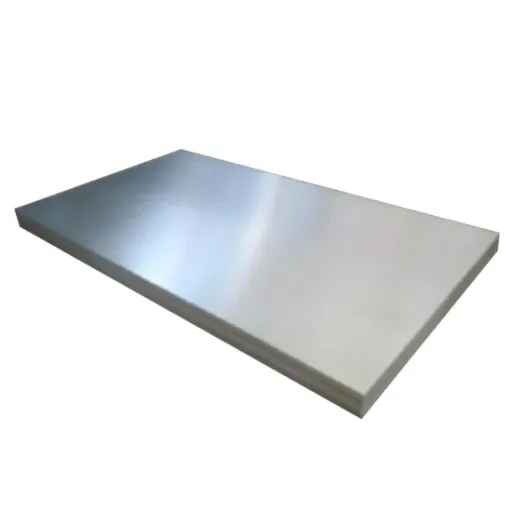
The use of titanium plates and sheets is a primary factor in the aerospace industry, as they possess the best combination of strength, resistance to erosion and extreme temperatures handling. These characteristics make titanium an ideal material from which to produce essential parts of aircraft such as fuselage, engine, and landing gear.
Aerospace titanium, such as the well-known Ti-6Al-4V alloy, is a major contributor to lowering the weight of planes thereby taking a big step toward better fuel efficiency and lesser carbon emissions. Recent data from the industry reveal roughly 72% of total titanium consumption in the aerospace sector is directed to commercial planes, and the metal is being used more and more in new age such as the Boeing 787 Dreamliner and the Airbus A350.
These aircraft are composed of a maximum of 15% titanium by weight, emphasizing the importance of this metal in the design and development of current and future aerospace. Moreover, titanium is a material of choice when it comes to the manufacture of satellites and rockets where its longevity and lightness are of utmost importance as they have to work above the atmosphere.
Benefits of Titanium in Manufacturing
Titanium has become a prime material in modern manufacturing owing to its wonderful characteristics. Its high-strength-to-weight-ratio would allow it to be employed in several applications that require durability as well as lightweight design, like in the aerospace, automotive and medical fields. Titanium is almost as strong as steel but has a weight that is 45% less, thus it plays a major role in the energy-efficient transportation and fuel reduction of vehicles and aircraft.
One more advantage is that titanium’s resistance to corrosion is absolutely unmatched. This feature guarantees that even in the most hostile environments, for instance, in seawater or chemically reactive spaces, the titanium will survive and, thus, be of help in the marine construction and chemical processing industries. Plus, titanium’s extreme temperature tolerance allows it to be used in the manufacturing of engine parts and heat exchangers of very high performance.
Choosing a Titanium Supplier
Key Considerations When Selecting a Supplier
Quality Assurance and Certifications
Confirm that the supplier complies with the global standard, Quality Management System ISO 9001 and Aerospace Applications AS9100, which are both equal to the highest quality in the industry. These certifications indicate that the material has gone through the toughest tests and has been complying with regulations. The supplier should be able to provide you with material test reports (MTRs) for titanium, which would confirm the chemical composition and the mechanical properties.
Product Range and Customization
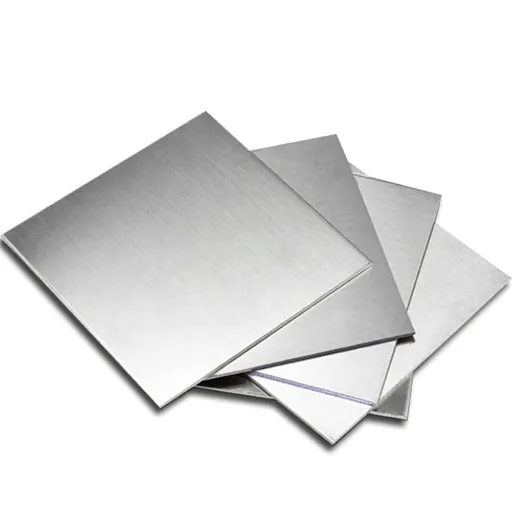
A wide range of products such as titanium sheets, bars, tubes and custom components is very important to cover the most different industrial requirements. And also, if the supplier does not offer cutting, forging or machining services, the titanium product will not be the same as your specifications.
Experience and Industry Reputation
The reliability of the supplier is often proportional to the number of years the supplier has been in the business. By reading online reviews, case studies, and client testimonials one can get an idea of the supplier’s performance. As an illustration, the global titanium industry in 2022 pointed out a 15% growth rate of the major players in meeting aerospace-grade requirements which underlined the necessity of a reliable supplier.
Pricing and Cost Transparency
The basic characteristic of titanium is that its price is higher than many materials. Nevertheless, the transparency of the pricing structure is a must. Do not only rely on the one quote of the supplier but also take the second and third quotes to see if there are any hidden costs like extra charges for machining and transportation. You can cut down the cost by taking advantage of bulk purchase discounts.
Identifying Leading Titanium Distributors
Advancements in Titanium Manufacturing Technology
Innovations in Titanium Plate Production
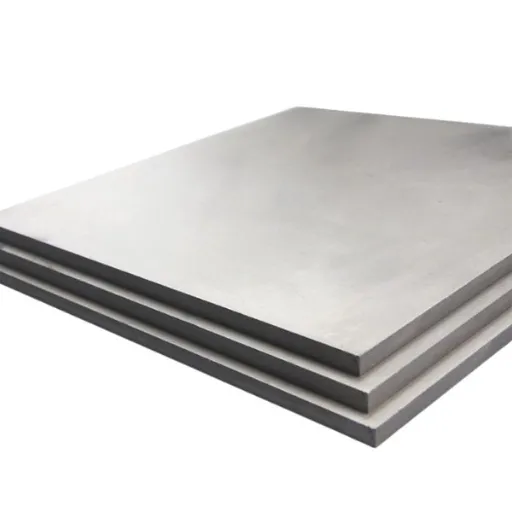
The production of titanium plates has come a long way, and the recent innovations over the years have made the whole process much more efficient, and less labor-intensive while at the same time improving the quality of the material significantly. One of the newest methods in the production of titanium plates is the direct metal laser sintering technique that allows for the manufacture of very intricate shapes and at the same time minimizes the waste of material to a large extent. Reports from the industry indicate that laser sintering has cut down the wastage of raw materials to the extent of 50%, which has consequently led to a reduction in the overall costs of production as well as making the planet a greener place.
The other main innovation that has been offering vast advantages in this area has been the regulatory guidelines for the heat treatment process. These guidelines help to attain a certain kind of microstructure in titanium plates, which in turn makes the metal tougher, more ductile, and more resistant to corrosion. An example is the use of vacuum annealing that is said to have improved the mechanical properties of titanium in a very large scale, almost to the point that it can be used in designing and producing components for airplanes and medical devices.
Impact of Technology on Titanium Solutions
The already mentioned developments in the area of technology have been the main causes of the revolution in titanium solutions that resulted in high efficiency, high quality, and the broadening of applications. Among others, the development of titanium products has been supported by innovations like 3D printing, the creation of new alloys, and the use of AI in manufacturing. One consequence of the combination of additive manufacturing technologies in production has been the substantial reduction in the waste of raw materials, thus lowering the costs of production by up to 30% while at the same time allowing the fabrication of geometries that were impossible with the conventional methods of production.
Besides, the artificial intelligence and big data technology furtively applied in production are making the whole process of supply chain and production scheduling very perfect and quick in responding to the changes in demand. Moreover, the implementation of automated quality assurance systems enables the accuracy of detecting defects during titanium processing to the tune of 40% less errors.
Conclusion and Recommendations
Actionable Insights for Procurement Managers
In the future, procurement managers aiming to take advantage of the titanium market shall prioritize vendor partnerships and strategic sourcing. By highlighting current market trends like the expected rise in market size of over $38 billion by 2030, the necessity of securing dependable supply chains at the first stage becomes more apparent. The continuous need for titanium in the planes, medical instruments, and cars will also make it necessary for the buyers to scrutinize suppliers on the basis of their technological capabilities and production scalability.
Always be aware of the raw materials’ price variations caused by their availability and geopolitical factors. The world titanium market, for example, has been experiencing difficulties related to the global supply chain’s obstacles and the high demand. To lessen the risk, think about having suppliers in different areas and using price hedging methods at the same time.
Suggestions for Engineers in the Field
1
Make Use of the Advanced Design Tools
It is recommended that engineers work with high-end design software, like computer-aided design (CAD) and finite element analysis (FEA), to refine and improve titanium component designs. Not only do these tools help to decrease the quantity of material wasted but they also make performance and durability better, which goes hand-in-hand with the eco-friendly approach. The global CAD market had an approximate valuation of $9.89 billion in 2022 and is anticipated to keep growing, which is a sign of the importance of these tools in the current engineering workflows through market reports.
2
Innovation in Material to be the Focus
Start looking at the new titanium and additive manufacturing to boost production efficiency. For example, the adoption of titanium aluminides and beta alloys is on the rise due to their excellent heat resistance and lightweight characteristics. Research done in 2023 has shown that using advanced titanium alloys in the aerospace sector cuts the weight of the components by as much as 40%, which is a great help in making the airplane more fuel-efficient.
3
Switch to Green Practices
Engineers should make it a point to use suppliers who follow environmentally friendly and green mining and recycling practices. It is estimated that titanium recycling can result in a mere 5% of the energy consumption when compared to first-time production. By doing so, they will not only meet the engineering projects’ needs but also respond to the growing consumer and government demand for sustainable products aligned with the ESG frameworks.