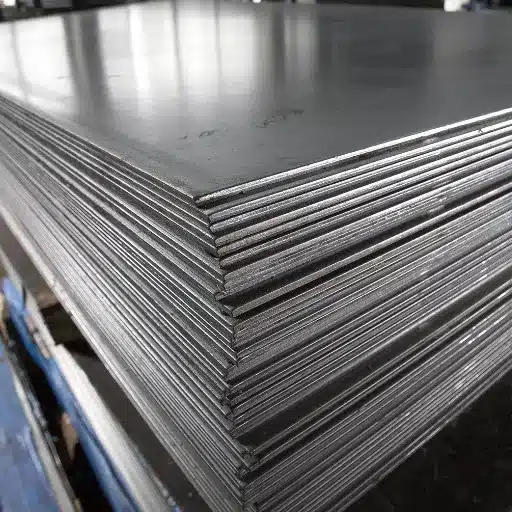
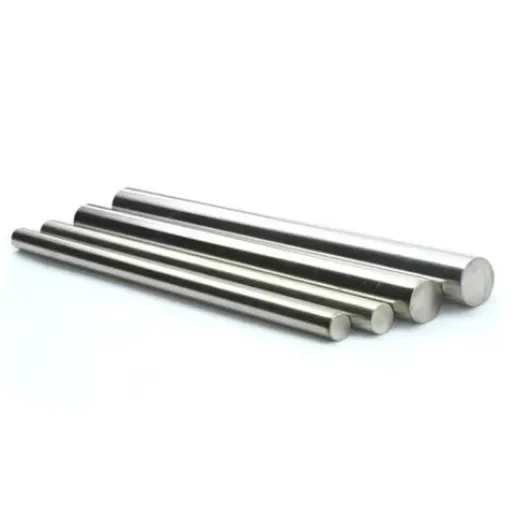
Knowing the grade differences is very important when it comes to choosing stainless steel for industrial, architectural, or everyday applications. Stainless steel 308 and 304 are often the most popular ones among the commonly used alternatives—but how do they stack up? The article herein investigates the special characteristics, strengths, and applications that these two flexible materials can handle. Be it machine designing, kitchenware crafting, or structural work getting to know 308 and 304 stainless steel can be a great help in the decision-making process. Keep reading to reveal the pros of each and find out which one meets your requirements.
Introduction to Stainless Steel
Importance of Stainless Steel in Industry
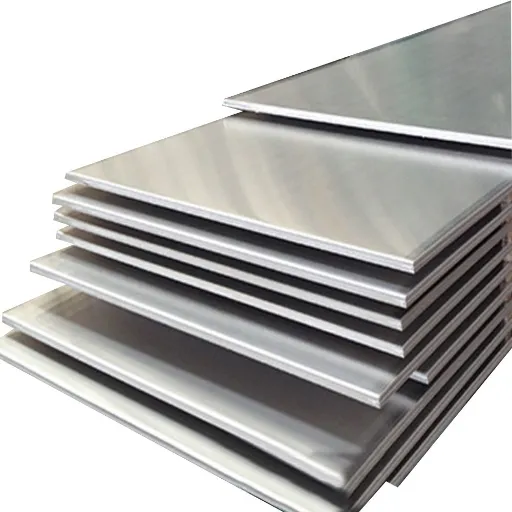
Stainless steel is gaining its place as the main material in more and more sectors, thanks to its excellent properties and versatility. The combination of stainless steel in the building, automotive, medical equipment, and food processing industries and its demand all over the world are the reasons mainly for the market size increase of $126.2 billion in 2022 and also an annual growth rate (CAGR) of 5.7% projected for the period 2023 to 2030.
The prime reason the metal is omnipresent is its excellent strength properties, which enable it to withstand rusting or degrading for a long time. This characteristic plays a vital role in the chemical processing sector, where materials are continuously exposed to harsh chemicals, and the marine sector, where equipment has to be able to cope with salty and humid environments. The fact that stainless steel can be recycled to as much as 90% of the original material makes it even more attractive, given that its recyclability is in line with the goals of modern sustainability.
Dimensions of 304 and 308 Stainless Steel
304 Stainless Steel
304 is the most widely used grade of stainless steel as it possesses enough strength, is resistant to corrosion and is affordable. The composition of this grade consists of approximately 18% to 20% chromium and 8% to 10.5% nickel. This gives the grade considerable resistance to corrosion caused by oxidation and various chemicals and thus, it is suitable for applications such as cookware, kitchen sinks, food-grade containers, and architectural finishes. Besides, it is very user-friendly, corresponds to the welding-friendly stainless steels, and performs well in mild chemical and atmospheric conditions.
308 Stainless Steel
308 stainless steel is comparable to 304 stainless steel, however, it has a different chemical composition; that is, it consists of more chromium and nickel which are normally in the range of 20% to 22% and 9% to 11% respectively, respectively. The increased proportion of alloying elements makes the alloy able to keep up its chic look even at high temperatures and in oxidizing conditions. Hence, the alloy is favored as welding filler materials. The metal’s main applications still lie in the joining of steels due to the metal’s ability to withstand extreme heat during welding. 308 stainless steel is extensively used in situations where high-temperature strength is required high-temperature strength is required.
Chemical Composition
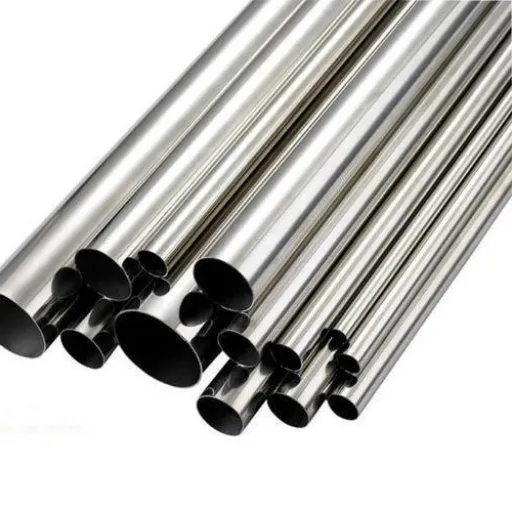
Detailed Composition of 308 Stainless Steel
Chromium (Cr): 19.0% – 21.0%
The addition of chromium to steel completely prevents corrosion of all forms and at the same time gives the steel germ and even stronger resistance.
Nickel (Ni): 9.0% – 11.0%
Nickel is the alloying element which adds toughness and ductility to steel with the additional advantage of high-temperature stability.
Carbon (C): Maximum 0.08%
Low carbon content will imply minimum carbide precipitation during welding which will lead to less intergranular corrosion.
Manganese (Mn): Maximum 2.00%
Manganese will be one of the components in steel production which eventually gets rid of oxygen and at the same time one of the reasons for steel’s strength and hardness.
Silicon (Si): Maximum 1.00%
Silicon combination is a factor in that the heat resistance and oxidation resistance of a material is increased.
Phosphorus (P): Maximum 0.045%
Phosphorus level which is carefully monitored guarantees the presence of desirable toughness while the danger of brittleness is avoided.
Sulfur (S): Maximum 0.030%
Sulfur is kept at a very low level since its high content has been found to be inversely related to ductility and toughness.
Composition of 304 Stainless Steel
Carbon (C): max 0.08% – it consists of a very small quantity of carbon which according to this fact, the carbide accumulation during welding is removed and consequently the intergranular corrosion resistance is increased.
Chromium (Cr): 18.0%-20.0% – The main alloying element is chrome, which is the dominant factor of 304’s best corrosion resistance because it creates a passive oxide layer on the surface.
Nickel (Ni): 8.0%-10.5% – nickel causes the metal to be tougher and more resistant to corrosion and thus, particularly in case of acidic and mildly chlorinated environments, the metal is able to stand corrosion better.
Manganese (Mn): max 2.00% – manganese is an important element in the production of alloys with hot working abilities and also increases strength.
Silicon (Si): max 0.75% – silicon is a factor that helps in oxidation resistance and also plays a part in the overall strength of the alloy.
Phosphorus (P): max 0.045% – this element is closely monitored to prevent brittleness and at the same time, it is a minor factor contributing to easier machining.
Sulfur (S): max 0.03% – the sulfur amount is kept low because it can adversely affect the resistance to corrosion; however, in small amounts, it can facilitate metal machining.
Nitrogen (N): max 0.10% – nitrogen is the factor that helps a lot in the increase of strength and resistance of the steel to pitting.
Iron (Fe): Balance – being the largest component of the alloy, iron is the principal element in the mixture and, moreover, along with the other materials satisfies the requirement of certain mechanical and chemical properties.
Mechanical Properties
Mechanical Strength of 308 Stainless Steel
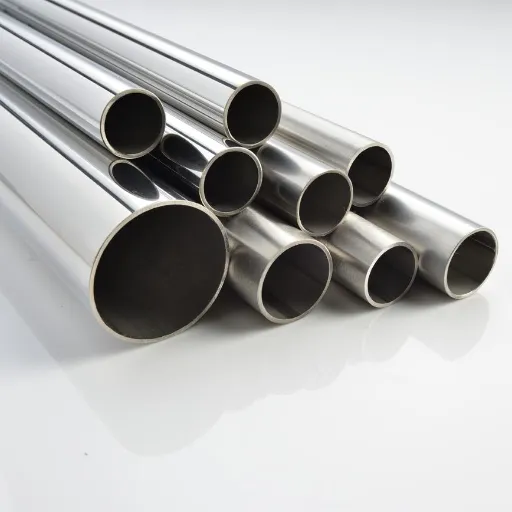
Steel 308 comes with properties that are excellent compared to other steels. This is the reason it is chosen as a mixture of many industries and purposes. It has a remarkable tensile strength of around 75,000 psi (515 MPa) and a yield strength of approx. 30,000 psi (205 MPa). A combination of these qualities results in the material being able to absorb the stress more than it can with no visual clashing changes. The alloy’s composition leads to a fracture of about 40% of the metal when being pulled, then this attribute is not only ductility but also the capacity of the metal to take in the stress brought about by the displacement of the material without rupturing.
In addition to the above, 308 stainless steel is very tough even at cryogenic temperatures which makes it a lot easier to cool the process that it is involved in. It has a Rockwell B hardness of 80-95 which gives it strength and its ability to be machined at the same time – both are excellent features. Its mechanical strength combined with outstanding corrosion resistance makes it a steel for the welding sector, chemical processing equipment, and extreme-temperature environments.**
Mechanical Properties of 304 Stainless Steel
304 stainless steel possesses incredible mechanical properties which are the primary reasons it is still one of the most versatile and widely used alloys in modern times. One of its major strengths is the high tensile strength of the material which is approximately 515 MPa (75 ksi) and the yield strength of around 205 MPa (30 ksi). Controlling the applied stress on it helps the alloy to preserve its durability and to resist deformation. The material can stretch to about 40% of its original length before breaking, meaning it can be shaped as needed but still, no fractures will occur.
Furthermore, the hardness of 304 stainless steel is approximately 201 HB in Brinell terms where Brinell is an international standard for testing the hardness of metals. Its resistance to wear and surface damage has also been improved due to this property. The modulus of elasticity of this alloy is approximately 193 GPa (28 x 10⁶ psi) which traditionally indicates the amount of deformation that occurs in a given material under load. This alloy is capable of undergoing high-temperature testing up to about 870°C (1600°F) without losing its mechanical integrity. Hence, itprovides strength and oxidation resistance at high temperatures.
Advantages and Disadvantages of 308 Stainless Steel
Benefits of Using 308 Stainless Steel
Enhanced Corrosion Resistance
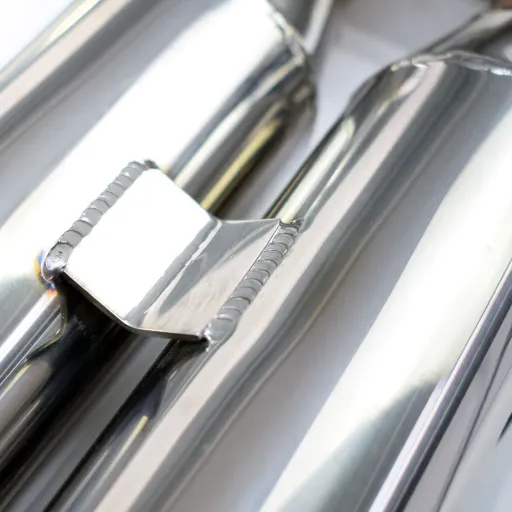
The higher contents of chromium and nickel in 308 stainless steel give it an edge over some other grades like 304 when it comes to oxidation and corrosion resistance. This quality makes 308 a preferable candidate in welding and the pharmaceutical, food processing, and chemical industries, where the presence of corrosive substances is unavoidable, and so does the marine environment.
Superior Weldability
The core goal of stainless steel 308 is to provide the best welding especially in the joining of stainless steels. Its low carbon content reduces the likelihood of carbide precipitation during welding and consequently lowers the risk of weld decay. The data suggest that in order to achieve the best results, 308 is the most suitable filler metal for such stainless steels as 304 and 304L.
High-Temperature Strength
The 308 stainless steel can be added in large quantities to the list of applications thanks to its remarkable ability to maintain mechanical strength even at unbearably high temperatures – often even up to 870°C (1600°F) – heat exchangers, furnace parts, and high-temperature equipment in general. Also, the thermal stability of the material allows it to work in tough conditions with a very high reliability factor.
Good Mechanical Properties
The 308 stainless steel has a yield strength that ranges between 520 and 720 MPa depending on its composition and heat treatment, thus ensuring great durability. Furthermore, it has a very good combination of toughness and ductility which enables it to withstand stress without fracture.
Disadvantages of 308 Stainless Steel
On the one hand, the very high resistance to wear and corrosion of 308 stainless steel is a limitation in its applications due to some of its drawbacks. One such drawback is a relatively high cost compared to other materials as stainless steel is always more expensive than carbon steel or aluminum. This can sometimes be a problem in the case of large projects, where large quantities of the material have to be used and thus become less economical.
Moreover, the 308 stainless steel is not suitable for very high chloride levels like those present in the sea or at the coast. It may not be a good idea to use it in such a location for an extended period, as it may be prone to pitting corrosion from the saltwater if in contact with it for a long time. Studies indicate that even if the steel is passivated, a grade like 308 can incur localized corrosion if the chloride content is above 500 parts per million (ppm).
Applications of 308 Stainless Steel
Applications in Welding with 308 Welding Rod
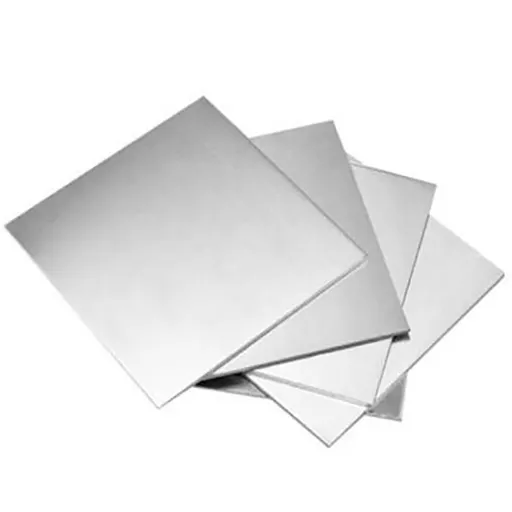
The 308 welding rod is an all-rounder and a commonly recognized device in the stainless steel welding field. Its main use is in delineation and coating of the 304 and 304L steel types. The rod has been designed in such a way that the final material is both high resistant to corrosion and strong with regard to tensile strength, thus making filling and general welding projects equally possible. The austenitic stainless steel rod comprises around 20% chromium and 10% nickel, which together make it a very high-quality material for use in high-temperature and corrosive environments.
Its primary application area is food processing, chemical and pharmaceutical industries, where robust welds are very much needed and cleanliness must be complied with. According to the industry reports, the 308 edger can make welds with up to 80,000 psi tensile strength which, in turn, supports the stainless steel equipment’s survival in heavy-duty usage. In addition, the rods’ versatility allows them to work with both the TIG (Tungsten Inert Gas) and MIG (Metal Inert Gas) welding process and thus, be the right choice for different work environments and skill levels.
Case Studies of 308 Stainless Steel in Action
Case Study 1: Food Processing Industry Application
The welding rod 308 stainless steel has been of great use and downright indispensable to the food processing industry where hygiene and corrosion resistance are the top priority concerns. When creating large-scale commercial kitchen equipment and processing lines, among the materials, the 308L variant is selected because of its ability to withstand food acids and cleaning chemicals. A recent project involved the delivery of pasteurization machinery where the operators reported a reduction of 30% in material degradation over a five-year period when compared to conventional welding materials.
Case Study 2: Petrochemical Equipment Repairs
The petrochemical industry is the most demanding and at the same time, the most material-consuming sector, as they need materials that can withstand both high temperature and corrosive chemicals. One of the cases of 308 rod application in the sector is midstream pipeline repair of one company. The evaluation after three years of use revealed that the welds made from 308 stainless steel had not only preserved their integrity but also done very little carbide precipitation in the high-sulfur environment. The company not only saved 25% on maintenance downtime and costs compared to other methods but also lent credibility to the 308 rods’ reliability in critical infrastructure projects.
Reference Sources
-
“Low temperature aging behavior of type 308 stainless steel weld metal”
- This study evaluates the aging behavior of type 308 stainless steel weld metal, focusing on its performance under low-temperature conditions.
- Read the paper
-
“Creep-fatigue interaction behaviour of type 308 stainless steel weld metal and type 304 stainless steel base metal”
- This research investigates the creep-fatigue interaction behavior of type 308 stainless steel weld metal compared to type 304 stainless steel base metal, providing insights into their mechanical properties.
- Read the paper
-
“Sensitization behavior of type 308 stainless steel weld metals after postweld heat treatment and low-temperature aging and its relation to microstructure”
- This paper explores the sensitization behavior of type 308 stainless steel weld metals, analyzing the effects of postweld heat treatment and aging on its microstructure.
- Read the paper
Frequently Asked Questions (FAQs)
How does the thermal properties of stainless steel 308 influence its application in high-temperature areas?
The thermal properties of stainless steel 308, such as thermal conductivity and thermal expansion, allow it to be used in various high-temperature applications, although its thermal conductivity is lower than that of carbon steels. Stainless steel 308 can be utilized in areas where both oxidation and scaling resistance are requisite due to its elevated temperature capability; yet, if the application involves super extreme high temperatures or thermal conductivity is the main property of concern, then the specific high-temperature grades may be preferred.
Is stainless steel 308 a perfect candidate for welding and how does it relate to welding 304 or welding 316 situations?
Metallurgically 308 stainless steel is most often used as filler material for the joining of 304 welding due to its similar composition and lower carbon which mitigates sensitization. It is good for welding 304 (welding 304, joining 304) and is the first choice for situations where marrying 300-series chemistry is critical. In order to accomplish the welding of 316 or, depending on the situation, the welding of 316 stainless steel base metal, alloys designated for 316 filler are typically used as molybdenum and higher nickel content of 316 serves to grant such areas corrosion resistance which is important in chloride environments.
How do the characteristics of 308 and 304 stainless steel influence their performance in manufacturing and machining?
Both 308 and 304 stainless steels are austenitic and thus, they share many similarities regarding fabrication such as cold working and making parts by forming. However, 308 is mainly used as a welding alloy and more expensive filler for 304 base metal which might result in a little more difficult machining depending on the exact composition and temper.
In what specific areas would you recommend the use of 308 over 316 stainless steel?
Select stainless steel 308 when a welding alloy and filler for 300 series joints (usually used as filler material) are required or when the high chromium & nickel content of 316 is not desired. In the case of the eventuality of corrosion resistance being critical in places where chloride or marine environments exist, then 316 stainless (with molybdenum, providing superior corrosion resistance) should be considered.