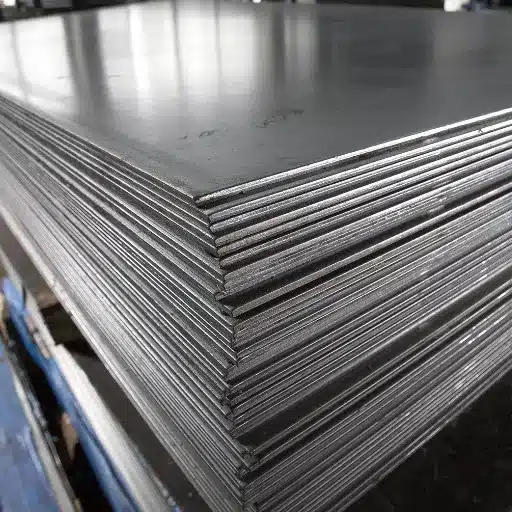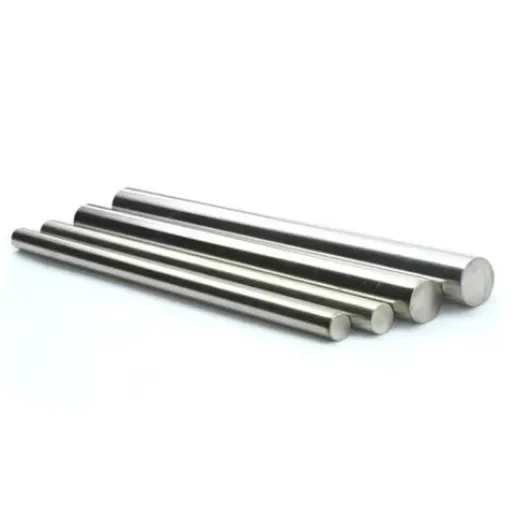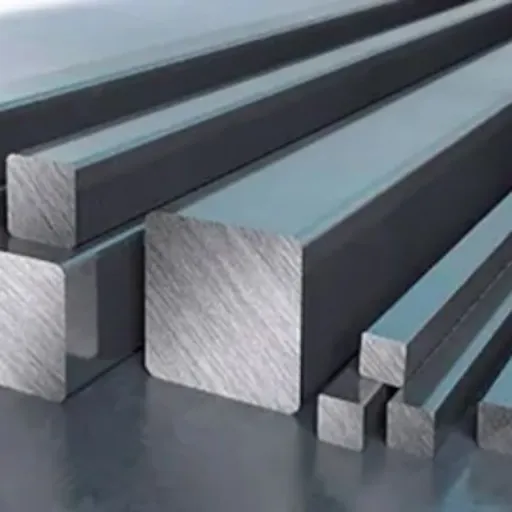
In the engineering and manufacturing world, AISI 4130 alloy steel is one of the most versatile and toughest materials. Just to mention its superior strength-to-weight ratio and great machinability, this chromium-molybdenum alloy is already a favorite in a variety of industries from aerospace to automotive. This article will walk you through its main features, uses, and benefits, whether you are sourcing materials for structural parts or trying to find out why 4130 steel round bars have become a hallmark in precision engineering. Let us together reveal the reasons why AISI 4130 is still a reliable choice for demanding projects and what differentiates it from the others.
Introduction to 4130 Alloy Steel
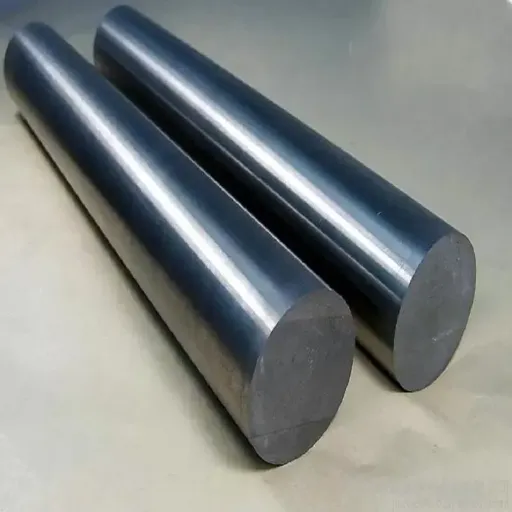
Overview of AISI 4130 Alloy Steel
AISI 4130, which is also referred to as Chromoly steel, is a low-alloy steel made up of chromium and molybdenum that is very strong, light, and durable. It is also very good at performing well in different situations. It is made of approximately 0.28-0.33% carbon, 0.8-1.1% chromium, and 0.15-0.25% molybdenum. The strength of the unique composition is balanced by the flexibility of the material, thus it can be used in demanding engineering projects where both properties are crucial.
One of the main benefits of 4130 steel is that it is easy to weld and machine. Its lower carbon content, which is one of the reasons for its steel classification, makes it easier to fabricate and at the same time tough. 4130 is thus very suitable for high-performance applications such as aircraft components, motorsport, and oilfield equipment. Besides, the alloy can also be heat-treated to achieve even greater hardness, wear resistance, and tensile strength when required.
Importance of UNS G41300
The trade name of UNS G41300 is AISI 4130 and it is one of the most important steels used for engineering applications because of its great mechanical properties and versatility. The same refers to the chromium-molybdenum alloy steel which is defined by its high strength-to- weight ratio, excellent toughness, and easy machining. Moreover, low carbon content allows for efficient welding without compromising structural integrity, thus making the steel suitable for critical operations in demanding industries.
UNS G41300 is believed to have a tensile strength and yield strength of around 85,000-110,000 psi and about 70,000 psi, respectively, thus providing the material with the property of resilience under high stress. Somewhere between 25% and more is the average elongation observed in the alloy during tensile testing, which is indicative of excellent ductility of the material. One of the important properties of the alloy is corrosion and oxidation resistance promoted by the chromium content and high temperature- pressure tolerance imparted by the molybdenum.
Chemical Composition of 4130 Steel
Comparison with Other Carbon Steels
Strength and Toughness
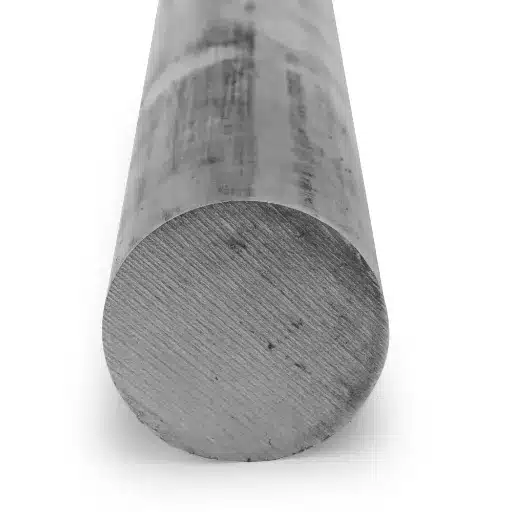
4130 steel, which is a type of low-alloy steel, includes chromium and molybdenum as its main alloy elements. These elements have a major effect on the steel’s strength and toughness and make it superior to the usual carbon steel 1018 or 1020. Thus, the tensile strength of 4130 steel typically is 90,000 to 95,000 psi while low carbon steel 1018 has only 63,000 psi approximately as tensile strength.
Weldability
4130 steel, even though it is stronger, is still a very weldable material under the best conditions of preheating and post-welding. Low-carbon steels such as 1020 are the easiest to weld without preheating and heat treatment, however, they are not strong enough for the demanding work they are intended for. The situation of having 4130 steel being the main material for at stresses up to and over its weldability and strength is quite common.
Machinability
4130 is low-carbon steel content (0.30% max) in it minimizes the negative effects of the metal’s high hardness on machinability. By controlling the sulfur and phosphorus content (≤ 0.040% and ≤ 0.035%, respectively), machinability of 4130 steel is maintained at a high level with little wear of cutting tools, while harder steels that may require special equipment are not.
Impact on Properties
The incorporation of alloying elements, which include but are not limited to chromium and molybdenum, in the case of 4130 steel, actually increases its strength, hardness, and corrosion resistance when compared to the regular carbon steels. These elements form a microstructure that is very strong and can also be enhanced if subjected to heat treatment processes. In the industrial settings, the tensile strength of 4130 steel is said to be around 97,000 psi (669 MPa) in an annealed condition and can be over 180,000 psi (1,240 MPa) when heat-treated.
Moreover, besides being tough and impact-resistant, 4130 steel is also considered to be unbreakable even in very challenging situations. Another notable feature is its weldability that comes from having a very low carbon (. 30% max) content. Thus, the material can be fabricated easily without risking its strength when using precise welding methods. Also changing the steel’s heat treatment abilities allows the factory staff to adjust the properties as per the requirement of a particular application, which results in the improved performance of aerospace, automotive, and energy sectors.
Physical and Thermal Properties
Thermal Conductivity Characteristics
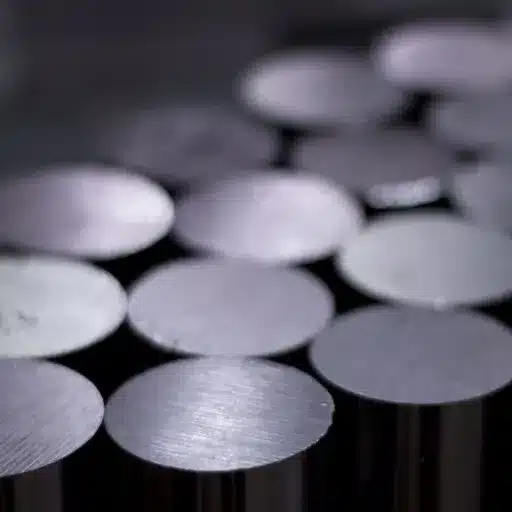
4130 steel has moderate thermal conductivity, which was determined to be around 42.7 W/m·K at room temperature (20°C). This property diffusion is crucial in certain industries such as aerospace and automotive, where among others, the parts of the exhaust systems, engine parts, and structural assemblies, need the right combination of strength and heat dissipation without any flaws.
The 4130 steel operates at high temperature with a fair amount of strength holding which thus classifies it as a material fit for thermal cycling. Still, the engineers need to think about the whole thermal management scenario in the high-stress area, as the long-lasting exposure to super high heat might cause scaling and the material quality to deteriorate.
Fatigue Resistance of 4130 Alloy Steel
The fatigue resistance of 4130 alloy steel is fantastic and this advantage is making it one of the preferred materials in those high-stress applications where the components are getting subjected to repeated loading and unloading. Its toughness, moderate carbon content, and alloying elements like chromium and molybdenum all together contribute to the cycle stress that is endured by the steel without its premature failure.
When 4130 steel is normalized and tempered, its fatigue strength, which is often portrayed as the stress level the material can bear for a certain number of cycles, ranges from 38 to 46 ksi (kilopounds per square inch). In case of heat-treated or cold-worked, then it also would depend on the particular process parameters and surface finish quality, as it can still claim to have even higher thresholds in fatigue resistance.
Heat Treatment Processes for 4130 Steel
Common Heat Treatment Methods for 4130 Steel
Annealing
Annealing is performed to make the steel softer, to improve it’s cutting, and to get rid of the internal stresses. Usually, 4130 steel is heated up to a temperature range of 1550°F to 1650°F (843°C to 899°C) and then slowly cooled down in the furnace. During this the microstructure is reduced in size and hardness is also decreased to make it easier to shape and machine.
Normalizing
Normalizing is a process that gets to the core mechanical properties of the material and at the same time increases the strength. The material is heated to temperatures about 1600°F to 1700°F (871°C to 926°C) and then cooled down in air. This treatment is done by conducting a careful alignment of the grain structure to improve toughness against breakage and resistance to wear.
Quenching and Tempering
Quenching starts with heating the steel up to 1600°F (871°C) and then it is quickly cooled down with oil or water so that the martensitic structure is set. To get the desired hardness and strength and to incure brittleness reduction, tempering is done next at 750°F to 1250°F (399°C to 677°C) depending on the required mechanical performance. For instance, tempering at lower temperatures yields maximum hardness, while higher temperatures provide more toughness.
Effects of Heat Treatment on Performance
Heat treatment is one of the most important steps in the processing of 4130 alloy steel, and its main function is to impart the desired mechanical properties at the same time that the performance of the steel is drastically increased in a lot of demanding applications. One can precisely adjust the properties of the steel by controlling the factors like temperature, time, and the cooling rate. Hardness, strength, ductility, and toughness can all be adjusted for specific operational needs.
To put it another way, quenching followed by tempering results in a steel with the highest tensile strength, wear resistance, and the closest possible hardness-toughness balance. Recent research indicates that 4130 steel with the right tempering can attain tensile strengths of about 140,000 to 180,000 psi (965 to 1,241 MPa), which makes the steel suitable for making very stressed parts like an airplane’s landing gear or a race car’s chassis. In contrast, annealing helps in decreasing internal stresses and increasing ductility, thus, making machining and forming easier.
Applications of 4130 Alloy Steel
Industry-Specific Applications
Aerospace Industry
4130 alloy steel is a material of choice for the aerospace industry because of its excellent strength-to-weight ratio. It is widely used in the construction of parts that form the skeleton of the aircraft, landing gear, and mounts for engines. Besides, the material’s endurance secures its usage in high-stress environments. The industry has it that, during the year 2021, the market for aerospace materials was valued at around USD 20 billion, and was still developing, thus, 4130 steel was one of the main outlets for this, as it offered the right solutions that were both light and strong.
Automotive and Motorsports
All the way from cars races of the highest performance to off-road vehicles, 4130 alloy steel is a very common material used in the production of roll cages, chassis parts, and crankshafts. That is, its capacity to resist great pressure and crashes while still being able to keep its form makes it very hard to let go of in racing. There is no doubt that the market for automotive alloy materials is going to expand considerably, over USD 25 billion, by the year 2025, with a large part of that growth coming from the demand for tough yet light materials like 4130 steel.
Oil and Gas Industry
In the oil and gas industry, 4130 steel is being used for drilling tools, downhole equipment, and pipelines. Though, its property of being able to withstand a lot of heat and pressure plus being resistant to rust makes it an ideal material for the extraction of resources through quite risky processes. Always, the statistics provided by the industry show that alloy steels, including 4130, are responsible for the continuous existence of the multi-billion-dollar global energy infrastructure.
Use in Aerospace and Automotive
4130 alloy steel remains one of the most versatile materials exploited widely in both the aerospace and automotive industries because of its outstanding combination of strength, durability, and lightness. Along with that, the aerospace field is greatly dependent on 4130 steel for aviation fuselage, landing gear, and base structures, where tensile strength, fatigue resistance, and other similar properties are most required. Current forecasts place the growth of the world aerospace materials market at a compound annual growth rate (CAGR) of 6.5% through 2030; one of the contributing factors to such a scenario is the high penetration of 4130 steel in advanced manufacturing applications.
Analogously, in the auto industry, 4130 steel is a material no longer available only in high-performance and racing cars. Its cutting and welding properties allow the manufacturers to make structures that are light but strong, which makes them very useful in speed and fuel consumption optimization. Besides, with the electrification of cars (EVs) getting more and more widespread and the demand for lighter, stronger components rising, 4130 steel is still going to be the preferred material by the automakers who are trying to innovate in order to keep up with the changing requirements.
Reference Sources
-
ThomasNet: All About 4130 Steel (Properties, Strength, and Uses)
This article discusses the properties, strength, and various uses of 4130 steel, making it a valuable resource for understanding its applications in different industries. -
ASTM Steel: 4130 Alloy Steel: What You Need to Know
This source provides insights into the alloy’s applications, including gears, fasteners, and structural components, highlighting its versatility and industrial relevance. -
Mozaic Precision: 4130 Alloy Steel
This page emphasizes the high strength-to-weight ratio of 4130 steel and its suitability for aerospace, automotive, and structural applications.
Frequently Asked Questions (FAQs)
What is 4130 alloy steel material and where is it used?
4130 alloy steel or AISI 4130 steel is a medium carbon chromium-molybdenum steel with good mechanical properties. In the context of its use, among others, it is employed in the manufacture of military and commercial aircraft, as well as racing frames and general-purpose forgings.
How does annealing of 4130 steel affect its steel sheet and bar properties?
Annealing 4130 steel makes the product softer, improves its ductility and eliminates the stresses left by the previous working operations. In the case of 4130 round bar or steel sheet, full anneal cycles often lead to a more uniform microstructure that makes machining and forming operations easier. The steel is then easier to forge and weld; subsequent heat treatments can restore higher strength levels when required for final service.
What are the common heat treatments for this steel material and their effects?
The most frequently used heat treatments are normalizing, quenching and tempering. 4130 can be quenched in oil to attain martensitic structure with high strength and then tempered to the desired intermediate strength. Rockwell C hardness after proper quench and temper varies with temper temperature and section size. AMS 6345 and other specifications elaborate heat treatment schedules and technical data to meet aerospace and military aircraft standards.
How does 4130 alloy steel compare as a steel sheet versus other steel materials?
4130 steel sheet provides even better strength-to-weight ratio, fatigue resistance and toughness as compared to plain carbon steels, all thanks to the alloying elements. It is more Machinable than higher alloy steels while it provides higher strength than mild steels which results in low-cost parts for the latter.