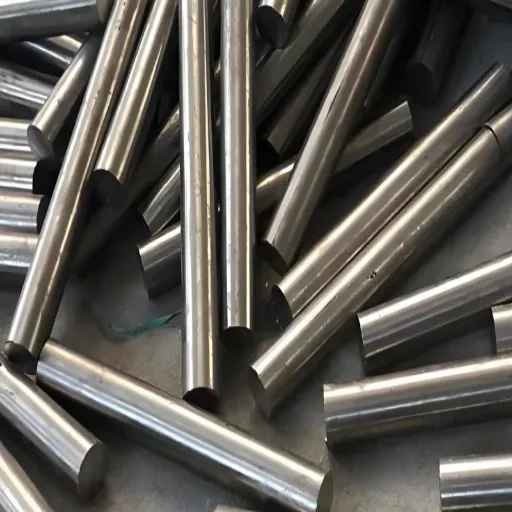
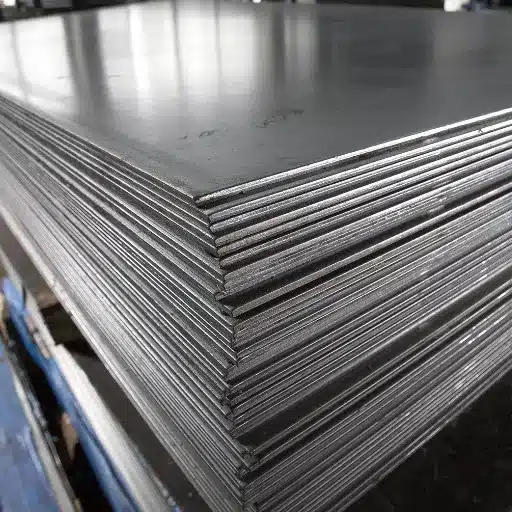
The 6mm stainless steel rod serves as a crucial material that multiple industries use because it provides both flexibility and long-lasting performance. This material has become the preferred option for multiple industries, which include construction and manufacturing, because of its exceptional strength and corrosion resistance, and its ability to adapt to different needs. The 6mm stainless steel rod has become an essential tool because of its special properties, which benefit multiple industries. The article examines its distinctive characteristics together with the various industry applications that benefit from its advantages in both small and large project operations. This guide provides essential information for professionals who need dependable materials and for enthusiasts who want to learn about stainless steel’s functions and benefits, because it explains why the 6mm stainless steel rod has achieved such a high status.
Introduction to 6mm Stainless Steel Rods
Importance of 6mm Diameter in Various Applications
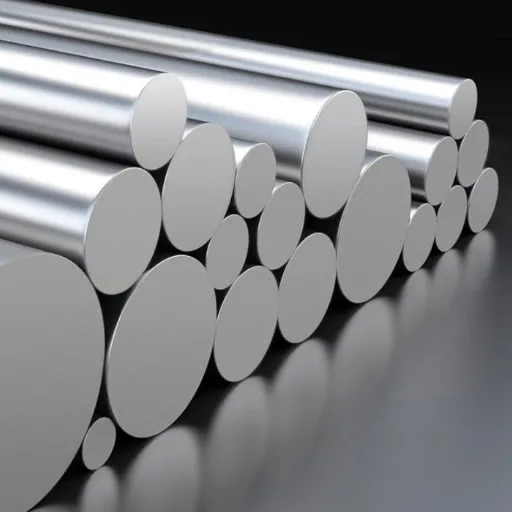
The 6mm stainless steel rod serves multiple industries because its precise diameter and high durability make it an ideal material. The product is sized between two specific weight limits and provides optimal performance through its two properties because it can both flex and maintain its shape.
- Construction and Architecture
The construction industry uses 6mm diameter pipes to reinforce concrete structures while creating decorative architectural elements, which include railings and balustrades, and decorative frameworks. The demand for small-diameter stainless steel rods, which include 6mm rods, has increased at a rate of 6% each year according to industry reports. This increase results from architectural designs that combine strength with aesthetic beauty. - Manufacturing and Machinery
The 6mm stainless steel rod serves multiple purposes in manufacturing industries because it creates machine parts that include fasteners, dowels, and shafts. The product diameter serves its purpose because it allows users to operate special mechanical systems with full efficiency. Manufacturers prefer this size because it allows them to achieve exact measurements in their work. This size has achieved global usage, which exceeds thousands of metric tons every year. - Automotive and Aerospace
The aerospace and automotive sectors use 6mm rods to create components that have both lightweight and high-strength properties. The rods enable vehicles to achieve better aerodynamic efficiency while maintaining essential safety standards. Recent market research shows that 6mm rods rank among the top three preferred sizes for vehicle framework and aerospace assembly construction. - Home Improvement and DIY Projects
The 6mm stainless steel rod has become a fundamental material for DIY projects because it delivers both manageable weight and multiple application options. The material lets users create product designs for shelf supports, garden structures, and light-duty tools. The online market has experienced a new trend, which shows more people searching for 6mm rods and buying them. This trend results in 15% year-over-year growth for the DIY market.
The 6mm stainless steel rod achieves multiple industrial uses because it shows essential flexibility, which allows it to perform as a vital component in complex industrial systems and common daily tasks. The size maintains its value because it meets the current engineering and design needs through its assets of corrosion resistance and long-lasting performance.
Overview of Stainless Steel Materials
The 6mm stainless steel rods exhibit essential industrial value because of their strength and resistance to corrosion, and their ability to be used in multiple applications. The global stainless steel market will experience a compound annual growth rate (CAGR) of 6.3% from 2023 to 2030, according to recent research. The construction sector, the automotive industry, and the manufacturing industry drive this growth because these sectors require materials that can endure extreme conditions while delivering optimal performance.
The 6mm stainless steel rods possess multiple industrial applications because they display exceptional tensile strength and can function under extreme temperature conditions. The advancements in stainless steel production enable manufacturers to achieve superior operational efficiency while decreasing their environmental footprint, which supports international sustainability objectives.
The Asia-Pacific region consumed over 50% of the world’s stainless steel during 2022 because construction activities and industrial growth surged in China and India. The rods display their capacity to serve multiple purposes through their application in frameworks and bridges, and precision tools, which drive their increasing importance in large-scale projects and precise engineering work.
The 6mm stainless steel rods function as essential materials for modern development because their physical properties should match the demands that current industrial applications require.
Why Choose Stainless Steel Rods?
The numerous benefits of stainless steel rods include their long-lasting strength and flexible applications, and their ability to create minimal environmental effects, which enable their use across various sectors. The present research demonstrates essential elements that control consumer selection processes for their product choices. The term “corrosion-resistant stainless steel rods” together with “high-strength stainless steel rods” has gained recent popularity because these materials become essential for both industrial and daily applications.
The main benefit of stainless steel rods comes from their ability to resist both corrosion and rust, which enables products that use these rods to achieve longer operational life. The situation holds particular importance because the special conditions, together with marine exposure, create situations where other materials face rapid deterioration. People who want to test stainless steel strength use the search terms “stainless steel rod strength test” and “6mm stainless steel tensile properties,” which measure its performance when under stress.
People who seek sustainable products demonstrate their commitment to eco-friendly practices, which connects to the increasing number of people searching for “recycled stainless steel” and “eco-friendly steel rods.” The complete recyclability of stainless steel enables organizations to lower their environmental impact while continuing to support circular economy programs. The development supports the rising interest in sustainable construction practices and green manufacturing techniques.
The product provides exceptional value because its affordable price combines with its ability to deliver benefits throughout its entire lifespan. The search term “cost of 6mm stainless steel rods vs aluminum” shows that people now understand how stainless steel provides economical benefits through extended product lifespan and reduced maintenance expenses. The outstanding advantages of stainless steel rods make them the optimal selection for projects that demand exceptional performance, aesthetic appeal, and environmentally responsible methods.
Properties of 6mm Stainless Steel Rods
Material Composition and Grades
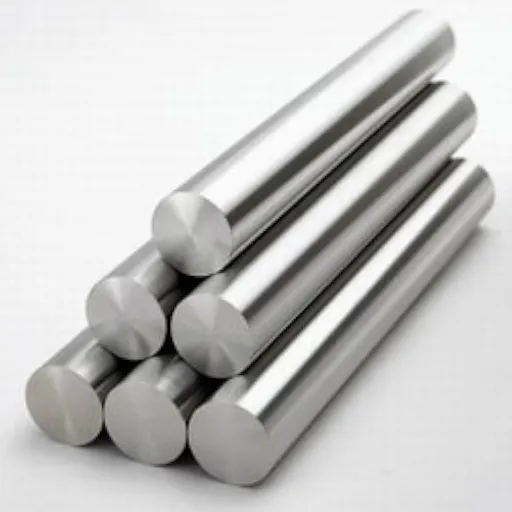
Engineers utilize iron, chromium, nickel, and other alloying elements within the 6mm stainless steel rods to create specific material properties needed for their work. The rods use three common grades, which include 304 stainless steel, 316 stainless steel, and 430 stainless steel, because each grade works best for different uses.
- 304 Grade: The most versatile stainless steel grade contains approximately 18% chromium and 8% nickel. The composition provides excellent resistance to corrosion and oxidation, which makes it suitable for general-purpose applications.
- 316 Grade: The grade contains 16% chromium, and 10% nickel, and 2% molybdenum, which provides it with exceptional protection against corrosion through its ability to resist chlorides and chemical contact. The material finds its primary applications in marine environments and chemical processing facilities.
- 430 Grade: The stainless steel grade functions as a ferritic type, which includes 16 to 18 percent chromium and lower nickel content that results in lower production expenses. The material provides kitchen equipment applications with durable magnetic properties, although it offers lower corrosion protection compared to austenitic grades.
The recent data from searches shows that adding alloying elements such as molybdenum and nickel results in better durability and corrosion protection, but leads to higher material expenses. The industry shows a preference for 316 grade because it demonstrates better performance results in extreme conditions, according to the findings from searches about “316 stainless steel rod vs 304 durability.”
The material composition and grade distinctions help professionals choose the proper material for their needs according to three criteria: strength requirements, corrosion protection needs, and budget constraints.
Physical Properties of 304 Stainless Steel
The 304 stainless steel grade constitutes one of the most common stainless steel grades because it provides an ideal mix of strength and corrosion resistance at an affordable price. The austenitic stainless steel consists of 18 percent chromium and 8 percent nickel, which enables the material to achieve exceptional strength together with protection against oxidation and corrosion.
The physical attributes of 304 stainless steel material demonstrate the following characteristics:
- The material exhibits a density of 8.0 g/cm³, which equals 0.289 lb/in³, thus creating a balance between strong and lightweight attributes.
- The material melts between 1,400°C and 1,450°C, which corresponds to 2,550°F and 2,650°F, thus enabling the material to withstand high temperatures across multiple industrial usage scenarios.
- The material reaches a tensile strength of 505 MPa, which equals 73,200 psi, thus making it appropriate for uses that need materials to maintain their strength when subjected to force.
- The material reaches a yield strength of 215 MPa, which equals 31,200 psi, thus ensuring the material can sustain moderate weight.
- The material demonstrates 70 percent elongation at 50 mm, which indicates its ability to stretch or bend without breaking.
- The material exhibits a thermal conductivity rate of 16.2 W/m·K at 100°C, which demonstrates normal heat transfer abilities compared to other materials.
- The specific heat of the material reaches 500 J/kg·K at temperatures between 0 and 100 degrees Celsius, which shows how the material absorbs energy when its temperature shifts.
The combination of these attributes enables 304 stainless steel to deliver outstanding performance in environments that demand hygienic standards, together with protection against corrosion and the ability to shape materials. The material finds its use in kitchen appliances, medical devices, and architectural designs, as well as in chemical processing operations. 316 stainless steel provides better protection against corrosion than 304 stainless steel, which makes it suitable for environments that encounter saltwater and chemical exposure. 304 stainless steel stands as one of the most versatile materials available today that maintains affordable pricing for general use purposes.
Threading and Length Options
The evaluation of threading standards together with length options for threaded applications needs to be conducted to determine which elements will function together while preserving their strength across time. The tensile strength of 304 stainless steel provides a range between 515-750 MPa (megapascals), which enables it to perform exceptionally well when used to secure threaded components during normal operations. The selection of threads can be made between Unified National Thread (UNC/UNF) and metric threading systems (e.g., M6, M8) because these systems meet both regional and industrial requirements.
The length options for 304 stainless steel fasteners or rods show considerable variation because their typical length range starts at a few millimeters and ends at several meters, which depends on specific application requirements. The construction industry uses longer rods or bars for structural stability, while shorter bolts and screws provide essential functions during precision assembly tasks, which include electronics and machinery work. The manufacturers provide customizable options that enable them to create product dimensions that match their particular design needs.
Manufacturers can now produce 304 stainless steel components with tighter tolerances because current machining and material processing technologies enable this production method to reduce thread wear and tear during normal operation. The non-magnetic properties of 304 stainless steel, together with its deformation resistance under stress conditions, make this material suitable for producing threaded components used in dynamic environments.
Benefits of Using 6mm Stainless Steel Round Bars
Corrosion Resistance and Durability
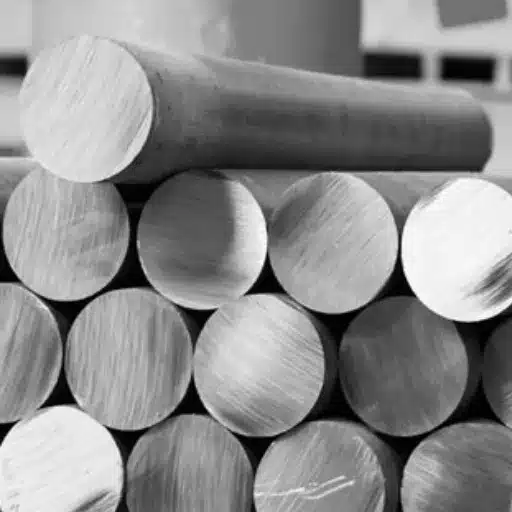
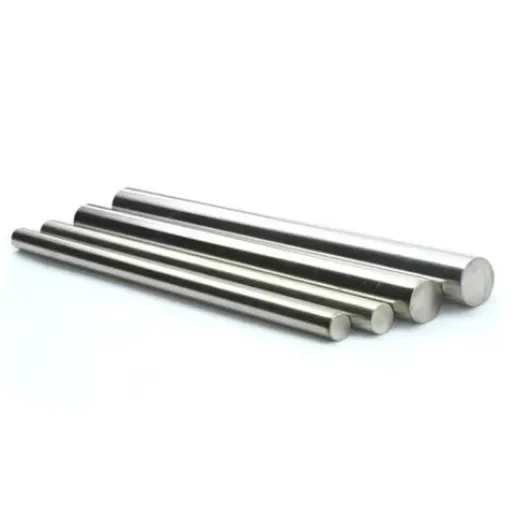
The 6mm stainless steel round bars reach their peak worth because they contain 304-grade stainless steel, which delivers exceptional rust protection. The alloy uses chromium to develop a shielding layer of chromium oxide, which prevents both oxidation and rust formation. Research shows that 304 stainless steel contains around 18-20% chromium together with 8-10.5% nickel, which functions as vital elements that enhance strength and protect against corrosion in marine and industrial environments.
The latest engineering research shows that 304 stainless steel demonstrates outstanding durability results through extended service life. The material demonstrates tensile strength values around 515 MPa together with yield strength measurements of approximately 205 MPa. The material’s mechanical characteristics enable it to withstand high pressure while preserving its initial form, which makes 6mm round bars ideal for construction, automotive, and machinery applications.
The 6mm stainless steel round bars demonstrate exceptional durability, which enables them to function for extended periods, which leads to fewer replacement requirements. The material delivers dual benefits because it decreases maintenance costs while supporting sustainable practices through waste minimization. The 6mm stainless steel round bars play a crucial role in projects that need both high performance and long-lasting product quality.
Lightweight yet Strong Structure
The 6mm stainless steel round bars show strong strength combined with lightweight properties, which make them suitable for multiple applications. The stainless steel material, together with its 304 and 316 grades, demonstrates high tensile strength, which enables 6mm round bars to endure intense pressure without any material distortion. The tensile strength of Grade 304 stainless steel reaches approximately 505 MPa, while Grade 316 stainless steel surpasses 515 MPa tensile strength.
The lightweight design of the products enables easier movement and installation, which results in decreased manpower expenses and project costs. The use of stainless steel also provides strong protection against corrosion, which especially protects against damage in locations that experience high levels of moisture and chemical exposure and extreme temperature conditions. The 6mm stainless steel round bars provide an appropriate material choice for architectural structures, industrial machinery, marine uses, and home fixtures because they deliver dependable performance and operational effectiveness.
The combination of these attributes with accurate engineering methods results in durable performance, which demonstrates the importance of stainless steel round bars for contemporary building and industrial production.
Versatility in Various Industries
The manufacturing and processing methods for stainless steel have reached such advanced levels that 6mm stainless steel round bars now operate as multifunctional materials that multiple industries can utilize. The global stainless steel market will expand at a 5.6% CAGR between 2023 and 2030, according to current industry research, because construction, automotive, and marine industries will increase their demand for stainless steel products.
Stainless steel round bars in the construction industry serve multiple functions because they deliver excellent corrosion resistance together with tensile strength, which enables their use as reinforcement in frameworks and railings and structural supports. The automotive sector increasingly relies on stainless steel for making exhaust systems, engine components, and decorative trims, with approximately 12% of global stainless steel production allocated to automotive applications as of 2022.
Marine environments, including shipbuilding and offshore platforms, receive major advantages from the material, which protects against saltwater corrosion. Type 316 stainless steel, commonly used in round bars, is designed to combat the harsh maritime climate, ensuring durability in applications like propeller shafts and deck fittings.
The 6mm round bars, which people use as standard household items for furniture, kitchen equipment, and decor, generate constant demand in the household fixtures segment because of their attractive appearance and high durability.
Manufacturers use precision engineering methods to enhance the dimensional accuracy and surface finishes of stainless steel round bars, which allows their use in advanced mechanical and industrial tools.
Stainless steel round bars have gained increasing importance according to these statistical results because they serve as essential materials for traditional industries, and they form vital parts of upcoming innovative projects.
Common Uses of 6mm Stainless Steel Rods

Applications in Construction
The construction industry depends on 6mm stainless steel rods because their strength, durability, and corrosion resistance make them essential materials. The rods serve a vital purpose in concrete structure reinforcement, which guarantees enduring strength throughout extreme weather conditions. Recent market research shows that stainless steel rod usage has increased in the global construction industry because urban infrastructure projects continue to expand throughout the world.
The building industry uses 6mm stainless steel rods for their applications in lightweight structures, wire mesh, and balustrading systems. The material exhibits corrosion resistance, which makes it suitable for construction projects located near coastal areas and high-humidity environments. The rods serve dual purposes in architectural design because they function as decorative elements and facade components while maintaining their aesthetic value through extended use. Recent studies show that the demand for stainless steel rods, including the 6mm variety will increase at a compound annual growth rate CAGR of 5.2 until 2030 due to urbanization and the growing need for environmentally friendly construction materials.
The manufacturing industry has developed new techniques that enable manufacturers to create more precise rods, which construction teams can use across different building sites. The construction industry depends on 6mm stainless steel rods because their strength, durability, and corrosion resistance make them essential materials.
Uses in Automotive Industries
The automotive sector depends on 6mm stainless steel rods because they provide high strength and corrosion resistance, and versatile applications. The manufacturing process uses these materials to produce exhaust systems and chassis components, and aesthetic trims, which require products that maintain their strength and performance throughout their entire lifespan. The global stainless steel market for automotive applications will reach $56.9 billion by 2027, according to a recent market analysis, which shows a growth rate of 4.9% from 2020 to 2027. The demand for stainless steel rods has increased because electric vehicle (EV) adoption has grown since these rods enable manufacturers to create lightweight designs that enhance efficiency while maintaining safety standards.
Through enhanced research, stainless steel alloys have developed to achieve better high-temperature resistance, which makes these rods suitable for parts that need protection from engine heat and extreme conditions. The rising demand for these products shows they have become vital components in both contemporary automotive engineering and environmentally sustainable industrial production.
Medical Applications of Stainless Steel Rods
Medical professionals use stainless steel rods as essential materials because these rods possess three essential qualities, which include biocompatibility, corrosion resistance, and mechanical strength. The material serves multiple applications in orthopedic implants, surgical instruments, and dental applications. Stainless steel rods serve as the raw material for producing bone screws and plates, and rods, which medical professionals use to create fixation devices. The manufacturing process of fixation devices uses stainless steel rods to create bone screws, plates, and rods, which provide stable and durable support during the healing process of fracture repair.
The global orthopedic implants market size will grow at a compound annual growth rate (CAGR) of 5.8% from 2023 to 2030 to reach USD 64.8 billion by 2030, according to recent market data. The market continues to use stainless steel, especially 316L grade, because it provides cost-effective and dependable performance when compared to titanium alloys and other materials. The demand for stainless steel materials used in instrumentation and tool development has increased because more people prefer minimally invasive medical procedures.
Healthcare providers achieve better patient outcomes through advancements made in stainless steel manufacturing processes. Hospitals use advanced coating techniques that contain antimicrobial coatings to treat stainless steel components as a method to reduce infection risk within hospital environments. The medical industry depends on stainless steel rods because they provide an affordable solution that meets the latest safety requirements and technical performance benchmarks.
Reference Sources
-
“Inhomogeneity of mechanical properties in stainless steel rods after drawing”
This paper discusses the mechanical properties of stainless steel rods after processing.
Source -
Bound metal deposition of stainless steel 316L: Effect …
This study explores the tensile properties of stainless steel, focusing on factors like nozzle diameter and infill density. It provides insights into the mechanical properties of stainless steel rods.
Source -
The Feasibility of 316L Stainless Steel Mechanically- …
This research discusses the machining and mechanical processing of 316L stainless steel, offering valuable data on its feasibility and applications.
Source
Frequently Asked Questions (FAQs)
What are the key properties of a 6mm stainless steel rod?
The 6mm stainless steel rod displays multiple useful characteristics, which include its ability to resist corrosion, its capacity to withstand high tensile forces, and its overall durability. The stainless steel rods maintain their performance in different applications because they do not react with most chemical substances at this size. The products provide simple cleaning and maintenance solutions that benefit industries that need to meet strict hygienic requirements, including healthcare facilities and food processing plants.
What are the common applications of a 6mm stainless steel rod?
The 6mm stainless steel rod has multiple applications that extend across different industrial fields. The construction industry and manufacturing industry, and the medical field utilize these materials for various applications. The materials exist as structural reinforcements, as precise machine components, and as surgical instruments. The materials work well for architectural designs and industrial frameworks because of their lightweight design and strong structural properties.
Why do healthcare facilities use stainless steel as their primary material?
Healthcare facilities choose stainless steel because its antimicrobial properties become stronger when advanced antimicrobial coating techniques are applied to the metal. Medical instruments and devices achieve longer operational life because of the material’s ability to withstand corrosion. The material’s non-porous surface blocks microorganisms from adhering to it, which reduces hospital infection rates. Medical professionals frequently use stainless steel rods as surgical implants because of their biocompatibility and strength.
What advantages does the 6mm size provide for particular uses?
The 6mm stainless steel rod maintains a perfect combination of strength and flexibility, which makes it suitable for use in precise work. The material displays appropriate dimensions for manufacturing tiny parts, which include fasteners and connectors that maintain their strength. The material serves decorative and intricate design purposes in construction and architecture projects because it provides thin yet strong material options. The specific dimensions of this product have become common in industries that need accurate results while minimizing material waste.
What advantages does stainless steel provide for its industrial applications?
The industrial use of 6mm stainless steel rods provides enterprises with a material that delivers exceptional strength and extended product life and requires minimal maintenance. The material protects against rust and corrosion under all operating conditions, which decreases maintenance needs throughout its lifespan. The material supports sustainability because it can be recycled yet again. The polished finish of stainless steel creates aesthetic appeal, which makes the material suitable for functional design applications.
How do stainless steel materials deliver sustainable solutions for their applications?
Stainless steel operates as an environmentally friendly material because its complete recyclability preserves original material quality throughout the recycling process. The recycling process of stainless steel components produces new products from 6mm rods, which can be reused throughout their entire life cycle. The material’s durability decreases replacement needs, which benefits all industries through sustainable environmental practices.