904L stainless steel (UNS N08904) is used where reducing acids, mixed acids, and chloride-contaminated process streams defeat 316L, sulfuric and phosphoric acid plants, flue gas desulfurization scrubbers, chemical process equipment, heat exchangers, pulp and paper mills, pharmaceutical piping, hydrometallurgy, and moderate-chloride seawater service.
But the grade isn’t a universal answer, and that’s the part most suppliers leave out.
Picture two identical 904L tube bundles. One sits in an FGD absorber handling chloride-laden condensate and runs clean for a decade. The other sits in a warm, low-flow seawater cooling line and pits through within a single service interval.
Same alloy, same 1.4539 mill certificate, two very different outcomes. The application, not the grade, decided which one failed.
This guide maps 904L by equipment and unit operation rather than by industry. For each sector, you’ll see the specific components that use 904L, the operating window that governs them, the failure mode that ends their life, and the cases where a different grade is the correct specification. If you’re a process engineer, EPC contractor, or procurement manager confirming a material choice, this is the grounding you need before you issue the requisition.
Key Takeaways
- 904L earns its premium in sulfuric and phosphoric acid service, FGD scrubbers, chemical process equipment, and moderate-chloride seawater, duties where 316L corrodes at more than ten times the rate.
- The single most useful benchmark: in 20% H₂SO₄ at 60°C, 904L corrodes below 0.1 mm/yr while 316L exceeds 1.2 mm/yr.
- 904L is the wrong choice for warm or stagnant seawater (use 254 SMO, AL-6XN, or 2507), high-strength design (use 2205 duplex), hot concentrated sulfuric acid (use Alloy 20), and nitric acid service (use 304L or 310L).
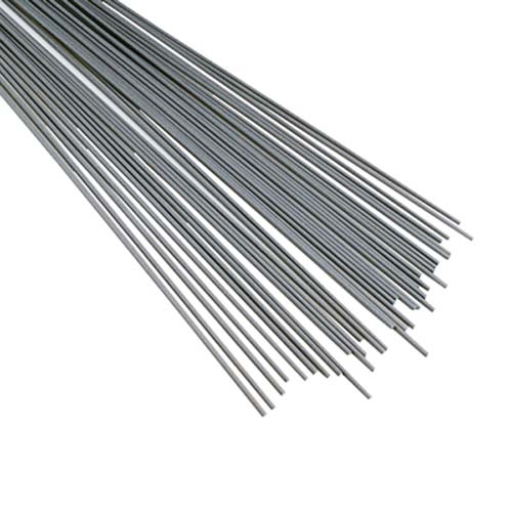
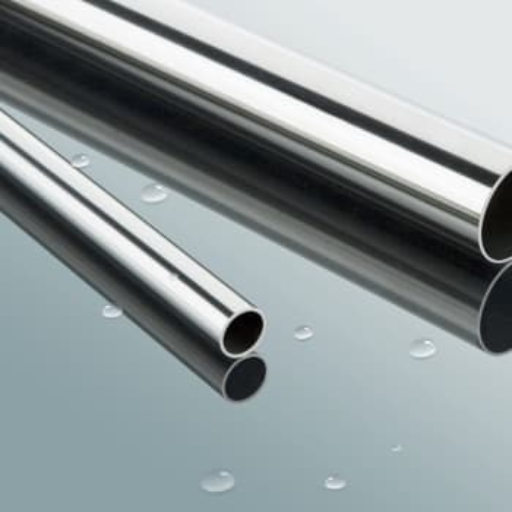
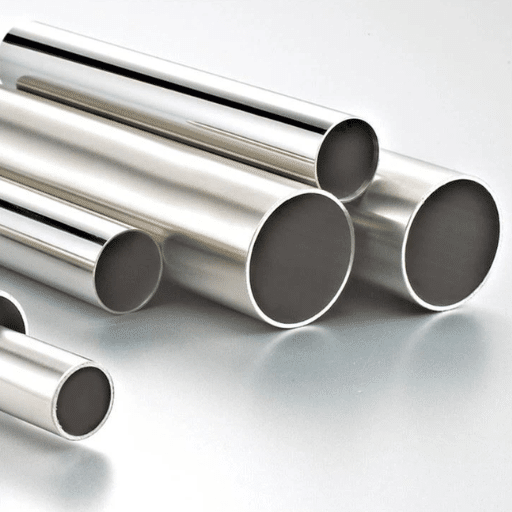
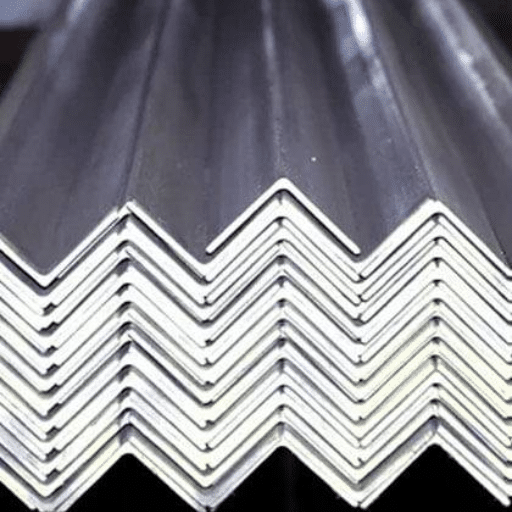
- Match the product form to the application: plate and sheet to ASTM B625, seamless pipe to ASTM B677, seamless tube to B673, and welded tube to B674.
- Every 904L order should ship with an MTR, EN 10204 3.1/3.2 documentation, and PMI verification focused on the copper and molybdenum lines, the two elements most often substituted in counterfeit material.
Why 904L Is Specified for These Applications
904L gets selected for one reason: a property combination that standard austenitic grades cannot match. Its chemistry carries 23–28% nickel, 4–5% molybdenum, and 1–2% copper, on a low-carbon base. That trio delivers resistance to reducing acids, resistance to mixed acid streams, and useful chloride pitting resistance at a PREN of roughly 34–36.
The copper addition is the differentiator most engineers underestimate. Copper is what gives 904L its performance in hot phosphoric acid and dilute sulfuric acid, the reducing-acid environments where molybdenum alone is not enough. Our 904L stainless steel guide covers the full grade data if you need the composition and mechanical tables first.
The benchmark that justifies the price premium is straightforward. In 20% sulfuric acid at 60°C, 904L corrodes at less than 0.1 mm/yr, while 316L exceeds 1.2 mm/yr. That is a margin of more than tenfold, and on acid-service projects it is usually the number that settles the material selection note.
Where does 904L sit in the family? Above 316L and 317L in corrosion performance, below the 6Mo grades (254 SMO, AL-6XN) in chloride resistance, and often the cost-effective answer against Alloy 20 when chlorides are present in dilute acid. Knowing that position matters, because it defines both the applications below and the cases where you should not use this grade at all.
Have a specific acid or chloride duty to evaluate? Send our metallurgical team your media, temperature, and chloride level, we will confirm whether 904L is the right grade and quote certified stock.
Sulfuric Acid Plants & Acid Service
Sulfuric acid is the application 904L was developed for, and it remains the clearest justification for the grade. The metal handles 0–98% concentration up to roughly 40°C, which covers the mid-concentration band around 20–85% that standard 316L simply cannot hold.
Typical equipment in this service includes heat exchangers, evaporators, storage tanks, reactors, acid coolers, pumps, valves, and transfer piping. In plants handling spent acid, the 904L components are often the ones that determine turnaround intervals.
There is a limit worth stating plainly. Hot, concentrated sulfuric acid is not a 904L duty. As temperatures climb into the high-concentration regime, the corrosion rate rises and Alloy 20 or a high-silicon grade becomes the better answer. Our 904L corrosion resistance data breaks down the concentration-and-temperature envelope in detail.
The practical rule: if your sulfuric acid is dilute to mid-concentration and below about 40°C, 904L is a strong and proven choice. If it’s hot and concentrated, evaluate alternatives before you default to this grade.
Phosphoric Acid & Fertilizer Production
Wet-process phosphoric acid is a tougher environment than its purity suggests. Alongside the acid, the process stream carries chlorides, fluorides, sulfates, and organic impurities, a combination that punishes lower grades quickly.
904L performs excellently across 0–85% phosphoric acid, impurities included. The equipment list runs from evaporator circuits and reactors to heat exchangers, slurry and acid transfer lines, and pickling equipment. Fertilizer producers also specify 904L in ammonium phosphate processing, where acidic and chloride-bearing streams coexist.
Here is a nuance that separates a good specification from a careless one. In pure reducing-acid duty, 904L can outperform 254 SMO, despite the 6Mo grade’s much higher PREN. Buyers routinely assume that a higher pitting resistance number means better performance everywhere. It doesn’t.
In phosphoric acid, the copper-bearing chemistry of 904L is often the better fit. That’s why grade selection should follow the specific media, not a single number pulled from a datasheet.
Flue Gas Desulfurization (FGD) & Scrubbers
FGD systems are where 904L’s combination of acid resistance and chloride tolerance pays off at scale. The scrubber environment mixes sulfurous and sulfuric acid condensate with chloride-laden flue gas, and the wet zones are unforgiving.
The components that typically use 904L include absorber internals, spray headers and nozzles, mist eliminators, flue liners and ducting, dampers, reheaters, and chimney construction. Fabrication often uses ER385 filler wire, with over-alloying for the most aggressive weld joints, our 904L welding guide covers the filler and heat-input requirements.
Passivation studies on FGD condensate confirm the ranking buyers need: 254 SMO performs best, 904L next, and 316L worst, with molybdenum content widening the passive region. For most FGD wet-zone duties below the chloride thresholds that force a 6Mo upgrade, that places 904L in the practical sweet spot between cost and durability.
Consider Dana’s experience at a coal plant retrofit. Her team had specified 316L absorber internals on an earlier unit and faced repeated spray-header replacements. On the new unit, they moved the internals and headers to 904L with ER385-cored filler.
Several service years later, the wet-zone components had not required a single unplanned replacement. The higher material cost was repaid by the maintenance the plant did not have to perform.
Where FGD chloride levels run high, the 6Mo grades take over. The 904L vs 254 SMO comparison explains where that transition happens.
Desalination & Seawater Cooling (with Caveats)
This is the section where 904L’s reputation and its limits collide. Seawater desalination plants, seawater treatment systems, and saline-solution handling do use 904L in selected components: seawater heat exchangers, cooling-water piping, MSF and MED internals, and ballast-water treatment filters.
But 904L suits moderate chloride at low temperature only. Warm or stagnant seawater is a genuine pitting risk, and the grade doesn’t meet the NORSOK convention of PREN ≥40 for ambient seawater stainless service. Its critical crevice temperature sits around 20–25°C, compared with 35–45°C for 254 SMO and below 0°C for 316L.
A 2001 study of chlorinated Gulf seawater made the threshold concrete: both 904L and 2205 duplex resisted well at 25°C, and both failed at 50°C. Temperature, not just chloride content, controls the outcome.
This is the lesson Marcus learned the expensive way. His coastal facility substituted 904L for a 254 SMO seawater cooling line to trim the material budget. The line carried warm, low-flow seawater, and the tube pitted through within a service interval. Re-specifying to a 6Mo and super duplex grade solved it, but the changeover cost far exceeded the original savings.
If your seawater is cool and flowing, 904L can work. If it is warm or stagnant, specify the 2205 duplex alternative or step up to a 6Mo grade.
Pulp, Paper & Tall Oil
Pulp and paper mills present a steady, well-understood 904L duty set: bleach-plant washers, digesters, black liquor handling, and tall-oil distillation equipment. These environments combine acidic and chloride-bearing streams with elevated temperatures, and 904L has a long service record in them.
The tall-oil distillation benchmark is one of the most instructive data points for the whole grade. In a tall-oil column operating at 235°C, corrosion rates run 254 SMO at 0.01 mm/yr, 904L at 0.06 mm/yr, and 316L at 0.88 mm/yr. At that temperature, 316L is effectively eliminated, and 904L delivers a fourteen-fold improvement over it.
For the hottest zones of a tall-oil column, some mills specify 254 SMO or a 6Mo grade in the trays and internals. For the majority of the column and for bleach-plant and black-liquor duty, 904L remains the practical specification. The choice comes down to which column sections see the highest combined temperature and chloride load.
Pharmaceutical, Food & Hygienic Processing
Pharmaceutical and food processing equipment needs two things at once: resistance to acidic media and cleaning agents, and the cleanability that hygienic production demands. 904L delivers both, which is why it appears in reactors, centrifuges, storage vessels, and process piping across this sector.
The low-carbon, high-nickel chemistry supports the hygienic requirement. The surface can be finished and passivated to the standards clean-in-place systems require, while the alloy resists the organic acids, cleaning chemicals, and acidic process streams the equipment encounters.
The practical appeal for process engineers is documentation. A pharmaceutical or food line is audited material by material, and 904L supplied with full traceability avoids the qualification delays that come with uncertain provenance. Our stainless steel product range includes the plate, pipe, and fittings used in these hygienic piping systems.
Hydrometallurgy & Minerals Processing
Hydrometallurgy combines several of 904L’s hardest conditions in one process: mixed acids, chlorides, elevated temperature, and abrasive slurries. Leach circuits, autoclave feed lines, pressure-acid-leach piping, and solvent-extraction and electrowinning hardware all fall into this category.
The mixed acid-and-chloride nature of these streams is where 904L’s balanced chemistry is more useful than a grade optimized for a single attack mode. The copper content helps with the reducing-acid component while the molybdenum and high nickel handle the chloride and oxidizing portions.
Autoclave feed systems and leach piping are frequently the components where mills specify 904L or step up to a nickel-based alloy when temperatures and chloride levels push beyond the grade’s envelope. Where the duty exceeds 904L, the nickel-based alloy range picks up.
Oil & Gas, Marine & Offshore
904L appears in oil and gas duty where mixed acids, chlorides, and mechanical service coincide: sour-gas separator internals, flowlines and connectors, wellhead components, marine exhaust gas cleaning system (EGCS) scrubbers, and ballast-water filters.
One duty requires an explicit caveat. Any sour service, streams containing H₂S, must go through a NACE MR0175 / ISO 15156 materials review before 904L is confirmed. The presence of hydrogen sulfide changes the fitness-for-service picture, and the review isn’t optional. Our 904L corrosion resistance article covers the sour-service considerations in detail.
Priya’s team at an offshore operator specified 904L internals for a sour-gas separator only after the materials review confirmed the grade for the specific H₂S partial pressure and temperature. The order shipped with MTRs and PMI verification for sign-off, and the documentation package cleared the operator’s quality review without a query. In sour service, the paperwork is as important as the alloy.
For non-sour marine duty such as EGCS scrubbers and ballast-water filters, 904L is a routine and reliable specification.
Instrumentation, Structural & Fabrication Uses
Not every 904L application is a corrosive process stream. The grade also serves instrumentation and control tubing where 316L and 317L are unsuitable, and structural and fabricated components where its weldability without post-weld heat treatment is an advantage.
Welded vessels and large, complex fabrications benefit from the low-carbon chemistry, which keeps intergranular corrosion risk low after welding and usually removes the need for PWHT. Flanges, fittings, shafts, beams, channels, and custom shapes round out the fabricated-product applications. If you are specifying fabricated 904L, the welding and fabrication guide details the procedural controls.
When 904L Is the Wrong Answer
The most valuable application advice is often which grade not to use. 904L is specified far too often by default, and the table below flags the duties where another material is the correct engineering choice.
| Duty / Environment | Recommended Alternative | Why 904L Falls Short |
|---|---|---|
| Warm or stagnant seawater | 254 SMO, AL-6XN, or 2507 super duplex | PREN below the ≥40 seawater threshold; CCT only ~20–25°C |
| High-strength or weight-critical design | 2205 duplex | 904L yield ~220 MPa vs ~450 MPa for duplex at lower cost |
| Hot, concentrated sulfuric acid | Alloy 20 or high-Si grade | Corrosion rate rises sharply in the hot concentrated regime |
| Nitric acid service | 304L or 310L | Mo-bearing chemistry performs worse than Mo-free grades |
| Hydrochloric acid above ~1–2% | Hastelloy C276 or C22 | 904L is limited to very dilute HCl only |
| Chloride SCC at elevated temperature | 6Mo or super duplex | Not designed for high-temperature chloride cracking |
The rule behind the table: verify the chloride level and the temperature before you default to 904L. Those two variables decide more specifications than any other factor.
Unsure whether your duty falls inside or outside the 904L envelope? Our metallurgical engineers will review your operating conditions and confirm the right grade before you commit to a purchase order.
Application → Form & Standard Selection
Matching 904L to the correct product form and governing standard keeps a project compliant and avoids substitution errors at the mill.
| Application | Recommended Form | Governing Standard |
|---|---|---|
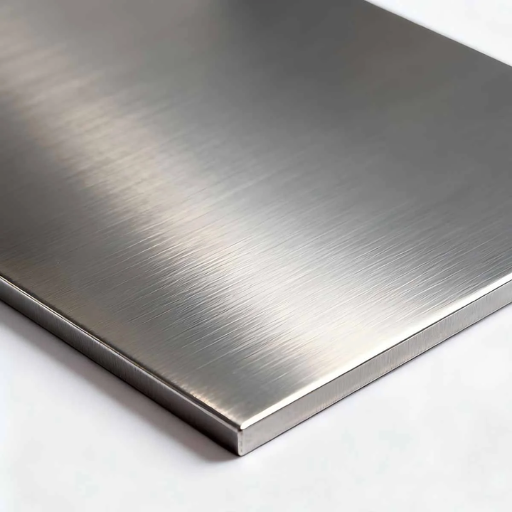
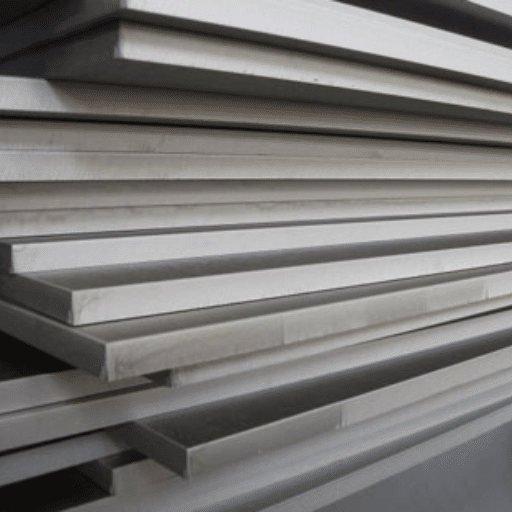
| Absorbers, vessels, storage tanks | Plate/sheet | ASTM B625 (A240) |
| FGD and acid-plant piping | Seamless pipe | ASTM B677 (A312) |
| Heat-exchanger tube (incl. U-bend) | Seamless tube | ASTM B673; honed tube A249 |
| Welded tube/scrubber ducting | Welded tube | ASTM B674 |
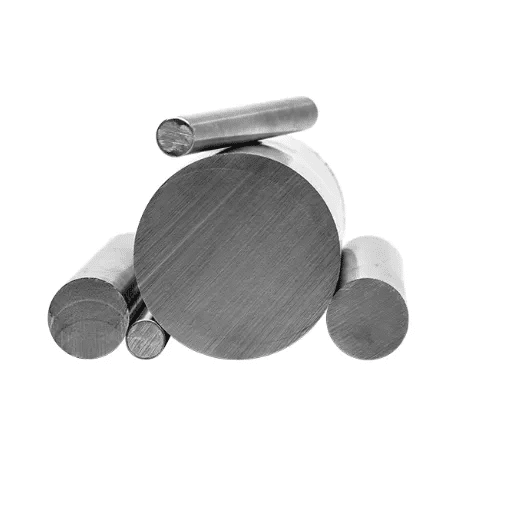
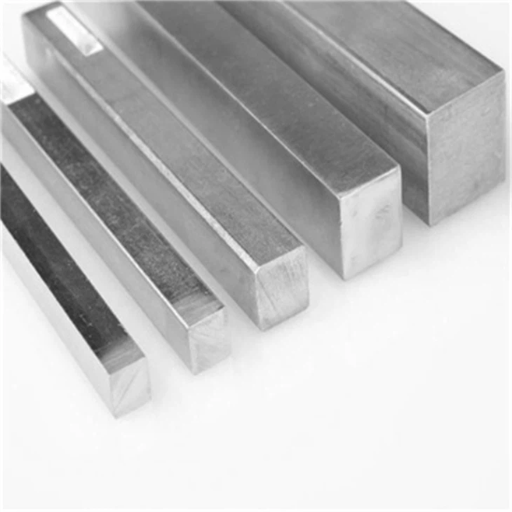
| Shafts, valve stems, instrumentation | Bar/rod | ASTM A479 / B649 |
| Flanges and specialty fittings | Forgings | ASTM A182 |
Plate and pipe are the two forms most 904L projects consume, and the 904L plate and sheet specifications and 904L pipe specifications articles carry the size ranges and inspection requirements for each.
Sourcing 904L for Your Application
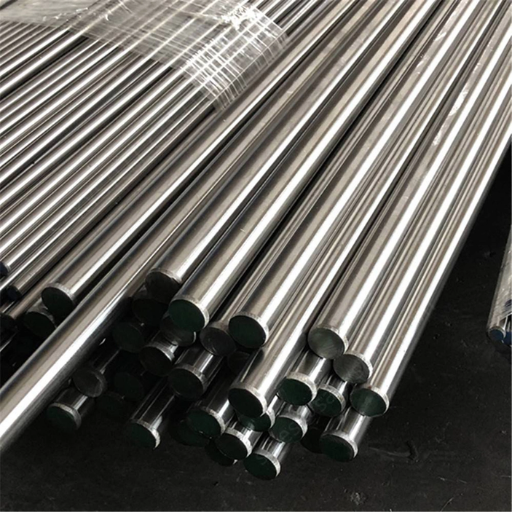
Once the application and form are settled, the sourcing decision comes down to documentation and verification. Because 904L is a high-value grade, it is also a target for substitution, and the two elements counterfeiters most often cut corners on are copper and molybdenum.
Every order should ship with a material test report and, for EPC and critical projects, EN 10204 3.2 certification. Positive material identification (PMI) focused on the Cu and Mo lines is the fastest way to confirm that the material matches the certificate. Where sour service applies, NACE MR0175 / ISO 15156 documentation should be part of the package.
Chinese-equivalent designations appear on every domestic MTR: S31782, and the newer 015Cr21Ni26Mo5Cu2 per GB/T 20878. The 904L equivalent grades reference decodes these so procurement teams can cross-check certificates without guesswork.
Cost is the other variable. Our 904L price per kg analysis explains the form-by-form 2026 pricing and the nickel, molybdenum, and copper cost drivers behind it, so you can benchmark a quotation before it arrives.
To make an RFQ efficient, include these six details:
- Application and media: what the equipment handles, including acid type and concentration
- Chloride level and operating temperature: the two variables that decide most specifications
- Product form and standard: plate, pipe, tube, bar, or forging, with the governing ASTM or EN spec
- Size and quantity: dimensions, tolerances, and order volume
- Test reports and NDT: MTR, EN 10204 3.1/3.2, PMI, ultrasonic inspection
- Delivery condition: mill finish, annealed, pickled, or passivated
With those details, a supplier can confirm suitability and quote accurately on the first pass.
FAQ: 904L Applications
What is 904L stainless steel used for?
904L is used in sulfuric and phosphoric acid plants, FGD scrubbers, chemical process equipment, heat exchangers, pulp and paper mills, pharmaceutical and food piping, hydrometallurgy, and moderate-chloride seawater service, any duty where reducing or mixed acids and moderate chlorides defeat 316L.
Is 904L good for seawater?
Only in moderate-chloride, low-temperature, flowing conditions. Warm or stagnant seawater is a pitting risk, and 904L does not meet the PREN ≥40 convention for ambient seawater service. For those duties, use 254 SMO, AL-6XN, or 2507 super duplex.
Can 904L handle sulfuric acid?
Yes, across 0–98% concentration up to about 40°C, including the mid-concentration band where 316L fails. In 20% H₂SO₄ at 60°C, 904L corrodes below 0.1 mm/yr against more than 1.2 mm/yr for 316L. Hot, concentrated sulfuric acid needs a different grade, such as Alloy 20.
Is 904L used in FGD scrubbers?
Yes. Absorber internals, spray headers, mist eliminators, flue liners, dampers, and chimneys commonly use 904L, usually fabricated with ER385 filler. FGD condensate studies rank it above 316L and below the 6Mo grades.
Why does 904L work in phosphoric acid?
Its 1–2% copper content provides resistance to reducing acids such as hot phosphoric acid and dilute sulfuric acid. In pure reducing-acid duty, 904L can outperform 254 SMO, despite that grade’s higher PREN.
What temperature can 904L handle?
ASME design stress values are published to 371°C, practical service is generally limited to about 400°C, and sigma-phase embrittlement begins around 550°C. Cryogenic service is stable to about −196°C.
Is 904L weldable without post-weld heat treatment?
In most cases, yes. The low-carbon chemistry keeps intergranular corrosion risk low, and PWHT is usually unnecessary. ER385 filler with controlled heat input and interpass temperature is standard practice.
How do I verify 904L material?
Check the MTR, request EN 10204 3.1 or 3.2 as the project requires, and run PMI on the copper and molybdenum lines, the two elements most often substituted in counterfeit 904L.
Conclusion
904L earns its premium in a defined set of applications, and this guide has mapped them by equipment and unit operation. Sulfuric and phosphoric acid plants, FGD scrubbers, chemical process vessels and heat exchangers, pulp and paper mills, pharmaceutical piping, hydrometallurgy, and moderate-chloride seawater service are the duties where the grade delivers measurable value. The 20% H₂SO₄ benchmark, the tall-oil column data, and the FGD condensate studies all point the same way: in the right application, 904L is the cost-effective answer.
Equally important is the other half of the picture. Warm or stagnant seawater, high-strength design, hot concentrated sulfuric acid, and nitric acid service all demand a different grade. Verify the chloride level and the temperature first, and the specification decision largely makes itself.
When you are ready to source, match the product form to the standard, insist on MTR and PMI documentation, and confirm the Chinese-equivalent designations on the certificate.