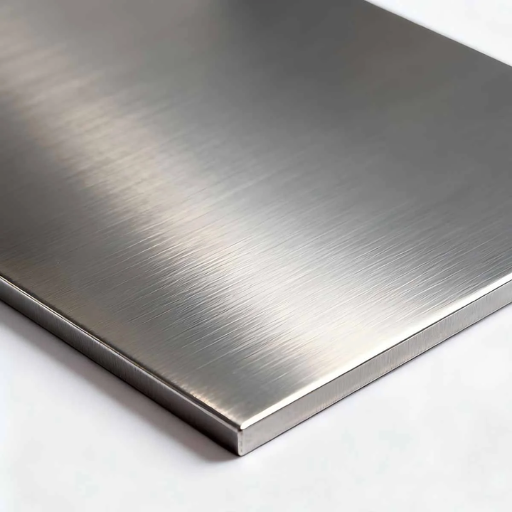
Without appropriate tools or techniques, cutting stainless steel sheets, particularly thin ones, can be a challenging task. Regardless of whether you are a hobbyist, a professional metal craftsman, or a person doing a one-off project, mastering the correct techniques for precision cutting is vital for getting clean and accurate results. The following guide covers the main methods for cutting thin stainless steel sheets, their pros and cons, the suggested applications, and the main tips for success. By the conclusion of this article, you will have gained the expertise to treat your project like a professional—no matter how large or intricate it may be.
Introduction to Cutting Thin Stainless Steel
Importance of Cutting Stainless Steel
Cutting thin stainless steel accurately is very important to the entire process of many industries, such as construction and manufacturing, not to mention DIY home projects. Stainless steel is a material that is almost indispensable in many applications, such as kitchen appliances, car parts, and architecture, due to its properties that resist corrosion, last long, and look good. But now cutting this material with the right amount of precision is a must to keep the part’s strength and make the necessary results.
Industry statistics show that the consumption of stainless steel is about 12% of the world’s total steel production, hence its global viability and importance. On the other hand, one could say that the use of wrong cutting methods could create problems like material getting less usable or losing smooth edges and even getting warped, which means the metal becomes unfit for use, and more time and money are lost in the process. However, employing the advanced cutting methods such as laser cutting, plasma cutting, or just using traditional hand tools like tin snips for small projects can guarantee clean and accurate results while at the same time cutting down on the loss of materials.
Applications of Stainless Steel Sheets
Construction and Architecture
Stainless steel sheets are widely used in the construction of contemporary buildings, bridges, and even monuments. The resistance of these materials to the environment and their ability to maintain their original shape even after a long time make them perfect for cover, roofs, and the main parts supporting the structure. In 2022, the reported use of stainless steel in the construction industry was responsible for about 30% of the total global demand for the product, which is a clear indication of its importance in the construction of infrastructure.
Medical and Healthcare Equipment
In the medical field, where the hygiene standards are very strict, stainless steel sheets are the materials used most often for surgical instruments, hospital beds, and sterile countertops. The surface that is easy to clean and that does not invite bacteria to grow brings along a safer healthcare environment. By the end of the decade, the U. S. stainless steel medical market is set to reach a value that reflects a 5.4% annual growth rate from 2023 to 2030, which is an indicator of increasing demand in the field of medical technology.
Automotive and Transportation
The automotive industry is able to take advantage of the stainless steel sheets because they have both the lightness and the strength. Such sheets are used in the manufacturing of exhaust systems, their parts, and ornamental trims. Alongside, stainless steel is also the main material for making EVs because of its energy efficiency and recyclability. The choice of Tesla to go ahead and use stainless steel for its Cybertruck design has not only made the material a key player in automotive innovation but also possibly the main one in the future.
Selecting the Right Tools for Cutting Stainless Steel
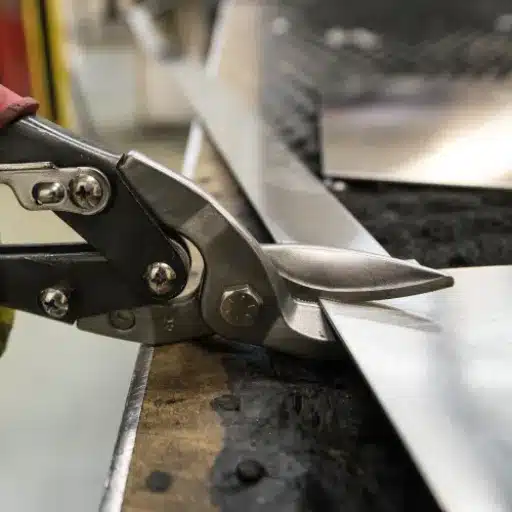
Best Tools for Cutting Stainless Steel Sheets
Angle Grinder
Angle grinders that have abrasive discs or diamond blades are among the most multipurpose tools for cutting stainless steel sheets. They are very powerful and fast, so they can be used for thick sheets or fine cuts. Still, they need a steady hand and protective clothing because of the sparks and heat created during the process.
Plasma Cutter
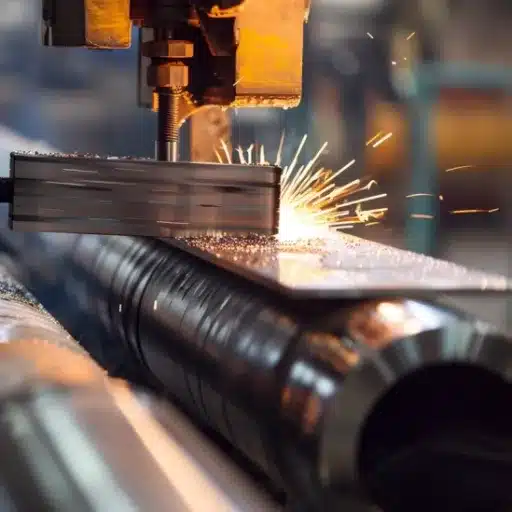
Plasma cutting is highly precise and can work on stainless steel sheets with different thicknesses. Such tools are using a very powerful plasma arc for making quick and dirty cuts. Today’s plasma cutters can cut even thinner sheets at a speed of up to 20 inches per minute, which makes them among the fastest solutions.
Circular Saw with Metal Cutting Blade
Circular saws fitted with carbide-tipped blades that are specially made for metal are very good at cutting stainless steel sheets. This tool is perfect for thick sheets as it lessens heat production and gives a smoother edge finish. Recent industry reports show that the advancement of carbide blade technology can prolong cutting life by as much as 50%.
Comparing Manual and Electric Tools
Manual Tools
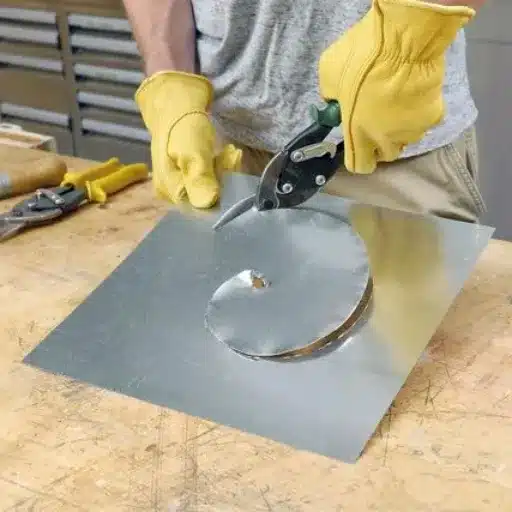
Manual tools such as tin snips are perfect for smaller, detailed cuts or situations where precision is crucial. They are light, portable, and do not need any external power source, which makes them a practical choice for remote jobs or quick tasks. However, they might take a lot of physical effort and are usually slower than electric tools. Recent statistics report that manual cutting tools have an average operating speed of 5-10 inches per minute, depending on the skill of the user and the thickness of the material. Though they are cheap and easy to maintain, still they are preferably used with thin sheets (up to 0.035 inches thickness).
Electric Tools
Electric works, like plasma cutters and circular saw, are meant for handling the extensive or repetitive cutting tasks efficiently. These tools result in a huge labor time reduction, and they offer speed ranging from 50-200 inches per minute depending on the model and type of material. They also produce cleaner and more accurate cuts particularly on thicker sheets. However, electric tools necessitate an initial investment and availability of power. According to the latest data, electric tools are especially suitable for materials above 0.05 inches thick, where manual tools would find it difficult to attain the same level of precision and speed.
Safety Precautions When Cutting Stainless Steel
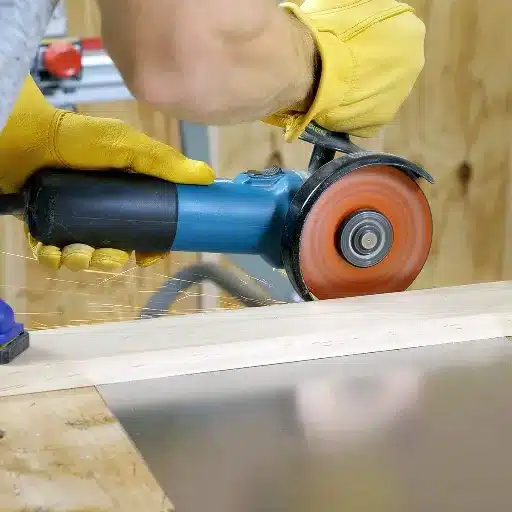
Importance of Safety Gear
The no of wearing the right safety gear while cutting stainless steel is one thing to keep in mind. The activity most of the time is done with high-speed tools and sharp edges, thus producing hazardous shards, sparks, and heat. Operating without proper personal protective equipment (PPE) is one of the reasons for almost 20% of injuries in the metalworking field as OSHA (Occupational Safety and Health Administration) reports.
The minimum required safety gear consists of safety goggles or face shields for the eyes and regular protection from flying metal particles. Heavy, fireproof gloves are a must as they will not only protect hands from being cut or burned but also prevent the latter caused by hot edges or overheated tools. A good quality dust mask or respirator should be used at all times to keep inhaling very fine metal dust away, which can eventually cause damage to the lungs. Furthermore, skin is protected by long-sleeved, fire-resistant clothing, and feet are fine wearing steel-toe boots since they are free from the risk of injury from falling objects or sharp metal scraps.
Common Safety Risks and How to Avoid Them
Risk of Cuts and Abrasions
The cutting of stainless steel usually involves the use of sharp tools and edges and therefore it is highly likely for the workers get cuts and abrasions. Based on research done by the Occupational Safety and Health Administration (OSHA), it is found that 30% of the reported injuries in the manufacturing sector are due to improperly handled tools and materials. In order to protect themselves, the workers can use tough gloves, work with the help of machines equipped with safety devices and keep their fingers away from the sharp metal edges.
Airborne Particles and Respiratory Hazards
Stainless steel cutting and grinding processes produce fine metal particles that float in the air. Long-term exposure to these particles may lead to respiratory problems and even cause diseases such as metal fume fever or chronic obstructive pulmonary disease (COPD) in the long run. The American Lung Association reports that metal workers who are exposed to particulate matter have a 25% higher chance of developing respiratory ailments. In order to protect the workers from the aforementioned risks, it is necessary for employers to install proper ventilation systems and to supply respirators or masks with certification for safe use.
Hearing Damage by Noise Pollution
One of the cutting operations for stainless steel is the one that produces very high noise levels and so employees are likely to sustain hearing damage after some time. A study done by NIOSH estimates that 22 million U. S. workers are exposed to noise levels that can be potentially damaging every year. The use of quality hearing protection like earmuffs or earplugs can greatly reduce the risk of hearing loss in very noisy places.
Common Mistakes to Avoid When Cutting Stainless Steel
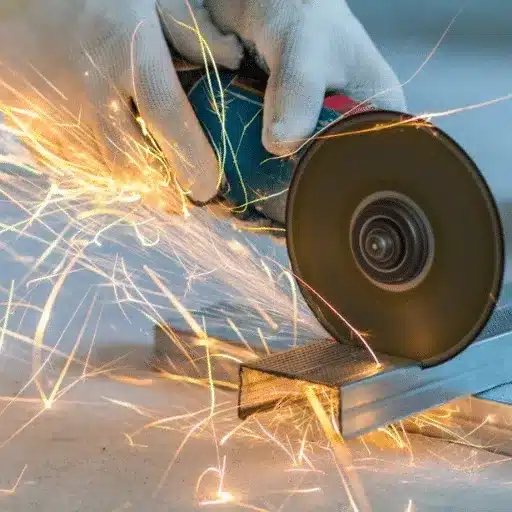
Overlooking Safety Measures
Stainless steel cutting operations without safety measures could end up causing very serious risks that could lead to injury, damage to equipment, and operational delays. The latest statistics show that the improper use of tools and materials is the main reason workplace injuries in metal fabrication occur, with 41% of the cases being cuts, burns, or exposure to harmful substances. The absence of PPE like gloves, safety goggles, and respiratory masks has the effect of ramping up the risk of accidents happening.
Moreover, negligence on the part of machine maintenance is another major factor responsible for equipment break down which can be due to improper maintenance. For instance, it has been revealed in the studies that a plasma cutter which is not properly maintained will lose cutting efficiency by up to 25% as compared to a well-maintained cutter thus resulting in uneven cuts and a more severe case of overheating among the hazards. Another big problem that comes along with not having adequate ventilation in the cutting room is that the entire process will generate fumes and particles that if not properly handled, will eventually lead to workers suffering from respiratory problems.
Using the Wrong Tool for the Job
Using the wrong tool for cutting stainless steel can cause the whole process to be inefficient, more dangerous, and the quality of the output would be poor. As an example, if a tool is not specifically made for stainless steel, then it would result in the wrong type of cutting, more friction, and heat generation which would finally lead to the premature wearing out of the tool and possibly also the steel getting affected in terms of its properties. A study in the metal industry reveals that about 60% of the cutting inefficiencies in stainless steel result from the use of unsuitable tools.
The technological advancements cutting-edge technology is making for the future show the impact of choosing the right tools. As an example, the ones with carbide-tipped blades or very advanced laser cutting system are made especially suitable for the hardness and the composition of the stainless steel. These tools are more accurate, less wasteful, and up to 40% more efficient than traditional cutting methods when assessed in terms of producing output and cost-effectiveness.
Reference Sources
-
DAPU Metal Materials
- Title: Ways to Cut Stainless Steel Sheet Metal
- Summary: This source discusses various methods for cutting stainless steel sheets, emphasizing the precision and clean edges achieved with laser cutting.
- Link: DAPU Metal Materials
-
A-Laser
- Title: Laser Cutting Thin & Delicate Metals: Best Practices
- Summary: This article highlights best practices for laser cutting thin metal foils and sheets, focusing on manufacturing guidelines and design practices for optimal results.
- Link: A-Laser
-
Industrial Metal Service
- Title: Precision in Action: How to Cut Stainless Steel the Right Way
- Summary: This source provides insights into using tools like band saws for making precise cuts in stainless steel, suitable for both thin and thicker materials.
- Link: Industrial Metal Service
Frequently Asked Questions (FAQs)
How does a laser cut compare to plasma or water jet for stainless steel cutting?
Laser cutting generates very neat kerf and highly accurate cuts, which are perfect for intricate patterns and thin to medium thickness stainless. The method of cutting via water jet leaves smooth edges without heat-affected zones which makes it the most suitable method for cutting thick stainless. It is very fast and economical for thick mild steel but sometimes causes rougher edges and heat-affected zones on stainless steel, thus, the choice becomes a matter of thickness—the sheets of 0.5 mm to 1.0 mm are great for laser, while the thick ones might be better with water jet or saws.
What is the easiest way to cut a sheet of metal 0.5 mm to 1 mm thick?
If the metal sheets are about 0.5 mm to 1 mm thick, the quickest and most cost-effective way to cut them is with metal shears or aviation snips which are also the least burr producing ones. A nibbler or a jigsaw with a fine-toothed blade can also make very clean cuts in straight lines. When cutting, use clamps or a jig to secure the sheet metal to avoid vibration and ensure you got the right cuts. If you want the best finish without distortion, then we recommend having the piece laser cut or water jetted.
Can I use a table saw or saw with a circular blade to cut stainless steel?
You can cut stainless steel using a table saw or any other type of saws provided that you utilize the right blade—in this case a carbide-tipped or diamond saw blade specially made for metal-an appropriate number of teeth per inch for the stainless steel. Go slow, use cutting fluid to cool down the area and clamp or vice the metal down. For thinner stainless, a fine-toothed blade will minimize kerf and reduce the chance of grabbing; for thicker stainless, a power saw may not be suitable compared to water jet or CNC plasma.
Is a hacksaw or handheld tools appropriate to cut a piece of stainless steel?
A hacksaw or handheld rotary tool can cut through stainless steel, especially if small jobs or mild stainless are the cases. Use a bi-metal hacksaw blade with hight teeth per inch for thin sheets and tougher blades for thicker sections. Handheld angle grinders with cutoff wheels are quicker but need a steady operator and personal protective equipment. For very precise cuts or very thin 0.5mm pieces, manual tools can work but will be slower and might need finishing to remove burrs.
Ready to Start Your Project?
With the right tools, techniques, and safety measures, cutting stainless steel sheets can be accomplished with professional-grade precision and efficiency.