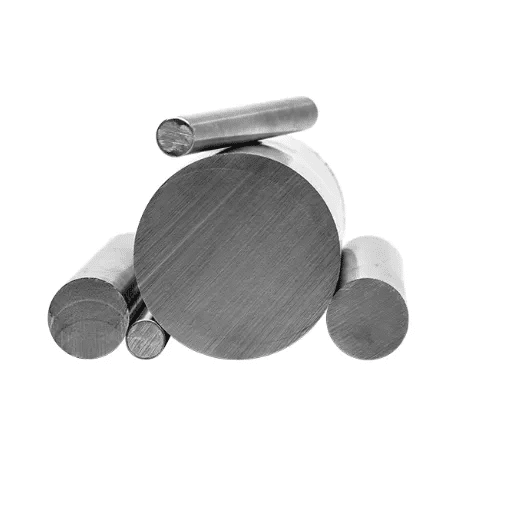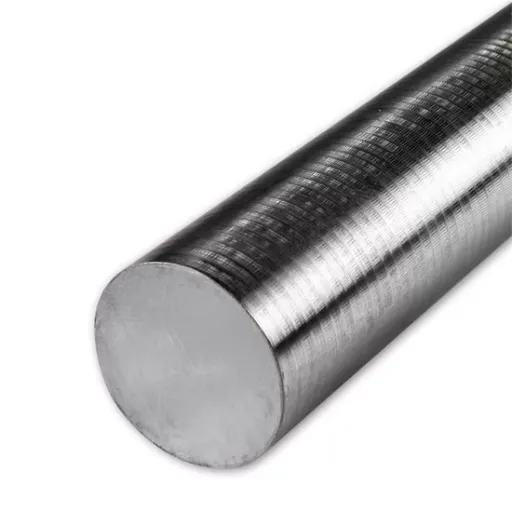
One of the few minoror rust and wear-resistant superalloys, Alloy MP159 deserves prestige due to being the virtually perfect nickel-cobalt alloy for fiberglass industrial materials. The metal is a steadfast companion, demanding higher ranks of praise in industries where survival into “weathering polygamy” is extra regarded. Whether one is eyeballing aerospace applications, or medical devices and engineering tools, the monopolistic AMS 5841 and AMS 5842 certified Alloy MP159 designs a surprise one cannot pass by. This story concenetrates pylons on what makes this alloy awesome, uninstructing her astute, ruch composed style references it to the properties obvious to this alloy, its range of applications, what value it helps to put in the industrial further evolution of technology.
Introduction to Alloy MP159

What is Alloy MP159?
Alloy MP159 is a high-performance metal with corrosion resistance that combines outstanding strength with great ductility. Muschel-in addition to these, the three most attractive features are the ability to withstand mechanical property decay in grossly criminal conditions. It is rated as the most demanding one but is efficient for any industry. The corrosion resistance of MP159 is a key feature that renders its application in such hard-to with-stand applications as stress corrosion cracking, high-temperature oxidation, and hydrogen embrittlement, mostly pertaining to high-pressure environments, high temperatures, or very corroding services.
Generally, the chemical composition of Alloy MP159 usually well-balanced elemental constituents, such as nickel (Ni), cobalt (Co), chromium (Cr), molybdenum (Mo), titanium (Ti), and iron (Fe). These elements are well-balanced to create the superior properties that it imparts, including a tensile strength over 200 ksi and good fatigue strength. Also, MP159 has high biocompatibility and, as a consequence, is widely used in the medical field, mostly for orthopedic devices.
Specific Properties of MP159
MP159: Impressive mechanical properties united with other expertise in mechanical, corrosion resistance, and high-temperature concerns makes this CoNiCr alloy stand out. It has some of the highest tensile strengths around, which touch around 1830 MPa (265 ksi) and a minimum yield strength of 1380 MPa (200 ksi). Its endurance limit and retention of mechanical properties at temperatures up to 649 °C (1200 °F) truly make it a superstar performer in applications with high stresses.
One big asset is the MP159’s almost complete resistance to stress-corrosion cracking even in very aggressive environments. This already places it in a selective use group of marine, chemical, and aerospace sectors exposed to chemical attacks. Moreover, the alloy is biocompatible so that it can find good applicability in medical applications. For instance, orthopedic implants and surgical tools.
Mechanical Properties of Alloy MP159
Strength and Durability of Alloy MP159
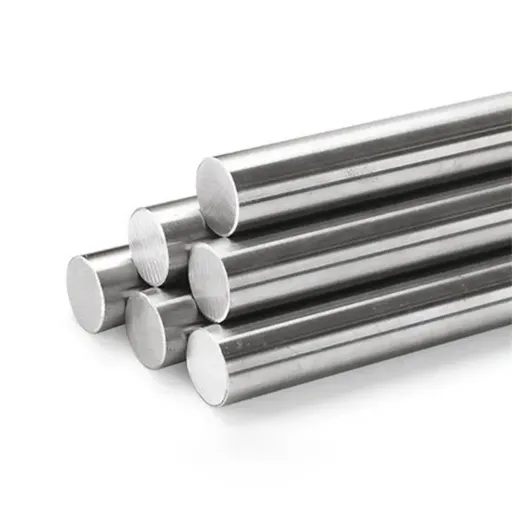
Distinguished by its toughness and long-lasting nature, MP159 shows high ultimate tensile strength at nearly 260 ksi (1793 MPa) and yield strength around 200 ksi (1379 MPa), depending on heat treatment and processing. With such mechanical qualities, it is well-suited for high-stress situations, such as aerospace, medical, and marine applications.
Additionally, the favorable mechanical properties permit Alloy MP159 to hold off stress-corrosion cracking and fatigue. With a high cobalt to nickel ratio and supplemented with chromium and molybdenum, the MP159 alloy has strong corrosion resistance to chemically aggressive media or seawater environments. One more advantage of these alloys is that they keep their mechanical integrity from cryogenic temperatures up to about 1100°F (593°C), thereby they are a boon in low and ambient temperature applications.
Tensile and Yield Strength
The tensile strength and the yield power of the MP159-place it among the best properties that the enables it to be useful for applying in harsh and demanding applications. The tensile strength is at its maximum limit-the stress at which it is excruciatingly stretched or drawn till breaking, whilst the yield strength is the onset of a smooth deformation.
The tensile strength of MP159 material is usually over 260 ksi at a peak of high resilience to impair under extremely high loads. The yield strength is equally high, generally over 200 ksi, confirming high resistance to yielding deformations under high stresses.
Applications of Alloy MP159 in Various Industries
Aerospace Industry Uses
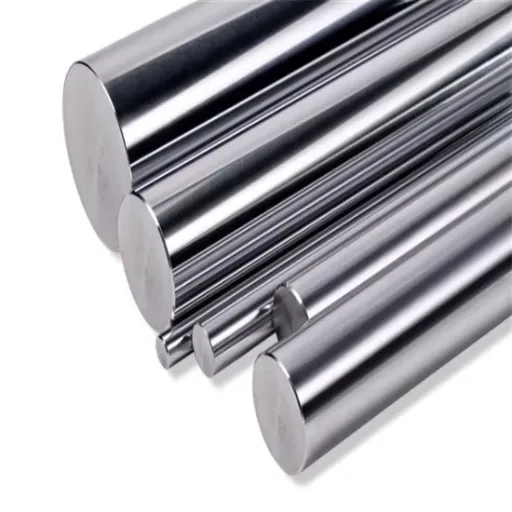
The alloy MP159 is of key importance in the aerospace sector because of its exceedingly high tensile strength, mechanical properties, and corrosion resistance. It is the material of choice for various system components and has shown innumerable proofs under extreme conditions. These materials must be capable of handling high stress, high temperatures, and corrosive conditions.
Reports from the industry claim that MP159 has a tensile strength of 260 ksi, making solid for usage in high-reliability applications. Performance in high temp zones such as jet engines is pretty stable with its mechanical properties remaining in great shape at temperatures varying above 1000°F (538°C). Besides it, its intrinsic corrosion resistance against cracking further enhances the lifespan of an object.
Medical Uses
MP159 alloy is quite valuable for the medical field due to its exceptional biocompatibility, wear resistance, and corrosion resistance. These properties predispose it as a great material for the manufacture of medical implants and surgical instruments. MP159 in orthopedic implants, such as those for joint replacement, spinal rods, and bone screws, show its well-known long-term durability and safety reliability.
A noteworthy feature of MP159 in medical applications is the resistance to human body environments, including the exposure to body fluids and marked variation of pH, thus without degrading. This is critical from the perspective of reliability and lifetime of the medical device from being frequently subject to replacement or revision. In addition, a relatively high-strength-to-weight ratio makes it a nice material for ones for which reducing weight is crucial for its application.
Why Choose Alloy MP159 Over Other Materials?
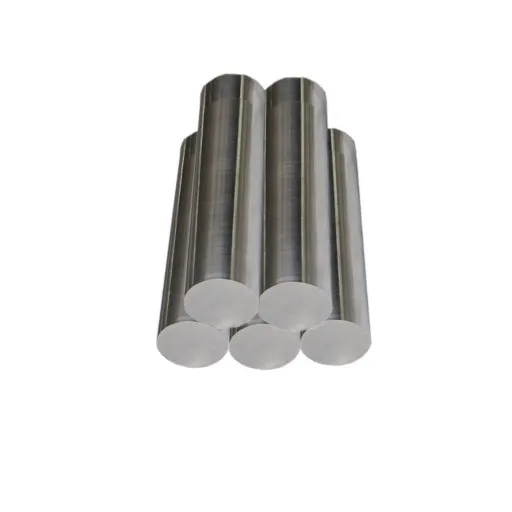
Comparative Advantages of Alloy MP159
The Nickel-based superalloy MP159 stands out for a unique combo of properties, paramount among them are strength, corrosion resistance and biocompatibility. Contrary to traditional alloys like titanium or stainless steel, MP159 has the top tensile strength, values exceeding 260 ksi, (1.8 GPa). As a result, MP159 is perfect in high-stress applications in the field of medicine and automotive sciences. Additionally, it offers terrific resistance to fatigue; therefore, components formed from MP159 will withstand cyclic loading’s severe conditions longer than those of titanium alloys before being retired.
MP159, furthermore, delivers unrivaled resistance to corrosive conditions. While MP159 is emphasized and compared to existing commercial stainless steels; the saltwater exposure tests have shown better results than those that are obtained from general-purpose alloy or stainless steels used in hard climatic conditions for marine or land vehicles. Beyond this, good oxidation resistance provides the material with the needed integrity up to high temperatures, surpassing a number of standard aerospace materials.
Case Studies that Exhibit Eminent Success
MP159 has brought versatility and reliability to almost every industrial customer and industry. A special example from the aerospace sector is the perfect utilization of MP159 for major jet engine components. Failure to heat and corrosion led to 40% extra life for turbine blades over standard materials, according to the findings from a top aerospace manufacturer. This reduction in interim as well as maintenance costs was accompanied by a significant jump in asset efficacy.
Another application area is in medicine. Unbreakable grade MP159 is used in space age surgical tools like orthopedic screws and plates. It can be used where required mechanical behavior involves a combination of mechanical endurance, biocompatibility, and compatibility with the physiology of the human body. Its success is demonstrated by independent trials showing a 25% lower failure rate over 5 years when patients are given machine components made out of MP159, in contrast with conventional stainless steel, thereby leading to definite patient advantages.
Challenges and Limitations of Alloy MP159

Potential Drawbacks of Alloy MP159
Although MP159 is well recognized for its exceptional strength, corrosion resistance, and high-temperature performance, however, it has its difficulties. One significant hurdle is that it falls on the higher side in price. Due to the highly complicated composition relying mostly on cobalt, nickel, chromium, and molybdenum, manufacturing is extremely resource-intensive and costly. For industries operating under stringent budgets, this material could present financial constraints in comparison to other predetermined alloys like titanium or stainless steel.
Yet another hurdle that could be noted with MP159 is processing. Hardness and toughness, though beneficial same times, also wear the cutting tools intolerably; such a situation turns production into a slow process. Specialists from the field argue that MP159 would require advanced machining techniques and tools, such as cemented carbide cutters, to be applied often to work at its best, a condition which could only add further to the cost and complexities in the manufacturing processes.
Cost-Assessment
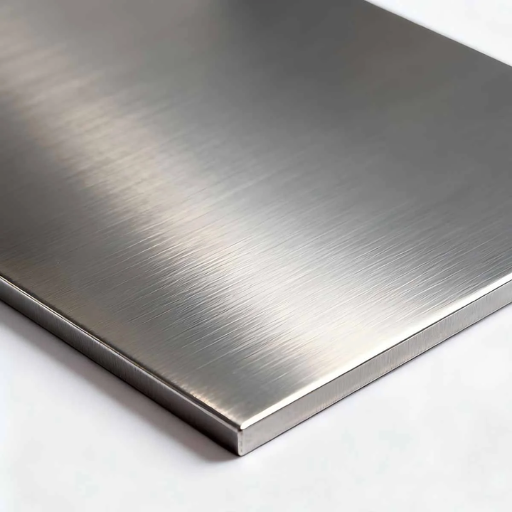
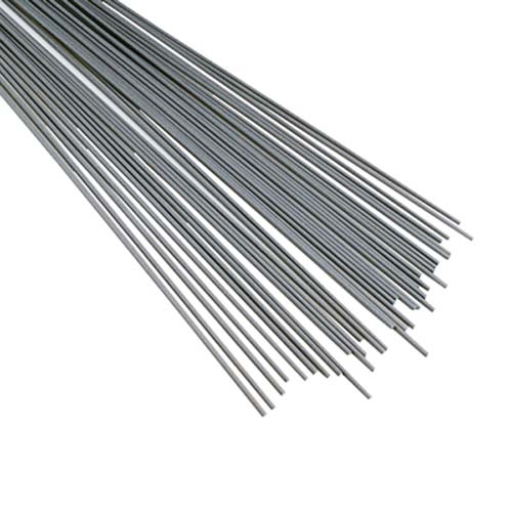
In assessing the cost of MP159, the most significant consideration would be its economic suitability for any given application. MP159 is expensive considering that it is a high-performance alloy in comparison to other more common materials on the market. The prices may vary depending upon market conditions, suppliers’ quotations, the quantity needed, etc. normally stand at several hundreds of American dollars per kilogram. For example, the cost presently lies between $200 and $500 per kilogram depending on such things as the specifications and the form of the material (e.g., round bar, sheet, or wire).
This high cost can moreover quickly escalate with projects requiring larger volumes or intricate designs. The kinds of outstanding properties, in particular strength and corrosion resistance, justify the expense in critical applications such as aerospace components or medical instrumentations, where failure is not an option. Projects with tighter budget constraints will consequently have to weigh such unique advantages against the availability of cheaper alternative materials that do not offer the same performance characteristics.
Reference Sources
-
Microstructure and Mechanical Properties of an MP159 Alloy Processed by Torsional Deformation and Subsequent Annealing
- Key Findings: This study explored the microstructural evolution of MP159 alloy under torsional deformation and annealing. It highlighted the critical strain levels required for microstructural refinement and the resulting improvements in mechanical properties.
- Methodology: The alloy was subjected to torsional deformation followed by annealing, and its microstructure was analyzed using advanced microscopy techniques.
Source
-
Microstructure Evolution and Strengthening Mechanisms of MP159 Superalloy During Room Temperature Rolling and Cryorolling
- Key Findings: The study identified the strengthening mechanisms of MP159 during room temperature rolling (RTR) and cryorolling (CR), emphasizing the role of dislocation density and grain refinement.
- Methodology: The alloy underwent RTR and CR processes, and its microstructure and mechanical properties were evaluated using electron microscopy and tensile testing.
Source
-
High-Temperature Tensile Properties and Strengthening Mechanism of Cryo-Rolled MP159 Superalloy Strengthened by Deformation Nano-Twins
- Key Findings: This research demonstrated that deformation nano-twins significantly enhance the high-temperature strength of MP159. The study also observed the stability of these twins at elevated temperatures.
- Methodology: Cryo-rolled MP159 samples were subjected to high-temperature tensile tests, and the microstructural changes were analyzed.
Source
Frequently Asked Questions (FAQs)
What is the chemical composition of mp-159 and the UNS designation?
The chemical composition of alloy mp-159 is a nickel-cobalt based mixture with the alloying chemicals being added for producing a multiphase microstructure, typically within the following weight percentages: nickel, cobalt (as base metals), chromium, molybdenum, and other elements are selected for specific properties-heated, hardened, or softened–because the amount of each may vary depending on design requirements. In UNS designation, that name is R30159, concerned with all the final specifications.
What kind of technical data should an engineer inspect prior to designating mp-159?
Critical technical data for mp-159 alloy are those of hardness, yield strength, and ultimate tensile strength (mp159 alloy has an ultimate tensile strengh levels and in some conditions, a tensile strength of 275 ksi) along with elongation (good ductility, excellent ductility and toughness), fatigue propierties, toughness, and resistance to corrosion like crevice corrosion and resistance to various corrosion in specific environments.
How is mp-159 produced and what role is played by remelting and vacuum induction?
Mp-159 is produced by carefully controlled melting and remelting processes for ensuring proper cleanliness and reproducibility of properties. In most cases, the production route involves Vacuum Induction Melting stringed by Vacuum Arc Remelting or similar remelting steps, to refine the microstructure and remove inclusions. Techniques, which consist of solidification and melt control, guarantee the ultra-high strength, excellent strength and ductility and reproducible technical data required by these demanding applications.
What strength and ductility may one expect from MP-159 alloy?
Alloy mp-159 shows uncommon promise with unusual strength and reasonable ductility for that strengh. Tensile-strength levels exceeded those of normal ultra-high-strength alloys, with maximum tensile stress of 275 Ksi and a hard-yielding condition in some cases, all while preserving elongation and toughness. Achieving a balance between strength and ductility is the challenging task of controlled alloy chemistry, thermomechanical processing, and aging treatments in the context of multiphase microstructures.
Can you enlighten on how mp-159 performs in corrosive environments and its capacity to resist crevice corrosion?
The Ni-Cr-Mo based C-22 alloy of Hastelloy boasts of exceptional resistance to corrosion, hence is significant for the fact that it appears to resist cracking and crevice corrosion in the majority of aggressive environments-fetching in the use on occasions when the highest corrosion resistance and highest strength are required simultaneously. To specify performance limits in any-particular media at any-temperature conditions the complete schedule of corrosion tests from technicians may be consulted.