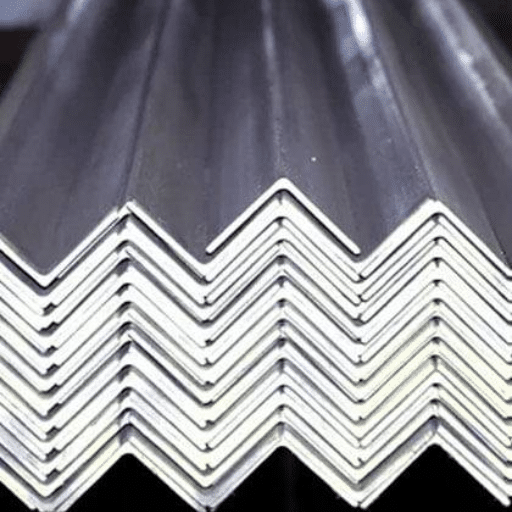
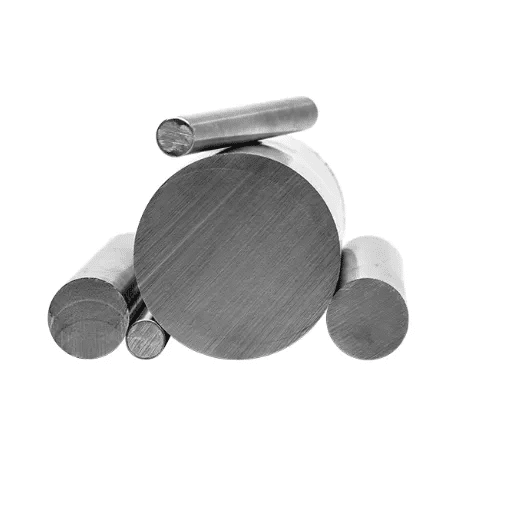
Stainless steel sheet metal is a highly useful and robust material that is extensively used in many sectors, such as to name a few, construction and automotive industry. Also, if you are a professional fabricator or just a DIY enthusiast, your time can be saved and the production of waste can be minimized by just choosing the exact steel sheet that fits your project. In this post, the readers are going to be informed about all the aspects of stainless steel sheet metal, which are its most important benefits, the main uses, and the tricks for picking the right size and thickness for your specific requirements. So, get prepared to be amazed by how this outstanding material can push your projects to the next level with its strength, precision, and modern look.
Introduction to Stainless Steel Sheet Metal
Overview of Stainless Steel Sheets
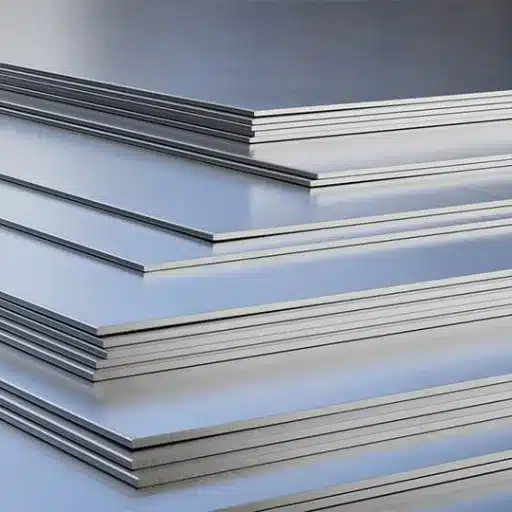
Stainless steel sheets have been reputed because of their toughness, corrosion resistance, and the wide range of applications they can be used in. Their usual mixture of the three metals iron, chromium, and sometimes nickel and molybdenum, among others, gives the stainless steel the property of retaining strength and rust-proof even in the most unfavorable surroundings. These sheets are then classified into 304, 316, and 430 grades, where each grade is specifically intended for a certain task. For example, the 304-grade stainless steel is highly flexible and therefore, it is extensively used in many industries while the 316-grade is for the most resistant to difficult chemicals and marine applications.
One of the crucial factors that need to be considered when selecting stainless steel sheets is thickness, which is measured in gauges. The most widely used thicknesses are between 0.5mm and 6mm, where the thinner sheet is mainly used for decorative purposes while the thicker one is mainly for structural applications. In addition, the stainless steel sheets can have many different surface finishes like brushed, mirror, and matte, etc., making them more aesthetically pleasing and functional.
The Necessity of Steel in Today’s World
Modern steel is very important for industries because of its versatile applications, longevity, and recycling capabilities. The material is a must in construction, automobile, infrastructure, and manufacturing sectors, to mention a few. For instance, the World Steel Association reported that the global crude steel production for 2022 was around 1.9 billion metric tons, which reflects the continuous high demand and use of steel worldwide.
Another advantage of steel is its ability to be customized according to the needs of the user. The automotive industry, for example, makes extensive use of advanced high-strength steels (AHSS), not only for the production of lighter but stronger cars but also to enhance fuel economy and to contribute to a lower carbon footprint. Moreover, stainless steel, a metal that is known for its non-corrosive nature, has become the material of choice for the medical, aerospace, and food processing industries where cleanliness and longevity are of utmost importance.
Types of Stainless Steel Sheets
304 Stainless Steel Sheet
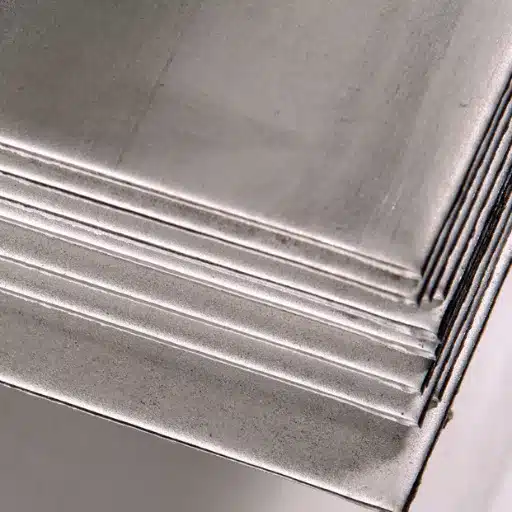
The 304 stainless steel sheet is still the prevailing and most flexible type of stainless steel that people use eventually, largely owing to its outstanding properties of exceptionally durable, not too costly, and by nature very resistant to rust. Besides, the major constituent elements in 304 stainless steel are 18% chromium and 8% nickel, which makes it a member of the austenitic stainless steels that have excellent resistance to oxidation and corrosion in quite a few different types of atmospheres. The tensile strength of the 304 stainless steel sheet is approximately 515 MPa (megapascals) and the elongation capacity is over 40%, which means the sheet can be relied upon in all kinds of building and industrial applications where performance is a matter of concern.
This grade is very popular in the food, chemical, and architectural industries because of its capability to retain its hygienic properties and resist chemicals and temperatures up to 870°C (1600°F) and even slightly higher without modification. 304 stainless steel sheets can be cut, welded, and shaped with ease, which contributes to the flexibility to handle several projects. These sheets are also available in a range of finishes such as brushed, mirror, and matte, so there is always one that will suit the aesthetics of the application.
316 Stainless Steel vs 304 Stainless Steel
The chemical compositions are the primary factor that distinguishes 316 stainless steel from 304 stainless steel and mainly determines their performance in different environments. The two of them belong to the same class of austenitic stainless steels, which are highly valued for their resistance to corrosion and also flexibility, but each one has its specific advantages depending on the application.
316 stainless steel contains 2-3% more molybdenum than 304 stainless steel, and this allows the latter to be less afflicted by pitting and crevice corrosion in comparison with the former when both are situated in high chloride areas (e.g., marine or chemical processing plants). On the other hand, 304 stainless steel is free of molybdenum and its use in harsh conditions is not recommended; however, it is still capable of performing well in everyday applications.
Applications of Stainless Steel Sheets
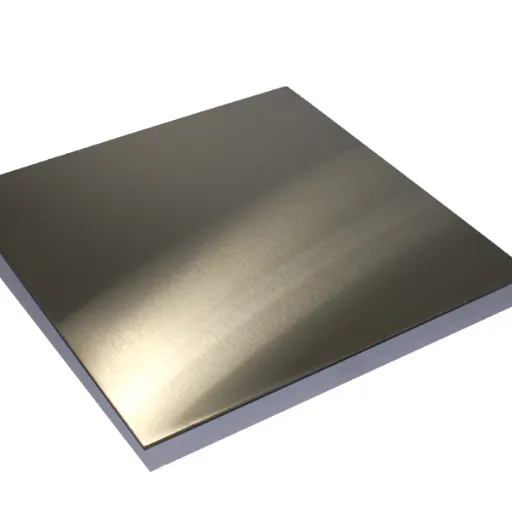
Industrial Applications of Stainless Steel Sheets
Construction Industry
For the most part, architectural projects consist of stainless steel sheets in roofing and cladding and structural components. Gunmetal is the material that has the longest life span because of its resistance to weather, corrosion, and sometimes even modern design requirements that call for durable materials.
Automotive Industry
The car industry is making use of stainless steel sheets in exhaust systems, trims, and structural parts. It is exhaust systems that consume 45% of the total stainless steel used in the automotive market, which is the case due to the high temperatures and oxidation at the top of the list of reasons. This can be inferred from the industry’s statistics.
Food Processing and Catering
Food processing and catering sectors make extensive use of Grade 304 stainless steel, as the latter’s non-reactive surface assures food quality. The applications are mainly countertops, storage tanks, and processing equipment. The stainless steel market for food processing equipment globally was more than $30 billion in 2022 which indicates such a reliance on this industry.
Chemical and Pharmaceutical Industries
In the chemical industry, stainless steel sheets are very important as they serve as the main material for making equipment like reactors, pressure vessels, and pipelines. 316L steel is one of the most used grades due to its ability to withstand both acid and chloride attack so that safety and efficiency are assured in the operation.
Kitchen and Food Processing Uses
Stainless steel with its amazing features like durability, hygiene, and corrosion resistance has become a must in the kitchen as well as the food processing industry. Its non-porous nature keeps bacteria and harmful particles away from the surfaces and equipment that come in contact with food, therefore, making it an ideal material for such applications. Some examples are stainless steel in kitchen utensils, countertops, sinks, and appliances like refrigerators and ovens.
Recently, the global food processing equipment market that is heavily dependent on stainless steel was valued at about $62 billion in 2022 with the expectation of a compound annual growth rate (CAGR) of 6-7% over the next decade. This sector’s preference for stainless steel results from its ability to withstand high temperatures, resist staining, and maintain strength under rigorous cleaning processes.
Benefits of Using Stainless Steel Sheets

Durability and Corrosion Resistance
Stainless steel sheets have been, by and large, the most used due to their longevity and very good corrosion resistance; therefore, they have been applied to diverse industries. The quality of the stainless steel is related to its chromium content which is quite high, the minimum being 10.5%, leading to the formation of a passive oxide layer that protects the metal against rust and corrosion. For example, grades like 316 stainless steel which have about 2-3% molybdenum are renowned for their excellent resistance to chloride-containing environments and are, therefore, used in marine and coastal areas where there is often saltwater presence.
Perfect conditions have been shown by different studies to considerably extend the lifespan of stainless steel. For one, a study suggests that in the building sector, stainless steel façade panels or roofing systems might last even 50 years or more in the toughest climates. The high temp-resistant materials’ durability is also attributed to their resistance to high temperatures, some grades like 310 and 321 being specifically designed for prolonged heat exposure while maintaining their integrity. The long lifespan comes down to fewer replacements, and lower upkeep costs over time, and that is why stainless steel sheets become an economic option.
Advantages of Brushed Finish
Increased Aesthetic Value
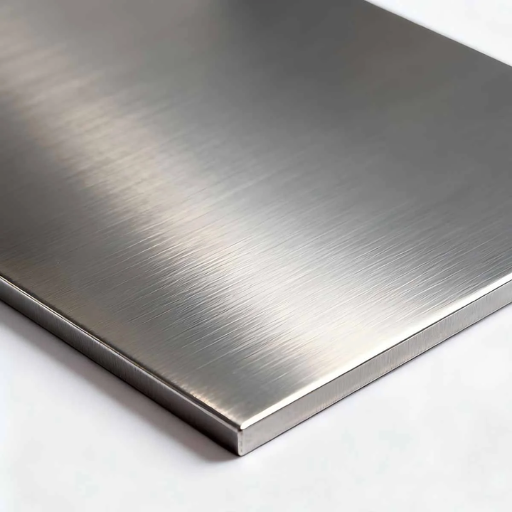
A brushed finish makes stainless steel tremendously modern looking, characterized by very fine parallel lines that give a sleek and elegant texture. The slightly subdued glossiness is a perfect match for modern styles and thus it has become the choice for creating high-end appliances, building elements, and interior design.
Hiding of Scratches
The quality that is very much in favor of the brushed finish is that it is able to hide minor scratches and imperfections. The texture of the brushed finish is such that the material’s wear and tear is less noticeable compared to the very shiny surfaces which, however, are not good for the material’s durability in the long run even in high-traffic or heavily used areas.
Improved Grip and Less Glare
The matte finish has a huge impact on glare reduction thus making it an suitable choice in areas where lighting may cause reflections that can be distracting. In addition, the brushed surface is slightly rough which gives grip and is particularly useful for handles, railings, and utensils in the kitchen.
Compatibility with Hygienic Environments
Brushed stainless steels that conform to the industry recommendations continue to be corrosion-resistant and have a surface that is easily cleaned which makes the material the most appropriate for hygiene-sensitive areas. It is commonly used in the food processing, medical, and laboratory equipment sectors, where cleanliness is of utmost importance.
Selecting the Right Stainless Steel Sheet
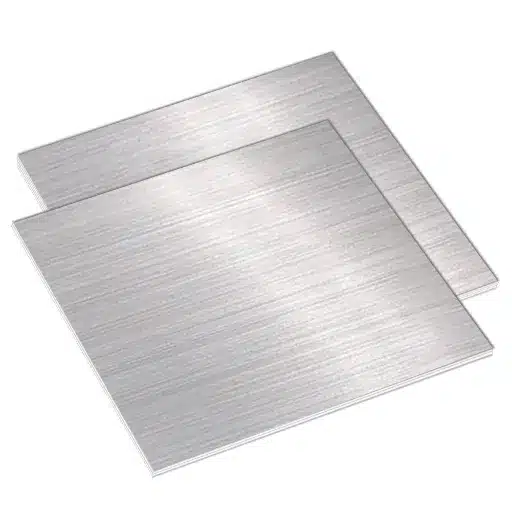
Factors to Consider: Thickness and Gauge
When the question of determining the perfect stainless steel sheet for your project comes up, one of the basic things that should be considered is the thickness, which as a rule comes in gauges. In general, the thickness of stainless steel sheets is measured in gauges, where the smaller the gauge number, the thicker the sheet. For instance, a 14-gauge steel sheet would measure approximately 0.078 inches (1.98 mm) in thickness, while a 20-gauge sheet would be approximately 0.036 inches (0.91 mm) thick.
The choice of a gauge usually depends on the specific application demands. Thick stainless sheets (low gauge) are applied in heavy-duty industrial uses like construction or marine sectors where strength and longevity are the main attributes sought after. On the contrary, thin sheets (high gauge) are the ones that are ideal for non-heavy shipments or even electrical appliances, such as decoration and housing, respectively.
Selecting the Right Finish: PVC vs Brushed
PVC Finish
In PVC finish the metal surface is coated with polyvinyl chloride which gives a high degree of protection and resistance against scratches while at the same time providing good protection from chemicals and environmental factors. For instance, areas like roofing, external cladding, and even food equipment where hygienic properties come to the fore use PVC-coated sheets. Besides, the smooth and shiny appearance of a PVC finish is an additional benefit that has made it the first preference for aesthetic needs.
Brushed Finish
For creating a brushed finish, metal is subjected to mechanical polishing with abrasives to the point where the surface is very fine and uniform and embodies a pattern of fine lines. This finish has a classy and contemporary look that makes it very suitable for use in decorative and consumer-facing applications like household appliances, elevators, and interior design. Moreover, the advantages of brushed finishes are so great that they rarely show smudges and fingerprints, thus over time they maintain a cleaner and more professional appearance.
Reference Sources
-
Stainless Steel Grade Chart
This document provides detailed information on various grades of stainless steel sheets, including their specifications and applications.
Source: Stanford University -
Formability of Type 304 Stainless Steel Sheet
This research paper discusses the formability and stretching limits of Type 304 stainless steel sheets, which are critical for sheet metal forming operations.
Source: Mines Files -
Warm Forming of Stainless Steel Sheet
This study explores warm sheet metal forming processes, focusing on improving plastic flow and reducing the springback effect in stainless steel sheets.
Source: Harvard ADS
Frequently Asked Questions (FAQs)
How do I choose between expanded metal, plate or roll for my project?
Selection is based on load, airflow, and appearance requirements. Expanded metal is perfect for grilles, screens, and decorative panels while the plate and roll stock are best for structural, backsplashes, beverage equipment, and fabrication. Think about grade (304 and 316 for marine applications), thickness (24ga up through thicker plates), and whether you need custom-cut pieces or standard stock sizes.
What should be considered during installation to protect stainless steel in corrosive environments?
Correct installation and protective measures entail the use of fasteners that are compatible, the prevention of any contact with different metals that would lead to galvanic corrosion, and specifying grades such as 316 for marine or highly corrosive environments. Clean the surfaces after the fabrication process, keep away from chloride during installation, and apply protective films during shipping and handling to preserve excellent finishes like 4 brushed finish or 8 mirror finish.
Do you keep stainless steel stock and what stock sizes are typical?
Many suppliers keep stocks of stainless steel sheets and plates in common sizes and gauges, including x 96 length options and standard widths. The standard sizes cover rolls, sheets, and plates in 24ga, 0.060”, 0.120”, and thicker. For precise availability and lead times, please request a quote or place an order online; custom sizes and custom-cut services are often offered for special projects.
Is 430 stainless steel sheet metal magnetic and when is it appropriate to use?
430 stainless steel is a ferritic type and generally speaking, it is magnetic; it is used mainly in residential and indoor industrial areas because they are not very corrosive but its resistance is less than that of T304 or 316 in marine or chemical environments. You can use 430 for trim, decorative panels, or where magnetic properties are not a problem, while 304/316 are the ones to choose for applications requiring high corrosion resistance in the beverage, food service, or marine industries.