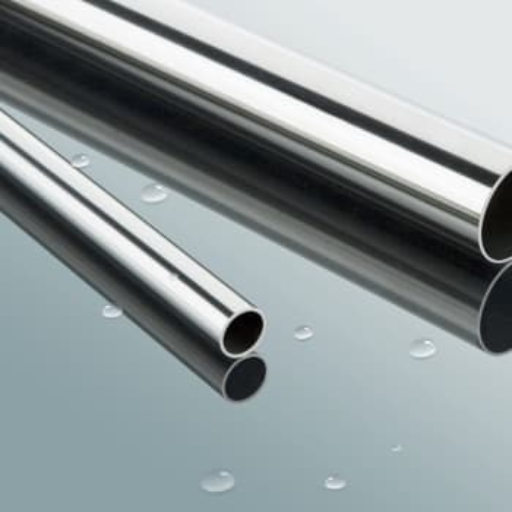
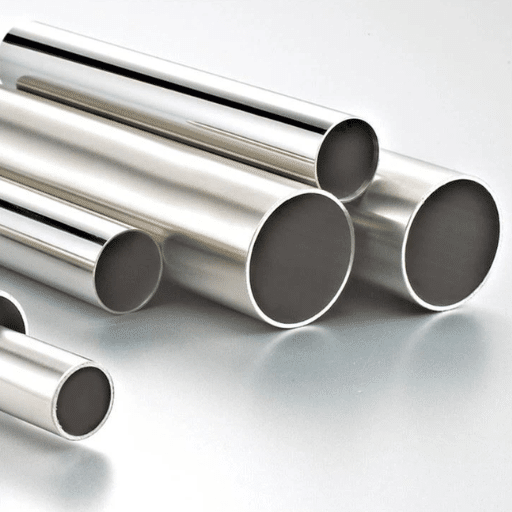
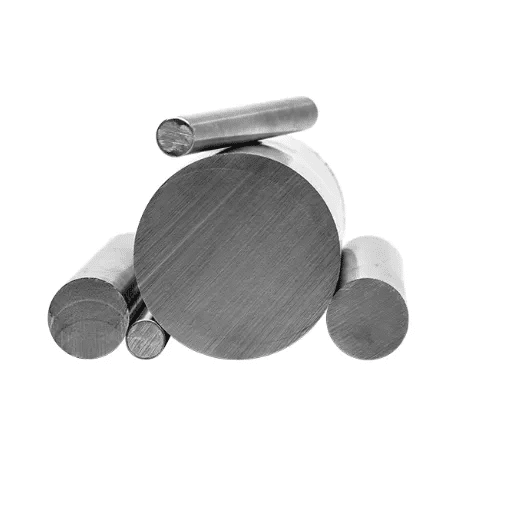
The hollow tubular stainless steel pipe production process follows Nominal Pipe Size (NPS) and Schedule dimensions to create a product which transports fluids and gases through various industrial, commercial, and process systems. The grading and type selection process becomes essential because it distinguishes stainless steel tube from stainless steel pipe through two distinct methods, which determine pressure ratings and manufacturing standards.
The procurement manager at a Southeast Asian chemical plant required 80 tons of TP304 pipe for a chloride-rich cooling water loop because the specification sheet simply read “stainless steel.” The pipe developed pitting corrosion at weld joints within 18 months of installation. The project incurred costs of $340,000 because the replacement of TP316L required downtime and re-inspection. Specification errors like this are expensive, common, and entirely preventable.
This guide delivers the exact ASTM standards, grade selection logic, and procurement safeguards that engineering and procurement teams need to specify stainless steel pipe with confidence. The course will teach you how to differentiate between pipe and tube, understand the advantages of seamless versus welded connections, identify the appropriate grade for different operating conditions, utilize specific documentation to safeguard your project, and discover the current pricing for 2026.
Key Takeaways
- Stainless steel pipe follows NPS/Schedule standards; tube follows OD/wall tolerances. Knowing which you need prevents dimensional rejection on arrival.
- Below 0.8 MPa (116 psi), welded ASTM A312 pipe often suffices; above this threshold, seamless pipe is typically mandated for safety.
- TP316L costs 25-40% more than TP304 but delivers essential molybdenum protection in chloride, marine, and chemical environments.
- The global stainless steel pipe market reached approximately USD 37.52 billion in 2026, with welded pipe projected to grow from USD 4.79 billion (2025) to USD 6.82 billion by 2033.
- Every order should ship with EN 10204 3.1 or 3.2 certification, full MTR documentation, and spectral analysis to eliminate material traceability risk.
What Is Stainless Steel Pipe?

Stainless steel pipe serves as a pressure-rated conduit that manufacturers create to transport liquids, gases, and slurries through process systems. Pipe dimensions differ from structural tubing because they use Nominal Pipe Size (NPS) and Schedule (SCH) measurements, which specify wall thickness and pressure capacity instead of actual outer diameter.
Pipe vs Tube: The Critical Distinction
Most buyers searching for “stainless steel pipe” actually need one or the other. The distinction determines dimensional acceptance, pressure rating, and cost.
| Attribute | Stainless Steel Pipe | Stainless Steel Tube |
|---|---|---|
| Sizing standard | NPS / Schedule | Outer Diameter (OD) / Wall thickness |
| Pressure focus | Rated by Schedule for pressure classes | Rated by OD/wall for structural or precision |
| Shapes available | Round only | Round, square, rectangular, oval |
| Tolerance | Looser (ASME B36.19M) | Tighter (ASTM A269, A511) |
| Primary use | Fluid/gas transport | Heat exchangers, instrumentation, structural |
| Cost for equivalent size | Lower | Higher due to tighter tolerances |
If your application involves process piping, pressure vessels, or fluid distribution, you need pipe. If your application involves heat exchange coils, precision instrumentation, or architectural structures, you need tube. Specifying the wrong form leads to dimensional rejection and project delays.
Core Standards Overview
The stainless steel pipe industry operates under several ASTM and ASME standards:
- ASTM A312: Seamless, welded, and heavily cold-worked (HCW) austenitic pipe for high-temperature and general corrosive service. Covers TP304 through TP348 grades.
- ASTM A358: Electric-fusion-welded (EFW) austenitic pipe for high-temperature service, particularly large diameters from NPS 8″ to 72″.
- ASTM A790: Seamless and welded ferritic/austenitic (duplex and super duplex) stainless steel pipe for general corrosive service.
- ASME B36.19M: Dimensional standard for stainless steel pipe, defining NPS, Schedule, outer diameter, and wall thickness.
Types of Stainless Steel Pipe
The seamless vs welded stainless steel pipe decision determines pressure capability, cost, and suitable applications. The three primary categories are seamless, welded, and duplex/super duplex pipe.
Seamless Pipe (ASTM A312 SMLS)
Seamless stainless steel pipe is produced by extrusion or rotary piercing from solid billet, resulting in a uniform grain structure with no longitudinal weld seam. This manufacturing method delivers the highest pressure integrity and is typically specified for:
- High-pressure service above 0.8 MPa (116 psi)
- Critical process lines in chemical and petrochemical plants
- Heat exchanger tubing (when specified to tube standards)
- Applications requiring radiographic testing (RT) or ultrasonic inspection
Seamless pipe costs 20-40% more than welded equivalents due to higher material waste and energy-intensive manufacturing. However, in critical service, the additional cost is insignificant compared to the risk of weld-seam failure.
Welded Pipe (ASTM A312 WLD / ASTM A358 EFW)
Welded stainless steel pipe is formed from flat strip or plate, then joined by electric resistance welding (ERW) or electric fusion welding (EFW). Welded pipe offers significant cost savings and is suitable for:
- Low to moderate pressure service below 0.8 MPa
- Large-diameter applications where seamless production is impractical
- Structural and architectural applications
- Process piping where full radiographic inspection is not required
ERW pipe uses electrical resistance heating to forge the seam, while EFW pipe employs an arc welding process. The EFW pipe, according to ASTM A358, exists in five classes which show increasing levels of radiographic inspection and joint efficiency from Class 1 to Class 5. Class 1 requires 100% RT, while Class 5 allows spot RT with lower joint efficiency factors.
Want to see how seamless and welded pipe compare for your specific pressure and diameter requirements? Submit your specifications for a technical recommendation within 24 hours.
Duplex & Super Duplex Pipe (ASTM A790)
Duplex stainless steel pipe combines austenitic and ferritic microstructures, delivering approximately twice the yield strength of austenitic grades plus superior resistance to stress corrosion cracking. Key grades include:
- S32205 (2205): 22% chromium, 5% nickel, 3% molybdenum. PREN (Pitting Resistance Equivalent Number) approximately 35. Suitable for chemical processing, oil and gas, and marine applications.
- S32750 (2507): 25% chromium, 7% nickel, 4% molybdenum. PREN above 40. Specified for sour service, subsea manifolds, and aggressive chloride environments.
Only 2-3 competitors in the top SERP results mention ASTM A790 or duplex grades. Offshore and sour service buyers are significantly underserved by existing content, creating an opportunity for technically comprehensive coverage.
Stainless Steel Pipe Grades and Selection

Grade selection determines corrosion resistance, weldability, temperature limits, and total cost of ownership. The wrong grade fails prematurely; the right grade delivers decades of service.
TP304 / TP304L
TP304 / 304 stainless steel pipe is the most widely specified austenitic grade, containing 18-20% chromium and 8-10.5% nickel. It offers excellent corrosion resistance in mildly corrosive environments, good formability, and straightforward weldability.
- TP304L: The low-carbon variant (0.03% max carbon) minimizes carbide precipitation during welding, making it the preferred choice for welded construction and service between 425°C and 870°C.
- Best applications: General industrial piping, food and beverage processing, low-chloride water systems, architectural drainage.
In 2024, a chemical plant in Eastern Europe specified TP316L for a low-chloride cooling water loop. After metallurgical review, the specification was revised to TP304L. The switch saved 28% on a 200-ton order with no reduction in service life. Over-specification is a hidden cost that procurement teams can eliminate with proper grade selection.
TP316 / TP316L
TP316 adds 2-3% molybdenum to the TP304 base, dramatically improving resistance to pitting and crevice corrosion in chloride environments. The 316L low-carbon variant is the default choice for welded construction.
- Marine applications: Seawater cooling, desalination, offshore platform piping
- Chemical processing: Acid transfer, pharmaceutical sterile lines
- Food-grade service: Sanitary pipe for dairy, brewing, and pharmaceutical processing
- Cost premium: TP316L typically costs 25-40% more than TP304L
For applications involving continuous seawater exposure, chloride concentrations above 50 ppm, or aggressive chemical media, TP316L is not optional. It is the minimum specification for reliable service.
TP321 / TP347
TP321 contains titanium stabilization; TP347 contains niobium stabilization. Both grades prevent chromium carbide precipitation during prolonged exposure to temperatures above 425°C.
- Service temperature: Sustained operation from 425°C to 870°C without sensitization
- Primary applications: Refinery piping, exhaust systems, boiler feedwater, high-temperature process lines
- Welding note: TP321 and TP347 require matching stabilized filler metals to maintain corrosion resistance in the heat-affected zone
Grade Selection Decision Matrix
| Operating Environment | Recommended Grade | Standard | Key Advantage |
|---|---|---|---|
| General industrial, low chlorides (<50 ppm) | TP304L | ASTM A312 | Cost-effective, readily available |
| Marine, chemical, chlorides (>50 ppm) | TP316L | ASTM A312 | Molybdenum pitting resistance |
| High temperature >425°C, welded | TP321 | ASTM A312 | Titanium stabilization against sensitization |
| Sour service, offshore, subsea | S32205 (2205) | ASTM A790 | High strength, SCC resistance, PREN ~35 |
| Aggressive sour service, deepest subsea | S32750 (2507) | ASTM A790 | PREN >40, ultimate chloride resistance |
ASTM Specifications Explained
Stainless steel pipe specifications under ASTM standards define chemical composition, mechanical properties, manufacturing tolerances, and testing requirements. Procurement teams who understand these specifications write better purchase orders and avoid supplier disputes.
ASTM A312
ASTM A312 is the primary specification for seamless, welded, and HCW austenitic stainless steel pipe intended for high-temperature and general corrosive service.
- Scope: Covers grades TP304, TP304L, TP316, TP316L, TP321, TP347, and others through TP348
- Sizes: NPS 1/8″ through 30″ and larger, depending on manufacturing capability
- Testing: Hydrostatic or non-destructive electric test, flattening test (welded pipe), flange test (seamless pipe)
- Heat treatment: All pipe must be furnished in the heat-treated condition, typically solution annealed
ASTM A312 is referenced by ASME B31.3 Process Piping Code, making it the default specification for chemical plant and refinery piping worldwide.
ASTM A358
ASTM A358 covers electric-fusion-welded austenitic chromium-nickel stainless steel pipe for high-temperature service. It is the standard for large-diameter pipe where seamless production is impractical.
- Classes 1-5: Define radiographic testing requirements and joint efficiency
- Class 1: 100% radiography, joint efficiency 1.0
- Class 3: Spot radiography, joint efficiency 0.85
- Class 5: No radiography, joint efficiency 0.70
- Diameter range: NPS 8″ to 72″ and beyond
- Applications: Power plant flue gas desulfurization, large water transfer, cooling water headers
For pressure vessel and piping design, joint efficiency directly impacts allowable working pressure. Specifying Class 1 where Class 3 suffices increases cost without engineering benefit.
ASTM A790
ASTM A790 covers seamless and welded duplex and super duplex stainless steel pipe for general corrosive service.
- Grades: S31803, S32205 (2205), S32750 (2507), S32760
- NACE MR0175/ISO 15156 compliance: Required for sour service in oil and gas production
- Impact testing: Mandatory at cryogenic temperatures for subsea applications
- PREN calculation: Chromium% + 3.3(Molybdenum%) + 16(Nitrogen%). S32750 achieves PREN >40.
Dimensions, Schedules, and Tolerances
Stainless steel pipe dimensional accuracy ensures proper fitting, pressure rating, and flow characteristics. Dimensions are standardized under ASME B36.19M, with Schedule defining wall thickness for each NPS.
NPS vs Actual Outer Diameter
Nominal Pipe Size does not equal actual outer diameter. For example:
- NPS 1/8″ = 10.3 mm OD
- NPS 1/2″ = 21.3 mm OD
- NPS 2″ = 60.3 mm OD
- NPS 6″ = 168.3 mm OD
- NPS 12″ = 323.8 mm OD
This distinction is critical when designing fittings, flanges, and support structures. Always reference the actual OD from ASME B36.19M tables, not the nominal size.
Schedule Wall Thickness Logic
Schedule numbers historically related to pressure rating, but today they represent standardized wall thicknesses:
| Schedule | Typical Wall Thickness (NPS 2″) | Common Application |
|---|---|---|
| SCH 5S | 1.65 mm | Low-pressure, sanitary |
| SCH 10S | 2.77 mm | Light process, structural |
| SCH 40S | 3.91 mm | Standard process piping |
| SCH 80S | 5.54 mm | High-pressure, threaded joints |
| SCH 160 | 8.74 mm | Very high pressure, critical service |
The “S” suffix (5S, 10S, 40S, 80S) denotes stainless steel dimensions, which differ slightly from carbon steel Schedules.
Weight per Meter Formula
Approximate weight for stainless steel pipe can be calculated as:
Weight (kg/m) = (OD – Wall Thickness) x Wall Thickness x 0.02491
Where OD and wall thickness are in millimeters. This formula uses the average density of austenitic stainless steel at 8.0 g/cm3.
Stainless Steel Pipe Pricing (2026)

Pricing transparency differentiates authoritative content from generic guides. The table below reflects 304 stainless steel pipe, 316L stainless steel pipe, and duplex grade China domestic spot market rates and indicative export pricing as of May 2026.
| Grade | Type | Price/kg (USD) | Price/ton (USD) | Price/meter, indicative (USD) |
|---|---|---|---|---|
| 304 | Welded (ERW) | $5.00-6.80 | $5,000-6,800 | $50-100 |
| 304 | Seamless | $6.00-8.50 | $6,000-8,500 | $65-130 |
| 316L | Welded (ERW) | $6.40-8.10 | $6,400-8,100 | $100-150 |
| 316L | Seamless | $7.60-10.50 | $7,600-10,500 | $100-200 |
| 2205 (Duplex) | Seamless | $9.00-12.00 | $9,000-12,000 | $130-180 |
China Domestic Spot Reference (May 2026)
- 304 cold-rolled coil: CNY 13,500-14,200/ton
- 316L cold-rolled coil: CNY 26,300-27,000/ton
- 2205 duplex plate: CNY 28,000-31,000/ton
Pricing Factors
Several variables influence the final delivered price:
- Raw material volatility: Nickel and molybdenum prices fluctuate daily, directly impacting 316L and duplex grades
- Manufacturing method: Seamless pipe carries a 20-40% premium over welded equivalents
- Schedule and wall thickness: Heavier wall Schedules (80S, 160) require more material and rolling force
- Quantity and length: Mill minimums apply; random lengths are cheaper than fixed-cut lengths
- Surface finish: Pickled and passivated (standard), polished, or sanitary finishes add processing cost
- Certification level: EN 10204 3.2 with third-party inspection adds cost versus 3.1
Ready to benchmark your current stainless steel pipe pricing? Request a competitive quotation with your grade, size, and quantity requirements. Our team responds within 24 hours with ex-factory and delivered options.
Welding and Fabrication Standards
Welding stainless steel pipe requires qualified procedures, correct filler metal selection, and adherence to codes that govern pressure integrity and corrosion resistance.
ASME Section IX
ASME Boiler and Pressure Vessel Code Section IX governs welder qualification, welding procedure specifications (WPS), and procedure qualification records (PQR). Any pipe welded for ASME-code pressure vessels must be fabricated by Section IX-qualified welders using qualified procedures.
ASME B31.3
ASME B31.3 Process Piping Code is the global standard for chemical plant and refinery piping. It defines:
- Allowable stress values by grade and temperature
- Minimum wall thickness calculations including corrosion allowance
- Welding acceptance criteria (RT, UT, PT, VT)
- Post-weld heat treatment (PWHT) requirements
PWHT is generally not required for austenitic stainless steels like TP304L and TP316L, provided low-carbon grades are used and heat input is controlled. However, thick-section duplex stainless steel may require controlled PWHT to balance ferrite-austenite phase ratios.
AWS D1.6
AWS D1.6 Structural Welding Code covers stainless steel welding for structural applications outside pressure piping codes, including architectural, marine, and infrastructure projects.
Filler Metal Selection by Grade
| Base Metal | Recommended Filler | Notes |
|---|---|---|
| TP304 / TP304L | ER308L | Match chemistry; 308L for low-carbon service |
| TP316 / TP316L | ER316L | Molybdenum matching for corrosion resistance |
| TP321 | ER347 | Niobium-stabilized filler avoids titanium transfer issues |
| 2205 Duplex | ER2209 | Controls ferrite-austenite balance in weld metal |
| 2507 Super Duplex | ER2594 | Maintains PREN and impact properties |
Using the wrong filler metal, such as ER308L on TP316L base metal, eliminates the molybdenum corrosion advantage at the weld joint. This is a common and costly site error.
Certifications and Quality Documentation
Documentation is the primary defense against material substitution, chemistry deviations, and project audit failures. Every stainless steel pipe order should arrive with complete, verifiable paperwork.
EN 10204 3.1 vs 3.2
EN 10204 defines the types of inspection certificates for metallic products:
- 3.1 Certificate: Issued by the manufacturer’s authorized inspection representative, confirming compliance with the order requirements based on non-specific inspection and testing. Standard for commercial orders.
- 3.2 Certificate: Issued by the manufacturer’s authorized inspection representative and either the purchaser’s authorized representative or an independent inspector. Requires witnessing of tests. Required for critical applications in oil and gas, nuclear, and aerospace.
In 2022, an EPC contractor in Southeast Asia received 120 tons of duplex pipe with no EN 10204 certificates. The six-week documentation delay to secure retroactive third-party inspection cost the project $120,000 in standby charges. Full documentation from day one is non-negotiable for project schedules.
Mill Test Report (MTR) Contents
A complete MTR for stainless steel pipe should include:
- Heat number and traceability to the cast
- Chemical composition analysis (all elements per ASTM specification)
- Mechanical test results: tensile strength, yield strength, elongation, hardness
- Heat treatment condition and temperatures
- Hydrostatic test or NDT method and acceptance criteria
- Dimensional inspection results
- Standard compliance statement (ASTM A312, A358, or A790)
Spectral Analysis and Third-Party Inspection
The optical emission spectroscopy (OES) and X-ray fluorescence (XRF) methods enable in-house spectral analysis to deliver fast assessment of elemental composition. Third-party inspection by SGS Bureau Veritas and TUV provides additional verification for critical orders, which many international projects require.
Jiangsu Zhonggongte conducts spectrometer analysis on all shipments before they leave the facility. We provide both the original mill certificate and our independent verification report for materials that we source through our authorized mill partnerships.
Industry Applications
Stainless steel pipe serves across virtually every industrial sector. Application context determines grade, standard, and certification requirements.
Oil & Gas and Petrochemical
Process piping, flare lines, and subsea flowlines demand grades matched to hydrogen sulfide (H2S), carbon dioxide (CO2), and chloride exposure. TP316L handles moderate sour service; duplex 2205 and super duplex 2507 handle aggressive sour and subsea conditions under NACE MR0175.
Food, Beverage, and Pharmaceutical
Sanitary stainless steel pipe requires surface finishes of 180 grit or better, often electropolished to Ra 0.8 micrometers or finer. TP316L is the dominant grade due to its corrosion resistance and compliance with FDA and EU food contact regulations. Our stainless steel pipe product range includes sanitary-grade tubing with full surface finish certification.
Power Generation and Desalination
Heat exchangers, condensers, and reverse osmosis systems in desalination plants require TP316L or duplex grades to resist seawater corrosion. Schedule 10S and 40S are the most common schedules for these applications.
Marine and Offshore
Seawater cooling, ballast systems, and fire-fighting mains on vessels and platforms specify 316L stainless steel pipe as a minimum grade. Offshore risers and subsea manifolds increasingly specify duplex 2205 or 2507 for strength-to-weight advantages and fatigue resistance.
Construction and HVAC
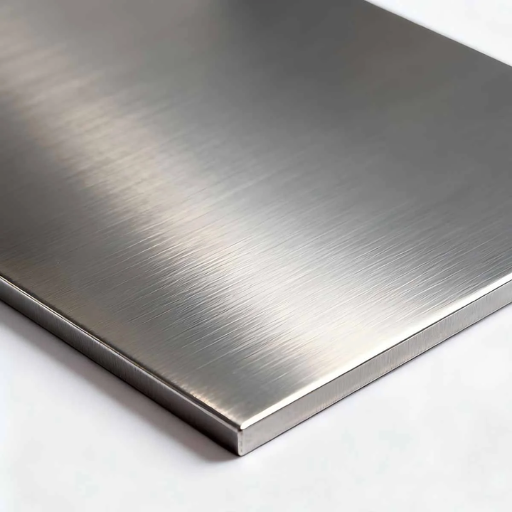
Rainwater drainage, geothermal systems, and chilled water lines in commercial buildings use TP304L pipe for durability and low maintenance. For projects requiring architectural exposure, our stainless steel sheet and pipe combinations provide matched aesthetics and performance.
Frequently Asked Questions
Q: What is the difference between stainless steel pipe and tube?
A: Pipe dimensions use NPS and Schedule to measure pressure capacity for fluid transport systems. The tube dimensions require exact measurement of its outer diameter and wall thickness for applications that need structural support and heat transfer, and precision measurement. Pipe tolerances are looser; tube tolerances are tighter. Always verify what your specification requires.
Q: When should I choose seamless over welded stainless steel pipe?
A: Specify seamless pipe for service pressures above 0.8 MPa, critical process lines, applications requiring 100% radiographic inspection, or where weld seam corrosion risk is unacceptable. Welded pipe is suitable for lower pressures, large diameters, and structural applications at 20-40% lower cost.
Q: Is 316L stainless steel pipe worth the premium over 304?
A: For chloride environments above 50 ppm, marine exposure, chemical processing, or food-grade sanitary service, TP316L is essential. The 25-40% premium is offset by longer service life and elimination of premature failure. For low-chloride indoor industrial service, TP304L is the cost-optimal choice.
Q: What does Schedule 40S mean for stainless steel pipe?
A: Schedule 40S is a standardized wall thickness defined in ASME B36.19M for stainless steel pipe. For NPS 2″ pipe, SCH 40S equals 3.91 mm wall thickness. The “S” suffix distinguishes stainless steel dimensions from carbon steel Schedules. Higher Schedule numbers indicate thicker walls and higher pressure ratings.
Q: What certification should I require for stainless steel pipe in a chemical plant project?
A: Minimum: EN 10204 3.1 certificate with full MTR including chemical composition and mechanical properties. For critical service: EN 10204 3.2 with third-party inspection witness. Always require hydrostatic test certification or NDT documentation per ASTM A312.
Q: Can stainless steel pipe be used for high-temperature service above 500°C?
A: Standard TP304L and TP316L are limited to approximately 425°C for continuous service to avoid sensitization. For sustained service above 425°C, specify TP321 or TP347 stabilized grades, which resist chromium carbide precipitation and maintain corrosion resistance at temperature.
Q: What is the typical lead time for duplex stainless steel pipe?
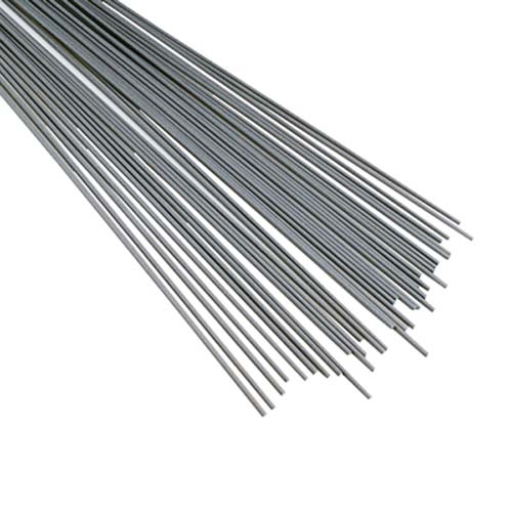
A: Duplex 2205 seamless pipe from stock typically ships within 2-3 weeks. Super duplex 2507 and custom dimensions may require 4-8 weeks depending on mill scheduling. Our stainless steel bar and pipe inventory includes standard duplex sizes for rapid dispatch.
Why Zhonggongte for Stainless Steel Pipe
Jiangsu Zhonggongte Metallurgical Technology Co., Ltd. manufactures and supplies stainless steel pipe from our Wuxi facility, combining in-house production capabilities with authorized global mill partnerships.
Manufacturing Capabilities
Our hot and cold rolling tube lines produce seamless and welded pipe across the full grade range: TP304/304L, TP316/316L, TP321, TP347, 2205, and 2507. Vacuum induction furnaces and electroslag remelting ensure melt cleanliness for critical applications. For related flat products, explore our stainless steel coil processing capabilities.
Quality Verification
Every pipe shipment leaves our facility with:
- In-house direct-reading spectrometer analysis
- Full Mill Test Report (MTR) per ASTM specification
- EN 10204 3.1 or 3.2 certification on request
- Dimensional inspection report
- Ultrasonic NDT for seamless critical-service pipe
Grade Range and Related Products
Our portfolio extends from standard austenitic grades to ferritic options, including 430 stainless steel for applications where magnetic properties and lower cost are advantageous. We also supply complementary stainless steel fasteners for complete piping system procurement.
Response and Logistics
Submit your material list or piping specification today. The metallurgical engineers assess application requirements to determine appropriate grades and provide cost estimates, which they deliver within 24 hours. We enable project timelines through our 24-hour warehouse operations, which work together with our worldwide freight management system across North America, Europe, Southeast Asia, and the Middle East.
Conclusion
Specifying stainless steel pipe correctly requires understanding three decisions: pipe versus tube, seamless versus welded, and grade versus operating environment. Get any of these wrong, and the cost extends far beyond the material invoice. Get them right, and the piping system delivers decades of reliable service.
The key criteria are straightforward:
- Match the form to the standard: NPS/Schedule for pipe, OD/wall for tube
- Match the manufacturing method to the pressure: seamless above 0.8 MPa, welded below
- Match the grade to the environment: TP304L for low chlorides, TP316L for marine and chemical, duplex for sour service and subsea
- Match the documentation to the project: EN 10204 3.1 for commercial, 3.2 for critical
The worldwide stainless steel pipe market maintains its growth trajectory as the welded pipe market value will exceed USD 6.82 billion by the year 2033. The Asia-Pacific region accounts for 58% of worldwide demand, while Chinese manufacturing capabilities provide purchasing teams with both affordable solutions and trustworthy product quality through international certification standards.
Please submit your stainless steel pipe specifications today. Our technical team will confirm grade selection, provide 2026 pricing, and outline delivery schedules within 24 hours. We supply, certify, and deliver products that range from standard TP304L process pipe to super duplex 2507 subsea lines.