Food-grade 304 stainless steel is UNS S30400 material that meets controlled composition limits, certified surface finish standards, and documented migration testing for heavy metal leaching. The grade number alone does not guarantee food safety; certification depends on the supplier’s quality control, testing protocols, and documentation.
Last quarter, a dairy equipment fabricator in Wisconsin received a shipment of 304 stainless steel plates with a standard mill certificate. The material appeared correct according to chemical composition standards and the product was priced at a competitive level. The batch failed a third-party food-contact audit three weeks after it passed all initial tests.
The supplier had not performed migration testing under GB 4806.9-2016 or verified surface roughness for hygienic contact. The fabricator had to spend $12,000 on re-work costs which resulted in their products being delivered later than scheduled to their customer.
Most procurement teams do not realize that this situation occurs frequently. Many buyers assume that “304” and “food-grade 304” are interchangeable. The two terms hold different meanings. This guide delivers the exact specifications, global standards, and verification steps your team needs to source certified food-grade 304 stainless steel with confidence, whether you are building pasteurization vessels, brewery tanks, or commercial processing lines.
Key Takeaways
- Food grade 304 stainless steel requires verified chemical composition (Cr 18.0–20.0%, Ni 8.0–10.5%), controlled heavy metal migration, and surface finishes meeting Ra ≤ 0.8 μm, not just the UNS S30400 designation.
- ASTM A240 covers plate and sheet, ASTM A312 covers pipe, and ASTM A276 covers bar; each form serves different equipment and demands distinct certification.
- GB 4806.9-2016, FDA 21 CFR 175.300, and NSF/ANSI 51 define the compliance frameworks for China, the United States, and North America respectively.
- Surface finish and passivation directly affect bacterial adhesion and cleanability; electropolished 304 outperforms standard 2B in dairy and brewery CIP systems.
- A valid Material Test Report (MTR) with spectral verification, heat number traceability, and migration test results separates certified suppliers from commodity traders.
What Makes 304 Stainless Steel Food-Grade?

Chemical Composition Requirements
304 stainless steel, also known as 18/8 stainless steel due to its approximate 18% chromium and 8% nickel content, is an austenitic alloy defined by UNS S30400. The exact composition limits that enable corrosion resistance in food environments are:
| Element | Composition (%) |
|---|---|
| Chromium (Cr) | 18.0 – 20.0 |
| Nickel (Ni) | 8.0 – 10.5 |
| Carbon (C) | ≤ 0.08 |
| Manganese (Mn) | ≤ 2.0 |
| Silicon (Si) | ≤ 1.0 |
| Phosphorus (P) | ≤ 0.045 |
| Sulfur (S) | ≤ 0.03 |
| Iron (Fe) | Balance |
The chromium content creates a self-repairing passive oxide layer which measures approximately 1–3 nanometers in thickness. The layer acts as a barrier that prevents rust and stops metals from leaching into food products that contain acid or salt. Food-grade applications require strict control over the chromium-nickel ratio. A batch with chromium at the low end of the range (17.5%) may still meet generic ASTM A240 requirements, but exhibit reduced pitting resistance in tomato-based or citrus processing environments.
Nickel stabilizes the austenitic microstructure, maintaining ductility and weldability. For equipment fabricators, this means 304 stainless steel sheet can be formed into complex tank geometries without cracking, provided the material is supplied in the annealed condition.
The Critical Difference: Certification, Not Just Grade
Standard 304 and food-grade 304 share the same base alloy designation, but they diverge in four critical areas:
- Composition control: Food-grade material requires tighter tolerances on heavy metal traces (lead, cadmium, arsenic) beyond standard ASTM limits.
- Surface finish hygiene: Industrial 304 may ship with a No. 1 hot-rolled, pickled finish. Food-grade material requires 2B, BA, or electropolished surfaces with documented roughness.
- Migration testing: Food-contact certification demands documented evidence that heavy metals do not leach beyond regulated thresholds when exposed to food simulants.
- Traceability documentation: Food-grade material carries heat-number-linked MTRs, migration test reports, and standard-specific compliance certificates.
A commodity trader may sell “304 plate” with a generic factory certificate. A certified supplier delivers food-grade stainless steel with spectral analysis, surface roughness confirmation, and batch-traceable compliance documentation. The difference determines whether your equipment passes the audit or fails on arrival.
Global Standards and Certifications for Food-Grade 304
ASTM and ASME Standards by Product Form
Food processing equipment uses 304 stainless steel in multiple forms, each governed by a specific ASTM standard:
| Product Form | Primary Standard | Grade Designation | Typical Food Application |
|---|---|---|---|
| Plate, sheet, strip | ASTM A240 / ASME SA240 | 304, 304L, 304H | Tank walls, conveyor belts, work surfaces |
| Seamless and welded pipe | ASTM A312 | TP304, TP304L | Process piping, CIP lines, dairy transfer |
| Bar and shapes | ASTM A276 / ASTM A479 | 304, 304L | Structural frames, valve stems, pump shafts |
| Forgings | ASTM A182 | F304, F304L | Flanges, fittings, valve bodies |
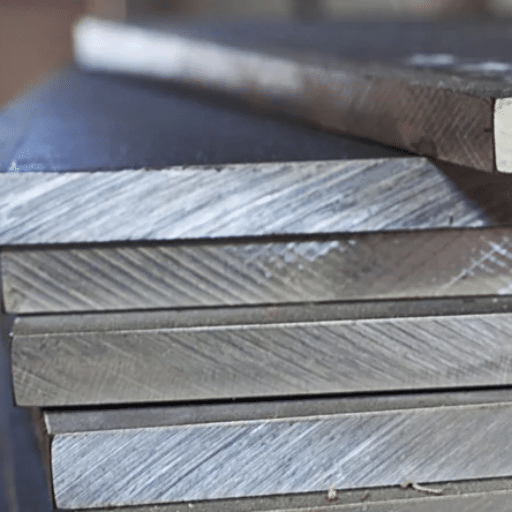
ASTM A240 specifies mechanical properties that directly affect fabrication and service life: tensile strength ≥ 515 MPa, yield strength ≥ 205 MPa, and elongation ≥ 40%. These values ensure that the 304 stainless steel plate for tanks can withstand internal pressure, thermal cycling, and weld stress without failure.
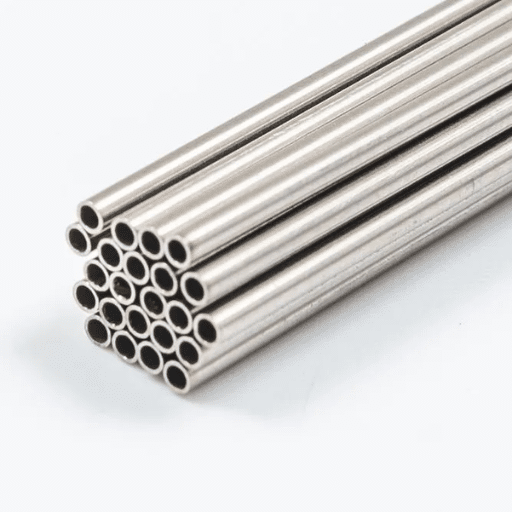
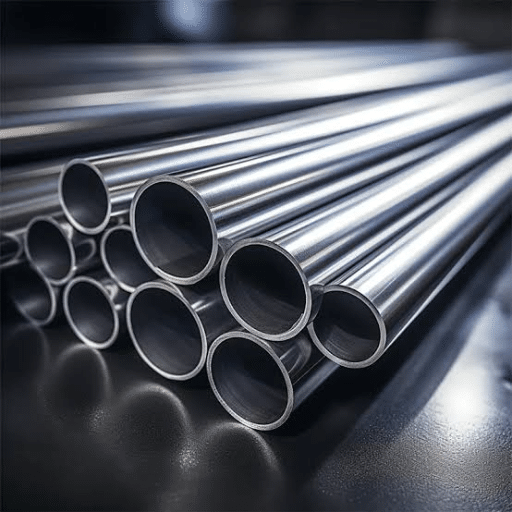
For pipe applications, ASTM A312 seamless pipe is the standard specification for food processing lines. TP304L, the low-carbon variant, is typically specified for welded systems to prevent sensitization and intergranular corrosion in the heat-affected zone.
Chinese Food Contact Standard: GB 4806.9-2016
For equipment exported to China or procured under Chinese regulatory frameworks, GB 4806.9-2016 is the mandatory standard. It specifies:
- Test medium: 4% acetic acid solution simulating acidic food contact
- Test protocol: Boil 30 minutes, then hold 24 hours at ambient temperature
- Migration limits: Lead ≤ 0.05 mg/kg, nickel ≤ 0.5 mg/kg, chromium and arsenic also regulated
- Surface requirements: Smooth, non-porous finishes (2B or BA) for food-contact surfaces
GB 4806.9-2016 complements ASTM mechanical standards by addressing the biological safety layer that ASTM alone does not cover. Procurement teams sourcing for Chinese markets should demand both ASTM conformance and GB 4806.9 compliance documentation.
FDA, NSF/ANSI 51, and EU Regulation 1935/2004
In the United States, FDA 21 CFR 175.300 establishes the framework for resinous and polymeric coatings in food contact. While 304 stainless steel itself is generally recognized as safe (GRAS) for food contact, finished equipment must comply with FDA regulations for surface treatments, passivation agents, and fabrication lubricants.
NSF/ANSI 51 certifies food equipment materials specifically. A supplier claiming NSF compliance should provide the NSF certification number and scope, not merely assert compliance.
EU Regulation 1935/2004 establishes standards for European markets that require materials to maintain their constituent elements at levels that protect human health from harm. The European standard EN 1.4301, which corresponds to 304, must meet specific migration tests that apply to food contact products that are sold throughout EU member countries.
You need to determine which standard applies to your chosen market. Our metallurgical engineers will determine your required certification package when you provide your equipment type and destination country information. The team will verify material availability within 24 hours.
Surface Finishes and Hygiene Requirements for Food Contact

Finish Specifications and Roughness Control
Surface finish determines bacterial adhesion, cleanability, and corrosion initiation in food environments. The accepted threshold for hygienic food-contact surfaces is Ra ≤ 0.8 μm.
| Finish | Roughness (Ra) | Typical Application |
|---|---|---|
| No. 1 (hot-rolled, pickled) | > 3.0 μm | Industrial vessels, non-contact structural |
| 2B (cold-rolled, bright) | 0.2 – 0.5 μm | General food tanks, processing vessels |
| BA (bright annealed) | 0.05 – 0.15 μm | High-sanitation dairy, pharmaceutical |
| No. 4 (brushed) | 0.3 – 0.6 μm | Visible kitchen equipment, easy-clean surfaces |
| Electropolished | 0.05 – 0.20 μm | Dairy, brewery, biofilm-critical systems |
The procurement manager Lin from a Shanghai-based brewery equipment OEM first approved a 2B finish from a budget supplier when she obtained a 304 plate for fermentation tank construction. The production process experienced three cycles before biofilm build-up required a complete CIP system replacement. The switch to electropolished 304 with Ra ≤ 0.4 μm resulted in a 35% reduction of CIP cycle duration while completely resolving the biofilm problem. The surface finish in food applications serves as a performance specification instead of a decorative element.
Passivation and Cleanability
Fabrication processes, machining, welding, and grinding, disrupt the chromium oxide layer. Passivation restores this protective film. Citric acid passivation per ASTM A967 is the preferred method for food-grade equipment because it avoids the environmental and safety concerns of nitric acid treatments.
The clean-in-place and sterilize-in-place systems need to use passivated 304 material for their operations because it can handle multiple exposures to caustic soda, phosphoric acid, and peracetic acid sanitizers. The weld areas and heat-affected regions of metal joints will develop pitting and bacterial growth when passivation is not properly executed.
Food Grade 304 vs. 316: When to Specify Each Grade
The Molybdenum Difference
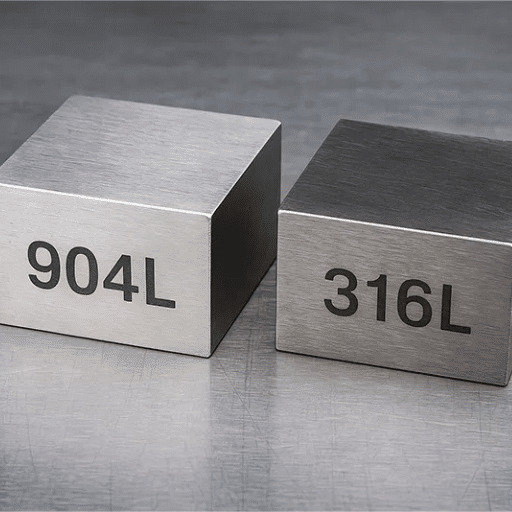
The single most important distinction between 304 and 316 is molybdenum. Type 316 contains 2.0–3.0% Mo; 304 contains none. This addition dramatically improves resistance to chloride-induced pitting and crevice corrosion.
| Property | 304 Stainless Steel | 316 Stainless Steel |
|---|---|---|
| Molybdenum | 0% | 2.0 – 3.0% |
| Critical pitting temp (6% FeCl₃) | ~15–20°C | ~25–40°C |
| Relative cost | Baseline | +20–30% |
| Best for | Neutral pH, low chloride | Salt, brine, acid, coastal |
For food equipment operating inland with neutral pH products, milk, soft drinks, baked goods, and standard brewing, 304 satisfies approximately 90% of requirements at a lower total cost. Specify 316 only when the operating environment demands superior chloride resistance.
Decision Framework by Application
Specify 304 for:
- Dairy processing: pasteurizers, HTST systems, milk storage tanks
- Standard brewing: fermentation and bright beer tanks with caustic/acid CIP
- Bakery and dry goods: mixers, conveyors, storage hoppers
- Neutral pH beverages: water, juice, soft drink handling
- Commercial kitchen equipment: worktables, sinks, exhaust hoods
Specify 316 for:
- Seafood processing: brine tanks, filleting equipment, coastal facilities
- High-acid fermentation: pickling, kimchi, vinegar production
- Aggressive sanitation: chlorine-based CIP systems, pharmaceutical-grade facilities
- Coastal or marine-exposed plants: any equipment subject to salt-air corrosion
Specify 304L or 316L for:
- Welded tanks and piping where the low carbon content (≤ 0.03%) prevents chromium carbide precipitation and sensitization during welding.
When a brewery equipment manufacturer in Wisconsin evaluated 304 stainless steel pipe versus 316L for a new fermentation system, the deciding factor was CIP chemistry. The client’s protocol used caustic soda and phosphoric acid, no chlorides. Our engineers recommended 304L with orbital welding and citric acid passivation. The customer saved 22% on material costs while achieving the same service life as a 316L system would have delivered in that environment.
Common Applications in Food and Beverage Processing
Food-grade 304 stainless steel dominates the global food equipment market, representing approximately 60% of all stainless steel used in food-contact applications. Its cost-effectiveness, adequate corrosion resistance in neutral pH environments, and excellent formability make it the default grade for most fabricators.
The dairy industry relies on 304 for pasteurization plates, milk storage tanks, cheese vats, and HTST system piping. The grade withstands repeated thermal cycling between 4°C and 85°C without creep or scaling.
Breweries use 304 plate and pipe for fermentation tanks, bright beer tanks, and CIP distribution systems. The smooth 2B or electropolished interior prevents yeast and protein adhesion, simplifying sanitation between batches.
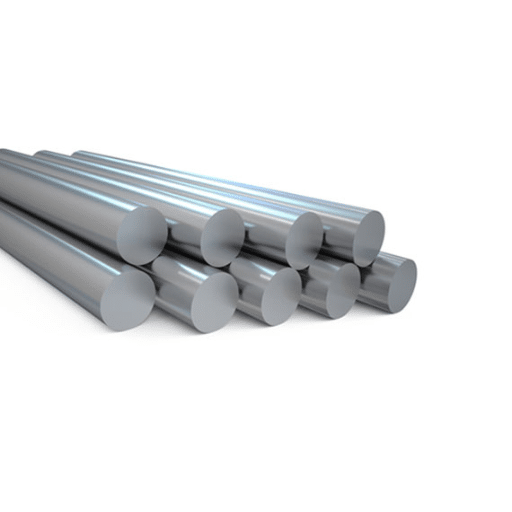
Food processing machinery manufacturers select 304 stainless steel bars for structural frames, drive shafts, and mixer components. While the bar may not directly contact food, it must resist corrosion from washdown chemicals and maintain dimensional stability under mechanical load.
Commercial kitchens use 304 sheet for countertops, backsplashes, and equipment housings. The No. 4 brushed finish hides minor scratches while remaining easy to sanitize.
The German food packaging machinery OEM acquired a 304 stainless steel bar to use for constructing conveyor frames. The bar did not contact food directly, so migration testing was unnecessary. The customer required both ASTM A276 conformance and mill test reports to complete their ISO 22000 audit. The procurement team verified that every bar shipped with a heat-number-linked MTR and spectral composition confirmation documentation that a commodity trader could not provide.
Procurement Checklist: How to Verify Food-Grade 304 from Your Supplier

Documentation Requirements
Before releasing payment, confirm that your supplier provides:
- Material Test Report (MTR) with full chemical composition verified by direct-reading spectrometry, not a generic factory certificate
- Food-contact compliance certificate referencing GB 4806.9-2016, FDA 21 CFR 175.300, NSF/ANSI 51, or EU 1935/2004 as applicable
- Heat number traceability linking your specific batch to the mill’s original certification and test data
- Surface finish specification stating the exact finish (2B, BA, No. 4, electropolished) and roughness value (Ra)
- Mechanical test data for plate and bar: tensile strength, yield strength, elongation, and hardness
Supplier Verification Steps
- Request a sample MTR from a previous batch before placing your order. Verify that it includes spectrometer results for all major and trace elements.
- Confirm which ASTM standard applies to your product form: A240 for plate/sheet, A312 for pipe, A276 for bar.
- Ask for migration test results if the material will directly contact food in the end application.
- Verify that the supplier operates in-house testing equipment, direct-reading spectrometers, tensile testers, hardness testers, rather than outsourcing all verification.
- For fabricated equipment, confirm welding and passivation protocols. Orbital welding with argon back-purging and post-weld citric acid passivation per ASTM A967 is standard for hygienic systems.
Red Flags to Avoid
- Suppliers who describe material as “food grade” without referencing a specific standard
- MTRs that omit trace element data or list only generic ranges
- Surface finishes that appear scratched, pitted, or oxidized upon receipt
- Missing heat numbers or inability to trace the batch to mill documentation
- Pricing significantly below market without explanation, this often indicates off-grade or counterfeit material
Priya conducted her audit of a Chinese supplier when she worked as procurement director for a Southeast Asian dairy cooperative during her last year of work. The supplier had 304 food-grade materials that lacked migration test documents, and their surface roughness exceeded hygienic limits at Ra 1.2 micrometers. She rejected the batch and sourced from a manufacturer with in-house spectrometry and GB 4806.9 certification. The initial price difference was 12%. The value of the health inspection risk that they avoided exceeded all other costs.
Conclusion
The UNS S30400 standard does not provide the complete definition of food-grade 304 stainless steel because its definition requires verification through composition control and surface finish certification, migration testing, and mill-to-equipment traceability. The procurement teams that treat “304” and “food-grade 304” as interchangeable make their projects vulnerable to audit failures and rework expenses, and supply chain interruptions.
The specifications are exact: chromium 18.0–20.0%, nickel 8.0–10.5%, tensile strength ≥ 515 MPa, and surface roughness Ra ≤ 0.8 μm. The standards are unambiguous: ASTM A240 for plate, ASTM A312 for pipe, ASTM A276 for bar, plus GB 4806.9-2016, FDA, or NSF as your market demands. The verification steps are straightforward if your supplier operates the right testing equipment and maintains proper documentation.
Jiangsu Zhonggongte Metallurgical Technology Co. Ltd. verifies each food-grade 304 stainless steel batch through direct-reading spectrometers, which provides complete material test reports that are traceable to heat numbers and surface finish verification, plus compliance documents that they send out. Our technical team understands the difference between commodity 304 and certified food-grade material, because we manufacture and test both.
Submit your RFQ today. Our metallurgical engineers will confirm the right grade, finish, and certification package for your food-processing application and respond within 24 hours.
Frequently Asked Questions
Q: Is 304 stainless steel always food grade?
A: The UNS S30400 designation describes the alloy’s basic composition but food-grade certification requires testing for heavy metal content, verification of the surfaces and assessment of product movement and preservation of all records. The mill certificate does not establish that the product meets requirements for contact with food.
Q: What is the difference between food-grade and industrial-grade 304 stainless steel?
A: Food-grade 304 stainless steel contains stricter regulations that control lead and cadmium content, and it demands specific surface finishes, and it comes with migration test reports and food-contact compliance certificates. Industrial-grade 304 may ship with standard mechanical properties but without food-safety documentation.
Q: Is 304 or 316 better for food processing?
A: The standard for processing food at neutral pH exists between 304 and 316 because 304 provides sufficient protection against corrosion at a lower price. 316 should be used only in environments that contain high levels of chloride, which occurs in seafood processing, brine handling, coastal facilities, and aggressive chlorine-based cleaning operations.
Q: What certifications should food-grade stainless steel have?
A: At minimum, an MTR with spectral verification confirming ASTM A240 / A312 / A276 conformance. For food-contact equipment, add GB 4806.9-2016 (China), FDA 21 CFR 175.300 (USA), or NSF/ANSI 51 (North America) as required by your target market.
Q: Does food-grade 304 stainless steel rust?
A: 304 resists rust in most food environments because its chromium oxide passive layer protects it. However, when materials come into contact with chlorides or salt or acidic foods for extended periods, the process of pitting corrosion begins. The process of passivation, which follows welding, along with routine cleaning, establishes protection against corrosion that starts to occur during typical operational conditions.
Q: Can I use 304L instead of 304 for welded food equipment?
A: Yes. 304L contains ≤ 0.03% carbon, which minimizes chromium carbide precipitation during welding. The process protects welded tanks and piping in food systems from intergranular corrosion, which occurs during the heat-affected zone.