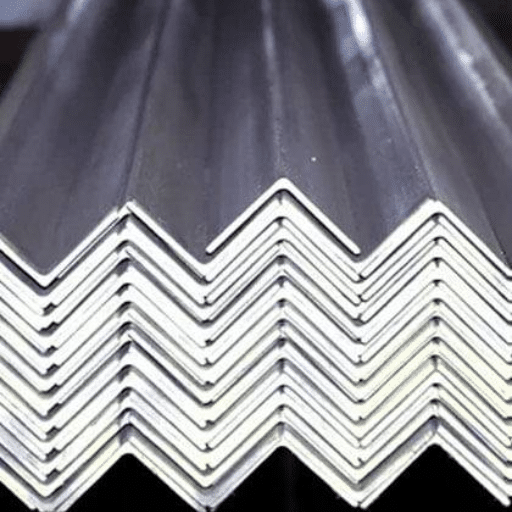
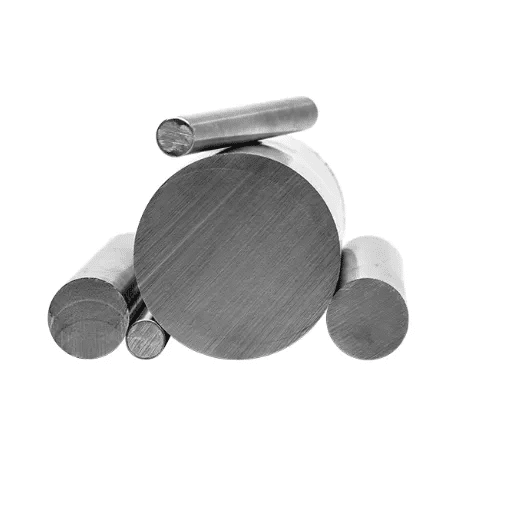
Monel alloys are remarkable in many ways, one of which is their advanced levels of sophistication in terms of material usage, which is warranted because of the robust anti-corrosive nature, high strength, and elongation properties of the said material. Basically, they are nickel and copper alloys that are atrocious in some of the corrosive conditions, thus becoming invaluable materials in the marine, chemical, and even aerospace industries. How exactly do these monel alloys separate themselves from the rest of the products? In this piece, such aspects as the characteristics of monel alloys, their advantages, and areas of application will be discussed, thus enabling you to understand why such a standard material of nickel-copper alloy is in demand. So, are you only looking for a better material to use in your construction, or does the concept of exploring alloys already captivate you? This is the post for you that is all about monel alloys.
Introduction to Monel Alloys
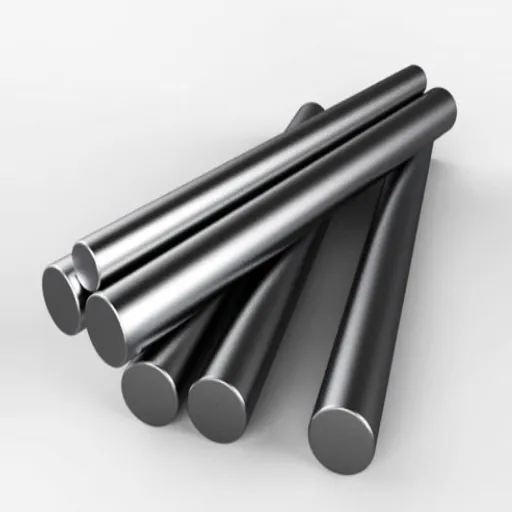
What are Monel Alloys?
Monel alloys are an excellent choice among metal alloys in critical construction, not only because they tend to be rather strong but also due to excellent corrosion resistance, among other properties. They contain about 63-70% nickel, 20-29% copper, and very small amounts of iron, manganese, carbon, and silicon, among others, and are manufactured for the purpose of extreme application. In 1906, these alloys were first devised using the machine patented by International Nickel Company, and immediately came to the fore because of their abilities and tolerances in seawater, acids, or alkaline environments.
Monel 400 is one of the most commonly used materials from this category. It has a tensile strength range of 482-690 MPa (70 -100 ksi) and excellent impact strength from cryogenic up to 1000ºF (538 ºC). Another variation of the alloy that attracts interest is Monel K-500, which is modified by adding aluminum and titanium, which increases the base alloy’s strength and hardness with no loss in the alloy’s properties in terms of corrosion.
Based on the aforementioned attributes, such monel alloys find extensive usage in the marine engineering industry, in the chemical processing and chemical production industry, aerospace as well as the oil and gas production industry, and so on. As an example, Monel 400 is very widely used in for example, pump shafts, seawater valves, or piping; however, regarding tools and devices intended for use in oil wells and having an increased strength, Monel K-500 is chosen over Monel 400. In turn, the characteristics that Monel alloys offer make them very harsh applications as they are hostile to the surrounding environment.
History and Development of Monel
The case of the monel alloys is especially captivating because the origins are traced back to the early twentieth century. Back in 1806, a man called Robert Crooks Stanley contested a patent and came up with Monel, initially named after Ambrose Monel, who was in the board of the International Nickel Company (INCO); at present, it is still known as Vale Limited. Its name, ‘Monel’, inclines towards someone in the company by the name of Ambrose Monell. The first types of ore-googly ads contained monel. Monel includes great resistors that achieve an effectiveness and durability rate even higher than nickel.
The creation of Monel involved the alteration of its raw form from nickel-copper intrusive scrap clay that was derived from Sudbury and had relatively acceptable protein content in terms of its copper and nickel composition, a condition that is fundamental in making the compound. It has, therefore, enabled the large-scale production of the said substance due to the ease and effectiveness of doing so. During these times, the Monel alloy was also developed and improved in the sense that the Monel alloys, including Monel 400, K-500 and R-405 grades, which the marine, aviation, and chemical fields needed in a desired manner. For example, the Monel K-500 was mixed with additional aluminium and titanium so as to increase the ageing strength and hardness.
Historical Note: Monel metal was used industry-wise for the first time during World War One due to the ability to manufacture a variety of products using monel alloys. The discovery of further monel metals family does not negate the fact that the tensile strength of Monel 400 is between 70000 psi and 100000 psi (483–689 MPa), while Monel K-500 attains a much superior strength as it is capable of withstanding any pressure within the range of 110000-160000 psi (758–1,103 MPa). Besides, the said material is in a position to work temperatures up to 1000°F (538°C). This clearly proves the significance of both in work performance.
Nevertheless, Progress in manufacturing efforts has gone in concert with Monel development. Veel in nyky modern applications, it is not possible to exclude the most important fabric – it is always Monel.
There is a shifting tendency in society that sees Monel as more than a mere material but also a very basic revolutionary concept that transcends the usual frontiers of engineering and material science. The years bring people perspectives fresh on monotastic monel, inspire ways to improve it, and develop options to lessen the impact of its redeployment economy. However, still and more than ever, this valuable material exists in various industries, and that is likely not to change anytime soon in the near future.
Significance of Corrosion Resistance in Metals
Metals have properties that advance the performance of a component in combat against harsh weather conditions, one of which is improved corrosion resistance. In order to keep the material under good structural condition, corrosion must be avoided because it causes the materials to wear off thereby destroying the integrity of the structure. This also implies that there may be more frequent visits to the garage for repairs and maintenance as equipment gets worn down faster, including infrastructure. For example, regional studies have shown that industry forecasts global corrosion spending to be around $2.5 trillion (about 3-4% percent of gross domestic product annually). Approaches are now being taken to show why one cannot actually disregard the need to use monel alloys and all such materials.
The most corrosion-resistant metal alloys on the basis of several factors, include stainless steel, titanium, monel alloys, and more. Take stainless steel, which, on the other hand, has chromium in it that facilitates the protective inert film and does not allow the metal to be exposed to a threatening environment. In contrast, Monel has significant nickel content, which also controls its susceptibility to chemical wear and tear and corrosion from seawater.
Industries mainly tailored to oil and gas, maritime, and chemical processes make more use of corrosion-resistant equipment than the rest. The insinuation here is that storage and drilling installations experience windows of exposure to corrosive materials, including hydrogen sulphide and seawater. When corrosion-resistant metals are used, the rate of corrosion is reduced significantly, and this has a direct effect on safety and cost control.
Today’s major efforts are aimed at securing more sustainable solutions. For instance, using nanotechnology to create surfaces with enhanced corrosion resistance. Firms are likewise committed to dealing with different eco-friendly anti-corrosion techniques, most of them dedicated to renewable energy, and completing their assignment.
Besides, in order to ensure sustainability, the costs of maintenance may be zero, and structural damage can be one hundred, and all that is because there will be societies in each industry that will use sorts of metals or Monel alloys, or any other emerging technology that is resistant to corrosion.
Properties of Monel Alloys
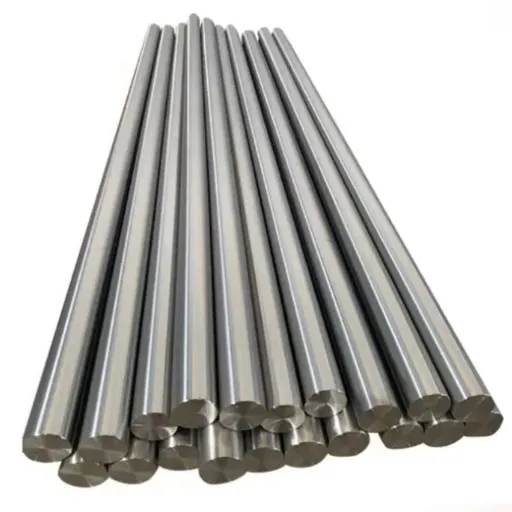
Chemical Composition of Monel Alloys
Monel alloys consists majorly of nickel and copper, retaining their uniqueness by its high corrosion resistance and high strength across different temperatures. The typical chemical composition of common Monel alloys, such as Monel 400 and Monel K-500, is as follows:
Special Note: Monel K-500, a type strengthened by age hardening, has small amounts of aluminum (reaching 0.35%) and titanium (reaching 0.85%) that are added into it for toughness and hardening purposes.
This balance of proportions empowers monel alloys to withstand oxidative reactions, acidic conditions, and harmful environments, including harsh seas. Consequently, they find application in aerospace, marine, and chemical engineering as well as oil and gas industries. Therein lies their advantage, as the elemental proportioning advantages help in making an item rigid but functional, even in demanding situations.
Mechanical Properties of Monel 400 and K-500
Since they offer effective mechanical characteristics, most especially Monel 400 and K-500, Monel alloys find high usage in environments where the industrial performance is expected to be high. Monel 400 offers high tensile strength, which is within the range of 70,000 psi up to 85,000 psi (or 480-585 MPa) and elongation of about 35% – 40%. This material remains strong and pliable even at subzero temperatures or temperatures in excess of 1,000°F (538°C).
Yet, Monel K-500 has performed better than Monel 400 in terms of strength and hardness because Aluminum and Titanium were added in such low concentrations that the effects were negligible. The maximum tensile strength of Monel 0 h NV (Rat) is in the range of 100,000 – 160,000 psi (690-1100 MPa). This material contains sources – stress or probably extension – strength banks from 55,000 – 115,000 psi (380–790 MPa). Nevertheless, when it comes to deep-sea or aerospace conditions, Monel-K 500, which can absorb heavy mechanical forces and does not corrode more than any other monelalloy is an ideal material.
There is no worry about stress corrosion cracking or the influence of fatigue due tothe saline water effect, and that characteristic makes them very useful in different parts of the ocean and shore. For the Monel 400, its benefit is observable in the installation or erection of piping systems in seawater, whereas the Monel K-500 is applied to more ABC components, such as valves and cut-off pumps. Given such attributes of monel alloys, these metals are used everywhere where any strength, durability, and corrosion-resistant properties exist.
Comparative Strength of Monel vs. Other Nickel Alloys
As compared to other nickel-based alloys, Monel alloys boast exceptional corrosion resistance in addition to their high strength. For instance, it can have tensile strengths ranging from 70,000 psi to about 85,000 psi, and a yield of around 25,000 psi to 50,000 psi equivalent, depending on the annealing performed. This is an indication of the relative range of strength and corrosion resistance applicable to light applications involving corrosive chemicals and seawater.
Actually, these extraordinary metals have good stretch at extreme as well as mild conditions. Both Inconel and Hastelloy Alloys are good examples of such attractive-looking non-corrosive metals with a remarkable tensile property. For instance, Inconel 625 treated by heat treatment, the formed heads that are done with plus 120, yes 120 thousand plus psi, could be sustained, and consequently, the field of repercussions that use such materials is this one is at 60 psi. There is another instance of Hastelloy C-276, which also deserves mention in the sense that mechanical working complies with the strength values. Ultimate tensile stress of the above-mentioned alloy is 115 thousand psi, which is 51000 psi yield strength. It is positive that these tools have been improved for high temperatures and chemicals; however, it is clear that monel alloys do better in waters that are salty, including seas.
Yet this is in the domain of marine usage that becomes apparent that the performance of the alloys is different. Of significance is the preference of the monel alloys as they are considered to be very resistant to stress corrosion and pitting corrosion drying as well as chloride-induced damage, which can lead to failure of some Nickel alloys in the ocean. Additionally, it is also important that Monel does not alter its structural abilities even under severely cold conditions, which is crucial for some applications, such as in aeronautics or transport or even chemicals.
It is for these specific uses that the other alloys, including Monel, are chosen. In light of the discussion, it is clear that the specific mention of monel alloys and their useful texture in cryogenic, halide, and corrosive corrosion sets it apart positively in the midst of all these other possible opportunities, which may account for the strength, if not the weaker structures, possible.
Applications of Monel Alloys
Industrial Applications of Monel Alloys
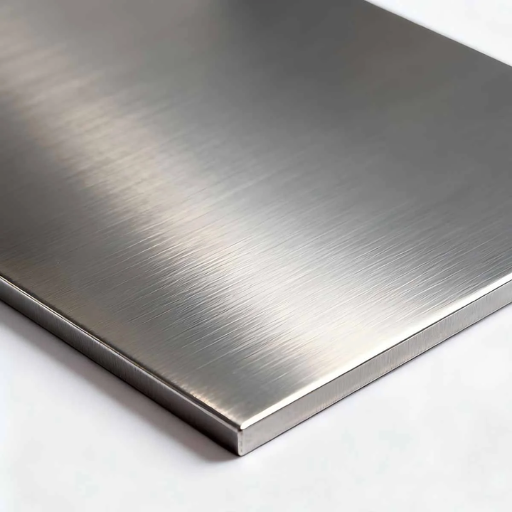
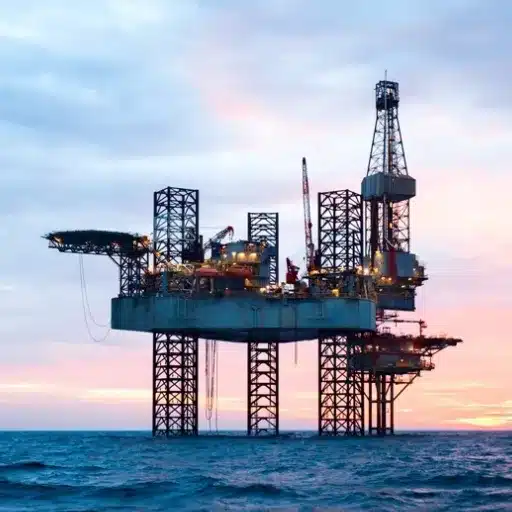
Monel alloys play a pivotal role in a range of industries due to their excellent anti-corrosion properties and high strength as well as durability, even in extreme environments. The most recent publications point out that the multiple uses of Brittany, particularly the Monel plates, nearly three-fifths of these are in the marine engineering sector, in which the material is known to a huge extent. To give an example, Monel 400 is widely utilized in shipbuilding for components such as gears, shafts, or even pipework for desalination.
Moreover, spray finishing of chemicals also involves a lot of monel alloys. This is because of its number of uses with many corrosive acids such as hydrofluoric acid, sulphuric acid, and the list is endless. Heat exchangers, reactors, and evaporators are just among them. For example, Monel K-500 itself is a development of Monel 400 with regard to corrosion resistance, but has better strength and hardness due to the Titanium and Aluminum content.
The development of new technologies and processes has effected an increase in the usage of monel alloys in the aerospace and oil and gas industries, among others. Cause, for example, the employment of monel in the construction of fuel and water tanks, offshore drilling, as well as the making of valves, is due to the fact that such materials are very essential at below zero temperatures. Monel comes in very handy because these fields museles are a fight for material that can support high temperatures and pressures and any other fluctuations in pressure and temperature.
Use of Monel in Marine Environments
Due to the high resistance of this alloy against corrosion and, more particularly, seawater, Monel is widely used in marine applications. The Monel, which mainly consists of nickel and copper, has exhibited exceptional resistance against damage by seawater. Additionally, it is interesting to point out that according to the recent performance evaluation, monel alloys such as Monel 400 and Monel K-500 show an approximate figure of corrosion rate as low as 0.02 mm per year in the sea waters, while the same condition is not conducive in the case of stainless steel.
Key Insight: Monel alloys demonstrate a corrosion rate as low as 0.02 mm per year in seawater, significantly outperforming stainless steel in marine environments.
Therefore, this trend has been effectively controlled by load-bearing elements made of aluminum alloys. Most ship components are made of Monel, and its varieties include propellers, chimneys, pumps, riser pipes, etc. Likewise, Monel alloy is also extensively used in standing rigging of sailplans, chains, and liners. Due to the tough nature of this material, it ensures minimal repairs and high durability of components, which is very crucial in the shipping industry.
Advancements in the monel alloys technologies have enhanced both physical and/ or chemical properties of these materials. For example, Monel K 500 derives its elevated strength and corrosion resistance from the presence of aluminum and titanium, which are responsible for its outstanding properties against pitting and crevice corrosion. This has made Monel one of the alloys considered in marine-based applications with high stress extortion.
Monel Pipes and Fittings: Overview and Benefits
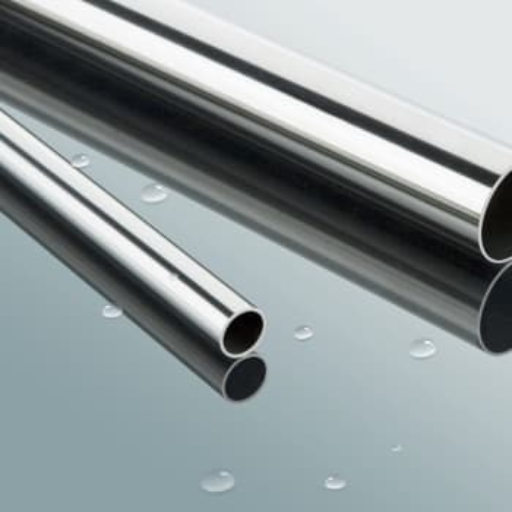
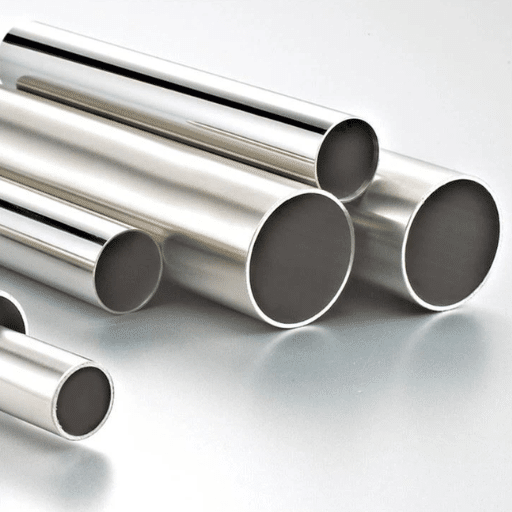
Monel pipes and fittings are considered good for a long period of time, and interior diameters are protected against the most harsh environments. In this respect, they are widely used in the marine, chemical, oil, and gas industries. Monel pipes as well as fittings are mainly designed with Monel alloys 400 and K-500, which have high resistance with respect to water, acids, and bases. When it comes to the structural integrity of the alloys, these two Monel alloys can withstand high temperatures and pressures due to their strength and the absence of cracking during highly-stressed incidences.
In most designs, Monel pipes are used in seawater systems, heat exchangers, or offshore platforms because they are able to resist aggressive environments. For example, it has been highly confirmed from numerous studies that monel 400 supports temperatures up to 1,000 degrees Fahrenheit (537 degrees Celsius), and since those temperatures are involved in the processing of events such as those involving the sea it is correct to state that this form of monel alloy is still also usable.
In the same vein, parts such as elbows, tees, reducers, and flanges are firmly attached and put up a good fight against pitting and crevice corrosion; these are the most common fitting styles. The model in these circumstances demonstrates that the rate of corrosion of these Monel alloys will not exceed 0.025 mm per annum in nearly all very aggressive environments. This has remained responsible for this alloy, being one of the best and safest ideal for restoration or such other crucial use.
Studies reveal that these anti–wear linings contribute in enhancing the life of monel conduits and fittings, hence reducing the expense of maintaining them. Such much-appreciated inclined traditional manufacturers are greatly appreciated because they have their share of costs when machines break down. Monel’s superior properties in most cases are still available in many applications where there is a necessity of mallets and tined structures.
Advantages of Using Monel Alloys
High Strength and Excellent Corrosion Resistance
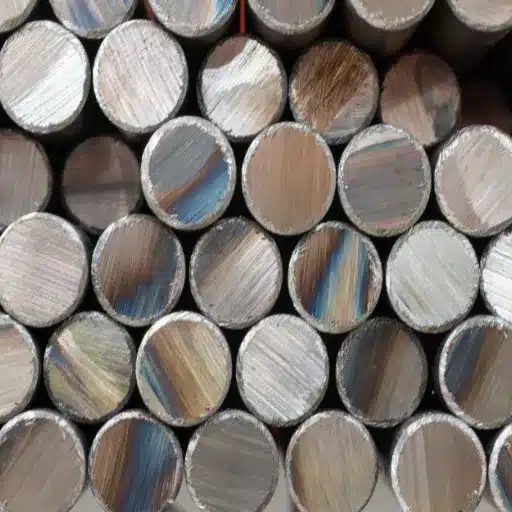
Monel alloys are highly sought after for their high strength and excellent chemical stability, even in the most aggressive media. So, there are some operational features such as marine engineering constructions, chemical engineering systems, and aircraft manufacturing, i.e., Monel is used. For instance, Monel 400 is also usable with tensile strength that varies between 70,000 and 100,000 psi (pounds per square inch) depending on the formula figures and production. To be more precise, the Monel K-500 modified composition realizes the benefits of Monel 400 but becomes even better as it is possible to undergo age hardening of the titanium-based alloy since its composition with aluminium elements of this kind of Monel contains elements allowing for age hardening, hence fortifying such metal.
A distinct feature of the monel alloys is their high ability to withstand corrosion, especially because they are very resistant to different kinds of seawater pitting and crevice corrosion, as well as stress corrosion cracking. Monel 400, for example, possesses this quality for extended periods of time even in brine. Such a conclusion is based on research showing how well the material performs in high chloride ion concentration environments where other materials succumb to rust. Considering the fact that Monel K500 possesses very good hydrogen sulfide resistivity, it is the preferred candidate for applications involving sour gases.
Analysis of publications and statistics available indicates that the situation, however, has changed over the last few years. In descaling apparatuses, Monel has been increasingly utilized in recent years due to its better resistance to seawater compared to stainless steel counterparts. This attests to the changing demand character everywhere, during which it is possible to observe a general increase in price of any material to Monel, as it is expected from the consumers, to achieve the higher levels of performance and durability. Furthermore, these properties, as well as the favorable fabrication processes, lead to a very important application of monel alloys in several structures where what is being done cannot and should not fail.
Cost-Effectiveness and Longevity
Monel alloys may reach higher price levels compared to other frequently used materials like stainless steel, but in the longer term, these materials yield economies of scale. According to current information received, Monel is associated with little deterioration of infrastructure and consequent low service expenditure. For example, some of the studies assert that it is feasible to extend the lifespan of monel alloys in contrast with ordinary steel by 3 times in the corrosive environment of the sea. This eventually contributes to mitigating the replacement and repair expenses among the learners.
Economic Advantage: Monel alloys can extend lifespan by up to 3 times compared to ordinary steel in corrosive marine environments, significantly reducing replacement and repair costs.
Additionally, the metallic element has high resistance to both temperature and corrosion, which is advantageous in industries such as desalination, aviation, and chemical plants. Other commercial bodies engaging in such areas can carry out activities for much longer periods of time than others. This is supported by another report, which projects that the demand for Monel is forecasted to grow at more than 5% annually from 2023 to 2030, attributable to the exceptional use of the metal in extreme operational conditions. This, in essence, means that Monel is indeed a masterpiece in engineering and other associated factors, namely, it is a financial structure of organizations that are ready to spend more money now to make more profit later.
Performance in Harsh Environments
There is a wide variety of monel alloys, though they have a key feature that they consist mainly of nickel and copper. Its structural integrity is maintained over a period of time, even in the presence of seawater and other chemicals like acids and alkalis. It protects from structures that causes crack, comprising Sulphates and Chlorides in protection systems used in flowlines, molded flow hoses and piles, forensic TRAC- LOON, and medical applications. Hence, this alloy is used in the production of marine equipment, offshore facilities, and other chemical processing apparatus.
It is becoming evident that because of the presence of monel alloys in certain industries, up to 20% of the total costs of equipment have been reduced as a result of lower expenses spent on both the repair works and replacements. Take, an example for instance, in the maritime industry where propeller shaft sealing and underwater valves made out of Monel will not easily break down due to constant wear in the saline environment. Moreover, it can be said that monel alloys are able to perform outstandingly in very low temperatures as well as in high temperatures, which could be around 800 degrees Fahrenheit (427 degrees Celsius) and above, a distinctive intrinsic that commands their usage in the aeronautics and energy industry without compromise.
Including such an alloy among available options also circumvents the unsustainability issue. Being a highly recyclable alloy (greater than 90%) and one with a considerably longer service time than other alloys makes such a product viable for development in line with the global trends. This can be regarded as an evolution and even revolution changes which included the application of Monel for the construction of hydrogen fuel tanks and pipes. What is more, its anti-HE performance for this purpose is second to none.
Sustainability Highlight: Monel alloys are highly recyclable (>90%) and offer extended service life, making them an environmentally responsible choice aligned with global sustainability trends.
In this regard, It provides a solution to inefficiency and productivity, overhead management and elongation of equipment use even in the harshest weather conditions while Monel still keeping out of sight the fact that they are seeking to be modern and eco friendly in equal measure thus the need for strategic material.
Reference Sources
Machining feasibility and sustainability study on end milling of Monel (K-400)
This study explores the sustainability and machining processes of Monel K-400, focusing on its feasibility in end milling applications.
Non-conventional machining of Monel-400 alloy: A critical review
This review analyzes non-conventional machining techniques for Monel-400, supported by a systematic literature search.
Frequently Asked Questions (FAQs)
❓ What Makes Monel Alloys Unique and How Are They Different?
Monel refers to a broad class of metallic compounds where nickel and copper are the primary components. These alloys possess strong and corrosion-resistant characteristics. Take, for example, the Monel 400. This approximately contains 67% nickel and 30% copper. It also includes traces of iron, manganese, carbon, and silicon. One of the most important characteristics that differentiates monel alloys from others is their resistance to extremely harsh conditions, such as acids, seawater, and even destructive chemicals, including hydrofluoric acid. Also, one of the grades of this alloy is said to have very low susceptibility to hydrogen embrittlement and as such, is highly adaptable in most industrial procedures.
❓ What Are Some Applications of Monel?
Superalloys like IdeMonel are used in such sectors for so many purposes without a sense of maritime engineering, chemical treatment, aviation, and even oil & gas drilling being missing. It can overcome almost any seawater-related wear and tear, which is why it is used in making propeller shafts, pipelines, and submersible impellers. What is even more intriguing is the fact that Monel also retains enough strength even at high temperatures and highly corrosive environments, making it an ideal material for firefighting tanks, exchangers, tubing, and hydrogen vessels. Another application of such substances will be in the manufacture of components in high-pressure and high-temperature-resistant aerospace parts.
❓ How do we compare Monel vs Stainless Steel?
To provide a general understanding, Monel is one of the materials that belong to the group of corrosion-resistant alloys. Monel has much better performance over stainless steel in nearly all extreme conditions. The reason behind this is that Monel is much more efficient in avoiding corrosion than steel in acid, alkaline, and saline environments. But, if we consider the price aspect, Monel is very expensive due to the high percentage of nickel in its content, among other things, and is quite rare. The use of such material in industries is therefore limited only to the purposes of industries where very much needed.
❓ Can Monel Be Used to Store and Distribute Hydrogen?
Exposing metals to hydrogen presents the greatest risk. Metals tend to become brittle and crack with time. Monel alloys can resist high-pressure hydrogen gas. Hydrogen is safely dealt with as an element that permits storage and transportation facilities of hydrogen. It is thus relevant for the implementation of such energies, green and clean environmental policies, and any other hydropower advancements.
❓ Do those monel alloys have high operation temperatures?
Yes, even monel alloys work under elevated temperatures. The reason behind that is that these alloys neither compromise structural strength nor get corroded at high temperatures. This is the reason why they are utilized for constructing heat exchangers, boiler stands, and other parts of a furnace. Consequently, the ability to withstand higher temperatures is one reason allowing Monel to find extensive use across various sectors that cope with temperature change.
❓ Are There Any Downsides to the Use of Monel?
While the pros of Monel are obvious, there is no artificial material that is flawless. The most obvious reason is the cost, since there is a high level of nickel in it, which drives up the cost to make it, hence it may not be purchased at the price of stainless steel. In other words, Monel also has the disadvantage of being a very active and highly pure metal whose contact with other metals results in galvanic effects. All of these Functioning Aspects must be considered while examining the benefits of monel alloys in such applications.
Final Thoughts
Monel alloys represent a sophisticated engineering solution combining exceptional corrosion resistance with high strength and durability. Their unique nickel-copper composition makes them indispensable in marine, chemical, aerospace, and oil & gas industries. While the initial investment may be higher than conventional materials, the long-term benefits in terms of reduced maintenance, extended service life, and superior performance in harsh environments make Monel alloys a strategic choice for critical applications.