Some people may find that cutting a metal sheet made of stainless steel seems to be a very straightforward task. After all, its material is known to be resistant and durable. Such fears, however, can be overcome because with the right tools and methods, even a complete novice as well as an industrial fabricator/DIY builder can be able to learn how to cut stainless steel sheet metal correctly. The next part provides some tips on how to cut these different thickness sheets. Consider that up to 32 oz thick sheet metal, which is used in construction, is available. You will learn how to cut inner panel materials of buildings, how to utilize different tools, and be ready for any operation, carried out easily and efficiently. Get your hands and your efforts ready, because it is now time to do some metalwork!
Introduction to Stainless Steel Sheets
Understanding Stainless Steel Sheet Metal
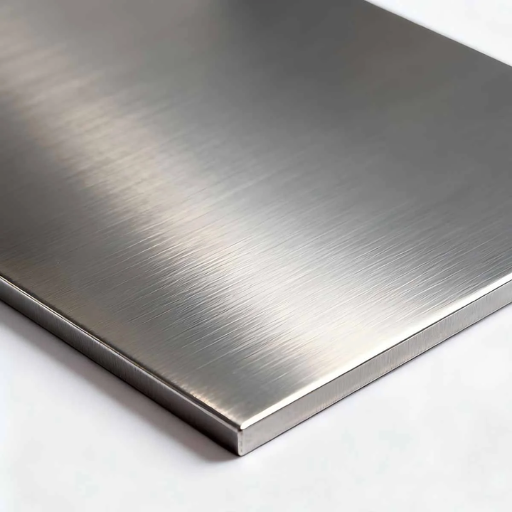
From the housing of microwaves in every household to the aluminum number plates of the vehicle, the use of stainless steel has always been proven to be a better material in the industry. It is a metallic element that consists of iron, chromium (about 10.5%), and also contains components such as nickel, molybdenum, and manganese, etc. It is possible to prevent this form of metal from rusting or corroding due to the fact that it is made of steel and is alloyed with other metals, which cannot corrode due to the action of Environmental factors.
In modern mechanical engineering, stainless steel sheet metal has a wide range of applications, and among all types and grades, the following can be singled out as the top three grades: 304, 316, and 410. Consumers often like the 304 grade since it is resistant to almost all forms of corrosion and is also inexpensive, while the 316 grade is the better of the two in a number of respects, especially where there is a risk of corrosion from seawater or any corrosive substances due to the presence of Molybdenum. In the year 2022, it was anticipated that a total of over 58 million metric tons of ss would be produced worldwide, signifying that the element was extensively used in the current engineering industry.
These sheets have been manufactured in varying thickness attn: gauges symbol/id ). For example, the use of smaller, colder size 24 gauge chilly 0.025 inch steel sheets is employed more in the home equipment or for decorative purposes, while on the other hand, for load-bearing structures more massive 0.135 inches in thickness of the sheet is used, which is a 10 gauge steel sheet. These sheets come in different colors as well as stainless steel sheets, among which there are white and grey shiny finishes, as well as matte finishes and textured finishes that are applied for the texture of a sheet.
Many shortcomings occurred when fabricating stainless steel sheets and the finishing works, even though efforts were made to ensure that these errors did not arise. Recently, manufacturing processes, including laser cutting and CNC machining, have greatly improved the accuracy and capacity to fabricate stainless steel sheets. In addition, on the topic of stainless steel sheets, it should be noted that it is general knowledge that this kind of material, other than being resistant to attack by corrosion, is 100 percent recyclable.
Common Applications of Stainless Steel Sheets
Stainless steel sheets are used in various industries because they are resistant to wear, do not rust, and come in various forms that can be accommodated in the user’s specifications. Stainless steel sheets can be implemented in various sectors in the field of construction.
- Construction and Architecture
Stainless steel sheets are extensively used in architectural components, such as claddings, roofing, and structural supports. The beauty of these materials, in addition to their durability, allows for the completion of modern designs. Information pertaining to the industry reveals that approximately 20% of the stainless steel that is manufactured yearly is put to use by the global construction industry. - Automotive Industry
Lightweight but durable, stainless steel plays an important role in the production of car body shells, exhaust mufflers, and decorative elements. The receptive nature of the automotive industry towards sustainability factors like exhaust gas recycling in vehicles has passed on to the use of stainless steel. Apart from even reducing the demands for new stainless steel, industry studies point out that over 60% of the stainless steel used in cars is a reused material. - Food and Beverage Processing
In case of kitchen appliances, food-processing installations, and brewing stations, stainless steel is a preferred option thanks to the material’s smooth, inert, and hygienic properties. The expansion of the worldwide food and drink production sector, taking into account the adoption of stainless steel equipment, results in an estimated increase of approximately 4% on a yearly basis in demand for stainless steel sheets. - Medical Equipment and Healthcare
Surgical tools, hospital equipment, or even implants could hardly be imagined without the use of stainless steel sheets. This comes from its exceptional resistance to rust and sterilization quality. In looking at the manufacturer projections of the medical instruments industry, which are expected to grow by 6-7 % globally for the next decade, stainless steel is in the present and in the future a material that is sure to have demand. - Energy and Environmental Applications
Various clean energy schemes, such as solar power facilities, wind power plants, and the manufacturing of hydroelectricity, rely heavily on steel. The survivability of stainless steel under tough environmental challenges designates it as a necessary procurement for clean energy structures. Thus, by 2022, tens of millions of tonnes of stainless steel are said to have been utilized, as global energy reviews show.
This versatility, which is proven by the data provided, serves to underscore the continued relevance of stainless steel plates in spearheading creativity within a diverse category of sectors.
Factors Influencing the Cutting Process
Several factors go into ensuring the quality of the manufactured stainless steel product, including the level of thickness of the material, fabrication processes, and processing parameters. These affect surfaces continually and depend on customers’ orders. Material thickness plays an essential part in this, since as the stainless steel sheets are thicker, one then requires more energy, and more advanced means of cutting, such as plasma or laser-based ones, need to be used. Interestingly, laser technology presents no such challenges; it works perfectly well on thin sheets and does not leave any wastage on the materials. Research has been published indicating that more than 9% per year is expected as the growth in laser cutting in the future. This is caused by the growing need for this technology in industrial and building sectors, especially in the period 2023 to 2030.
Some other factors to be taken into consideration when choosing the best way of cutting, depending on the part and the quantity, are the levels of precision that can be achieved and the reason for the end product. Especially interesting for steel, titanium, and other high-speed machining components are applications of 5-axis cutting or laser cutting. More and more flat sheet fenestration fabricators are transitioning from CO2 lasers to fiber lasers. Moreover, there is an interesting case study of the most significant drop in the service life as a result of the introduction of some new machines. Among the recent data, it is claimed that in 2023, the market share of laser cutting will be dominated by fiber lasers and will increase further in the year after that.
Without the consideration for the hardware specifications, the cutting methods that will be used, amongst other factors, are primarily influenced by an understanding of such precautions. Such precautions as the use of more advanced cooling systems along with appropriate cutting speeds are taken to avoid the occurrence of warpage on the resultant product and to minimize finishing errors. It is also appreciated how substantial waste and recycling are nowadays, which has served to change the majority of people’s thinking. Efforts to reduce the waste generated by a factory or a certain process are fast becoming the thing, as the argument presented’s ultimate goal as far as advancement in green technology is concerned, is the balance between productivity development and consumption of resources, with maximal protection of the environment.
Consider conditional costs when determining the most appropriate cutting techniques. Associated expenses may include costs other than the machine and power as well as maintenance expenses. It is acceptable to increase the first cost outlays if it ensures that there is no need to spend the money in the future on correcting errors and expansions. It should be realized that in the next 4 years, the stainless steel market is expected to grow and exceed $200 billion. In this regard, the quest for efficient and safe cutting methods is still a pressing issue for industrial enterprises in the entire world.
Basic Methods for Cutting Stainless Steel
Hand Shears: Ideal for Thin Stainless Steel
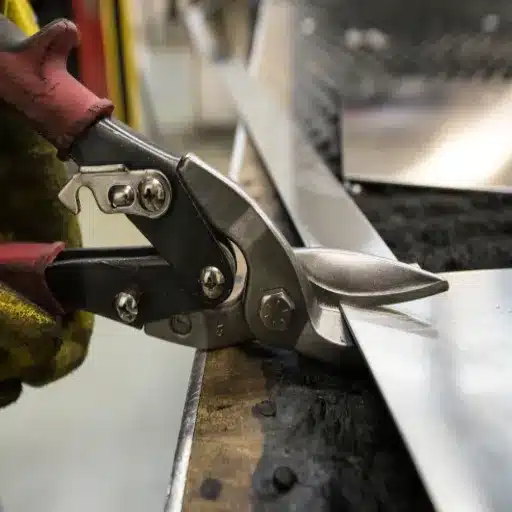
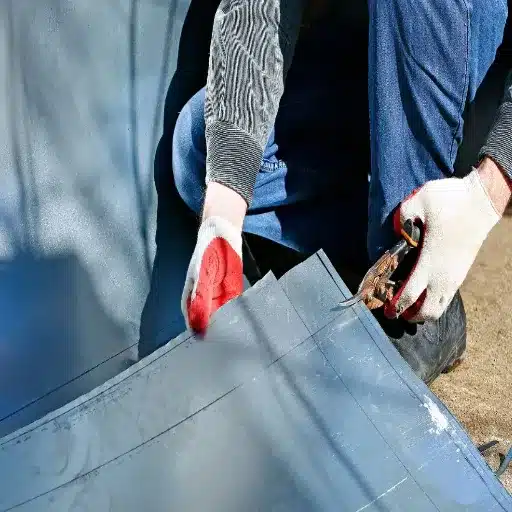
When it comes to sheet metal fabrication, it is definitely possible to use hand shears as an effective and cost-effective method for cutting steel. For instance, they can be very useful when dealing with light-weight structural steel works or, in simpler terms, when materials used are not more than 18 gauge thickness, approximating to about 1.2 mm, other than these range sheets or coil. They are also suitable for use for smaller tasks that may involve more intricate cutting ability as well, because they are very accurate and systematic learners who tend to make use of user-friendly gadgets. A source further indicates that even though operating the hand shears for manufacturing construction is with a monaco pendant, there are many such activities performed with the help of the hand shear design, which include fixing light gauge stainless steel parts and also building and designing beautiful shapes that are beautiful for such purposes.
A great deal of progress has been achieved as far as the design features of handheld shears (items that wear cuts a material), like the introduction of scissors in sports or athletics is concerned. Such is the case with the adoption of an ergonomically designed handle which also has a pair of specifically sharpened edges made of a hard enable to carry out precise operations requiring sharp edge cuts with little or no physical human exertion. This type of shears would obviously be of no use for thin stainless steel, as the cutting operations that are normally very heavy and precise need to be executed using dies instead of any abrasive manual operations. People are the most clamoring for such items and their) professionals who are skillful in working with light steel and especially stainless steel would be able to access them with no problem.
Using an Angle Grinder for DIY Projects
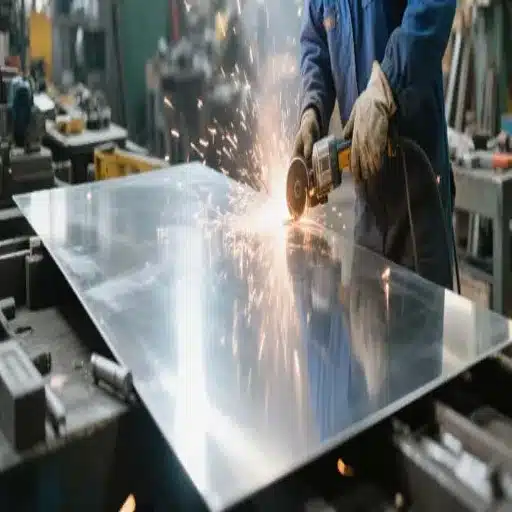
One of the most popular modern additions to the home toolbox today is the electric grinder. It is both a hand and power tool, and it is favoured by artisans, crafters, and mostly design makers. The polishing of metal, or we can say grinding, or even sanding with such equipment as the electric grinder, is also possible for wooden and concrete surfaces as well. The use of an angle grinder saves energy that could be spent on doing a lot of extra work of finishing the raw material. Current information identifies power tools to have a 500-2500-inch/pound range and or containing speeds of a 2800-to-11000 per minute mark. The latter is subject to its number. Such figures promote their advantage in addressing a variegated range of problems – from ridding rusty cruxes to punching out the steel bars or even trimming some tiles.
Most people enjoy the flexibility offered by the angle grinder due to the relatively full range of angle grinder attachments available. This will help them arrange the topology of the working space in a way that suits the needed task and the material at hand. For example, you are able to apply a diamond blade and cut through stone and thick steel, and you can also use a flap disc to smooth metal surfaces. Among hobbyist-workers, the cordless-style angle grinders are becoming more and more trendy as all the tasks can be done almost with ease thanks to the batteries with ion technology.
On the other hand, safety measures should be a top priority when using and handling an angle grinder. According to the precautions stated, the machine handlers should put on safety clothes, such as gloves, goggles, and earplugs, due to the risks of carrying out metal grinding. Surely, such efforts are important because some statistics show that unnecessarily trying to pressure the grinder may lead to injuries. In such situations, it is advisable to control the operations of each machine by the weights and speeds. It also increases the quality and accuracy in various DIY works to a good extent, as long as the grinder is properly used and the necessary cutting or sanding accessories are in place.
Cutting Stainless Steel Sheet with a Circular Saw
When cutting a stainless steel sheet metal using a circular saw, a number of precautions should be taken to avoid accidents. To begin with, there is a need for a quality circular saw with a carbide-tipped blade of the appropriate diameter for metal cutting. The use of such blades helps to manage heat resulting from the cutting process and extends the blade’s life since they do not break easily. Carbide-tipped blades, according to the latest studies, can cut stainless steel within extremely short times as compared to ordinary blades due to the absence of substantial damage.
First, mount the stainless steel sheet with clamps, so it stays in place as you cut it. This is essential to eliminate vibrational tendencies or even breakages, especially of longer sheets. Within reasonable limits, a marker must be used on the metallic surface before cutting. Multiple passes may be required in order to cut stainless steel sheet metal: the best speed of the cutting tool, however, is always moderate to prevent heating of the panes.
In addition, various manufacturers also recommend applying lubricants or spraying the cutters with necessary fluids so as to reduce friction and heat generated by the blades. It has been shown that using coolant or oil can reduce the cutting temperature by an approximate 30%, which is an excellent thing in terms of runnability of the tool as well as reduction of burrs. All the same, cutting could where it does not allow should by default involve an active air flow and it’s therefore advisable for rescuers to put on gloves to protect their hands from cuts, put on a full face visor for when there is a potential of cutting steel or any stainless type of material as they can easily become fine sharp missiles if hit or touched when breaking. These practices help achieve precision and quality in cutting the material in a controlled environment. It was obvious that cutting stainless steel sheet metal involves a very high degree of friction and heating, which is also detrimental in the form of slugs coming out, hence it is necessary to use lubricants.
Choosing the Right Technique Based on Thickness
Thin Sheets: Methods and Recommendations
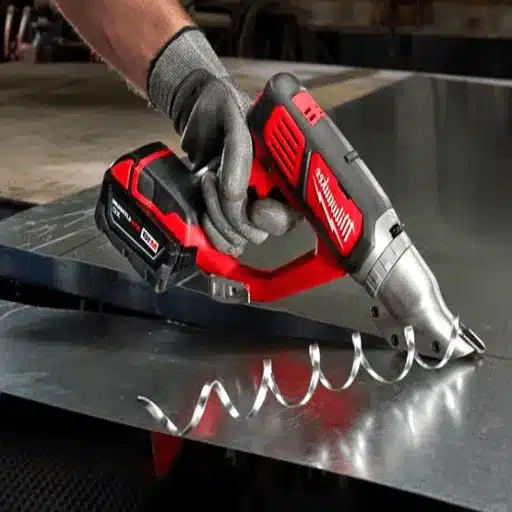
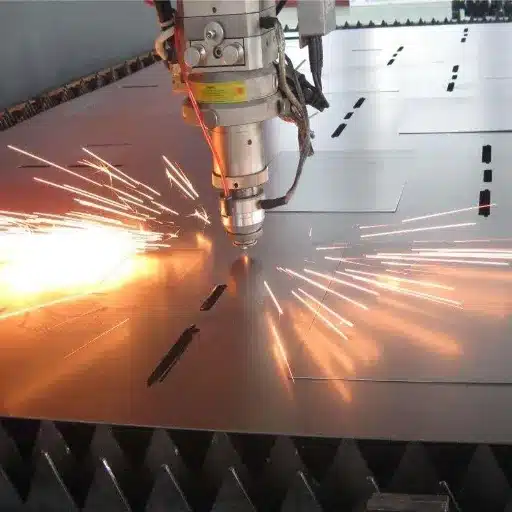
There are several methods that one can apply to shear, or rather cut, thin sheets of stainless steel. By a stainless steel sheet being studied in this context, it means a sheet plate that is less than 5mm thick. Therefore, tin snips, clippers, or a beam laser will be applied. In particular, tin snips are characterized as affordable yet versatile tools, hence are easily and commonly used at home, on small-scale projects, while electric shears are good for more advanced projects. While making use of the shears, the complex patterns can be cut using the tool at the same time; the material does not lose its shape.
Among the above-described procedures, it can be stated that Laser Cutting is a more recent one in that it facilitates maximum precision. According to the literature, the current laser cutting machines are capable of tolerances +/- . 005 in or so, which is ideal for quite a number of detailed operations. It permits melting or evaporation, hence a uniform edge is formed, where it does not require much sanding or slicing of the component. Nevertheless, thin metal plates can be cut using a laser cutter at a rate of up to 20 m/min, thereby providing maximum efficiency in the processes of these types of heavy constructions.
Obviously, you can always utilize handy tools as they are inexpensive and accessible, although professionals recommend keeping in mind the CNC machines for the same quality and performance. Once the best possible choice in accordance with the nature of work is made, cut stainless steel sheet metal plates with improved dimensional accuracy and surface finishing will be achieved, and any other losses, including material, will be minimized.
Thick Stainless Steel: Industrial Techniques Explained
When it comes to thick stainless steel, one is confronted with hazards as it tends to be resistant, strong, and a good conductor of electricity. In recent times, increased performance in industrial techniques has assisted in the easier mastering of this tough substance by adepts.
- Laser Cutting
Laser Cutting is highly preferred in thick stainless steel, mainly because it achieves clean cutting even if the steel is to be cut in a complicated shape. Nowadays, fiber lasers are capable of cutting such thicknesses, i.e., up to 50mm, depending on the grade of steel, and can cut at speeds over 18 m/min even in thinner sections. Automated models are used to reduce defects and wastage, making them most suitable in precision manufacturing industries like the aerospace and automobile industries. - Waterjet Cutting
For processes that do not involve cutting with heat, waterjet technology is now an ideal choice. This method uses high-powered jets of water with abrasive materials to slice through stainless steel up to around 300mm thick. The water cutting process does not subject the material to heat, thus obviating the possibility of heat-affected zones. Although laser cutting is faster than this kind of cutting, these methods are quite adaptable and typical, especially for difficult industrial conditions, due to the methods of cold cutting that they employ. - Plasma Cutting
Plasma Cutting can be a middle ground for thicker stainless steel, especially in large works, because it is affordable. In recent days, plasma cutting can accommodate metals with thickness up to 40mm with cutting speeds reaching as fast as 6 m/min, although this depends on the configuration. Since it may not be as accurate as the Laser or waterjet, it is well-Very application in the cutting of metal components and those that do not require enhanced precision. - Mechanical Cutting (Sawing and Milling)
There are advances in technology, even though mechanical cutting methods, such as sawing and milling in the treatment of thick stainless steel are able to sustain. There are high-performance band saws with carbide saw bands that can cut metal sheets approximately 200mm thick. When there are demands of heavy cutting, a combination of complex of CNC milling services and the adoption of a tooling procedure could be used.
Supporting Data:
- With a 10kW fiber laser, one can cut steel that is 25mm thick at a speed of approximately 1.8 m/min, while a laser cutter system of 20kW shall be able to produce twice that rate of productivity.
- With the Waterjet technology having systems working at pressures higher than 90,000 pounds per square inch, it means that waterjet systems do not experience any difficulties while cutting materials up to and above 100 millimeters in thickness.
- With a capacity of 400 to 600 amps, plasma cutters are able to deal with thicknesses that measure 40mm, which makes them a necessity in the field of shipbuilding and the creation of heavy-duty machines and apparatus.
With the implementation of new tools and their corresponding purpose-based specifications, any business can optimize its capacity while effectively thinning high-heavy gauge stainless steel materials.
Comparative Analysis of Cutting Techniques
When working with thick stainless steel, several advanced techniques are applied, each offering various advantages depending on the application. The recent data show the latest trends in this respect, with the methods’ performance characteristics as follows:
- Waterjet Cutting
Waterjet cutting machines have become incredibly advanced, with some capable of generating in excess of 94,000 PSI. This makes it feasible to cut through 150 mm-thick stainless steel without any heat-affected zone (HAZ). The systems operate within a tolerance of ±0.1mm, which allows them to be implemented in high-precision industries like aerospace and medical manufacturing. - Plasma Cutting
The modern plasma cutting process and cutting nozzles have been improved to enhance the speed and finishing edge of cut on stainless steel of up to 50mm thick. For illustration purposes, the high-end of CNC plasma equipment at 600 Amps can help a clean cut with a speed of around 2,500 mm per minute on sheet metal. They are thus ideal for such applications as automotive parts production as well as structural steel cutting. - Laser Cutting
Laser Cutting has grown in popularity in the processing of stainless steel, with the introduction of high-power fiber lasers that can operate up to 30 kW power output. With such systems, 40mm thickness is possible and the quality of the cutting or finishing is superb. Furthermore, the presence of nitrogen as an assist gas eliminates the presence of oxides at the cut edges, which is necessary for finishes required for stained glass or parts being fabricated for architecture that will not corrode. - Oxy-Fuel Cutting
To this end, oxy-fuel is less often used in the cutting of stainless steel, as the latter leaves a less neat cut. Novel advancements in preheat, however, have now made it possible to cut some stainless steel alloys over 80mm thick, despite the oxy-fuel system being essentially a primary rough-cut, heavy industrial cutting technique.
With the use of these advancements, industries now have a way of efficiently integrating their cutting techniques with what they want to achieve as far as productivity is concerned and the processing requirements of the materials employed. It should also be noted that the methodology employed not only determines the effectiveness of operations but also the quality and cost of the product, thus increasing the importance of prudent choice of equipment.
Safety Precautions When Cutting Stainless Steel
Essential Personal Protective Equipment (PPE)
While working with stainless steel, it is important to take the necessary precautions in order to prevent discomfort and health problems. Personal Protective Equipment (PPE) is the most practical and effective way to avoid injuries in the course of business. It`s therefore mandatory to wear protective devices. Below you will find the essential PPE items, their uses, and relevant safety data:
- Safety Glasses or Goggles
Providing safety for the eyes in this case is non-negotiable as stainless steel operations can produce sharp and hazardous metal particles. OSHA recommends protective eyewear conforming to the ANSI Z87.1 standard for both impact and flying fragments. Eye-wraps are the best because they have the capacity to cover the eyes against scorching and dust particles. - Cut-Resistant Gloves
The hands must always be protected with gloves, preferably made of materials in the fashion of Kevlar, or any cut-proof materials of the sort, to avoid getting injured due to having sharp edges at sight. Experience has shown that good gloves as have 60% the chances of causing harm to an individual in problems related to work. - Hearing Protection
It is a known fact that extremely raucous and high-toned machines produce a high level of noise that is clearly above 85 decibels. The heavy machinery can cause far more damage to your hearing than it does to your safety. One is therefore advised to use ear protectors with a Noise Reduction Rating (NRR) of 25dB or more to prevent the attendant risks. - Respiratory Protection
When cutting stainless steel, more so when using processes such as laser cutting and belt grinding, it is common to release harmful gases containing chromium and nickel. Therefore, workers should prepare to protect themselves by putting on the recommended respirators approved by NIOSH (National Institute for Occupational Safety and Health), such as N95 masks or even additional protection, to remove harmful airborne particles correctly. - Protective Clothing
Workers can protect themselves from risks posed by sparks, heat, and long-sleeved flame-retardant workwear. Furthermore, the use of slip resistant sole on the steel –toed boot will assure that slipping or foot injuries due to falling debris do not occur.
The primary precaution is to ensure that workers are supplied with this important PPE and that precautions are taken when cutting SS to decrease the risks associated with the process, thus promoting a safer workplace. Moreover, regular training on how to use PPE appropriately and maintain it correctly helps to reduce risk levels and enhance productivity at the workplace.
Safe Handling of Tools and Materials
Whenever you’re using both hand-held tools and machines, it’s very important to remember how to use them responsibly, as injuries or any delays are quite unwelcome, especially due to improper usage. An extrapolation in the recent accounts shows that almost 30% of the cases of accidents and injuries at work have arisen from improper handling of the instruments and materials provided. Some of these situations were preventable, and thus all the employees are recommended to check the conditions of the instruments thoroughly and ensure that the pieces of equipment are proper for work before they handle them. A case in point is when one uses electrical equipment, and it is advisable to check if the cable or parts are damaged or if any parts are hanging, or even if the safety parts have been removed for some reason, before running such a machine.
In addition, systematic stacking is encouraged, and this is due to the fact that systematic stacking prevents strain that comes with lifting heavy weights and the possible chance of injuries. The NIOSH position is that limits should be imposed on the loads to be lifted at work, with loads weighing less than 51 pounds in most cases, or the use of correct ergonomic lifting positions, stretched at the knees rather than at the waist. In addition, the use of dollies or cranes to move or elevate loads lessens musculoskeletal load, therefore, possible injuries.
Such practices are improved by training. There’s a need to educate the workers since they use of various tools. How to cut stainless steel sheet metal securely, or why there is a need to put on protective gear, and when. Finally, through the inclusion of all these methods in addition to the adherence of more improved safety procedures in the organization in general, it is likely to make the working environment not only safer but also more productive for the workers.
Preventing Common Cutting Hazards
There are some sectors where the use of dangerous implements like cutting tools carries serious risks, a few of them related to machines and constructions. According to the Occupational Safety and Health Administration, in the highest case scenario, five percent of workplace injuries occur due to improper use of cutting tools, which include lacerations and occasional amputations as well. And that even those lesser ones, the National Safety Council says, were mostly caused by sharp objects. Hence, this gives emphasis on the necessity of preventing these from happening.
In this case, there are certain measures that the management can take to minimize the occurrence of accidents. All sharp objects used in cutting should always be in a proper functioning state, and when blunted, should be sharpened as dull edges are usually more aggressive than sharp ones and cause a loss of control. For example, workers should wear these cut-resistant gloves if severe injury is to be averted. As regards the storage of any tool in question, in addition to familiar working instructions e.g., how to cut stainless steel sheet metal is necessary to enhance safety because improper storage of such tools leads to accidents in most cases.
As a learning plan for the group, apart from refresher courses, with respect to cutting stainless steel sheet metal, the introduction of advanced safety solutions would be in order. Examples of such advanced solutions could be automatic blade retractors or special smart sensors that do not permit access if the blades are mishandled. These measures should be considered not only to avoid breaching any provisions of the safety laws but also to build a culture of responsibility and awareness, thereby drastically cutting the incidence of cuts.
Reference Sources
-
Cutting of 1.2 mm-thick Austenitic Stainless Steel Sheet Using Pulsed and CW Nd: YAG Laser
This study explores laser cutting techniques for stainless steel sheets, highlighting its flexibility and precision.
Read more on ScienceDirect -
Machinability of Austenitic Stainless Steel SS303
This paper discusses the machinability of stainless steel, focusing on energy release and process changes during cutting.
Read more on ScienceDirect
Frequently Asked Questions (FAQs)
How to cut stainless steel sheet metal without causing damage?
It is a usual thing to use tin snips or shears to a somewhat thinner sheet of stainless steel, while excessive details are unnecessary. It is advisable to also clamp the plate so as to avoid distortion a bit and make cutting easier. It’s better to draw a line with a marker before you actually use the scissors. And remember also that a thin cut produces sharp edges, and the cuts move so quickly that one’s eyes are at risk of harm when not protected.
What techniques are suitable for cutting thick stainless steel sheets?
Using a thicker stainless steel plate affords an extensive range of tools such as angle grinders, cutting wheels for circular saws, and even plasma cutters. These tools above can handle the material’s thickness without diminishing the cut quality. However, it is necessary to observe certain measures when working with these tools, like interrupting work periodically to cool the metal, controlling the level of excessive heat, and executing additional precautions involving damping and other means of protection.
Can stainless steel sheet metal be cut using a laser cutter?
Laser cutting is the superior technology in cutting a stainless steel sheet material of whatever depth is no longer a cause for concern. Any light splitting the metal is simple to emit; with the laser cutting machines that work with high energy density, the edge left behind will be free of burr and have a smooth finish with no particular surface defects. The procedure for cutting is fully automated that guarantees precise results as it is very efficient on every possible detail and without any material wastage.
What safety precautions should I take while cutting stainless steel sheet metal?
When cutting stainless steel sheet metal, safety is highly emphasized. Put on the appropriate gear like cut-resistant gloves, safety goggles, and earmuffs, when using noisy power tools. If you are working in a closed environment, make sure you have enough air flow or wear a mask to avoid breathing in any gases or dust. Also, make sure the tools you take out for work are in good order, and all associated instructions are adhered to.
How can I achieve clean and smooth edges after cutting stainless steel?
When aiming for a straight edge, this can be attained particularly with deburring tools or files, which function to force the roughness and those sharp edges away after the cutoff. To get a glossy finish, it is essential to employ finer-grained sandpaper where the edges need to be leveled. And unless you cannot act upon these instruments, on the contrary, work on the epilation equipment that will make your final appearance more attuned and sober.
Are there specific tools for cutting intricate shapes in stainless steel sheet metal?
Yeah, tools like jigsaws with special metal-cutting blades or CNC machines can help create complex shapes out of stainless steel sheet metal. They have been designed with precision and ease of use in mind, which makes them suitable for detailed projects. On a smaller scale that is purely manual, pounders coupled with good eyes and concentration can still be effective enough for performing difficult patterns.