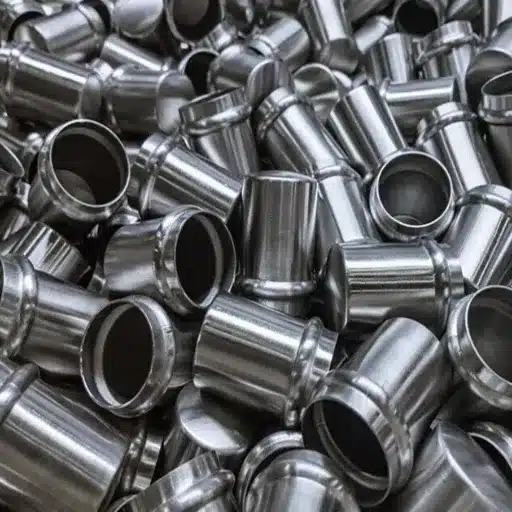
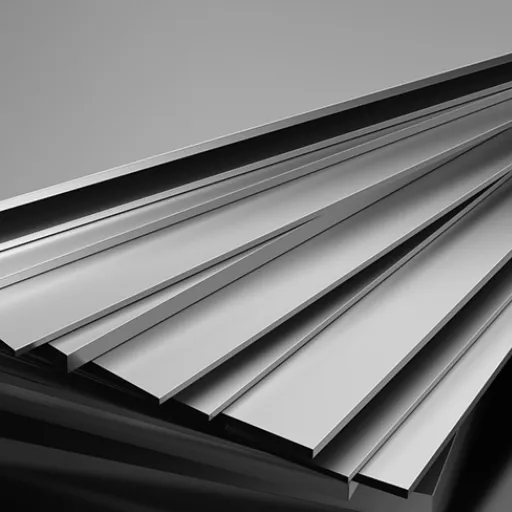
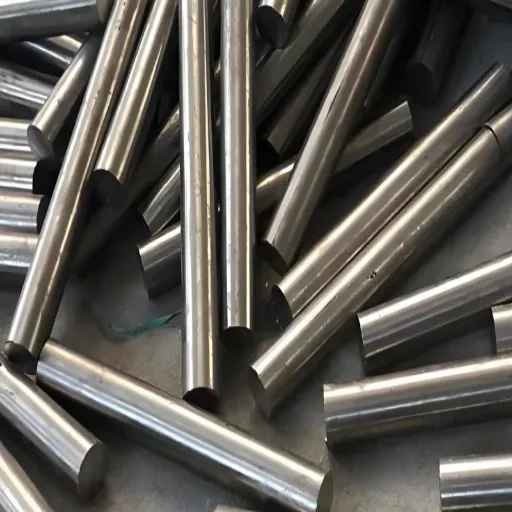
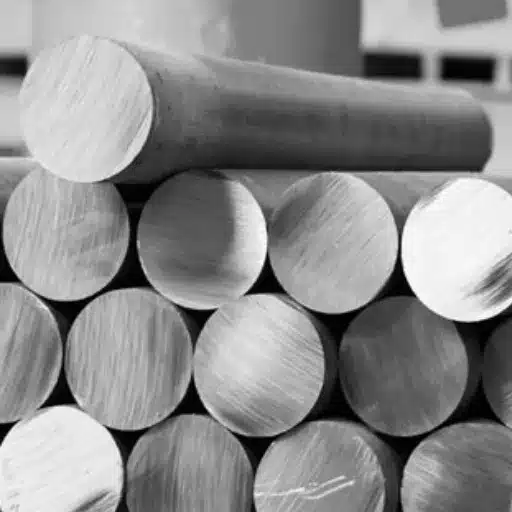
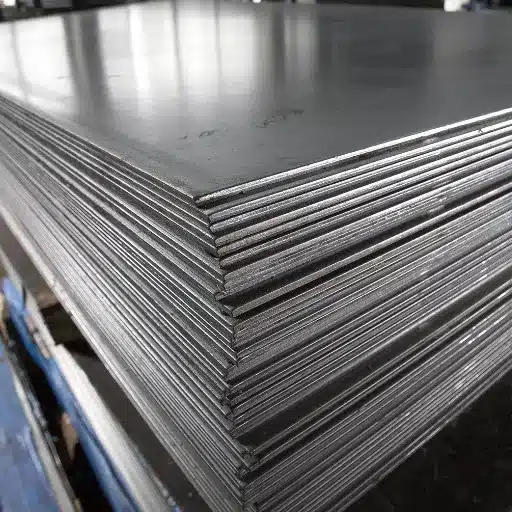
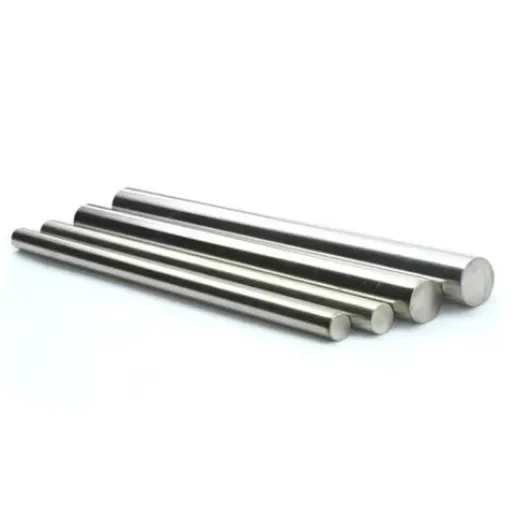
Abrasion resistant steel round bars are a revolution for the sectors where the only possible characters are durability and strength. These round bars, which are designed for ultimate wear resistance, are the main contributors to the machinery, tools, and components having a longer life even in the most unfavorable conditions. Knowing the properties and uses of the abrasion resistant steel round bars well is a must whether you are in mining, construction, manufacturing, or any other area that requires strong materials. This guide will be discussing the characteristics that differentiate these steel bars, their part in the efficiency of operations, and the factors that help you decide on the type you need. So, keep following us as we reveal all the essential information regarding this vital industrial material.
Introduction to Abrasion Resistant Steel
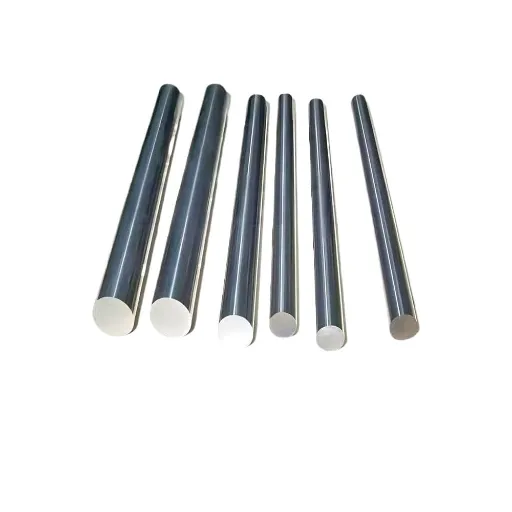
Definition of Abrasion Resistant Steel
Abrasion resistant steel is one of the hardest and most durable steels, which besides other qualities, is a high-carbon alloy steel that wears very slowly and thus is not easily replaced. In addition, it is also not easily damaged even after a long time. The ultimate decision of its survival is the presence of carbon and depending on the phase of its life even some alloying elements like chromium, and manganese, which the latter two contribute to hardness, and toughness, and are resistant to abrasion. This type of steel usually gets heat treatments like quenching and tempering in order to gain very strong mechanical properties.
Commonly used grades of abrasion-resistant steel include AR400, AR450, AR500, and AR600, which represent different Brinell Hardness Scale levels (measured in HB) according to their hardness. For instance, AR500 is usually around 500 HB hard with a little less than the total of heavy-duty applications such as mining equipment, construction and heavy-duty conveyors.
Wear Resistance of Steel Round Bars is Crucial
Wear resistance is one of the most important features in steel round bars, particularly in those used under the highest conditions for mining, construction, and heavy machinery. Three times as much steel round bar wear resistance is needed for a company’s manufacturing process. They will not only have the benefit of not having to replace every so often but will also accrue savings in downtime and maintenance costs. As a result, this type of steel round bar is an everlasting choice of material in the industries that seek high-end performance and durable solutions.
Studies conducted recently concluded that the addition of higher carbon content and alloying elements like chromium, nickel, and manganese has been effective in improving wear resistance in steel round bars. The development of these materials is primarily driven by the demand for products that can tolerate continuous exposure to friction, impact, and harsh operating conditions. In addition, there has been significant growth in the global market of wear-resistant steel round bars, which is mainly supported by the worldwide trend of industrialization. The data states that the expansion of the market at a CAGR of 4.8% from 2023 to 2031 is indicative of the increasing demand for strong and trustworthy materials in crucial industries.
Manufacturing Process of Abrasion Resistant Steel Round Bars
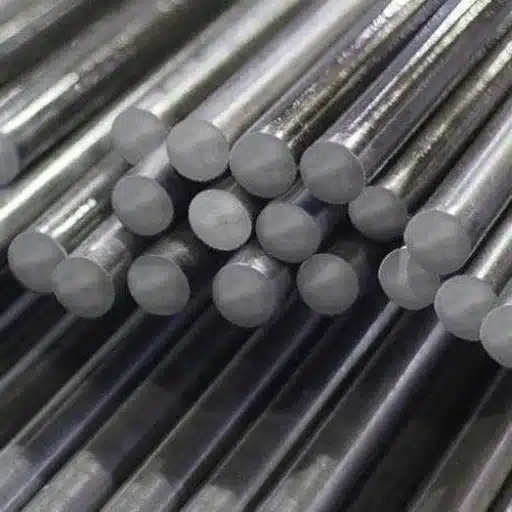
Raw Materials and Chemical Composition
The process for creating abrasion-resistant steel bars, such as the ones under the Hardox® brand, involves raw materials of the finest grade and meticulous chemical compositions to confer the properties of high durability and hardness. First-class raw materials like iron ore, ferroalloys, steel scrap, and limestone are the main elements for uniform properties in the final steel product.
The chemical makeup of Hardox® and other similar ultra-hard steels comprises a very delicate balance of the most important alloying components. They are:
Carbon (C): Commonly, 0.2%-0.4% is the range for this element and, thus, the steel becomes stronger and harder with the increase of carbon.
Manganese (Mn): Usually, the content lies between 1.0%-1.6% and the alloy gains toughness and resistance to wear the more manganese has.
Chromium (Cr): In tiny amounts (0.7%-1.5%) this element is present mainly for the dual purpose of increasing the alloy’s resistance to corrosion and hardening it.
Silicon (Si): Around 0.7%-1.0% the atom is a perfect shape maker; it changes the iron structure in a way that makes steel stronger and more flexible.
Boron (B) and Nickel (Ni): Very small quantities are added to increase the hardness and the tranquil of the alloy.
Phosphorus (P) and Sulfur (S): These impurities are kept down to a very low level in the order of
Quality Control and Tolerances in Production
The role of quality control in precision maintenance and hot and cold rolled steel performance assurance is very important. Cold rolled steel’s tight dimensional tolerances that come from the rolling process have been brought about through the application of stringent quality control measures. Quality control measures can be established to a degree of tolerances that vary from ±0.1mm to ±0.5mm, depending on thickness and grade, thus making it very suitable for applications that need very high accuracy.
In contrast to this, hot rolled steel is not so precise but still uses the same quality control methods aimed at reducing surface defect and maintaining material consistency. The tolerances for hot rolled steel are larger and are generally ±2mm to ±5mm, thus they are more suitable for large-scale production projects where absolute precision is not a very important factor.
Key Properties of Abrasion Resistant Steel Round Bars
Toughness and Hardness of AR400 and Other Grades
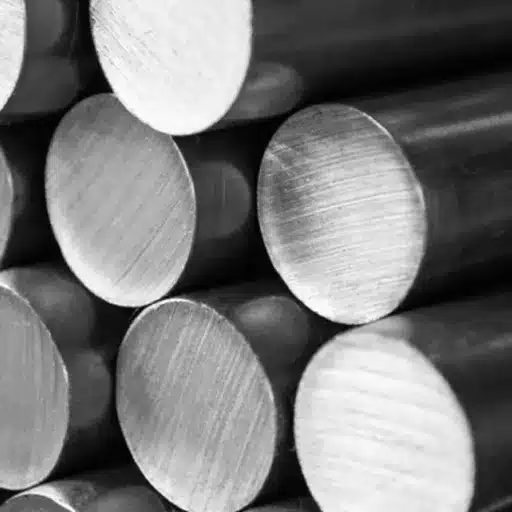
Abrasion Resistant (AR) steel, for instance, AR400, has been recognized for a long time with its excessive and unrivaled toughness and hardness combined, thus making it a favorite for such rough conditions where the wear and impact resistance are a must. AR400 has hardness of around 360-440 BHN (Brinell Hardness Number), which is a high level of durability. This grade is widely used in heavy machinery that includes mining, dump truck bed liners, and conveyor systems. Toughness is a guarantee that the steel will survive without cracking or distortion even under severe stress.
In comparison, AR500 and AR600, other AR steel grades, come with even greater hardness, with AR500 being in the range of 470-540 BHN. These premium grades are employed in the most demanding applications such as armor plates and industrial screens, where they provide protection against wearing out from abrasion due to the high levels of hardness. However, on the other hand, the harder the steel, the less machinable and formable it becomes, thus the need for special tools and techniques for cutting and shaping the steel.
Mechanical Properties: Guaranteed Strength and Fatigue Resistance
AR grades like AR400 are designed to give a strong and reliable performance under fatigue and they can withstand abrasive applications. The mechanical properties of AR400 are of a hardness of 400 BHN (Brinell Hardness Number) which is the same as that of excellent wear-resistant materials that are used under abrasion and impact situations. The grade has a tensile strength of 180,000 to 200,000 PSI and a yield strength of about 145,000 PSI, therefore making it structural support even under load.
In the line of fatigue resistance, AR400 is a great contender since its microstructure is often boosted through quenching and tempering methods allowing it to be used in cyclic stress applications like heavy-duty machines and equipment that are regularly subjected to high stresses. This longevity is made possible by the lessening of the likelihood of fatigue cracking during the long service period, even in the toughest places like mining, construction, and material handling.
Moreover, AR400 retains reasonable levels of formability and machinability even with its high hardness. Pre-heating and controlled cooling are sometimes used during processing to eliminate the risk of stress-related cracking. All these considerations make AR400 the material of choice for truck bodies, wear plates, conveyor systems, and other heavy equipment. Regardless of the conditions of high-impact or continuous abrasive wearing, AR400 strikes a perfect balance between strength, toughness, and fatigue resistance, leading to a very long service life.**
Benefits of Using Abrasion Resistant Steel
Enhanced Durability and Longevity of Steel Round Bars
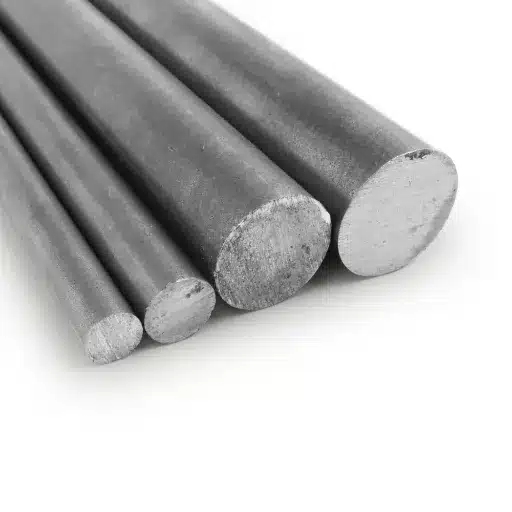
Steel round bars are famous for their, durability and versatility, hence, these are the most common raw materials for industries like construction, manufacturing, automotive, and engineering. Besides, their basic and wear resistant qualities enable to use them in demanding applications without compromising their structural integrity for a long time.
The improvements in metallurgical processes like thermo-mechanical treatment have specifically augmenting the fatigue strength and surface hardness of steel round bars. High-carbon and alloy steel grades such as AISI 4140 and EN24 are typically used, providing tensile strengths of over 850 MPa and very good toughness. It has been reported that these imparted characteristics can extend the life of steel round bars in dynamic and high-stress situations by 20-30%.
Cost-Effectiveness in Various Applications
Due to their durability, versatility, and long life steel round bars have won the title of being the most economical option for many industries. In the construction sector, for instance, studies reveal that the initial cost of steel round bars can be covered by their long operational life with minimal maintenance required. As per a report by MarketsandMarkets, the worldwide steel market forecast is $1.43 trillion by 2026 showing the increasing dependence on steel materials in different industries.
One of the factors that contribute to the cost-effectiveness of steel is its recyclability, as almost 90% of the steel produced worldwide is recycled, resulting in less material waste and reduced production costs. This property makes steel round bars a green and financially-wise option especially for those projects that sustainability is the main concern. Besides, the infrastructure and shipbuilding industries enjoy the great advantages of steel round bars with corrosion-resistant coatings, as they prolong the usable life and decrease the costs of repairs and replacements—making them suitable for both urban and offshore applications. These stats and usages delineate the role of steel round bars in the development of innovative, cost-effective engineering solutions globally.
Real-World Applications of Abrasion Resistant Steel Round Bars
Industries Utilizing Wear Bars and Steel Round Bars
- Mining and Quarrying
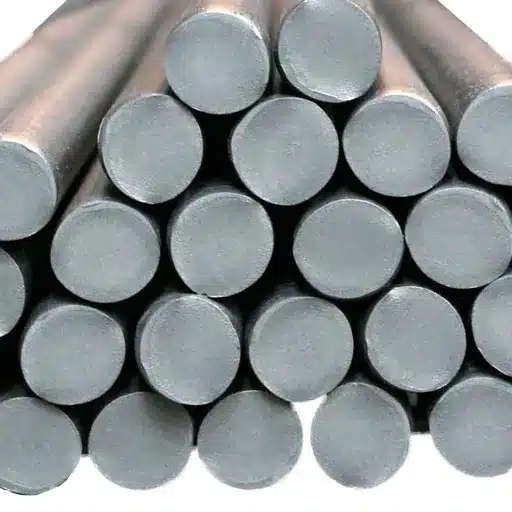
The mining and quarrying sectors make great use of wear bars and abrasion-resistant steel round bars in the maintenance of their main equipment like crushers, loaders, and excavators to effectively prolong their lives. The global mining equipment market was worth about $142 billion in 2022 according to industry publications, with wear-resistant materials being one of the key factors in the reduction of downtime and maintenance costs.
- Construction and Infrastructure
Wear bars and steel round bars are used in heavy machinery like bulldozers, earthmovers, and cranes during construction to withstand wear and tearing in the process. The global construction equipment market was estimated at more than $180 billion in 2023, with infrastructural developments being the main factors demanding the availability of tough materials that can work in heavy-duty operations even in extreme conditions.
- Agriculture
Steel round bars and wear bars are often found in agricultural machines such as plows, tillers, and harvesters to increase their resistance to wear through constant soil and rock contact. The agricultural equipment market is projected to be worth $244 billion by 2025, as there will be more focus on investment in durable and wear-resistant components for operational efficiency.
- Oil and Gas
The oil and gas industry is continually subjected to very tough conditions which include, among other things, extremely high temperatures and saline environments. Wear bars and corrosion-resistant steel round bars are of utmost importance for pipelines, rigs, and drilling systems to survive these hardships. In 2023, global crude oil production surpassed 88 million barrels per day, which is a clear indication of the reliance on robust and dependable materials by the industry.
Case Studies: Successful Implementation in the Renewable Energy Industry
Wind Turbine Durability Improvements
One prominent instance where advanced materials found their way into the renewable energy sector is in the manufacture of wind turbines. The advent of wear-resistant steel, in particular the usage of wear bars and steel round bars, has contributed to a remarkable turbine component life increase. The Global Wind Energy Council (GWEC) has produced an investigation that reveals the use of Supreme materials in markets for blades and gearboxes can increase the running time of such machinery by 25% leading to a drop in total service cost by about 30%.
Solar Panel Structural Advancements
The solar energy sector has gained ground due to the implementation of long-lasting materials in the building frames. The manufacturers have managed to cope with rough environments like high humidity or salinity in coastal areas by introducing advanced corrosion-resistant steel to the solar panel mounting systems. Solar Power Europe data shows that the installations using advanced materials have been performing 15% better in the difficult climates, thus having a steady energy output over a 20-year period.
Hydropower Efficiency Enhancements
The inclusion of wear-resistant steel components in hydropower turbines and generators has led to reports of considerable gains in plant operations. A case in point is a hydropower plant in Norway that replaced its pivotal machine parts with super steel round bars, which has been a factor in their attainment of almost 12% efficiency increase and 40% longevity increase overall under high-pressure water flow conditions. This has resulted in a decrease of both downtime and repairs mirroring the energy supply to the communities nearby perfectly.
Reference Sources
-
Achieving High Impact–Abrasion–Corrosion Resistance of Steel
This study highlights the performance of high-chromium steel with vanadium, showcasing its superior resistance to impact, abrasion, and corrosion under various conditions.
Link to study -
Comparison of Abrasion Resistance of Selected Structural Steels
This paper evaluates the abrasion resistance of structural steels using dry sand abrasion tests and examines the effects of alloying elements on surface hardness.
Link to study -
Tensile Properties Over a Wide Range of Strain Rates and Penetration Resistance
This research investigates the tensile properties and penetration resistance of Abrex400 steel, a material known for its abrasion resistance.
Link to study
Frequently Asked Questions (FAQs)
hardox abrasion-resistant round bars: What are they?
Hardox round bars with abrasion-resistant properties are the same as round steel bars or rods of Hardox-grade steel or equivalent abrasion-resistant steel developed by SSAB. They are always undergoing the hardening process or getting delivered in such a way that they possess super high hardness (which is measured in HBW) and at the same time the qualities of strength and toughness in terms of impact. The round bars are commonly cut or fashioned from steel plates or supplied in the form of hot-rolled or pre-hardened rod and are meant to be used in applications that demand resistance and toughness where there is heavy wear.
How do abrasion resistance and through-hardness affect performance?
Abrasion-resistant round bars made of steel typically get their strength from quenching and tempering afterwards or through controlled rolling to achieve through-hardening. Through-hardened bars yield strength and toughness and the whole cross-section is hardened as opposed to just the surface. This ensures that consistent wear resistance is maintained even after machining or grinding and makes these bars excellent for use as tools, pins, and shafts that are in contact with heavy sliding or abrasive contact and thus need to be wear-resistant.
Can Hardox® round bars be welded and what are the best practices?
Welding of round bars like Hardox® is possible and they have good weldability in many grades, but the procedure needs to be adjusted according to the hardness (HBW) and the type of bars being through-hardened or intended for heat treatment after welding. Preheating, choice of filler metal, and control of interpass temperature to avoid cracking are all necessary for conventional welding. SSAB recommendations should be followed by fabricators and when bars are in the hardened state or delivered in a high-strength condition, they should also consider extra heat treatment or post-welding tempering to restore the strength of the zone affected by the heat.
Is expert machining required for Hardox or abrasion-resistant steel round bar?
Bars made of abrasion-resistant round steel are hard materials and they may easily wear out the tooling so, expert machining, grind and polish techniques are the need of the hour. The bars have a high-strength level due to the hardening process, therefore, the use of right cutting tools and coolant, as well as picking grinding wheels or inserts for hard steels, facilitate not only surface finish but also dimensional accuracy. Components that have been previously cut and shaped from steel may need additional heat treatment or grinding to reach the final polish and tolerance.
How are abrasion-resistant round bars produced from steel plate?
SSAB and other companies can make abrasion-resistant round bars by either cutting and shaping material from the steel plate and then machining it, or by directly rolling the round steel. If the bars are cut from plate, the properties of the plate are inherited by the material: resistance and toughness, through-hardening, and mechanical properties intended. This process allows fabricators to get custom-made round bars with the required thickness, hardness (HBW), and the combination of high strength and impact toughness for wear-critical components.