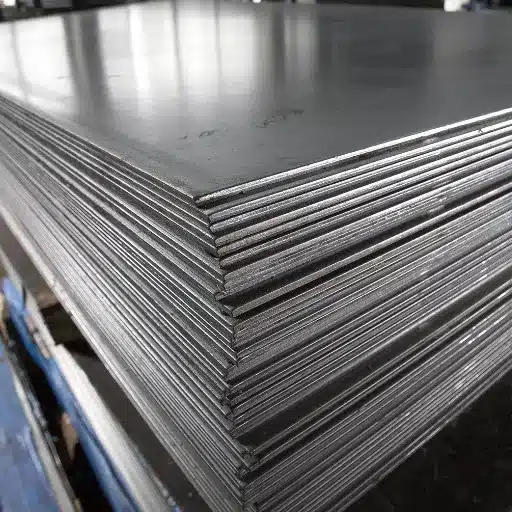
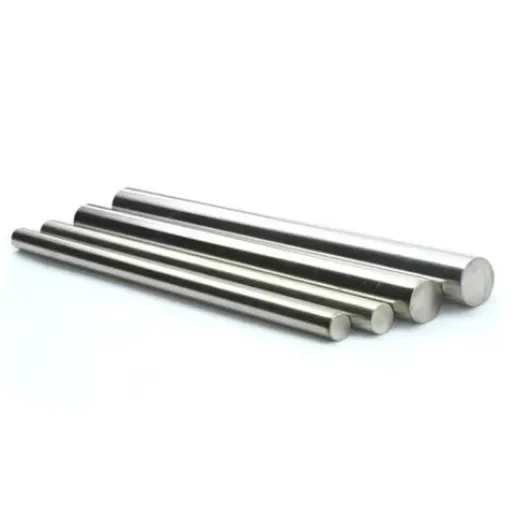
Cobalt alloy plates have been recognized as a crucial material in many industries due to their extraordinary strength and resistance to wear and tear as well as corrosion and high temperatures. It doesn’t matter if you are working with the aerospace industry, medical field, or manufacturing; knowing the special characteristics and uses of chromium cobalt alloy sheets can be a huge boost for your projects. The article in question discusses the main benefits of cobalt alloys, their diverse applications, and reasons for being considered the best option for harsh conditions.
Introduction to Cobalt Alloy Plates

What is Cobalt Alloy?
Cobalt alloy is a metal which is made mainly of cobalt, but at the same time alloyed with other elements like chromium, molybdenum, tungsten, and nickel. The characteristics of these alloys are that they are very strong, have good resistance to wear, and can withstand high temperatures. The base of cobalt in the alloy leads to its great resistance to corrosion and oxidation, in fact, even in very harsh environments, which is one reason why these alloys are very much used in the aerospace, medical, energy, and manufacturing industries.
Because of their outstanding properties, cobalt alloys are used in many applications such as turbine blades, orthopedic implants, dental prosthetics and cutting tools. One of the most popular cobalt alloys is the Chromium Cobalt Alloy which has chromium added to it for better wear and corrosion resistance. For example, chromium cobalt alloys can take up to 1000°F (537°C) of temperature and provide excellent cyclic oxidation resistance, thus suitable for the high-performance environment.
Overview of Chromium Cobalt Alloys
Chromium cobalt alloys or Co-Cr alloys are the names by which these materials are commonly known. In addition to these being quite expensive, they also have quite nice mechanical properties and are resistant to corrosion. These alloys mostly consist of cobalt and chromium and besides that, they usually have small amounts of other elements like molybdenum, nickel, and carbon which further enhance the performance characteristics. The very prominent property that Co-Cr alloys are known for is their wear resistance, hence they can be applied in stiff and friction-prone environments.
The high percentage of chromium, which is around 25% to 30% of the overall composition, gives the alloys excellent corrosion resistance because the protective passive oxide layer is formed in the oxygen-rich atmosphere. Moreover, this combination leads to tensile strengths that are regularly over 800 MPa; some compositions reach even higher than 1200 MPa. This solidness, along with a hardness rating that is usually between 30–40 HRC, affords quite a bit of durability, even in extreme conditions.
Properties of Cobalt Alloy Plates
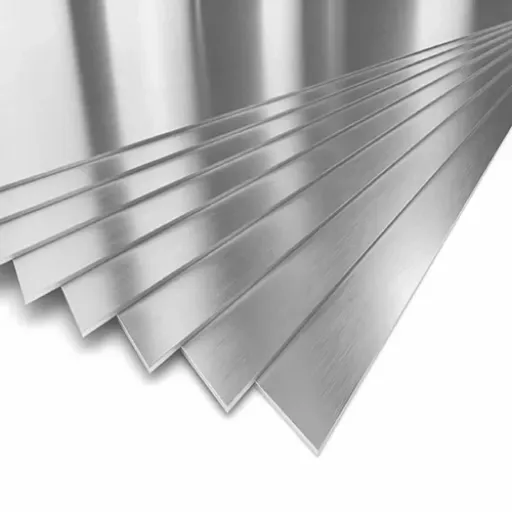
Strength and Durability of Cobalt Alloy Plates
Cobalt alloy plates are well-known for their remarkable strength and endurance, which is the reason why they are one of the most important materials in the industries that require high-performance solutions. The typical tensile strength of these plates is between 500 MPa and above 1200 MPa, and it is influenced by the specific alloy composition and processing. Their incredible strength makes them capable of enduring significant mechanical stress even in hostile environments.
The resistant to wear and corrosion is the main factor contributing to the durability of cobalt alloy plates. The chromium which is one of the elements in cobalt alloys forms an oxide layer that protects and helps the alloys resist oxidizing and corrosive environments, thus, benefiting industries like chemical processing and marine engineering. Furthermore, cobalt alloys maintain their mechanical properties over a large temperature range, sometimes even keeping their integrity at temperatures beyond 800°C.
Corrosion Resistance
Cobalt alloy plates are conspicuous by their excellent corrosion resistance, thus they are allowed in areas with aggressive chemicals, high humidity, or any other corrosive element. This feature results from the inherent passivity of cobalt and the surface covering of elements such as chromium which is responsible for the oxide layer that protects the metal underneath. By experimentation, it has been confirmed that the cobalt alloys, mainly those with 20-30% chromium, are able to endure the harshest conditions of oxidation and pitting corrosion even when there are chlorides around.
For example, cobalt-chromium alloys have found their way to the chemical processing industry owing to their resistance to both acidic and basic media. A study reported that cobalt alloys can be subjected to moderate concentration of sulfuric acid and still have a corrosion rate of as low as 0.05 mm/year. In addition, the molybdenum addition increases the resistance to localized corrosion, whether it be crevice or pitting, which is a good strategy for ensuring the long-lasting durability of the metal in both marine and industrial applications.
Applications of Cobalt Alloy Plates
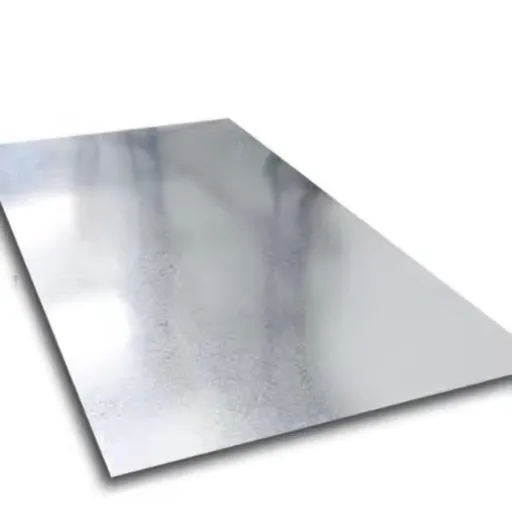
Applications of Cobalt Alloy Plates in the Aerospace Industry
The cobalt alloy plates are indispensable to the aerospace sector mainly because of their incredibly high strength, resistance to high temperatures, and wear resistance. These distinct characteristics characterize them as the most critical material in the fabrication of parts which are used in the most extreme environments, namely, in turbo engines, turbine blades, and exhaust systems. A defining feature, the ability to keep their structure intact at temperatures as high as 1,200°F (649°C) gives them the trustworthiness of being used in high-performance places.
Cobalt-based superalloys, like those made of cobalt, chromium, and nickel, are among the most favored ones because of their outstanding thermal and oxidative stability. New records have come out that show the global aerospace superalloy market that is expected to grow at a compounded annual growth rate (CAGR) of 7.4% during the period of 2023-2030, primarily fuelled by the need for more efficient engines and breakthroughs in material science.
Use in Medical Devices and Dental Implants
Cobalt-based alloys are of great importance in the healthcare industry due to the high degree of biocompatibility, corrosion resistance, and mechanical strength. Due to these properties, the materials are perfect for applications that include joint replacement, dental implants, and even surgical instruments. For example, cobalt-chromium (CoCr) alloys are commonly used in hip and knee prosthetics due to their durability and ability to be worn down slowly through daily movements.
Furthermore, cobalt-based alloys are very common in dental implants because of their strength and the property that allows them to remain unaffected by the oral environment. The dental frameworks made out of cobalt-chromium not only last long but also give the patient comfort as a result of their low weight. Studies show that there has been a drop in complications when such alloys are used, thus the success of implantations in various dental surgeries has been secured.
Recent Innovations in Cobalt Alloy Production
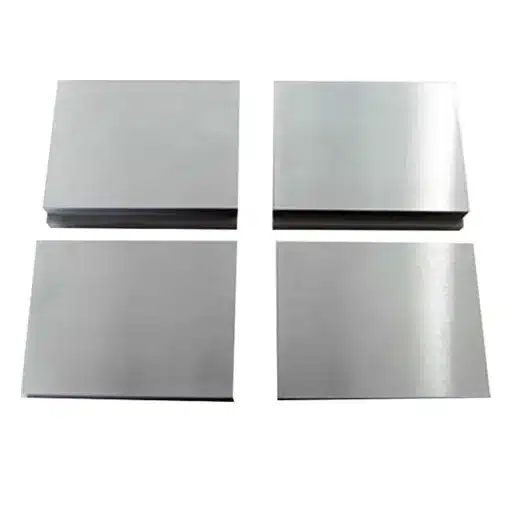
Trends in Manufacturing Techniques
The manufacturing sector is experiencing a remarkable evolution in the techniques that are mainly based on cobalt alloy production. One of the main trends is the growing acceptance of additive manufacturing methods like 3D printing. Market research has projected that the worldwide 3D printing market will be worth over $76 billion by 2030, with metal 3D printing being a significant factor driving industrial use.
The other trend is the usage of AI and machine learning in cobalt alloy production. The performance of the materials is now done through the latest algorithms. AI is also being used to direct maintenance, which has been reported to cut down manufacturing downtime by almost 30%.
Case Studies on Performance Enhancements
Case Study 1: Aerospace Component Improvement
One major aerospace manufacturer took up the challenge of turbine blade manufacturing using materials based on cobalt and applying the latest being powder metallurgy techniques. It has become possible to use the material for high-performance areas through the 20% improvement in creep resistance gained via the process. Optimized alloy compositions resulted in a 10% weight reduction which meant that the aircraft and its engines were consuming less fuel. The manufacturer has been able to save over $1 million per annum due to the lesser material waste and longer component life.
Case Study 2: Medical Implants Advancements
A medical implants maker utilized vacuum induction melting that is combined with 3D printing to make cobalt-chromium orthopedic implants. The new process applied has resulted in a 30% improvement in the biocompatible properties of the material while the strength and resistance to corrosion remained the same. The recovery duration of patients after surgery was shortened by 15% due to the accuracy of the implants which were especially made for the patients. The company also reported that the production time with the new method was 25% less than that of the traditional casting’s.
Selecting and Maintaining Cobalt Alloy Plates
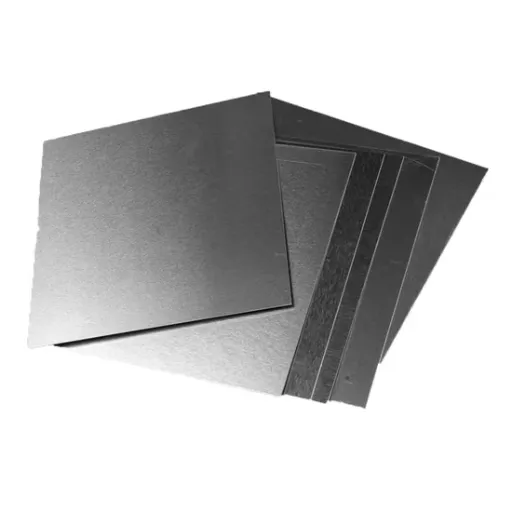
Specifications to Consider for Cobalt Alloy Plates
Composition and Grade
Cobalt alloys are categorized into different grades, including Stellite 6, Stellite 21, etc. For example, if we consider Stellite 6, it has a very good wear resistance property and thus is recognized as a material for cutting tools and similar components, which are subjected to extreme abrasion. Stellite 21, on the contrary, is a product that boasts of high corrosion resistance, and its use is recommended for chemical and marine environments.
Hardness and Wear Resistance
The Rockwell Hardness (HRC) test is an important criterion for wear resistance rating of cobalt alloys. For instance, Stellite 6 has an HRC generally within the range of 38-45, thus ensuring its usability in demanding environments with a combination of high-stress and high-temperature. Always correlate hardness levels with your anticipated operational conditions.
Temperature Resistance
Cobalt alloys have a reputation for being able to keep their strength even in very hot conditions, sometimes over 600°C (1,112°F). This attribute makes them a necessity in the manufacturing of parts for aircraft, turbines, and industrial cutting tools. Be sure that the grade of alloy you choose is suitable for the thermal needs of your application.
Quality Standards and ASTM Compliance
It is absolutely necessary that quality standards recognized by the industry are followed when cobalt plates are employed in industrial applications, as this will not only ensure their reliability but also allow them to perform under very difficult conditions. The American Society for Testing and Materials (ASTM) has created a set of standards that covers all aspects of cobalt materials from production and testing to evaluation of their properties.
For instance, the requirements regarding chemical composition and mechanical properties for cobalt-chromium-molybdenum alloys that are widely used for surgical implant applications are specified in ASTM F75. Likewise, the focus of ASTM F1537 is on cobalt-based alloys for orthopedic implants, which specifies UTS values of approximately 895–1,240 MPa and a minimum elongation of 8%. These criteria help in ensuring that the materials are both durable and biocompatible in high-stress environments.
Reference Sources
-
Spherical Insights
- Title: Cobalt Alloy Market Size, Share, Revenue, Forecast, 2033
- Description: Discusses the demand for cobalt alloys in industries like aerospace, automotive, and power generation, highlighting their advanced material properties.
- Link: Spherical Insights
-
LinkedIn Article
- Title: Cobalt-Chrome Alloys Market Forward Outlook 2026–2033
- Description: Explores the increasing demand for cobalt-chrome alloys in aerospace, medical, and industrial applications, emphasizing their high-performance characteristics.
- Link: LinkedIn Article
-
QMUL Hub
- Title: Cobalt-Chromium Alloy
- Description: Provides insights into the applications of cobalt-chromium alloys in medical implants, dental applications, and industrial uses.
- Link: QMUL Hub
Frequently Asked Questions (FAQs)
What is cobalt plate products and what varieties are there?
A cobalt plate product is basically cobalt along with cobalt-based alloys like cobalt chrome and other hard metal formulations in a flat sheet or plate form. The different types are pure cobalt plates, alloyed variants for enhanced strength or durability, and customized compositions for electronics, battery components, or diamond tools among others. Different size and thickness options are available in both bulk and cut-to-size to cater to various application requirements.
How does purity influence the performance of cobalt alloy plate and is 99.95 purity grade available?
Purity has a direct effect on the properties such as corrosion resistance, electrical conductivity, and mechanical behavior. High-purity cobalt plates (like 99.95% cobalt) are used in semiconductor and electronic applications where any impurities can adversely affect the performance of the device. For certain applications, the lower purity or alloyed plates may be preferred. Suppliers often specify the purity and can supply certificates of analysis that show the precise composition.
What are the common magnetic characteristics of cobalt plate metal?
Cobalt and many cobalt alloys are ferromagnetic and have very strong magnetic properties which make them suitable for use in magnets and magnetic components. The magnetic characteristics are determined by factors such as the composition, heat treatment, and microstructure; for example, some cobalt chrome alloys are specifically made for reduced magnetism in certain electronics or semiconductor uses, while others are optimized for maximum magnetic performance in motors and sensors.
What chemical resistance and melting point can I expect from cobalt alloy plates?
Cobalt alloys are typically known for their high chemical resistance to harsh environments and they also have high melting points, which is the main reason why they are used as hot applications and catalysts. Pure cobalt has a melting point of around 1495°C; however, the melting points of the different alloys vary. For the compatibility of certain chemicals as well as the melting point data, it is advisable to get the datasheets from the alloy manufacturer for the specific type you intend to use.
How is cobalt plate packaging and storage and transportation handled?
Packaging is specifically designed to safeguard the plate surface and retain its purity: options may include sealed, moisture-proof wraps, wooden crates for bulk shipments, and pallets with corrosion inhibitors. For storage and transportation, suppliers adhere to the guidelines aimed at preventing contamination or damage—this might involve controlled environments for sensitive electronic or semiconductor-grade plates, as well as documentation for customs and safe handling.