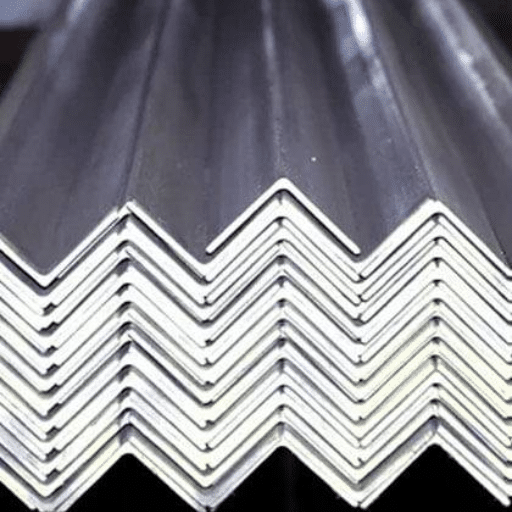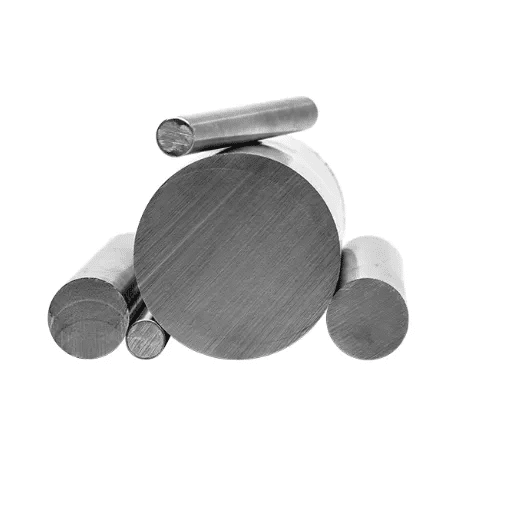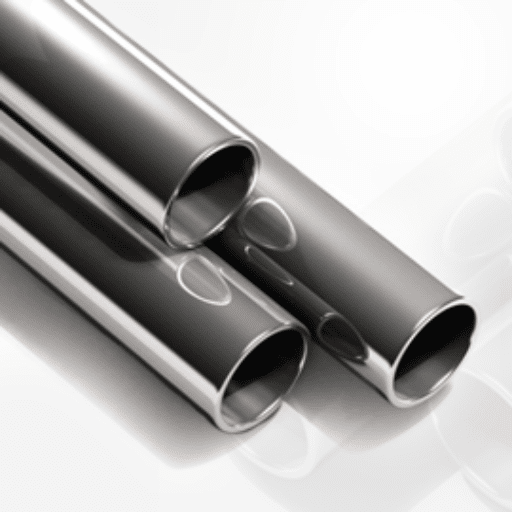
Duplex stainless steel delivers approximately twice the yield strength of standard austenitic grades like 316L while offering superior resistance to chloride-induced stress corrosion cracking, making it the preferred choice for seawater systems, chemical processing equipment, and high-pressure oil and gas infrastructure. The most commonly specified grades are 2205 (UNS S32205) for general demanding service and 2507 (UNS S32750) for extreme chloride environments, with current FOB China pricing ranging from 5.00to5.00to7.00 per kilogram for 2205 and 9.00to9.00to12.00 per kilogram for 2507, depending on form and volume.
In 2023, a desalination plant contractor on the Red Sea coast specified 316L stainless steel for seawater intake piping based on familiarity and initial cost. Eighteen months later, the first heat exchanger bundle failed through chloride stress corrosion cracking at a weld zone. The replacement specification switched to duplex 2205 with ER2209 filler metal. The duplex system has now operated for four years without degradation, and the thinner wall sections enabled by higher yield strength actually reduced the total installed weight by 34%.
This guide explains exactly what duplex stainless steel is, how its dual-phase microstructure delivers unique performance, which grade to specify for your application, and what to budget for procurement. For context on the broader material family, see our stainless steel overview. You will learn the chemical and mechanical differences between 2205 and 2507, how duplex compares to 316L and 904L, where duplex should not be used, and how to verify that the material you receive meets the standards your project demands.
Key Takeaways
- Duplex stainless steel combines ~50% ferrite and ~50% austenite microstructure, delivering yield strength roughly 2x that of 316L (450 MPa vs 240 MPa).
- Grade 2205 (PREN 33-35) suits most chemical, marine, and oil and gas applications; grade 2507 (PREN >40) is justified for extreme chloride or sour service environments.
- Current FOB China pricing: 2205 at 5.00−5.00−7.00/kg, 2507 at 9.00−9.00−12.00/kg (May 2026).
- Duplex is not suitable for continuous service above 300°C, complex deep-drawing operations, or environments requiring non-magnetic properties.
- Welding requires controlled heat input, duplex-specific filler metals (ER2209 for 2205, ER2594 for 2507), and interpass temperature management to avoid sigma phase formation.
- Every duplex order should ship with EN 10204 3.1 certification, full MTR documentation, and verified PREN calculation.
What Is Duplex Stainless Steel

Duplex stainless steel is a family of alloys with a deliberately balanced microstructure containing approximately 50% ferrite and 50% austenite phases. This dual-phase structure is achieved through careful control of chromium, nickel, molybdenum, and nitrogen content, combined with specific thermomechanical processing.
The ferrite phase provides high strength and resistance to stress corrosion cracking. The austenite phase contributes toughness and improved fabricability. Neither a ferritic nor an austenitic stainless steel alone can deliver this combination. The result is a material that outperforms standard 316L in strength, pitting resistance, and chloride stress corrosion cracking immunity, while maintaining significantly lower nickel content than comparable super-austenitic grades like 904L.
The first commercial duplex grades emerged in the 1980s. Early versions suffered from inconsistent phase balance and welding difficulties. Modern grades such as 2205 and 2507 benefit from nitrogen alloying and refined production controls that stabilize the microstructure and widen the acceptable heat input window during welding. Engineers new to the material family can consult the British Stainless Steel Association’s duplex simplified guide.
Duplex Stainless Steel Grades Explained
The duplex family spans four categories: lean duplex for economy applications, standard duplex for general demanding service, super duplex for extreme environments, and hyper duplex for the most aggressive conditions.
Lean Duplex: 2101 and 2304
Lean duplex grades reduce nickel and molybdenum content to lower raw material cost while retaining much of the strength advantage. Grade 2101 (UNS S32101) contains approximately 21.5% chromium, 1.5% nickel, 0.3% molybdenum, and 0.22% nitrogen. Grade 2304 (UNS S32304) offers 23% chromium, 4.5% nickel, and 0.1% nitrogen.
| Property | LDX 2101 | 2304 | 2205 |
|---|---|---|---|
| Cr (%) | 21.5 | 23.0 | 22.0-23.0 |
| Ni (%) | 1.5 | 4.5 | 4.5-6.5 |
| Mo (%) | 0.3 | — | 3.0-3.5 |
| N (%) | 0.22 | 0.10 | 0.14-0.20 |
| PREN | 25 | 24 | 33-35 |
| Yield Strength (MPa) | 450 | 400 | 450 |
Lean duplex is appropriate for structural applications, storage tanks, water heaters, and architectural components where moderate corrosion resistance and high strength are required at lower alloy cost. It is not suitable for seawater or high-chloride chemical service.
Standard Duplex: 2205 (UNS S32205 / S31803)
Duplex 2205 stainless steel is the workhorse of the duplex family and accounts for approximately 48% of total duplex stainless steel market volume, according to Outokumpu grade data. Its composition is tightly controlled:
| Element | Min (%) | Max (%) | Typical (%) |
|---|---|---|---|
| Chromium (Cr) | 22.0 | 23.0 | 22.5 |
| Nickel (Ni) | 4.5 | 6.5 | 5.5 |
| Molybdenum (Mo) | 3.0 | 3.5 | 3.1 |
| Nitrogen (N) | 0.14 | 0.20 | 0.17 |
| Manganese (Mn) | — | 2.0 | 1.5 |
| Carbon (C) | — | 0.030 | 0.015 |
| Iron (Fe) | Balance | Balance | Balance |
The mechanical properties of 2205, measured per ASTM A240, establish its performance advantage:
| Property | Value |
|---|---|
| Yield Strength (0.2%) | >= 450 MPa (65 ksi) |
| Tensile Strength | >= 655 MPa (95 ksi) |
| Elongation (2 inch) | >= 25% |
| Hardness (Max) | 293 HB / 31 HRC |
| Density | 7,810 kg/m3 |
The PREN (Pitting Resistance Equivalent Number) for 2205 is 33-35, calculated as %Cr + 3.3(%Mo) + 16(%N). This places it well above 316L (PREN 25-30) and confirms its suitability for chloride-containing environments.
Super Duplex: 2507 (UNS S32750)
Duplex 2507 super duplex increases alloying levels to achieve a PREN above 40, the threshold generally accepted for resistance to seawater pitting at ambient temperature.
| Element | Typical (%) |
|---|---|
| Chromium (Cr) | 25 |
| Nickel (Ni) | 7 |
| Molybdenum (Mo) | 4 |
| Nitrogen (N) | 0.27 |
| Property | 2507 | 2205 |
|---|---|---|
| Yield Strength (MPa) | >= 550 | >= 450 |
| Tensile Strength (MPa) | >= 800 | >= 655 |
| PREN | >40 | 33-35 |
The additional chromium, molybdenum, and nitrogen raise both strength and corrosion resistance. These super duplex stainless steel properties make 2507 the specified grade for seawater systems, desalination plants, subsea equipment, and high-pressure sour service where 2205 may not provide adequate margin.
Hyper Duplex
Hyper duplex grades such as UNS S32707 and S33207 achieve PREN values above 50 through further increases in chromium, molybdenum, and nitrogen. These grades are emerging for deepwater drilling and subsea pipelines where the combination of high chloride, high pressure, and low temperature creates the most demanding conditions. Availability is currently limited to specialized producers, and welding procedures are more restrictive than for 2205 or 2507.
Duplex Stainless Steel Mechanical Properties: Why It Outperforms 316L

The defining characteristic of duplex stainless steel is a yield strength approximately double that of austenitic grades. This translates directly into engineering and economic advantages.
| Grade | Yield Strength (MPa) | Tensile Strength (MPa) | Elongation (%) |
|---|---|---|---|
| Duplex 2205 | 450 | 655 | 25 |
| Duplex 2507 | 550 | 800 | 25 |
| 316L | 240 | 515 | 40 |
| 304 | 215 | 505 | 40 |
| 904L | 220 | 490 | 35 |
A pressure vessel designer specifying 2205 for a chemical reactor can reduce wall thickness by 30-50% compared to an equivalent 316L design while maintaining the same safety factor. This reduces material weight, lowers welding labor, decreases transportation cost, and enables smaller support structures.
In offshore platform applications, the weight savings are particularly valuable. Every ton of steel saved in the topside structure reduces jacket loading and foundation requirements. A North Sea platform retrofit project replaced corroded 316L seawater cooling piping with 2205 and achieved a 41% weight reduction in the piping system alone.
Duplex also exhibits lower thermal expansion than austenitic grades, providing better dimensional stability in thermally cyclic applications. Thermal conductivity is approximately 15 W/m*K, roughly 25% higher than 316L, which improves heat transfer efficiency in exchanger applications.
Duplex Stainless Steel Corrosion Resistance: The Advantage Over 316L
Corrosion performance is the second reason engineers specify duplex stainless steel. The dual-phase microstructure and optimized nitrogen content create resistance mechanisms that austenitic grades cannot match.
PREN and Pitting Resistance
The PREN formula quantifies pitting resistance: %Cr + 3.3(%Mo) + 16(%N).
| Grade | PREN |
|---|---|
| 304 | 18-20 |
| 316L | 25-30 |
| 2205 | 33-35 |
| 904L | 36 |
| 2507 | >40 |
For seawater service at ambient temperature, a PREN of 40 or higher is generally considered necessary to prevent pitting and crevice corrosion in natural seawater. This explains why 2507 is specified for subsea equipment, while 2205 performs well in controlled environments with moderate chloride levels.
Chloride Stress Corrosion Cracking Immunity
This is the critical advantage. Austenitic stainless steels, including 316L, are susceptible to chloride stress corrosion cracking (SCC) at temperatures above approximately 60°C when tensile stress and chloride ions coexist. Duplex stainless steels are effectively immune to chloride SCC at temperatures up to at least 150°C due to the ferrite phase disrupting crack propagation.
A chemical plant in Southeast Asia experienced repeated 316L heat exchanger tube failures in a brine cooling circuit operating at 85°C. Switching to 2205 eliminated the SCC failures. The tubes have now operated for six years without degradation.
Sour Service Performance
Duplex grades perform well in hydrogen sulfide (H2S) containing environments when properly specified. NACE MR0175 / ISO 15156 sets limits on hardness (32 HRC maximum for 2205 in sour service) and specifies heat treatment requirements. For severe sour service, super duplex 2507 with controlled hardness and appropriate welding procedures is preferred.
Duplex vs 316L vs 904L: Grade Selection Guide
Selecting the correct grade requires matching the operating environment, mechanical requirements, and budget constraints. This duplex stainless steel vs 316L vs 904L comparison provides a practical framework.
| Parameter | 316L | 2205 | 2507 | 904L |
|---|---|---|---|---|
| Cr (%) | 16-18 | 22-23 | 25 | 19-23 |
| Ni (%) | 10-14 | 4.5-6.5 | 7 | 23-28 |
| Mo (%) | 2-3 | 3.0-3.5 | 4 | 4-5 |
| N (%) | <=0.10 | 0.14-0.20 | 0.27 | <=0.02 |
| PREN | 25-30 | 33-35 | >40 | ~36 |
| Yield (MPa) | 240 | 450 | 550 | 220 |
| Relative Cost | 1.0 | 1.2-1.3 | 1.6-1.8 | 2.0-2.5 |
When to Specify 316L
316L stainless steel remains the correct choice for general industrial service, food and pharmaceutical equipment, moderate temperature applications, and environments where fabrication simplicity outweighs performance requirements. It is also preferred for continuous service above 300°C, where duplex grades risk embrittlement.
When to Specify 2205
Specify 2205 for chemical processing with chlorides, marine and offshore structures, pulp and paper bleaching equipment, heat exchangers in corrosive service, pressure vessels requiring thinner walls, and any application where chloride SCC is a risk at temperatures above 60°C.
When to Specify 2507
Specify 2507 for seawater systems with no corrosion allowance, desalination plants, subsea oil and gas equipment, high-pressure sour service, and any chloride environment where 2205 provides insufficient margin. The 60-80% cost premium over 316L is justified when failure would cause a production shutdown or a safety risk.
When to Specify 904L
904L is a high-nickel austenitic grade with excellent general corrosion resistance but lower strength than duplex. It is appropriate for sulfuric acid service and applications requiring non-magnetic properties. For most chloride environments, duplex offers better SCC resistance at a lower cost.
Major Duplex Stainless Steel Applications by Industry
Oil and Gas
Duplex stainless steel is specified for flowlines, risers, manifolds, subsea jumpers, and topside process piping. The combination of high strength (allowing thinner walls for deepwater deployment) and corrosion resistance (withstanding seawater and produced fluids) makes duplex indispensable for offshore production. API standards for subsea equipment increasingly specify super duplex for critical components.
Chemical Processing
Reactors, heat exchangers, storage tanks, and pressure vessels in chloride-containing processes benefit from duplex SCC immunity. A European fertilizer producer replaced 316L urea reactor linings with 2205 and extended inspection intervals from annually to every five years.
Marine and Desalination
Seawater intake systems, brine handling, and heat exchanger tubing in desalination plants represent one of the largest duplex application segments. Industry data from the World Stainless Association confirms that desalination capacity is projected to double by 2030, driving sustained demand for both 2205 and 2507.
Pulp and Paper
Bleaching towers, digesters, and washers exposed to chlorine compounds and high temperatures use duplex to combat the combination of chemical attack and mechanical stress.
Infrastructure
Duplex reinforcing stainless steel bar (rebar) is increasingly specified for bridge decks and coastal structures exposed to de-icing salts or seawater. The high strength allows smaller bar diameters, reducing concrete cover requirements and overall structure weight.
Duplex Stainless Steel Fabrication and Welding Considerations

Duplex stainless steel requires more careful fabrication than austenitic grades, but modern procedures are well established.
Welding
The heat-affected zone during welding can shift phase balance, reduce corrosion resistance, and precipitate intermetallic phases if heat input is excessive. Key requirements include:
- Filler metal: ER2209 for 2205 base metal; ER2594 for 2507 base metal. These fillers are over-alloyed to maintain austenite content in the weld metal.
- Heat input: Typically limited to 0.5-1.5 kJ/mm depending on grade and thickness. Excessive heat input promotes sigma phase and chromium nitride precipitation.
- Interpass temperature: Maximum 150°C for 2205; maximum 100°C for 2507.
- Shielding gas: Argon with 1-2% nitrogen for root protection; pure argon for cap passes. Nitrogen addition prevents nitrogen loss from the weld pool.
- Post-weld heat treatment: Generally not required for 2205. Solution annealing at 1050-1100°C with rapid water quench may be specified for 2507 in critical sour service applications.
A fabricator in Singapore, welding 2205 seawater piping for a power plant, achieved zero sigma phase in qualification testing by maintaining heat input below 1.0 kJ/mm and interpass temperature below 150°C. The weld procedure qualification record (WPQR) was accepted by the project inspecting authority without revision.
Machining
Duplex stainless steels work-harden rapidly and have lower machinability than austenitic grades. Carbide tools are required. Cutting speeds should be reduced approximately 20% compared to 316L. Adequate coolant flow is essential to prevent work hardening at the tool tip.
Forming
Cold forming requires greater force than austenitic grades due to higher yield strength. Bend radii should be approximately twice those used for 316L. Hot forming at 950-1150°C is preferred for complex shapes, followed by full solution annealing and rapid cooling.
When Not to Use Duplex Stainless Steel
Honest grade selection requires understanding duplex limitations as clearly as its advantages.
Continuous service above 300°C: Duplex grades embrittle through sigma phase and chi phase precipitation when exposed to temperatures between 300°C and 1000°C. They are not suitable for furnace components, high-temperature exhaust systems, or process equipment operating continuously above 300°C. For these applications, 316L, 310S, 430 stainless steel for high-temperature ferritic service, or nickel-based alloys are appropriate.
Complex deep-drawing operations: The higher yield strength and lower formability limit duplex suitability for deep-drawn components such as sinks, cookware, or complex stampings. Austenitic grades are preferred.
Non-magnetic requirements: The ferrite phase makes duplex stainless steel magnetic. Applications requiring non-magnetic properties, such as certain medical imaging equipment or mine-clearance tools, must use austenitic grades.
Inexperienced fabrication shops: Welding duplex requires qualified welders, correct filler metals, and disciplined heat input control. Shops without duplex welding experience should either invest in training or specify a grade with wider fabrication tolerances.
Duplex Stainless Steel Pricing and Procurement
Pricing for duplex stainless steel reflects alloy content, product form, certification requirements, and current raw material surcharges. Buyers tracking duplex stainless steel price per kg trends should monitor nickel and molybdenum LME movements, as these alloying elements drive short-term volatility.
Current FOB China Pricing (May 2026)
| Grade | Form | Price Range (USD/kg) | Price Range (USD/ton) |
|---|---|---|---|
| 2205 | Plate / Sheet | 5.00−5.00−6.50 | 5,000−5,000−6,500 |
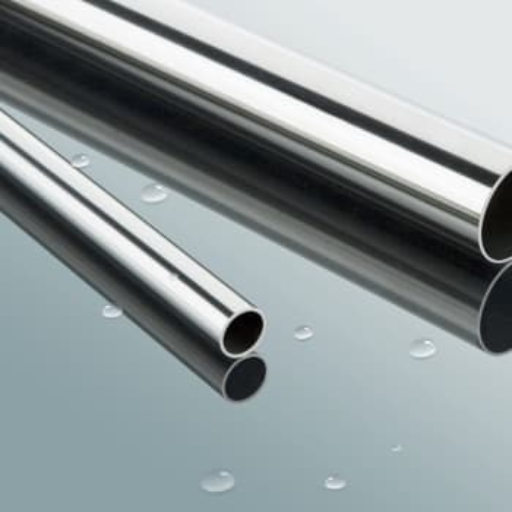
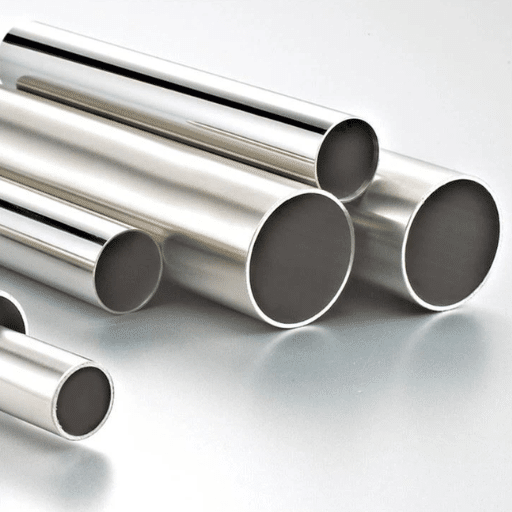
| 2205 | Seamless Pipe | 6.50−6.50−8.50 | 6,500−6,500−8,500 |
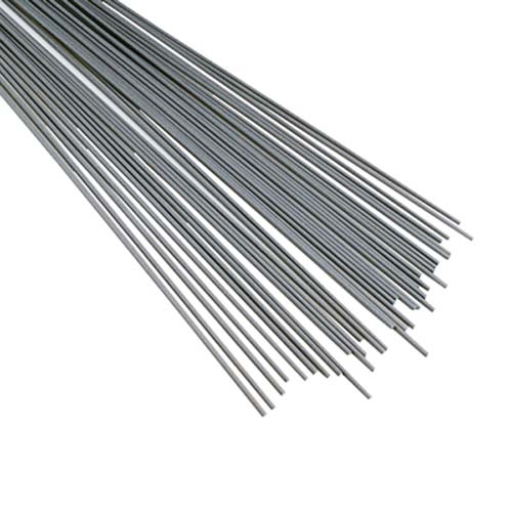
| 2205 | Bar / Rod | 5.50−5.50−7.00 | 5,500−5,500−7,000 |
| 2507 | Plate / Sheet | 9.00−9.00−11.00 | 9,000−9,000−11,000 |
| 2507 | Seamless Pipe | 11.00−11.00−14.00 | 11,000−11,000−14,000 |
| 2507 | Bar / Rod | 10.00−10.00−12.00 | 10,000−10,000−12,000 |
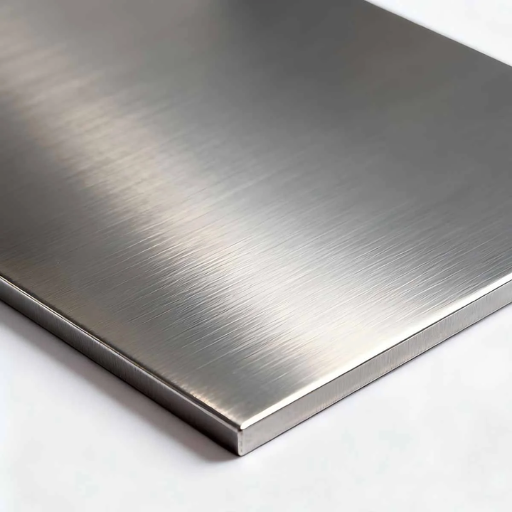
Thin gauge material below 3 mm, precision-tolerance product, and specialized surface finishes command premiums of 10-20% above standard cold-rolled plate. Seamless pipe carries a 20-40% premium over welded pipe due to production complexity.
Lifecycle Cost Analysis
Although 2205 carries a 20-30% raw material premium over 316L, total project cost often favors duplex when lifecycle performance is considered. The higher yield strength permits thinner sections, reducing material weight by 30-50%. Reduced wall thickness means less welding labor, smaller support structures, and lower transportation cost.
In aggressive environments, the elimination of stress corrosion cracking failures eliminates unplanned shutdowns, emergency repairs, and replacement costs. A Middle East petrochemical facility calculated that switching from 316L to 2205 for brine heat exchangers reduced total cost of ownership by 38% over a ten-year period, despite the higher initial material price.
Documentation Requirements
Every duplex stainless steel order should include:
- EN 10204 3.1 certificate: Confirms compliance via manufacturer inspection.
- Full Mill Test Report (MTR): Chemical composition, mechanical properties, and dimensional results.
- PREN calculation: Verified against order specification.
- NACE MR0175 compliance declaration: Required for sour service applications.
- Ultrasonic NDT report: For plate and pipe above specified thickness.
At our Wuxi facility, every duplex shipment is verified by direct-reading spectrometer before release. We calculate PREN from actual ladle analysis and include the result on the MTR. For sour service orders, we certify hardness compliance per NACE MR0175 Section A.22.
Need a competitive quotation for duplex 2205 or 2507? Request a grade-specific quote with your specification, quantity, and delivery terms. Our technical team will confirm grade selection and respond within 24 hours.
Why Zhonggongte for Duplex Stainless Steel
Jiangsu Zhonggongte Metallurgical Technology Co., Ltd. supplies the full duplex stainless steel range from our Wuxi facility and through authorized partnerships with Taiyuan Steel, Zhangjiagang Pohang, and Outokumpu.
Grade and Form Availability
We stock and produce 2205 and 2507 in plate, sheet, seamless and welded pipe, bar, and custom-cut components. Our technical team also advises on lean duplex 2101 and 2304 for structural applications where the corrosion environment is less aggressive.
Quality Verification
Every duplex shipment leaves our facility with:
- In-house direct-reading spectrometer analysis confirming chemical composition
- Full MTR per ASTM A240, A790, or EN 10088 as specified
- PREN calculation from actual analysis
- EN 10204 3.1 or 3.2 certification on request
- Hardness verification for NACE MR0175 sour service orders
- Dimensional inspection report
Related Products and Logistics
For projects requiring multiple alloy systems, we supply complementary stainless steel sheet and stainless steel pipe from the same heat lot where possible, ensuring matched chemistry across your material package.
We also supply 316L stainless steel for less demanding environments and 430 stainless steel for applications where magnetic ferritic grades are appropriate.
Our 24-hour logistics center supports FOB, CIF, and EXW delivery terms to North America, Europe, Southeast Asia, and beyond.
Frequently Asked Questions
Q: What is the main difference between duplex 2205 and super duplex 2507?
A: Grade 2507 contains higher chromium (25% vs 22%), nickel (7% vs 5.5%), molybdenum (4% vs 3%), and nitrogen (0.27% vs 0.17%), resulting in PREN above 40 and yield strength of at least 550 MPa compared to 2205’s PREN of 33-35 and yield strength of 450 MPa. Specify 2507 for seawater, subsea, and extreme chloride environments; 2205 for general chemical, marine, and oil and gas service.
Q: Is duplex stainless steel better than 316L?
A: Duplex 2205 offers approximately double the yield strength of 316L and is immune to chloride stress corrosion cracking, which causes 316L failures in chloride environments above 60°C. However, 316L is superior for continuous service above 300°C, complex forming operations, and applications requiring non-magnetic properties. Grade selection depends on the specific operating environment.
Q: Can duplex stainless steel be welded to carbon steel?
A: Yes, using appropriate dissimilar-metal welding procedures and nickel-based filler metals such as ENiCrFe-3 or ENiCrMo-3. The weld joint design must account for thermal expansion differences. Post-weld heat treatment is generally not applied to the duplex side.
Q: What is the maximum service temperature for duplex 2205?
A: Continuous service should not exceed 300°C. Brief exposure to higher temperatures is acceptable, but prolonged exposure between 300°C and 1000°C causes embrittlement through sigma and chi phase precipitation. For high-temperature service, specify 316L, 310S, or a nickel-based alloy.
Q: How do I verify that my duplex supplier is delivering genuine 2205 or 2507?
A: Require EN 10204 3.1 certification with full chemical composition. Verify that the PREN calculated from the actual analysis meets or exceeds 33 for 2205 and 40 for 2507. For critical applications, request independent third-party inspection (EN 10204 3.2) and ultrasonic NDT testing.
Q: What filler metal should be used for welding duplex 2205?
A: Use ER2209 for GTAW (TIG) and GMAW (MIG) welding of 2205. For 2507, use ER2594. These fillers are over-alloyed with nickel and nitrogen to maintain proper austenite-ferrite balance in the weld metal. Never use 316L filler for duplex base metal.
Q: Why does duplex stainless steel cost more than 316L?
A: Duplex grades contain higher chromium, molybdenum, and nitrogen than 316L. Production requires more precise composition control and thermomechanical processing. However, the lifecycle cost often favors duplex due to thinner allowable sections, longer service life in aggressive environments, and elimination of SCC-related failures.
Conclusion
Duplex stainless steel represents a step change in performance for applications where both strength and corrosion resistance matter. The dual-phase microstructure of grades 2205 and 2507 delivers yield strength approximately double that of 316L while providing immunity to chloride stress corrosion cracking that causes premature failure in austenitic grades.
Understanding duplex stainless steel means understanding when its advantages justify the material premium: seawater systems, chemical processing with chlorides, high-pressure oil and gas equipment, and any application where 316L has suffered SCC failure. It also means understanding its boundaries: temperature limits, fabrication requirements, and magnetic properties that disqualify it from certain applications.
For procurement teams evaluating options in 2026, 2205 at 5.00−5.00−7.00/kg FOB China offers a compelling combination of performance and value for most demanding service. Super duplex 2507 at 9.00−9.00−12.00/kg is justified when the operating environment leaves no margin for corrosion.
Ready to specify duplex stainless steel for your project? Request a competitive quotation with your grade, form, quantity, and delivery requirements. Our metallurgical team will confirm grade selection, verify specifications, and respond within 24 hours with ex-factory and delivered options.