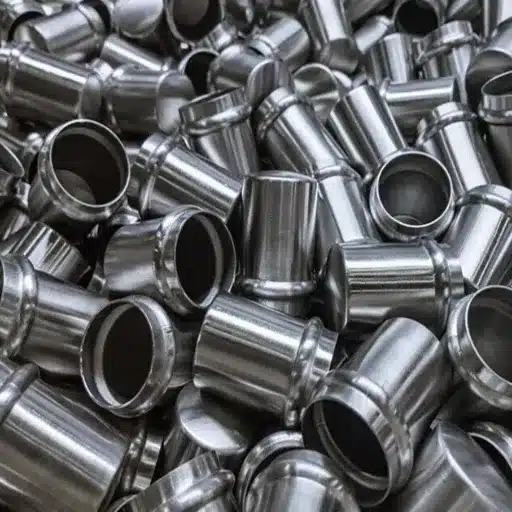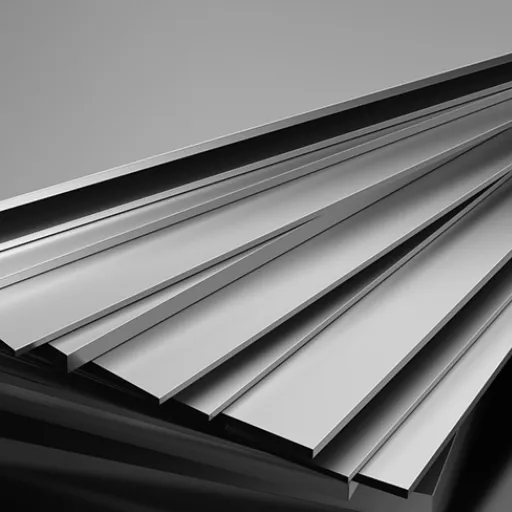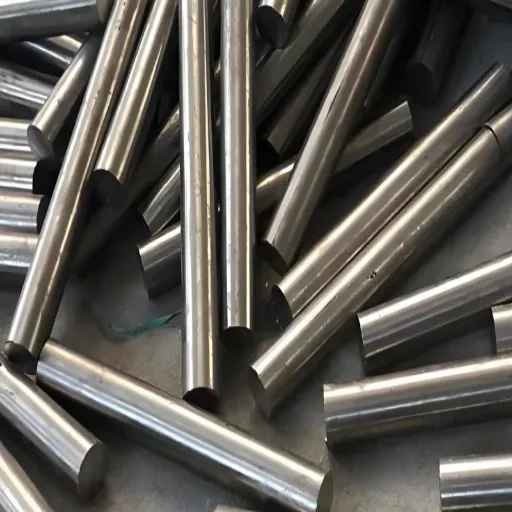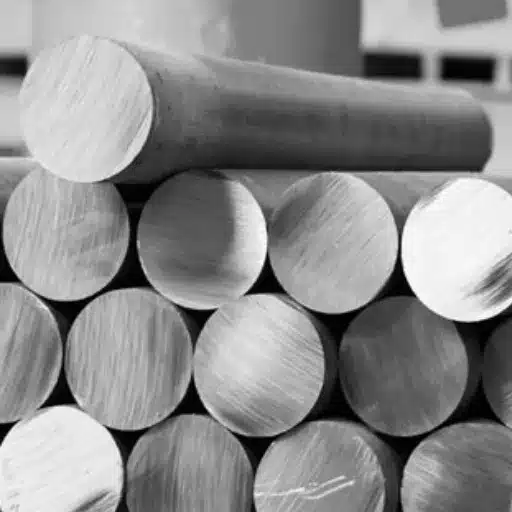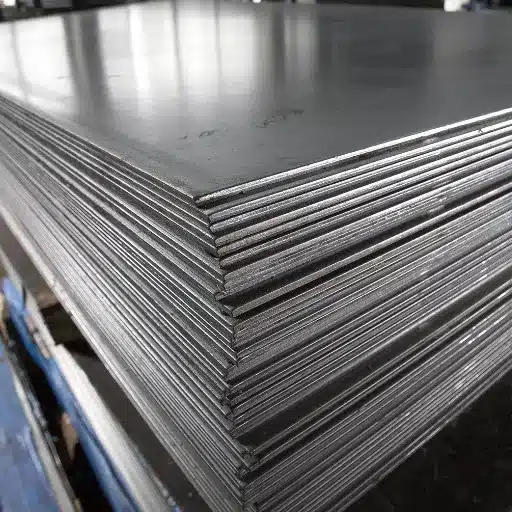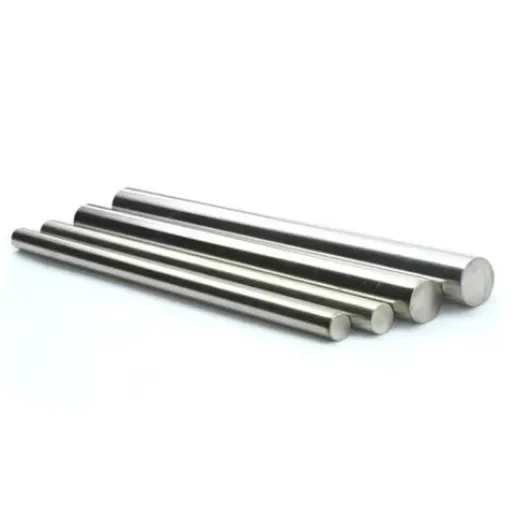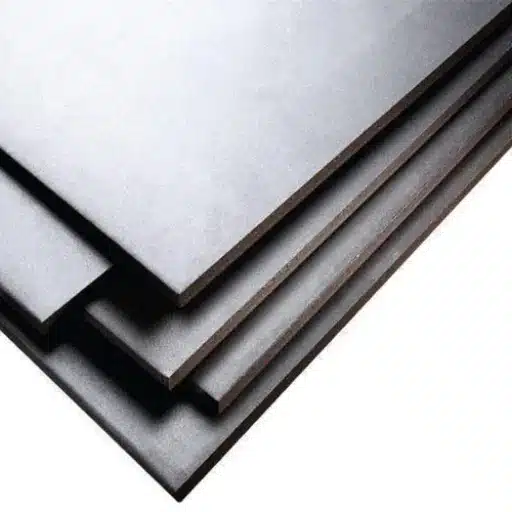
Wear resistant steel is an essential material used in various industries such as construction and mining where durability and toughness are mandatory. The material that is specifically developed for these industries and can resist wearing to the maximum degree, consequently gaining longevity and reliable performance even in the most critical environment conditions. Nevertheless, the properties of wear resistant steel that are unique to it, and which explain its ability to outlast all other materials across the entire spectrum of applications, will be examined in this article. The main characteristics of wear resistant steel will be discussed, its applications in different fields, and the reasons why it has been recognized as the most important material for industries needing strong solutions.
Introduction to Wear Resistant Steel
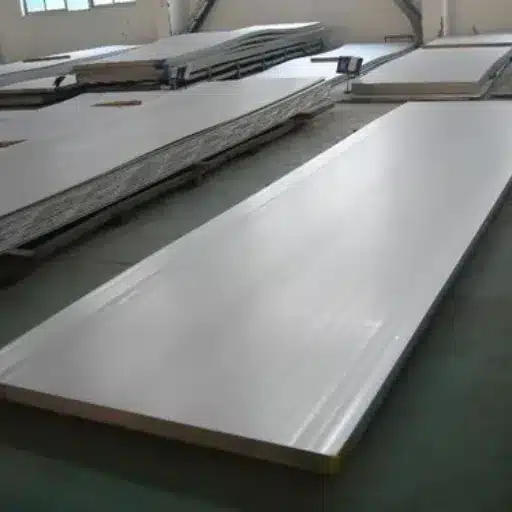
Definition and Overview
Wear resistant steel, which is also referred to as abrasion-resistant (AR) steel, is an alloy of metals that is purposely made to endure wear and tear as well as to resist very harsh conditions during its operation. The standard composition of wear resistant steel usually consists of a high percentage of carbon and the addition of alloying elements like chromium, manganese, and nickel. These elements work together to give the material more hardness, toughness, and abrasion resistance, thus making it incredibly durable and lasting for a long time.
One of the main features of wear resistant steel is its hardness that is usually measured in the Brinell Hardness Scale (HB) method. The hardness values of commonly used grades of wear resistant steel like AR400 and AR500 fall between 400 and 500 HB. This gives them a hardness that is 4 to 5 times higher than that of regular structural steel, which helps them to work well under very difficult conditions.
Industry’s Need of Wear Resistance
Wear resistance is essential in industrial applications and is of utmost importance in mining, construction, agriculture, and manufacturing where machinery and equipment face very harsh conditions. High wear-resistance materials like abrasion resistant steel not only reduce the intervals of machines going out of service but also cut down maintenance costs and operational inefficiencies thus becoming a core aspect of heavy industries.
As per the latest updates from the industry, the mining industry by itself consumes more than 30% of the global market for wear resistant materials because of the constant need for machinery that can withstand heavy impacts and for the roughest environment that these machines work in. Wear-resistant steel plays a significant role in enhancing the workflow and sustaining the productivity of mining operations through equipment such as conveyor belts, crushers, and excavators.
Types of Wear Resistant Steel
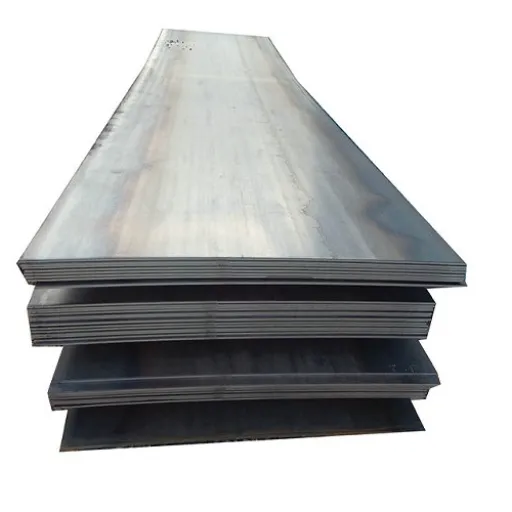
Overview of Different Steel Types
Hardox Steel
Hardox steels are the characteristic representatives of the wear-resistant steel group that offer the combination of toughness and resistance to wear. Typically, the hardness of Hardox is from 400 to 600 HB (Brinell Hardness) that is the reason the plates are extensively used in the mining, construction, and heavy machinery industries. The research results have indicated that the adoption of Hardox steel will lead to an increase in the service life by 50% and therefore significant reduction of repair costs and downtime.
AR (Abrasion Resistant) Steel
The AR steel is so tough that it can easily handle any sort of high abrasion and erosion. Among the most widely used grades are AR400 and AR500 that have the hardness and durability properties making them the best performers in the industries like quarrying and material handling. For example, the shooting targets, conveyor belts, and dump truck liners are all made from steel with a hardness of 500 HBW which is typical for AR500.
Manganese Steel
Manganese steel or Hadfield steel is recognized by the industry for very high impact strength and resistance to abrasion in the case of hardening. The steel gains its hardness naturally under impact, thus being applicable for rock crushers, railway switches, and heavy-wear surfaces bars. The manganese content of the steel is 11-14% which helps in making it hard and at the same time ductile.
Carbon Alloy Steels vs. Alloy Steels
Carbon Alloy Steels
Carbon alloy steels are mainly composed of iron and carbon with only a little amount of other alloying elements, for instance, manganese or silicon, added. The carbon content is usually 0.12%-2.0% and it has a direct influence on the hardness and strength of the material. The higher levels of carbon produce steel that is hard but not very ductile. Carbon steels are used in applications where high tensile strength and wear resistance are required, such as in cutting tools, automotive components, and construction materials. Even though they are strong, carbon steels are not very resistant to corrosive conditions when compared to alloy steels and therefore they are not suitable in certain environments unless protected with coatings.
Alloy Steels
In contrast to the above, the alloy steels get their characteristics through the addition of alloying elements such as chromium, nickel, molybdenum, tungsten, or vanadium. These elements increase the hardness, toughness, and corrosion resistance of the material. For example, chromium improves the oxidation resistance and this is why alloy steels are widely used in places with exposure to moisture and chemicals. Although alloy steels are usually more costly than carbon steels, their longevity and resistance to harsh conditions justify the investment in the first place. Such areas of application include aerospace components, power plants, and pressure vessels. Stainless steel, which is a type of alloy steel, can have up to 10.5% chromium, so that it provides excellent corrosion resistance.
Key Properties and Performance Metrics
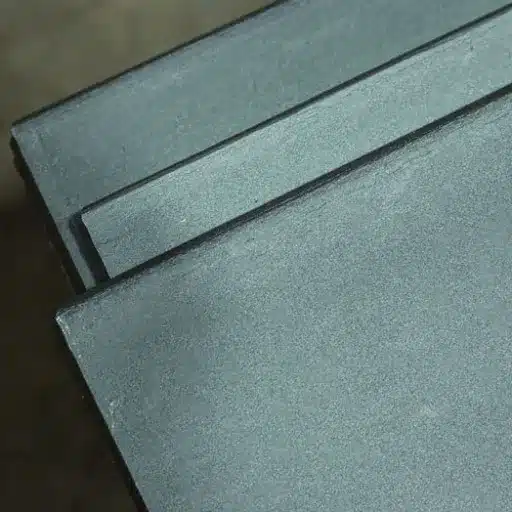
Hardness and Brinell Hardness Measurement
Hardness is a fundamental property of metals, especially steels and other alloys, indicating their ability to resist modification, scratching, and even indentation performed with some force applied. Of the various available methods for hardness determination, the Brinell Hardness Test (BHN) is particularly recommended for metals with large grain and for situations in which determining a macro-hardness value is essential.
The Brinell Hardness Test consists of forcing a hard steel or tungsten carbide ball, usually 10 mm in diameter, into the surface of the material with a predetermined weight, for example, 500 kgf, 1500 kgf, or 3000 kgf, depending on the type of material. The area of the indentation is measured in order to determine the Brinell Hardness Number (BHN) with the following formula:
BHN = Load (kgf) / Indentation Surface Area (mm²)
As an illustration, steels of higher carbon content usually display BHN values between 150 and over 600, affected by heat treatment and alloying composition. This clearly demonstrates the Brinell Hardness Test’s prominence in the evaluation of structural steels, alloy steels, and many other industrial materials subjected to different conditions.
Chemical Composition and Its Impact on Wear Resistance
The steel wear resistance chemical Composition is the matrix that entirely defines the characteristics like longevity, quality, and survival in an extremely harsh environment. These are the principal alloying elements found in wear-resistant steel namely: carbon, manganese, chromium, and molybdenum that give each of the steel types their respective properties.
The usual carbon content in wear-resistant steels is between 0.2% to 0.5%, thus making the hardness and toughness play together nicely.
Manganese contributes to wear resistance through the steel’s increased toughness and strength, thus also making work-hardening effects better, especially in high-impact applications areas.
Chromium gives the steel a high-level corrosion resistance and it is also a contributor to the steel’s hardenability. In the case of wear-resistant steels, the amount of chromium typically ranges from 1% to 3%.
Molybdenum is responsible for the steel’s added strength and it reduces the possibility of the steel deformation at high temperatures, thus making it the perfect choice for applications in extreme heat.
Applications of Wear Resistant Steel
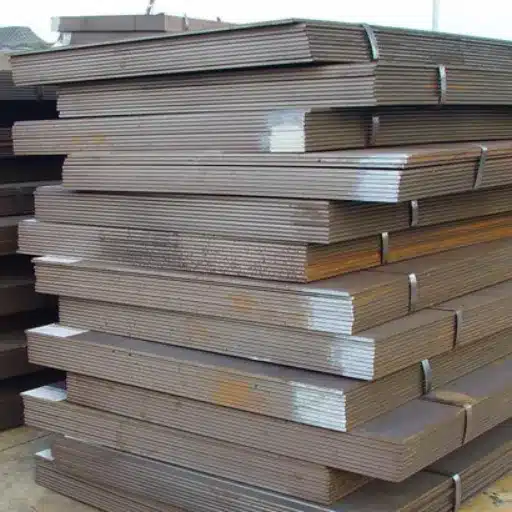
Industry-Specific Applications of Wear-Resistant Steel
- Mining and Quarrying
Mining operations are characterized by severe wear and tear and impacts, particularly during the handling and processing of ores and minerals. Steel with resistance to wear and tear is the one that is used in the equipment including dump trucks’ bodies, draglines, crushers, and vibrating screens. Market data reveals that through the application of wear-resistant steel mining can result in the doubling of the equipment’s life, thereby significantly cutting down on the number of repairs made and the time spent on them.
- Construction
The construction sector is constantly making use of wear-resistant steel in the manufacturing of equipment such as bulldozers, loaders, and excavator buckets. The applications that require excellent abrasion resistance are the ones that will be subjected to heavy wear during digging, earthmoving, and material handling. Research shows that the use of advanced grades like Hardox® steel boosts the efficiency of operations and reduces the costs due to their increased durability and lightness.
- Agriculture
Plows, harrows, and combines are the types of equipment that are subjected to very strong friction and wear in farms and fields. It is, therefore, very important that through the wearing resistant steel these components are supplied with good reliability, even in very harsh conditions of sand, soil, and stone abrasion. Reports indicate that equipment longevity increases by as much as 30% if wear-resistant materials are used in manufacturing the equipment.
Case Studies showing Effectiveness
Case Study 1: Mining Industry – Increased Equipment Lifespan
A mining company made the decision to apply top-grade wear-resistant steel for the most critical parts of the machinery, for example, the loaders and conveyor systems. The company incurred frequent downtime and high maintenance costs because prior to the upgrade the wear and tear on the conveyor system and the loaders were very significant. The company switched its dice to wear-resistant steel and thus reported a 30% increase in the lifespan of the equipment and a 20% reduction in maintenance of costs over the span of three years. Not only did this change improve the efficiency of the operation, but it also led to an annual saving of $500,000 which was previously spent on maintenance.
Case Study 2: Agricultural Sector – Improved Tool Durability
An agricultural machinery manufacturer used wear-resistant steel in producing the blades of plows and some parts of harvesters. Testing showed that the new materials provided double the durability compared with that of standard steel, even when there are very high soil pressure conditions. Farmers that were using this improved equipment noticed that the frequency of replacing tools was cut down by 50%, thus resulting in a decrease of costs and the disruption during the peak farming seasons being minimized.
Recent Innovations and Technologies
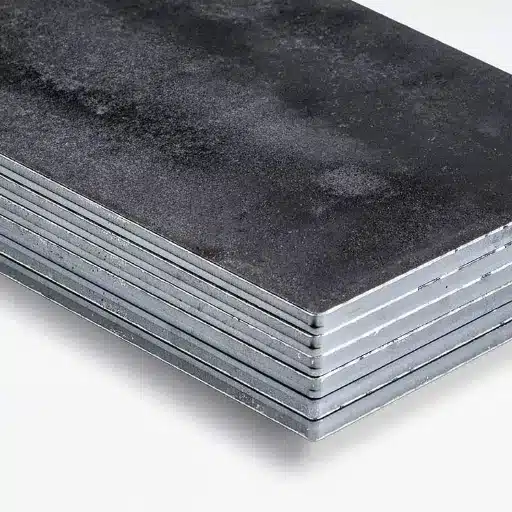
Advancements in Wear-Resistant Alloy Steel
The progress on wear-resistant alloy steel has been accelerated in the last years, primarily due to the industries like mining, construction, and manufacturing insisting on more durable and efficient materials. The major focus of these innovations is directed toward the hardness, toughness, and overall performance of the steel which are required to handle the extreme abrasion and mechanical stress while still being economical.
The creation of nano-structured wear-resistant steels is one of the most significant breakthroughs in this area. The scientists have managed to structure the steel at the nanoscale level through advanced techniques and this has resulted in steel with very high hardness and wear resistance but still very good flexibility. For instance, NM550 and Hardox® Extreme steels are manufactured to provide really high service life of over 550 HBW (Brinell Hardness) and also have their applicability in dump truck bodies, cutting edges, and crushers among others.
Emerging Technologies in Steel Production
The steel sector is converting to a new era with the incorporation of next a technology that mainly focuses on superior production efficiency, less environmental pollution, and better material characteristics. The most notable of these innovations is the employment of artificial intelligence (AI) as well as machine learning in the manufacturing processes. AI is able to facilitate real-time huge data analysis which results in the optimization of heat treatments, very precise control of furnace temperatures and prediction of equipment maintenance needs, thus supporting the production of quality steel and less time being wasted.
The other great invention is the more and more replacing of hydrogen-based steel manufacture with the one using traditional carbon intensive blast furnaces. It has been recently reported that the application of hydrogen as a reducing agent in steelmaking can yield a reduction in CO₂ emissions by 90% when compared with conventional methods, thus making it a pivotal point for the transition to greener steel production. Companies like SSAB, ArcelorMittal and Thyssenkrupp have already conducted a trial of hydrogen steelmaking operations and the emissions’ reduction obtained has been noteworthy.
Reference Sources
-
Prophecy Market Insights
This source discusses the rapid growth in industries like real estate, mining, and automobiles, which drives the demand for wear-resistant steel. It provides insights into market trends and applications.
Link to source -
Mordor Intelligence
This report analyzes the wear-resistant steel plate market, including its size, growth, and applications in various industries such as mining and construction. It offers detailed market data and forecasts.
Link to source -
Yahoo Finance
This article highlights the growing demand for wear-resistant steel plates, driven by their extensive use in industries like mining, construction, and agriculture. It also discusses market growth rates and trends.
Link to source
Frequently Asked Questions (FAQs)
What is the significance of quench and temper in the maker of abrasion-resistant steel plate?
Quench and temper are two steps of heat treatment that microstructure the steel. The quench rapidly cools the austenite to form martensite which is very hard and hence has a long wear life, while temper reduces brittleness and restarts toughness. The process results in Steel Plate for Abrasion Resistance that has the hardness of wearing out and at the same time a sufficient amount of impact resistance together with the strength and toughness of service conditions.
Is welding of AR500 steel possible, and if so, what restrictions would be put in place?
AR500 steel is a high-carbon alloy that is intended for wear resistance. Welding is an option but the welding procedure must take into consideration the high hardness, and the susceptibility of the material to cracking. Preheating, the use of low-hydrogen welding consumables, control of heat input, and post-weld tempering or stress relieving can all help to diminish the chance of weld cracking and at the same time keep the material’s resistance to wear. If the proper technique is used it will ensure that strength and toughness are maintained in the area surrounding the weld.
How can surface hardening be compared to using a full-thickness abrasion-resistant steel plate?
Surface hardening develops resistance to wear by creating a hardened layer on the surface of the part while the inner part of the steel remaining softer; this is the case when impact resistance and toughness are not needed. A full-thickness abrasion-resistant steel plate does not only provide wear resistance throughout but also it is of the same rate across the entire thickness. Cost efficiency is the key consideration in making a decision: surface hardening can save costs in the case of localized wear parts while wear-resistant steel plates are to deal with heavy abrasive wear that covers bulk material.
What are the usual chemical elements used in steel to boost wear resistance?
To improve wear resistance, different elements are used such as chromium, carbon, nickel, and molybdenum and the overall carbon content is strictly controlled, resulting in steels of different carbon compositions ranging from low to high ones. High chromium gives resistance to abrasion; nickel and molybdenum reinforce strength and toughness, and prudent carbon content aids in the formation of martensite during quenching thus achieving the required hardness while not succumbing to the disadvantage of impact resistance.