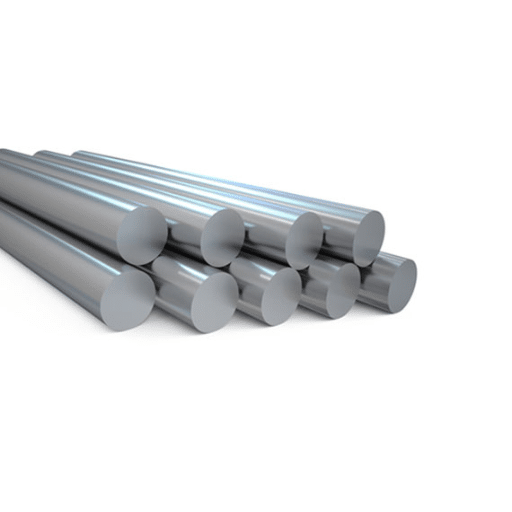
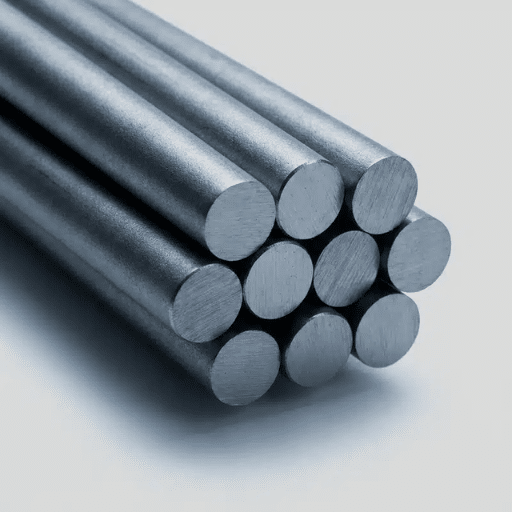
17-4PH stainless steel typically costs 4.50to4.50to12.00 per kg for standard commercial grades, while aerospace-certified AMS 5643 material can reach 15.00to15.00to28.00 per kg. The exact 17-4PH price per kg you pay depends on product form, heat-treatment condition, certification level, order quantity, and regional supply source.
If you are sourcing bar, plate, sheet, or forgings for aerospace, petrochemical, or general precision engineering, price is only part of the equation. A quote that looks cheap on paper can become expensive once you factor in certification gaps, rejected batches, or delayed heat treatment. This guide breaks down current 17-4PH stainless steel price ranges, explains what drives the differences, and shows how to request a quotation that protects your project budget and quality requirements.
Key Takeaways
- Commercial 17-4PH bar costs roughly 3.00–3.00–5.50/kg, sheet and plate range from 4.20–4.20–9.50/kg, and precision-ground or aged grades run 8.50–8.50–15.00/kg.
- AMS 5643 / aerospace-certified 17-4PH commands a 40–100% premium over commercial material because of traceability, testing, and lot control.
- Heat-treatment condition matters: Condition A is usually cheaper upfront than H900, but aging adds processing cost whether done by the mill or in-house.
- China-origin 17-4PH remains cost-competitive, with commercial bar and plate often 20–40% below European and North American spot prices for equivalent grades.
- Always specify ASTM A564, AMS 5643, or EN 1.4542 compliance, required condition, and the certificates you need before comparing quotes.
What Is 17-4PH and Why Does Pricing Vary?

17-4PH (UNS S17400, AISI 630, EN 1.4542) is a precipitation-hardening martensitic stainless steel that combines corrosion resistance with high strength after aging. Its name reflects the nominal composition: approximately 17% chromium and 4% nickel, with copper and niobium additions that enable the precipitation-hardening response.
The grade is produced in several heat-treatment conditions. Condition A is solution-annealed and ready for machining or subsequent aging. H900, H1025, H1075, H1100, H1150, and H1150M represent different aging temperatures that produce specific hardness and strength combinations. Each condition changes the mill process path, lead time, and therefore the 17-4PH price per kg.
For a deeper technical foundation, see our 17-4PH stainless steel guide. If you need mechanical-property context, our 17-4PH properties guide explains how condition affects tensile strength, hardness, and toughness.
What Drives 17-4PH Price Per Kg?
Several factors move the quoted price beyond the base alloy cost. Understanding them helps you compare apples-to-apples quotations instead of chasing the lowest number.
Product Form
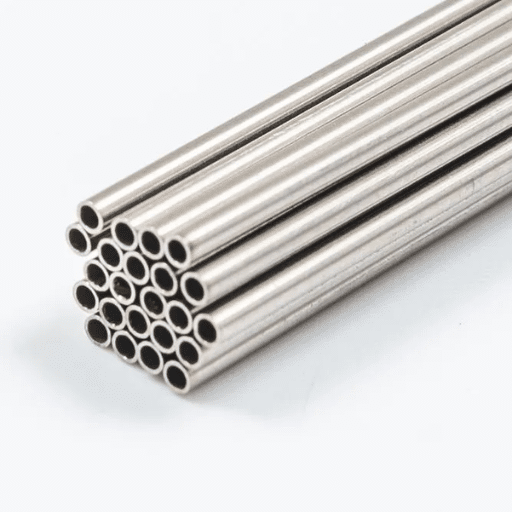
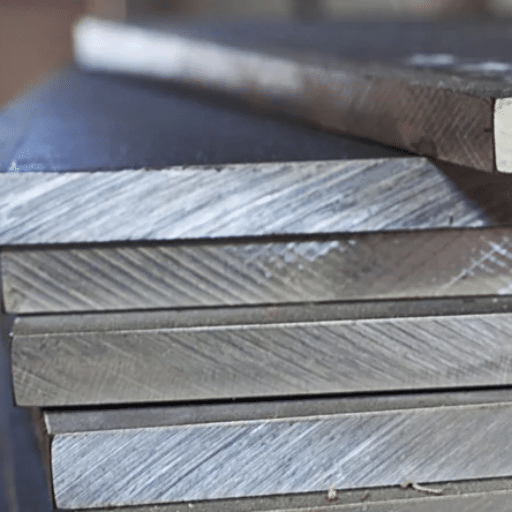
Bar, plate, sheet, coil, and forgings each have different processing requirements. Bar is generally the simplest form and carries the lowest per-kilogram price. Sheet and plate require hot or cold rolling, surface finishing, and dimensional tolerances that add cost. Precision-ground plate or peeled and polished bar adds further processing.
Heat-Treatment Condition
Condition A is usually the lowest-cost entry point because it skips the aging step. H900 and other aged conditions require controlled thermal processing, which adds furnace time, testing, and certification. Some buyers purchase Condition A and age in-house to save money, but only if they have qualified heat-treatment equipment and can absorb the yield risk.
Certification and Testing
Commercial mill certificates (EN 10204 2.2 or 3.1) cover basic chemistry and mechanical properties. Aerospace AMS 5643 material demands full traceability, ultrasonic testing, macroetch inspection, and sometimes third-party witness testing. Each additional test layer raises the 17-4PH stainless steel price.
Order Quantity and Dimensions
Small quantities and non-standard sizes attract surcharges. A single 50 kg trial order costs more per kilogram than a 5-ton mill production order. Similarly, oversized plate, tight-tolerance ground bar, or custom forgings carry setup and yield premiums.
Market Conditions
Nickel, chromium, and copper prices fluctuate with global commodity markets. Energy costs, freight rates, and currency exchange also influence the landed price. Prices quoted in this guide reflect mid-2026 market conditions and should be verified at the time of purchase.
17-4PH Price Per Kg by Product Form
The table below summarizes typical 2026 price ranges for common 17-4PH product forms. Use these ranges for budgetary estimates; your actual quote depends on the factors above.
| Product Form | Condition | Certification | Price Range (USD/kg) |
|---|---|---|---|
| Round bar, hot rolled | A / H1150 | Commercial / EN 10204 3.1 | 3.00–3.00–5.50 |
| Round bar, peeled / polished | A / H900 | Commercial / AMS 5643 | 5.50–5.50–12.00 |
| Flat bar | A / H1150 | Commercial | 4.00–4.00–6.50 |
| Hot rolled plate | A | Commercial / EN 10204 3.1 | 4.80–4.80–8.00 |
| Cold rolled sheet | A | Commercial | 5.50–5.50–9.50 |
| Precision ground plate | A / H900 | Tight tolerance / AMS | 8.50–8.50–15.00 |
| Forgings | A / H900 / H1150 | AMS / customer spec | 10.00–10.00–22.00 |
| Aerospace bar/plate | H900 / H1025 / H1150 | AMS 5643, full traceability | 15.00–15.00–28.00 |
Commercial bar and plate sit at the low end of the range. Aerospace-certified material, especially in aged conditions, sits at the high end. If your application does not require AMS certification, you can often source commercial-grade 17-4PH at a significant discount.
Condition A vs H900: How Heat Treatment Affects Cost
One of the most common questions buyers ask is whether to purchase Condition A and age it themselves, or buy H900 directly from the mill. The answer depends on your in-house capability, lot size, and risk tolerance.
Condition A Pricing
Condition A is solution annealed at approximately 1,040°C and air-cooled or water-quenched. It is relatively soft, machinable, and dimensionally stable. Because the mill does not perform the aging cycle, Condition A typically costs 10–20% less than H900 from the same supplier.
For buyers who machine complex parts before aging, Condition A is often the right choice. It allows easier cutting, less tool wear, and tighter dimensional control before the final hardening step.
H900 and Other Aged Conditions
H900 is aged at approximately 480°C to achieve the highest strength and hardness in the 17-4PH family. H1025, H1075, H1100, and H1150 are aged at progressively higher temperatures, producing lower strength but better toughness and stress-corrosion resistance.
Aged material costs more because the mill must run a controlled thermal cycle, perform post-aging mechanical testing, and certify the results. For small lot sizes, buying pre-aged material can be more economical than running your own furnace. For large production runs with qualified heat-treatment lines, aging in-house may lower the total cost per part.
Our 17-4PH heat treatment guide provides the full aging temperature and hardness chart if you want to compare conditions side by side.
Certification Levels and Their Cost Impact

Documentation is where many price differences hide. Always match the certificate level to your application requirements.
Commercial Mill Certificate (EN 10204 2.2 / 3.1)
A standard EN 10204 3.1 certificate includes chemical composition, mechanical properties, and heat number. This level is sufficient for general industrial, tooling, and non-flight applications. It adds minimal cost to the base 17-4PH price per kg.
AMS 5643 Aerospace Certification
AMS 5643 is the aerospace material specification for 17-4PH bar, forgings, tubing, and rings. It requires tighter composition limits, specific melting practice, mechanical testing at room and sometimes elevated temperature, macroetch examination, and full traceability. Material certified to AMS 5643 typically costs 40–100% more than commercial grade.
Third-Party Inspection (EN 10204 3.2)
When an independent inspection agency witnesses testing and certifies the material, the certificate becomes EN 10204 3.2. This is common for nuclear, offshore, and critical petrochemical projects. The inspection fee, often borne by the buyer, can add 200–200–800 per lot depending on scope.
Additional Testing
Ultrasonic testing, dye penetrant inspection, hardness surveys, and grain-size measurement are available on request. Each test adds cost but reduces the risk of downstream rejection. Specify exactly what you need in your RFQ so suppliers quote consistently.
Regional 17-4PH Price Comparison
Geography plays a major role in landed cost. Below are typical regional ranges for equivalent commercial-grade 17-4PH bar and plate.
| Region | Form | Condition | Typical Range (USD/kg) |
|---|---|---|---|
| China | Bar, commercial | A / H1150 | 2.80–2.80–4.50 |
| China | Plate, commercial | A | 3.80–3.80–6.50 |
| Europe | Bar | A / H1150 | 4.50–4.50–7.50 |
| Europe | Plate | A | 5.50–5.50–9.00 |
| North America | Bar | A / H1150 | 4.80–4.80–8.00 |
| North America | Plate | A | 6.00–6.00–10.00 |
China-origin material often offers the lowest base price, but buyers should factor in import duties, freight, inspection, and currency risk. European and North American stockholders charge more per kilogram but can deliver faster and provide local certification support.
At Jiangsu Zhonggongte, we produce 17-4PH bar, plate, sheet, and forgings in Wuxi and ship globally. Our About Us page describes our melting, testing, and export capabilities.
Real-World Procurement Scenarios
Numbers on a spreadsheet do not tell the whole story. Here are three common sourcing situations that show how the lowest quote can become the most expensive choice.
The Missing Certificate Cost
When Elena, a procurement manager for a German valve manufacturer, received three quotes for 17-4PH round bar, the lowest was 12% cheaper than the others. She placed the order, but when the material arrived, the certificate lacked the required EN 10204 3.2 inspection signature. Her quality department rejected the lot. The replacement order, expedited freight, and production delay cost her project nearly three times the original price difference.
In-House Aging vs Pre-Aged Bar
Mike, a manufacturing engineer at a Canadian aerospace subcontractor, needed H900 bar for actuator pins. His initial quote for pre-aged AMS 5643 bar was 19.50/kg. Here, we calculated the total cost using Condition A bar at 19.50/kg. Here, we calculated the total cost using Condition A bar at 11.00/kg plus in-house aging. After adding furnace time, labor, testing, and the risk of scrapping a failed heat-treatment lot, the pre-aged option was cheaper for his 200 kg batch. For a 2,000 kg annual program, the in-house route became more attractive.
The Plate Thickness Surprise
A petrochemical fabricator in Southeast Asia ordered 17-4PH plate based on a per-kilogram price without specifying tolerance class. The delivered plate was at the upper end of the commercial thickness tolerance, requiring extra machining to fit the design envelope. The apparent material savings were erased by increased machining time and reduced yield.
How to Request a 17-4PH Quotation That Gets Accurate Pricing
Vague RFQs invite vague quotes. Include the following details to receive comparable, actionable pricing.
1. Specify the Standard and Grade
State whether you need ASTM A564, AMS 5643, EN 1.4542, or a customer-specific specification. Each standard has different composition and testing requirements that affect cost.
2. Define the Condition
Request the exact heat-treatment condition: Condition A, H900, H1025, H1075, H1100, H1150, or H1150M. If you need multiple conditions for testing, ask for samples from the same heat.
3. List Dimensions and Tolerances
Provide diameter, thickness, width, length, and tolerance class. Ground, peeled, or polished surfaces add cost but reduce machining work.
4. State Certificate Requirements
Specify EN 10204 2.2, 3.1, or 3.2. For aerospace, state AMS 5643 and any additional tests such as ultrasonic or macroetch.
5. Disclose Quantity and Delivery Terms
A clear quantity and delivery schedule lets the supplier optimize production and freight. Requesting 50 kg today and 5,000 kg next quarter will yield different unit prices.
6. Ask for a Test Certificate Sample
Before placing a large order, request a sample certificate. This confirms the supplier understands your documentation expectations and avoids surprises at delivery.
If you would like a tailored quote, contact us with your specifications. Our metallurgical team responds within 24 hours with pricing, lead time, and certificate options.
Common Pricing Mistakes Buyers Make
Avoid these pitfalls when evaluating 17-4PH price per kg quotes.
Comparing Different Conditions
A Condition A quote cannot be compared directly to an H900 quote. The cheaper option may require additional heat treatment that changes the final cost.
Ignoring Certificate Costs
Always ask whether testing and certification are included. Some suppliers quote base material and add inspection fees later.
Over-Specifying Certification
Aerospace certification on a general industrial part wastes money. Match the certificate to the application.
Forgetting Freight and Duty
China-origin prices look low until you add ocean freight, insurance, customs clearance, and import duty. Calculate landed cost before choosing a supplier.
Neglecting Size Adders
Non-standard diameters, thin gauges, and tight tolerances carry premiums. Confirm whether your required size is standard stock or custom production.
17-4PH Stainless Steel Price Trends in 2026

Several market forces are shaping 17-4PH stainless steel price levels in 2026.
Raw Material Volatility
Nickel and chromium prices remain sensitive to supply disruptions in major producing regions. When alloy surcharges rise, mills pass at least part of the increase through to buyers.
Energy and Freight Costs
Electricity for melting and rolling, plus container shipping rates, continue to influence regional price spreads. European energy costs have pressured local stainless producers, making imported material more competitive in some cases.
Aerospace Demand Recovery
As commercial aviation and defense programs increase output, demand for AMS-certified 17-4PH tightens. This supports the premium for aerospace-grade material.
China Capacity Expansion
Chinese stainless and specialty alloy producers have expanded vacuum induction and electroslag remelting capacity. This has kept commercial-grade 17-4PH pricing competitive globally.
When to Choose 17-4PH Over Lower-Cost Stainless Grades
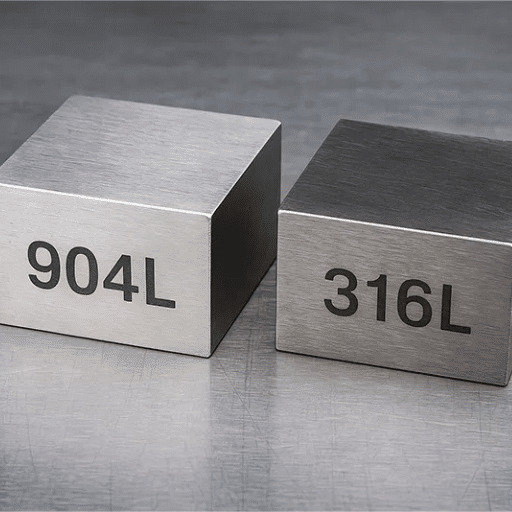
17-4PH is not the cheapest stainless steel, but it often delivers lower total cost when strength and corrosion resistance are both required. Standard 316L costs less per kilogram, yet it cannot match the strength of aged 17-4PH without significantly larger section sizes. In aerospace fittings, valve components, and pump shafts, the higher material cost is offset by reduced weight, smaller designs, and longer service life.
If you are comparing grades, our 17-4PH vs 316 comparison breaks down the strength, corrosion, and cost trade-offs.
FAQ: 17-4PH Price Per Kg
How much does 17-4PH stainless steel cost per kg?
Commercial 17-4PH typically costs 4.50–4.50–12.00/kg, while aerospace-certified AMS 5643 material ranges from 15.00–15.00–28.00/kg. The exact price depends on form, condition, certification, quantity, and supplier location.
Why is H900 more expensive than Condition A?
H900 requires a controlled aging cycle, post-aging mechanical testing, and additional certification. The extra processing adds 10–30% to the base material cost compared with Condition A.
Is China-origin 17-4PH cheaper than European or US material?
Yes. China-origin commercial 17-4PH bar and plate is often 20–40% less expensive before freight and duty. However, buyers should verify certification, testing, and supplier quality systems before purchasing.
Does AMS 5643 certification significantly increase price?
Yes. AMS 5643 material usually costs 40–100% more than commercial grade because of tighter composition limits, full traceability, and mandatory testing.
What information should I include in a 17-4PH RFQ?
Include the alloy standard, heat-treatment condition, dimensions and tolerances, required certificates, quantity, and delivery terms. This allows suppliers to quote accurately and comparably.
Conclusion: Get the Right 17-4PH Price, Not Just the Lowest One
The 17-4PH price per kg you see on a quote is only the starting point. The real cost includes condition, certification, tolerances, testing, freight, and the risk of rejected material. Commercial bar and plate in Condition A offer the lowest entry point, while AMS-certified H900 commands a premium that is justified by full traceability and aerospace-grade testing.
For most buyers, the best strategy is to define the exact standard, condition, and certificate before requesting quotes. This produces comparable pricing and protects your project from hidden costs. Regional differences matter too: China-origin material can reduce base cost, but calculate the full landed price before making a decision.
At Jiangsu Zhonggongte, we supply 17-4PH bar, plate, sheet, and forgings in Condition A and common aged conditions, with EN 10204 3.1/3.2 and AMS 5643 certification available. Tell us your specification, quantity, and delivery requirements, and we will provide a competitive, fully documented quotation within 24 hours.