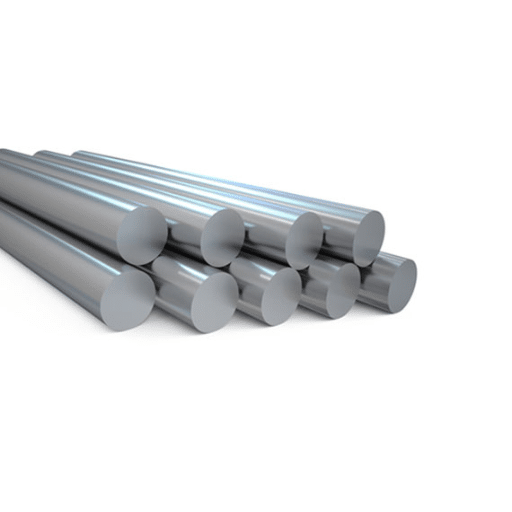
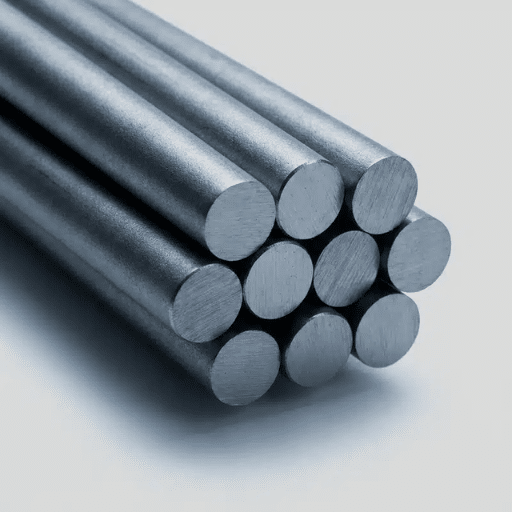
17-4PH machining success depends on one variable above all others: heat-treatment condition. Machine the grade in Condition A (solution annealed) and it behaves like a gummy stainless steel with predictable tool wear. Try to take heavy finishing cuts in H900 and you will burn inserts, work-harden surfaces, and miss tolerances. The standard process is to rough and semi-finish in Condition A, age to the final H-condition, then finish to size with stock allowances that compensate for heat-treatment shrinkage.
A medical-device manufacturer once sent us a batch of H900 pump housings that had been finish-machined from oversized bar without accounting for aging shrinkage. After heat treatment, every bore was undersize by 0.02 mm. The parts could not be salvaged, and the lot had to be remade. That mistake is why this 17-4PH machining guide covers both cutting parameters and process planning.
This guide gives you condition-based speeds and feeds, insert and tool recommendations, work-hardening control tactics, tolerance planning rules, and a sourcing checklist for buying 17-4PH bar and plate for machining. Whether you are programming a CNC lathe, quoting an aerospace fitting, or specifying material for an outside shop, you will leave with actionable parameters.
Key Takeaways
- 17-4PH machining behavior is dominated by heat-treatment condition: Condition A machines easily; H900 is abrasive and work-hardening.
- The standard workflow is rough machine in Condition A, age to H900/H1025/H1150, then finish machine with proper stock allowance.
- Use sharp carbide or coated carbide tooling, rigid setups, flood coolant, and continuous cuts below the work-hardened layer.
- Allow for 0.05% shrinkage during H900 aging and 0.10% shrinkage during H1150 aging.
- Turning speeds: 250–400 SFM in Condition A, 100–300 SFM in H900; feeds around 0.007–0.015 IPR for roughing.
- Always specify condition, ASTM A564 / AMS 5643, and certification level when buying 17-4PH bar for machining.
What Is 17-4PH Stainless Steel?

17-4PH is a precipitation-hardening martensitic stainless steel designated UNS S17400, AISI 630, EN 1.4542, and Chinese GB 0Cr17Ni4Cu4Nb. It is valued for high strength, good corrosion resistance, and dimensional stability after heat treatment. Sandmeyer Steel’s 17-4PH overview is a reliable producer reference for specification data. For a full overview of the alloy from our perspective, see our 17-4PH stainless steel guide.
The grade is strengthened by a copper precipitation reaction during aging. After solution annealing, the microstructure is soft and machinable. Aging at progressively higher temperatures produces H-conditions from H900 (hardest) to H1150 (softest overaged). Each condition changes hardness, tensile strength, toughness, and corrosion resistance, which is why 17-4PH machining parameters must be matched to condition, not just grade.
For machinists, the most important fact in 17-4PH machining is that the grade in Condition A is magnetic, free-machining relative to its aged states, and stable enough for complex roughing. Once aged, it becomes abrasive to carbide and requires adjusted speeds, feeds, and tool paths. Our 17-4PH hardness chart lists the hardness values that drive these parameter choices.
How Heat Treatment Affects 17-4PH Machinability
Do not assume 17-4PH machines the same in every condition. The difference between Condition A and H900 is larger than the difference between 304 and 316 stainless in many operations.
| Condition | Approximate Hardness | Tensile Strength | Machinability |
|---|---|---|---|
| Condition A (annealed) | ~32 HRC | ~145 ksi (1,000 MPa) | Good / easiest |
| H900 | 40 – 47 HRC | ~190–200 ksi (1,310–1,380 MPa) | Difficult / abrasive |
| H1025 | 34 – 43 HRC | ~155–170 ksi (1,070–1,170 MPa) | Moderate |
| H1150 | 28 – 37 HRC | ~930 MPa | Better than H900 |
The practical rule is simple: if the geometry and tolerances allow, machine in Condition A and age afterward. This preserves tool life, reduces cycle time, and minimizes the risk of work hardening. Finish machining after aging is common for tight tolerances, but it should use light finishing stock, sharp tooling, and stable parameters.
For programmers, the heat-treatment step is a process input in 17-4PH machining, not an afterthought. Aging causes predictable shrinkage, changes surface scale, and can shift critical dimensions. Our 17-4PH heat treatment guide covers the temperature and hold-time details you need for planning.
17-4PH Machining Speeds and Feeds
The values below are starting points. Adjust for machine rigidity, tool coating, part geometry, and coolant delivery. RobbJack’s 17-4PH speeds and feeds are a useful tool-specific reference for these ranges.
Turning Parameters
| Parameter | Condition A | H900 / Hardened |
|---|---|---|
| Cutting Speed (SFM) | 250 – 400 | 100 – 300 |
| Cutting Speed (m/min) | 80 – 120 | 30 – 90 |
| Feed (IPR) | 0.007 – 0.015 | 0.005 – 0.012 |
| Feed (mm/rev) | 0.18 – 0.38 | 0.13 – 0.30 |
| Depth of Cut | Moderate to heavy | Light to moderate |
| Insert Style | CNMG / WNMG / DNMG | Same, sharper edge |
Turning 17-4PH in Condition A is straightforward with coated carbide inserts, which is why many programmers start their 17-4PH machining workflow with turning operations. In H900, reduce speed and maintain a positive rake angle. A heavy feed and depth of cut are preferred because they cut below the work-hardened layer formed by the previous pass.
Milling Parameters
| Parameter | Condition A | H900 / Hardened |
|---|---|---|
| Cutting Speed (SFM) | 100 – 300 | 75 – 200 |
| Cutting Speed (m/min) | 30 – 90 | 25 – 60 |
| Feed per Tooth (IPT) | 0.002 – 0.003 | 0.001 – 0.002 |
| Tool | Solid carbide, 4-flute | Same; TiAlN coated |
| Strategy | Climb milling | Trochoidal toolpaths |
Slotting and profiling in H900 are where 17-4PH machining tests machine rigidity the most. Trochoidal or high-efficiency milling toolpaths maintain constant tool engagement and reduce heat buildup. Avoid slotting at full width with low feed; the material will work harden and shorten tool life dramatically. Machining Doctor’s 17-4PH data sheet provides additional starting data by operation.
Drilling Parameters
| Parameter | Condition A | H900 / Hardened |
|---|---|---|
| Cutting Speed (SFM) HSS/Co | 40 – 60 | 20 – 40 |
| Cutting Speed (SFM) Carbide | 120 – 180 | 60 – 100 |
| Feed (IPR) | 0.004 – 0.008 | 0.002 – 0.005 |
| Point Angle | 135° split point | 135° split point |
| Technique | Continuous feed | Peck drilling acceptable |
In Condition A, use continuous feed rather than pecking when possible. Pecking can work-harden the hole wall and reduce drill life. In H900, carbide drills with through-coolant are preferred, and peck cycles help manage heat. Industrial Monitor Direct’s drilling guide includes practical RPM and IPM examples.
Tapping and Threading
Tapping H900 17-4PH is difficult and risky. Thread milling is the better choice for production or coarse threads. For small holes or limited access, forming taps can work in Condition A or softer aged conditions. Always use a tap-specific cutting fluid and avoid bottoming taps in blind holes without generous chip evacuation.
Grinding
After aging, 17-4PH is often ground to final dimension. Use silicon carbide or aluminum oxide wheels at 18–24 m/s wheel speed with flood coolant. Magnetic fixtures work well because the grade is magnetic in all conditions. Passivation after grinding restores corrosion resistance.
Tooling Recommendations for 17-4PH Machining

Tool selection is where many shops lose money on 17-4PH machining. Using the same inserts for Condition A and H900, or using dull tools, leads to premature failure and poor surface finish. The tooling choices below are proven starting points for consistent 17-4PH machining results.
Turning Inserts
- Grades: Coated carbide such as Sandvik 2025 / 1125, Kennametal carbide, or equivalent PVD-coated grades
- Shapes: CNMG, WNMG, DNMG for general turning
- Chipbreakers: M4 or MF style for stainless and PH steels
- Geometry: Positive rake, sharp edge; honed edge only for heavier roughing
Milling Tools
- Solid carbide end mills, 4-flute, with TiAlN or TiN coating
- Corner radius or ball-end tools for finishing aerospace contours
- Short overhang and rigid clamping to reduce chatter
- Climb milling for better surface finish
Drills
- HSS-Co or carbide with 135° split point
- Through-coolant carbide drills for deep holes in H900
- Guhring Series 329 or OSG EX-Gold as commonly referenced options
Coolant
- Flood coolant at 10–15% water-soluble oil concentration
- High-pressure coolant for deep-hole drilling and high-speed milling
- Maintain coolant flow before, during, and after the cut to prevent built-up edge
Work-Hardening and Chip Control
Work hardening is the biggest enemy in 17-4PH machining. The material forms a hard, brittle surface layer under the cutting edge. If the next pass rubs or skims this layer, tool wear accelerates and surface finish degrades. Rapid Protos’ 17-4PH machining guide also emphasizes avoiding light rubbing cuts and keeping tools sharp.
To control work hardening:
- Use sharp tools. Dull edges rub rather than cut.
- Maintain a continuous cut. Avoid dwells and interruptions.
- Take a firm depth of cut. Light “spring” passes are worse than no pass at all.
- Keep feed rate up. A feed that is too low causes rubbing and work hardening.
- Use positive rake geometry. This reduces cutting forces and heat.
Chip control also matters. Long stringy chips are common in Condition A. Use chipbreaker inserts and adequate feed to produce manageable chips. In H900, chips are shorter but abrasive; evacuate them quickly to protect the finished surface.
A CNC shop we worked with was struggling with bore finish in H900 17-4PH. The problem was a 0.05 mm finishing pass at low feed. We recommended increasing the finish pass to 0.15 mm and raising feed from 0.005 IPR to 0.010 IPR. Tool life doubled and surface Ra improved from 1.6 to 0.6 µm.
Common 17-4PH Machining Mistakes
Even experienced shops make predictable errors when they first work with this grade. Avoiding these mistakes is the fastest way to improve 17-4PH machining results.
Machining H900 from Solid When Condition A Would Work
The most expensive mistake is buying H900 bar and trying to machine a complex part from it. Unless the geometry is simple and tolerances are loose, rough in Condition A and age afterward. The tool cost and cycle time savings usually exceed the extra heat-treatment step.
Using Light Finishing Passes
A light skim pass on H900 does not remove material efficiently. It rubs against the work-hardened layer and creates heat. Always use a finish pass deep enough and fast enough to cut fresh material.
Ignoring Heat-Treatment Scale
Aged bar often has a hard, dark oxide scale. Facing or turning through this scale with the same insert used for finishing damages the edge. Remove scale first with a dedicated roughing tool or specify peeled/ground bar.
Wrong Tool Geometry
Negative rake inserts or worn tools increase cutting forces and work hardening. Use positive rake, sharp edges, and replace inserts at the first sign of edge degradation.
Poor Coolant Delivery
Flood coolant is not optional for high-speed 17-4PH machining. Chips that sit on the cut zone recut and harden the surface. Direct coolant at the tool-chip interface and use high-pressure systems for deep holes.
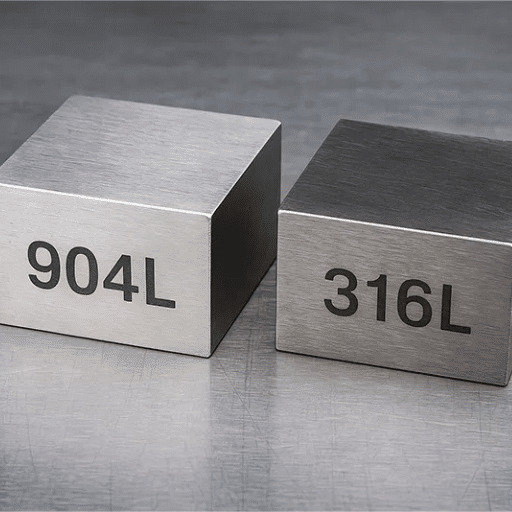
AFIParts’ comparison of machining 316L vs 17-4PH highlights how the two grades differ in chip formation and tool loading, which reinforces why 17-4PH needs its own parameter set.
Heat-Treatment Shrinkage and Tolerance Planning
Aging causes predictable dimensional change. If you machine to final size in Condition A and then age, the part will shrink. The amount depends on the final H-condition.
| Final Condition | Approximate Shrinkage | Planning Approach |
|---|---|---|
| H900 | ~0.05% | Leave 0.05–0.10% finish stock on critical dimensions |
| H1025 | ~0.06–0.08% | Leave matching finish stock |
| H1150 | ~0.10% | Leave slightly more finish stock |
For a 100 mm diameter, H900 aging can reduce the dimension by roughly 0.05 mm. That may seem small, but in aerospace bearing seats or medical sealing surfaces it is enough to scrap a part. The standard workflow is:
- Rough machine in Condition A.
- Semi-finish to dimensions that include aging shrinkage and final finish stock.
- Heat treat to final H-condition.
- Finish machine critical surfaces.
- Inspect with CMM after final machining.
Always define post-age dimensions on the drawing and communicate them to the heat-treatment supplier. MTRs should show the actual aging cycle so you can correlate any dimensional shifts with process records.
Surface Finish and Post-Machining Treatments
17-4PH can achieve excellent surface finishes when machined correctly. Aerospace and medical applications typically target Ra 0.2–0.4 µm on functional surfaces. Achieving this in H900 requires sharp finishing tools, stable spindle speeds, and adequate coolant.
After machining, remove heat-treatment scale and passivate the part. Passivation restores the chromium-rich passive film and improves corrosion resistance. Electropolishing is used for medical and food-grade components where a smooth, clean surface is required.
Do not leave ground or machined surfaces in the heat-treated state without passivation if the part will see corrosive environments. Scale and embedded iron from tooling can initiate corrosion. A light pickle or passivation treatment is standard practice for critical components.
Sourcing 17-4PH for Machining

The best machining parameters cannot fix the wrong starting material. When buying 17-4PH stainless steel bar or plate for machining, specify condition, standard, and certification level in the RFQ.
RFQ Checklist for 17-4PH Machining Stock
- Grade and UNS number: 17-4PH, UNS S17400, or 0Cr17Ni4Cu4Nb
- Product form: bar, plate, sheet, or forging
- Condition: Condition A, H900, H1025, H1075, H1100, H1150, or H1150M
- Specification: ASTM A564 or AMS 5643
- Dimensions and tolerances, including straightness for long bar
- Certification: EN 10204 3.1 or 3.2, with third-party inspection if required
- Surface condition: descaled, peeled, or ground
- Quantity and delivery term
Buying Condition A stock for post-machining aging is usually the most cost-effective approach for complex parts. For simple geometries with generous tolerances, pre-aged H900 bar can reduce lead time by eliminating the heat-treatment step.
At Jiangsu Zhonggongte, we supply 17-4PH bar, plate, sheet, and forgings in Condition A and common aged conditions. Every order ships with full material test reports, spectral analysis, and EN 10204 3.1/3.2 certification. We also support AMS 5643 lot control and third-party inspection for aerospace and defense projects. Submit your RFQ today and our team will confirm availability, pricing, and delivery within 24 hours.
17-4PH Machining FAQ
What is the easiest condition for 17-4PH machining?
Condition A (solution annealed) is the easiest. It machines similarly to 304 stainless steel and is the standard starting point for roughing and semi-finishing.
Can 17-4PH H900 be machined?
Yes, but it is abrasive and work-hardening. Use sharp carbide tooling, reduced speeds, rigid setups, and flood coolant. Most shops rough in Condition A and finish after aging.
What is the best insert for turning 17-4PH?
Coated carbide inserts with PVD/TiAlN-type coatings work well. Common choices include Sandvik 2025 / 1125 and Kennametal carbide grades. Use CNMG, WNMG, or DNMG shapes.
How much does 17-4PH shrink during heat treatment?
Expect approximately 0.05% shrinkage for H900 and up to 0.10% for H1150. Leave finish stock accordingly and inspect after final aging.
What speed should I use for milling 17-4PH?
For Condition A, start at 100–300 SFM. For H900, reduce to 75–200 SFM with solid carbide end mills and trochoidal toolpaths.
Should I use coolant when machining 17-4PH?
Yes. Flood coolant is strongly recommended for turning, milling, and drilling. It controls heat, extends tool life, and improves surface finish.
Is 17-4PH magnetic?
Yes, 17-4PH is magnetic in all heat-treatment conditions. This makes magnetic workholding and fixtures convenient.
Can I tap 17-4PH H900?
Tapping H900 is difficult. Thread milling is preferred for production work. Form taps can be used in Condition A or softer aged conditions.
What surface finish can I achieve on 17-4PH?
With proper finishing parameters, Ra 0.2–0.4 µm is achievable. Passivation or electropolishing may be needed afterward for corrosion resistance.
What should I specify when buying 17-4PH bar for machining?
Specify grade, condition, specification (ASTM A564 or AMS 5643), dimensions, tolerances, surface condition, certification level, and quantity.
Conclusion
17-4PH machining is not difficult once you match the process to the condition. Rough and semi-finish in Condition A, age to the final H-condition, then finish with stock that compensates for shrinkage. Use sharp carbide tooling, rigid setups, flood coolant, and continuous cuts that stay below the work-hardened layer. Follow those rules and you will get good tool life, accurate dimensions, and the surface finish the application demands.
The material side matters just as much as the machine side. Buy certified 17-4PH in the right condition, verify the MTR, and plan the heat-treatment step before the first chip flies. If you need help sourcing 17-4PH bar, plate, or forgings for your next machining project, send us your specifications. Our metallurgical team will recommend the right condition and certification level and return a competitive quotation within 24 hours.